


Common Rosacea Triggers
Rosacea is a common, long-term inflammatory skin condition that mainly affects the face. It is characterized by persistent facial redness, visible blood vessels, and, sometimes, acne-like breakouts and pimples. The severity of rosacea can vary, and it may also cause thickened skin, especially on the nose, known as rhinophyma. According to the American Academy of Dermatology, about 14 million adults in the United States are affected, roughly 1 in 10 people. The National Rosacea Society notes that many people with rosacea face challenges with self-confidence and social interactions because visible symptoms can cause embarrassment and frustration. As one of the most frequently treated skin conditions, rosacea is a key focus in the practice of board-certified dermatologist Dr. Michele Green, who runs a private dermatology clinic in New York City. Dr. Green uses the latest advances in dermatology to effectively treat rosacea. If you’re dealing with rosacea and want a comprehensive plan to manage its symptoms, Dr. Green offers personalized care and expert advice to help restore your skin’s health and boost your confidence.
The symptoms of rosacea can be quite noticeable, with common signs such as facial redness, flushing, visible small blood vessels, and sometimes pimple-like bumps. However, a thorough understanding of rosacea requires exploring factors like environmental influences, common irritants, the different subtypes of rosacea, and the most effective treatment options. Each person with rosacea experiences a unique set of symptoms, making a personalized approach to skincare and treatment necessary, tailored to individual preferences and lifestyles. To help patients navigate this skin condition, board-certified dermatologist Dr. Michele Green offers expert insights and personalized treatment plans designed to meet each patient’s specific needs. With her extensive dermatology experience, Dr. Green aims to achieve optimal cosmetic results while addressing the particular challenges of rosacea. Treatment options may include topical creams and gels to reduce inflammation and redness, advanced laser therapies such as V-Beam and Intense Pulsed Light, oral antibiotics to control flare-ups, and specially formulated skincare products to soothe and protect sensitive skin. With her expert guidance and a customized approach, you can take important steps to manage your rosacea effectively and improve your skin’s appearance.
Dr. Michele Green is a globally recognized, board-certified dermatologist with over 25 years of experience in providing exceptional non-invasive treatments to a diverse clientele, including those dealing with rosacea. Her expertise has earned her prestigious recognition from publications such as Castle Connolly, New York Magazine, The New York Times, and Super Doctors, making her one of New York’s top dermatologists. During a consultation at her private practice on the stylish Upper East Side of Manhattan, Dr. Green works with you to develop a personalized treatment plan that may include a combination of advanced laser therapies, targeted oral antibiotics, her carefully formulated MGSKINLAB products, and effective topical treatments. If you are experiencing persistent facial redness, pustules, visible blood vessels, or other rosacea symptoms, Dr. Green is committed to offering the expertise and compassionate care you need to achieve clear, healthy, and radiant skin.
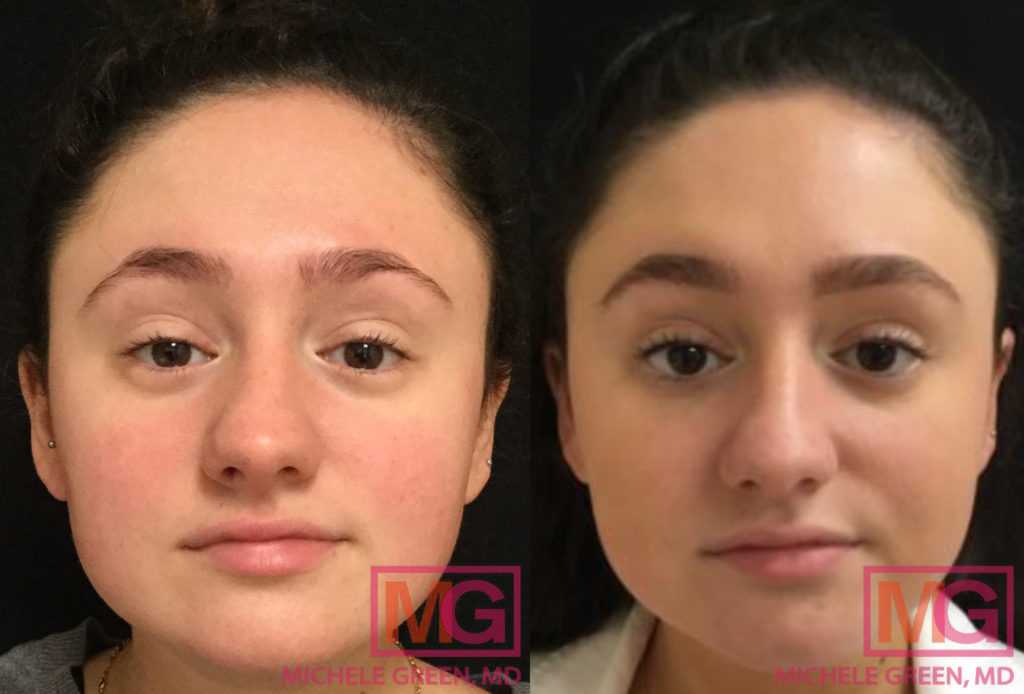
How does a dermatologist treat rosacea?
While there is currently no cure for rosacea, various effective treatments can help prevent flare-ups and manage symptoms. To treat rosacea effectively, a skilled, board-certified dermatologist like Dr. Green focuses on three main goals: addressing the condition, improving your overall skin health, and providing comfort. The first goal is to greatly reduce or eliminate visible symptoms such as persistent facial redness, papules, pustules, and visible blood vessels, which can affect your self-esteem. The second goal is to ensure your skin does not cause physical discomfort or irritation, a common issue for many sufferers. The third goal is to develop a comprehensive plan to prevent future flare-ups and decrease the severity of current symptoms, ultimately enhancing your quality of life and helping you feel more confident in your skin. To effectively manage the varied symptoms of rosacea, patients often benefit from a personalized approach that includes oral medications to reduce inflammation, topical treatments to soothe the skin and minimize redness, and gentle skincare products designed for sensitive skin. Advanced options like photodynamic therapy or laser treatments can also be used to target visible blood vessels and promote a more even skin tone. During your consultation with Dr. Green at her private dermatology practice on Manhattan’s Upper East Side, she will carefully evaluate your unique condition and work closely with you to create a tailored treatment plan. This collaborative approach aims not only to achieve healthy, clear, and radiant skin but also to deliver lasting results that boost your overall well-being and confidence.
Laser treatments for facial rosacea
V-Beam Laser Treatment
The V-Beam pulsed-dye laser treatment is widely recognized as the gold standard for treating facial redness associated with rosacea. Operating at 595 nm, the VBeam laser accurately targets the red pigment in the skin while sparing surrounding tissue, making it highly effective for reducing facial redness from flushing and visible blood vessels characteristic of rosacea. The laser’s energy is selectively absorbed by the blood vessel pigment, effectively destroying the blood vessels and alleviating symptoms of this chronic skin condition. In addition to treating rosacea, the V-Beam laser’s ability to target red pigment also helps reduce the appearance of other skin issues, including stretch marks, post-inflammatory hyperpigmentation, acne scars, broken capillaries, and surgical scars. Many patients find the V-Beam treatment convenient, as it usually requires no downtime. While most people do not need numbing cream for V-Beam treatment, those with particularly sensitive skin or larger treatment areas may choose to use it. In such cases, Dr. Green can provide a prescription for a topical numbing cream to be filled at your preferred pharmacy. Patients are advised to generously apply the cream to the entire treatment area about one hour before their appointment. When patients arrive at Dr. Green’s private dermatology office on Manhattan’s Upper East Side, the numbing cream will be wiped off, and the skin will be sterilized in preparation for the laser procedure. Usually, patients need between 4 and 6 sessions to achieve the best results in reducing the appearance of rosacea. According to the American Academy of Dermatology, many patients see significant improvement, with a 50–75% reduction in visible blood vessels after the first three treatments, and some achieve complete clearance—up to 100%. Since rosacea is a chronic condition that can flare up intermittently, ongoing maintenance treatments may be necessary to manage future outbreaks effectively.
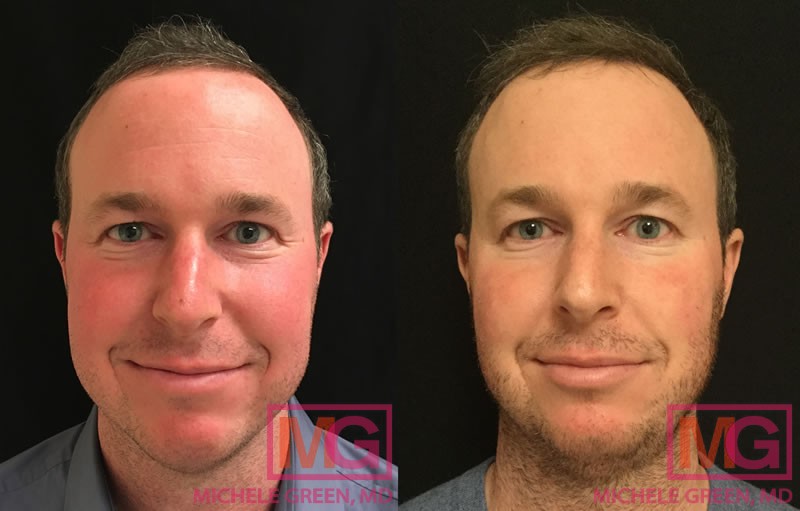
Intense Pulsed Light (IPL) Therapy
IPL treatment, commonly referred to as photo rejuvenation or a photo facial, is a sophisticated anti-aging procedure that uses a range of light wavelengths to target various skin issues. IPL treatment, often called photo rejuvenation or a photo facial, is an advanced anti-aging procedure that uses a range of light wavelengths to target various skin concerns effectively. One of its main benefits is treating facial redness and broken blood vessels associated with rosacea, a chronic skin condition characterized by flushing and visible blood vessels. During the procedure, a specialized device emits precise light wavelengths that penetrate the skin and are selectively absorbed by red pigmentation in the affected areas. This focused approach helps reduce rosacea symptoms by decreasing inflammation and improving overall skin tone. Patients with recurrent rosacea usually need a series of 4 to 6 sessions, spaced about four weeks apart. This schedule promotes skin healing and enhances the treatment’s overall effects. After completing the initial series, most patients are recommended to have an annual maintenance session to maintain and protect their improved skin condition. Overall, IPL treatments not only lessen the visible signs of rosacea but also help promote a more youthful, balanced complexion, making it a popular choice for those looking to improve their skin health and appearance.
Photodynamic Therapy for Rosacea
Photodynamic therapy (PDT) is an innovative, non-invasive treatment for various dermatological and ophthalmological conditions, including rosacea, skin cancer, precancerous lesions, psoriasis, and age-related macular degeneration. The PDT process has two distinct yet complementary phases. In the first phase, a topical photosensitizer—a specialized chemical that reacts to specific wavelengths of light—is carefully applied to the treatment area. This photosensitizer is absorbed by the targeted cells, making them more responsive to light activation. The choice of photosensitizer and application method is customized for each patient and condition. The second phase involves exposing the treated area to a specific wavelength of light, which can be produced by different sources such as lasers, intense pulsed light (IPL), blue light, red light, or natural sunlight. When this light activates the photosensitizer, it causes a photochemical reaction that generates reactive oxygen species (oxygen radicals), which selectively destroy unhealthy cells that have absorbed the photosensitizer. This process helps reduce damage to surrounding healthy tissue, making PDT a safer alternative to more invasive procedures. After PDT, avoid direct sunlight or other strong light sources on the treated area for 24 to 72 hours. This precaution helps protect the skin and promotes optimal healing and treatment results. A typical treatment plan includes three to five PDT sessions spaced four weeks apart. However, the exact number of sessions will be determined by Dr. Green during your consultation, based on the severity of your rosacea and other factors affecting treatment effectiveness. Through careful assessment and personalized planning, PDT can offer significant benefits for individuals suffering from these conditions.
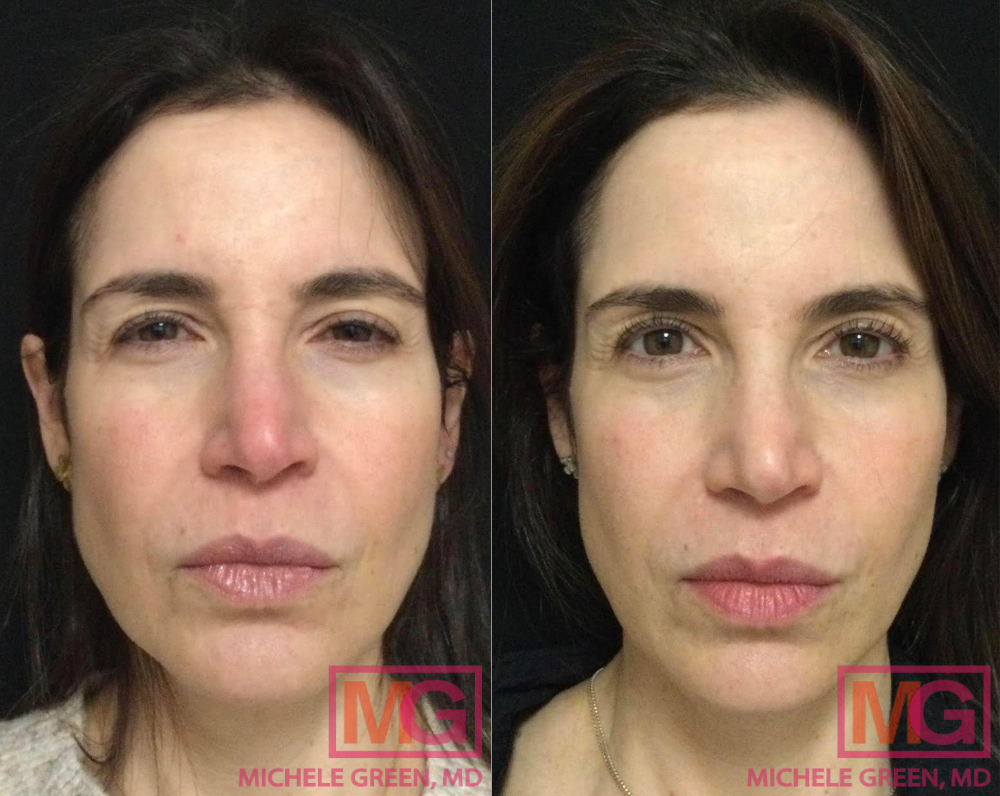
Red and Blue Light Therapy with HydraFacials for Rosacea
A HydraFacial is a comprehensive, three-step medical-grade facial that greatly improves the skin’s health and appearance. This innovative treatment is especially helpful for people with sensitive skin conditions, such as rosacea, because it offers a gentle yet effective approach. The process starts with a thorough cleansing to remove surface impurities. Then it includes gentle exfoliation to remove dead skin cells, dirt, and debris from pores. This step helps reduce acne breakouts and keeps skin clear and healthy. The final stage involves infusing the skin with specialized serums loaded with antioxidants and peptides. These nourishing ingredients hydrate, protect, and renew the skin, helping it look vibrant and youthful. For those with facial rosacea, the Rozatrol Booster can be added to the HydraFacial. When used with the treatment, this booster helps reduce redness and irritation associated with rosacea.
Additionally, Dr. Green incorporates Red/Blue Light Therapy—an LED-based treatment—into the HydraFacial. This therapy reduces facial redness and pustules by increasing blood flow and targeting acne-causing bacteria, resulting in a clearer complexion. HydraFacials are effective not only for conditions such as acne, rosacea, and facial redness, but also for uneven skin tone and texture. Regular monthly treatments can help maintain improved skin tone and texture, lessen red and brown spots, and reduce the size of enlarged pores. Overall, HydraFacials offer a comprehensive solution for those seeking to improve their skin’s health while enjoying a calming, rejuvenating experience.
Oral medications for rosacea treatment
Oral medications like antibiotics and Isotretinoin are generally reserved for moderate-to-severe rosacea, especially when symptoms include bumps or pimple-like breakouts. Renowned dermatologist Dr. Michele Green often prescribes oral antibiotics such as doxycycline, Oracea, or Flagyl (Metronidazole) to manage rosacea symptoms and reduce pimpling. Once the inflammation subsides, many patients can successfully transition to topical treatments for ongoing rosacea management. It’s important to remember that oral antibiotics are not intended for long-term use due to potential side effects from prolonged therapy. Common adverse effects of extended use include yeast infections, gastrointestinal issues like nausea or diarrhea, and increased light sensitivity, known as photosensitivity. Patients should report any side effects to their healthcare provider to address them promptly if rosacea affects the eyes—a condition called ocular rosacea—Dr. Green may use a combination of oral antibiotics, specialized eye washes, and antibiotic eye drops. For severe ocular symptoms, she often refers patients to a board-certified ophthalmologist for specialized care. To determine the best treatment plan, Dr. Green reviews each patient’s medical history and conducts a physical exam of their skin.
Topical Treatments for Rosacea
For patients with milder rosacea symptoms, Dr. Green highlights the importance of a personalized skincare routine to treat the condition and prevent future flare-ups. Since people with rosacea often have very sensitive skin, she recommends gentle, mild skincare products. These include non-comedogenic, oil-free moisturizers and calming cleansers designed to nourish and protect the skin. Dr. Green’s personalized advice is based on in-person evaluations and discussions of the patient’s medical and family history. Metrogel (Metronidazole) is a well-known topical treatment commonly used for facial rosacea. It reduces inflammation and inhibits bacterial growth on the skin, helping to decrease facial redness. Soolantra (Ivermectin) effectively reduces inflammation and redness, providing a targeted approach to managing symptoms. Mirvaso (Brimonidine) is designed to target the visible blood vessels associated with rosacea. Its once-daily use offers quick relief from facial redness. Azelaic acid is an anti-inflammatory ingredient that calms redness and irritation, kills bacteria, and prevents the buildup of skin cells that can cause acne-like breakouts. Lastly, Rhofade (Oxymetazoline) is a topical cream that tightens blood vessels to lessen facial redness. It is also recommended for once-daily application to achieve the best results. Through thorough examination and customized treatment plans, Dr. Green guides patients toward the most effective options for managing their rosacea, ensuring both immediate relief and long-term care.
Best Skin care products for rosacea
Patients with rosacea can significantly improve their skin health and reduce discomfort by following a carefully selected skincare routine with targeted active ingredients. Dr. Michele Green, an internationally recognized board-certified dermatologist, has created a specialized line of topical skincare products designed to reduce redness and achieve a clear complexion. For those managing rosacea, three essential skincare items are vital: a Vitamin C serum, a broad-spectrum sunscreen, and a hydrating moisturizer.
Vitamin C Serum is a potent antioxidant known for its remarkable skin-renewing effects. It not only reduces facial redness but also refreshes the skin by boosting collagen production and increasing skin cell turnover. Among Dr. Green’s products, her top-selling Vita-C-Serum from the MGSKINLABs, Inc. line stands out as a top choice for those looking to improve facial redness, hyperpigmentation, and overall skin discoloration. This serum is made with strong Vitamin C to help even out skin tone and restore brightness.
Since sun exposure can significantly worsen rosacea symptoms, patients should limit sun exposure and use effective sun protection. Dr. Green’s top advice for managing rosacea is to apply a fragrance-free, non-comedogenic sunscreen with broad-spectrum protection and an SPF of at least 30. Broad-spectrum sunscreen not only shields against harmful UVB rays, which cause sunburn, but also against UVA rays, which can lead to long-term skin damage and worsen rosacea. The Hydrating Sunscreen with SPF 50, created by Dr. Green, offers essential protection while providing a light, silky finish for all-day comfort.
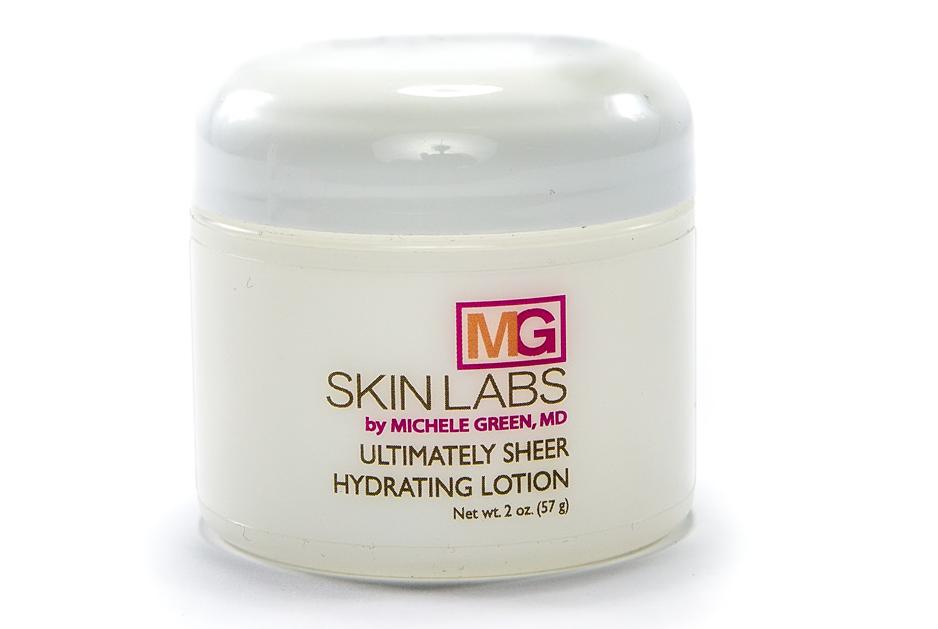
Moisturizer plays an essential role in any skincare routine, especially for those with rosacea. A well-chosen moisturizer helps strengthen and repair the skin’s natural barrier, keeping moisture in and protecting against external irritants and environmental triggers that can worsen rosacea symptoms. Many rosacea patients also face acne-like breakouts, so a lightweight, oil-free moisturizer is often preferred to prevent clogged pores. The Ultimately Sheer Hydrating Lotion from MGSKINLABS, Inc. is designed specifically for sensitive skin, featuring soothing aloe and refreshing rosewater to provide instant hydration without feeling heavy. When consulting with Dr. Green, patients are encouraged to discuss their individual skincare needs and concerns thoroughly. Dr. Green collaborates with each patient to develop a tailored skincare plan, selecting the most suitable topical treatments and products to promote a healthy, clear, and long-lasting complexion. This personalized approach ensures each patient receives care adapted to their unique skin profile, empowering them to manage their rosacea effectively.
What are the most common triggers for rosacea?
The most common causes of rosacea include environmental and lifestyle factors that can worsen the condition. Exposure to sunlight is a major factor, as UV rays can increase redness and inflammation in sensitive skin. Stress is another key trigger; emotional strain can cause flushing and intensify existing symptoms. Additionally, extreme temperatures can provoke flare-ups, whether from hot or cold weather, hot drinks, or saunas, leading to blood vessel dilation and skin reactions. Lastly, drinking alcohol, especially red wine, has been linked to more severe rosacea symptoms because it causes blood vessels to widen, resulting in red patches, particularly in those with fair skin. Recognizing these triggers is crucial for effectively managing and preventing rosacea flare-ups.
What is the biggest trigger for rosacea?
Sun exposure is one of the main triggers for rosacea. The ultraviolet (UV) rays and heat from the sun significantly worsen the condition. When the skin encounters these factors, blood vessels can dilate, leading to increased redness and visible flushing. This happens because UV radiation damages the skin’s barrier and triggers inflammation, leading to symptoms such as red bumps. Additionally, prolonged sun exposure can not only intensify existing symptoms but also trigger new flare-ups. Therefore, people with rosacea should take precautions, such as applying broad-spectrum sunscreen, wearing protective clothing, and staying in the shade during peak sunlight hours to reduce the effects of sun exposure.
What vitamin are you lacking if you have rosacea?
While vitamin deficiencies do not directly cause rosacea, research suggests that deficiencies in certain vitamins, such as B2 (riboflavin), B9 (folate), and B12 (cobalamin), may be associated with more severe symptoms and increased flushing. These vitamins are crucial for maintaining healthy skin and supporting various metabolic processes that impact inflammation. Beyond B vitamins, other key nutrients, such as Vitamin A, C, and D, along with zinc, play important roles in promoting overall skin health and strengthening immune function. A deficiency in these nutrients can worsen inflammation or cause symptoms that resemble rosacea, leading to a more complex clinical picture. For those experiencing rosacea symptoms, it’s important to seek advice from a board-certified dermatologist, such as Dr. Green. A qualified specialist can fully evaluate your condition and discuss personalized treatment options, including lifestyle changes, topical or oral medications, and appropriate supplements tailored to your nutritional needs. This personalized approach is vital for effectively managing rosacea and enhancing your skin’s appearance and overall health.
What naturally calms rosacea?
To naturally calm rosacea, consider adding soothing topical agents, such as aloe vera, green tea, and oatmeal. Aloe vera is famous for its cooling effects; it not only hydrates the skin but also has anti-inflammatory properties that can help reduce redness and irritation associated with rosacea. Its gel can be applied directly to the skin for quick relief. Oatmeal is another great option, as it is rich in beta-glucans, which help soothe irritation and rebuild the skin’s natural barrier. Colloidal oatmeal, in particular, is effective in calming inflammation and alleviating dryness, making it a gentle choice for sensitive skin. Green tea, a powerful antioxidant, contains epigallocatechin gallate (EGCG), which has been shown to lessen inflammation and boost overall skin health. Applying green tea extracts topically or adding brewed green tea to your skincare routine can help reduce redness and promote a more even skin tone. Using these natural ingredients can support your skin’s health and help manage rosacea symptoms more effectively.
Can rosacea be a symptom of something else?
Rosacea is a persistent and often misunderstood skin condition characterized by chronic facial inflammation. It is not simply a symptom of another condition but stands as a distinct dermatological disorder. The main symptom of rosacea is facial redness, which can appear as persistent flushing or visible blood vessels, mainly on the central face, including the cheeks, nose, and forehead. Because it resembles other skin conditions such as acne, lupus, and eczema, rosacea is often misdiagnosed, leading to inappropriate treatment. Other common symptoms include acne-like breakouts, dry, irritated skin, and a tendency for the skin to feel warm or sensitive. It can be confused with other skin conditions, such as dermatitis, which also causes inflammation, redness, itching, dryness, and bumps. Demodex mites are microscopic parasites that live on the skin, especially on the face. While they are normally present, overgrowth can be linked to rosacea and may trigger inflammation, redness, and bumps. Furthermore, menopause, with its fluctuating hormones—particularly the drop in estrogen—can often trigger or worsen rosacea by weakening the skin barrier, increasing inflammation, and causing hot flashes that dilate blood vessels, leading to redness and flushing of the facial skin. Although not always connected, understanding rosacea is vital for effective management and treatment, as early intervention can help reduce progression and associated discomfort.
What foods should I avoid with rosacea?
If you have rosacea, it’s important to avoid spicy foods and alcohol, as they can worsen symptoms like facial flushing and skin irritation. Spicy foods can boost blood flow to the skin, causing redness and warmth, while alcohol can expand blood vessels, leading to increased flushing. Both can also increase your skin’s overall sensitivity, making it more likely to irritate and flare up. By avoiding these triggers, you can better control your symptoms and keep your skin healthier.
What gut issues cause rosacea?
Gut issues associated with rosacea are often linked to microbial imbalances and ongoing digestive system inflammation. Several conditions can contribute to this connection, including Small Intestinal Bacterial Overgrowth (SIBO), which involves an abnormal increase of bacteria in the small intestine; Irritable Bowel Syndrome (IBS), characterized by abdominal discomfort and changes in bowel habits; Celiac Disease, an autoimmune disorder triggered by gluten consumption; and Inflammatory Bowel Disease (IBD), which includes conditions like Crohn’s disease and Ulcerative Colitis that cause severe inflammation in the gastrointestinal tract. If you experience both rosacea and digestive issues, it’s important to see a board-certified dermatologist, such as Dr. Michele Green. A specialist like her can evaluate your skin condition in relation to your gut health. Working closely with your gastroenterologist, they can create a detailed treatment plan designed to address both your skin and digestive concerns. This integrated approach is key to effectively managing rosacea symptoms and maintaining overall health.
What foods flare up rosacea?
Rosacea, a chronic skin condition marked by facial redness and inflammation, can be worsened by certain foods. Common triggers include spicy foods, which cause vasodilation and flushing; alcohol, especially red wine, which can boost blood flow to the skin; and hot beverages, which raise skin temperature. Dairy products are another notable trigger, as they can promote inflammation in some people. Additionally, histamine-rich foods—such as aged cheeses, fermented products, and cured meats—may trigger rosacea symptoms by releasing histamine, which can increase redness and irritation. It’s important to understand that the effects of these food triggers can vary greatly from one person to another. While some individuals find certain foods provoke their symptoms, others may not. Recognizing and avoiding personal triggers can be an effective way to manage rosacea flare-ups, helping individuals better control their condition and maintain healthier skin.
What diet gets rid of rosacea?
A diet aimed at reducing inflammation emphasizes anti-inflammatory whole foods. Key elements include omega-3 fatty acids found in fatty fish like salmon and mackerel, which are known to lower inflammatory markers. Leafy greens such as spinach, kale, and Swiss chard are excellent options because they are high in antioxidants and vitamins that support overall health. Berries, including blueberries, strawberries, and raspberries, are rich in antioxidants and fiber, making them ideal additions. Whole grains like quinoa, brown rice, and oatmeal supply essential nutrients and promote a healthy gut microbiome, which plays a vital role in managing inflammation. Incorporating probiotics is also crucial. Foods like yogurt, kefir, and fermented vegetables, such as kimchi and sauerkraut, introduce beneficial bacteria into the digestive system, helping maintain a balanced gut flora and potentially reducing inflammation. Conversely, it’s important to limit or avoid certain triggers that can worsen inflammation. This includes spicy foods, which may irritate the digestive tract, as well as alcohol and hot beverages, which could trigger flare-ups.
Additionally, reducing intake of refined sugars and trans fats—commonly found in processed foods—can significantly decrease inflammation. Some people might also find it helpful to limit certain dairy products, as they can cause adverse reactions in sensitive individuals. By focusing on these nourishing foods and avoiding potential irritants, this diet seeks to boost overall health, reduce inflammation, and minimize flare-ups.
What autoimmune disease is linked to rosacea?
Rosacea is increasingly recognized as more than just a skin condition; it is associated with several systemic health issues, including Type 1 Diabetes, celiac disease, rheumatoid arthritis, and multiple sclerosis. However, the exact cause of rosacea is not fully understood. While there are different types of rosacea and links to other medical conditions, these do not imply a direct cause-and-effect relationship; they highlight the inflammatory nature of rosacea, which is now classified as an inflammatory disorder. This means that people with rosacea may also be more prone to other inflammatory diseases, suggesting a shared underlying mechanism involving immune system dysfunction. Although rosacea can cause emotional stress and frustration, it is important to consult a board-certified dermatologist, such as Dr. Michele Green, who can work with a rheumatologist to better understand these connections. Recognizing these links can lead to more comprehensive management strategies that address not only skin symptoms but also potential co-occurring health conditions.
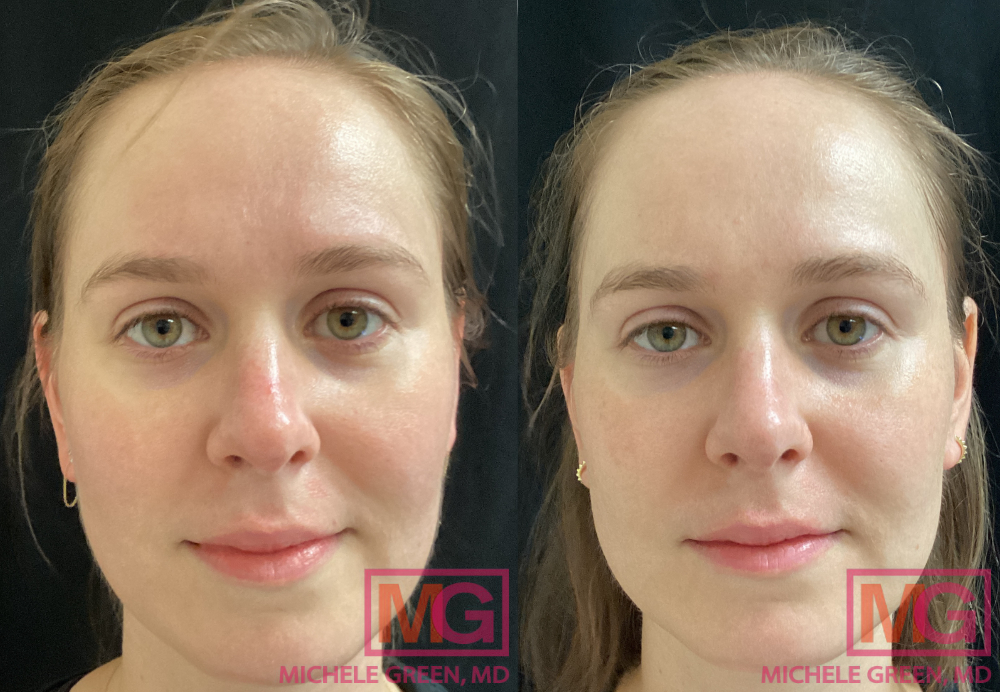
How to get started with rosacea treatment today
For many people, rosacea symptoms can be a major source of frustration, often leading to a decline in overall quality of life and self-esteem. This long-term skin condition, marked by persistent redness, visible blood vessels, and sometimes acne-like breakouts, can feel overwhelming. Although there is currently no cure for rosacea, a variety of effective, non-invasive treatments are available to help manage its symptoms, enabling you to look and feel your best. Navigating the wide range of treatment options can be challenging. From in-office procedures like laser therapy and chemical peels to prescription medications and specially formulated skincare products, finding the right combination that addresses your unique skin concerns is essential. Since each person’s experience with rosacea varies, personalized consultation and treatment planning are vital. Fortunately, Dr. Green is committed to guiding you through this process. With her expertise, she can help you choose the most suitable treatments tailored to your specific needs, helping you regain confidence in your skin and improve your overall well-being.
Dr. Michele Green is a globally recognized, board-certified dermatologist with over 25 years of experience providing some of the world’s most selective individuals with top non-invasive treatments for rosacea symptoms. She adopts a holistic approach and favors a less-is-more philosophy on skincare and facial rejuvenation. She personalizes each patient’s treatment plan to meet their specific skin needs and circumstances. Dr. Green uses the most advanced techniques and the latest modalities in her private dermatology practice on Manhattan’s Upper East Side. She is repeatedly recognized by Castle Connolly, New York Magazine, The New York Times, and Super Doctors as one of New York City’s leading dermatologists. She is known for her dedication and expertise. When you consult with Dr. Green for a treatment plan for rosacea, she will gather a detailed medical and family history and examine your skin. She will then work with you to create a personalized treatment plan to help you achieve a clear, smooth, and lasting healthy complexion. For treatment options for rosacea and skin rejuvenation, please contact us online or call the NYC office at 212-535-3088.


