


Nail Treatments
Most patients think of skin care as something that begins and ends with the face, but the fingernails and toenails deserve just as much attention, since changes in the nails can be one of the earliest visible clues to a health issue elsewhere in the body. Nail disorders take many forms, from simple dryness to fungal infections to signs of a more serious systemic condition, and the right nail treatment always starts with an accurate diagnosis. Patients throughout New York City who notice any change in their nails are encouraged to schedule an evaluation with Dr. Michele Green.
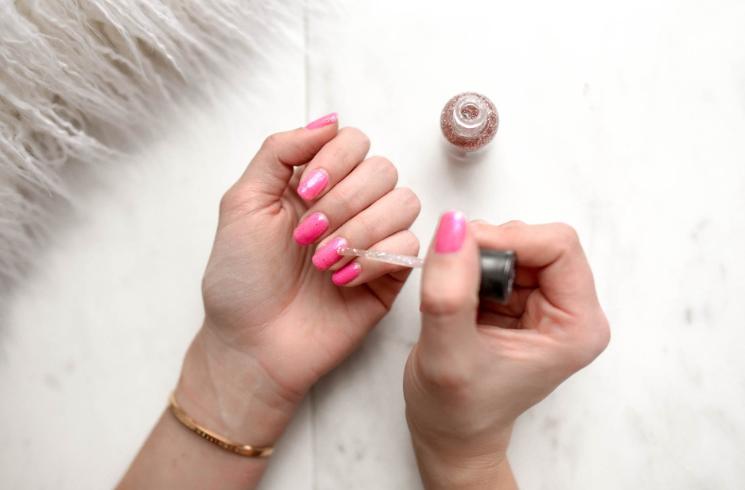
Nail treatments are broader than most people realize, spanning prescription antifungal medications, in-office procedures, professional strengthening treatments, and everyday nail care habits practiced at home. An abnormal nail can sometimes point to something beyond the nail itself, including psoriasis, a thyroid condition, or a nutritional deficiency. For this reason, self-treating a persistent nail problem is rarely the best first step. As a specialist in diseases of the hair, skin, and nails, Dr. Michele Green in NYC can pinpoint the cause and recommend the nail treatment that will actually work.
Common Nail Conditions and Treatments
Fungal Nail Infections
Onychomycosis, more commonly known as nail fungus, accounts for about half of all nail disease and is among the most common nail concerns Dr. Green sees in her NYC practice. It appears on the toenails far more often than on the fingernails and is closely related to tinea, the same fungal family responsible for athlete’s foot on the feet. Because fungal nail infections spread easily through contact at gyms, locker rooms, and communal showers, watch for any changes in the color, thickness, or texture of your nails. Discoloration, thickening, and brittleness are classic warning signs, and anyone noticing them should see a board-certified dermatologist, like Dr. Green, for a definitive diagnosis.
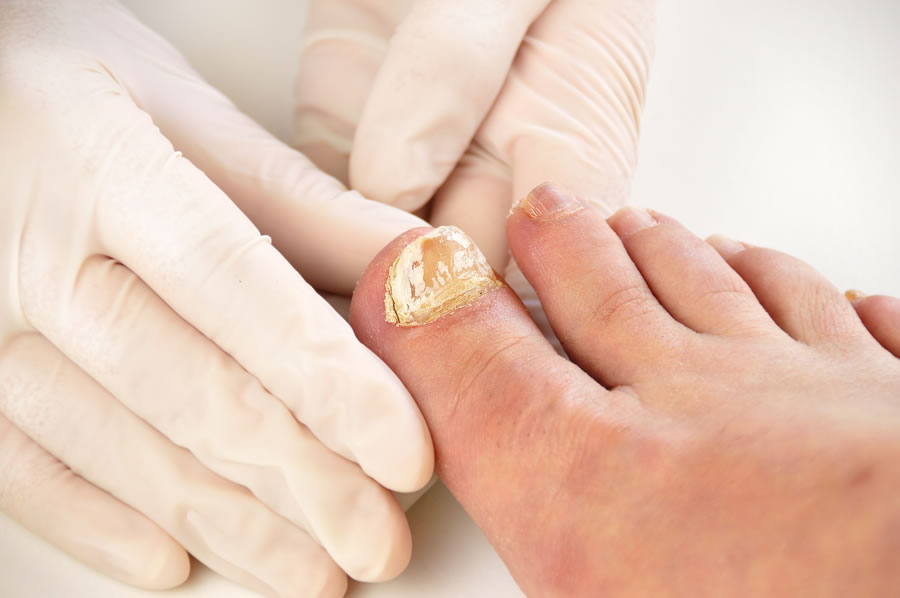
To treat the infection itself, Dr. Green typically starts with a topical approach for mild cases or those confined to a single nail. Prescription nail lacquers such as Penlac and Jublia are applied directly to the affected nail on a regular schedule, gradually killing the fungus as the nail grows out. Because they need time to penetrate the nail plate, they tend to work best when infections are caught early. For infections that are more widespread, deeply established, or resistant to topical treatment, oral antifungal medications such as terbinafine or itraconazole are usually more effective because they treat the infection systemically rather than only at the nail’s surface. A typical course of oral treatment runs from six to twelve weeks, and Dr. Green may order periodic bloodwork to monitor liver function while a patient is taking them.
Older patients often have a harder time with fungal nail infections because aging nails naturally become more brittle and develop small cracks that give fungus an easy entry point. Diabetes, which becomes more common with age, adds another layer of risk, making consistent nail care an increasingly important habit later in life. Moisturizers that hydrate the nail bed can go a long way toward improving brittleness, and pairing that routine with a nail strengthener or hardener helps reinforce the keratin that gives nails their structure. Depending on the root cause of your weak nails, fast-drying strengthening polishes may offer an additional layer of support.
Nail Psoriasis
Small pinpoint indentations across the nail surface, known as nail pitting, are often among the earliest signs of psoriasis, and this same pattern can also appear with other autoimmune conditions, such as alopecia areata. Nail psoriasis can look remarkably similar to a fungal infection, with discoloration and yellowing common to both. It is not unusual for a patient to have both conditions at the same time. When that overlap occurs, the nail typically shows more visible damage than it would from either condition alone. Because the two can closely mimic each other, any noticeable change in your nails warrants a prompt visit to a dermatologist for an accurate assessment.
Treatment for nail psoriasis usually starts with topical therapy. However, results often take longer than with skin psoriasis because any medication must first penetrate the nail plate to reach the nail bed. Dr. Green may prescribe a topical corticosteroid or a vitamin D analog, sometimes applied under occlusion to improve absorption. Patients whose psoriasis extends beyond the nails to the skin or joints are often better served by systemic treatment, such as a biologic medication, which can improve nail involvement as a secondary benefit while also addressing the underlying disease. Alongside medical treatment, simple nail care habits, including keeping the nails trimmed short, well moisturized, and protected from trauma, help prevent further damage and support better outcomes. Because nail psoriasis can take many months to show visible improvement even with the right treatment, Dr. Green monitors her patients closely and adjusts the treatment plan as needed.
Deformed Nails
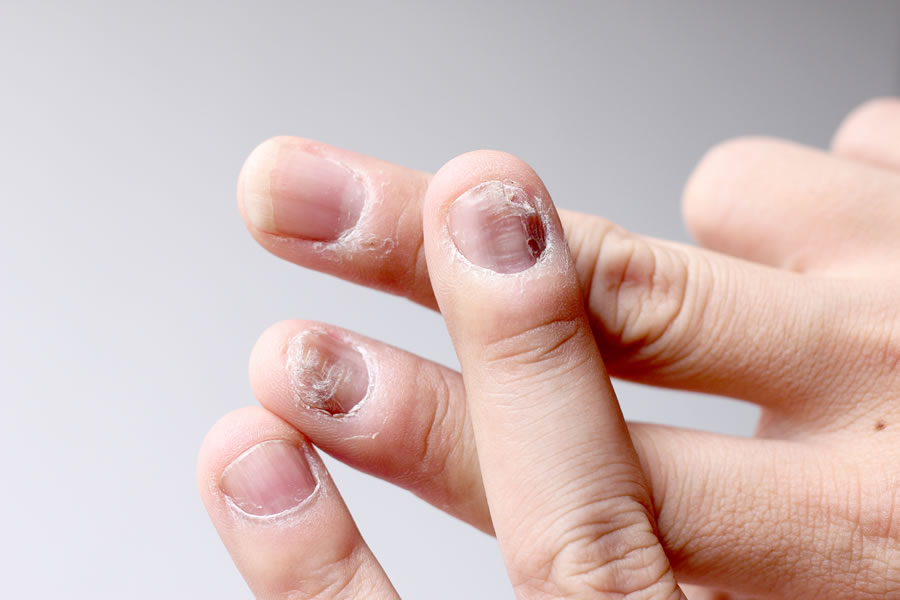
A change in the shape of the nail is often the body’s way of signaling a broader health issue, which is why deformed nails warrant a dermatologist’s attention rather than a cosmetic fix. Nail clubbing, in which the tip of the finger widens beyond the base of the nail, can indicate reduced blood oxygen levels and is associated with lung disease and several other systemic conditions. A spoon-shaped, brittle nail, medically termed koilonychia, is frequently linked to iron deficiency. Because the cause of a deformed nail so often lies outside the nail itself, Dr. Green will look at your broader health picture before recommending a nail treatment.
Nail Bed Separation & Peeling Nails
Nail bed separation, peeling, or any other noticeable change in nail condition is worth having a specialist like Dr. Green evaluate, who can put together a nail treatment plan to restore your nails to full health. Several daily habits also make a real difference in how well your nails hold up over time. Give your nails a break from constant nail polish, and cut back on acrylic nails, elaborate nail art, and gel manicures to prevent the cumulative damage these treatments can cause; save them for special occasions rather than everyday wear. When you do remove polish, reach for a gentler, more natural nail polish remover instead of one loaded with acetone, since repeated exposure to acetone and similarly harsh chemicals gradually weakens the nail. Ultimately, keeping your natural nails free of product periodically supports long-term nail health, so if you rely on these products often, build in regular breaks to let your nails recover.
A standing manicure & pedicure with a trusted manicurist is a simple way to stay on top of your nail health, since a manicurist will often flag changes in nail strength while using tools such as a cuticle pusher or applying a base coat or top coat that doubles as a strengthening polish. Good cuticle care, whether that means a nourishing cuticle oil or an occasional gentle cuticle remover, keeps cuticles supple and reduces breakage risk. Nutrients like Vitamin E, calcium, and biotin are well known for helping prevent nails from peeling, cracking, or weakening. Patients whose hands are frequently in water should wear gloves when possible to protect the nail bed, and a rich hand cream or steroid ointment can help counteract the drying effects of frequent handwashing, chlorine, or other water exposure.
Nail Repair Solutions
A broken or chipped nail heals only with time, but a few simple steps can help. A nail file can smooth a chip at the tip, and it’s best to trim a break to prevent it from catching or tearing further. Because nail growth is so slow, growing the nail out is the only way it completes its natural repair cycle. If the break is severe enough to affect the nail bed itself, check in with your dermatologist, since damage at that level can sometimes prevent the nail from growing back normally. Some popular protective nail strengtheners are listed below to help you start your nail recovery journey:
OPI
OPI Nail Envy has built a reputation as one of the most trusted nail strengtheners, and it is often recommended for patients with brittle nails that crack, peel, or break easily. Its versatility is part of its appeal, since it works equally well on its own or layered under a base coat of nail polish.
Nailkale Superfood base coat
Nails Inc. Nailkale Superfood is a nail strengthener formulated with kale extract and Vitamins A, K, and C. As a base coat, it conditions and moisturizes the nail while supplying the building blocks for keratin and collagen that support nail health, longer nails, and greater overall strength over time.
Sally Hansen’s Hard As Nails
Sally Hansen’s Hard As Nails has been a go-to nail strengthener since the 1940s, making it one of the longest-standing products in its category. Its silk and nylon protein formula strengthens nails from the inside out, forming a moisture barrier that keeps nails hydrated while reinforcing the keratin fibers within. Many patients also like it as a top coat because the quick-dry formula fits easily into a busy schedule.
Deborah Lippmann
Deborah Lippmann’s nail and cuticle conditioning treatment is considered one of the more intensive at-home options for nail care between salon appointments. It is designed to nourish the nail plate and the surrounding cuticle, leaving both noticeably better.
CND RescueRXx
CND RescueRXx serves as both a nail conditioner and a nail strengthener. Its formula relies on essential oils, including jojoba oil, sweet almond oil, and Vitamin E, to condition the nail bed and replenish lost moisture. These oils also penetrate the nail itself, offering some protection against the drying effects of other nail treatments, such as gel polish or gel manicures.
The nail treatment category has changed significantly over the years, largely thanks to the growing popularity of self-care rituals such as regular manicures and pedicures. Brands such as Orly, Nail Tek, and Essie now sit alongside countless other nail strengtheners, base coats, and top coats, giving patients a wide range of formulas and shades to choose from without compromising nail health. The broader nail care products industry has also shifted toward cleaner, vegan-friendly formulations free of toluene and formaldehyde, chemicals once standard in nail polish. Today’s nail care products go well beyond polish alone, covering everything from cuticle treatments to nail conditioners to ridge fillers.
Frequently Asked Questions (FAQs) About Nail Health and Treatments
What Are the Different Nail Treatments?
The right nail treatment depends entirely on the underlying cause. For a fungal infection like onychomycosis, treatment usually involves prescription oral or topical medication; for brittle or weak nails, professional strengthening treatments and nail hardeners are often more effective; and for general maintenance, consistent nail care habits, including moisturizing and cuticle care, make the biggest difference. Cosmetic options such as base coats, top coats, and targeted nail polish formulas can further support nail strength and appearance. Given the range of options, Dr. Green recommends a professional evaluation before choosing a specific nail treatment.
What Causes Nail Fungus?
Nail fungus, medically known as onychomycosis, develops when a fungal organism, often the same one that causes athlete’s foot, enters the nail through a small crack in the nail plate or nearby skin. It affects toenails more often than fingernails and spreads easily through contact with damp, communal surfaces such as gym floors, locker rooms, and public showers. Older age, diabetes, poor circulation, prolonged moisture exposure, and already weakened nails all increase infection risk.
What Does Nail Fungus Look Like?
A fungal nail infection usually begins with discoloration, most often yellow, brown, or white, along with a nail that feels thicker and more brittle than usual. As it progresses, the nail can lose its normal shape, become crumbly, or start to separate from the nail bed. If left untreated, it may eventually become quite disfigured and develop a faint odor. Dr. Green can confirm whether these changes are fungal and recommend the appropriate treatment.
What Are the Best Treatments for Nail Fungus?
No single treatment is best for nail fungus; the right approach depends on how advanced the infection is. A topical antifungal lacquer, such as Penlac or Jublia, is often sufficient for a mild case confined to one nail. In contrast, a more established infection usually requires oral antifungal medication, sometimes combined with a topical treatment. Laser therapy is also worth discussing for patients who would rather avoid medication altogether. Dr. Green will match the treatment to the severity of your infection.
Do Over-the-Counter Nail Fungus Treatments Work?
Over-the-counter nail fungus treatments have a limited track record against established infections, mainly because they struggle to penetrate the nail plate as effectively as prescription formulas. They can help with cosmetic upkeep in very mild cases, but they are not a reliable substitute for a medical diagnosis and treatment plan. If you suspect a fungal infection, seeing a dermatologist, such as Dr. Green, gives you a much better shot at fully resolving it.
What Prescription Treatments Are Available for Nail Fungus?
Prescription options for nail fungus include topical antifungal lacquers, such as Penlac and Jublia, as well as oral antifungal medications, including terbinafine and itraconazole, for infections that are more widespread or resistant to topical treatment. Because oral antifungals can occasionally affect the liver, Dr. Green may order periodic bloodwork for patients taking them. Some patients also benefit from pairing prescription medication with an in-office procedure, such as laser therapy, for a more complete result.
Do Laser Nail Fungus Treatments Work?
Laser treatment is a solid option for nail fungus, especially for patients who want to avoid oral medication or who have not seen much improvement with topical treatment alone. The laser heats the fungal organisms in the nail bed while sparing surrounding healthy tissue. Results are strongest when laser therapy is combined with a topical or oral antifungal medication rather than used as a standalone nail treatment.
How Many Laser Treatments Are Needed for Nail Fungus?
Patients typically need between three and six laser sessions, spaced a few weeks apart, before noticeable improvement occurs. The exact number depends on how advanced the infection is and how quickly clear, healthy nail grows in afterward. Because nails grow slowly, it can take several more months after the final session for the full results to become visible. Dr. Green will track your progress along the way.
How Much Does Laser Nail Fungus Treatment Cost?
Pricing for laser nail fungus treatment depends on the number of sessions required and the extent of the infection. Because it is generally classified as a cosmetic procedure, insurance typically does not cover it. During your consultation, Dr. Green will review a recommended treatment plan and provide clear pricing based on your specific case.
How Long Does Nail Fungus Treatment Take?
How long nail fungus treatment takes depends on the infection’s severity and the treatment method you choose. Topical treatments are usually applied consistently for several months, while a course of oral antifungal medication typically lasts six to twelve weeks. Even after the infection clears, it can take nearly a year for a toenail to grow out completely, since nail growth is gradual.
Can Nail Fungus Come Back After Treatment?
It can, especially for patients who continue to spend time in damp, shared spaces like gyms, pools, and locker rooms without taking precautions. Staying on top of nail care, keeping nails dry, choosing breathable footwear, and addressing any lingering athlete’s foot all help reduce the risk of a repeat infection. Dr. Green may also recommend ongoing maintenance nail treatment for patients who are especially prone to recurrence.
How Can You Prevent Nail Fungus?
Solid nail care habits are the foundation of preventing fungal infections. Keeping hands and feet clean and dry, wearing moisture-wicking socks, and avoiding going barefoot in gyms, locker rooms, and public showers all reduce your exposure. Breathable shoes, regularly disinfected nail tools, and prompt treatment of athlete’s foot round out a solid prevention strategy. If fungal infections keep coming back, talk with Dr. Green about a longer-term nail-health plan.
What Causes Thick Toenails?
A fungal infection is the most common cause of toenail thickening, though aging, ongoing pressure from tight shoes, and conditions such as psoriasis or poor circulation can also contribute. As the nail thickens, trimming becomes more difficult, and the risk of further damage, including ingrown nails, tends to increase. Because the cause varies so much from patient to patient, Dr. Green will examine the nail directly before recommending the appropriate nail treatment.
What Causes Brittle Nails?
Brittle nails often stem from frequent exposure to water and harsh chemicals like acetone, as well as natural aging, nutritional gaps, and underlying thyroid or skin conditions. Heavy use of nail polish, acrylics, and gel manicures can compound the problem over time. Supporting nail health with hydrating moisturizers, a nail strengthener or hardener, and nutrients such as biotin, calcium, and Vitamin E is often enough to bring meaningful improvement.
What Causes Nail Ridges?
Vertical ridges running the length of the nail are a normal part of aging and generally nothing to worry about. Horizontal ridges, known as Beau’s lines, are a different story and can signal an underlying illness, a nutritional deficiency, or significant physical stress. If you notice new, pronounced ridges or ridges paired with other nail changes, it is a good idea to have a dermatologist, like Dr. Green, take a look.
Which Treatments Rebuild Damaged Nails?
Rebuilding a damaged nail generally requires a combination of professional strengthening treatments and consistent at-home nail care. Hydrating moisturizers, a nourishing cuticle oil, and a nail strengthener or hardener all support the nail as it works to restore its natural structure. Vitamin E, biotin, and calcium also strengthen the nail from within. When nail bed damage is more significant, Dr. Green can create a customized nail treatment plan to help the nail heal and regrow properly.
When Should I See a Dermatologist for a Nail Condition?
Any unexplained change in a nail’s color, shape, thickness, or texture warrants a dermatologist’s attention, as does a suspected fungal infection, nail psoriasis, or another underlying issue. Certain findings, such as nail clubbing or koilonychia, can be linked to a more serious systemic condition, so prompt evaluation by a board-certified dermatologist, such as Dr. Green, is important for an accurate diagnosis and effective treatment. Nail conditions that go unaddressed tend to become harder to manage the longer they are left untreated.
Schedule Your Nail Treatment Consultation with Dr. Michele Green Today
Whether you are dealing with a fungal infection, nail psoriasis, or nails that are simply brittle, damaged, or discolored, the path to healthier nails starts with an accurate diagnosis. From there, the right nail treatment might include prescription medication, laser therapy, or a few adjustments to your everyday nail care routine, such as the right nail strengthener, moisturizer, and cuticle care products. Whatever changes you have noticed in your nails, an experienced, board-certified dermatologist like Dr. Michele Green can help you understand what is really going on and how best to treat it.
Dr. Michele Green is an internationally recognized, board-certified dermatologist with more than 25 years of experience caring for patients across New York City at her Upper East Side practice. Castle Connolly, New York Magazine, Super Doctors, and The New York Times have named her among the city’s top dermatologists, reflecting her expertise and ongoing commitment to patient care. To schedule your nail treatment consultation with Dr. Green, contact us online or call 212-535-3088 today.


