


Laser Tattoo Removal
Laser tattoo removal is considered the safest and most effective method for removing unwanted tattoos. Treatments target tattoo ink pigment while leaving the surrounding skin unaffected. There is minimal downtime and few side effects, making it a simple and accessible option for those who no longer want their tattoos. At her private dermatology office in NYC, Dr. Green offers the gold-standard AlexTriVantage laser for tattoo removal. The AlexTrivantage laser is a unique, Q-switched Nd: YAG laser that is safe and effective for patients of all skin colors, including darker tones, which may be more prone to unwanted side effects with other laser treatments.
The laser tattoo removal process is straightforward, and a session can last 5-30 minutes, depending on the tattoo’s size. During treatment, the laser energy is absorbed by the tattoo pigment, breaking it into smaller particles. These particles are small enough for the body’s immune system to clear, resulting in a lighter tattoo and a visibly faded appearance. Different ink colors absorb different wavelengths of light, so different laser wavelengths are necessary to treat various tattoo hues. It’s important to have laser treatments, including tattoo removal, performed by an expert to ensure safety, effectiveness, and optimal results, while preventing side effects such as hypopigmentation, hyperpigmentation, and scarring.
Dr. Michele Green, based in New York City, is an internationally recognized expert in cosmetic dermatology with over 25 years of experience providing the world’s most discerning clients with top non-invasive treatments, including laser tattoo removal. She uses the latest laser technologies to remove unwanted tattoos of various pigments, inks, and sizes. Dr. Green adopts a holistic, less-is-more approach to skin rejuvenation, customizing each patient’s treatment plan to meet their specific concerns and aesthetic goals. She is consistently recognized by Castle Connolly, New York Magazine, Super Doctors, and the New York Times as one of NYC’s best dermatologists for her commitment to her patients and expertise. When you consult with Dr. Green about laser tattoo removal at her state-of-the-art clinic, she will develop a personalized treatment plan tailored to your needs.
What is laser tattoo removal?
Laser tattoo removal is an effective, non-invasive procedure typically performed under medical supervision. It uses advanced technology to deliver concentrated light beams to the target and break down tattoo pigment particles embedded in the skin’s top layers. During treatment, the laser energy penetrates the skin, fragmenting the ink into smaller particles that the body’s immune system can absorb and eliminate. The process typically requires multiple sessions because the extent of ink saturation, tattoo colors, and individual skin types can affect the results. Each session is tailored to the patient’s specific needs to ensure optimal safety and efficacy. After each treatment, the body gradually eliminates fragmented ink particles, causing the tattoo to fade over time. Patients may experience some discomfort during the procedure, but many find it manageable, often likening it to a rubber band snapping against the skin. For those who are more sensitive, a topical anesthetic will be applied at least 1 hour before your appointment time to maximize comfort.
How does laser tattoo removal work?
Advances in laser technology have made laser tattoo removal the most effective method for permanently eliminating tattoo pigment without damaging surrounding skin. Tattoo ink is located in the dermis, the second layer of skin. When a tattoo is first applied, the ink particles are too large for the immune system to recognize, which is why tattoos are generally considered permanent. During laser tattoo removal, the pigment absorbs the laser energy, shattering the ink into smaller pigmented lesions. These smaller particles are small enough for the immune system to remove from the body, resulting in a lighter, visibly faded tattoo. Different ink colors absorb different wavelengths of light, which is why specific laser wavelengths are needed for different tattoo colors. Black tattoos are the easiest to remove because they absorb all laser wavelengths.
The number of sessions needed depends on the tattoo’s size, color, and the type of ink used. The patient’s aesthetic goals also influence the total number of treatments. Some patients may need only a few laser sessions to fade the tattoo sufficiently for a cover-up. Those seeking complete removal will need additional sessions. Laser treatment is safer than many other methods, such as dermabrasion, cryosurgery, salabrasion, and excision, because it targets only the pigment in the tattoo ink and does not harm the surrounding skin.
What laser is used for tattoo removal?
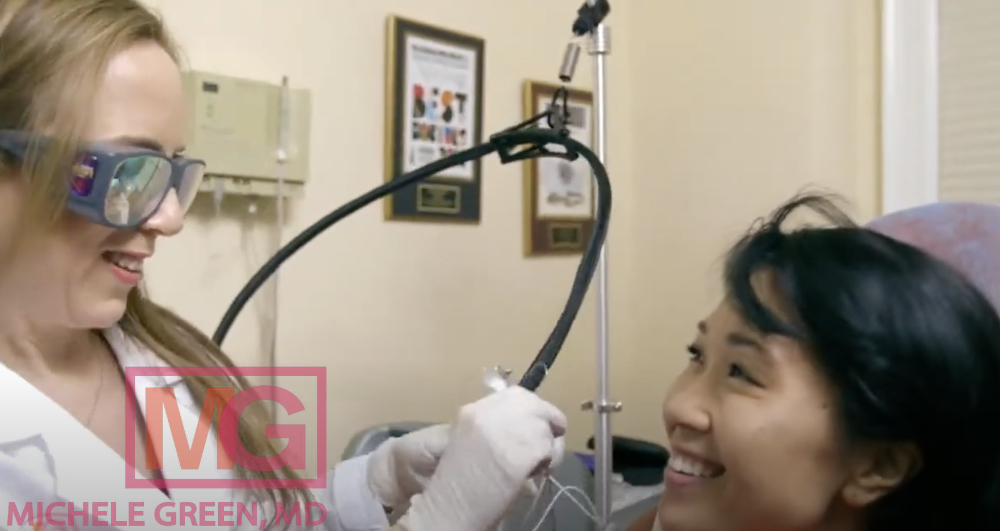
At her private dermatology practice on NYC’s Upper East Side, Dr. Green uses the Candela AlexTriVantage laser system for tattoo removal. The Alex TriVantage is a unique Q-switched Nd-YAG laser that is gentle and safe for all skin types, including darker and Asian skin. The Q-switched laser delivers high-intensity light pulses in nanosecond bursts. When the laser light penetrates the skin in the treated area, the tattoo pigment absorbs the energy and converts it to heat, shattering the tattoo ink particles into smaller fragments. The immune system can then remove these smaller ink particles, creating a lightening effect in the treated area.
One advantage of this laser is its ability to remove tattoos of various ink colors without damaging the surrounding skin. The Alex TriVantage safely and effectively removes tattoo ink with minimal discomfort. Blue and green inks are notoriously stubborn during laser removal, but Alex TriVantage can break them down, even the most resistant. The device can be used on all body areas, including the face, neck, arms, legs, and back. Additionally, the Alex TriVantage laser treatment effectively reduces the appearance of other unwanted pigmentation, including sunspots, freckles, and birthmarks.
Laser Tattoo Removal Procedure
The first step is to schedule a consultation with Dr. Green at her private dermatology office on Manhattan’s Upper East Side. During your consultation, Dr. Green will gather an exhaustive family and medical history, physically examine the unwanted tattoo, and review any previous cosmetic procedures you may have had. She will then make recommendations for the best cosmetic treatment options suited to your skin type, tone, and the type of tattoo you have. If you are a good candidate for laser tattoo removal, the procedure may be performed the same day or scheduled for a later date, based on availability and your preference.
Depending on the tattoo’s size and location, a topical or local anesthetic will be used to numb the area before the procedure. If a numbing cream is used, it should be applied to the tattooed skin 1 hour before the laser treatment to allow sufficient time for it to take effect. Once the area is cleaned and alcohol-sterilized, Dr. Green uses the AlexTriVantage to deliver high-intensity laser energy to the tattoo pigment. The laser tattoo removal process typically lasts between five and thirty minutes, depending on the tattoo’s size. Afterward, an antibiotic ointment and a bandage will be applied to the treated area to promote healing and protect the skin while it remains sensitive.
Who can do a laser tattoo removal?
When considering laser tattoo removal, it’s essential to ensure that qualified professionals, such as board-certified dermatologists or plastic surgeons, perform the procedure. These experts have the training and experience to assess individual skin types and tattoo characteristics, ensuring a tailored treatment approach. Using medical-grade lasers, such as Q-switched, Candela lasers, or picosecond lasers, is crucial because these technologies are specifically designed to target and break down tattoo ink particles effectively. These lasers also minimize damage to surrounding skin, promoting a safer, more efficient healing process. A thorough consultation is important to discuss potential risks, expected outcomes, and the number of sessions required for optimal results.
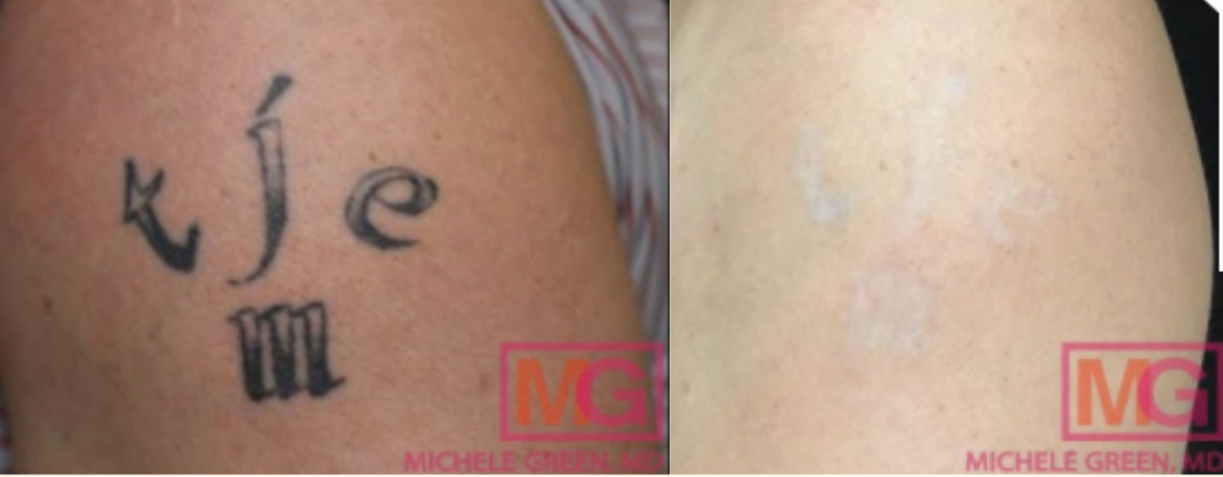
AlexTrivantage laser for tattoo removal, 8 treatments
What are the side effects of laser tattoo removal treatment?
Modern laser technology has made tattoo removal safer and easier than ever. Still, common side effects in the treated area include blistering, scabbing, peeling, redness, bruising, and tenderness. These usually heal on their own within one to two weeks after treatment. Though less common, another possible side effect is hypopigmentation, which occurs when the laser removes pigment from both tattoo ink and skin cells, leaving patches of skin lighter than the surrounding area. Mild hypopigmentation may resolve naturally, but more severe cases are likely permanent. Long-term skin discoloration after laser tattoo removal is rare but occurs more often in people with darker skin. The chances of experiencing severe hypopigmentation and other side effects, such as hyperpigmentation and scarring, are greatly reduced when a specialist, such as board-certified dermatologist Dr. Green in NYC, performs the procedure.
What to expect after laser tattoo removal
One of the key benefits of laser tattoo removal is that it is completely non-invasive, targets the tattoo ink directly, and leaves the surrounding skin untouched. The laser used to remove unwanted tattoos causes minimal discomfort, little downtime, and few potential side effects after the procedure. Keeping the area covered with antibiotic ointment and a bandage during the first few days after each session supports healing and helps prevent skin irritation or damage. It’s also important to avoid sun exposure in the treated area, as laser treatment increases the skin’s photosensitivity, making it more vulnerable to UV damage. After a laser tattoo removal session, patients can usually resume most normal activities. However, strenuous exercise, baths, hot tubs, swimming pools, and saunas should be avoided for several days to prevent worsening side effects and promote proper skin healing. When you have laser tattoo removal with Dr. Green at her private dermatology practice in NYC’s Upper East Side, she will give you all the necessary aftercare instructions to achieve and maintain the best results.
How long does laser tattoo removal take?
Laser tattoo removal is a simple process that is usually faster and easier than getting a tattoo. Depending on the tattoo’s size, a session typically lasts between five and thirty minutes. Other factors that affect session length include the tattoo’s age, depth, and color. The laser type (picosecond or nanosecond) can also affect process duration. If multiple tattoos are removed in a single session, more time will be required. While each session is generally brief, complete removal of an unwanted tattoo requires several treatments, each spaced 6-8 weeks apart. Dr. Green will evaluate your tattoo at each follow-up to ensure you are making progress toward a clearer appearance.
How long is the time between laser tattoo removal sessions?
The laser tattoo removal process takes time. Usually, multiple treatment sessions are needed to achieve the desired results, with each session spaced 6-8 weeks apart. Laser tattoo removal cannot completely remove a tattoo in just one session because the pigment is broken down layer by layer. The immune system then filters out the treated ink particles through the liver. With each session, the tattoo will gradually lighten. It should become visibly lighter each week as white blood cells continue to remove the ink from the skin. Noticeable results may appear after around the third treatment session, though this can vary from person to person. Because the success of laser tattoo removal also depends on your immune system, overall health can greatly influence how quickly your body can eliminate the broken-down ink particles. When you receive laser tattoo removal treatments with Dr. Green in NYC, she will check on your tattoo’s progress during each follow-up session.
How many laser tattoo removal sessions are needed?
The number of treatment sessions needed to remove an unwanted tattoo fully depends on several factors, including the type of tattoo ink, tattoo colors, the patient’s skin type, and the age, depth, and location of the tattoo. Because tattoo ink varies widely in chemical composition and the colors used by tattoo artists, it can be difficult to predict how many laser sessions will be required for complete removal. Small tattoos with black ink are usually the easiest to remove, while older, multicolored tattoos are more challenging to remove. Additionally, the depth of ink in amateur tattoos can range from the epidermis (the outermost layer of the skin) to the dermis (the deeper layer). In professional tattoos, the ink is typically deposited evenly into the dermis. Some multicolored tattoos may require 6 to 12 sessions. Laser tattoo removal is a gradual process, as the laser breaks down the tattoo ink layer by layer. Unwanted side effects, such as severe hypopigmentation, hyperpigmentation, and scarring, are more likely with aggressive laser treatments.
When you consult with internationally renowned, board-certified dermatologist Dr. Michele Green in NYC, she will take a comprehensive medical history, examine your unwanted tattoo, and review any previous cosmetic treatments. She will collaborate with you to create a personalized plan for laser tattoo removal and establish a timeline that best fits your needs. Dr. Green will monitor your progress at each follow-up session to ensure you are moving toward fully removing your unwanted tattoo.
Does laser tattoo removal actually work?
Yes! Laser tattoo removal is among the safest and most effective methods for removing unwanted tattoos without damaging surrounding skin. It uses non-invasive laser pulses to penetrate the skin and break down tattoo pigments into smaller particles. Once broken down, the ink particles are naturally eliminated by your immune system. You can expect visible improvements after the first treatment; however, the color and size of your tattoo may require multiple sessions, spaced 6-8 weeks apart, to achieve the desired results. The effectiveness of laser tattoo removal varies significantly among individuals, depending on factors such as tattoo size, color, and depth, as well as skin type.
For safe laser tattoo removal, consult a trusted board-certified dermatologist, such as Dr. Michele Green, who has the expertise and training to ensure effective treatment and minimize unwanted side effects. It is essential to complete your laser tattoo removal sessions and follow your dermatologist’s aftercare recommendations to achieve the best results for your skin and minimize potential side effects.
Is laser tattoo removal worth it?
Many individuals seek tattoo removal for a variety of reasons, including changes in personal preferences. For most people, investing in tattoo removal is a worthwhile decision, as it can significantly fade the tattoo over time. The process typically involves several treatment sessions, often using laser technology that targets the ink particles in the skin and breaks them down. While complete removal may take time and commitment, many patients report feeling relief and renewed confidence as the tattoo fades.
FAQs about Laser Tattoo Removal
When was laser tattoo removal invented?
Before laser tattoo removal was developed, early tattoo removal methods included surgical excision, dermabrasion, and cryotherapy. The first tattoo-removal machines in the early 20th century used needles to break up ink particles, allowing the immune system to clear them. These methods were often unreliable and caused excessive skin damage and scarring. In the 1960s, the first laser tattoo removal was performed using a ruby laser. Lasers have proven effective for removing tattoos because they target specific pigments and minimize damage to surrounding skin, as different laser energies break down various tattoo inks. Early laser treatments often caused side effects such as inflammation, scarring, and hyperpigmentation. Recently, laser tattoo-removal techniques have been refined to be safer and more precise. The Candela Alex TriVantage Laser is a Q-switched nanosecond-pulse laser. It has become a trusted and effective method for tattoo removal, suitable for all skin types and a wide range of tattoo inks. At Dr. Michele Green’s luxury dermatology practice on NYC’s Upper East Side, she will guide you through the tattoo-removal process with the Alex TriVantage to ensure safe and satisfying results.
Will laser tattoo removal completely remove a tattoo?
Today’s advanced laser technology enables the complete removal of tattoos in various colors. Darker tattoos can be fully removed through laser treatments. Black and blue inks tend to respond well because they absorb a wide range of light wavelengths. In past years, laser treatments struggled to effectively remove colored inks, which were particularly difficult to eliminate. The main challenge was that laser tattoo removal was similar to laser hair removal, targeting primarily dark colors such as black. However, with recent technological advancements, this is no longer accurate. Devices like the Alex TriVantage laser can target multiple tattoo ink colors. It is important to understand that not all tattoos can be fully removed, as tattoo ink may contain organic and inorganic materials that may not be detectable before treatment.
What does laser tattoo removal look like?
Immediately after a laser tattoo removal session, a “frosting” effect may appear, giving the skin a chalky look. Temporary skin lightening is a safe and normal part of the process, caused by the laser’s heat, which releases carbon dioxide from the skin. The treated area may then experience common side effects such as redness and swelling, which usually fade within a few hours. Other possible side effects include itching, blistering, scabbing, tenderness, or peeling, typically lasting up to two weeks as part of the skin’s natural healing. It’s important to keep the area covered with antibiotic ointment and avoid picking at blisters or scabs to promote proper healing. Wear protective clothing over treated areas and apply SPF 50 sunscreen between sessions to prevent hyperpigmentation. Reapply sunscreen every 90 minutes if you’ll be in the sun for a long time and the area is covered.
What does laser tattoo removal feel like?
Most patients describe the sensation of laser tattoo removal as rubber bands snapping against the skin in the treated area, often followed by warmth. Some patients say it feels similar to getting a tattoo. While the procedure may cause some discomfort, it is temporary and tolerable. Dr. Green prescribes a topical anesthetic for all her patients to apply 1 hour before the laser treatment to minimize discomfort. When you arrive at Dr. Green’s boutique NYC dermatology office, the numbing cream will be removed, and the skin will be sterilized in preparation for treatment. For any tenderness or soreness in the treated area following the laser session, Dr. Green recommends taking Tylenol.
Does laser tattoo removal hurt?
No, laser tattoo removal is not painful. Many patients describe the sensation as a rubber band snapping against the skin. Dr. Green prescribes a topical anesthetic for her patients to be applied in a thick layer to the entire area to be treated 1 hour before the scheduled appointment. If the tattoo being treated is on an area that may be covered by clothing, place a piece of plastic wrap over the numbing cream to prevent it from transferring to your clothes. An individual’s pain tolerance and the location of the unwanted tattoo can influence the amount of discomfort felt during the laser treatment, but the numbing cream helps significantly.
How much does laser tattoo removal cost?
The cost of laser tattoo removal varies based on several factors, including the tattoo’s size, the type of laser used, the healthcare provider’s experience, and your geographic location. Other factors that may affect the overall cost include the tattoo’s location, colors, and age. If multiple tattoos are being removed or additional sessions are needed for complete removal, extra charges will apply. Because laser tattoo removal is considered a cosmetic procedure and is not medically necessary, insurance usually does not cover it. Prices for small tattoos are typically lower than for larger ones.
Tattoo removal may be less expensive when performed by a non-healthcare professional, such as at a medical spa. However, when someone other than a healthcare professional performs the procedure, the risk of serious or unwanted side effects increases. It is recommended to choose an experienced, board-certified dermatologist, such as Dr. Michele Green in New York City, to minimize risks of hypopigmentation, hyperpigmentation, and scarring and ensure the best results. Dr. Green has over 25 years of experience offering top non-invasive treatments, including laser tattoo removal, to discerning clients worldwide. When you consult with her, she will help estimate the total cost and create a plan tailored to your needs, goals, and budget.
Why is laser tattoo removal so expensive?
Laser tattoo removal can be costly, primarily influenced by the tattoo’s size and the total number of sessions required for effective removal. Larger tattoos typically take longer to treat and may require multiple sessions to achieve satisfactory results, increasing the overall expense. Additionally, the complexity of the tattoo’s colors and ink types can affect treatment duration and cost. Smaller and lighter tattoos will require fewer treatments. It’s important for individuals considering this procedure to consult with a qualified professional who can provide a tailored assessment based on their specific tattoo characteristics and desired outcome.
Does insurance cover laser tattoo removal?
Laser tattoo removal is usually not covered by most health insurance plans because it is considered a cosmetic procedure rather than a medically necessary one. However, insurance policies vary by patient, so it is advisable to contact your health insurance provider first.
Is laser tattoo removal safe?
Yes! Thanks to modern laser technology, removing an unwanted tattoo is safer and easier than ever. Clinical studies have demonstrated the safety and effectiveness of laser tattoo removal across diverse skin types and tones. The AlexTriVantage, the laser device Dr. Green uses at her private dermatology office in NYC for tattoo removal, has been approved by the U.S. Food and Drug Administration (FDA). FDA approval indicates that laser tattoo removal has been thoroughly tested in numerous clinical studies and deemed safe and effective. To ensure safety, effectiveness, and optimal results while avoiding unwanted side effects, laser treatments should always be performed by a trained and experienced healthcare professional, such as board-certified dermatologist Dr. Michele Green in NYC. Seeking laser treatment from a MedSpa or similar facility can increase your risk of serious side effects, including hypopigmentation, hyperpigmentation, and scarring. An experienced, board-certified dermatologist like Dr. Green can adjust the laser settings to match your skin type and tone, as well as the specific tattoo you want to remove.
Can you get laser tattoo removal while pregnant?
No. Pregnant or breastfeeding individuals are advised to avoid laser tattoo removal treatments. These treatments have not been evaluated for safety in pregnant or breastfeeding women. Due to the lack of data on the effects on the fetus or baby, those who are pregnant or breastfeeding should wait to undergo the procedure. If you are currently pregnant or breastfeeding and interested in removing an unwanted tattoo, you can still schedule a consultation with Dr. Michele Green to discuss a future treatment plan. Dr. Green will gather a complete medical and family history, physically examine the tattoo, and review any prior treatments to develop an appropriate plan for your needs and goals.
Does laser tattoo removal cause cancer?
The Skin Cancer Foundation has concluded that laser tattoo removal does not increase the risk of skin cancer. However, it can make the skin more sensitive to sunlight. Increased photosensitivity makes the skin more susceptible to sun damage, so avoiding sun exposure in the treated area is essential. In addition to limiting sun exposure, Dr. Green advises her patients to wear sun-protective clothing over the treated area and to use sunscreen. She typically recommends applying two different types of sunscreen for maximum protection: first, a chemical sunscreen, then a mineral sunscreen. Chemical sunscreens protect the skin by absorbing UV rays, converting the energy into heat through a chemical reaction, and releasing the heat from the body. Common active ingredients include avobenzone, oxybenzone, and octinoxate. Mineral sunscreens contain ingredients such as zinc oxide or titanium dioxide and work by forming a barrier that blocks UV rays from penetrating the skin. Always look for sunscreens labeled broad-spectrum, which protect against UVA and UVB rays, with a minimum SPF of 50 or higher.
Does tattoo removal damage skin?
One advantage of laser tattoo removal over other methods is that it selectively targets the tattoo ink, leaving the surrounding skin unharmed. Side effects are typically mild and resolve within a week after each treatment session. These include redness, swelling, bruising, scabbing, peeling, and blistering. It is important not to pick at the treated area if blistering, peeling, or scabbing occurs, as this can aggravate it and lead to increased inflammation, scarring, or hyperpigmentation. Unwanted side effects such as permanent scarring, hyperpigmentation, and hypopigmentation are more likely if an inexperienced or unqualified provider performs the procedure. Therefore, it is highly recommended to have laser tattoo removal performed by an expert, such as board-certified dermatologist Dr. Michele Green in NYC, to avoid permanent skin damage. Dr. Green is an internationally recognized dermatologist with over 25 years of experience providing top-tier non-invasive cosmetic procedures, including laser tattoo removal. She will work with you to achieve the best results.
Can I shower after laser tattoo removal?
For the first three days after laser tattoo removal, keep the treated area covered with a bandage and keep it dry. You may shower, as long as the treated area remains dry. After three days, you may remove the bandage and clean the area in the shower. Dr. Green recommends taking precautions to protect the sensitive area and promote proper healing. The area should not be soaked or fully submerged in water, but it can be gently washed with a cleanser. After washing, pat the area dry carefully to avoid skin irritation. Baths, hot tubs, and swimming pools should be avoided during the laser tattoo removal process. When you have treatment with Dr. Green at her private dermatology office on NYC’s Upper East Side, she will provide all the necessary aftercare instructions to achieve the best results.
Can you swim after laser tattoo removal?
After your laser tattoo removal, avoid swimming until your treated area is fully healed. While your skin heals from the laser treatment, it is important to prevent irritation and support the healing process. After your procedure, apply antibiotic ointment and a bandage to prevent infection. Swimming before your skin has fully healed can increase the risk of irritation and infection. It can also delay healing of mild side effects such as blisters and scabs. Be sure to keep your healing skin clean and dry, and remember to wear sun-protective clothing and apply sunscreen. Proper aftercare is essential to achieving optimal results and supporting your skin’s recovery. When you work with board-certified dermatologist Dr. Michele Green for your laser tattoo removal, she will guide you through the entire process to ensure optimal results.
Can I exercise after laser tattoo removal?
Strenuous exercise should be avoided for at least 48 hours after a laser tattoo removal session. The treated area may be inflamed or sore for the first couple of days, and exercising can worsen inflammation or other side effects, such as blistering and peeling. When you have laser tattoo removal with Dr. Green at her boutique dermatology office in NYC’s Upper East Side neighborhood, she will provide all the aftercare instructions you need to achieve the best treatment outcome.
Does laser tattoo removal remove hair?
Laser tattoo removal generally doesn’t cause hair loss or affect hair growth. The laser light does not damage hair follicles, although certain wavelengths may affect the pigment in darker hairs and temporarily remove them. If hair removal is the patient’s primary concern, Dr. Green offers a range of laser treatments to achieve optimal results.
Does laser tattoo removal leave a scar?
When you have laser tattoo removal performed by an expert, such as internationally renowned, board-certified dermatologist Dr. Michele Green in NYC, the result is a visibly clearer complexion. It is essential to undergo laser tattoo removal with an experienced, board-certified dermatologist like Dr. Green, who has the expertise to choose the right laser and settings tailored to your skin tone, type, and the specific tattoo you have. When an inexperienced or unqualified provider performs laser tattoo removal, the risk of dangerous and unwanted side effects, including hypopigmentation, hyperpigmentation, and scarring, increases. Dr. Green has over 25 years of experience in cosmetic dermatology and will ensure you get the results you desire.
The risk of scarring in the treated area also increases if the area is not properly cared for after the laser treatment. In the first several days after the procedure, cover the treated area with antibiotic ointment and a bandage to promote healing and protect the skin from irritation. Avoid rubbing or touching the area to allow proper healing. After a shower or bath, gently pat the area dry with a towel instead of rubbing. It is crucial to keep the treated area clean, as it is more vulnerable to infection. Do not pick at the scabs that form, as this can damage the skin and slow healing. Protecting the treated site from sun exposure is also vital to prevent scarring. Laser treatment makes the skin more sensitive to UV damage. Let Dr. Green know if you have a history of abnormal scarring or keloids before undergoing laser tattoo removal.
Can you tattoo over laser tattoo removal?
Yes! Tattoos can be placed over an area that has been treated with laser tattoo removal. Instead of attempting complete removal, some patients undergo just enough sessions to fade the tattoo enough for a cover-up. The skin must fully heal before getting another tattoo in the same area. Dr. Green recommends waiting at least six weeks after your last laser removal session before booking a new tattoo appointment. Allowing the area to heal and your immune system to stabilize helps protect the new ink and ensures the best results. It’s also important to inform your tattoo artist about recent laser removal treatments so they can advise on the best timing for your next tattoo.
How effective is laser tattoo removal?
Modern laser technology for tattoo removal is widely regarded as one of the most effective and safest methods for removing unwanted tattoos. It is relatively painless and features a quick recovery. A key benefit of laser tattoo removal is that it does not harm surrounding skin; it targets only specific tattoo ink pigments. Today’s laser technology enables the complete removal of tattoos, regardless of color or skin type, with fewer sessions, shorter downtime, and minimal discomfort. The outcome of laser tattoo removal and the number of sessions required depend on factors such as tattoo size, the person’s age, tattoo color, depth, ink quantity, and overall skin condition and type. When you consult with Dr. Green about laser tattoo removal, she will gather a detailed medical and family history, physically examine the unwanted tattoo or tattoos, and review any previous cosmetic procedures you have undergone to ensure that laser tattoo removal will meet your needs and goals.
Where can I get tattoo removal near me?
When considering tattoo removal, it’s crucial to consult a board-certified dermatologist who specializes in this procedure. Look for a practice that uses medical-grade lasers specifically designed for safe, effective tattoo removal. The expertise of a certified professional ensures the process is tailored to your skin type and the tattoo ink, minimizing side effects and optimizing results. Additionally, choosing a reputable clinic with advanced technology can significantly enhance the effectiveness of the removal process, leading to clearer skin and reducing the likelihood of scarring. Always research local options and read reviews to find a board-certified dermatologist who is experienced and highly recommended.
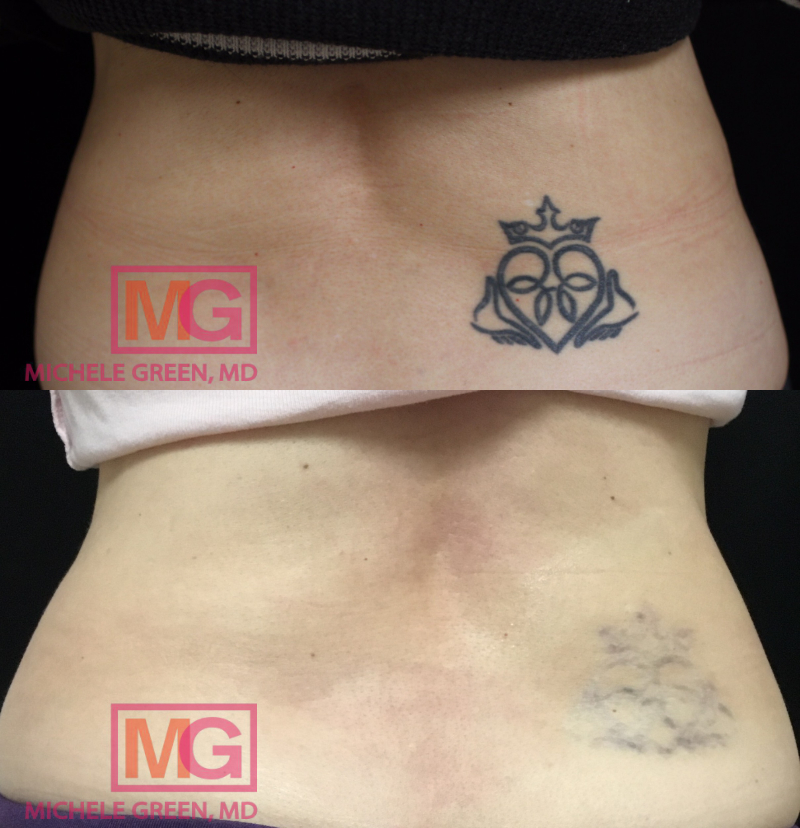
Laser Tattoo removal – before and after 8 sessions
How to get started with laser tattoo removal in NYC today
An unwanted tattoo can be a significant annoyance and may even lead to self-consciousness. If a tattoo no longer reflects who you are, carries negative associations you’d like to forget, or is no longer cosmetically appealing, laser tattoo removal might be the right solution. Many tattoo artists also request that an old tattoo be faded with laser removal before performing a cover-up. The laser used must be appropriate for your skin type and tone to minimize the risk of unwanted or adverse side effects. It’s always best to consult a board-certified dermatologist, such as Dr. Green in New York City, to develop a safe and effective plan to fade or remove your unwanted tattoo.
Dr. Michele Green is an internationally acclaimed, board-certified dermatologist with over 25 years of experience offering top non-invasive cosmetic treatments, including laser tattoo removal. She is regularly recognized by Castle Connolly, New York Magazine, the New York Times, and Super Doctors as one of NYC’s premier dermatologists, thanks to her dedication and expertise. Using the latest laser technology and innovative techniques, Dr. Green has helped many individuals achieve their ideal selves. To begin the process of removing an unwanted tattoo with laser treatment, schedule a consultation with Dr. Green by contacting us online or calling our NYC office at 212-535-3088.


