


Intense Pulsed Light (IPL)
As we age, the skin may show visible signs of sun exposure, collagen loss, and other environmental damage. Common concerns include rosacea, skin laxity, sun damage, sunspots, brown spots, acne scars, fine lines, broken capillaries, and uneven skin texture. While these changes are often a natural part of aging, they can frustrate patients seeking clear, even-toned skin. If you are struggling with pigmentation, broken capillaries, rosacea, or vascular lesions, board-certified dermatologist Dr. Michele Green in NYC can help.
One of the most effective options in non-invasive cosmetic dermatology is Intense Pulsed Light (IPL) therapy. IPL uses multiple wavelengths of light to stimulate collagen production, improve skin tone and texture, and address broken blood vessels, rosacea, pigmentation, sunspots, age spots, and fine lines. IPL can also provide long-term hair removal, making it a popular alternative to shaving or waxing for patients seeking smooth, hair-free skin. IPL is safe for a range of skin tones and can visibly improve skin in as little as one session. If you want clear, radiant skin with minimal downtime, IPL treatment at Dr. Green’s NYC office may be right for you.
What is Intense Pulsed Light (IPL®) therapy?
Intense pulsed light (IPL) therapy, also known as photorejuvenation or flashlamp therapy, is a unique cosmetic treatment for skin rejuvenation. Unlike laser therapy, IPL does not rely on a single wavelength of light; instead, it delivers multiple wavelengths into the treatment area in a single flash. Because IPL uses multiple wavelengths, it can target different chromophores in the skin, including melanin and hemoglobin, allowing it to remove unwanted hair and treat visible damage from sun exposure, also called photoaging. Common signs of photoaging include fine lines, sunspots, skin laxity, uneven skin tone and texture, and broken capillaries. The light energy is absorbed by these targeted structures and converted to heat, which breaks down excess pigment and constricts damaged blood vessels while stimulating the body’s natural collagen production for firmer, more even-toned skin over time. Dr. Michele Green has used IPL for years to help patients address the cumulative effects of sun exposure without resorting to more invasive procedures, tailoring each treatment plan to the patient’s skin type and specific concerns. Most patients need an initial series of IPL treatments to achieve optimal results, followed by periodic maintenance sessions. With minimal downtime, IPL is an excellent option for patients seeking clear, radiant skin.
How does Intense Pulsed Light work?
Unlike traditional laser therapy, which relies on a single wavelength of light, IPL delivers multiple wavelengths with each pulse, producing a flash that scatters into the dermis. Depending on the wavelengths used, pigment cells, hair follicles, or blood vessels absorb light energy and convert it to heat, destroying the targeted chromophore — whether melanin in a pigmented lesion, hemoglobin in a blood vessel, or pigment within a hair follicle. This process also triggers the body’s natural wound-healing response, stimulating new collagen production for firmer, smoother skin and a noticeable improvement in skin texture.
What does Intense Pulsed Light Therapy do?
Intense Pulsed Light (IPL) therapy, often referred to as “Forever Young BBL,” helps patients improve the tone and texture of their skin with little to no downtime. IPL is a safe, effective cosmetic procedure that treats many different skin conditions, including:
- Brown spots
- Sun damage
- Broken blood vessels
- Facial rosacea
- Skin laxity
- Unwanted hair removal
- Freckles
- Birthmarks
- Leg veins
- Sunspots
- Aging skin
- Acne scars
- Pigmented lesions
- Hyperpigmentation
What is the procedure for IPL treatment?
Treatment begins with a consultation in Dr. Green’s private NYC office to discuss your medical history, current skin concerns, prior cosmetic procedures, and aesthetic goals. We may take medical photos to track your progress. Before treatment, patients should avoid excessive sun exposure or tanning, as well as topical retinoids and exfoliating acids, to minimize skin sensitivity. Patients undergoing IPL for hair removal should avoid waxing or tweezing for at least two weeks beforehand.
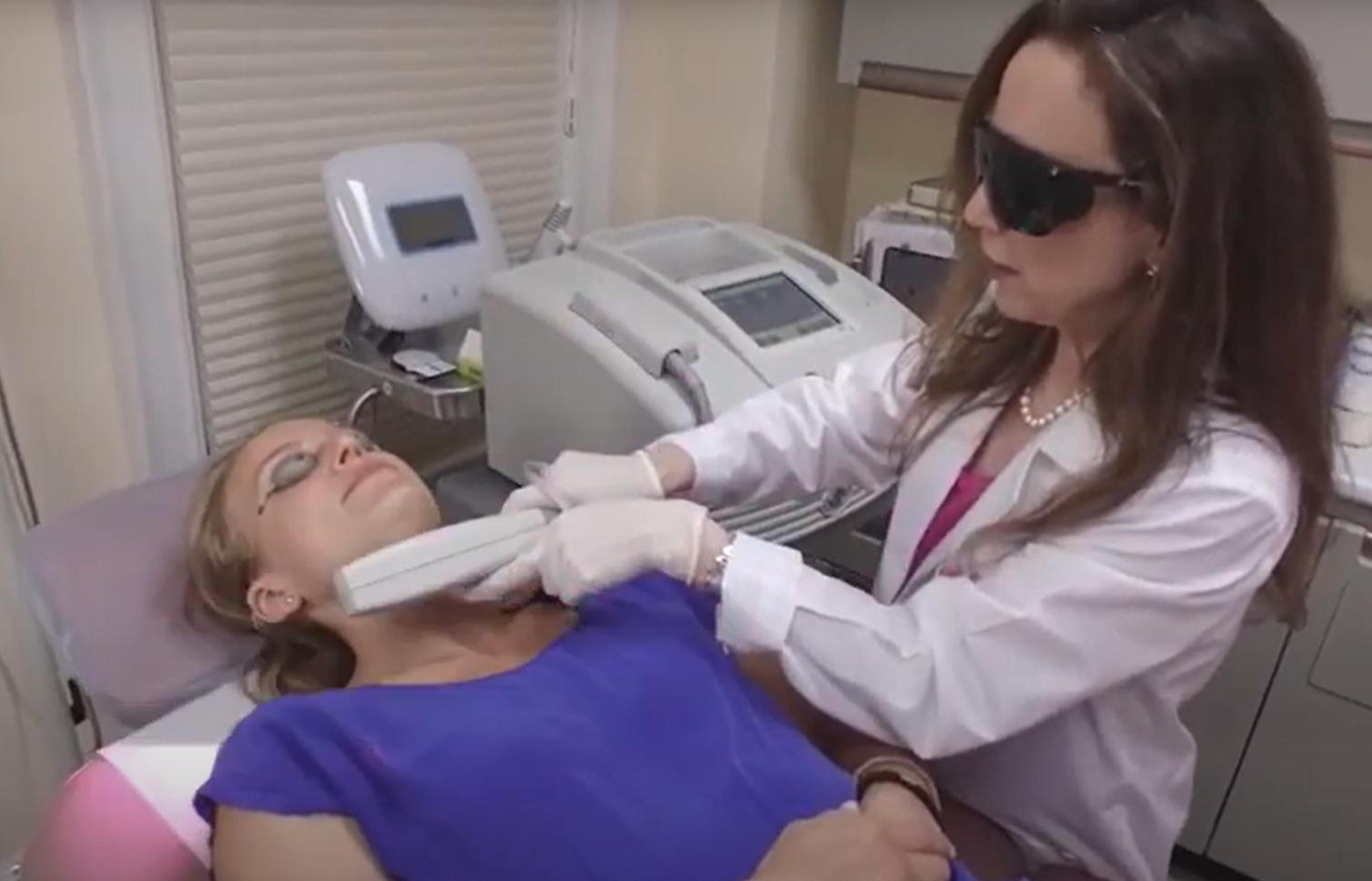
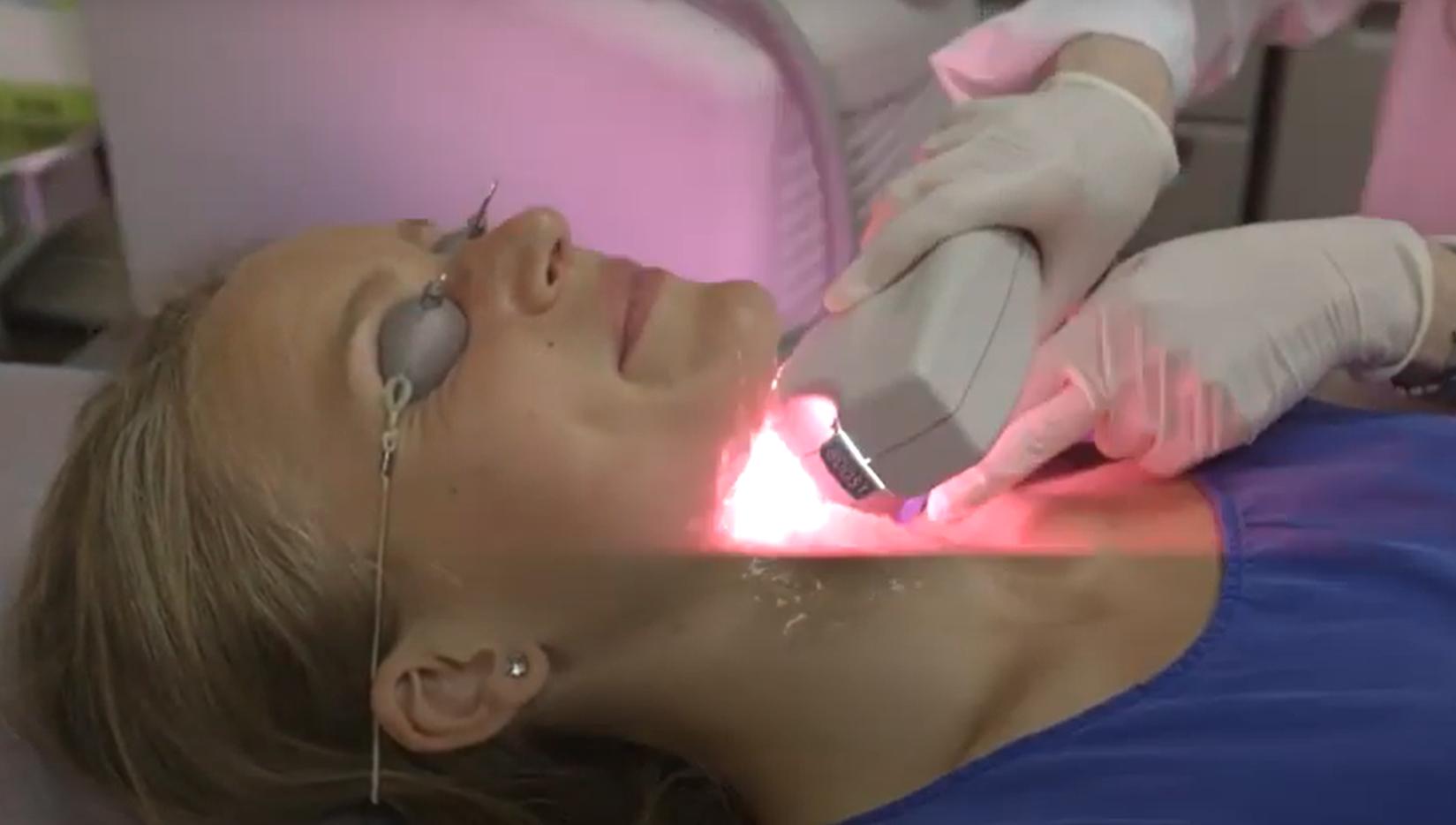
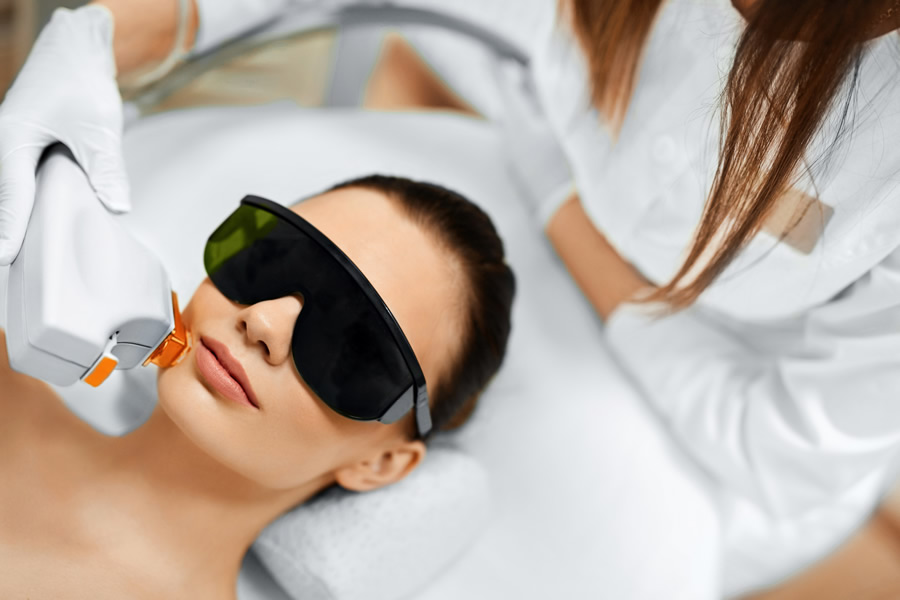
On the day of treatment, the skin is cleansed of makeup and sunscreen, and protective goggles shield the eyes. A cooling gel is applied before the IPL handpiece delivers light pulses to the treatment area. The sensation is often described as a rubber band snapping against the skin, mild enough that numbing cream is typically not required. However, a topical anesthetic can be used for patients with lower pain tolerance or when treating more sensitive areas. Treatment usually takes 15 to 30 minutes, depending on the area and condition being treated. Many patients notice a warming sensation in the skin that subsides shortly after each pulse, and some mild redness or a sunburn-like sensation may follow immediately after the session. Afterward, Dr. Green will review the appropriate aftercare instructions for your specific skin condition, which typically include diligent sun protection and gentle skincare to support healing.
What does Intense Pulsed Light Treat?
Rosacea
Rosacea is a chronic skin condition marked by facial redness, often accompanied by visible broken blood vessels. It commonly appears on the nose and cheeks and can also cause skin dryness, dry eyes (or even a single dry eye), and small, pus-filled bumps that resemble acne. Dietary, lifestyle, and environmental factors can trigger flare-ups, including sun exposure, spicy foods, and extreme temperatures. While there is no cure for rosacea, topical creams, oral medications, and in-office laser treatments such as IPL can manage symptoms by reducing redness, broken capillaries, and inflammation. Most patients with rosacea need three to five IPL sessions spaced about one month apart, followed by regular maintenance treatments to keep symptoms under control.
Age Spots and Sun Damage
Over time, excessive sun exposure can damage the skin through a process called photoaging, in which ultraviolet radiation triggers changes in the skin. This can lead to age spots, liver spots, rough or uneven skin texture, broken capillaries, and blotchy redness. IPL, sometimes called a “photo facial,” can reverse many of these visible effects. During treatment, light wavelengths are directed into the dermis, where melanin absorbs the energy and converts it to heat, breaking down excess pigment that contributes to photoaging and revealing clearer, more even-toned skin.
Skin Tightening
As we age, declining collagen levels can make skin looser and more lined, especially around the lower face and jawline. The Forever Young BBL, one of Sciton’s newest IPL devices, offers a non-surgical way to tighten the skin of the face and neck—not all IPLs on the market can achieve this level of tightening. Forever Young BBL delivers light energy to the dermis, heating the skin’s collagen while simultaneously cooling the epidermis for comfort. This heat stimulates the body’s natural healing response, encouraging new collagen production and firmer, tighter-looking skin. The Forever Young BBL is an excellent option for patients hoping to reduce skin laxity, as well as for younger patients who want to delay visible signs of aging. For best results, treatment is typically repeated four to six times, spaced about one month apart, with maintenance sessions twice a year.
Hair removal
In addition to treating rosacea, pigmentation, and skin laxity, IPL can also be used for long-term hair removal. IPL was among the first devices used for this purpose and can treat nearly any area of the body, including the face, legs, back, chest, and bikini line. For hair removal, IPL targets melanin in the hair follicle, leaving the surrounding skin untouched. This makes IPL hair removal most effective for patients with dark hair, since light or gray hair may not contain enough melanin to respond to treatment. After a series of sessions, patients can expect significant hair reduction with little to no downtime.
During IPL hair removal, melanin in actively growing hair follicles absorbs light wavelengths, converting the light into heat that destroys the follicle while leaving surrounding skin unaffected. Because dormant follicles do not respond to treatment, multiple sessions are needed to target hairs at various stages of growth. Since the hair root must be intact for IPL to work, patients should avoid waxing, tweezing, or plucking for 2 weeks before their appointment, though shaving is permitted. Because IPL targets melanin, patients should also avoid tanning or excessive sun exposure before treatment. Dr. Green recommends applying sunscreen with at least SPF 50 to the treatment area whenever outdoors.
Frequently Asked Questions (FAQs) about IPL Treatment
What are the benefits of intense pulsed light treatment?
IPL offers numerous benefits for patients seeking noninvasive skin rejuvenation. Because it is non-ablative, IPL requires no incisions, anesthesia, or extended recovery, allowing patients to return to normal activities immediately after treatment. IPL therapy can address multiple concerns in a single session — including pigmentation, rosacea, sun damage, broken capillaries, and unwanted hair — and can even reduce the appearance of an acne scar. Because IPL also stimulates collagen production, patients enjoy improvements in skin tone and texture that continue to develop over the following weeks.
What is the downside of IPL treatment?
While IPL is a safe and effective treatment for many patients, it has some limitations. IPL is not recommended for patients with melasma, as the heat generated during treatment can worsen pigmentation, and not all forms of pigmentation respond the same way to light-based treatment. It is also less effective on darker skin tones and tanned skin because the device targets melanin, which may increase the risk of burns or hyperpigmentation. Additionally, IPL requires multiple sessions to achieve optimal results, and at-home IPL devices are far less powerful than the in-office systems used by Dr. Green, often necessitating frequent use over several months and increasing the risk of side effects.
What are the possible side effects of IPL treatment?
The side effects of IPL are typically mild and may include temporary redness or swelling. Though rare, some patients may develop a blister or several blisters at the treatment site. Occasionally, additional side effects of IPL may include:
- Blistering
- Hyperpigmentation
- Hypopigmentation
- Scarring
- Infection
- Bruising
- Worsening of facial melasma
What is the recovery time for IPL treatment?
IPL is a non-invasive, non-ablative treatment that does not remove the top layer of skin so that most patients can resume regular activities immediately. Mild redness and swelling may occur for one to two days, and the treated skin may feel like a mild sunburn for four to eight hours. A cool washcloth can help ease any stinging. Some pigmented spots may temporarily darken after the first treatment, then fade within three to seven days.
What is the aftercare for IPL?
Although downtime is minimal, proper aftercare is essential for optimal results. Patients should use gentle, hydrating products and avoid retinol, glycolic acid, and salicylic acid until the skin has fully recovered. Dr. Green recommends a broad-spectrum sunscreen with at least SPF 50. For maximum protection, combine a physical sunscreen, which reflects UV rays using minerals such as zinc oxide, with a chemical sunscreen, which absorbs UV rays and converts them into heat. Patients should also avoid direct sun exposure, hot showers, saunas, and strenuous exercise for a few days after treatment, as excessive heat and sweating can irritate the skin and interfere with healing. Treated sunspots or areas of pigmentation may temporarily darken and appear more pronounced before flaking off naturally over the next one to two weeks, revealing brighter, more even-toned skin underneath. Patients should resist the urge to pick or scratch at these areas, as doing so can increase the risk of scarring or irritation. MGSKINLABs Hydra Repair can be a helpful addition to the post-treatment routine, providing gentle hydration without disrupting the skin’s recovery.
How long does Intense Pulsed Light last?
Results vary depending on the condition being treated. Patients treating pigmentation, sunspots, or age spots often notice initial darkening of the spots before they fade, and the skin appears brighter after the first session. Patients seeking treatment for skin laxity, redness, rosacea, vascular lesions, or unwanted hair may need a second session before visible results appear. With each treatment, the skin becomes progressively smoother, tighter, and more even in tone. While IPL results are long-lasting, many patients choose ongoing maintenance sessions to preserve and enhance their results over time.
Is IPL stronger than laser?
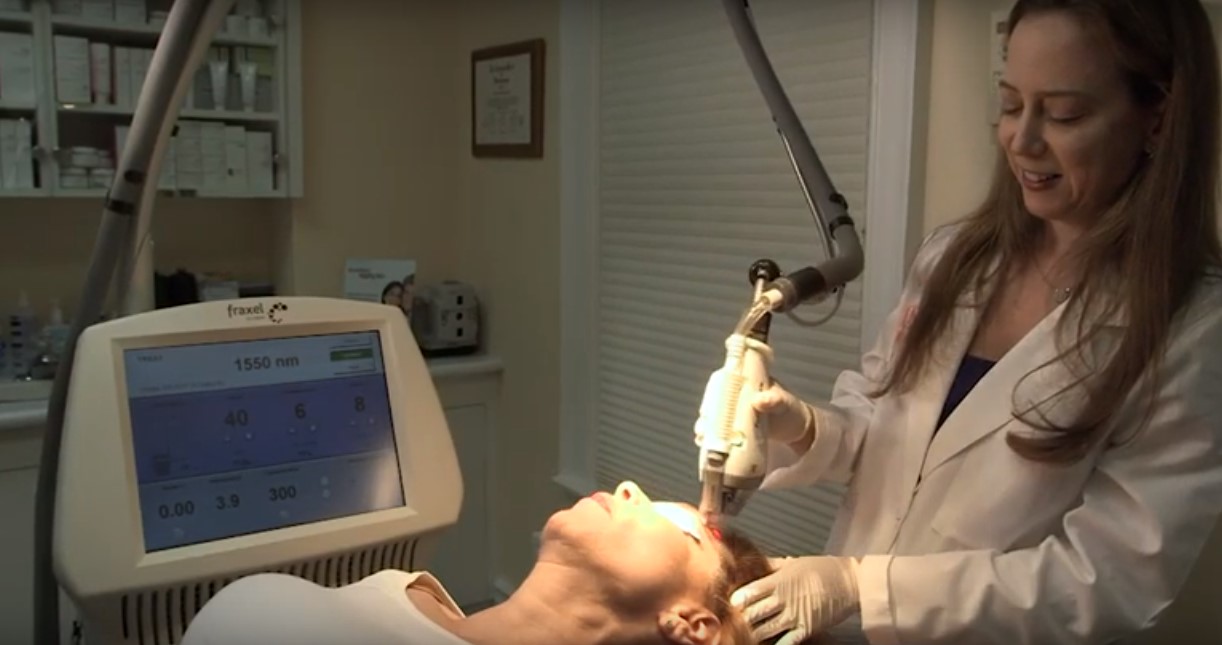
IPL and traditional laser treatments work differently, not that one is simply “stronger” than the other. A traditional laser treatment, such as the VBeam or Fraxel, uses a single focused wavelength of light to address a specific concern — for example, the VBeam’s 595nm wavelength targets red pigmentation, hemoglobin, and spider veins. In contrast, the Fraxel Dual laser uses wavelengths of 1550nm and 1927nm to treat texture, scarring, and pigmentation. IPL, by contrast, uses multiple wavelengths simultaneously, scattering light into the dermis to treat a broader range of concerns. Which option is more appropriate depends on the specific skin condition, and Dr. Green will recommend the best treatment during your consultation.
IPL vs laser vs microneedling — which is better?
There is no single “best” treatment for skin rejuvenation — the right option depends on your skin type, tone, and specific concerns. IPL is best suited for patients with pigmentation, redness, or unwanted hair who have lighter skin tones. Traditional laser treatments, such as Fraxel or CO2 lasers, are often more effective for deeper acne scarring, fine lines, and significant sun damage because they create controlled micro-injuries that stimulate new collagen production. Microneedling, on the other hand, is a needle-based treatment that is safe for all skin tones and is often preferred for patients with melasma, acne scars, or darker skin who are not ideal candidates for laser or light-based treatments. Dr. Green will help determine which treatment, or combination of treatments, is right for you.
Does IPL hurt?
IPL treatment is not considered painful. Most patients describe the sensation as a mild snapping, similar to a rubber band being flicked against the skin. A cooling gel is applied to the skin before treatment to enhance comfort, and numbing cream is typically unnecessary. Any mild stinging usually subsides shortly after the session ends.
How many IPL sessions do you need?
The number of IPL sessions needed depends on the skin condition being treated. Patients undergoing IPL for rosacea, sun damage, or skin tightening typically need three to six initial sessions, spaced about one month apart. Hair removal may require several additional treatments to target hair at different stages of growth. After the initial series, most patients schedule follow-up maintenance sessions every 4 to 6 months to maintain their results. Dr. Green will recommend a personalized treatment schedule based on your skin and goals.
How long after IPL will I see results?
Many patients notice an improvement in skin tone and brightness after their first IPL session, especially when treating pigmentation, sunspots, or age spots. Spots often appear temporarily darker before flaking off and fading over the following days. Patients seeking treatment for rosacea, skin laxity, or unwanted hair may need two or more sessions before seeing visible changes. With each additional treatment, results continue to improve, and skin appears smoother, more even, and more radiant.
Is Intense Pulsed Light therapy safe?
IPL is a non-ablative, non-invasive procedure considered very low-risk. Because the light targets pigmentation in the dermis rather than removing skin, the surrounding tissue remains unaffected. Most patients experience only mild discomfort, often described as a light flick with a rubber band, and require no downtime. The treated skin may appear red and swollen for one to two days before resolving on its own. Because skin is more sensitive to UV rays after treatment, diligent sunscreen use is essential during recovery. As with any cosmetic procedure, it is best to seek a board-certified dermatologist, such as Dr. Green, who has the expertise to safely and effectively perform IPL and tailor treatment to your skin tone and concerns.
Is IPL safe for darker skin tones?
Because IPL targets melanin in the skin and hair follicles, it is generally not recommended for patients with darker skin tones. Dr. Green offers a range of non-invasive skin rejuvenation treatments in her Upper East Side dermatology office and can recommend safer alternatives, such as chemical peels or microneedling, for pigmentation concerns in deeper skin tones. For hair removal, Dr. Green typically uses the GentleLase laser for patients with lighter skin and the GentleYAG laser for those with darker skin tones. Both devices remove hair quickly with no downtime. During your consultation, Dr. Green will evaluate your skin tone and concerns to determine the safest, most effective treatment for you.
How much does IPL treatment usually cost?
IPL treatment costs vary based on the skin condition being treated, the size of the treatment area, and the number of sessions required. A small area for hair removal typically costs less than a full-face photo facial. The provider’s expertise can also affect cost — while a MedSpa may offer lower prices, seeing a board-certified dermatologist like Dr. Green helps minimize the risk of complications or unsatisfactory results, some of which, such as scarring or infection, may require further acne treatment or other corrective care. During your consultation, Dr. Green will assess your skin and create a customized treatment plan, at which point the total cost of your IPL treatment will be determined.
Who is a good candidate for IPL?
A good candidate for IPL is a patient with sun damage, freckles, age spots, facial redness, vascular lesions, red acne scars, or unwanted hair who seeks noninvasive skin rejuvenation. Patients should not have a tan, whether from sun exposure, tanning beds, or self-tanners, because the device may mistake tanned skin for pigmentation, increasing the risk of burning. IPL is most effective for patients with lighter Fitzpatrick skin tones (I–IV); patients with melasma are not good candidates, as IPL can worsen its appearance. Patients with a sunburn, active infection, open wound, or active acne breakout should also wait until these conditions resolve before undergoing IPL.
Who should not get IPL?
IPL is not appropriate for every patient. Individuals with melasma should avoid IPL, as the treatment can worsen this type of pigmentation; a chemical peel is typically a safer alternative. Patients who are pregnant, have a current tan, an active sunburn, open wounds, active infections, or an active acne breakout should also postpone treatment. Because IPL targets melanin, patients with very dark skin tones may not be good candidates and should discuss alternative options, such as chemical peels or microneedling, with Dr. Green.
Schedule Your IPL Treatment with Dr. Michele Green in NYC Today
Intense Pulsed Light therapy offers a safe, effective, non-invasive way to address a wide range of skin concerns, from rosacea and sun damage to pigmentation, broken capillaries, and unwanted hair. With minimal downtime and noticeable improvements in skin tone and texture, IPL remains one of the most versatile treatments in cosmetic dermatology. It can even be paired with other acne treatments for patients managing active breakouts and scarring. Because results depend on selecting the right device and treatment plan for your unique skin, work with an experienced, board-certified dermatologist such as Dr. Michele Green.
Dr. Michele Green is an internationally recognized, board-certified dermatologist with over 25 years of experience providing New York City’s most discerning patients with the latest non-invasive cosmetic treatments, including IPL, Fraxel, Thermage, and Clear + Brilliant. Castle Connolly, New York Magazine, Super Doctors, and The New York Times consistently name her among NYC’s top dermatologists for her expertise and dedication to patient care. To learn whether IPL treatment is right for you, schedule a consultation with Dr. Green by calling her NYC office at 212-535-3088 or contacting us online today.


