


Masseter Botox
The masseter muscle is located on either side of the jaw and is the primary muscle involved in mastication, clenching, and grinding. When overused, it can cause pain at the temporomandibular joint (TMJ). Masseter hypertrophy can also cause facial asymmetry and a wider, square-shaped jaw. Fortunately, patients with TMJ pain or masseter hypertrophy can opt for non-invasive Botox injections to relieve tension, create a slimmer face, and correct facial anatomy. Botox is one of the most popular non-invasive cosmetic treatments globally, known for consistently producing phenomenal results in a quick session with no downtime. Dr. Michele Green was among the first dermatologists in New York City to incorporate Botox injections into her patients’ customized treatment plans and has been described as providing the “best Botox in New York.”
Botox, also known as botulinum toxin, is a neuromodulator that ‘freezes’ targeted facial muscles. It works by blocking nerve signals that control muscle movement. Injecting precise amounts of Botox into the masseter muscle relaxes it. Patients immediately notice relief from jaw tension. Over time, the muscle weakens and shrinks, reducing facial pain, enhancing facial contour, and creating a slimmer appearance. Masseter Botox is quick, painless, and requires no downtime, making it an excellent treatment option for relieving TMJ pain, slimming the face, and contouring the jawline. If you are concerned about the appearance of enlarged masseter muscles or experiencing TMJ pain, masseter Botox injections with Dr. Green may be the ideal solution.
What is Masseter Botox?
Masseter Botox is a medical aesthetic procedure that involves the injection of botulinum toxin into the jaw muscles to create a facial slimming effect and address symptoms of teeth grinding, clenching, and TMJ. Botox is a popular injectable neurotoxin used to reduce or prevent the appearance of dynamic fine lines and wrinkles. When injected into the masseter muscle, Botox helps relax and shrink the muscle, alleviating tension and giving the face a slimmer appearance—the effects of masseter Botox typically last three to four months before another treatment is needed. Patients often participate in regular treatment sessions to maintain and enhance their results. Masseter Botox is a common procedure performed at Dr. Green’s private NYC dermatology office, known for achieving beautiful, natural facial rejuvenation without adverse side effects or downtime. Treating the masseter muscles is considered an off-label use of Botox, and an experienced, board-certified dermatologist, such as Dr. Michele Green in NYC, should always administer masseter Botox injections.
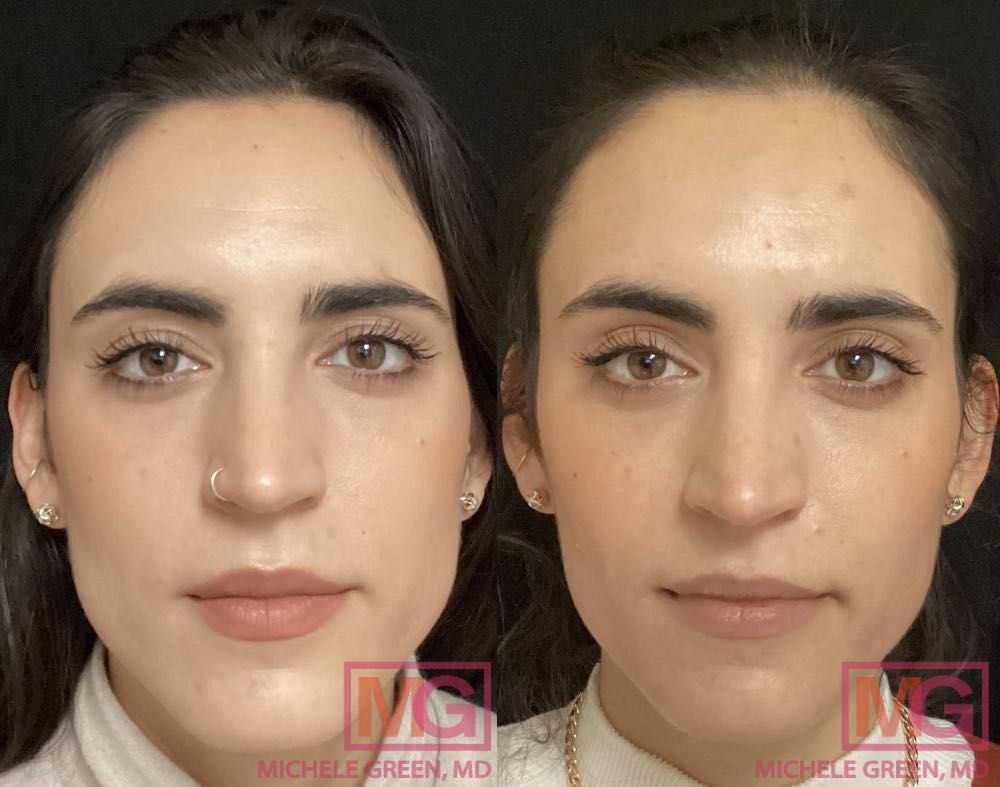
Female before and after, Botox in Masseter area
How does masseter Botox work?
Botox is a neurotoxin containing botulinum toxin type A, and the use of botulinum toxin allows targeted muscles to relax by blocking nerve signals responsible for contraction. When injected into the masseter muscles, Botox prevents the nerve signals that cause masseter hypertrophy, relieving much of the discomfort from clenching and teeth grinding. Over time, the masseter muscles weaken and shrink, resulting in masseter atrophy and a slimmer jawline. The effects of Botox can take up to two weeks to kick in, after which they last 4-6 months. Most patients have regular maintenance Botox treatments to maintain their desired results. While not yet FDA-approved specifically for masseter reduction, Botox is a safe, effective, off-label treatment option for facial slimming, reducing the masseter muscles, alleviating symptoms of TMJ, and enhancing the contour of the lower face when you work with an experienced board-certified dermatologist, such as Dr. Michele Green in New York City. While Botox is the most popular neuromodulator on the market, Dysport, Xeomin, Jeaveau, and Daxxify can also be used for masseter reduction.
What are the benefits of masseter Botox?
Masseter Botox offers both therapeutic relief and cosmetic improvement for patients with chronic jaw tension, teeth clenching, or grinding due to overactive jaw muscles. Ongoing clenching repeatedly stresses the temporomandibular joint and surrounding muscles, which can contribute to persistent jaw soreness, facial pain, and tension headaches. These symptoms may worsen over time and interfere with daily activities such as eating, speaking, or sleeping comfortably. Botox injections into the masseter muscles reduce excessive muscle activity, allowing the jaw to relax and function more normally. Many patients notice a gradual decrease in involuntary clenching and grinding, along with reduced jaw tightness and fewer headaches. By calming the masseter muscles, Botox helps improve jaw comfort and helps patients feel more at ease throughout the day, without downtime or recovery.
Beyond symptom relief, masseter Botox offers aesthetic benefits by improving the overall shape and balance of the lower face. When the masseter muscles are frequently engaged, they can enlarge over time, leading to a wider or more square-shaped jawline that may appear disproportionate to the cheekbone structure and overall facial balance. In some cases, one side of the jaw may become more prominent than the other due to an imbalance in muscle use. Botox gradually weakens the masseter muscles, allowing them to shrink and creating a softer, more tapered jawline. This subtle slimming effect develops over several weeks and supports a more balanced face shape. Masseter Botox is a quick, well-tolerated treatment that can be tailored to each patient’s facial structure and goals. When performed by board-certified dermatologist Dr. Michele Green, the treatment provides safe, consistent results that enhance facial harmony while supporting long-term jaw comfort.
Where does masseter Botox go?
Masseter Botox is injected directly into the masseter muscles, which run along the sides of the jaw and become more noticeable when you clench your teeth. During the appointment, the provider will usually ask you to gently clench the muscle so it can be clearly felt and identified. Small amounts of Botox are then placed into specific areas within the muscle to help it relax evenly on both sides of the face. The injections are placed into the muscle itself, not into the jawbone or the jaw joint. Precise placement is important to achieve relief from jaw tension while maintaining normal jaw movement, facial expression, and comfort during everyday activities.
Who is a good candidate for masseter Botox?
A good candidate for masseter Botox is a healthy patient with ongoing jaw tension or clenching that causes discomfort, soreness, or headaches. Many people seek treatment because their jaw muscles feel constantly tight or overworked, especially during times of stress or after sleeping. Others are interested in masseter Botox for cosmetic reasons when overactive jaw muscles affect the balance or softness of the lower face. This treatment is well-suited for patients seeking a non-invasive way to relax the jaw muscles and achieve subtle refinement without surgery or downtime. Masseter Botox is especially appealing to individuals who prefer gradual, natural-looking changes and want a treatment that fits easily into their daily routine while maintaining normal facial movement and expression.
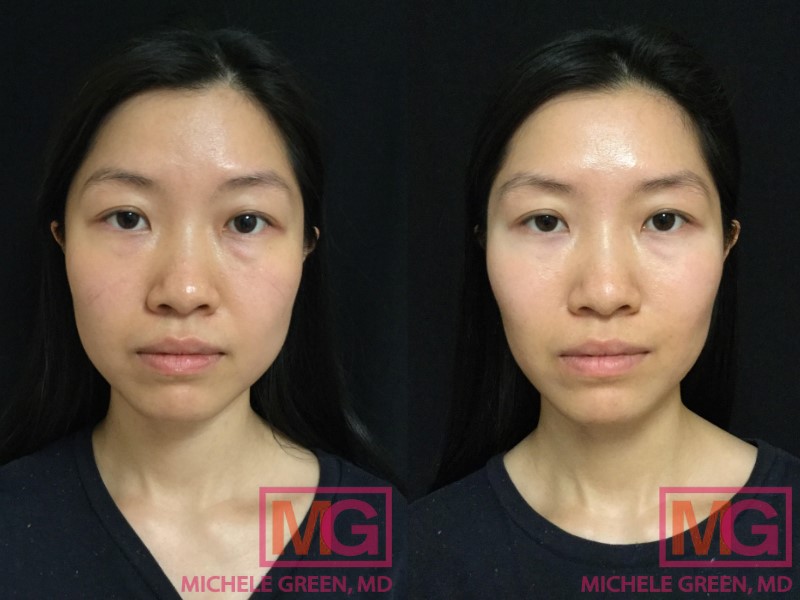
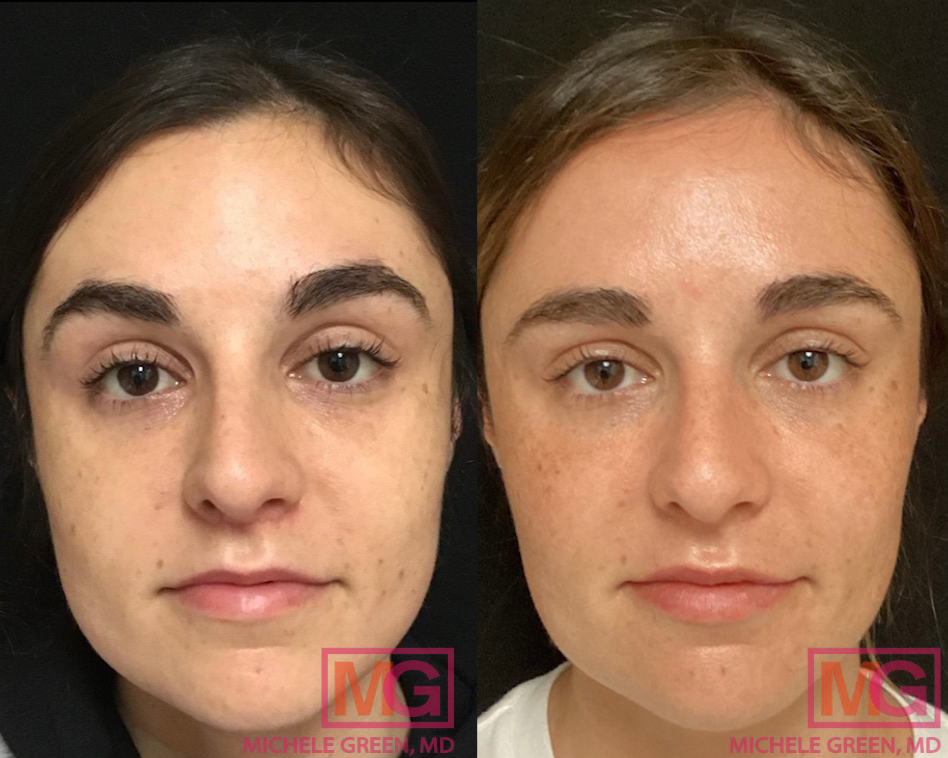
25-29-Year-old female, Botox to masseter muscle, two weeks before and after
Who should not get masseter Botox?
Masseter Botox may not be appropriate for everyone, and some individuals should avoid treatment altogether. Patients who are pregnant or breastfeeding should avoid masseter Botox, as side effects during pregnancy have not been well studied. Those with active skin infections, irritation, or inflammation in the treatment area should wait until the skin has fully healed. Masseter Botox is also not recommended for individuals with known allergies or sensitivities to botulinum toxin or similar injectables. Patients with certain neurological or neuromuscular conditions may face a higher risk of side effects and may be advised against treatment. In some cases, jaw pain or discomfort may be caused by underlying dental or bite-related issues that require care from a dentist or orthodontist rather than injectable treatment.
What is the masseter Botox procedure like?
The masseter Botox procedure begins with an in-person consultation, during which the jaw muscles are carefully evaluated to understand how they move, how strongly they contract, and how they contribute to the overall shape and function of the lower face. Patients are usually asked to gently clench their teeth so the masseter muscles can be easily identified and assessed on each side of the jaw. Once a treatment plan is established, the skin is cleansed and prepared for injections. Small, precise amounts of Botox are injected directly into targeted areas of the masseter muscles to ensure even, balanced treatment. The injections are quick and do not require numbing, and most patients find the process very manageable. The entire procedure typically takes only a short amount of time, making it easy to fit into a regular schedule. After treatment, patients can return to their normal activities right away, as there is no downtime. When performed by an experienced, board-certified dermatologist such as Dr. Michele Green, the procedure is tailored to the individual to maintain natural jaw movement while achieving consistent, well-balanced results.
What are the side effects of masseter Botox?
There are generally few side effects associated with Botox injections for non-surgical jaw reduction. The most common side effects are mild redness and tenderness at the injection sites, which typically resolve shortly after treatment. More serious side effects can occur when Botox is administered by an inexperienced provider, including muscle weakness and facial asymmetry due to paralysis of the zygomaticus major muscle. In addition to facial asymmetry, improper injection in this area can lead to a crooked smile, though these side effects are not permanent. Furthermore, special care must be taken to balance the amount of Botox used on each side to address any size discrepancies between the right and left masseter muscles. It’s advisable to consult an expert, such as Dr. Michele Green in NYC, who has years of experience administering Botox for cosmetic purposes and can safely and effectively provide you with Botox masseter injections.
What to do after masseter Botox treatment
One of the biggest benefits of Masseter Botox is that there is no downtime post-treatment, so patients can resume normal daily activities and drink, chew, eat, smile, and talk normally after treatment. However, it is advisable to limit hard, chewy foods, candies, or gum after treatment to prevent muscle hypertrophy. Your injector may also recommend avoiding excessive heat exposure, alcohol, smoking, and strenuous exercise for up to 24 hours after Masseter Botox injections to prevent swelling at the injection sites. Dr. Green may ask you to return 2-4 weeks after your Masseter Botox injections to reassess the treatment area and determine whether any touch-ups are required. You will also be advised to schedule a subsequent Masseter Botox treatment 3-6 months after your initial injections. Maintaining the effects of Botox with regular treatment sessions is the best way to prevent further masseter hypertrophy, manage TMJ symptoms, and achieve a slimmer jawline by promoting masseter reduction. When you have Masseter Botox treatment with Dr. Green at her private, boutique dermatology office in New York, she will provide you with all the pertinent aftercare information necessary to achieve and maintain ideal results.
Can masseter Botox cause jowls?
Masseter Botox does not usually cause jowling when the treatment is performed carefully and tailored to the patient’s facial structure. In most cases, relaxing the masseter muscles improves jaw comfort and facial balance without negatively affecting the skin along the jawline. In some patients with preexisting lower-face laxity, relaxing the jaw muscles can make that laxity more noticeable. This does not mean that masseter Botox creates jowling, but rather that the jawline may appear different once the muscles are no longer working as strongly as before. When the appropriate Botox dosage is used, the likelihood of this happening remains low, and evaluating the lower face beforehand helps reduce the risk of unwanted changes in appearance.
Is masseter Botox dangerous?
Not at all! Masseter Botox injections are a safe, non-invasive treatment for facial slimming and for managing symptoms of TMJ, clenching, and teeth grinding. Although masseter Botox is not yet an FDA-approved cosmetic treatment, an expert injector, such as board-certified dermatologist Dr. Michele Green in NYC, has the knowledge and experience to administer your injections safely while minimizing any unwanted side effects.
Does Masseter Botox slim your face?
Masseter Botox can slim the face by altering how the jaw muscles shape the lower face over time. The masseter muscles play a significant role in how defined the jawline appears, especially when they are active throughout the day or engaged during sleep. When these muscles are constantly working, they can draw attention to the lower face, making the jawline appear more prominent. Botox reduces the strength of contraction in the masseter muscles, gradually changing how the jaw looks at rest and during facial movement. As the Botox settles, the lower face often appears smoother and more proportionate relative to the rest of the face. This change develops gradually and blends naturally with existing facial features, making the result feel subtle while preserving natural expression.
Does masseter Botox help with teeth clenching and grinding?
Yes, masseter Botox can help with teeth clenching and grinding by relaxing the jaw muscles most involved in these movements. When the masseter muscles constantly tighten, they can clench involuntarily during the day or while sleeping, leading to jaw soreness, facial tension, headaches, and tooth wear over time. Botox helps calm the signals that drive these muscles to contract so forcefully, allowing the jaw to relax. As muscles relax, many patients notice a decrease in nighttime grinding and daytime clenching, along with less jaw fatigue and pressure. The treatment works gradually and does not interfere with normal chewing, speaking, or facial movement, making it a well-tolerated option for managing jaw discomfort.
How often should I get Botox in my masseter?
The effects of Botox injections last three to four months, and most patients schedule regular follow-up appointments to maintain optimal results. With consistent follow-up treatments of masseter Botox injections, some patients can eventually feel comfortable receiving their Botox treatment every six months. During your masseter Botox injections with board-certified dermatologist Dr. Michele Green in NYC, she will ask you to clench your facial muscles to assess the strength of your jaw muscle contraction at each follow-up. This helps establish a Botox treatment timeline that best suits your needs.
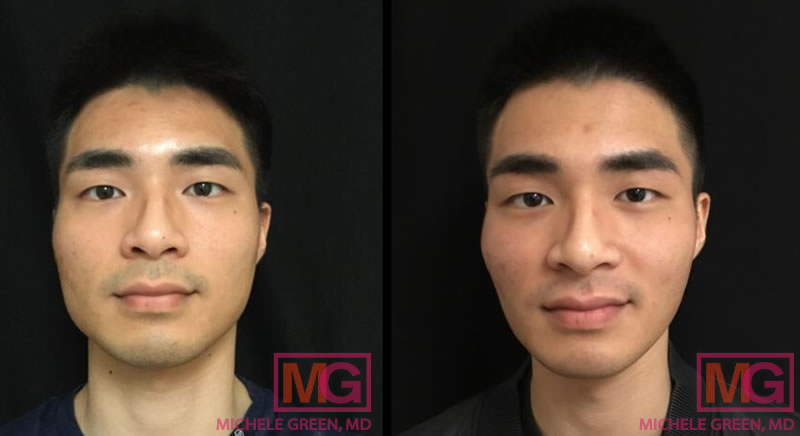
18-24-year-old male. Botox to masseter muscle, three months before and after.
When does masseter Botox wear off?
Masseter Botox wears off as nerve signaling to the jaw muscles gradually returns, and the muscles resume their pre-treatment function. Patients may first notice subtle changes, such as increased jaw movement or mild tension, especially during stress or at night. Over time, the masseter muscles will strengthen, and any facial contouring effects will gradually diminish as the Botox wears off. How quickly this happens varies from person to person and depends on factors such as jaw muscle strength, metabolism, and the frequency of past Botox use. For this reason, some patients find their results last longer with continued treatment, while others notice the effects fade sooner.
Which cosmetic treatments can be combined with masseter Botox to improve my jawline contour?
In addition to Botox treatment, Dr. Green may recommend several other non-surgical cosmetic options for facial slimming and jawline contouring. During your initial consultation for non-surgical jaw reduction, Dr. Green will determine which cosmetic treatments are best suited to your individual needs and aesthetic goals. Individuals with a wider lower face may struggle with stubborn submental fat. Eliminating excess fat in the submental area can provide an overall slimming effect and enhance jawline definition. CoolSculpting and Kybella are the most popular non-surgical treatments for submental fat reduction at Dr. Green’s private dermatology office in NYC.
CoolSculpting is a fat-reduction procedure that uses cryolipolysis, a fat-freezing technology, to eliminate excess fat from a treatment area while leaving the surrounding skin unaffected. A single CoolSculpting treatment can reduce excess fat cells in the treated area by up to 25%. The body gradually eliminates fat cells over the course of up to six months after the treatment, so you will not see immediate, dramatic results. However, the results are permanent as long as no additional weight gain occurs after the treatment. CoolSculpting is popular because it requires zero downtime, allowing you to return to work or the gym immediately after your treatment. One or two treatment sessions, spaced one to four months apart, may be necessary for the best cosmetic results.
Kybella is an FDA-approved injectable composed of synthetic deoxycholic acid. Deoxycholic acid is a naturally occurring bile acid that helps break down dietary fat. When injected into the treatment area, Kybella dissolves excess fat cells, which the body then metabolizes. The most common side effect is swelling in the treatment area, which resolves on its own shortly after treatment. The cosmetic results from Kybella are permanent, provided no additional weight gain occurs after treatment. Results develop gradually over about four weeks per treatment. Patients often undergo multiple treatment sessions, spaced four to six weeks apart, to define the jawline and fully enhance the lower face contour.
Patients experiencing skin laxity or sagging in the lower face and neck can turn to Thermage for facial rejuvenation. Thermage is the gold standard for non-invasive skin tightening treatments and uses radiofrequency energy to stimulate new collagen production. There is no downtime with treatment, making it an excellent non-surgical option for tightening loose jowls and improving the appearance of skin laxity in the jaw area. Results typically become visible in two to four months, after which patients can enjoy natural-looking, long-lasting skin tightening for up to one and a half years. Most patients schedule a follow-up treatment session once a year for the best results.
Where to get masseter Botox?
Masseter Botox should be performed in a professional medical setting by experienced providers, such as board-certified dermatologists or plastic surgeons, where patient care, safety, and proper evaluation are priorities. This treatment involves injections into a strong jaw muscle that contributes to both movement and facial appearance, so it must be performed in a clinical environment equipped for medical procedures. A dermatology office allows for a thorough in-person assessment of the jaw, including how the muscles move and how they affect the lower face. Receiving masseter Botox in a medical office also ensures clear guidance before treatment and appropriate follow-up afterward, which helps patients feel informed and confident throughout the process. Choosing a reputable medical practice gives patients access to personalized care in a setting designed specifically for injectable treatments.
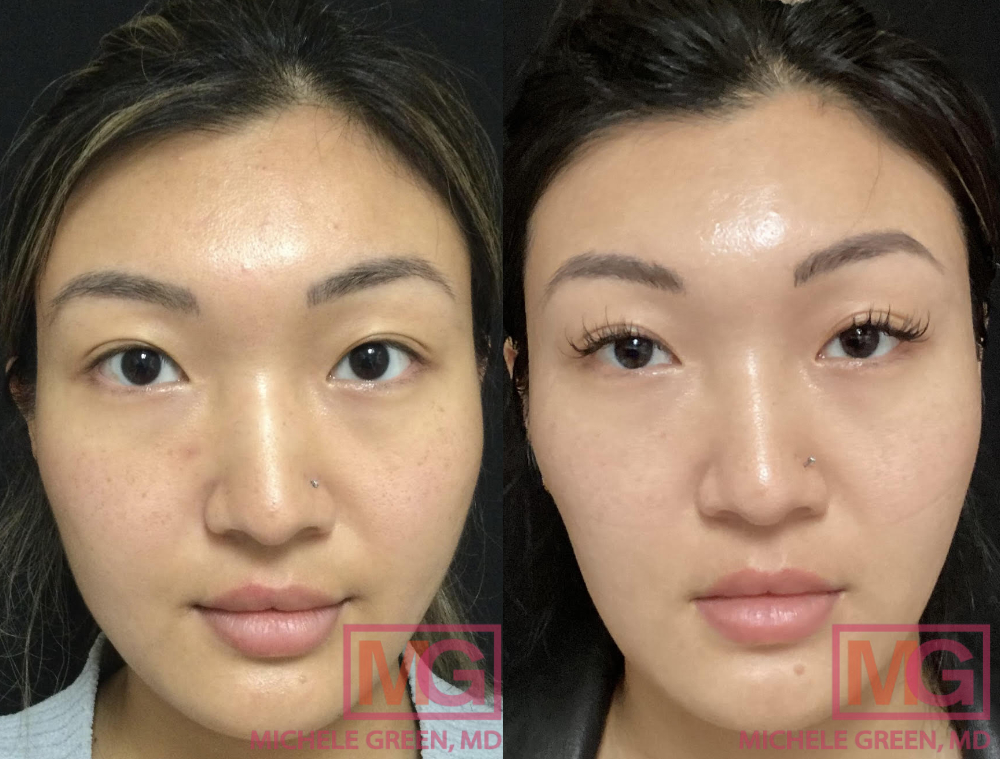
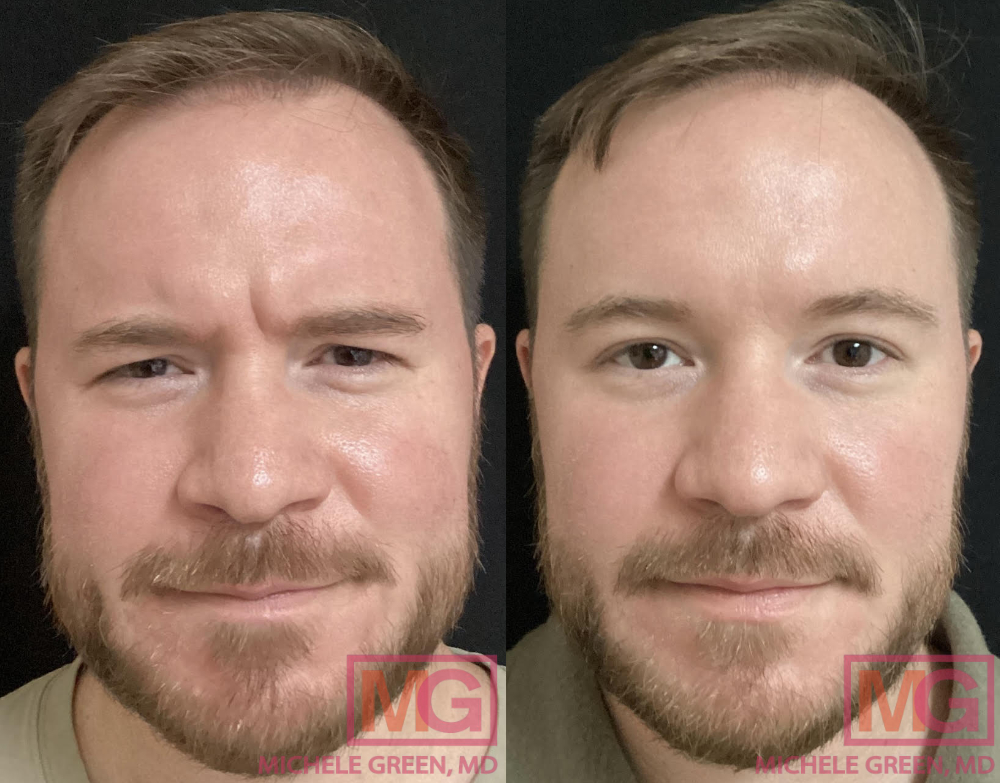
Botox in Masseter area, 12 months
Frequently Asked Questions (FAQs) about Masseter Botox Treatment
Why do people get masseter Botox?
People choose masseter Botox because it feels like a simple, low-effort option compared with more invasive approaches, such as plastic surgery. Many are drawn to its speed, lack of recovery time, and the fact that it does not involve surgery or a long-term commitment. Some appreciate that results develop gradually and can be adjusted over time, giving them more control and flexibility. Others appreciate being able to continue or stop treatment whenever they like, without feeling locked into a permanent decision. Overall, masseter Botox appeals to people who want an option that feels manageable, discreet, and easy to fit into their routine without making a big decision all at once. It is often seen as a practical choice for people who value flexibility and prefer treatments that adapt to their lifestyle.
What is jowls after masseter Botox?
Jowling after masseter Botox refers to a change in the lower face that some patients may notice after treatment. As the jaw muscles relax, the jawline can shift slightly because those muscles are less active. This change occurs gradually and reflects how the face responds as the muscles relax. It does not mean the treatment caused jowling or that anything went wrong. For patients seeking further refinement, non-invasive options can enhance the jawline’s appearance and feel. These treatments can be used alongside masseter Botox to maintain a smooth, balanced appearance while preserving the contouring benefits of Botox.
Does masseter Botox help TMJ?
Yes, Botox in the masseter can help with temporomandibular joint disorder (TMD). The temporomandibular joint (TMJ) is where the jawbone (mandible) connects to the skull (temporal bone), functioning as a sliding hinge on each side of the face. TMJ disorders often result from strain or overuse of the masseter muscles in the jaw. Jaw clenching, teeth grinding, and excessive use of the masseter muscles can cause tension and pain along the jawline and in surrounding areas of the face. During treatment, Botox is injected directly into the masseter muscles to block the neurotransmitters that signal involuntary or excessive contraction. By relaxing the masseter muscles, Botox is highly effective at relieving tension, reducing pain, and eliminating involuntary jaw clenching caused by stress or teeth grinding during sleep. It is estimated that over 10 million Americans experience TMJ issues, which can lead to related tension headaches, pain, clicking, and grinding. Many individuals find relief from their symptoms thanks to Botox.
Does masseter Botox help with a double chin?
While masseter Botox is an excellent treatment for reducing TMJ pain and slimming the jawline, it cannot address a double chin. A double chin results from excess fat cells accumulating in the submental area beneath the chin. Many patients find that, even with proper exercise and dieting, the excess fat does not diminish. Kybella and CoolSculpting are two non-invasive treatments available in Dr. Green’s private dermatology office to address a double chin.
Kybella is an FDA-approved synthetic injectable enzyme that dissolves excess fat cells in the submental area. CoolSculpting is a non-surgical fat-reduction treatment that uses intense cold to permanently destroy excess fat cells while leaving the surrounding skin unaffected. Both Kybella and CoolSculpting deliver permanent results, provided there is no subsequent weight gain after treatment. During your consultation with Dr. Green, she will evaluate your double chin and determine the best treatment for your specific needs and concerns. In some cases, Dr. Green may suggest combining treatments: first, CoolSculpting to reduce bulk in the area, then Kybella to eliminate any remaining fat.
Will masseter Botox slim your face?
Masseter Botox may slim the face, depending on how much the jaw muscles contribute to its overall shape. Some people have naturally strong jaw muscles, while others engage them more often due to clenching or stress. When the jaw muscles work constantly, they can become more prominent, altering the appearance of the lower face. By allowing these muscles to rest, masseter Botox can gradually reshape the jawline, leading to a softer, more balanced appearance. For many patients, the change feels subtle, making it a popular option for those who want improvement without looking overdone.
Can masseter Botox affect your smile?
Botox injections should not affect your smile when properly placed in the masseter muscle. However, improper injection techniques or injecting too many units of Botox into the masseter muscle can result in an asymmetrical smile. The risk of unwanted side effects, such as an asymmetrical smile, is greatly reduced when you have Botox treatment with a board-certified dermatologist, such as Dr. Green.
When do you see results from Botox in the masseter?
Most patients notice the effects of masseter Botox within several days of treatment, as the jaw muscles begin to relax and feel less tense. As Botox takes full effect, the masseter muscles become less active, making everyday movements such as chewing and speaking feel more comfortable. Over time, the lower face may appear more balanced as the muscles no longer work as forcefully. Full results are typically seen within about two weeks, once the Botox has fully settled into the muscle.
How long after Botox in the masseter can I eat?
Most patients can eat shortly after receiving Botox in the masseter because there is no downtime. After the appointment, eating a normal meal the same day is usually fine, and most people do not notice any issues with chewing or speaking. Some providers recommend avoiding very hard or chewy foods for the rest of the day to give the jaw a break right after the injections. This is more about being cautious than necessary and helps prevent unnecessary tension in the area right away. By the following day, patients can return to their usual eating habits without restrictions. Masseter Botox does not interfere with everyday jaw use, so eating typically feels no different than usual.
How much does Masseter Botox cost?
Several factors, including geographic location, the number of Botox units needed for masseter treatment, and the injector’s experience, can influence the total cost of masseter Botox injections. Some offices charge per unit, while others charge per area, regardless of the number of units used. Botox treatment from a board-certified dermatologist, such as Dr. Michele Green in New York City, may be more costly than treatment from a nurse injector at a Medspa; however, it is always advisable to consult an experienced, knowledgeable board-certified dermatologist like Dr. Green. She has the expertise to help avoid unwanted side effects and ensure optimal cosmetic results. Dr. Green is an internationally recognized board-certified dermatologist with over 25 years of experience in cosmetic dermatology. Dr. Green was among the first dermatologists in NYC to offer masseter Botox injections for facial slimming and is an expert in non-invasive cosmetic treatments.
Does insurance cover masseter Botox?
Typically, health insurance companies do not cover masseter Botox injections. Although safe and effective, these injections are not yet FDA-approved for TMJ, clenching, or grinding. As a result, insurance companies generally will not cover the cost of the procedure. The best way to determine your coverage is to contact your insurance provider.
How many units of Botox masseter do I need?
Many patients ask, “How many units do you need for masseter Botox?” The answer varies by individual and depends on the size of the masseter muscles and the strength of muscle contraction. Dr. Green determines the number of Botox units needed for each side based on an examination and injects the appropriate amount directly into the masseter muscles. Dr. Green recommends that patients return to the office two to four weeks later for an assessment to determine whether any additional Botox is necessary. If you want to learn how many units of Botox for the masseter are needed for your facial rejuvenation treatment plan, consult with Dr. Green today.
How often can you get masseter Botox?
Botox treatment typically lasts three to four months before another session is needed. A systematic review indicates that Botox for nocturnal bruxism, defined as clenching or grinding during sleep, can alleviate symptoms for about three months before these behaviors recur (doi: 10.7759/cureus.32180). Consequently, Dr. Green advises patients to receive masseter Botox injections every three to four months to maintain the treatment’s effectiveness.
Does Masseter Botox hurt?
Botox injections into the masseter muscle are not painful. Botox treatment is among the quickest, most painless, and most popular cosmetic options in the United States, including at Dr. Green’s private dermatology office in NYC. Unlike many other cosmetic treatments, including dermal filler injections and laser resurfacing, no topical numbing cream is required before Botox injections. As one of the first dermatologists in New York to offer cosmetic Botox injections, Dr. Green is highly experienced as an injector, completing masseter Botox treatment in just minutes. This non-surgical jaw reduction procedure involves no downtime, making it easy for patients to schedule their treatments.
Does masseter Botox cause jowls?
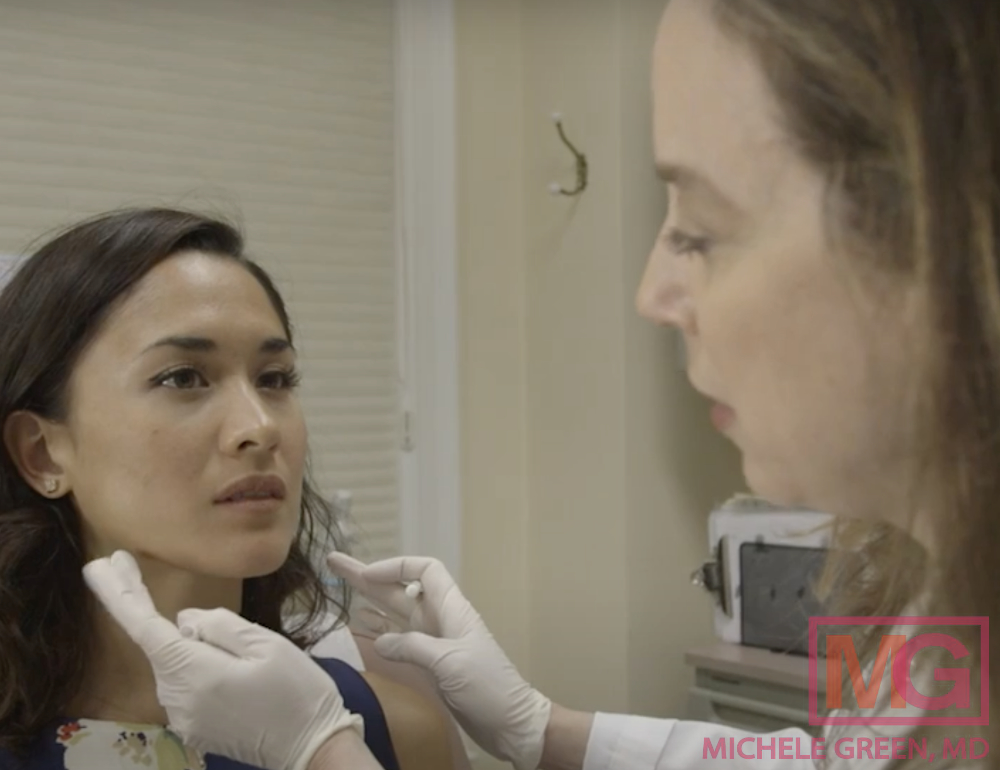
With masseter Botox injections and other non-invasive jawline rejuvenation procedures, patients often worry, “Will Masseter Botox cause jowls?” Unfortunately, one of the rare potential side effects of masseter Botox injections is worsening the appearance of loose jowls. While most patients will not encounter this side effect, especially when injected by an expert board-certified dermatologist like Dr. Green, if existing skin laxity becomes more apparent following masseter Botox injections, Dr. Green may suggest non-invasive skin tightening with Thermage. Thermage uses radiofrequency energy to gently heat the dermal layer of skin and stimulate new collagen production in the treatment area. Two to four months later, patients can look forward to tighter, firmer skin in the area. Thermage can be used on the lower face and neck to tighten loose jowls and improve the appearance of skin laxity around the jawline. Results with Thermage can last up to 18 months, and most patients undergo annual treatments to maintain the results.
Is Masseter Botox worth it?
Yes! Masseter Botox is an excellent option for patients experiencing symptoms of TMJ disorder or looking to slim their faces. When injected, Botox relaxes and weakens the masseter muscle, reducing teeth clenching, teeth grinding, and jaw soreness. Each treatment also shrinks the masseter muscle, eliminating masseter hypertrophy and reducing the appearance of a wide, square-shaped jaw. Masseter Botox is an excellent treatment option for TMJ and facial aesthetics, as it is quick, painless, non-invasive, and provides long-lasting results of up to 4 months. With no associated downtime or side effects, it’s no wonder that patients return time and again for Botox treatment to rejuvenate their jawline.
Can masseter Botox go wrong?
Masseter Botox is considered a safe treatment when performed by a qualified, experienced medical provider, and serious complications are uncommon. Most concerns arise from inaccurate injections or a lack of tailoring to the individual jaw muscles, resulting in temporary effects such as uneven muscle relaxation or changes in how the jaw feels. These effects are not permanent and typically improve as the Botox gradually wears off. Choosing an experienced provider who understands jaw anatomy and takes the time to evaluate muscle movement helps ensure the treatment is performed safely and comfortably, allowing patients to achieve relief from jaw tension or cosmetic refinement without disrupting normal jaw function or facial expression.
Who does masseter Botox?
A board-certified dermatologist with experience in facial and jaw injectables should administer Masseter Botox. The masseter muscle is strong and plays a key role in chewing, speaking, and facial shape, making proper placement and dosing especially important. A trained provider can evaluate jaw muscle function, recognize differences between the two sides of the face, and tailor treatment to each patient’s anatomy. Experience matters in this area, as small differences in technique can affect both comfort and appearance. Having masseter Botox administered by a board-certified dermatologist, such as Dr. Michele Green, helps ensure the treatment is performed carefully and comfortably, with a clear understanding of how the jaw muscles interact with the rest of the face.
How do I get started with masseter Botox injections today?
Masseter Botox is a non-invasive treatment that relaxes the jaw muscles to improve comfort, balance, and overall facial appearance. By calming excessive activity in the masseter muscles, Botox can ease jaw tension and gradually contour the lower face. The treatment is quick, well-tolerated, and requires no downtime, making it easy to fit into a busy routine. Each session can be customized to individual anatomy and goals, delivering subtle, natural-looking results that develop over time. Masseter Botox is often incorporated into a broader facial treatment plan and may be combined with other non-surgical options to support facial harmony and long-lasting results.
Dr. Michele Green is an internationally renowned, board-certified dermatologist in NYC with over 25 years of experience delivering advanced, non-invasive cosmetic treatments, including masseter Botox. She is known for her personalized approach and attention to facial balance, tailoring each treatment plan to the patient’s anatomy and preferences. Dr. Green has been consistently recognized by Super Doctors, Castle Connolly, and New York Magazine as one of New York City’s top dermatologists for her expertise and dedication to patient care. If you are interested in learning more about masseter Botox, schedule a consultation with Dr. Green at her private boutique dermatology office on Manhattan’s Upper East Side by calling (212) 535-3088 or contacting us online today.


