


Alopecia Areata
Alopecia areata is one of the most common causes of nonscarring hair loss, affecting nearly seven million people in the United States, according to the National Alopecia Areata Foundation. It is an autoimmune disease that typically presents as patchy hair loss on the scalp. However, it can progress to complete scalp baldness (alopecia totalis) or the loss of all body hair (alopecia universalis). Alopecia areata occurs when the immune system mistakenly attacks hair follicles, and it can affect individuals of any age, gender, or ethnicity. Patients coping with hair loss often struggle with self-consciousness and low self-esteem. Dr. Michele Green’s private dermatology office in New York City offers the most effective treatment options to stimulate hair growth and prevent further hair loss from alopecia areata, male pattern baldness, and female pattern baldness.
While the exact cause of alopecia areata remains unknown, certain factors can increase the risk of developing this autoimmune disorder. Individuals with another autoimmune disease, such as vitiligo, eczema, or thyroid disease, are more likely to develop this type of patchy hair loss. Those with a family history of alopecia areata are also at increased risk, although many patients have no relatives with the condition. A board-certified dermatologist can determine the underlying cause of your hair loss and recommend the most effective treatment for alopecia areata, whether that includes topical treatments, oral medications, or in-office procedures. Dr. Michele Green is among New York City’s most trusted dermatologists for diagnosing and treating alopecia areata.
What are the different types of hair loss?
Alopecia Areata
Alopecia areata is an autoimmune condition that causes patchy, nonscarring hair loss when the immune system attacks hair follicles. The condition often begins with one or more coin-sized bald patches on the scalp and can affect people of any age, though it frequently first appears in childhood or young adulthood. Nail changes, such as pitting or ridging, are also common in those affected. In more severe cases, it can progress to alopecia totalis, the loss of all scalp hair, or alopecia universalis, the loss of all body hair. Because the follicles remain intact even with extensive hair loss, regrowth is possible. Treatment options range from corticosteroid injections and anthralin to newer JAK inhibitor medications.
Male Pattern Baldness
Male pattern baldness, or androgenetic alopecia, is the most common cause of hair loss in men, characterized by a receding hairline and thinning at the crown due to genetic sensitivity to dihydrotestosterone (DHT), a powerful sex hormone made from testosterone. Over time, affected follicles shrink through a process called miniaturization, producing progressively finer and shorter hairs until growth stops altogether. Onset can begin as early as the late teens or early twenties, and family history is one of the strongest predictors of both timing and severity.
Female Pattern Hair Loss
Female pattern hair loss is a common, genetically influenced type of hair loss in women that typically presents as a widening part and diffuse thinning across the scalp. Unlike male pattern baldness, it rarely leads to complete baldness and more often preserves the frontal hairline while thinning the crown. Hormonal shifts, including those related to menopause, pregnancy, or polycystic ovary syndrome, can influence its onset and progression. The condition is classified using the Ludwig scale and tends to worsen gradually over years rather than presenting suddenly.
Cicatricial Alopecia
Scarring alopecia, or cicatricial alopecia, occurs when inflammation permanently destroys hair follicles and replaces them with scar tissue, leading to irreversible hair loss. It includes several distinct subtypes, such as lichen planopilaris and central centrifugal cicatricial alopecia, each with different patterns of onset and progression. Because the follicles are destroyed rather than merely dormant, early diagnosis is critical. Treatment can halt further progression but cannot restore hair in areas where scarring has already occurred. Symptoms such as itching, burning, or visible redness around the affected area often precede noticeable hair loss.
Telogen Effluvium
Telogen effluvium is a temporary, diffuse hair shedding that occurs when many hair follicles enter the resting phase, often triggered by stress, illness, or hormonal changes. Shedding typically becomes noticeable two to three months after the triggering event, making the link to the original cause easy to overlook. Common triggers include childbirth, major surgery, significant weight loss, high fever, and certain medications. In most cases, the hair cycle normalizes on its own within six to nine months once the underlying trigger resolves.
Tinea Capitis
Tinea capitis is a fungal infection of the scalp that causes scaly, itchy patches of hair loss, most commonly in children. It is caused by dermatophyte fungi that invade the hair shaft and surrounding skin, and it can spread through shared combs, hats, pillowcases, or close contact with an infected person or pet. Affected areas may show broken hairs, black dots on the scalp surface, or, in more severe cases, a boggy, swollen patch called a kerion. Because topical treatments alone are usually insufficient, oral antifungal medication is typically required to clear the infection fully.
Trichotillomania
Trichotillomania is a mental health disorder marked by a recurrent urge to pull out one’s own hair, which can lead to noticeable bald patches and, in some cases, permanent damage to hair follicles. It is classified as a body-focused repetitive behavior and often develops as a way to cope with stress, anxiety, or boredom. Many who experience it describe the urge as difficult to resist regardless of mood. Hair may be pulled from the scalp, eyebrows, or eyelashes, and patches often have irregular shapes with hairs of varying lengths. Treatment typically involves behavioral therapy, such as habit reversal training, sometimes alongside medication.
Traction Alopecia
Traction alopecia results from repeated tension on the hair caused by tight hairstyles, such as braids, ponytails, or extensions, and can become permanent if not addressed early. It most commonly affects the hairline, particularly along the temples and the edges of the scalp, where tension is greatest. In its early stages, the condition is reversible once the causative style is discontinued, but prolonged pulling can lead to permanent follicle damage and scarring. Redness, tenderness, or small bumps along the hairline are often early warning signs that precede visible thinning.
Hypotrichosis
Hypotrichosis is a condition, often present from birth, in which little or no hair grows on the scalp or body due to abnormal hair follicle development. It differs from alopecia in that it typically reflects a structural or developmental issue with the follicles themselves rather than an acquired cause of hair loss. Some forms are isolated, while others occur as part of broader genetic syndromes affecting the skin, nails, or teeth. Because the underlying cause is structural, treatment options are limited and often focus on management rather than reversal.
Loose Anagen Syndrome
Loose anagen syndrome is a hair shaft disorder most common in young children, in which hair is not firmly rooted in the follicle and can be easily and painlessly pulled out. It tends to affect fair-haired children more often and often improves with age. Parents may notice that the hair appears sparse, grows slowly, or falls out during routine brushing or styling. Diagnosis is typically confirmed with a gentle hair-pull test, and reassurance is often the primary management approach since the condition frequently resolves by adolescence.
What is alopecia areata?
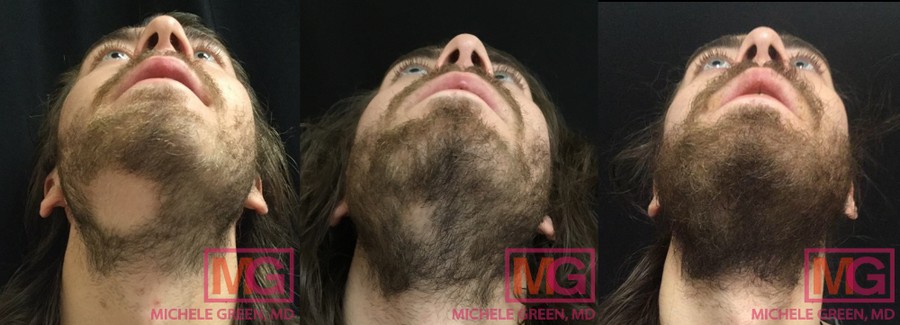
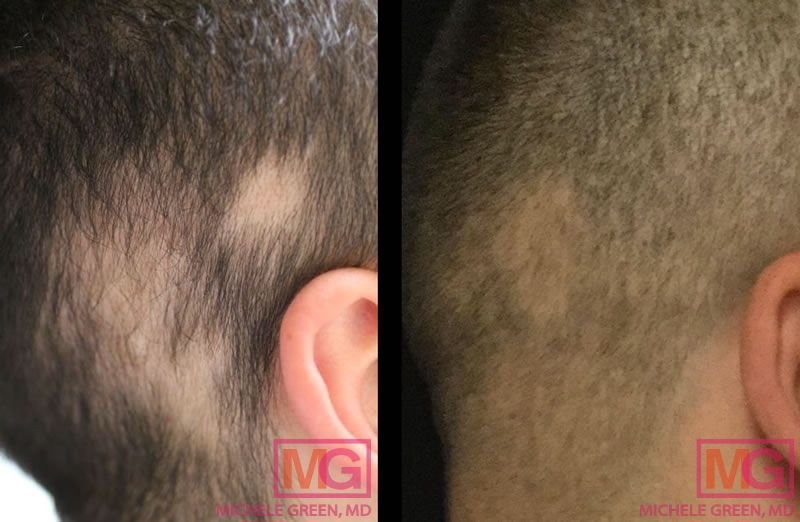
There are many types of hair loss, and alopecia areata is one of the more common forms of nonscarring alopecia. According to the National Alopecia Areata Foundation, almost seven million people in the United States are affected, with up to 160 million affected globally. Alopecia is the medical term for baldness, and areata means “patch.” Most patients with this type of hair loss develop patches measuring 1-4 cm in diameter. It is a chronic autoimmune disease in which the immune system attacks hair follicles on the scalp, face, and other areas of the body, such as the underarms or legs. Alopecia areata can affect individuals of any gender, age, or skin tone, and it often begins in childhood but can develop later in life, too.
There are three main types of alopecia areata: patchy alopecia areata (bald spots on the scalp), alopecia totalis (baldness of the entire scalp), and alopecia universalis (loss of all body hair). Less common types include alopecia ophiasis, characterized by a large strip of hair loss on the scalp, and alopecia barbae, characterized by patchy facial hair loss. Currently, there is no cure for alopecia areata. However, hair loss caused by this inflammatory skin disease can be treated with a variety of options provided by an experienced board-certified dermatologist, such as Dr. Michele Green in New York City.
What are the symptoms of alopecia areata?
The primary symptom of alopecia areata is hair loss. Depending on which form of alopecia you have, other symptoms can include:
- Nail pitting
- Ophiasis
- Loss of body hair (underarms, legs)
- Bald patches on the scalp
- Patches of hair loss in one area and hair regrowth in another area
- Itching or burning sensation in affected areas
While there are common symptoms of alopecia areata, a diagnosis can only be confirmed by a healthcare professional, such as a board-certified dermatologist like Dr. Michele Green in NYC. When you consult with Dr. Green about your hair loss, she will take a thorough medical and family history, perform a physical assessment of your hair and scalp, and review any previous treatment options. Dr. Green may also order a scalp biopsy for laboratory evaluation or request specific blood tests to rule out hormonal imbalances or other autoimmune disorders.
What type of alopecia do I have?
Since there are many forms of hair loss — including alopecia areata, male pattern baldness, female pattern baldness, traction alopecia, and scarring alopecia — determining which type you have can be difficult without professional evaluation. Each type has a distinct pattern: alopecia areata typically causes patchy hair loss or bald spots that can progress to alopecia totalis or alopecia universalis, while male and female pattern baldness cause gradual thinning at the crown or along the part line. During a consultation, Dr. Green will examine your scalp and hair, review your medical and family history, and, if needed, order blood tests or a scalp biopsy to confirm your diagnosis and recommend the appropriate treatment for alopecia areata.
Do I need a dermatologist for hair loss treatment?
While mild, temporary hair shedding may resolve on its own, any persistent, patchy, or unexplained hair loss should be evaluated by a board-certified dermatologist. Conditions such as alopecia areata, scarring alopecia, and hormonal hair loss can look similar in the early stages but require very different treatments. Self-diagnosis can delay effective care. Dr. Green offers a thorough scalp evaluation, a medical history review, and, when necessary, blood tests or a scalp biopsy to accurately diagnose your hair loss and develop a treatment plan that addresses the underlying cause.
What causes alopecia or hair loss?
Hair loss can stem from many causes, depending on the type. Alopecia areata is driven by the immune system mistakenly attacking hair follicles, whereas male and female pattern baldness is primarily genetic and hormonal. Other causes include telogen effluvium triggered by physical or emotional stress, traction alopecia from tight hairstyles, thyroid disease, nutritional deficiencies, certain medications, and scarring alopecia from inflammatory skin conditions such as psoriasis. Because so many conditions can cause hair loss, an accurate diagnosis from a board-certified dermatologist, such as Dr. Green, is the first step toward effective treatment.
What triggers alopecia to start?
In individuals genetically predisposed to alopecia areata, a flare-up is often triggered by a specific event, such as a viral illness, significant emotional or physical stress, hormonal changes, or a skin injury. Other autoimmune conditions, including thyroid disease and vitiligo, can also increase the likelihood of an alopecia areata flare. Because the exact trigger varies from patient to patient and is not always identifiable, Dr. Green focuses on managing the underlying immune response rather than targeting a single external cause.
Is alopecia hair loss genetic?
Genetics plays a role in several types of hair loss, though the degree of involvement varies. Male and female pattern baldness are strongly hereditary, often passed down through either side of the family, and linked to hair follicle sensitivity to androgens such as DHT, which causes follicles to shrink and produce thinner strands over time. Alopecia areata also has a genetic component, and patients with a family history of the condition are at increased risk. Still, it typically requires an additional environmental or immune trigger to develop. Other forms of hair loss, such as telogen effluvium, are driven more by external factors like hormonal shifts or stress, though genetic predisposition can still play a role. Dr. Green can help determine how much genetics may be contributing to your particular case and recommend treatment accordingly.
What is the best treatment for alopecia?
There is no single best treatment for alopecia, as the most effective approach depends on the type and severity of hair loss, as well as the patient’s age and overall health. Treatment options range from intralesional corticosteroid injections and topical or oral Minoxidil to finasteride, which blocks the hormone responsible for hair-follicle miniaturization in androgenetic hair loss. Regenerative options such as PRP hair restoration and Keravive, which combines a deep scalp cleanse with peptides and growth factors to nourish follicles, can also stimulate healthier growth. Topical immunotherapy or low-level laser therapy may be incorporated, depending on the patient’s response to initial treatment. MG Hair Serum can be used alongside these treatments to support the scalp environment and strengthen existing strands between in-office visits. Because alopecia can vary from one patient to the next and may even change over time in the same patient, ongoing monitoring is often necessary to adjust the treatment plan as needed. Dr. Green evaluates each patient individually to determine which combination of treatments will be most effective for their specific type of alopecia.
Platelet Rich Plasma (PRP) to treat hair loss
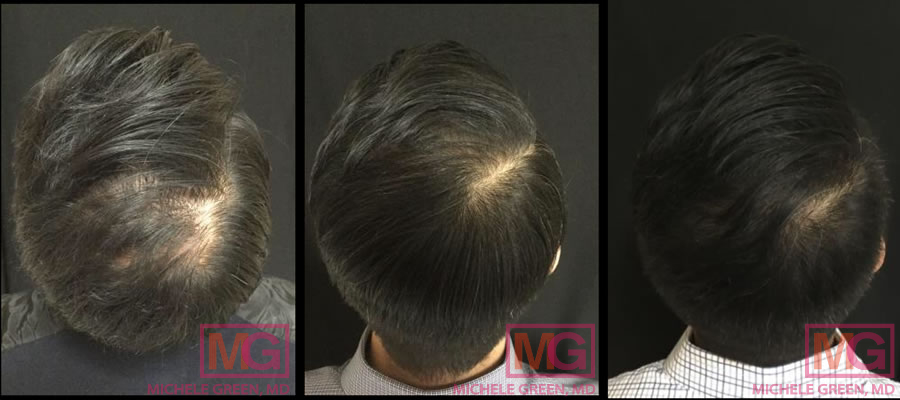
Platelet-rich plasma (PRP) is a popular, non-surgical treatment for hair loss in both women and men, especially when hair transplant surgery is not an option. The procedure begins with a small blood draw, similar to a routine blood test. The blood is then placed in a centrifuge that separates and concentrates the growth-factor-rich platelets to roughly 3 times their normal concentration. Once isolated, the platelet-rich plasma is drawn into a syringe and injected directly into areas of the scalp experiencing thinning or hair loss, using a fine needle to target the follicles at the dermal level. These growth factors prompt dormant or weakened follicles to re-enter the growth phase, improve blood supply to the area, and encourage the production of thicker, healthier strands over time. PRP injections can promote new hair growth in men with androgenetic alopecia (male pattern baldness) and in women with female pattern baldness. The procedure takes approximately 30 minutes from blood draw to injection, requires no pre- or post-procedure medications, and most patients can resume normal activities immediately afterward.
PRP is also considered a “natural” alternative to oral medications, which can carry more side effects. It can be combined with treatments such as oral Minoxidil, finasteride, Nutrafol, and MG Hair Serum, as well as hair transplantation, to accelerate and enhance results. Treatments are typically performed about every four weeks for three sessions, with additional sessions evaluated at the end of the fourth month. During your consultation, Dr. Green will conduct a comprehensive analysis of your hair and, if indicated, order blood tests to identify contributing factors, such as hypothyroidism or premature menopause, before recommending PRP as part of your alopecia areata treatment.
Which topical treatment is best for alopecia areata?
Topical Minoxidil, commonly known as Rogaine, is a medication used to stimulate hair growth. It was first approved by the FDA in 1988 to treat androgenetic alopecia in men and in 1992 for women. Although not FDA-approved specifically for alopecia areata, many dermatologists prescribe the topical medication ‘off-label’ to promote hair regrowth in these patients. It is thought to work by extending the anagen (growth) phase of the hair cycle and increasing blood flow to the scalp, delivering more nutrients and oxygen to the hair follicles. Patients must use Minoxidil consistently to maintain results, and common side effects include skin irritation, such as itching or scalp dryness.
MG Hair Serum is formulated to support healthy hair growth and strengthen the scalp environment between in-office treatments. The serum typically combines biotin and peptides to nourish follicles and support keratin production, as well as botanical extracts and antioxidants to reduce inflammation and protect the scalp from oxidative stress. Many formulations also include niacinamide to improve scalp circulation and caffeine, which has been shown to help counteract DHT’s effects on hair follicles. When used consistently, these components work together to create an optimal environment for hair growth, making the serum a useful complement to treatments such as PRP, Minoxidil, or finasteride.
Does Minoxidil work for hair loss?
Topical Minoxidil, commonly sold under the brand name Rogaine, is FDA-approved to treat androgenetic alopecia (male and female pattern baldness) and is often prescribed off-label to promote hair regrowth in patients with alopecia areata. Oral Minoxidil, originally developed as a blood pressure medication, is also prescribed off-label at low doses and has become an increasingly popular option for patients who prefer not to apply a topical product daily or who have not responded well to topical Minoxidil. Minoxidil works by prolonging the hair follicles’ growth phase and improving blood flow to the scalp. However, it must be used consistently to maintain results. While the topical form can cause scalp irritation in some patients, the oral form may carry a higher risk of unwanted hair growth elsewhere on the body or, less commonly, side effects such as fluid retention or lightheadedness.
Does finasteride work for hair loss?
Finasteride is an oral medication FDA-approved to treat male pattern baldness by blocking the conversion of testosterone to dihydrotestosterone (DHT), the hormone responsible for shrinking hair follicles in androgenetic alopecia. Because alopecia areata is driven by the immune system rather than DHT sensitivity, finasteride is not typically used to treat it. However, it may be recommended for patients with coexisting male pattern baldness. Dr. Green will determine whether finasteride is appropriate as part of your personalized treatment for alopecia areata.
Does a hair transplant work for alopecia?
A hair transplant can be an effective option for permanent hair loss, such as advanced male pattern baldness, female pattern baldness, or scarring alopecia. Still, it is generally not recommended for active alopecia areata. During the procedure, healthy hair follicles are typically harvested from denser areas of the scalp and transplanted to thinning or balding areas, where they can continue to grow permanently. However, because alopecia areata is unpredictable and can affect any area of the scalp, including the donor sites used for transplantation, transplanted hair is not protected from the same autoimmune attack that caused the original hair loss, which can lead to disappointing results. For this reason, Dr. Green typically favors non-surgical treatments, such as corticosteroid injections or platelet-rich plasma, to promote regrowth and achieve disease stability before considering hair transplantation as a long-term solution.
What is the newest treatment for alopecia areata?
In recent years, the FDA has approved a new class of oral medications, JAK inhibitors, for severe alopecia areata, including baricitinib and ritlecitinib, both of which block inflammatory signals that trigger the immune system to attack hair follicles. Deuruxolitinib is another JAK inhibitor that has shown promising results in clinical trials for hair regrowth. These medications, along with topical immunotherapy, represent some of the most significant advances in alopecia areata treatment in decades. However, they require ongoing monitoring by a board-certified dermatologist because of potential side effects.
What vitamins help with alopecia hair loss?
While no vitamin or supplement can cure alopecia areata, adequate levels of certain nutrients, such as biotin, vitamin D, zinc, and iron, are linked to healthy hair follicles and may support hair growth alongside medical treatment. Physician-formulated supplements such as Nutrafol, which combine these nutrients with adaptogens and other ingredients targeting common hair loss triggers, are also a popular addition to a hair health regimen. Because excessive supplementation can sometimes do more harm than good, it’s best to have your levels evaluated with blood tests before starting any new regimen. Dr. Green can help determine whether nutritional deficiencies are contributing to your hair loss and recommend supplements, including Nutrafol, as part of a broader alopecia areata treatment plan.
How to treat alopecia at home?
There is no proven at-home cure for alopecia areata, a chronic autoimmune disease that requires medical management. However, patients can support scalp health at home by using gentle, anti-inflammatory hair products, avoiding tight hairstyles that strain hair follicles, and managing stress, which can worsen hair loss. Many patients also choose to wear wigs or hairpieces to camouflage bald patches during treatment. Because at-home approaches cannot reverse the underlying autoimmune process, it’s important to work with a board-certified dermatologist like Dr. Green to develop a comprehensive treatment plan.
How do I treat hair loss naturally?
While natural approaches cannot cure alopecia areata, certain lifestyle habits may support overall scalp and hair health when used alongside medical treatment. These include managing stress through exercise or mindfulness, eating a balanced diet rich in iron, zinc, and biotin, avoiding tight hairstyles, and using gentle, sulfate-free hair products. Because natural approaches alone are insufficient to treat an autoimmune condition like alopecia areata, Dr. Green recommends combining them with a personalized medical treatment plan for the best results.
What is the best shampoo for hair loss?
There is no single shampoo that works best for all types of hair loss. Still, patients generally benefit from gentle, sulfate-free formulas with anti-inflammatory or strengthening ingredients, such as biotin, caffeine, or tea tree oil. Medicated shampoos containing ketoconazole may also help patients with androgenetic alopecia because the ingredient has mild anti-androgenic properties in addition to its antifungal effects. For patients with alopecia areata, shampoos with a soothing, fragrance-free formula are often preferable, as an already sensitized scalp is more prone to irritation. Because harsh or irritating shampoos can worsen certain types of hair loss, it’s best to ask Dr. Green for a personalized recommendation based on your diagnosis.
How long does hair loss treatment take to work?
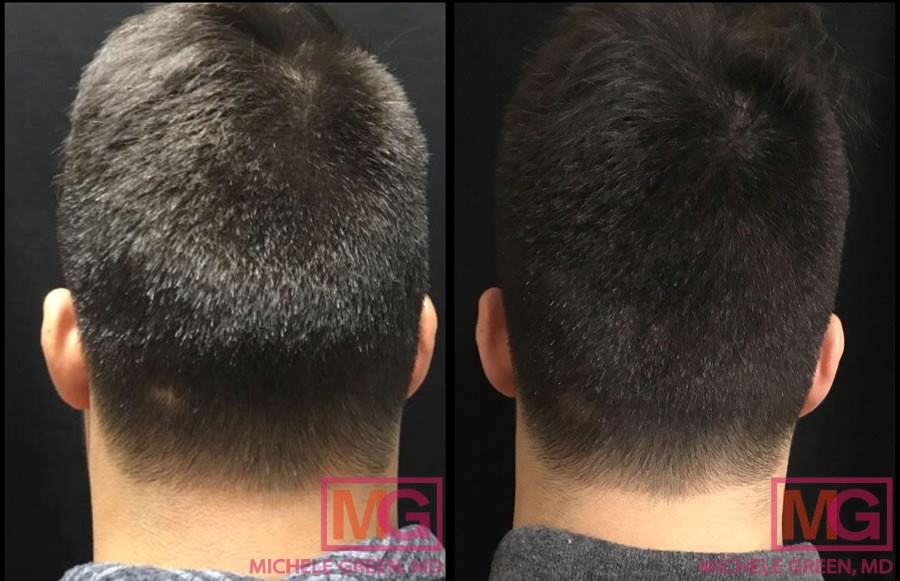
The timeline for visible results varies by treatment: corticosteroid injections are typically spaced four weeks apart, with regrowth visible over several months. Topical and oral Minoxidil can take six to twelve months of consistent use to show full effects. PRP treatments are typically performed about one month apart, with many patients noticing initial improvement around 8 to 12 weeks after the first session. However, optimal results often require the full series of treatments and continued maintenance. Because alopecia areata treatment is highly individualized, Dr. Green will set realistic expectations for your specific treatment plan during your consultation.
What are the side effects of hair loss treatment?
Side effects vary by treatment type. Oral corticosteroids can cause weight gain, mood changes, or increased appetite, whereas topical steroids and Minoxidil may cause scalp irritation, itching, or contact dermatitis in sensitive patients. PRP is generally well tolerated because it uses the patient’s own blood. Still, temporary side effects such as mild swelling, tenderness, or bruising at the injection sites, as well as a brief headache, can occur. Dr. Green will review the potential side effects of each option and select the safest, most effective treatment for your individual health profile.
How much does hair loss treatment cost?
The cost of alopecia areata treatment varies widely depending on the type and number of treatments needed, such as corticosteroid injections, PRP, or topical or oral medications. Patients with more extensive or stubborn hair loss may require a combination of therapies or a longer treatment course, which can increase overall cost. At the same time, those with milder or more localized alopecia may see results with a more limited treatment plan. Because each patient’s treatment plan is tailored to the severity and type of hair loss, the best way to understand your specific costs is to schedule a consultation with Dr. Green at her Manhattan practice.
How do I stop hair loss from alopecia?
The most effective way to prevent alopecia areata from progressing is to begin treatment as early as possible with a board-certified dermatologist. Dr. Green typically starts with blood tests to identify any underlying factors, then uses topical treatments to calm the immune response that attacks the hair follicles. For more extensive cases, she may add PRP or oral Minoxidil. She also monitors patients closely throughout treatment, adjusting the plan as needed based on the scalp’s response, because early intervention makes it easier to catch new patches before they spread. Prompt, consistent treatment offers the best chance of halting further hair loss and promoting regrowth.
Will my hair grow back after alopecia?
Many patients with alopecia areata see their hair grow back, especially those with only a few small patches of hair loss. Regrowth may begin as fine, white or gray hairs before gradually returning to their natural color and thickness. However, because alopecia areata is a chronic autoimmune disease, regrowth is not always permanent, and some patients experience recurring episodes throughout their lives, with the pattern and severity of hair loss sometimes changing from one flare to the next. Working with a board-certified dermatologist like Dr. Green to start treatment early and to stay on a consistent maintenance plan gives you the best chance of meaningful, lasting regrowth.
Can you regrow hair loss from alopecia?
Yes, hair regrowth is possible for many patients with alopecia areata, especially with early, consistent treatment. Options such as corticosteroid injections, PRP, and topical and oral Minoxidil help stimulate hair follicles and promote new growth by calming the immune response or supporting the follicle’s natural growth cycle. In many cases, a combination of treatments yields better results than any single approach, and Dr. Green may adjust your plan over time based on how your scalp responds. Results vary from patient to patient, and Dr. Green will help set realistic expectations based on the extent and duration of your hair loss.

Is alopecia hair loss permanent?
Whether alopecia-related hair loss is permanent depends on the type involved. Alopecia areata is generally non-scarring, meaning the hair follicles remain intact and hair can regrow with treatment, even though the condition itself has no cure and can recur, sometimes affecting the same areas or new patches of the scalp. Scarring alopecia, on the other hand, permanently destroys the hair follicles and results in irreversible hair loss. Treatment for this type focuses on halting further progression rather than regrowing hair in already affected areas. Dr. Green can help determine which type you have, whether through a scalp exam or biopsy, and what outcomes to expect.
Can alopecia hair loss be reversed?
Alopecia areata hair loss can often be reversed with appropriate treatment because the hair follicles are not permanently destroyed in this type of alopecia. Patients frequently see regrowth with corticosteroid injections, PRP, or Minoxidil, and starting treatment as soon as patches appear tends to yield better outcomes than waiting to see if the hair grows back on its own. However, because it is a chronic autoimmune condition, ongoing treatment or maintenance may be needed to sustain results, and some patients will experience flares even after successful regrowth. Scarring forms of alopecia are not reversible, which is why an accurate diagnosis from a board-certified dermatologist is essential.
Can stress cause alopecia hair loss?
Yes, stress is a well-documented contributor to several types of hair loss, including alopecia areata, telogen effluvium, and trichotillomania. In alopecia areata, significant physical or emotional stress is thought to be one of several possible triggers that can set off the autoimmune attack on hair follicles in genetically susceptible individuals. It is rarely the sole cause and often works alongside genetic and immune factors. Telogen effluvium, by contrast, is a more direct stress response in which a larger-than-normal number of hair follicles are pushed into the shedding phase a few months after a stressful event, illness, or major bodily change. Managing stress through healthy coping strategies, along with adequate sleep and nutrition, can be a helpful complement to the medical treatments Dr. Green offers for stress-related hair loss.

How Do I Get Started with Alopecia Areata Treatment Today?
Alopecia areata is a common autoimmune condition that affects nearly seven million people in the United States and up to 160 million people worldwide. While there is currently no cure, a wide range of treatment options, from corticosteroid injections and PRP to topical immunotherapy and the newest JAK inhibitors, can help control symptoms and stimulate regrowth. Hair loss can take a significant emotional toll, causing self-consciousness and diminished confidence, but patients don’t have to manage it alone. With a personalized, evidence-based treatment plan under the care of Dr. Michele Green, many patients achieve meaningful hair regrowth and long-term control of their alopecia areata.
Dr. Michele Green is an internationally renowned, board-certified dermatologist with more than two and a half decades of experience diagnosing and treating all forms of hair loss, from alopecia areata to male and female pattern baldness. She customizes each patient’s treatment plan, combining in-office procedures, topical treatments, and oral medications tailored to their individual needs. She is consistently recognized as one of New York City’s top dermatologists by Super Doctors, Castle Connolly, The New York Times, and New York Magazine. To get started with a personalized alopecia areata treatment plan at her private dermatology office on Manhattan’s Upper East Side, call 212-535-3088 or contacting us online.


