


Laser Skin Tightening
Laser skin tightening is a popular non-invasive cosmetic treatment for individuals seeking improved skin firmness and to address early to moderate signs of aging without surgery or downtime. As collagen levels naturally decline over time, the skin can lose elasticity, leading to concerns such as loose or sagging skin, softened facial contours, and reduced definition along the jawline and elsewhere on the body. Many patients choose laser skin tightening to refresh their appearance, maintain youthful-looking skin, and prevent further loss of firmness. Patients gravitate toward non-surgical laser skin tightening treatments because they require little to no downtime and can easily fit into a busy schedule. These treatments are commonly used on the face, neck, and body, and can be incorporated into broader rejuvenation plans to enhance overall results. It is no surprise that laser skin tightening has become one of the most requested non-invasive treatments at Dr. Michele Green’s private dermatology office in Manhattan’s Upper East Side.
Laser skin tightening treatments deliver controlled energy beneath the skin’s surface to stimulate new collagen production and help the skin regain firmness over time. While different technologies may be used, including radiofrequency, light-based devices, or microneedling, the goal remains the same: to stimulate collagen production, leading to firmer, smoother skin over time. These treatments work below the skin’s surface without affecting the outer layer, allowing patients to see gradual improvement with no downtime. Laser skin tightening can be customized based on the area being treated, the degree of laxity, and individual skin characteristics. A board-certified dermatologist like Dr. Green will determine which laser or energy-based approach is best suited to support long-term skin firmness and rejuvenation.
Dr. Michele Green is an internationally recognized, board-certified dermatologist with over 25 years of experience delivering advanced, non-invasive cosmetic treatments to some of the world’s most discerning individuals, including laser skin tightening for the face and body. Her work focuses on addressing visible signs of aging with carefully selected non-invasive treatments that prioritize safety, precision, and consistent results. She is consistently ranked among New York City’s top dermatologists by Castle Connolly, New York Magazine, and Super Doctors for her expertise and dedication to patient care. At her private dermatology practice on Manhattan’s Upper East Side, Dr. Green carefully evaluates each patient’s skin concerns and develops customized treatment plans to improve skin firmness, enhance natural features, and support lasting rejuvenation.
What is Laser Skin Tightening?
Most types of laser skin-tightening treatments work by stimulating the production of new collagen and elastin in the treatment area. Collagen and elastin are skin proteins that contribute to skin elasticity and a firm, smooth texture. Over time, collagen and elastin levels naturally decline due to the aging process and cumulative sun exposure. As levels of these proteins diminish, signs of aging develop, including fine lines, wrinkles, and loose skin.
Laser skin tightening can be an excellent alternative to cosmetic surgery or a facelift, offering patients a safe and effective way to achieve a more youthful appearance without downtime or discomfort. Laser skin tightening procedures are relatively quick and deliver consistently stunning facial rejuvenation results. Compared with surgical procedures, laser treatments for skin tightening are associated with far fewer side effects. Thermage uses radiofrequency energy to deliver heat to the dermis, stimulating new collagen production and causing existing collagen fibers to contract. There is no preparation required, no discomfort during treatment, and no downtime afterward, allowing patients to resume their normal daily activities immediately after treatment. Some skin rejuvenation benefits may be visible immediately after treatment and will continue to improve for up to six months as new collagen forms.
Laser skin tightening has been FDA-approved to reduce fine lines, wrinkles, and skin laxity. While the results of a plastic surgery procedure, such as a facelift, may be more dramatic, most patients seek optimal skin tightening without the downtime, discomfort, and high costs associated with cosmetic surgery. Laser skin tightening is the best non-surgical way to restore a more youthful appearance to the face and rejuvenate skin almost anywhere on the body.
Does laser skin tightening treatment work?
Yes! Laser skin tightening works extremely well for patients of all skin types and tones. Laser skin tightening with an experienced board-certified dermatologist, such as Dr. Michele Green in New York, is safe and effective for skin rejuvenation on the face and in other areas of the body, including the arms, neck, chest, décolletage, thighs, abdomen, and buttocks. The treatment delivers heat to the collagen-rich dermis, stimulating new collagen production and making the skin firmer and tighter. Non-surgical skin tightening promotes long-lasting collagen and elastin production in the treatment area, with results that improve for up to 6 months after treatment and can last up to 2 years. Laser skin tightening is very popular and highly effective, with multiple clinical studies demonstrating improved collagen production and skin elasticity. When you consult with board-certified dermatologist Dr. Michele Green at her private dermatology office in Manhattan’s Upper East Side, she will help you determine which laser skin rejuvenation treatments will work best for your skin type, skin tone, skin condition, and aesthetic goals.
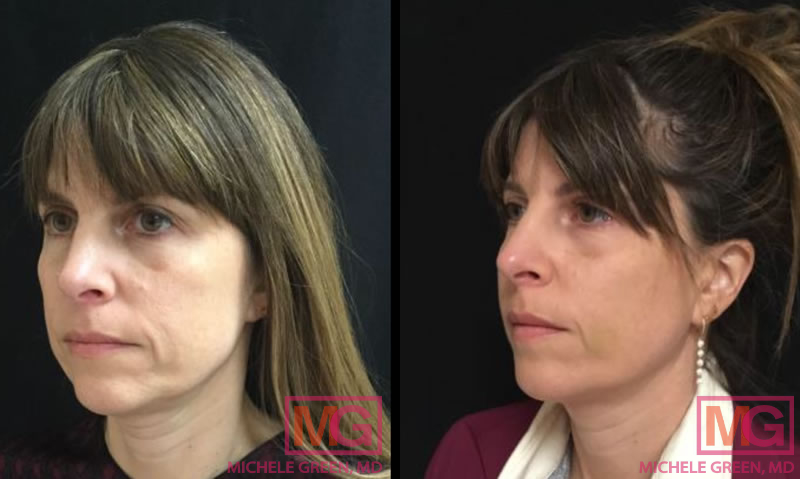
Before & After – Thermage with Voluma & Lyft
Which laser treatment is best for skin tightening?
Among laser and energy-based skin-tightening treatments, radiofrequency technology stands out for safely heating the deeper layers of the skin where collagen is produced. Radiofrequency-based technologies, such as Thermage, are commonly used for skin tightening because they safely heat the deeper layers of skin where collagen is produced. The treatment delivers controlled heat, causing existing collagen fibers to contract while encouraging new collagen formation over time. Results develop gradually and continue to improve for several months after treatment. Other treatments may address texture, pigmentation, or surface irregularities, but radiofrequency-based treatments are specifically designed to improve skin firmness and laxity. Selecting the right treatment depends on the primary concern and whether tightening is the main goal.
Thermage Skin Tightening
Thermage is an FDA-approved, non-invasive skin-tightening treatment that uses monopolar radiofrequency energy to heat collagen-rich skin layers in a controlled, uniform manner. Unlike treatments that target only superficial layers, Thermage delivers energy deep into the skin, allowing heat to reach collagen fibers. This controlled heating immediately tightens existing collagen fibers and triggers a response that encourages the production of new collagen over time. A built-in cooling system protects the skin’s surface during treatment, allowing higher energy levels to be delivered safely and comfortably to the deeper layers without damaging the skin’s surface. This combination of deep heating and surface protection enables Thermage to create gradual, natural-looking improvements in skin firmness after a single treatment session. As collagen continues to regenerate in the months following treatment, patients often notice progressive improvement in skin texture and tone without disrupting daily activities.
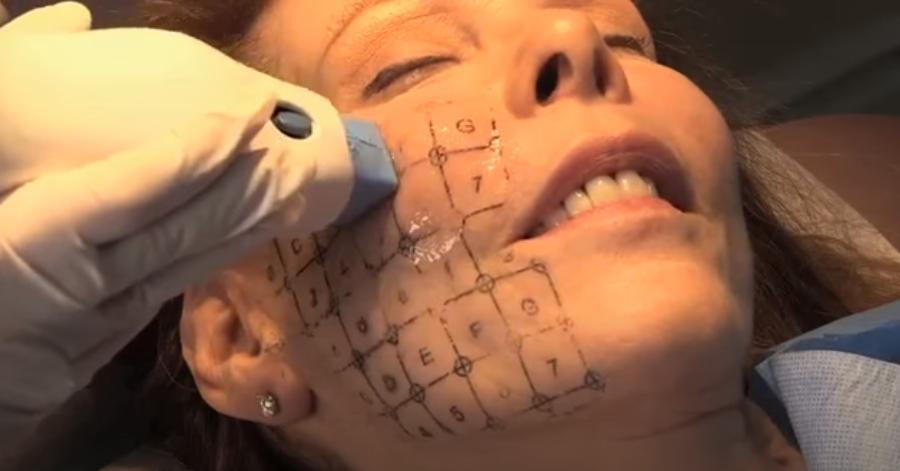
Ultherapy and Skin Tightening
Ultherapy is an FDA-approved skin-tightening treatment that uses ultrasound energy to heat the deepest layers of the dermis. Ultherapy can be effective for patients because ultrasound energy stimulates collagen production, and dermatologists can use the device to visualize the tissues in the treatment area during the procedure. Ultrasound energy works by sending sound waves through the skin that concentrate at targeted depths, generating heat only where the waves intersect. This focused delivery allows Ultherapy to stimulate collagen in deeper layers without continuously heating the surrounding tissue. However, Ultherapy is considered more uncomfortable than Thermage FLX and is not always effective for loose skin. Because ultrasound energy penetrates deeply into the skin, a potential side effect is fat loss in the treatment area. This occurs because heat can destroy subcutaneous fat cells, resulting in poor cosmetic outcomes. For this reason, Dr. Green recommends Thermage FLX, BBL Broadband Laser, or Vivace radiofrequency microneedling as preferred alternatives for skin tightening.
Vivace Radiofrequency Microneedling for Skin Tightening
Vivace is an FDA-cleared radiofrequency microneedling treatment that combines two complementary technologies to improve skin firmness, texture, and overall appearance. The treatment uses ultrafine microneedles to create controlled microchannels in the skin while simultaneously delivering radiofrequency energy into the deeper layers. The microneedling component stimulates the skin’s natural repair response by encouraging collagen production at the surface, improving texture, and reducing fine lines, acne scars, and stretch marks. At the same time, radiofrequency energy is delivered through the needles into the dermis, where it heats collagen-rich tissue, promoting tightening and supporting new collagen formation. By delivering energy directly beneath the skin’s surface, Vivace allows for more precise collagen stimulation than microneedling alone. When these two technologies are combined in a single treatment, Vivace addresses both surface-level concerns and deeper skin laxity, creating gradual improvements in firmness and smoothness with minimal downtime. Most patients undergo a short series of treatments spaced several weeks apart to achieve optimal results.
BBL Broadband Light for Skin Firmness
BBL Broadband Light is a light-based treatment that uses high-intensity pulses of broad-spectrum light to stimulate cellular activity in the skin and support collagen production over time. Unlike treatments that rely solely on heat, BBL delivers controlled light beams into the skin, where they are absorbed by targeted cells and structures. This controlled light energy encourages the skin to regenerate and function more efficiently, improving firmness while addressing visible concerns such as discoloration, redness, and sun damage. As collagen production increases gradually, the skin can appear smoother, more even, and better supported. BBL does not affect the skin’s surface, allowing treatments to be performed comfortably with no downtime. While BBL is not designed to create dramatic tightening on its own, it plays an important role in maintaining skin firmness and supporting long-term collagen health, especially when incorporated into a broader laser skin-tightening plan or used as part of ongoing maintenance.
Fractional Laser for Skin Tightening
Another excellent skin rejuvenation technique is Fractional laser skin resurfacing. The Fraxel Dual laser skin resurfacing treatment is considered the gold standard and uses two wavelengths to deliver precise, fractionated treatment. The 1927 wavelength offers a non-invasive method for treating pigmentation, discoloration, age spots, and sun spots, while the 1550 wavelength improves skin texture, fine lines, stretch marks, wrinkles, and acne scars. With the flexibility of the Fraxel Dual, patients can receive a custom-tailored laser skin resurfacing treatment with no downtime or invasive procedures. Most patients require a short series of three Fraxel laser treatment sessions to achieve their final desired results. The rejuvenation results are considered permanent; however, they do not prevent future signs of aging that may develop over time. Many patients will attend an annual maintenance treatment session to maintain optimal results.
Fraxel Dual skin resurfacing can be combined with Thermage FLX and other skin-tightening treatments to maximize skin rejuvenation. Thermage FLX is a gentle skin-tightening treatment that can be paired with a variety of other revitalizing skin treatments as part of a treatment plan to maximize patient satisfaction. Patients can prolong the rejuvenation benefits of their treatment by applying a broad-spectrum sunscreen with SPF 30 or higher daily.
How Does a Thermage Laser Skin Tightening Procedure Work?
Before the laser skin-tightening session, all makeup, sunscreen, and skincare products are removed with a gentle cleanser. Goggles are placed over the eyes to shield them from the laser. With Thermage radiofrequency, no topical numbing cream is required because the procedure is painless. It is also important not to numb the skin, as the heat and its effects must be gauged during the procedure. No over-the-counter or prescription pain medication should be taken before the procedure. If the procedure feels too warm or uncomfortable, the settings are continuously adjusted to maximize comfort while still delivering the energy for the best possible results.
During the Thermage skin-tightening procedure, a grid is applied to the treatment area. Using radiofrequency laser technology, heat is delivered in pulses to the dermis, where the underlying collagen fibers tighten the skin uniformly and stimulate new collagen production. Each pulse takes several seconds to deliver the needed energy to heat the skin. Each pulse covers approximately one square inch of skin, and the treatment typically takes just over one hour. Recent innovations in Thermage devices have led to the creation of Thermage FLX. Thermage FLX is equipped with the AccuRep system, an advanced laser technology that builds on the foundation of effective skin-tightening treatment while improving patient comfort, speed, and precision. Thermage FLX has a larger treatment tip, which offers improved comfort and faster treatment time, allowing patients to complete a full Thermage FLX treatment session in 45 minutes or less (rather than 90 minutes with the original Thermage device). Thermage FLX is also at the forefront of technological advancement with its patented AccuREP™ algorithmic precision. With AccuREP™, Thermage FLX can adjust treatment on a per-pulse basis, resulting in a more comfortable and impactful skin-tightening experience. Dr. Green is delighted to offer this revolutionary skin-tightening laser treatment to her patients.
What cosmetic procedure is best for skin tightening?
The best cosmetic procedure for skin tightening depends on the degree of skin laxity, the area, and the level of visibility the patient wants. Some individuals experience early changes, such as mild sagging or softening of the jawline, while others have more advanced laxity that affects the deeper layers of the skin. Non-surgical skin-tightening procedures are often well-suited for patients seeking gradual improvement in firmness and elasticity with no downtime. These options stimulate the skin’s natural collagen production, improving texture and tone over time. Surgical procedures may be more appropriate for patients with significant excess skin who want more tightening than non-invasive options can provide. A thorough evaluation by a board-certified dermatologist helps ensure the chosen approach matches the patient’s anatomy, lifestyle, and long-term goals.
Can Laser Skin Tightening be combined with Laser Skin Resurfacing or Facial Injections?
Dr. Green utilizes the Thermage™ laser, Vivace RF Microneedling, Intense Pulsed Light, and BBL™ Broadband Laser for non-invasive laser skin tightening. These treatments can be easily combined with chemical peels or other laser treatments for pigmentation, sun damage, and fine lines, such as Fraxel®, Alex-Trivantage®, or a YAG laser, following your skin-tightening procedure. While laser skin tightening stimulates new collagen production in the deeper layers of the dermis, the Fraxel and Vbeam lasers target concerns such as irregular skin pigmentation, helping remove age spots and facial redness. Many patients with skin laxity choose to combine their laser skin-tightening treatment with Botox and dermal fillers, such as Juvederm or Restylane, to achieve pan-facial rejuvenation in a non-surgical cosmetic procedure often referred to as a “liquid facelift.” When you consult with Dr. Green at her private dermatology office in New York, she will work with you to create a customized skin rejuvenation treatment plan that combines the best non-invasive cosmetic procedures suited to your concerns and goals.
Is laser skin tightening painful?
Laser skin tightening treatments are generally very comfortable and not considered painful for most patients. During the procedure, patients typically feel a warming sensation as energy is delivered beneath the skin to stimulate collagen production and improve firmness. The sensation is temporary, usually mild and tolerable, with no lingering discomfort after the treatment. Because the outer layer of the skin remains unharmed, there is no surface injury, peeling, or recovery period. Most patients can return to their normal routine immediately after treatment without soreness or sensitivity. At her private dermatology office, Dr. Michele Green prioritizes patient comfort and carefully adjusts treatment settings to ensure the experience is as gentle as possible while still achieving effective skin-tightening results.
How Long Does Laser Skin Tightening Last?
The effects of a skin-tightening procedure can last up to two years. Some patients opt to repeat Thermage® annually to stimulate new collagen production and maintain a more youthful appearance. The BBL Forever Young™ procedure requires five treatments spaced one month apart, followed by maintenance twice a year for the best results. A facelift is a more permanent solution, with results lasting more than ten years, but it requires general anesthesia, incisions, and recovery downtime. Most patients prefer to repeat Thermage® for non-invasive skin tightening every two years rather than undergo a surgical facelift.
What are the Potential Side Effects of Laser Skin Tightening?
One of the greatest benefits of non-invasive laser skin tightening is that there are very few, if any, side effects. In general, laser skin tightening has virtually no side effects and no recovery time. Patients can resume normal activities immediately after a laser treatment session. Some patients experience slight redness in the treatment area immediately after the procedure, which typically resolves within 1 hour. Though side effects from laser skin tightening are extremely rare, some patients may experience mild redness or swelling for several weeks. Additionally, though extremely uncommon, some patients have reported a burning sensation in the treatment area after treatment. Overall, for most patients, the potential benefits of laser skin tightening far outweigh the potential risks.
Who is a Good Candidate for Non-surgical Skin Tightening?
Good candidates for non-surgical skin tightening are individuals who notice changes in skin firmness and want to improve elasticity, tone, and overall skin quality without surgery or downtime. These treatments are commonly chosen by patients with early to moderate laxity in areas such as the jawline, neck, cheeks, abdomen, arms, or thighs who are interested in gradual, natural-looking improvement. Non-invasive skin tightening procedures work by stimulating collagen production, making them especially effective for patients whose skin still has some underlying elasticity and support. Many patients choose these treatments as a proactive way to maintain skin firmness or enhance results from other cosmetic procedures.
Certain skin and health factors can affect a patient’s suitability for treatment. Active skin infections, open wounds, rashes, lesions, or inflammatory conditions such as eczema or psoriasis in the treatment area should be treated and resolved before undergoing laser or energy-based procedures. Patients experiencing active acne breakouts, cold sores, or other skin outbreaks may be advised to postpone treatment until the skin has healed. Some medical conditions, pregnancy, or implanted medical devices may also influence candidacy. A history of abnormal scarring or delayed healing may require additional evaluation before treatment.
A thorough consultation is essential to determine the safest and most effective approach. During this visit, Dr. Michele Green carefully reviews the medical history, evaluates the skin condition, and examines the treatment area to identify factors that could affect outcomes. This individualized assessment tailors the treatment plan to the patient’s skin type, skin tone, and specific concerns, ensuring non-surgical skin tightening is performed safely and with optimal results.
How much is laser skin tightening?
The cost of laser skin tightening treatment ultimately depends on several factors. The total cost varies by the treatment option selected, the number of sessions required, the geographic location of the facility where you are treated, and whether a board-certified dermatologist or a technician at a medspa performs the procedure. Some treatments, such as Thermage, require only one session, while others, like BBL, may require multiple sessions. Costs also differ by the type of laser treatment, the area of the body being treated, and the desired aesthetic result. When you consult with Dr. Michele Green at her private dermatology office in New York, she will work with you to create a customized treatment plan that addresses your specific concerns and goals. At that time, the cost of your laser skin tightening treatment will be estimated.
Is laser skin tightening permanent?
As part of the natural aging process, the skin proteins collagen and elastin are depleted over time. Collagen and elastin provide the skin with structural support and elasticity. While laser skin tightening can help replenish collagen, it cannot prevent the inevitable depletion that occurs with aging. Thus, laser skin tightening cannot produce entirely permanent cosmetic results because the body continues to lose collagen. However, maintenance sessions of laser skin tightening continually stimulate new collagen production and help replace the collagen we lose with age. With annual maintenance laser treatments, patients can enjoy continued skin-rejuvenation benefits without the need for invasive surgical procedures, which can be associated with significant side effects and long recovery times. When you consult with board-certified dermatologist Dr. Michele Green, she will work with you to create a customized treatment plan and timeline that best fits your needs and goals.
Can laser treatments tighten loose skin?
Laser treatments can help tighten loose skin when the looseness stems from reduced elasticity and collagen loss over time. As collagen levels decline, the skin may begin to sag or feel less firm, even without dramatic changes in weight or facial structure. Laser and energy-based treatments stimulate collagen production beneath the skin’s surface, gradually improving support and firmness. These treatments are commonly used to address mild to moderate looseness in areas such as the face, neck, abdomen, arms, and thighs, where collagen stimulation can make a visible difference in skin tone and contour. While laser treatments do not remove excess skin, they can significantly improve the appearance of sagging by making the skin feel tighter and more supported. For patients with more advanced laxity, laser skin tightening may still be used to enhance firmness and texture, while other treatment options are considered to address more significant skin sagging.
Which Skin Tightening Laser Treatment is Best for Me?
The best skin-tightening laser treatment for you depends on your skin’s characteristics and the specific changes you notice. Some patients are in the early stages of skin laxity and want to maintain firmness and prevent progression, while others want to address visible sagging that has already developed. The treatment location also plays an important role, as facial skin behaves differently from body skin. Personal preferences, such as comfort level, time commitment, and the speed of results, are also considered. A customized approach aligns treatment selection with your skin’s response and realistic outcomes. An in-office consultation is essential to determine the most effective and appropriate option.
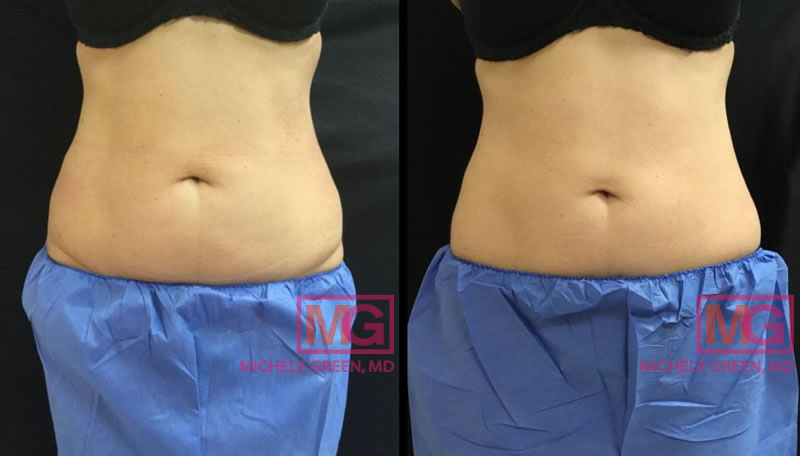
Before & After – Thermage in abdomen area
Other Frequently Asked Questions (FAQs) about Laser Skin Tightening
What is the recovery time for laser skin tightening?
One of the greatest benefits of laser skin tightening treatments is their non-invasive nature. Because Thermage®, Vivace RF Microneedling, and the BBL® are non-invasive, there is essentially no downtime. In contrast, surgical skin-tightening procedures, such as a facelift, typically require significant recovery time. This is one of the many reasons patients interested in skin rejuvenation prefer laser skin tightening treatments. In addition, many non-invasive laser skin-tightening treatments show initial results immediately after the procedure. Your skin will appear tighter and firmer in the treatment area, and the results will continue to build over the following four months, gradually tightening the skin. Because Thermage® requires only one procedure, it is more cost-effective than multiple repeat laser skin-tightening treatments. The lack of downtime associated with laser skin tightening treatments means you can return to your normal activities immediately after your procedure. When you have your laser skin tightening treatments with board-certified dermatologist Dr. Michele Green in New York City, she will provide you with pertinent aftercare information for your recovery and treatment.
How many treatment sessions do you need for laser skin tightening?
The number of laser skin-tightening sessions needed to achieve optimal results depends on several factors, including the technology used, the area being treated, and the severity of skin laxity. Some treatments deliver visible improvement after a single session by stimulating collagen deep within the skin, while others require a series of treatments to build collagen over time. Areas with thicker skin or more noticeable laxity may benefit from additional sessions to reach the desired level of firmness. Individual factors such as age, skin quality, and the body’s collagen production efficiency also play an important role. Collagen levels naturally decrease over time as part of the aging process, so even after optimal results are achieved, some patients choose to return periodically for maintenance treatments to support ongoing collagen production and preserve skin firmness. The recommended number of sessions and the need for maintenance treatments are determined during a consultation. They may vary based on skin condition, degree of laxity, and lifestyle factors such as sun exposure and skincare habits, all of which can influence how the skin ages over time.
Can lasers tighten skin?
Yes, lasers and energy-based devices can tighten skin by stimulating the skin’s natural repair process more deeply. When controlled energy is delivered beneath the skin’s surface, it triggers a thermal response that contracts collagen fibers and signals the body to produce new collagen over time. This process helps strengthen the skin’s support structure, improving firmness and smoothing the skin’s appearance. Unlike treatments that work only on the skin’s surface, laser skin tightening targets what lies beneath, gradually making the skin more resilient and better supported. The degree of tightening depends on factors such as skin quality, age-related changes, and the area being treated. By stimulating collagen remodeling from within, laser technology offers a non-surgical way to enhance skin firmness without damaging the skin’s outer layer.
What is the difference between laser skin tightening and laser skin resurfacing?
Laser skin resurfacing and laser skin tightening are complementary cosmetic procedures that many of Dr. Green’s patients combine to achieve pan-facial skin rejuvenation. Laser skin tightening treatments, such as Thermage radiofrequency laser treatment, heat the deeper layers of the skin (dermis) to stimulate new collagen production in the treatment areas, resulting in a smoother, firmer, tighter skin texture with no downtime. Laser skin resurfacing treatments, on the other hand, are used to address concerns such as fine lines, wrinkles, enlarged pores, acne scars, stretch marks, uneven skin tone, and other irregularities in skin texture. Laser skin resurfacing treatments include ablative treatments, such as the carbon dioxide (CO2) laser, and nonablative treatments, such as Fraxel Dual.
Ablative laser treatments remove the outermost layer of the skin, the epidermis, to stimulate the skin’s wound-healing process and increase collagen and elastin levels. Nonablative laser treatments deliver energy to the dermis to stimulate new collagen and elastin production while leaving the epidermis intact. Because the epidermis remains intact, nonablative treatments typically require significantly less downtime than ablative laser skin resurfacing. Board-certified dermatologist Dr. Michele Green often combines laser skin resurfacing with laser skin tightening treatments, such as Fraxel and Thermage, to remove sun damage and improve elasticity. These skin rejuvenation treatments work together to combat various signs of aging. When you consult with Dr. Green at her private dermatology office in New York, she will work with you to select the unique combination of cosmetic procedures that are best suited to you, based on your skin type, the particular signs of aging you want to address, your skin tone, and overall aesthetic goals.
Is laser skin tightening effective?
Laser skin tightening is an effective option for improving skin firmness, elasticity, and overall quality in patients with mild to moderate skin laxity. These treatments deliver controlled energy beneath the skin’s surface to stimulate collagen production, strengthening the skin’s internal support structure over time. As new collagen forms, the skin gradually appears smoother, firmer, and more toned in treated areas, with results continuing to improve for several months after treatment. Laser skin tightening can be used on the face, neck, jawline, abdomen, arms, and thighs, making it a versatile option for both facial rejuvenation and body contouring. The treatment approach can be tailored to the area being treated, skin thickness, and the degree of laxity, resulting in natural, balanced outcomes. Because the skin’s surface remains intact, there is no downtime, and most patients return to normal activities immediately after treatment. While laser skin tightening does not replace surgical procedures for more advanced skin sagging, it can significantly enhance skin tone and firmness and is commonly chosen by patients seeking visible improvement without surgery.
How does laser skin tightening work?
Laser skin tightening treatments work by stimulating the generation of new collagen in the treatment areas. Collagen is the most abundant skin protein, providing structural support and a firm, smooth, tight skin texture. As we age, collagen levels naturally deplete, leading to signs of aging, including loose skin. Although various laser skin tightening treatments, such as Thermage, Ultherapy, and Vivace radiofrequency microneedling, use different technologies, these cosmetic procedures deliver controlled energy to the skin’s dermal layers to stimulate new collagen production in the treatment area. By replenishing collagen levels, laser skin tightening treatments gradually produce a firmer, smoother, tighter skin texture and a more youthful appearance that is natural-looking and long-lasting.
What is the best laser skin tightening machine?
The best laser skin-tightening machine delivers consistent, controlled energy while allowing the provider to tailor treatment to the patient’s skin. Advanced skin-tightening devices monitor skin response and adjust energy delivery to ensure safety and effectiveness. Precision, reliability, and the ability to treat different areas of the face and body are key features of a high-quality device. Patient comfort is also important, as well-tolerated treatments enable thorough, even energy delivery. While technology plays a role in outcomes, results are strongly influenced by how the device is used and customized for each patient. Expertise and proper technique are just as important as the equipment itself.
Does laser skin tightening work on the neck?
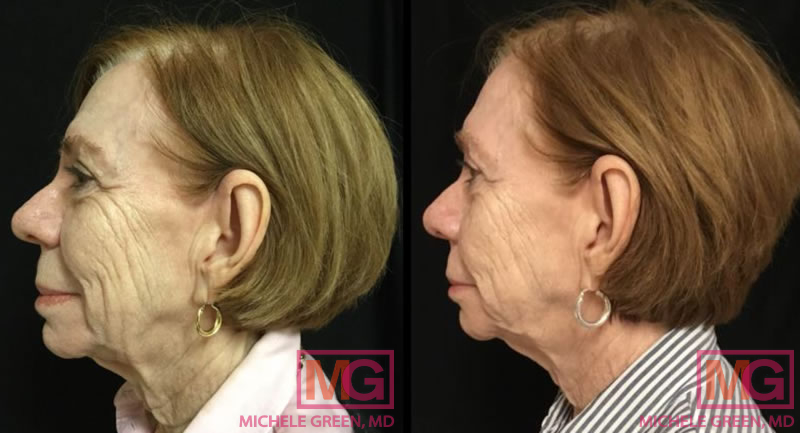
Laser skin tightening is a highly effective option for improving the appearance of the neck, often one of the earliest areas to show visible signs of aging. As collagen levels decline over time, the skin on the neck can become looser and less defined, leading to creasing, sagging, or a softened jawline. Treatments such as Thermage stimulate collagen production beneath the skin’s surface, improving firmness and elasticity in this delicate area without surgery or downtime. These treatments are commonly chosen by patients seeking gradual tightening and smoother skin texture. Laser skin tightening on the neck is frequently combined with other non-invasive procedures to enhance results, including dermal fillers for the chin and jawline, Botox to soften visible neck bands, and fat-reducing treatments such as Kybella or CoolSculpting to address fat beneath the chin. When used together, these treatments can create a more defined and youthful neck and jawline while maintaining natural movement and expression.
Does laser skin tightening work on the stomach?
Laser skin tightening can be an effective solution for loose skin on the stomach, particularly for patients who have experienced changes due to pregnancy, weight loss, or natural aging. After these changes, the skin on the abdomen may lose elasticity, making it difficult to regain firmness through exercise alone. Treatments such as Thermage stimulate collagen production in the deeper layers of the skin, improving firmness and overall skin tone over time. These treatments are well-suited for patients with mild to moderate skin laxity who want to avoid invasive procedures like a tummy tuck. For patients who also struggle with stubborn pockets of fat, laser skin tightening is often combined with body contouring treatments, such as CoolSculpting, to address both skin laxity and fat reduction in a single treatment plan. While laser skin tightening does not remove excess skin, it can significantly improve the appearance of the abdomen and create a smoother, more toned contour when used alone or in combination with complementary treatments.
Does laser skin tightening treatment work on the face?
Laser skin tightening is widely used on the face to improve firmness, smooth skin texture, and enhance overall facial definition. As collagen levels decline with age, the skin can begin to sag, especially around the cheeks, jawline, brows, and eye area. Treatments such as Thermage stimulate collagen production beneath the skin’s surface, helping support the underlying structure and create a firmer, more lifted appearance over time. These treatments are often incorporated into non-surgical facial rejuvenation plans and can be tailored to address specific areas of concern. Laser skin tightening on the face is frequently combined with dermal fillers to restore age-related volume loss, Botox to soften dynamic wrinkles, and resurfacing treatments to improve tone and texture. In some cases, additional treatments such as eMatrix or Fraxel may be included to improve the skin’s surface, while tightening treatments address deeper support. When used together, these procedures can address multiple signs of aging and provide natural-looking facial rejuvenation without surgery or downtime.
Can laser treatment tighten jowls?
Laser skin tightening treatments such as Thermage radiofrequency and Vivace RF Microneedling can effectively enhance jawline definition and contour while reducing the appearance of jowls. Additionally, for some patients, jowls can result from natural midface volume loss, which can be corrected with dermal fillers. When you work with Dr. Green, she can create a custom treatment plan that best targets your needs, including laser skin tightening for jowls.
What is the newest laser for skin tightening?
Advances in laser and energy-based technologies have expanded the range of options for skin tightening, with newer systems designed to more precisely stimulate collagen production in the deeper layers of the skin. Recent innovations include next-generation radiofrequency devices that deliver energy more consistently to firm loose skin, and fractional systems that use advanced wavelengths to encourage the rebuilding of collagen and elastin. Ultrasound-based treatments like Ultherapy use focused soundwaves to reach deeper layers of the skin, which can support lifting and tightening by encouraging the body’s natural collagen response. While Ultherapy has been used as a skin-tightening option, some providers note that the deeper energy delivery of ultrasound can sometimes affect surrounding tissue and, if not carefully applied, may unintentionally cause subcutaneous fat loss. Other modern technologies combine different energy types or optimize depth and comfort to achieve skin firming with minimal impact on the surface.
Will laser resurfacing tighten skin?
Yes! Laser skin resurfacing treatments, such as the Fraxel Dual, CO2, and Erbium lasers, can help create smoother, tighter skin texture and improve skin tone in the treatment area. Laser skin resurfacing procedures fall into two categories: ablative and nonablative. Nonablative treatments, such as Fraxel, use laser energy to stimulate new collagen production in the dermis while preserving the skin’s surface, significantly reducing downtime. Ablative treatments, such as the CO2 laser, also stimulate new collagen production but remove the outermost layers of skin, requiring more downtime and discomfort.
Dr. Green specializes in non-invasive cosmetic procedures that involve minimal downtime and discomfort. Dr. Green often recommends the Fraxel laser to patients interested in improving overall skin tone, texture, and radiance. Dr. Green refers to the Fraxel laser treatment as the “magic eraser” for its ability to target a range of skin concerns, including hyperpigmentation, sun damage, acne scars, stretch marks, fine lines, and more. Fraxel uses fractionated laser technology to create controlled, microscopic injuries in the skin’s dermal layers, stimulating new collagen production in the treatment area. While the increased collagen produced by Fraxel offers some improvement in skin elasticity, tightness, and firmness, other non-invasive laser treatments are specifically designed for optimal skin tightening, such as Thermage. Many patients interested in achieving pan-facial skin rejuvenation without cosmetic surgery choose to take advantage of the benefits of both Thermage and Fraxel. This combination is often referred to as a “non-surgical facelift.”
Non-surgical facelifts typically incorporate skin-tightening treatments, such as Thermage and Vivace; cosmetic injectables, such as Botox or dermal fillers; resurfacing laser treatments; and other collagen-induction treatments, such as PRP with microneedling. Many patients prefer non-surgical facelift procedures for their highly customizable nature and minimal downtime and discomfort. During your consultation with Dr. Green in her private New York City dermatology office, she will work with you to determine the best combination of non-invasive cosmetic procedures for your non-surgical facelift treatment plan.
Is laser skin tightening safe?
When you have laser skin tightening with an experienced board-certified dermatologist, such as Dr. Green in New York City, it is a safe and effective treatment for achieving a natural-looking, more youthful appearance, even for darker skin tones. It is important to always consult with an expert, as some potential unwanted side effects of laser treatment, when improperly performed, include hypopigmentation, hyperpigmentation, and scarring. These side effects are more likely to occur when you have laser treatment with an inexperienced or unqualified provider, such as in a medical spa setting. A board-certified dermatologist has the expertise to select the type of laser treatments and settings that are safe and appropriate for a given patient’s skin tone, particular concerns, and skin type, ensuring safety, efficacy, and optimal rejuvenation results.
How much is a skin-tightening laser?
The cost of a skin-tightening laser treatment varies by the type of technology used and the size of the treated area. Different skin-tightening lasers and energy-based devices are designed for specific purposes, such as tightening facial skin, addressing body laxity, or combining tightening with texture improvement. Each device carries a different price. Treatments that use more advanced technology, cover larger areas, or require longer sessions may be priced differently from those targeting smaller or more localized areas. The overall cost may also reflect the level of customization involved, as skin-tightening treatments are often adjusted based on skin thickness, degree of laxity, and individual skin response. Because there is no single skin-tightening laser that fits every patient or concern, pricing is best determined after an evaluation that identifies the most appropriate treatment.
Is laser skin tightening worth it?
With zero downtime, few potential side effects, and consistently stunning rejuvenation results, patients of Dr. Green’s agree that laser skin tightening with Thermage is worth it! In a single treatment session, Thermage can create a smoother, firmer, tighter skin texture in the treatment area, with natural-looking results that last up to 2 years. Because Thermage is a completely non-invasive laser treatment, little preparation is required, and patients do not even need to use a numbing cream beforehand. Side effects are rare, and most patients experience only mild redness or swelling in the treatment area. These side effects resolve on their own, usually within several hours of the procedure. There is no recovery time with Thermage so that patients can resume all their usual daily activities immediately after treatment. Patients appreciate the customizability and ease of treatment compared to plastic surgery and other non-surgical skin-tightening procedures, which can be associated with more serious side effects and greater downtime.
What laser is best for skin tightening?
The best laser for skin tightening is selected based on how the skin has changed over time and the type of improvement needed. Skin-tightening lasers deliver controlled energy beneath the skin’s surface to stimulate collagen production and improve overall firmness. Some lasers are better suited to early laxity and maintaining skin support. In contrast, others are chosen to treat more noticeable looseness in targeted areas—treatment location, skin thickness, and sensitivity all influence which laser will be most effective. No single laser is ideal for every patient, as skin tightening requires a personalized approach to achieve natural-looking results. A board-certified dermatologist, such as Dr. Michele Green, can evaluate these factors to select the laser technology that aligns with the patient’s skin condition and aesthetic goals.
Where can I get a laser skin tightening treatment?
Laser skin tightening should be performed by an experienced, board-certified dermatologist with extensive knowledge of skin anatomy, laser technology, and how different skin types respond to energy-based treatments. Choosing the right provider is essential for safe, effective results, as proper device selection and treatment settings strongly influence outcomes and comfort. A qualified dermatologist evaluates skin tone, thickness, degree of laxity, and any underlying skin conditions before recommending a treatment plan. This expertise helps reduce the risk of unwanted side effects, such as uneven results or changes in skin pigmentation. At her private dermatology office on Manhattan’s Upper East Side, Dr. Michele Green offers personalized laser skin tightening treatments tailored to each patient’s skin concerns and goals, using advanced technology and an individualized approach to ensure optimal skin rejuvenation.
How do I get started with laser skin tightening?
Laser skin tightening is a versatile, non-invasive cosmetic treatment that improves skin firmness, elasticity, and overall appearance by stimulating new collagen production beneath the skin’s surface. Addressing collagen loss from aging and sun exposure creates a smoother, tighter, more refreshed look without surgery or downtime. Treatments can be performed on the face, neck, and other areas of the body and are often incorporated into comprehensive rejuvenation plans to address early to moderate skin laxity. Because it does not affect the skin’s surface, laser skin tightening can be safely combined with other cosmetic procedures, such as injectable treatments, resurfacing lasers, and body contouring treatments, to enhance overall results. A personalized approach ensures that each treatment plan is tailored to the individual’s skin concerns, treatment goals, and desired outcome. At her private dermatology office in New York City, Dr. Michele Green incorporates laser skin tightening into customized treatment plans designed to address each patient’s unique skin concerns and rejuvenation goals.
Dr. Michele Green is an internationally acclaimed, board-certified dermatologist with over 25 years of experience in advanced, non-invasive cosmetic treatments, including laser skin tightening for the face and body. She has extensive expertise in laser technology and carefully selects and customizes treatments based on skin type, skin tone, and the specific areas being treated. Dr. Green is frequently recognized by Castle Connolly, Super Doctors, and New York Magazine as one of New York City’s leading dermatologists for her dedication and clinical expertise. When you schedule a consultation at her private dermatology office on Manhattan’s Upper East Side, Dr. Green will work with you to develop a personalized treatment plan to improve skin firmness and support long-term rejuvenation. To schedule a consultation with Dr. Michele Green at her private dermatology office on Manhattan’s Upper East Side, please call (212) 535-3088 or contact us online today.


