


What is Cryolipolysis?
Cryolipolysis is a popular non-invasive cosmetic procedure in aesthetic healthcare for body sculpting and non-surgical fat reduction, used by patients struggling with stubborn pockets of fat that do not respond to diet and exercise. Even with a healthy lifestyle, certain areas of the body can retain fat, leading to noticeable fat bulges that make it difficult to achieve a smooth, contoured appearance. Many patients choose cryolipolysis as an alternative to plastic surgery, particularly those not seeking surgical fat removal. The treatment delivers gradual, natural-looking improvement, appealing to patients seeking subtle body shaping without dramatic changes. At her private dermatology office in New York City, Dr. Michele Green works closely with patients to determine whether cryolipolysis aligns with their body goals and expectations.
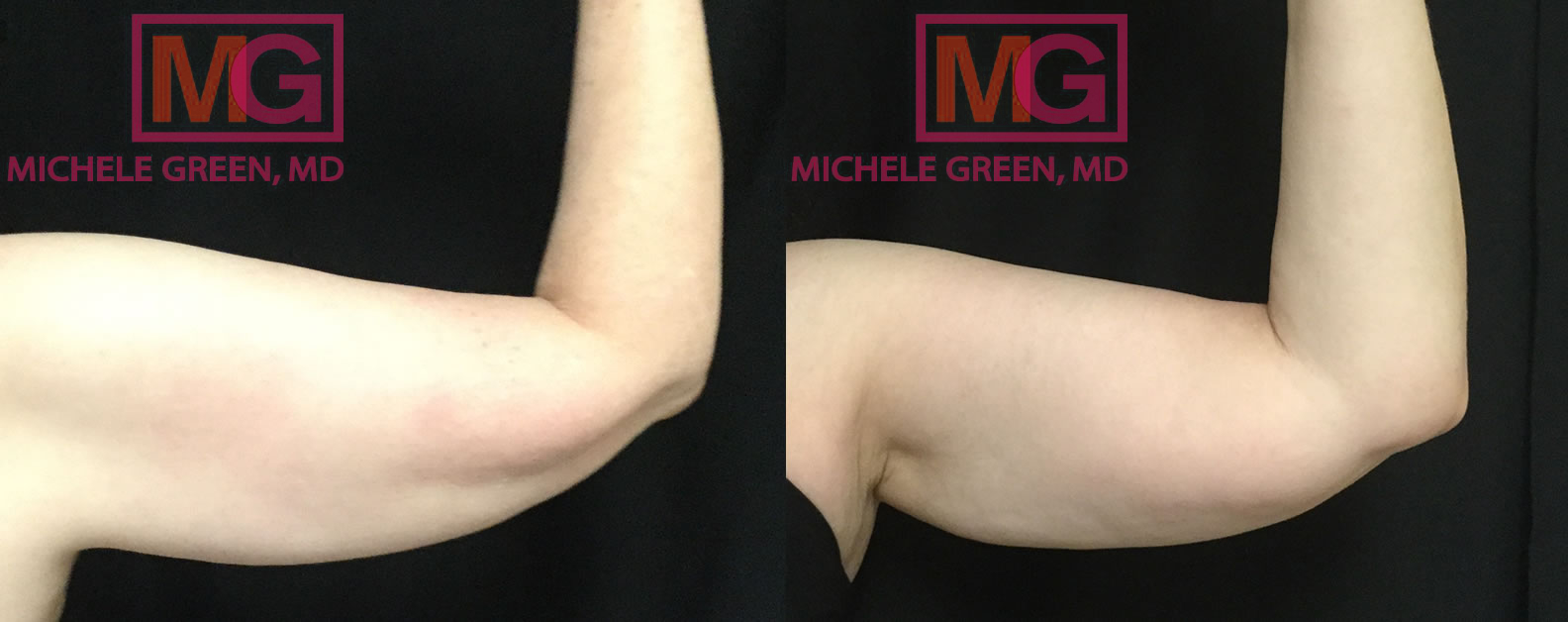
Cryolipolysis uses controlled cooling to target and reduce unwanted fat beneath the skin. A handheld applicator is placed on the treatment area, delivering consistent cooling that affects fat cells over time while the surrounding tissue remains unharmed. After treatment, the body naturally processes the affected fat cells, leading to gradual slimming of the treated area over the weeks and months that follow. Common treatment areas include the abdomen, flanks, thighs, upper arm, and under the chin. Dr. Michele Green carefully customizes each cryolipolysis treatment based on the patient’s anatomy, treatment area, and desired outcome.
Dr. Michele Green is an internationally recognized, board-certified dermatologist with more than 25 years of experience delivering advanced non-invasive cosmetic treatments, including cryolipolysis. She is known for her personalized approach to non-invasive body contouring, focused on balanced, natural-looking results. Dr. Green has consistently been recognized as one of New York City’s top dermatologists by Castle Connolly, New York Magazine, and Super Doctors. During a consultation at her Upper East Side dermatology practice, Dr. Green develops a personalized treatment plan to help patients achieve their aesthetic goals safely and confidently.
What is Cryolypolysis treatment?
Cryolipolysis is a non-invasive body contouring treatment that reduces stubborn fat pockets by using controlled cooling to target fat cells beneath the skin. Fat cells are more sensitive to cold than surrounding tissues, allowing the treatment to selectively break down fat without damaging the skin, muscles, or nerves. Once the fat cells crystallize, the body gradually processes and eliminates them through the lymphatic system over the weeks and months after treatment. At Dr. Michele Green’s dermatology office in New York City, cryolipolysis is used for patients who are close to their ideal weight but struggle with areas of fat that do not respond to diet and exercise, including the abdomen, flanks, thighs, upper arms, and under the chin. Results appear gradually and look natural, with no need for anesthesia, incisions, or downtime, making cryolipolysis a popular non-surgical option for patients seeking subtle body contouring without interrupting their daily routine.
How does Cryolypolysis work?
Cryolipolysis uses precisely controlled cooling to target and reduce unwanted fat cells beneath the skin without damaging surrounding tissue. During treatment, a specialized applicator is placed on the targeted area and delivers consistent cooling, lowering the temperature of fat cells until they crystallize and break down naturally. The targeted fat cells, also known as adipocytes, are affected within the adipose tissue beneath the skin. Over time, the body begins a natural process called lipolysis, which breaks down these cells within the treated fat layer. As part of this normal response, macrophages help clear the affected fat cells, allowing the body to remove them gradually over the weeks and months following treatment. Because fat cells are more sensitive to cold than skin, nerves, and muscle, cryolipolysis can selectively target fat while leaving surrounding structures unharmed. This gradual process allows for natural-looking fat reduction without surgery, anesthesia, or downtime.
Does cryolipolysis work?
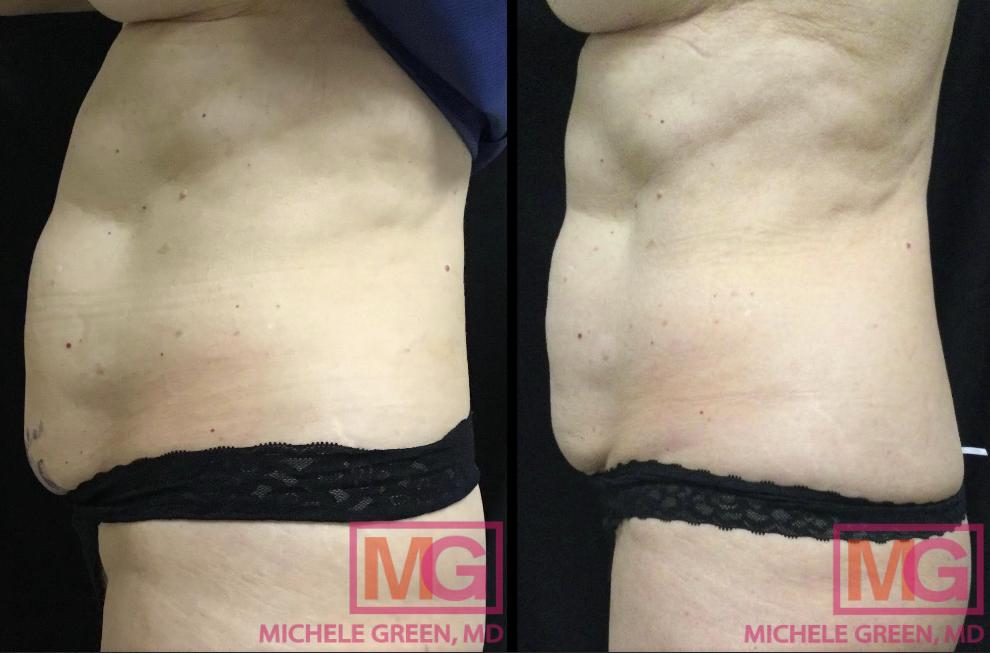
Cryolipolysis is an effective treatment for reducing stubborn fat in patients near their ideal weight who seek targeted body contouring rather than overall weight loss. Clinical studies and real-world patient outcomes show that treated areas gradually appear slimmer and more contoured as the body clears the affected fat cells over time. Results typically become noticeable within several weeks and continue to improve for up to six months after treatment, with many patients achieving visible improvements after a single session. Some areas may benefit from additional treatments, depending on the amount of fat present and the patient’s aesthetic goals. At Dr. Michele Green’s dermatology office, cryolipolysis is used as part of a customized treatment plan to create subtle, natural-looking improvements that align with each patient’s body shape and expectations.
Is cryolipolysis safe?
Cryolipolysis is considered a safe body-contouring treatment when performed by a qualified medical professional using FDA-cleared technology. The procedure has been widely used for years and is designed to selectively target fat cells without damaging surrounding skin, nerves, or muscle tissue. Most patients experience only mild, temporary side effects, such as redness, swelling, numbness, or tenderness in the treated area, which typically resolve on their own within a short period. At Dr. Michele Green’s dermatology office in New York City, patient safety is a top priority, and each individual is carefully evaluated to determine whether cryolipolysis is appropriate based on their medical history, body goals, and treatment area. When properly selected and treated, patients can safely achieve gradual, natural-looking fat reduction without surgery or downtime.
Where can Cryolipolysis be used?
Cryolipolysis is designed to treat localized fat deposits in the subcutaneous fat layer, the soft, pinchable fat just beneath the skin. It is not intended to treat visceral fat, the deeper fat that surrounds internal organs and is influenced primarily by overall weight and health factors. While pinchable fat is one factor considered when evaluating treatment areas, not all patients with subcutaneous fat are ideal candidates, as overall body composition, skin quality, and individual goals also play important roles. For this reason, it is best to consult a medical professional to determine whether cryolipolysis is an appropriate option for the individual’s needs and expectations.
ZELTIQ Aesthetics developed the CoolSculpting system, an FDA-cleared medical device that uses cryolipolysis to treat subcutaneous fat in the following areas of the body:
- Under the chin and jawline
- Abdomen
- Flanks or love handles
- Inner thighs
- Outer thighs
- Upper arms
- Back and bra line area
- Area beneath the buttocks, often called the banana roll
Is cryolipolysis permanent?
Cryolipolysis can deliver long-lasting results when patients maintain a stable weight and healthy lifestyle after treatment. The fat cells affected by cryolipolysis are gradually eliminated by the body and do not return in the treated area, allowing the improvement to persist over time. However, weight fluctuations can affect overall body shape, and remaining fat cells in the area can still enlarge if significant weight is gained. Because cryolipolysis targets fat reduction rather than skin tightening, some patients choose to pair it with radiofrequency treatments to support skin tightening and improve overall contour. At Dr. Michele Green’s dermatology office, patients are advised that cryolipolysis is best viewed as a body-contouring treatment rather than a substitute for weight loss, with results that can be maintained long-term through consistent diet and exercise.
Is Cryolipolysis the same as CoolSculpting?
Cryolipolysis and CoolSculpting are often mentioned together, but they refer to different things. Cryolipolysis is the medical term for the process of using controlled cooling to reduce unwanted fat over time. It describes the biological response of fat cells to cold and how the body gradually metabolizes those cells after treatment. CoolSculpting is the brand name of an FDA-cleared device that uses cryolipolysis technology to deliver this treatment. Because CoolSculpting was one of the first systems widely introduced to the public, the name has become commonly used to describe the treatment in general. However, cryolipolysis is the broader term for the treatment method itself rather than a specific device. The principles behind cryolipolysis are widely recognized in professional education and dermatologic literature, including organizations such as the American Society of Dermatologic Surgery and peer-reviewed publications like the Journal of Cosmetic Dermatology (J Cosmet Dermatol), where research is formally documented using identifiers such as a DOI.
What is CoolSculpting?
CoolSculpting is a non-invasive body contouring treatment that uses controlled cooling to reduce stubborn fat pockets that do not respond to diet and exercise. The treatment is FDA-cleared and based on cryolipolysis research, which targets fat cells beneath the skin and gradually reduces their volume over time. A specialized applicator is placed on the treatment area to deliver precise cooling while the surrounding skin and tissue remain unharmed. Results develop gradually over several weeks to months, creating a natural-looking slimming effect. CoolSculpting is commonly used to treat areas such as the abdomen, flanks, thighs, upper arms, and under the chin. It does not require surgery, anesthesia, or downtime, making it a popular option for patients seeking subtle body contouring.
What does cryolipolysis do?
Cryolipolysis helps patients address specific body concerns by targeting stubborn subcutaneous fat that persists despite a healthy lifestyle. Rather than altering overall body weight, the treatment focuses on improving the appearance and feel of targeted areas over time. Many patients notice changes in how clothing fits, especially in fitted clothing or swimwear. Cryolipolysis is often used as part of a broader aesthetic plan, helping patients feel more comfortable and confident without undergoing surgery.
Is cryolipolysis effective?
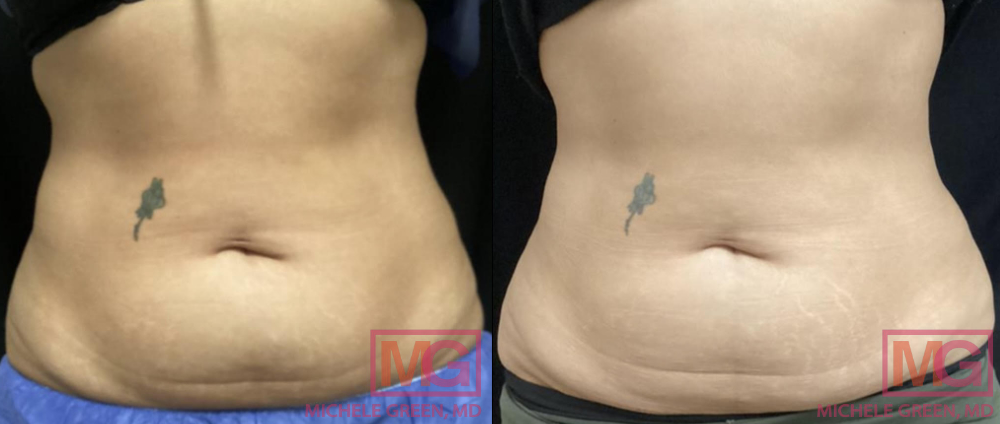
Cryolipolysis is considered an effective option for patients seeking visible improvement in specific body areas without surgery or downtime. Clinical research and extensive patient experience support its ability to produce noticeable changes in body contour over time when used appropriately. Rather than producing immediate results, cryolipolysis works gradually, with changes becoming more apparent over several months, allowing the improvement to appear natural as it develops. Many patients find the treatment effective for stubborn areas of fat despite maintaining a consistent diet and exercise regimen, making it a reliable option for targeted body contouring. The consistency of results, combined with the predictable timeline for improvement, helps patients feel confident in the treatment process. When used as part of a personalized plan and paired with realistic expectations, cryolipolysis delivers dependable, long-lasting improvements without the risks or recovery associated with surgical procedures. High levels of patient satisfaction are commonly reported among individuals seeking visible fat removal in specific areas without surgery.
Does cryolipolysis hurt?
Cryolipolysis is generally well tolerated, and most patients describe the experience as uncomfortable rather than painful. At the start of treatment, there is often an intense cold sensation, along with pressure or pulling as the applicator is placed on the skin. This sensation usually subsides within the first several minutes as the area becomes numb. After the procedure, some patients experience temporary side effects such as soreness, swelling, firmness, tingling, or increased sensitivity in the treated area. These effects are typically mild and resolve within a few days, allowing patients to resume normal daily activities immediately after treatment.
What is cryolipolysis fat freezing?
Cryolipolysis, or fat freezing, is a non-invasive body-contouring treatment that uses controlled cold temperatures. The term fat freezing describes how cold exposure affects fat cells in a targeted area, triggering a biological response. This approach allows changes to occur without incisions, injections, or recovery time, which is why it is often chosen by patients seeking a non-surgical option. Cryolipolysis is performed in a medical setting and is designed to fit easily into a patient’s routine without disrupting daily activities.
Who can perform cryolipolysis?
Cryolipolysis should be performed by trained, qualified medical professionals with experience in body contouring treatments and familiarity with how the treatment works and with safe device use. In a medical setting, this may include board-certified dermatologists, plastic surgeons, or licensed providers who work under medical supervision and have specific training in cryolipolysis technology. Proper technique, correct applicator placement, and careful evaluation of the treatment area are essential for safe, effective results. Receiving cryolipolysis from a qualified provider helps ensure the treatment is appropriate for the patient’s goals and minimizes the risk of complications.
What not to do after cryolipolysis?
After liposuction, patients can generally return to normal activities right away, but a few precautions can support comfort and healing. It is best to avoid intense exercise, heavy lifting, or activities that place excessive pressure on the treated area for the first day or two, especially if there is tenderness or swelling. Patients should also avoid applying extreme heat or cold, such as hot tubs, heating pads, or ice packs, to the treated area until any sensitivity has resolved. Tight or restrictive clothing may increase discomfort during the first few days, so looser garments are often more comfortable. Following these simple guidelines can help minimize irritation and allow the body to adjust as results develop.
How many sessions of cryolipolysis are needed?
The number of cryolipolysis sessions needed depends on the treatment area, the amount of fat, and the individual’s body goals. Many patients see visible improvement after a single treatment, with results continuing to develop gradually over the weeks and months that follow. Because changes appear over time, it is often recommended to wait until the full results are visible before considering whether additional treatment would be beneficial. A personalized consultation helps determine the most appropriate approach for each patient, ensuring that treatment is tailored to the body rather than following a fixed number of sessions.

What are some side effects of cryolipolysis?
The side effects of cryolipolysis are typically mild and temporary, and most resolve on their own. Common side effects include redness, swelling, bruising, firmness, numbness, tingling, or soreness in the treated area, which may last from a few days to several weeks as the body heals. These reactions are expected and part of the normal treatment process. In rare cases, paradoxical adipose hyperplasia can occur, in which the treated area becomes firmer or appears slightly larger instead of smaller. This response is uncommon and develops gradually over several months rather than immediately after treatment. While paradoxical adipose hyperplasia is not harmful to overall health, it can affect cosmetic results and may require additional treatment. When cryolipolysis is performed using FDA-cleared technology by an experienced medical provider, the risk of significant side effects remains low, and most patients tolerate the procedure well with a smooth recovery.
Who is a good candidate for cryolipolysis?
A good candidate for cryolipolysis is someone who is generally healthy, near their desired body weight, and has localized areas that have not changed despite consistent diet and exercise. The treatment is intended for body contouring rather than overall weight reduction, making it well-suited for patients who want to improve the appearance of specific areas. Common treatment areas include the abdomen, flanks, thighs, upper arms, and under the chin. Cryolipolysis is often chosen by individuals who prefer a non-invasive approach and want to avoid surgery, anesthesia, and downtime.
Who should avoid getting cryolipolysis treatment?
Cryolipolysis may not be appropriate for every patient, and certain medical conditions can make the treatment unsafe or unsuitable. Individuals with conditions that involve abnormal responses to cold, including cryoglobulinemia, cold agglutinin disease, and paroxysmal cold hemoglobinuria, should not undergo cryolipolysis because it involves freezing fat cells. The procedure is also not recommended for pregnant patients or those with active skin infections, open wounds, inflammation, or significant skin conditions in the treatment area. Cryolipolysis is intended for body contouring rather than for overall weight loss, and it is not designed to treat obesity. A thorough medical consultation with Dr. Michele Green helps determine whether cryolipolysis is a safe and appropriate option based on a patient’s health history, treatment area, and body goals.
What is the cryolipolysis procedure?
Cryolipolysis is a non-invasive, in-office treatment that targets unwanted fat in specific areas of the body. During the appointment, a treatment applicator is placed on the selected area and delivers controlled cooling. Session length varies by the area being treated. Most patients relax during the procedure and often read or use their phones. After the applicator is removed, the treated area may feel firm, numb, or slightly sensitive, but these sensations typically resolve on their own. There is no required downtime, allowing patients to return to normal activities right away, with results developing gradually over time.
Is cryolipolysis worth it?
Cryolipolysis may be worth considering for patients seeking a non-invasive option that fits their lifestyle and avoids the commitment of surgical procedures. Many patients find it worthwhile because it does not involve incisions, anesthesia, or time away from work, making it easier to pursue aesthetic goals without planning for recovery. It is often chosen by individuals who prefer a lower-risk approach and want to avoid the permanence and potential complications of surgery. Patients who value convenience, discretion, and the ability to maintain their daily routine often feel that cryolipolysis aligns well with their priorities. When evaluated as part of a broader body contouring plan, the treatment can offer a balanced option for patients seeking improvement without the demands of more invasive procedures.
How to get started with Cryolipolysis today
Cryolipolysis is an advanced, non-invasive body contouring treatment that uses controlled cooling to reduce stubborn fat deposits that do not respond to diet and exercise. Gradually sculpting targeted areas improves overall contour and definition without surgery, anesthesia, or downtime. The treatment is commonly used to address the abdomen, flanks, thighs, upper arms, and under the chin, with results developing naturally over time. Because it requires no downtime, it can be easily incorporated into a busy schedule and combined with other non-surgical body treatments for enhanced contouring results. An experienced cosmetic dermatologist, such as Dr. Green in New York City, can help determine whether cryolipolysis is the right option based on your body goals and individual needs.
Dr. Michele Green is an internationally recognized, board-certified dermatologist with more than 25 years of experience delivering leading non-invasive cosmetic treatments, including cryolipolysis. She is known for her thoughtful, individualized approach to body contouring, carefully selecting treatments that align with each patient’s anatomy, lifestyle, and aesthetic goals. Dr. Green is consistently recognized by Super Doctors, Castle Connolly, and New York Magazine as one of New York City’s top dermatologists for her expertise and patient-focused care. When you schedule a consultation at her private boutique dermatology practice on Manhattan’s Upper East Side, Dr. Green will work closely with you to create a personalized treatment plan to help you achieve a smoother, more contoured appearance. Please call Dr. Michele Green’s NYC office at (212) 535 3088 to book a consultation or contact us online today.


