


Ozempic Skin Side Effects
If you’ve started Ozempic and have noticed changes in your skin, understanding these effects can help you feel more confident and prepared. Originally developed to help manage blood sugar levels in type 2 diabetes and obesity, Ozempic is an FDA-approved prescription medication that contains semaglutide, a glucagon-like peptide-1 (GLP-1) receptor agonist. Today, GLP-1 agonist medications, such as Ozempic, Wegovy, and Mounjaro, have expanded beyond diabetes management and are now widely prescribed for chronic weight loss management. Ozempic and Wegovy are brand-name medications that contain semaglutide, while Mounjaro contains tirzepatide, another GLP-1–based medication. These weight-loss drugs work by mimicking natural hormones that regulate appetite, insulin secretion, and glucose levels. By slowing digestion and increasing feelings of fullness, they help patients achieve significant weight loss when combined with proper medical supervision and lifestyle changes. While these medications are highly effective for weight management, some patients report unexpected skin-related side effects. These range from mild injection-site reactions to facial changes, sometimes referred to on social media as ‘Ozempic face’, a term for facial volume loss, sagging, and fine lines that occur after rapid weight loss, often accentuating signs of aging. Being aware of these possibilities can help you respond early and confidently while mitigating potential side effects.
When managing Ozempic-related skin concerns, treatment depends on the specific issue. Injection-site redness, swelling, or itching can improve with gentle skincare, rotating injection sites, and proper injection technique. If rapid weight loss leads to loose skin and sagging, elastin and collagen-stimulating treatments such as microneedling and Thermage RF laser can help improve skin firmness and elasticity. To support skin rejuvenation, providers recommend medical-grade skincare products containing retinoids and collagen-supporting ingredients. For more significant facial volume loss, dermal fillers and non-invasive skin-tightening procedures may restore a more youthful facial contour. Any persistent rash, severe irritation, signs of infection, or allergic reaction should be evaluated by a healthcare professional to rule out complications. Patients should always seek medical advice before starting-GLP-1 medications, as these medications may cause adverse side effects. In addition to cosmetic side effects, common side effects include nausea, constipation, and diarrhea. These side effects are usually manageable with proper monitoring and follow-up care, and in some cases, adjusting the dosage under medical supervision.
Board-Certified Dermatologist Dr. Michele Green has been expertly treating men and women in her Upper East Side, New York City, office for more than 25 years, offering a range of treatments to address sagging skin, decreased skin elasticity, and wrinkles, including dermal fillers, PRP microneedling, and Thermage RF laser. Dr. Green employs a holistic approach to cosmetic dermatology, developing personalized treatment plans, promoting wellness, and helping each patient achieve their aesthetic goals. Consistently voted one of the best healthcare cosmetic dermatologists by Super Doctors, Castle Connolly, and New York Magazine, Dr. Green is an expert in patient satisfaction. When you consult with Dr. Green, she will assess your medical history and skin concerns to develop a treatment plan that delivers a smooth, youthful complexion that lasts.
What are GLP-1 Drugs (Ozempic)?
Ozempic, also known as semaglutide, is a prescription drug injected once weekly. It has been specifically approved to treat type 2 diabetes, helping patients manage their blood sugar levels more effectively. Its action mimics that of the glucagon-like peptide-1 (GLP-1) hormone, which is essential for glucose metabolism. By increasing insulin release after meals, Ozempic helps lower blood glucose levels. Aside from enhancing glycemic control, Ozempic also helps reduce cardiovascular risks, which is particularly advantageous for those with type 2 diabetes who are at a higher risk of heart-related issues. Additionally, the medication stimulates feelings of fullness by curbing appetite and delaying gastric emptying, processes that may lead to unintentional weight loss. Many patients experience notable weight management benefits, making Ozempic an attractive choice not only for regulating blood sugar but also for individuals aiming to lose weight as part of their diabetes treatment strategy.
What is Ozempic Face?
‘Ozempic Skin’, or ‘Ozempic face’, is a term used on social media to describe the sagging, hollowed-out, and aged-looking skin that develops after rapid weight loss and fat loss after using weight loss medications such as Ozempic. It is important to note that Ozempic itself does not directly damage the skin. However, when Ozempic is taken specifically for weight loss, the drastic weight loss can change facial appearance by reducing subcutaneous fat, which provides structure, contour, and fullness. When body weight decreases rapidly, fat volume decreases mostly in the cheeks, jawline, and under-eye area. With rapid volume loss, the skin cannot adapt quickly enough, causing a deflated appearance. Because collagen and elastin naturally decline with age, the skin may not retract at the same pace as fat loss, leading to sagging skin, wrinkles, and an aged appearance, particularly around the cheeks, jawline, and neck.
How do GLP-1 cause Ozempic face?
While Ozempic is highly effective for weight management and blood glucose management, many people are surprised by changes in their appearance, especially their skin. It is important to understand that Ozempic itself does not directly damage the skin. Instead, most visible changes are linked to rapid weight loss, especially the loss of facial fat. When the body loses weight rapidly, it also loses subcutaneous fat, which provides support, contour, and a plump, youthful appearance. Rapid weight loss can cause possible side effects such as sagging skin, wrinkles, sunken eyes, and a loose or hollow facial appearance.
Other Side Effects of Weight Loss Drugs
These cosmetic changes are more pronounced in older adults whose elastin and collagen production have declined. In addition to cosmetic effects, Ozempic may cause other side effects. Including:
- Gastrointestinal issues, such as nausea, vomiting, constipation, diarrhea, and abdominal pain.
- Hypoglycemia (low blood sugar) can lead to blurred vision, sweating, anxiety, dizziness, shakiness, headaches, slurred speech, hunger, or weakness.
- Elevated heart rate
- Kidney complications
- Medullary thyroid cancer
- Severe allergic reactions
- Acute pancreatitis (infection of the pancreas)
Patients experiencing persistent or concerning symptoms should seek medical advice promptly to ensure proper management.

How to manage GLP-1 side effects?
Managing the side effects of GLP-1 (glucagon-like peptide-1) agonists requires a careful and systematic approach. One of the most effective strategies is to initiate treatment with a lower dosage, allowing the body to acclimate gradually. This slow titration can help minimize potential side effects, including nausea, vomiting, diarrhea, and other gastrointestinal discomfort.
A common pitfall for individuals using GLP-1 medications for weight loss is the tendency to approach treatment with the expectation of rapid results. Many people may be tempted to take higher doses for a short duration to expedite weight loss. However, this can lead to what is colloquially known as “Ozempic face.” The term refers to facial changes that can occur with rapid weight loss, when the skin does not have enough time to adjust, potentially resulting in sagging or loss of volume. In addition to adjusting dosages, it’s important to monitor any other side effects that may arise during treatment.
If you experience persistent or severe side effects, it is crucial to consult with your healthcare provider. They can assess your situation and may recommend modifications to your treatment plan or suggest supportive measures to alleviate discomfort.
Does Ozempic make your skin sag?
Rapid weight loss from Ozempic can lead to loose or sagging skin, particularly in the cheeks, jawline, and neck. This phenomenon occurs because the skin may not have enough time to adjust to the new shape of the underlying structure as body fat diminishes. Several factors influence the degree of sagging skin, including age, genetic predisposition, skin elasticity, and the rate of weight loss. Younger individuals typically have more resilient skin, which may minimize sagging after weight loss. Conversely, older adults often experience greater skin laxity due to a natural decline in collagen and elastin production. Fortunately, several cosmetic treatments are available to address loose skin and enhance its appearance. Options range from non-invasive procedures like fillers, laser therapy, and radiofrequency treatments to plastic surgery. These processes can help tighten the skin and improve overall body contour, allowing individuals to feel more confident in their appearance after significant weight loss. To avoid sagging skin from Ozempic, it is recommended to start with a small dose to gradually lose weight and allow the skin to adjust to the decreased volume.
How to tighten skin after Ozempic?
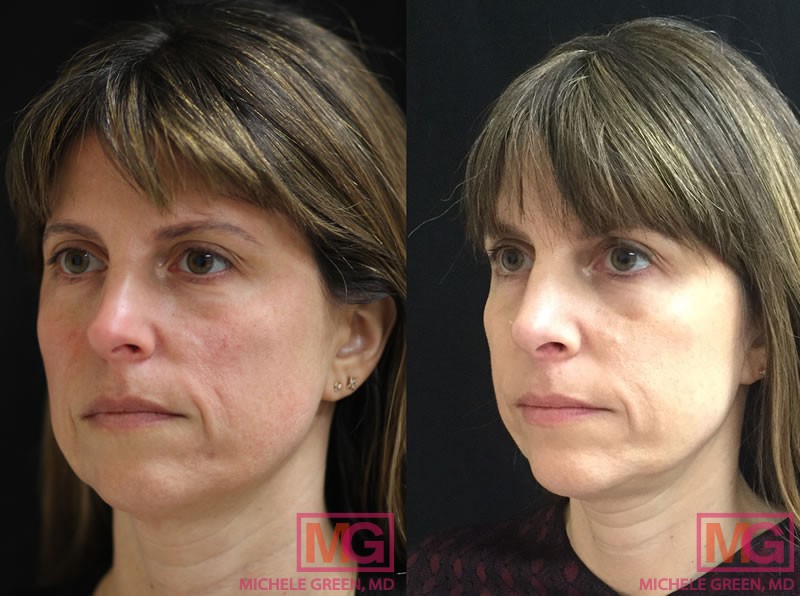
For patients experiencing loose or sagging skin after weight loss with Ozempic, treatment options depend on the severity of skin laxity and volume loss. At her Upper East Side Manhattan practice, Dr. Michele Green offers several non-invasive procedures to restore facial contour and improve skin elasticity:
Microneedling
Microneedling, also known as collagen induction therapy, involves using a handheld device containing many tiny, insulated microneedles to create micro-injuries in the skin’s surface layers. This process stimulates the natural wound-healing process, which involves the production of new elastin and collagen. Elastin and collagen are naturally occurring skin proteins that contribute to its elasticity and structural support. By replenishing elastin and collagen levels, microneedling provides smoother, firmer, tighter skin texture, a brighter complexion, and a more even skin tone.
Micro-injuries in the skin also allow topical skincare products to penetrate more deeply, enhancing their benefits. Incorporating PRP into your microneedling routine combines collagen-inducing microneedling with growth-factor-rich plasma to dramatically rejuvenate skin. This minimally invasive facial accelerates healing, reduces wrinkles and fine lines, diminishes acne scars, tightens pores, and improves overall skin texture and tone.
Vivace Radiofrequency Microneedling is another cosmetic procedure that stimulates collagen production, helping reduce signs of aging. This treatment tightens the skin, improves skin tone and texture, addresses pigmentation and sun damage, and minimizes the appearance of acne scars, injury scars, and stretch marks. By combining microneedling with radiofrequency energy, Vivace provides greater skin rejuvenation with no recovery time or downtime.
Dermal Fillers
When fat loss occurs in the face, dermal fillers can be an effective treatment option to address midface volume loss and fill in under-eye hollows. They can also smooth fine lines and wrinkles around the nose and mouth, as well as contour the jawline to enhance and sharpen the lower face. The most popular options are hyaluronic acid fillers such as Juvederm, Restylane, and Belotero. For addressing volume loss specifically in the face, Juvederm Voluma is an excellent choice due to its thicker consistency, which helps create a fuller look in the cheeks and lifts the skin upward. Another option is Sculptra, a poly-L-lactic acid filler that stimulates the body’s own collagen production, helping to plump the skin and create a fuller appearance. When considering dermal fillers, it is advisable to consult a board-certified dermatologist, such as Dr. Michele Green, who has extensive experience selecting the fillers best suited to your needs.
Thermage FLX
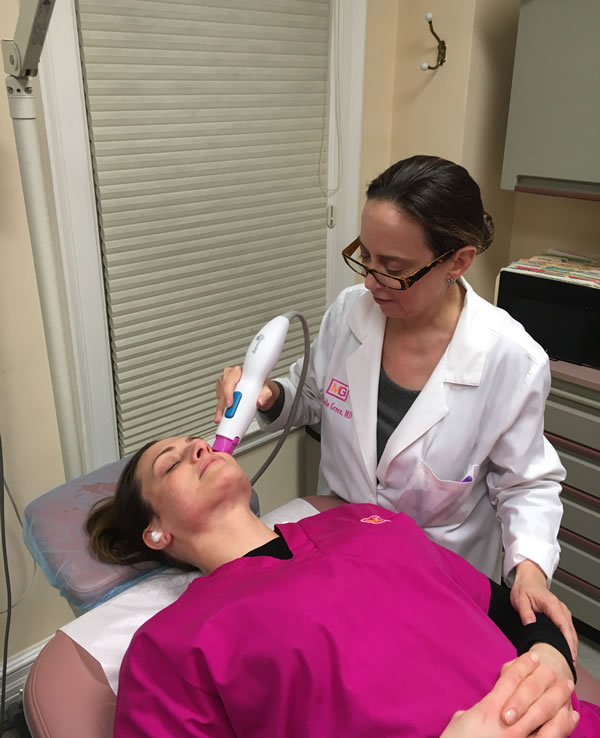
Thermage is a non-invasive, FDA-approved treatment to stimulate collagen and elastin for improved skin elasticity and firmness using radiofrequency (RF) energy. This procedure offers skin-rejuvenation results with minimal downtime. Collagen and elastin are proteins that the body naturally produces, providing the skin with firmness and elasticity. As collagen and elastin levels decline, fine lines, wrinkles, crepey skin, and loss of firmness can become visible. For those looking to reduce sagging skin and address signs of aging, Thermage is an excellent option for skin tightening while on Ozempic.
For patients with more severe sagging, Dr. Green may refer them to a board-certified plastic surgeon for procedures such as a facelift to achieve long-lasting, natural-looking results. By combining these treatments with personalized care, Dr. Green helps her patients restore facial volume, smooth sagging skin, and achieve a rejuvenated, youthful appearance.
How to avoid Ozempic Skin?
To minimize the risk of developing ‘Ozempic Skin’ or ‘Ozempic Face’, it is important to always seek medical advice before starting any GLP-1 medication. Patients should avoid using off-label weight-loss injectable brands without proper guidance and make sure they use a safe subcutaneous injection technique to reduce irritation and skin reactions. Maintaining hydration and using gentle, collagen-supporting skincare can help preserve skin elasticity during rapid weight loss. Additionally, implementing a skincare routine that focuses on gentle, hydrating products with ingredients that support collagen production—such as hyaluronic acid, peptides, and antioxidants—can help in sustaining skin suppleness. In some cases, your healthcare provider may recommend supportive diabetes medications to help safely regulate glucose and body weight. This holistic approach not only supports weight loss but also protects skin integrity throughout the process, ultimately helping you achieve your health goals more effectively and safely.
Frequently Asked Questions (FAQs) about Ozempic
Is Ozempic injected into the subcutaneous tissue?
Yes. Ozempic is a semaglutide, which is an injectable medication delivered subcutaneously, or into the fatty layer beneath the skin. This method of delivery allows the medication to be gradually absorbed into the bloodstream, helping regulate blood sugar levels effectively over time. By mimicking the actions of natural GLP-1, Ozempic increases insulin secretion in response to meals, slows gastric emptying, and reduces appetite, leading to improved glycemic control and potential weight-loss benefits.
Does Ozempic cause skin sensitivity?
Yes, some individuals report increased skin sensitivity while using Ozempic, including redness, tenderness, or discomfort at injection sites. Using gentle skincare and following the proper injection technique can minimize sensitivity. Additionally, proper injection techniques—such as rotating injection sites, using a clean needle, and ensuring the correct depth of injection—can further reduce the likelihood of skin sensitivity. If skin reactions persist or worsen, it’s important to consult a board-certified dermatologist, such as Dr. Michele Green, to identify the underlying cause and explore alternative solutions.
Can Ozempic make your skin hurt?
Injection-site tenderness and discomfort may occur because Ozempic is delivered subcutaneously. Rotating injection sites and following proper technique can help minimize discomfort. Additionally, following the proper injection technique can significantly enhance your comfort during the procedure. This includes cleaning the skin with an alcohol swab, using a proper needle size, and injecting the medication at the correct angle. If you experience persistent pain, swelling, or any signs of infection—such as redness, warmth, or discharge — at the injection site, it’s crucial to consult a healthcare professional.
Does Ozempic cause dry skin?
Yes, some patients notice skin dryness while using Ozempic due to rapid weight loss, which reduces subcutaneous fat and leads to dehydration. As the body’s fat stores diminish, the skin may become more prone to dehydration, leading to a loss of natural moisture and elasticity. It is important to drink plenty of water, use gentle skincare that supports collagen and elastin, and use hydrating moisturizers to strengthen the skin barrier. Look for products that support collagen and elastin production, as these proteins are vital for maintaining skin structure and elasticity. Using hydrating moisturizers specifically formulated to strengthen the skin barrier can also help. Ingredients such as hyaluronic acid, glycerin, and ceramides are excellent choices because they attract moisture and provide a protective layer for the skin. If you are experiencing dry skin, irritation, or flakiness from Ozempic, it is best to consult a board-certified dermatologist, such as Dr. Michele Green, to develop a personalized skincare routine.
Does Ozempic cause itchy skin?
Itchiness at the injection site can be a side effect of Ozempic, caused by mild irritation or an inflammatory response. This discomfort can range from a slight tingling sensation to more noticeable itchiness. To prevent itchiness, it is recommended to rotate injection sites, use gentle skin care products, and follow proper injection technique. This means alternating between different areas of the body each time the medication is administered, which can help prevent localized irritation. Additionally, using gentle, fragrance-free skin care products around the injection area can further reduce the chances of irritation. It’s important to thoroughly clean the skin before injection to ensure a sterile environment and reduce the risk of infection or inflammation. Lastly, adhering to proper injection techniques, such as injecting at the right angle and depth, can aid in reducing any adverse skin reactions. If itchiness persists or worsens, consulting your physician or a board-certified dermatologist is recommended for further evaluation and guidance.
Does Ozempic cause a skin rash or hives?
Some patients may experience a mild rash or hives as a local skin response or a mild allergic reaction to Ozempic. Using proper injection technique and avoiding harsh skincare products that could irritate the injection area can help prevent skin reactions. If a patient notices any unusual skin changes or if a rash persists beyond a few days, it is important to consult a board-certified dermatologist for a thorough evaluation. They can determine whether the reaction is related to Ozempic or due to another cause, and guide appropriate skincare and management strategies to ensure the patient’s comfort and safety while using the medication.
How to avoid loose skin on Ozempic?
Although you cannot completely prevent loose skin and sagging during rapid weight loss, some strategies that may help are losing weight gradually under medical supervision, staying well-hydrated, and maintaining a nutrient-rich diet to support skin health. Use medical-grade skincare that promotes collagen and elastin production. Consult a dermatologist like Dr. Michele Green early for preventive treatments. A more gradual approach and slower weight loss, combined with a healthy skincare regimen and diet, are recommended to minimize Ozempic’s side effects.
Should I pinch my skin when injecting Ozempic?
Many patients gently pinch the skin to ensure proper subcutaneous delivery. This technique creates a fold in the skin, allowing for a more controlled injection and potentially reducing discomfort. However, the injection technique should always follow your healthcare provider’s instructions. If you have any questions or concerns regarding your specific injection process, it is best to contact the board-certified physician who prescribed you the medication.
How to start treating your Ozempic skin today
Ozempic is an FDA-approved medication to help manage type 2 diabetes and support weight loss. The medication contains semaglutide, a GLP-1 receptor agonist that helps regulate blood sugar levels, reduce appetite, and promote a sense of fullness. While it is highly effective, some patients experience side effects, particularly skin-related effects, including injection-site redness and itchiness, dry skin, rashes or hives, loose skin, and changes in facial volume, referred to as “Ozempic Face.” If you are experiencing Ozempic side effects such as facial sagging, wrinkles, or loose skin, the first step is to consult a board-certified dermatologist, such as Dr. Michele Green. Simple measures such as rotating injection sites, following proper injection technique, staying hydrated, and using collagen-supporting medical-grade skincare can help minimize irritation and support skin elasticity. For more significant concerns, Dr. Green offers non-invasive cosmetic procedures that can help restore the lost volume and firmness.
Board-Certified dermatologist Dr. Michele Green has been expertly treating patients in her Upper East Side, New York City office for more than 25 years. With many treatment options available to address sagging skin, decreased skin elasticity, and wrinkles, including dermal fillers, PRP microneedling, and Thermage FLX laser, Dr. Green can create an individualized treatment plan to meet your aesthetic goals. Consistently voted one of the best cosmetic dermatologists in New York City by Super Doctors, Castle Connolly, and New York Magazine, Dr. Green is an expert in patient satisfaction. Contact us online today or call our NYC-based office at 212-535-3088 to learn more about how Dr. Green can help address Ozempic Face and more.


