


Regenerative Dermatology: The Future of Skin Health
For much of dermatology’s history, the tools available to clinicians focused on managing the symptoms of skin disease or slowing the visible signs of aging — but a new era is underway. Regenerative dermatology is transforming the landscape of skin care by applying the principles of regenerative medicine to human skin, shifting the focus from symptom suppression to genuine biological restoration. Whether the goal is to address the effects of skin aging, repair damaged skin from chronic wounds or acne scars, restore hair lost to alopecia, or treat inflammatory skin diseases such as psoriasis, regenerative dermatology offers a scientifically grounded path to healthy skin that works with the body’s own natural healing capacity. At the leading edge of this movement is Dr. Michele Green, a board-certified dermatologist in NYC who brings decades of expertise and a deep commitment to evidence-based care to every patient she treats.
Regenerative dermatology draws on a diverse and rapidly advancing portfolio of treatments, each designed to activate or amplify the skin’s innate tissue repair and regeneration mechanisms. Platelet-rich plasma (PRP), rich in growth factors derived from the patient’s own blood, is one of the most established regenerative treatments, widely used for skin rejuvenation, acne scars, and hair loss. Exosome therapy, a newer and highly promising modality, harnesses the power of extracellular vesicles secreted by stem cells to deliver regenerative signals directly to skin cells, stimulating collagen production, fibroblast activity, and tissue repair. Stem cell therapies, particularly those utilizing mesenchymal stem cells (MSCs) and progenitor cells, represent the frontier of regenerative medicine as applied to skin diseases and complex wound healing. Injectables such as regenerative fillers and collagen-stimulating biomaterials further expand the toolkit, providing both structural support and long-term stimulation of collagen and elastin synthesis. Together, these interventions constitute a comprehensive approach to skin regeneration that is increasingly supported by clinical trials and subject to evolving FDA regulatory guidance. Dr. Michele Green, a board-certified dermatologist in NYC, offers the full spectrum of these regenerative treatments, expertly tailored to each patient’s unique skin conditions and aesthetic goals.
Dr. Michele Green is a world-renowned, board-certified dermatologist in NYC with over 2.5 decades of experience in cosmetic and medical dermatology. Consistently recognized among New York’s top dermatologists, Dr. Green is an international expert in skin rejuvenation, anti-aging treatments, and regenerative therapies. Her private dermatology practice, located on Manhattan’s prestigious Upper East Side, is a destination for patients seeking the highest-quality skin care and the most innovative regenerative treatments. Dr. Green is consistently voted one of the best doctors by Castle Connolly, New York Magazine, and Super Doctors. She takes a highly individualized approach to each patient’s skin health, carefully evaluating skin conditions, medical history, and aesthetic goals to create customized treatment plans. Whether addressing photoaging, hair loss, chronic wounds, or acne scars, Dr. Green combines her vast clinical experience with the latest advances in regenerative medicine to deliver outstanding, lasting results.
What is regenerative dermatology?
Regenerative dermatology is a subspecialty that applies regenerative medicine principles to repair and restore damaged skin tissue rather than just managing symptoms. It harnesses the body’s natural healing mechanisms using stem cells, growth factors, PRP, and tissue engineering to treat various skin conditions. Human skin consists of multiple cell types (keratinocytes, fibroblasts, progenitor cells) within a collagen and elastin-rich matrix. When damaged by sun exposure, aging, wounds, or inflammatory conditions, regenerative dermatology works to restore structural integrity by stimulating collagen production, enhancing elasticity, and promoting cellular regeneration. This approach treats diverse conditions, including acne scars, pigmentation issues, alopecia, fine lines, and photoaging. A growing body of peer-reviewed research and clinical trials supports its efficacy across different patient populations, leading to increased integration into mainstream dermatological practice and offering new treatment options for previously difficult-to-treat conditions.
What’s the difference between regenerative dermatology and traditional dermatology?
Traditional dermatology encompasses the diagnosis and treatment of a wide range of skin diseases and cosmetic concerns using established modalities, including prescription medications, chemical peels, laser therapy, and surgical procedures. While these approaches are highly effective for many conditions, they often focus primarily on managing or suppressing disease rather than on addressing the underlying biological mechanisms that cause skin damage or aging.
Regenerative dermatology, by contrast, is rooted in the science of regenerative medicine — the discipline dedicated to repairing, replacing, or regenerating damaged tissues and organs by harnessing the body’s own biological systems. Rather than merely reducing inflammation or removing damaged tissue, regenerative dermatology interventions seek to restore the structural and functional integrity of skin tissue at the cellular and molecular level, means stimulating the proliferation and differentiation of skin cells, rebuilding the extracellular matrix, restoring collagen production and elastin levels, and reactivating the natural healing process that may have been impaired by disease, injury, or aging.
In practice, regenerative dermatology and traditional dermatology are increasingly complementary rather than mutually exclusive. Many board-certified dermatologists, including Dr. Michele Green in NYC, integrate regenerative treatments seamlessly with conventional dermatological approaches to provide comprehensive, personalized skin care. For example, a patient with photoaging might benefit from a combination of laser skin resurfacing (a traditional approach) and PRP or exosome therapy (a regenerative approach), with each modality enhancing the effects of the other. The key distinction lies in the underlying philosophy: traditional dermatology treats the skin as it is, while regenerative dermatology seeks to restore it to what it should be.
What conditions can regenerative dermatology treat?
The scope of conditions addressable by regenerative dermatology is broad and continues to expand as clinical evidence accumulates. Among the most common applications are acne scars, where the combination of microneedling, PRP, and exosome therapy can significantly reduce the depth and visibility of scarring by promoting collagen production and remodeling of the extracellular matrix.
- Skin aging, including fine lines, loss of elasticity, uneven skin texture, and pigmentation changes, is another primary target of regenerative treatments, as stimulating fibroblasts and keratinocytes can restore a more youthful, healthier skin appearance.
- Photoaging, skin damage caused by chronic exposure to ultraviolet radiation, is a particularly common concern for patients seeking regenerative dermatology. The breakdown of collagen and elastin, loss of skin hydration, and development of pigmentation irregularities that characterize photoaging are all amenable to regenerative interventions. Under the care of Dr. Michele Green, a board-certified dermatologist in NYC, patients can access individualized treatment plans that address their specific skin conditions with the most appropriate and effective regenerative therapies.
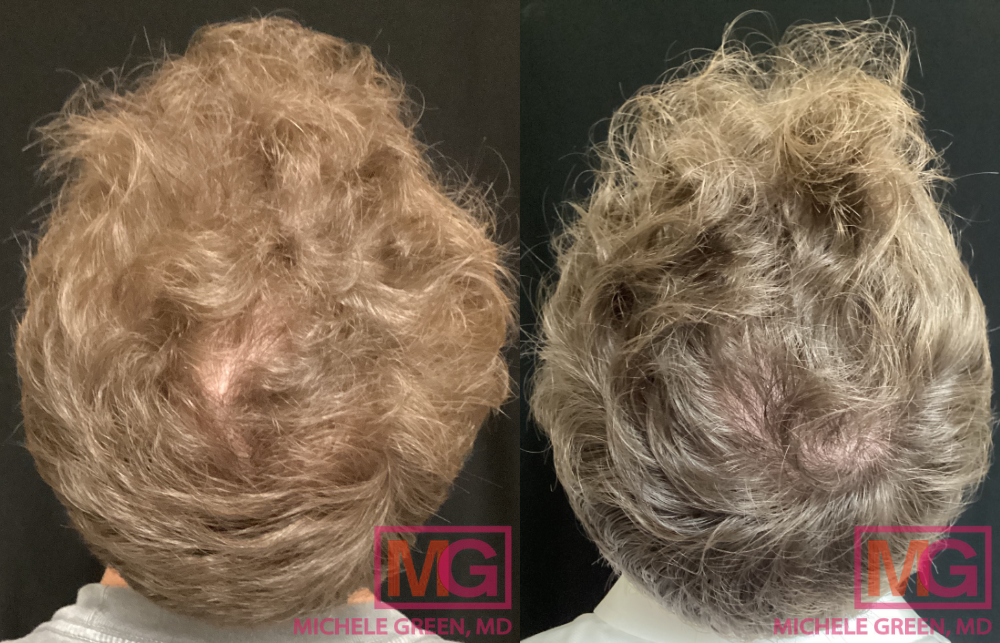
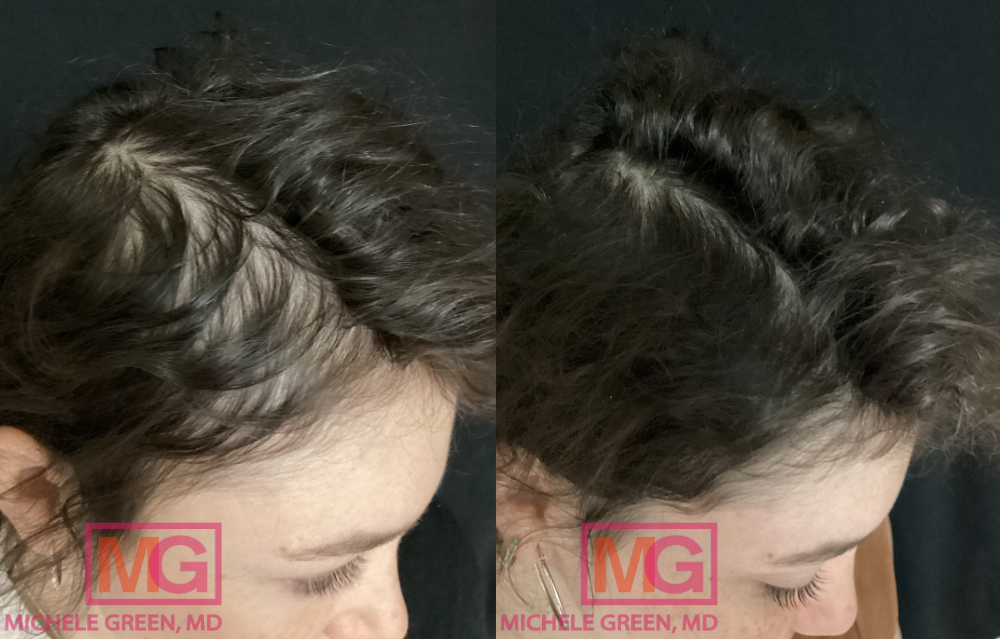
- Hair loss (alopecia), including both androgenetic alopecia and alopecia areata, has emerged as a major indication for regenerative dermatology. PRP injections into the scalp deliver concentrated growth factors that stimulate the proliferation of hair follicle progenitor cells, prolong the anagen (growth) phase of the hair cycle, and reduce follicular inflammation. Exosome therapy is also showing promise for hair loss, with early clinical trials demonstrating improvements in hair density and quality.
- Chronic wounds, including diabetic foot ulcers, venous leg ulcers, and pressure injuries, represent one of the most clinically urgent applications of regenerative dermatology. Traditional wound care approaches often fall short in these complex cases, and regenerative therapies involving growth factors, stem cells, MSCs, bioprinting, and bioengineered skin scaffolds offer new avenues to promote tissue repair and achieve wound closure. Inflammatory skin diseases such as psoriasis, as well as skin conditions characterized by impaired barrier function, hydration deficits, and abnormal pigmentation, are also being addressed through regenerative strategies that target the underlying biology of the skin rather than merely suppressing symptoms.
What are the benefits of regenerative dermatology treatments?
The benefits of regenerative dermatology are both broad and deep, reflecting the fundamental nature of the biological processes these treatments engage. Unlike traditional approaches that may rely on synthetic chemicals or purely mechanical interventions, regenerative treatments align with the body’s own biology, stimulating natural healing and tissue regeneration rather than simply masking or suppressing disease.
Key benefits include enhanced collagen production and elastin synthesis, resulting in firmer, more elastic skin with improved texture and reduced fine lines. Patients typically experience improvements in skin tone and pigmentation, as the stimulation of healthy skin cell turnover and the normalization of melanocyte activity address uneven coloration. Skin hydration is often enhanced as the integrity of the extracellular matrix is restored and the skin barrier is strengthened.
For patients with acne scars, alopecia, chronic wounds, or photoaging, regenerative dermatology offers the prospect of meaningful, lasting improvement beyond what conventional treatments can achieve. Because regenerative treatments leverage autologous biological materials (such as PRP) or highly biocompatible substances (such as exosomes and regenerative biomaterials), they carry a favorable safety profile and low risk of adverse reactions. Many regenerative dermatology procedures require minimal downtime, making them accessible to patients with busy lifestyles. The overall goal of regenerative dermatology — restoring healthy skin and supporting long-term skin health — aligns perfectly with a holistic, preventive approach to skin care.
Who is a good candidate for regenerative dermatology?
Regenerative dermatology offers benefits for a wide range of patients, but the ideal candidate profile varies depending on the specific treatment and the underlying skin condition being addressed. In general, good candidates for regenerative treatments include individuals who are experiencing signs of skin aging (such as fine lines, loss of elasticity, or uneven skin texture and pigmentation), those with acne scars or other forms of scarring, patients suffering from hair loss (alopecia), and individuals with chronic wounds or skin diseases that have not responded adequately to conventional treatments. Patients who are in good overall health, are non-smokers (or willing to quit, as smoking impairs wound healing and tissue repair), and have realistic expectations about the outcomes of regenerative dermatology are typically the strongest candidates. Because many regenerative treatments use autologous materials (such as PRP derived from the patient’s own blood), they are suitable for a broad range of individuals, including those who may be sensitive to synthetic ingredients in conventional skin care products or injectables.
Certain conditions may make some patients less suitable for specific regenerative dermatology interventions. For example, patients with active infections, blood disorders, or certain autoimmune conditions may need to be evaluated more carefully before undergoing PRP or stem cell therapies. Pregnant or breastfeeding individuals are generally advised to postpone elective regenerative treatments. A thorough consultation with a board-certified dermatologist is essential to determine candidacy and develop a safe, personalized treatment plan. Dr. Michele Green, a board-certified dermatologist in NYC, conducts comprehensive evaluations to ensure that each patient receives the most appropriate and effective regenerative strategy for their individual needs and skin health goals.
What technologies are used in regenerative dermatology?
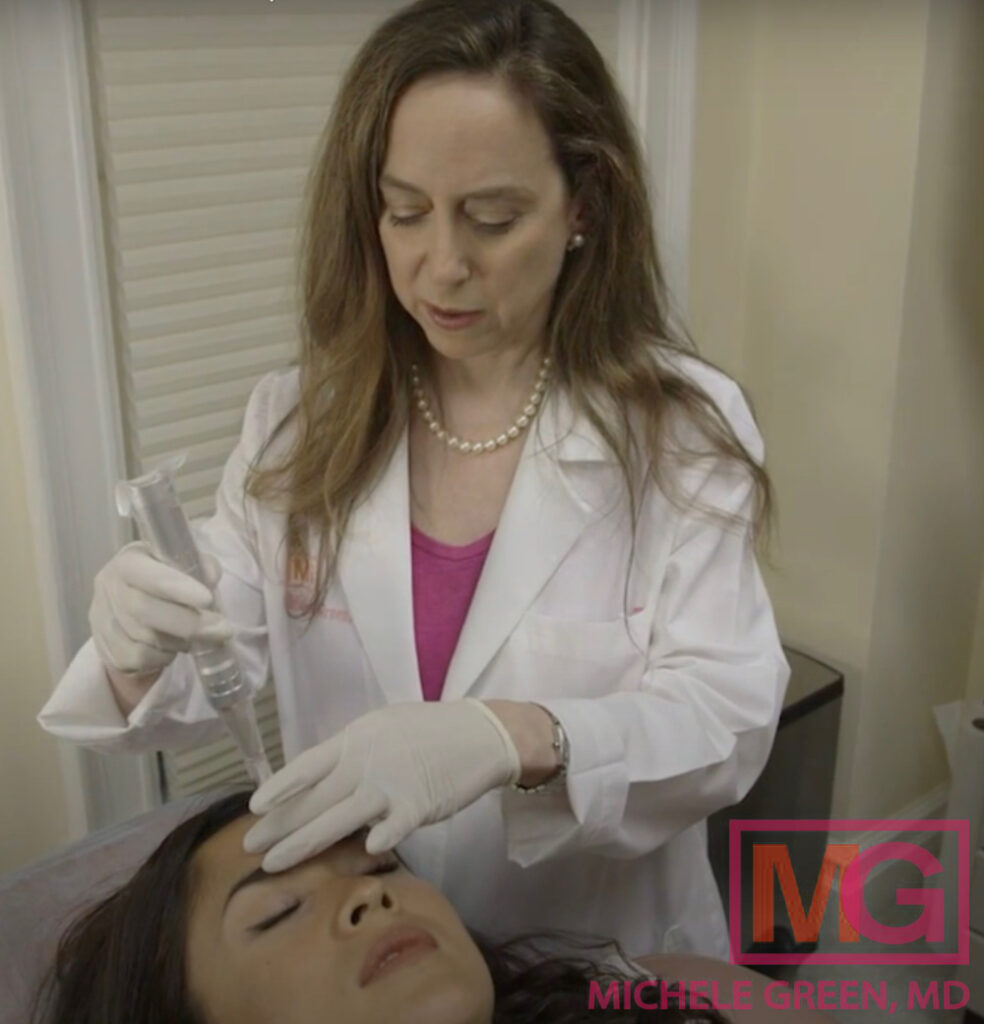
Regenerative dermatology encompasses a diverse and rapidly expanding array of technologies, each designed to harness or amplify the skin’s natural healing capacity. Among the most established and widely used are platelet-rich plasma (PRP), stem cells, and exosomes. These technologies are typically delivered via injection or microneedling, a minimally invasive procedure that creates controlled microchannels in the skin to stimulate the body’s own tissue repair response, boosting collagen production, improving skin texture, and enhancing the absorption of topical regenerative agents, such as growth factors and exosomes.
What is PRP regenerative dermatology?
Platelet-rich plasma (PRP) is an autologous treatment derived from the patient’s own blood that contains concentrated platelets, typically 3-5 times the normal blood level. Platelets are rich in growth factors, such as PDGF, TGF-β, and VEGF, which stimulate cellular regeneration, collagen production, and angiogenesis. In regenerative dermatology, PRP is obtained by drawing the patient’s blood, centrifuging it to separate and concentrate the platelets, then injecting or applying the plasma to targeted skin areas. Common applications include treating acne scars, fine lines, hair loss (alopecia), melasma, and overall skin rejuvenation. The treatment harnesses the body’s natural healing mechanisms to improve skin texture, promote hair growth, and enhance overall skin quality with minimal risk of adverse reactions since it uses the patient’s own biological material.
Is stem cell regenerative dermatology?
Stem cell technology utilizes the unique properties of undifferentiated cells that can self-renew and differentiate into specialized cell types needed for tissue repair. In regenerative dermatology, stem cells—including mesenchymal stem cells from adipose tissue, bone marrow, or umbilical cord, as well as dermal stem cells—are applied to stimulate skin regeneration and healing. These cells release growth factors and cytokines that promote collagen synthesis, angiogenesis, and cellular proliferation while reducing inflammation. Clinical applications include treating chronic wounds, acne scars, hair loss, and photoaging through direct stem cell injections, stem cell-derived exosomes, or conditioned media containing their secreted factors. This technology harnesses the body’s natural regenerative capacity to restore damaged skin tissue at the cellular level, offering more comprehensive healing than traditional treatments.
What is exosome therapy?
Exosome therapy utilizes extracellular vesicles (30-150 nanometers) naturally secreted by cells, particularly stem cells, that contain bioactive molecules, including proteins, lipids, and microRNAs. These nano-sized vesicles act as cellular messengers, facilitating intercellular communication and transferring regenerative signals that promote tissue repair and rejuvenation. In regenerative dermatology, exosomes are applied topically, injected, or delivered through microneedling to stimulate collagen production, reduce inflammation, accelerate wound healing, and promote cellular regeneration. Clinical applications include treating acne scars, fine lines, hyperpigmentation, hair loss, and photoaging. Exosome therapy offers several advantages over direct stem cell treatments, including easier storage, reduced immunogenic risk, and the ability to penetrate deeper into skin layers while delivering concentrated growth factors and signaling molecules that activate the skin’s natural repair mechanisms.
How long does recovery take after regenerative dermatology procedures?
One of the significant advantages of many regenerative dermatology procedures is their minimal downtime relative to more invasive surgical alternatives. The recovery experience varies depending on the specific treatment, whether the procedure involves microneedling or injections, and the individual patient’s skin type and sensitivity.
Microneedling typically involves redness, mild swelling, and sensitivity for 1 to 3 days following treatment — similar to a mild sunburn. Most patients can return to their normal activities within 24 to 48 hours, although strenuous exercise and direct sun exposure should be avoided for a few days. Injectables may cause localized bruising, swelling, or tenderness at injection sites that typically resolve within a few days to a week. Patients undergoing regenerative treatments for chronic wounds may require ongoing wound care management throughout the healing process. Dr. Michele Green, a board-certified dermatologist in NYC, provides each patient with detailed post-procedure instructions to support optimal healing and maximize the benefits of their regenerative dermatology treatment.
How effective is regenerative dermatology for acne scars?
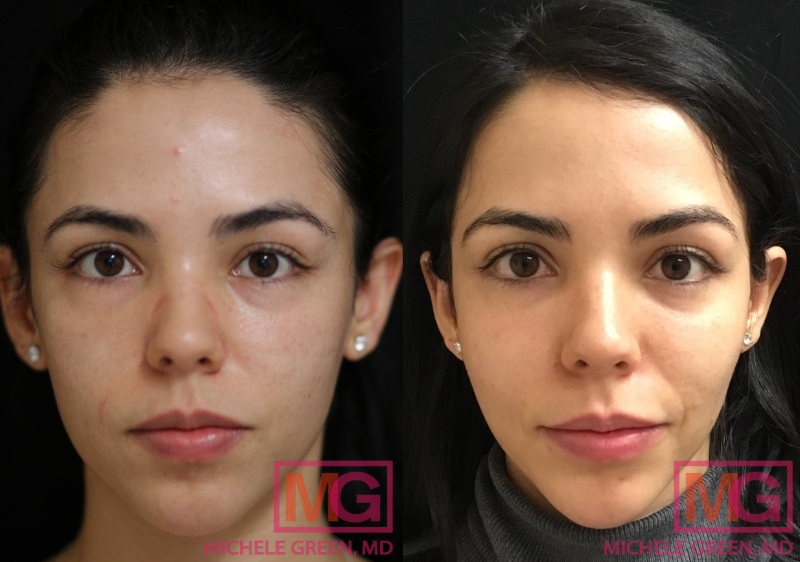
Acne scars are among the most challenging and emotionally impactful skin conditions, and regenerative dermatology has emerged as a leading approach for their treatment. The effectiveness of regenerative treatments for acne scars is well-supported by clinical evidence, with multiple randomized controlled trials and peer-reviewed studies (many published with DOI references in leading dermatology journals) demonstrating significant improvements in scar depth, texture, and overall appearance following PRP, microneedling, and exosome therapy.
For rolling and boxcar acne scars, microneedling combined with PRP has shown particularly strong clinical results, with patients often experiencing 50-70% improvement in scar appearance after a series of treatments. Exosome therapy, either as a standalone treatment or in combination with microneedling, is showing great promise as an adjunct for acne scars, with early studies suggesting that exosomes may accelerate the tissue repair process and enhance collagen synthesis beyond what is achievable with PRP alone. For more severe or complex acne scarring, a combination approach — incorporating microneedling, PRP, fillers, and potentially laser resurfacing — may be recommended. Dr. Michele Green, a board-certified dermatologist in NYC, has extensive experience treating acne scars and develops individualized, evidence-based treatment plans that combine the most effective regenerative and traditional dermatological interventions for each patient’s unique scarring pattern and skin type.
Can regenerative dermatology help with aging skin?
Yes! Aging skin is one of the primary indications for regenerative dermatology, and the evidence supporting the effectiveness of regenerative treatments for skin aging is substantial and growing. PRP, loaded with growth factors, stimulates fibroblasts to produce new collagen and elastin, restoring dermal density and firmness. Exosome therapy delivers regenerative signals directly to aging skin cells, promoting proliferation and enhancing cellular function. Microneedling creates controlled micro-injuries that trigger the body’s natural healing process, stimulating a cascade of tissue repair activity that results in smoother, firmer, more radiant skin. Topical regenerative agents — including growth factor serums and stem cell-derived products — provide ongoing support for skin health between in-office treatments. Biomaterial-based fillers and scaffold technologies can restore lost volume while simultaneously stimulating the body’s collagen synthesis.
The anti-aging applications of regenerative dermatology extend beyond the face to include the neck, hands, and other areas affected by photoaging and skin aging. Patients who begin regenerative treatments earlier — before the signs of skin aging become severe — often achieve the most natural and durable results, as they build on a stronger biological foundation. However, meaningful improvements in skin texture, elasticity, pigmentation, and overall skin health are achievable at virtually any stage of skin aging. Dr. Michele Green, a board-certified dermatologist in NYC, specializes in anti-aging regenerative dermatology and offers a full spectrum of regenerative treatments tailored to each patient’s age, skin type, and aesthetic goals.
How much does regenerative dermatology cost?
The cost of regenerative dermatology treatments varies widely based on the type of procedure, the number of sessions required, the practice’s geographic location, and the treating dermatologist’s expertise. It is important to note that many regenerative dermatology treatments are considered elective cosmetic procedures and may not be covered by standard health insurance plans. However, certain applications — such as growth factor therapies for chronic wounds or regulatory-approved stem cell products for specific skin diseases — may be reimbursable under some plans. Patients are encouraged to discuss all cost considerations during their consultation. Dr. Michele Green’s practice in NYC offers transparent pricing and works with patients to develop treatment plans that align with their skin health goals and budget.
Are the results of regenerative dermatology permanent?
The longevity of results from regenerative dermatology treatments depends on multiple factors, including the type of treatment, the condition being addressed, the patient’s age and overall skin health, and lifestyle factors such as sun protection, diet, and skin care habits. In general, regenerative treatments can produce results that are more durable than those of traditional dermatology procedures, as they address the underlying biology of the skin.
That said, skin aging is an ongoing biological process, and no treatment can permanently halt the cumulative effects of environmental exposures, genetic factors, and lifestyle influences on skin health. Patients who adopt a comprehensive approach to skin care — incorporating sun protection, antioxidant topical products, adequate hydration, and periodic regenerative treatments — tend to achieve the most sustained and meaningful improvements in skin health. Dr. Michele Green, a board-certified dermatologist in NYC, works with each patient to develop a long-term skin care strategy that maximizes the durability of their regenerative dermatology results and supports healthy skin for years to come.
Is regenerative dermatology safe?
Safety is a paramount concern in regenerative dermatology, and the evidence to date strongly supports the overall favorable safety profile of most established regenerative treatments. Autologous therapies such as PRP, which use the patient’s own biological material, carry an exceptionally low risk of allergic reaction or immune rejection, as the body readily accepts its own cells and proteins. Exosome therapy, while newer, has similarly demonstrated a strong safety profile in available clinical data, with adverse events being generally mild and transient.
Stem cell therapies, including those using MSCs, are subject to the most rigorous regulatory scrutiny, reflecting both their transformative potential and the complexity of working with living cells. The FDA requires that stem cell therapies meet stringent standards for manufacturing, safety testing, and clinical evidence before they can be marketed for specific indications. Patients should always seek treatment from board-certified dermatologists and accredited clinical facilities when considering stem cell therapies. They should be cautious of providers offering unproven or unapproved stem cell products outside of legitimate clinical trials.
As with any medical or cosmetic procedure, individual risks and contraindications must be carefully considered. Microneedling, for example, carries a small risk of infection, post-inflammatory pigmentation changes (particularly in patients with darker skin tones), or temporary redness and swelling. Injectables such as PRP and fillers may cause bruising, swelling, or temporary discomfort at the injection site. These risks are minimized when procedures are performed by experienced, board-certified dermatologists using evidence-based protocols. Dr. Michele Green, a board-certified dermatologist in NYC, prioritizes patient safety at every step of the treatment process, conducting thorough pre-treatment evaluations and adhering to the highest standards of clinical practice in all regenerative dermatology interventions.
How to get started with your regenerative dermatology journey today
Regenerative dermatology represents a paradigm shift from symptom management to biological restoration, using the body’s natural healing mechanisms to repair and renew skin tissue. This innovative approach employs advanced technologies, including platelet-rich plasma (PRP), stem cell therapies, and exosome treatments, delivered via precise techniques such as microneedling and targeted injections. Unlike traditional dermatology procedures that often provide temporary relief, regenerative treatments address root causes by stimulating collagen production, cellular regeneration, and tissue repair for lasting results. These therapies effectively treat diverse conditions, including acne scars, hair loss, photoaging, and chronic wounds, while minimizing downtime and side effects. Backed by growing clinical research, regenerative dermatology offers patients more natural, comprehensive solutions that work with their body’s biology rather than against it. Dr. Michele Green, a board-certified dermatologist in NYC, pioneers this transformative approach, combining cutting-edge regenerative treatments with personalized clinical expertise to benefit patients.
As a board-certified dermatologist with over 25 years of experience and recognition as one of the nation’s foremost experts in regenerative dermatology, Dr. Michele Green combines clinical excellence with innovative treatments to help you unlock your skin’s natural potential. Dr. Green’s practice offers the most advanced regenerative therapies available—including PRP treatments, microneedling, and cutting-edge injectables—all delivered with exceptional safety standards and personalized care. She is consistently ranked among NYC’s top dermatologists by Castle Connolly, Super Doctors, New York Magazine, and The New York Times for her expertise and dedication to her patients. To schedule your consultation and create a customized regenerative treatment plan tailored to your unique needs, please call our office at 212-535-3088 or contact us online today.


