


Is Hair Loss Reversible?
According to the American Academy of Dermatology, over 80 million people in the United States experience hair loss or thinning. Regardless of the cause, noticing a decrease in hair thickness and density on different areas of the scalp can be very distressing, leading to lowered self-esteem, feelings of depression, and uncertainty about whether it can be reversed. With a variety of treatment options available, each with different levels of effectiveness, it can be challenging to identify the best approach for treating and preventing hair loss. Therefore, the most effective first step in developing a hair loss treatment plan is to consult with a board-certified dermatologist, such as Dr. Michele Green in NYC, who can recommend the most suitable hair rejuvenation options.
Some individuals may experience hair shedding when their hair growth cycle is disrupted. This often results from significant stressors such as childbirth, major weight loss, surgery, serious illness, or medication changes. Conversely, hair loss occurs when something blocks hair growth. Causes can include genetic conditions such as androgenetic alopecia, autoimmune diseases such as alopecia areata, or poor hair health due to tight hairstyles, traction alopecia, or scarring alopecia. During your initial consultation with Dr. Green, she will evaluate the treatment area and perform necessary tests to determine the type of hair loss you are experiencing. By identifying the root cause, Dr. Green can recommend treatment options tailored to each patient’s needs to regrow hair.
Dr. Michele Green is a highly respected, board-certified dermatologist with over 25 years of experience treating hair loss and scalp conditions. She is known for her attentive, personalized approach, crafting treatment plans tailored to each patient’s pattern of hair thinning, causes of hair loss, and long-term goals. Recognized consistently by Castle Connolly, New York Magazine, and Super Doctors, Dr. Green is among the top dermatologists in New York City, praised for her expertise and patient-centered care. During your consultation at her private practice on Manhattan’s Upper East Side, she will collaborate with you to create a customized, non-surgical hair loss treatment plan designed to promote healthier hair growth and sustain results over time.
Can hair loss be reversed?
Hair loss can result from various causes, including genetic factors, environmental influences, and medical conditions. One common cause of temporary hair loss is telogen effluvium. This type of hair loss often happens in response to significant physical or emotional stress. Telogen effluvium is marked by increased hair shedding, where more hair follicles than usual enter the telogen, or resting, phase of the hair growth cycle. Typically, about 10-15% of scalp hairs are in this phase at any time; however, in cases of telogen effluvium, this percentage can increase significantly. Common triggers include sudden stressors such as severe illness, major hormonal shifts (like those after childbirth or during menopause), nutritional deficiencies (such as lack of iron, vitamin D, or protein), and emotional trauma or extreme stress. The good news is that telogen effluvium often resolves once the underlying stressor is identified and managed, sometimes even with home remedies. When experiencing hair loss, it’s important to consult a board-certified dermatologist promptly. With proper treatment and ongoing care, hair growth can gradually return, restoring hair volume and density. Many people find that their confidence improves as their hair grows back, restoring not only their appearance but also their self-esteem.
Types of Hair Loss
Androgenetic Alopecia
Androgenetic alopecia, commonly called male or female pattern baldness, is a condition marked by hair loss caused by high levels of androgen hormones that damage hair follicles. In men, it usually starts with thinning at the temples, leading to a receding hairline that forms a distinctive “M” shape. The hair loss then spreads to the crown and may get worse over time. In women, thinning often begins at the top of the head, widening the central part line. This condition can affect both men and women in their 20s and 30s and tends to become more apparent with age. Although the exact causes of androgenetic alopecia are unknown, researchers believe genetics plays a key role.
Telogen Effluvium
Telogen effluvium is a type of hair loss that happens after severe stress or shock. This condition causes hair to enter the telogen phase of the growth cycle prematurely. As a result, many hairs can shift into the shedding phase at the same time, sometimes affecting up to 70% of scalp hairs. This sudden hair loss can lead to noticeable thinning. Various stressful situations that may trigger telogen effluvium include:
- Severe illness, such as chronic illness or high fever
- Childbirth
- Overactive thyroid
- Severe infections
- Severe psychological distress
- Major surgery or injury
- Losing weight quickly, such as with crash diets or anorexia
- Some medications
Hair usually begins to regrow within three to six months after the stressful situation is resolved. However, consulting a dermatologist can help speed up hair regrowth and support the overall health of hair follicles.
Alopecia Areata
Alopecia areata is an autoimmune disorder in which the immune system mistakenly attacks hair follicles, leading to reduced new hair growth and follicle shrinkage. This often causes a bald spot. The condition is marked by bald patches that typically appear on the scalp but can occur anywhere on the body and often develop suddenly. It is important to understand that alopecia areata is not linked to stressful events. Researchers believe genetic factors may contribute to its development. While some individuals experience complete hair regrowth, others may face permanent hair loss. Usually, those with alopecia areata notice small spots of hair loss, about the size of a quarter, though some may experience more extensive hair loss. This condition can affect people of all ages and genders and can develop quite rapidly, sometimes in just a few days.
Scarring Alopecia
Scarring alopecia, also known as cicatricial alopecia, refers to a group of rare but significant inflammatory conditions that lead to the destruction of hair follicles. In these disorders, the normal structure of hair follicles is damaged and replaced by scar tissue (fibrosis), resulting in permanent and often irreversible hair loss. Common forms of scarring alopecia include Central Centrifugal Cicatricial Alopecia (CCCA), which typically affects women and begins at the crown of the head before spreading outward. Another type is Lichen Planopilaris (LPP), characterized by scalp inflammation, significant itching, and discomfort; this condition can affect both men and women and may lead to changes in the skin surrounding hair follicles. Frontal Fibrosing Alopecia (FFA), primarily affecting postmenopausal women, is characterized by progressive recession of the frontal hairline and can also cause hair loss in other areas, such as the eyebrows. The underlying mechanisms of scarring alopecia generally involve an autoimmune response in which the body’s immune system mistakenly attacks its own hair follicles.
How can a dermatologist reverse hair loss?
To help combat hair loss, Dr. Green recommends a consultation to review your medical history and order any necessary blood tests. She can suggest various treatments, including topical, oral, or cosmetic options, or a combination of these, to effectively address hair loss.
Topical Treatments
Topical treatments for hair loss are often the first option patients try when looking for at-home remedies. Rogaine, a popular over-the-counter hair serum, comes in liquid or foam form and contains 5% minoxidil is FDA-approved for treating hair loss. When applied to the scalp, it stimulates hair growth and helps prevent thinning by widening blood vessels, which improves nutrient and oxygen flow to hair follicles. It effectively shortens the dormant (telogen) phase and extends the growth (anagen) phase, increasing the treatment’s effectiveness. Dr. Green has developed her own hair serum for men that contains 7% minoxidil and 0.1% finasteride to promote hair growth.
Oral Medications
Along with topical treatments, Dr. Green can prescribe oral medications, including minoxidil, which was originally used to treat high blood pressure and is sometimes prescribed off-label for hair loss. Whether applied topically or taken orally, minoxidil helps stimulate new hair growth and maintain hair follicle health. Minoxidil acts as a vasodilator by widening scalp blood vessels to increase blood flow. This improved circulation delivers more oxygen, prolongs the hair growth phase, and reactivates dormant hair follicles, thereby strengthening the hair shaft.
Finasteride is the generic name for Propecia, a medication used to treat male pattern baldness and hair loss. One factor contributing to androgenic alopecia is dihydrotestosterone (DHT), an androgen that binds to hair follicles. This attachment damages the follicles, causing hair thinning and loss. Finasteride works as a DHT blocker by preventing testosterone from converting into DHT, thereby reducing hair loss. For the best results, Dr. Green might prescribe finasteride along with minoxidil.
Dutasteride, sold under the brand name Avodart, is an oral prescription medication that offers an alternative option for hair loss treatment. Like finasteride, it is a 5-alpha-reductase inhibitor that prevents the conversion of testosterone into DHT, a hormone associated with male pattern baldness and benign prostatic hyperplasia (BPH). While finasteride inhibits only type 2, dutasteride blocks both types 1 and 2. It may take 3 to 6 months, or longer, to notice visible improvements from using dutasteride. Side effects are rare and generally similar to those of finasteride. Dermatologists such as Dr. Green may prescribe dutasteride if they determine it is medically suitable for their patients.
Spironolactone is an oral medication often prescribed off-label to treat androgenetic alopecia (a common type of hair loss) and polycystic ovary syndrome (PCOS) in women. It works by blocking the production of androgens, which are male hormones that can cause various health issues, including hair loss and hormonal imbalances. By lowering hormone levels, spironolactone can promote hair growth and reduce PCOS symptoms, such as excessive hair growth and acne. This makes it a valuable option for women seeking effective management of these conditions.
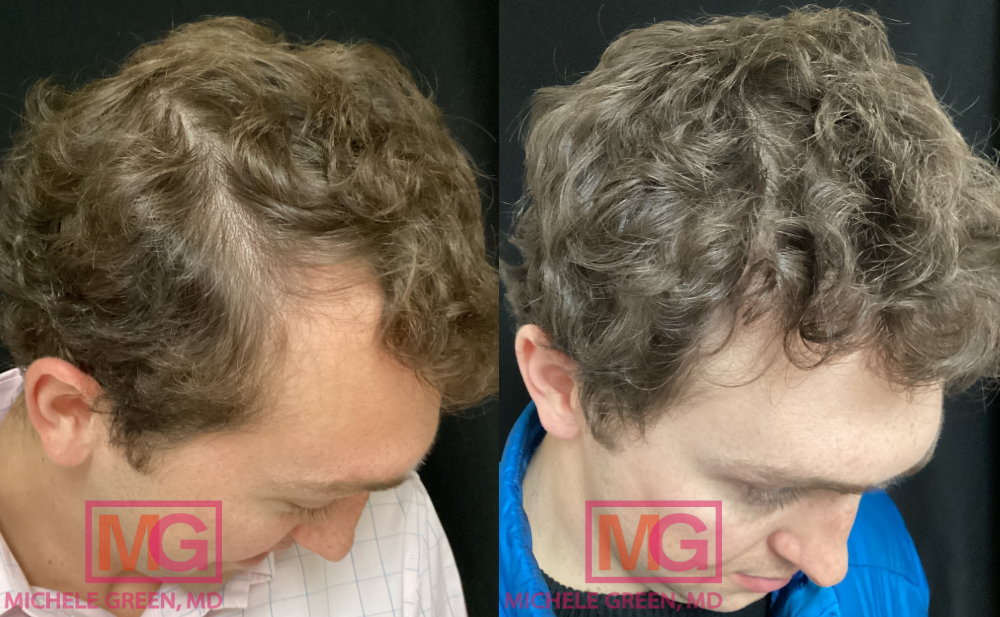
PRP injections
In addition to topical and oral medications, cosmetic treatments like PRP injections can further improve hair loss and shedding. PRP is derived from a patient’s own blood, which is then centrifuged. The plasma extracted from your blood contains seven different growth factors that enhance circulation in the injected areas, ultimately spreading throughout the scalp and helping to strengthen hair follicles. As a result, new hair growth at the injection sites usually becomes thicker and healthier. Additionally, these growth factors can aid in healing and reactivating previously dormant hair follicles, leading to increased hair density. They also stimulate papilla cells, encouraging new hair growth. Overall, PRP treatment strengthens hair follicles, promoting denser hair growth and reviving dormant follicles, helping combat hair loss. It is a valuable addition to other oral and topical hair loss treatments.
Surgical Hair Transplants
Regarding hair loss treatments, some people may choose surgical options to achieve a fuller head of hair. Hair restoration procedures, such as hair transplant surgery, are usually recommended for those who haven’t achieved satisfactory results with less invasive methods. Hair transplants involve moving hair follicles from a “donor site” at the back of the scalp to the bald area, known as the “recipient site.” The most advanced technique for hair transplant surgery is follicular extraction, where individual hair follicles are transplanted into the recipient area one at a time. This procedure typically lasts 4 to 8 hours, depending on the size of the treatment area and the number of surgical assistants. After the surgery, new hair growth usually starts within 6 to 9 months. PRP injections, along with oral medications, are often used with this treatment to improve results.
What hair loss treatment is best?
When exploring hair loss treatments, it’s important to realize that no single solution works for everyone. Hair loss can result from various factors, including genetics, hormonal changes, medical conditions, and stress. Because of this, effective treatments often need to be personalized. A comprehensive plan might include oral medications, topical treatments, and customized cosmetic procedures tailored to an individual’s needs. For example, medications such as minoxidil and finasteride are common options for promoting hair growth and slowing hair loss.
Additionally, topical treatments can enhance scalp health and follicle function, while cosmetic options like hairpieces or transplants can improve appearance. To achieve the best results, it’s highly recommended to consult a board-certified dermatologist, such as Dr. Michele Green. Starting treatment early, at the first signs of thinning, can greatly increase the likelihood of success and help prevent further hair loss.
Do hair loss treatments actually work?
Many patients wonder, “What hair loss treatments actually work?” When it comes to addressing hair loss, several treatments have demonstrated effectiveness in promoting hair regrowth. Oral medications like minoxidil are typically available as topical solutions, but minoxidil is also effective in oral form. It works by stimulating hair follicles and increasing blood flow to the scalp, thereby enhancing hair growth. Finasteride is another prescription medication that is particularly effective for male pattern baldness. It works by inhibiting the enzyme that converts testosterone into dihydrotestosterone (DHT), a hormone linked to hair loss. Reducing DHT levels can reduce hair thinning and even promote regrowth in some individuals. Dutasteride, similar to finasteride, blocks the conversion of testosterone to DHT but does so more effectively by targeting multiple pathways. It may be beneficial for those who do not respond to finasteride alone. PRP treatments (Platelet-Rich Plasma) involve drawing a small amount of the patient’s blood, processing it to concentrate platelets, and then injecting the concentrate into the scalp. Platelet-derived growth factors can stimulate hair follicles, promoting hair growth and potentially increasing hair thickness. This treatment has gained popularity due to its minimally invasive nature and the use of the patient’s own biological material, which reduces the risk of adverse reactions. These treatments vary in their mechanisms and effectiveness among individuals, so it’s essential to consult with a board-certified dermatologist to determine the best option based on personal needs and the underlying causes of hair loss.
How to reverse hair loss naturally?
The first and most important step in managing hair loss is to consult a board-certified dermatologist. Dr. Green can help you identify the underlying causes of your hair loss, which may include hormonal imbalances, nutritional deficiencies, genetic factors, or stress. Understanding the specific reasons behind your hair loss is crucial because it allows you to customize a natural treatment plan that targets these root causes. Some patients may choose to try LLLT (low-level laser therapy) or a laser cap to increase scalp circulation and improve hair growth. However, once you have a clear diagnosis, you can then explore various medical-grade methods that may help restore your hair. By combining medical advice from board-certified dermatologist Dr. Michele Green with new treatment options, you can develop a comprehensive plan aimed not only at managing but possibly reversing hair loss.
How to regrow thinning hair?
To effectively restore thinning hair, Dr. Green often recommends a comprehensive approach that may include oral medications, topical treatments, and cosmetic options. Oral treatments usually involve medications like minoxidil, finasteride, or dutasteride, which help block the hormone responsible for hair loss and stimulate hair regrowth. Another oral medication prescribed for women with hormone imbalances is spironolactone. Topical treatments, such as minoxidil, are applied directly to the scalp and work by stimulating hair follicles and increasing blood flow to promote hair growth. Additionally, Dr. Green might suggest various cosmetic procedures, such as PRP injections, to further improve hair loss. When addressing hair loss, it’s best to consult with a board-certified dermatologist to develop a personalized plan that targets your specific concerns and to follow up regularly to track progress and adjust the treatment as needed.
Will hair loss ever be cured?
The answer mainly depends on the root cause of hair loss. For example, androgenetic alopecia, commonly called genetic hair loss or male/female pattern baldness, can often be managed and its progression slowed through various treatments such as medications, hair transplants, and lifestyle changes. However, a complete reversal may not be possible for everyone. On the other hand, hair loss caused by factors like telogen effluvium is usually temporary and triggered by stress, hormonal changes, nutritional deficiencies, or other factors. In these cases, addressing the underlying cause generally leads to hair regrowth over time. Overall, while there have been significant advances in understanding and treating hair loss, with many promising developments from clinical trials, a universal cure remains unavailable. Still, improvement is often achievable depending on individual circumstances. To best treat your hair loss, it is advisable to consult with a board-certified dermatologist when you notice early signs of hair loss to identify the underlying cause and receive appropriate treatment.
Frequently Asked Questions (FAQs) About Hair Loss
How to reverse genetic hair loss?
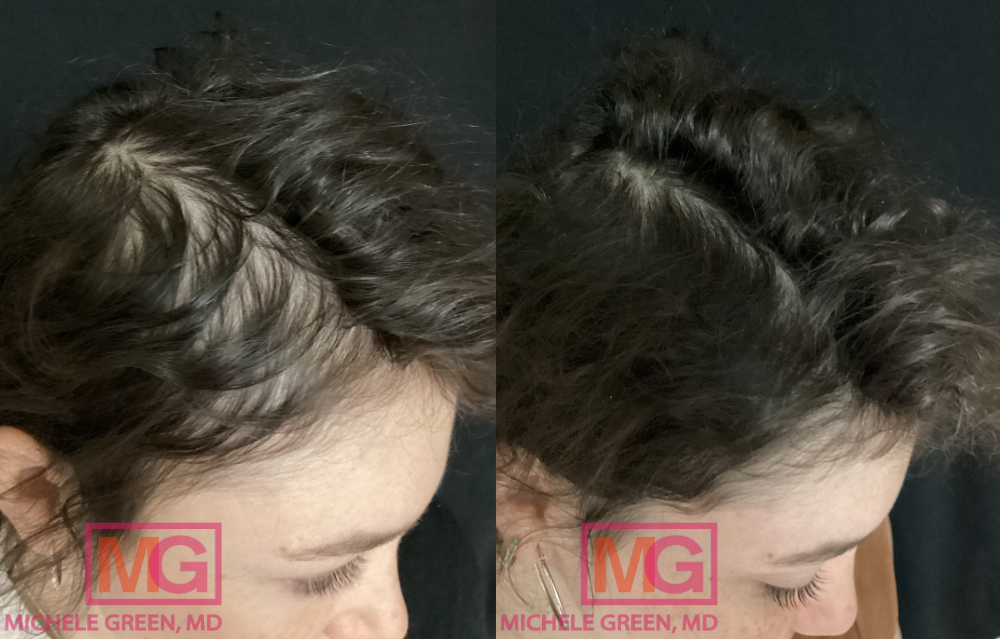
Many individuals experiencing hair thinning and loss often ask, “Is female pattern hair loss reversible?” Understanding this condition, known as androgenetic alopecia, is crucial for exploring potential solutions. Reversing genetic hair loss requires early intervention, leveraging FDA-approved treatments that target the underlying causes. One of the most commonly prescribed medications for hair loss is finasteride, which is taken as a pill. This drug works by inhibiting the action of dihydrotestosterone (DHT), a hormone that causes hair follicles to shrink and leads to thinning hair over time. By blocking DHT, finasteride can help halt hair loss progression and promote regrowth in some patients. In conjunction with finasteride, minoxidil is another effective treatment option. Available in both topical and oral forms, minoxidil increases blood flow to hair follicles and enlarges them, thereby stimulating hair growth. Many patients find success with a combination of these two treatments, as they complement each other’s mechanisms. For those seeking more permanent solutions, hair transplant surgery is a viable long-term option. This surgical procedure involves relocating hair follicles from a denser area of the scalp to areas experiencing thinning or baldness, resulting in a more natural, fuller appearance.
Additionally, Platelet-Rich Plasma (PRP) injections have gained popularity as a revolutionary treatment for hair loss. PRP involves drawing a small amount of the patient’s blood, processing it to concentrate the platelets, and injecting this solution directly into the scalp. The growth factors in PRP are believed to stimulate dormant hair follicles, promote new hair growth, and improve scalp condition. It’s essential to understand that while these treatments can significantly slow down the progression of genetically induced hair loss and may lead to measurable improvements in hair density, there is currently no definitive cure for androgenetic alopecia. Early intervention and consistent treatment are key to managing the condition effectively and maintaining healthy hair growth.
Is balding reversible?
Balding, especially due to genetic factors like androgenetic alopecia, is a common concern. However, various strategies can help significantly slow the process, particularly when addressed early. While it’s important to recognize that genetic hair loss cannot be entirely cured, certain treatments have been shown to encourage hair regrowth. Minoxidil, available over the counter as a topical solution, works by increasing blood flow to hair follicles, thereby stimulating growth. It is most effective for those in the early stages of hair loss. Finasteride, a prescription oral medication, reduces the hormone responsible for hair loss and can lead to significant improvements in hair density in men. Besides these medications, advanced procedures such as platelet-rich plasma (PRP) injections utilize the body’s own growth factors to improve hair follicle health and encourage regrowth. Similarly, hair transplant surgery provides a more permanent solution by relocating hair follicles from denser areas of the scalp to thinning or balding areas. It is essential for individuals experiencing hair loss to seek treatment from a board-certified dermatologist promptly, as the likelihood of successful regrowth decreases once hair follicles become permanently dormant. Results can vary greatly depending on the chosen method, the person’s response to treatment, and the extent of hair loss at the time of intervention.
Is hair loss from lack of sleep reversible?
Yes, hair loss caused by sleep deprivation is usually reversible. This condition, often called telogen effluvium, occurs when the body experiences increased stress or severe sleep deprivation. As a result, hair follicles may enter a resting phase too early, leading to more hair loss. Luckily, this type of hair loss is typically temporary. Once root causes, such as sleep problems and stress, are addressed through better sleep habits and stress management, the hair growth cycle can return to normal. Most people can see gradual hair regrowth within 3 to 6 months if they stick to a healthier sleep routine and manage stress well. Staying consistent with these lifestyle changes is crucial to reversing sleep-related hair loss.
Is stress hair loss reversible?
Yes, hair loss caused by stress, known as telogen effluvium, is usually reversible. This condition occurs when significant stress pushes many hair follicles into a resting phase, leading to increased hair shedding. The good news is that once the underlying stressors—whether emotional, physical, or environmental—are properly managed or removed, hair growth often resumes. Hair regrowth can take several months, typically between three and six months, and sometimes up to a year for hair to fully regain its previous density. During this period, people may see gradual improvements as new hair begins to grow. Most importantly, natural regrowth is common, highlighting the importance of addressing life stressors to support recovery. If you’re experiencing stress-related hair loss, consulting with a board-certified dermatologist can offer guidance and support specific to your situation.
Is DHEA hair loss reversible?
DHEA, or dehydroepiandrosterone, is an important steroid hormone produced by the adrenal glands and serves as a precursor to key androgens, including testosterone and dihydrotestosterone (DHT). While DHEA plays a crucial role in various bodily functions, including hormone balance and stress response modulation, elevated levels of DHEA—whether from natural production or supplementation—can lead to adverse effects, particularly on hair health. In individuals who are genetically predisposed to hair loss, high levels of DHEA may trigger conditions such as female pattern hair loss or male androgenetic alopecia. This occurs primarily through the conversion of DHEA to DHT, a potent androgen that shrinks hair follicles, leading to reduced hair thickness and density. Fortunately, hair loss resulting from DHEA supplementation is often reversible. Many individuals experience temporary hair shedding or thinning when they begin taking DHEA, but this side effect can be managed effectively. By reducing the dosage or ceasing the use of the supplement altogether, many find that their hair regrowth resumes and the adverse effects diminish over time. It is important, however, for anyone considering DHEA supplementation to consult a board-certified healthcare provider, such as Dr. Michele Green, especially if they have a family history of hair loss or other related conditions, to assess the potential risks and benefits.
Is hormonal hair loss reversible?
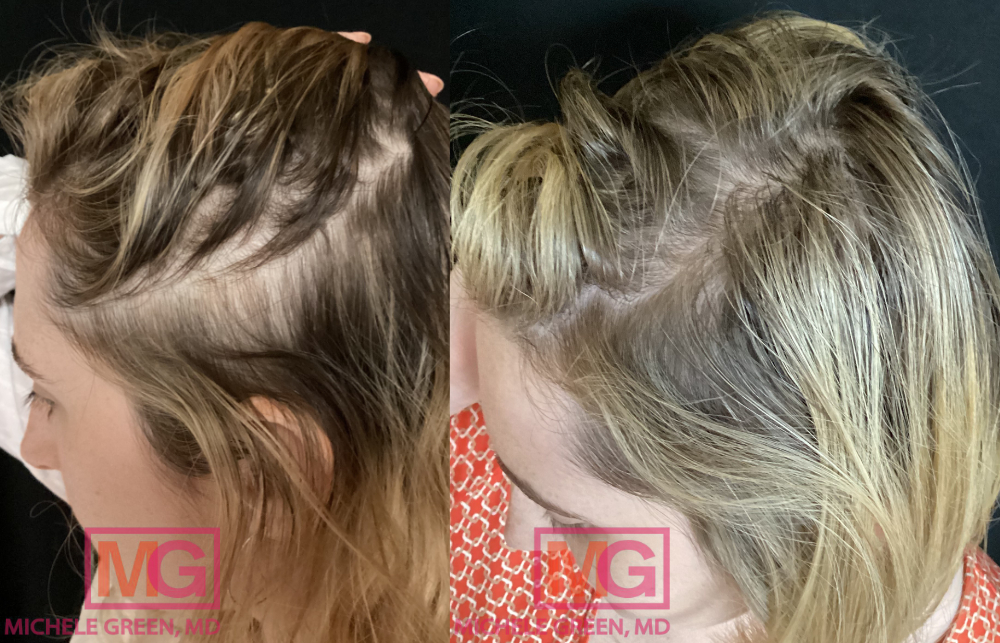
Hormonal hair loss, often linked to factors such as genetics, hormonal changes, or conditions like polycystic ovary syndrome (PCOS), can sometimes be reversible depending on individual circumstances. A common approach to managing this type of hair loss involves using spironolactone, a medication that helps block the effects of hormones associated with hair thinning. Additionally, combining spironolactone with Platelet-Rich Plasma (PRP) therapy can enhance treatment effectiveness. PRP therapy uses the patient’s own blood, rich in growth factors, to stimulate hair follicles and promote hair regrowth. It’s important to consult with Dr. Green to determine if you are a suitable candidate for these treatments and to develop a comprehensive plan tailored to your specific needs.
Is hair loss from thyroid reversible?
Absolutely, hair loss associated with thyroid issues is generally reversible. Once the underlying thyroid condition—such as hypothyroidism or hyperthyroidism—is properly diagnosed and treated, and hormone levels are brought back into balance, hair growth often resumes. It’s important to note that while many individuals experience a positive turnaround, it can take time to see noticeable improvements. Typically, it may take anywhere from 3 to 6 months, or even longer, for significant hair regrowth to occur. This delay is due to the natural hair growth cycle, which involves phases of growth, rest, and shedding. Therefore, patience and consistent treatment are key to achieving the best outcomes in hair restoration for those with thyroid-related hair loss.
Is hair loss from an IUD reversible?
Hair loss associated with the use of a hormonal intrauterine device (IUD), such as Mirena, is generally considered to be reversible. This type of hair loss is usually linked to hormonal changes triggered by the device. When the IUD is removed, or the body begins to recalibrate itself to its natural hormonal balance, many individuals find that hair growth resumes. However, it’s important to note that the process may not be immediate. It can take anywhere from six to twelve months for noticeable hair growth to return and for excessive shedding to subside. Individuals experiencing hair loss should consult with board-certified dermatologist Dr. Michele Green, who will work alongside your board-certified gynecologist to discuss their symptoms, explore potential underlying factors, and receive personalized advice on managing the issue.
Is GLP-1 hair loss reversible?
Yes, hair loss associated with GLP-1 (glucagon-like peptide-1) medications is generally temporary and reversible. This phenomenon, often referred to as telogen effluvium, occurs primarily due to rapid weight loss associated with the use of these medications rather than the drug’s pharmacological effects. When body weight is reduced rapidly, the body’s response can trigger a shift in the hair growth cycle, leading to increased hair shedding. Thankfully, this condition is usually short-lived. Once weight stabilizes, and patients stop the GLP-1 medication, individuals notice their hair begins to regrow, typically within 3 to 6 months. This regrowth process can vary from person to person, but the prognosis for recovery from this type of hair loss is generally positive.
Is perimenopause hair loss reversible?
The answer is yes—many women find that perimenopausal hair loss can be effectively managed or even reversed, especially with prompt treatment. This type of hair loss is primarily linked to decreased levels of estrogen and progesterone, which play crucial roles in hair health. Various interventions, such as topical minoxidil (commonly known as Rogaine), hormone replacement therapy, and specific lifestyle changes, can help stimulate hair regrowth, reduce shedding, and enhance overall hair thickness. By addressing these hormonal changes early, women can often regain their hair and restore their confidence.
Is hair loss due to hard water reversible?
Yes, hair loss and hard-water damage can often be reversed. Hard water contains high levels of minerals, particularly calcium and magnesium, which can accumulate on the hair and scalp. This mineral buildup can lead to a range of issues, including dryness, breakage, and hair thinning. To effectively address these concerns, it is essential to implement a multi-faceted approach over a period of 4 to 8 weeks. One of the most effective solutions is cosmetic treatment called HydraFacial Keravive. The Hydrafacial Keravive is a three-step scalp treatment that combines an in-office procedure with daily use of a take-home spray. It is safe and effective for patients of all skin and hair types, involves no downtime or side effects, and promotes a healthy scalp and fuller-looking hair with just three treatment sessions. This treatment helps prevent further damage while also promoting healthier hair.
Is inflammatory hair loss reversible?
Inflammatory hair loss, including alopecia areata and similar conditions, can indeed be reversible if intervention occurs early in the process. In many cases, the hair follicles themselves remain intact, but they are attacked by immune cells that mistakenly identify them as foreign invaders, leading to hair loss. Early treatment is crucial because once inflammation becomes chronic and progresses to scarring (known as cicatricial alopecia), it can permanently destroy hair follicles, resulting in irreversible hair loss. Various treatments can be effective in managing this condition. Corticosteroids, for instance, reduce inflammation and suppress the immune response. Other options, such as immunosuppressants, similarly target the immune system’s activity against the hair follicles. Additionally, platelet-rich plasma (PRP) therapy, which involves injecting a platelet-rich solution derived from the patient’s own blood into the scalp, has shown promise in reducing inflammation and promoting hair regrowth. Ultimately, timely diagnosis and treatment are essential to improving the chances of reversing inflammatory hair loss and restoring normal hair growth.
Is hair loss from vitamin D deficiency reversible?
Hair loss linked to vitamin D deficiency can often be reversed. When the body lacks vitamin D, hair follicles can weaken, leading to increased hair shedding and thinning. However, by increasing vitamin D levels through diet, supplements, and more sun exposure, many people can see improvements in their hair health. Usually, noticeable changes in hair growth become visible within 2 to 3 months of starting vitamin D treatment. With ongoing efforts, more significant hair regrowth can occur over 6 months or longer. It’s important to see a board-certified dermatologist like Dr. Green, who will work with your primary care doctor to determine the right vitamin D dosage and create a plan tailored to your needs, ensuring the best results in reversing hair loss caused by this deficiency.

How to get started with your hair loss treatment today
Facing hair loss can be a deeply upsetting experience for both men and women, often causing feelings of self-consciousness and lowered self-esteem. Luckily, many effective treatment options are available to help you not only stop hair loss from progressing but also improve hair thickness and promote new growth. Combining different approaches can lead to the best results. This might include using topical hair serums that nourish the scalp and hair follicles, taking oral medications to balance hormones, and trying advanced treatments like platelet-rich plasma (PRP) injections, which use your body’s growth factors to rejuvenate hair follicles. The first step is to schedule a consultation with a qualified, board-certified dermatologist, such as Dr. Michele Green, based in New York City. With her extensive expertise, Dr. Green can develop personalized treatment plans tailored to your unique needs. No matter your age or the cause of your hair loss, Dr. Green is committed to helping you regain confidence and restore your hair’s health.
Dr. Michele Green is a respected dermatologist with over 25 years of experience. She is internationally recognized and board-certified, specializing in non-invasive treatments for hair thinning and loss, catering to some of the world’s most discerning individuals. Dr. Green takes a holistic approach, customizing each patient’s hair loss treatment plan to meet their unique needs and goals. Her dedication to her patients and her expertise have earned her recognition as one of New York City’s top dermatologists by Super Doctors, Castle Connolly, and New York Magazine. When you visit Dr. Green at her private dermatology practice located in Manhattan’s Upper East Side, she will collaborate with you to develop a personalized hair loss treatment plan aimed at promoting new hair growth and preventing future loss. To start your journey today, schedule a consultation with Dr. Green by calling her NYC office at 212-535-3088 or contact us online.
Related Topics
Summarize This Content: AI


