


When Does Acne Start to Scar – and Can You Stop It in Time?
Acne is a very common skin condition in the United States, with the American Academy of Dermatology estimating that it affects up to 50 million Americans annually. Acne can be non-inflammatory, such as blackheads or whiteheads, or inflammatory, such as pimples, pustules, nodules, or cysts. Inflammatory acne lesions can leave scars due to the underlying skin damage they cause. Acne scars can be very frustrating and can often be harder to treat than the initial acne breakouts. Luckily, many different treatment options exist to treat both active acne lesions and residual acne scars. Dr. Green is an experienced board-certified dermatologist in New York City and has treated countless patients with acne and acne scar treatments to help achieve clear, radiant skin.
The first step in preventing acne scars is to treat acne as soon as it appears to stop new scars from forming. Dr. Green may suggest topical or oral antibiotics, Spironolactone, Accutane, in-office acne procedures, or HydraFacials, depending on the type and severity of the acne. These treatments help eliminate bacteria that cause acne, reduce sebum production, decrease inflammation, or exfoliate clogged pores. Once the acne is controlled, Dr. Green will then focus on any existing scars. Non-invasive treatments such as lasers, chemical peels, dermal fillers, and microneedling help improve skin texture and tone, making scars less noticeable. Since acne scars are often permanent and vary in appearance and severity, it’s important to consult an experienced, board-certified dermatologist like Dr. Green to develop a treatment plan that achieves a smoother, more even complexion.
Dr. Michele Green is an internationally renowned board-certified NYC dermatologist with over 25 years of experience treating men and women worldwide with non-invasive acne and acne scar treatments. She is consistently ranked among NYC’s top dermatologists by Castle Connolly, Super Doctors, New York Magazine, and The New York Times for her expertise and dedication to her patients. She takes a holistic approach to dermatology, customizing each patient’s treatment plan to their unique skin concerns and aesthetic goals.
What are acne scars?
Acne scars are marks that are either indented or raised, developing as a result of an acne blemish. Any type of acne can lead to acne scars, though the most common types that leave scars are inflammatory lesions, such as cysts. These scars indicate permanent skin damage resulting from acne-related inflammation. Picking or popping active pimples can worsen inflammation and increase the risk of scars. They serve as a frustrating reminder of past breakouts. Additionally, acne scars are often more difficult to treat than the original pimples, which is why consulting a board-certified dermatologist like Dr. Green in NYC as soon as an acne breakout occurs is recommended. While acne scars are generally permanent, their appearance can often be greatly improved with cosmetic treatments from Dr. Green.
Where do acne scars come from?
Acne scars are a sign of damage from skin inflammation. When an acne lesion develops, the underlying inflammation causes trauma to skin fibers. The skin’s natural wound healing process is then triggered to stimulate the production of new collagen and smooth the skin. When too little or too much collagen is produced, acne scars can form. Inflammatory acne is the most likely type of lesion to cause scarring; however, any acne lesion may scar. Nodules and cysts are severe acne lesions characterized by significant inflammation. When these breakouts are left untreated, patients will likely develop acne scarring. In addition, picking at and popping pimples can exacerbate acne inflammation, significantly increasing the likelihood of scarring.
What do acne scars look like?
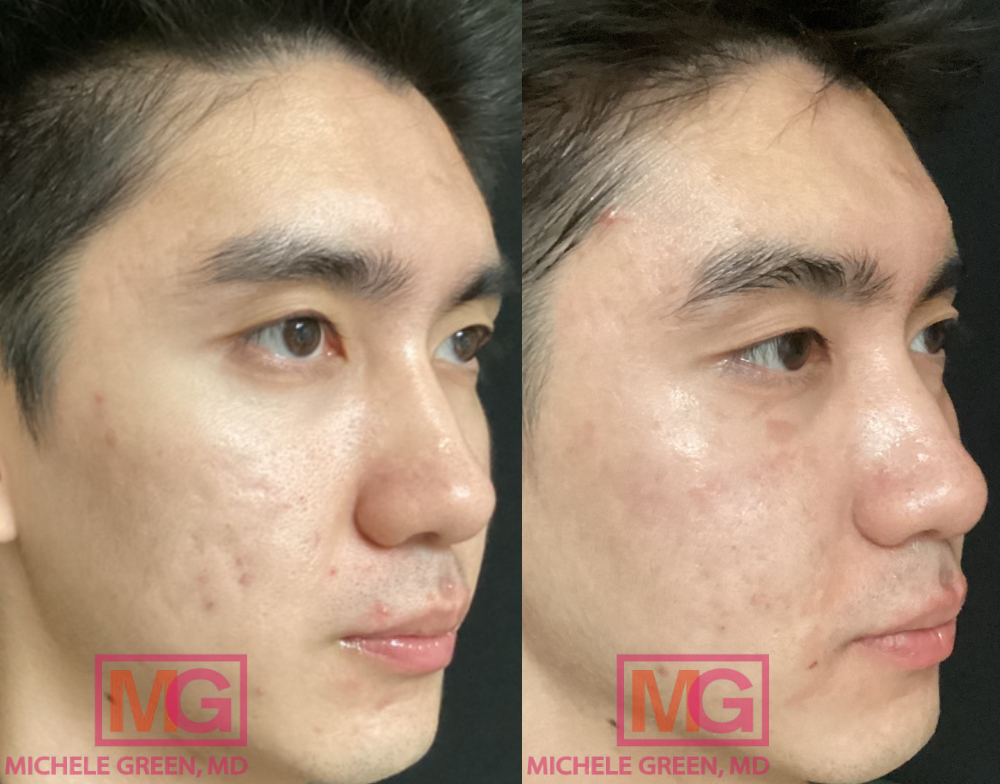
The two types of acne scars are atrophic or hypertrophic. Atrophic scars are indentations or depressions in the skin caused by insufficient collagen production during wound healing. The three types of atrophic acne scars are rolling, boxcar, and ice-pick scars. Rolling scars are shallow and uneven, giving the skin a “rolling” appearance. Boxcar scars have well-defined edges, vertical sides, and are round or oval. Ice-pick scars are pitted, narrow, V-shaped indentations that extend deep into the skin. It is very difficult to reduce acne pit scars because of their shape and depth.
Hypertrophic scars are firm, raised scars that develop due to excessive collagen production during wound healing. Hypertrophic scars do not grow larger than the initial wound. Keloid scars are thick, raised scars that extend beyond the boundaries of the original wound. While hypertrophic scars may shrink on their own, keloid scars will not flatten without treatment.
Post-inflammatory hyperpigmentation (PIH) refers to dark spots that persist after an acne lesion or other inflammatory skin condition. During the skin’s natural healing process, some cells involved may also produce melanin, causing discoloration. Depending on skin tone, PIH spots can be brown, red, pink, purple, or black. PIH is not true acne scarring and may gradually fade over time.
When does acne scarring occur?
Acne scars form when the skin produces too little or too much collagen during healing. Because healing can be slow, acne scars usually develop one to two months after the original acne lesion has cleared. Post-inflammatory hyperpigmentation (PIH) marks can appear quickly as the acne and skin heal. PIH may appear red during healing and turn brown over time.
What prevents acne scars?
The best way to prevent acne scars from forming is to treat breakouts with a board-certified dermatologist like Dr. Green as soon as they appear. Acne breakouts are usually easier to treat than scars, and early action is key to reducing the chance of future scarring. During your first visit with Dr. Green at her private NYC dermatology practice, she will evaluate your breakouts to identify their type and severity. She might also order blood tests to check for hormonal imbalances or conditions that could be causing or worsening acne. Treatment generally includes a mix of in-office procedures, oral medications, and topical prescriptions. Dr. Green will develop a personalized treatment plan tailored to your specific acne and skin issues to address current breakouts and prevent new ones, aiming for a smooth, clear, healthy complexion.
Acne treatments to treat breakouts and prevent acne scars
Acne Surgery
Acne surgery effectively targets painful inflammatory lesions such as pustules, papules, and cysts by opening them to extract dead skin cells, sebum, and debris from the pores. A steroid injection is then administered to decrease inflammation, promote healing, and reduce scarring. For larger cysts, drainage must be performed prior to corticosteroid injection. With no downtime involved, acne surgery is an excellent choice for reducing breakouts.
VBeam Laser
The VBeam laser is a non-invasive pulsed-dye laser therapy effective for treating acne and pigmented scars. Operating at 595nm, it targets red pigmentation, reduces inflammation, and kills acne-causing bacteria. In addition to acne, this laser also treats broken capillaries, rosacea, telangiectasias, red stretch marks, and post-inflammatory hyperpigmentation. The procedure requires no downtime so that patients can resume their daily activities immediately. Multiple sessions are usually recommended, spaced about a month apart, to achieve the best cosmetic results.
Chemical Peels
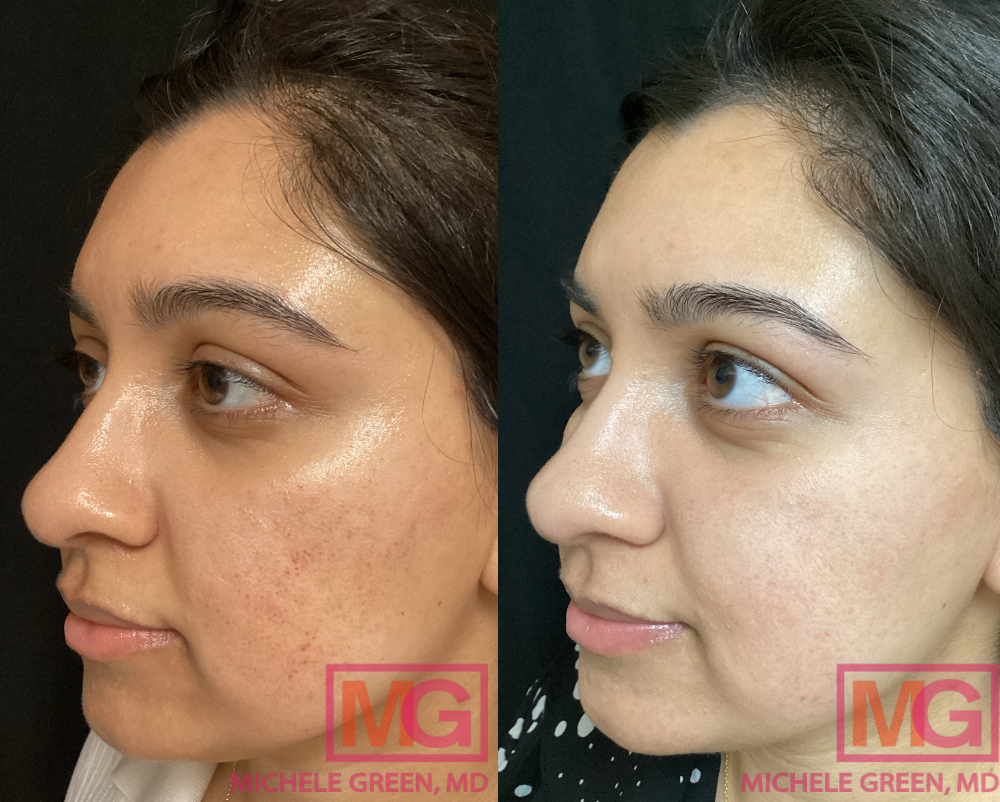
Chemical peels gently remove dead skin, debris, and excess oil from clogged pores. Dr. Green often uses trichloroacetic acid (TCA) in chemical peels to treat acne, as it promotes faster skin cell renewal and helps keep pores clear. Additionally, TCA peels can target and eliminate acne-causing bacteria, lowering the risk of breakouts from acne vulgaris. Depending on the type and severity of your acne, Dr. Green may recommend 4 to 6 chemical peel sessions. TCA peels are not recommended for patients with darker skin tones due to increased risk of hyperpigmentation, hypopigmentation, or scarring after treatment.
HydraFacials
A HydraFacial is a multi-step treatment that utilizes vortex technology to cleanse, exfoliate, and nourish the skin. The first step gently removes impurities from the top layer of skin. The second step employs salicylic acid and glycolic acid to exfoliate and eliminate dirt, excess oil, and dead skin cells from clogged pores. The final step combines hyaluronic acid and peptides to hydrate and soothe the skin. This treatment can be customized with targeted boosters to address specific skin concerns, such as acne, aging, and pigmentation. Two effective boosters for acne-prone skin are the Murad Clarifying Booster and the ZO Rozatrol Booster. The Murad Clarifying Booster contains salicylic acid and green tea extract to cleanse and calm the skin. The ZO Rozatrol Booster includes lactose and rosa canina extract to reduce inflammation and redness. Red LED therapy can further diminish redness, and blue LED light kills the bacteria that cause acne.
Oral Medications
Oral antibiotics are often prescribed to treat moderate to severe acne vulgaris outbreaks. Antibiotics help reduce the number of acne-causing bacteria on the skin’s surface and clear up acne lesions. Common antibiotics used for acne include tetracyclines such as Doxycycline or Minocycline.
Women experiencing acne can benefit from Spironolactone, an oral medication that regulates androgen hormones, such as testosterone, to reduce sebum production and control breakouts. Spironolactone is particularly effective in patients with PCOS. Women can also take oral contraceptives for acne treatment. The three FDA-approved birth control pills for acne are Yaz, Ortho Tri-Cyclen, and Estrostep.
Accutane (oral isotretinoin) provides a long-term solution for individuals with moderate to severe acne or acne that doesn’t respond to other treatments. Isotretinoin works by decreasing sebum production, increasing skin cell turnover, and eliminating bacteria that cause acne on the skin’s surface. The usual course of Accutane lasts around 20 weeks, though some patients may need an extra month depending on their response. Accutane offers a lasting solution for acne, with over 95% of patients experiencing no breakouts after completing the treatment. The remaining 5% who have some breakouts can either take another round of Accutane or manage them with other oral or topical treatments. The most common side effects include dry skin, lips, and eyes. During treatment, patients must attend monthly visits and blood tests with a board-certified dermatologist. Accutane can cause severe congenital disabilities if taken during pregnancy; therefore, those who could become pregnant must have two negative pregnancy tests before starting Accutane and agree to either abstain from sex or use two forms of birth control throughout treatment.
Topical Prescriptions
Topical retinoids are vitamin A derivatives that help accelerate skin cell turnover to clear pore buildup and exfoliate the skin. They come in various concentrations and formulations. Common retinoids include Tretinoin, Differin (Adapalene), and Tazarotene. When using a retinoid, it is important to wear proper sun protection, as it increases skin photosensitivity. Topical antibiotics such as Clindamycin and Erythromycin are also often prescribed to manage acne breakouts. Topical antibiotics help eradicate the bacteria that cause acne and reduce inflammation. Winlevi is a topical treatment containing Clascoterone, an androgen inhibitor that blocks the skin’s production of excess oil. By preventing excess sebum, Winlevi helps keep pores clear and treats active acne. It is suitable for both males and females aged twelve and older.
What to put on acne to prevent scarring?
There are various topical products you can use at home to prevent acne scars. In addition to prescription treatments, many over-the-counter products contain active ingredients that help fight acne, reduce breakouts, and prevent scarring. Using a skincare routine suited for acne-prone skin is essential for preventing breakouts. Dr. Green’s proprietary skincare line, MGSKINLABS, offers a wide range of skincare products formulated to address different skin concerns, including acne. When you see Dr. Green, she will evaluate your skin type to develop a personalized skincare plan to help you achieve clear skin.
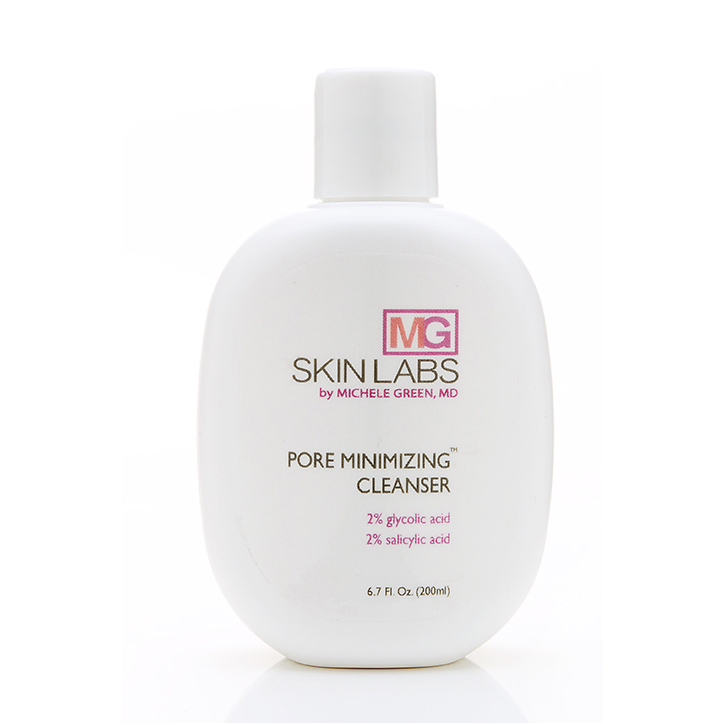
A cleanser is a vital part of any acne skincare routine because it removes excess oil, dead skin cells, and dirt that can clog pores and cause breakouts. Effective acne cleansers often contain salicylic and glycolic acids, two hydroxy acids that help break down pore buildup and provide a deep clean. The Pore Minimizing Cleanser from MGSKINLABS includes both acids to extract impurities deep within the skin and clear out pores. The Retexturizing Pads from MGSKINLABS also contain glycolic and salicylic acids to cleanse the skin and soften skin texture.
When patients notice a pimple forming, they can apply a spot treatment to dry out the lesion and kill acne-causing bacteria. The Acne Spot Treatment contains 5% benzoyl peroxide to eliminate bacteria, dry out acne lesions, and reduce inflammation. It’s important to use the spot treatment once daily on inflamed breakouts to help kill bacteria and to limit its use to once a day to prevent skin irritation, as these active ingredients can be drying and irritating.
It is vital always to apply a moisturizer to keep the skin hydrated and protect its natural moisture barrier. Using an oil-free, non-comedogenic moisturizer is crucial to prevent clogged pores and breakouts. The Ultimately Sheer Lotion from MGSKINLABS contains glycerin and the lipid squalene to hydrate the skin, as well as green tea extract to soothe inflamed skin.
Lastly, patients should always wear sunscreen to protect against harmful UV rays. For optimal sun protection, patients should choose a broad-spectrum sunscreen with an SPF of 50. MGSKINLAB’s Hydrating SPF 50 contains zinc oxide to form a barrier against UV rays and hyaluronic acid to nourish the skin.
Why does my acne keep scarring despite using topical treatments?
If you’re still dealing with breakouts and scarring, the topical products you’re using might not be suitable for your specific type of acne. Cystic acne forms deep beneath the skin’s surface, and these lesions often do not respond well to topical treatments because the ingredients cannot penetrate deeply enough. Cystic acne typically requires oral medications or surgery to remove the cyst contents, reduce inflammation, eliminate trapped bacteria, and prevent scarring. When you see Dr. Green, she will evaluate your acne type and develop a personalized treatment plan to manage it and minimize scarring effectively.
Which acne scars will go away?
Most acne scars do not heal on their own. They are a visible sign of permanent skin tissue damage resulting from acne-related inflammation. Once tissue is damaged, the skin cannot fully repair the wound. Reducing the appearance of acne scars can often be more difficult than treating an active acne breakout; therefore, it is important to address acne lesions promptly. However, the appearance of acne scars can be significantly minimized with cosmetic procedures and targeted topical treatments. Dr. Green offers various non-invasive cosmetic options to help improve their look, including resurfacing lasers, dermal fillers, microneedling, chemical peels, and cortisone injections.
How to reduce acne scars on the face with a board-certified dermatologist
VBeam Laser
The VBeam laser is a great option for treating active acne and post-inflammatory hyperpigmentation from previous breakouts. It reduces red acne marks and various shades of red pigment in the skin, including those caused by hyperpigmentation, vascular lesions, broken capillaries, stretch marks, rosacea, and active breakouts. Patients appreciate the minimal downtime, which allows them to resume daily activities and schedule follow-up treatments with ease. Usually, patients need 4 to 6 VBeam sessions, spaced about four weeks apart, to reduce the appearance of scars or active breakouts.
Fraxel Laser
The Fraxel laser is a resurfacing device that uses fractional energy to renew the skin. It has two settings: a 1550nm mode for treating acne scars, fine lines, wrinkles, enlarged pores, and uneven skin texture, and a 1927nm mode for addressing sun damage and pigmentation. When using the 1550nm setting, fractional energy penetrates deep into the dermis to boost collagen production and smooth out acne scars. Recovery time is minimal, with patients experiencing mild redness for up to 48 hours. Most patients need 3 to 5 treatments, spaced one month apart, to see optimal results. Fraxel is not recommended for darker skin tones due to the risk of adverse side effects.
Clear + Brilliant
Often called a “mini-Fraxel,” the Clear + Brilliant laser is a non-invasive fractional laser that treats fine lines, wrinkles, mild acne scars, sun damage, pigmentation, and enlarged pores. It uses fractionated laser technology to create millions of tiny treatment zones, stimulating new collagen growth and replacing damaged skin. Unlike the Fraxel laser, there is no downtime after treatment. Patients typically need 4 to 6 sessions to see the best results.
eMatrix Laser
The eMatrix laser is a unique resurfacing device that uses bipolar radiofrequency (RF) energy to heat the inner layers of the skin. Each laser pulse delivers RF energy to stimulate the skin’s wound-healing response and promote new collagen production. Over time, the new collagen creates smoother skin, reducing the appearance of acne scars. After treatment, patients will experience mild redness in the treated area for 48 hours. Patients typically undergo 3 to 5 treatments to achieve the desired improvement in the appearance of their acne scars. eMatrix is a “color-blind” laser, meaning it is a safe and effective treatment for patients of all skin tones, including darker skin tones.
Subcision with dermal fillers
Subcision is a cosmetic treatment for depressed acne scars. During the procedure, a small needle or cannula is inserted into the skin to break the fibrous strands connecting the skin’s surface to the scar tissue underneath. Once these fibrous bands are broken, the skin is encouraged to produce new collagen and elastic fibers, aiding in a smoother, more even texture. Dr. Green combines subcision with dermal fillers to restore volume and improve the appearance of acne scars.
The most common dermal fillers used with subcision are Juvederm, Restylane, and Sculptra. Juvederm and Restylane are hyaluronic acid fillers that offer immediate volume in the treated area. Their effects can last from 6 to 12 months, depending on the specific filler. Sculptra is a unique filler that contains poly-L-lactic acid (PLLA) to stimulate new collagen production. After an initial series of injections, Sculptra results can last up to 2 years.
Microneedling
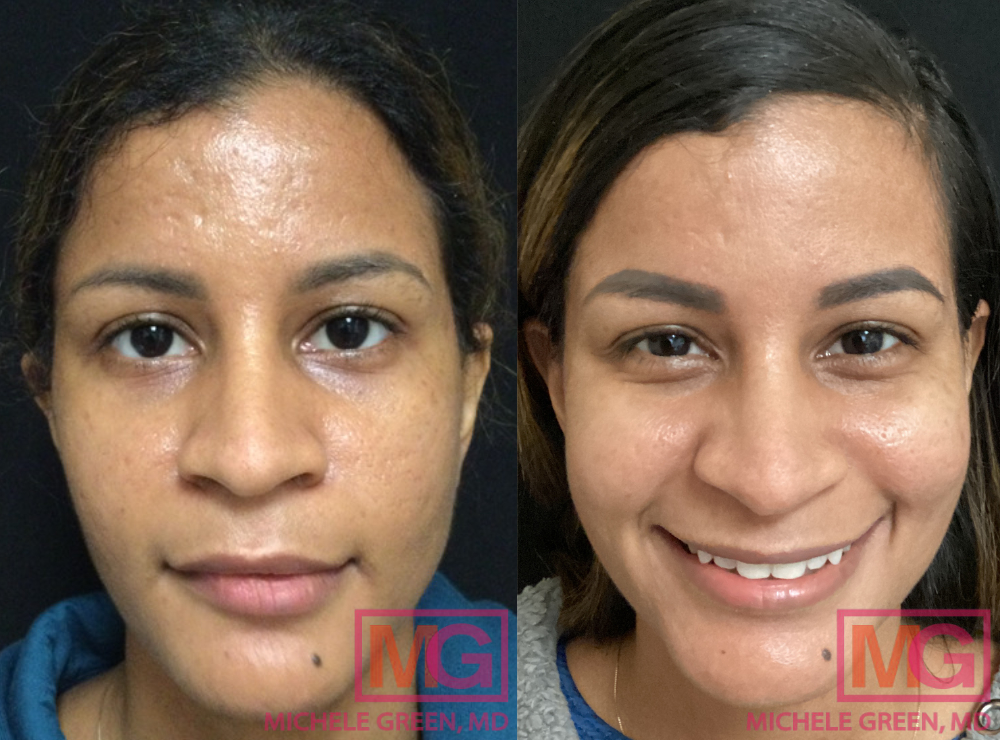
Microneedling, also known as collagen induction therapy, is a minimally invasive procedure used to treat mild acne scars, fine lines and wrinkles, enlarged pores, and uneven skin texture and tone. It employs tiny, surgical-grade needles to create microscopic wounds in the skin, stimulating the healing process and promoting the production of new collagen to smooth the skin. Microneedling is an excellent option for patients looking to reduce acne scars and pore size. Patients typically need at least 3 treatments, spaced 4 weeks apart, for the best results.
Microneedling creates microchannels in the skin that enhance the absorption of topically applied products, enabling customized procedures. Patients with post-inflammatory hyperpigmentation can use a specialized depigmentation serum to reduce dark marks and even out skin tone. They can also add platelet-rich plasma (PRP) to enhance and speed up the benefits of microneedling. PRP is derived from the patient’s own blood and contains growth factors and proteins essential for tissue regeneration and growth.
Vivace RF Microneedling
Vivace radiofrequency (RF) microneedling is an advanced procedure that combines RF energy with microneedling to stimulate collagen growth and improve acne scars and skin texture. It uses a robotic motor to deliver precise, controlled pulses and features gold-tipped, insulated microneedles for a nearly pain-free experience. The microneedling encourages collagen production in the epidermis, while the RF heats the dermis to further enhance collagen synthesis. Multiple treatments, spaced four weeks apart, are recommended to achieve optimal results.
Chemical Peels
A chemical peel is a non-invasive skin resurfacing procedure that can enhance the appearance of acne scars, post-inflammatory hyperpigmentation, and active acne. When applied topically, trichloroacetic acid (TCA) peels promote faster skin cell renewal, boost collagen production, reduce the visibility of scars, unclog pores, and result in a smoother, more even skin tone. TCA peels vary in strength, and your choice depends on your skin type, tone, and specific concerns. Most patients typically require several treatments, spaced three to four weeks apart, to achieve optimal results in reducing acne scars.
Mesopeels
Mesopeels are chemical peels formulated to target discoloration and pigmentation issues, including post-inflammatory hyperpigmentation. They contain exfoliating and skin-lightening agents such as tranexamic acid, azelaic acid, and kojic acid, which help reduce pigmentation, regulate melanocyte activity, and enhance skin surface renewal. Suitable and safe for all skin types and tones, including darker skin tones, Mesopeels are mild enough for use on various body areas, such as the face, chest, back, and inner thighs. Typically, achieving a significant reduction in hyperpigmentation requires four to six sessions, spaced one month apart.
Microdermabrasion
Microdermabrasion employs a special handpiece to gently remove the outermost layer of skin, clearing away impurities and dead cells to encourage the growth of healthy new skin. Crystal microdermabrasion uses a handpiece that sprays tiny crystals, usually aluminum oxide or sodium bicarbonate, to softly exfoliate the skin’s surface. Diamond microdermabrasion, on the other hand, uses a diamond-tipped tool directly applied to the skin to exfoliate the superficial layers. Many patients prefer microdermabrasion over dermabrasion because it has minimal downtime.
Intralesional Cortisone Injections for Hypertrophic Scars
Intralesional cortisone injections are the primary method for removing hypertrophic or keloid scars from old acne. These injections are given directly into the affected area to reduce scar size without causing systemic side effects. Small doses of corticosteroids help reduce the length and thickness of hypertrophic and keloid scars, improving their appearance and making them smaller and flatter.
Why aren’t my acne scars going away after treatment?
Acne scars are permanent because the inflammation from the acne lesion or breakout causes irreversible damage to the underlying tissue. Depressed acne scars form when there isn’t enough collagen produced during the healing process, and many acne scar treatments work by restoring lost collagen. However, as we age, we continue to lose and break down collagen, making scars more noticeable even after treatment. Although acne scars are permanent, treatments can significantly reduce their appearance. Most patients undergo maintenance sessions as needed to maintain their results and keep their skin smooth. During your consultation with Dr. Green, she will develop a treatment plan to help you preserve your results and achieve lasting, clear, smooth skin.
How to reduce acne scars fast
Unfortunately, no treatment can reduce acne marks fast. Acne scars result from permanent tissue damage caused by inflammation related to acne lesions. In-office treatments like resurfacing lasers, microneedling, and chemical peels can help lessen their appearance; however, these procedures smooth acne scars by encouraging new collagen production, which takes time. Subcision with hyaluronic acid dermal fillers such as Juvederm and Restylane can offer immediate volume to depressed acne scars, but not all patients are candidates for this procedure. It’s essential to choose the most suitable treatment for your specific scars and skin type, no matter how fast or slow the process is. When you consult with Dr. Green, she will assess your acne scars and recommend the best treatment or combination of treatments to smooth your skin and improve their appearance.
How to reduce red acne scars naturally
While some natural remedies can help reduce inflammation or redness associated with acne scars, no natural ingredient can deeply penetrate the epidermis or dermis to directly affect skin cells. Although scientific evidence on these remedies is limited, common options include aloe vera and rosehip oil, both known for their anti-inflammatory effects that may lessen redness and swelling. It’s important to remember that “natural” does not automatically mean safe for everyone. Natural ingredients can sometimes irritate, especially for people with eczema, rosacea, or psoriasis. If you’re interested in natural remedies for acne scars, it’s best to do a patch test first to check for any reactions. When unsure which products to pick, consulting a board-certified dermatologist like Dr. Green can help you create a personalized skincare plan suited to your scars and overall skin health.
How to prevent pimple scarring after popping
Although it might be tempting to pop a cyst, you should avoid doing so because it can lead to complications. Cystic acne forms deep within the skin, preventing the lesion from surfacing and making manual extraction (popping) difficult. Trying to pop cystic acne can cause inflammation, permanent skin damage, and scars that are often harder to treat than the acne itself. Additionally, popping a cyst can introduce infections and increase the risk of cystic acne scars. The best way to prevent a pimple from scarring is to consult a board-certified dermatologist, such as Dr. Michele Green in New York City, as soon as it occurs to create a personalized treatment plan that includes prescription medications and in-office procedures to clear your skin. If you’ve already popped a pimple, it’s best to keep the area covered and hydrated to reduce the risk of scarring.
Who can treat acne scars?
A board-certified dermatologist can perform acne scar removal treatments, though many estheticians also do so at MedSpas. However, it is not recommended to have these treatments done at a MedSpa, as untrained or inexperienced professionals can cause hyperpigmentation, hypopigmentation, or worse scarring. There are various treatment options, and it’s important to see a provider with the knowledge and experience to select the right treatments for your specific skin type and tone. Dr. Michele Green, based in New York, is a board-certified dermatologist with over 25 years of experience providing men and women worldwide with the best non-invasive acne scar treatment options that target post-inflammatory hyperpigmentation, atrophic scars, or hypertrophic scars. When you consult with Dr. Green, you will have the opportunity to develop a personalized treatment plan for your acne scars that includes options best suited to address your specific concerns and scars, resulting in optimal cosmetic results.
What to do to prevent acne scars today
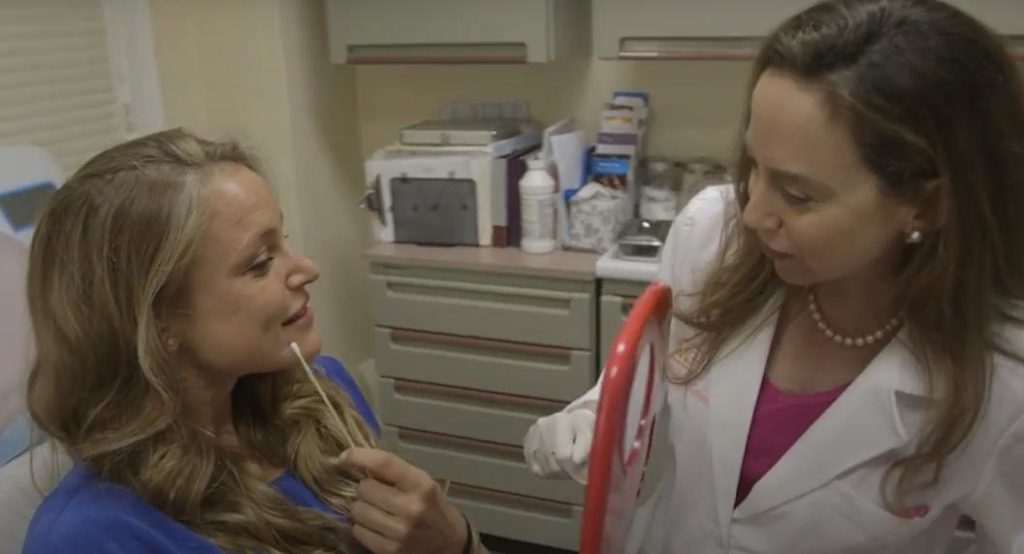
Acne scars are indentations or bumps on the skin caused by inflammation from acne lesions. While harmless, these scars can serve as painful reminders of past breakouts. The best way to prevent acne scars is to treat active acne promptly. In-office treatments, oral medications, and topical products all help to shrink acne lesions, eliminate bacteria that cause acne, and reduce inflammation, thereby decreasing the risk of scarring. It is also best not to pick or pop pimples, as this can worsen inflammation and lead to scarring. Once the acne is under control, Dr. Green can perform various cosmetic procedures, including resurfacing lasers, microneedling, chemical peels, subcision with dermal filler, and cortisone injections, to improve the appearance of remaining scars and promote clearer, smoother skin. Whether you’re dealing with active acne or scars, Dr. Green is here to help.
Dr. Michele Green is a highly respected, board-certified dermatologist with over 25 years of experience helping some of the world’s most discerning individuals. She offers top treatment options for active acne breakouts and residual scars. Thanks to her dedication and expertise, Dr. Green is repeatedly recognized by Castle Connolly, Super Doctors, New York Magazine, and The New York Times as one of NYC’s leading dermatologists. She adopts a holistic approach to acne treatment, tailoring each patient’s plan with a combination of skincare products, in-office procedures, topical treatments, and oral medications customized to individual needs and goals. To learn more about treating acne breakouts and preventing acne scars, please contact us online or call our dermatology office in New York City at 212-535-3088 to schedule a consultation with Dr. Green today.


