


What Causes Hyperpigmentation?
Hyperpigmentation refers to any spots or patches on the skin that are darker than the surrounding skin. It can appear as freckles, sun spots, melasma, or post-inflammatory hyperpigmentation. Although hyperpigmentation is benign, its appearance can be frustrating and significantly affect self-image and confidence. Understanding the cause of hyperpigmentation is essential to improving its appearance, as treatment often depends on the type and cause. With guidance, patients can learn more about the causes of their hyperpigmentation, how to treat it, and how to prevent it from worsening or recurring after treatment.
Hyperpigmentation results from an overproduction of melanin by melanocytes. The most common cause is sun exposure, as UV rays stimulate melanocytes to produce melanin. Hormonal fluctuations can also cause hyperpigmented skin patches. Melasma is a chronic skin condition characterized by brown or gray-brown patches, primarily on the face. While the exact cause of melasma is unknown, triggers include sun exposure and hormonal changes in estrogen and progesterone, particularly during puberty, pregnancy, and while taking oral contraceptives or hormone replacement therapy. Insulin resistance due to diabetes or PCOS can also cause hyperpigmentation, as elevated insulin levels can promote rapid skin cell growth and darkening. Skin inflammation, such as acne vulgaris, eczema, psoriasis, dermatitis, infections, or burns, can lead to post-inflammatory hyperpigmentation. When you consult with Dr. Green, she will perform a thorough examination of your skin and medical history to determine what may be causing your hyperpigmentation. She will then create a customized treatment plan to help you eliminate your hyperpigmentation and achieve clear, more evenly toned skin that lasts.
Expert, board-certified dermatologist Dr. Michele Green has treated patients at her Upper East Side dermatology office for more than 25 years. Dr. Green uses the most innovative non-invasive procedures to treat hyperpigmentation and melasma, including resurfacing lasers, chemical peels, and microneedling. She has also created a proprietary skincare line, MGSKINLABS, formulated with science-backed ingredients to reduce pigmentation, signs of aging, and acne. She is consistently ranked among NYC’s top dermatologists by Castle Connolly, New York Magazine, Super Doctors, and The New York Times for her expertise and dedication to her patients. When you consult with Dr. Green at her private dermatology practice on Manhattan’s Upper East Side, she will work with you to develop a personalized treatment plan to help you look and feel your best.
What is hyperpigmentation?
Hyperpigmentation is a general term for any patch of discolored skin that is darker than the surrounding area. It can appear on any part of the body, including the face, neck, chest, back, legs, armpits, and intimate areas. Hyperpigmentation occurs when melanocytes (the skin cells that produce melanin) produce excess pigment. The most common cause is sun exposure, as ultraviolet (UV) rays can stimulate melanocytes to produce excess melanin. Other common causes include genetics, certain medications, medical conditions, inflammatory skin issues, and improper laser treatments. Hyperpigmentation can affect people of all ages and skin tones. While it is harmless, many patients seek treatment to lighten discoloration and achieve a more even skin tone.
What are the different types of hyperpigmentation?
The most common types of hyperpigmentation include:
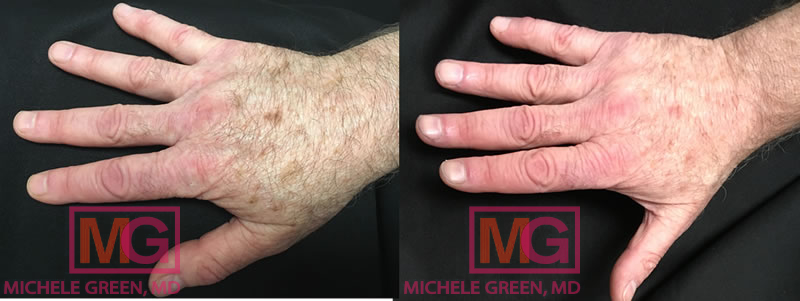
- Freckles and Sun Spots: Freckles, or ephelides, are small brown spots that are usually genetic and appear during childhood. These spots typically become more noticeable in the summer and fade in the winter. Sun spots, also known as solar lentigines, age spots, or liver spots, are flat brown patches that develop from long-term sun exposure. These spots appear on sun-exposed areas such as the face, neck, shoulders, arms, and hands, and do not fade without treatment.
- Melasma: This is a persistent pigmentation disorder characterized by brown or grey-brown patches that are darker than the surrounding skin color. Several factors can trigger its development, including sun exposure, genetics, hormonal changes, and certain medications. It is more common in women due to hormonal fluctuations. Note: Lasers should never be used to treat melasma, as the heat can deepen the pigmentation.
- Post-Inflammatory Hyperpigmentation (PIH): This type of hyperpigmentation occurs after skin inflammation. When the body’s natural healing process starts, skin cells can cause excess melanin production in the affected area. Any inflammatory skin condition (acne, eczema, psoriasis, burns, infections) or improper laser treatments can lead to PIH. Although it will fade over time, it may take months or years to disappear completely.
What can cause hyperpigmentation?
The most common cause of hyperpigmentation is sun exposure. When UV rays reach the skin, they trigger melanocytes to produce melanin. Genetics also plays a major role in hyperpigmentation. Melasma, marked by dark patches on the skin, is often seen in multiple family members or across generations. Some patients may have sensitive or hyperreactive melanocytes that overproduce melanin in response to any sun exposure or inflammation.
Additionally, patients with darker skin tones are often more vulnerable because of higher melanin levels. Inflammatory skin conditions such as eczema, psoriasis, acne, or folliculitis, as well as ingrown hairs, can all cause hyperpigmentation. Using incorrect laser settings or an unsuitable laser for a specific skin tone can cause post-inflammatory hyperpigmentation in the treated area. Other factors that increase the risk of hyperpigmentation include hormonal changes, certain medications, and medical conditions.
What hormone causes hyperpigmentation?
Estrogen and progesterone are two hormones commonly linked to hyperpigmentation. Melasma is a very common skin condition in women, often triggered by hormonal changes. Many women experience melasma due to taking birth control pills, hormonal contraceptives, hormone replacement therapy, or pregnancy — all of which increase estrogen and progesterone levels in the body. Patients often notice that their melasma improves or disappears after stopping medications containing estrogen and progesterone or after giving birth.
What medications can cause hyperpigmentation?
Medications containing estrogen and progesterone can lead to the development or worsening of melasma in women. Certain medications can also increase skin photosensitivity, raising the risk of dark patches. Photosensitivity-causing medications include antibiotics like Doxycycline and Minocycline, as well as antipsychotics like Thorazine. When taking these medications, it is important to practice proper sun protection to minimize the risk of hyperpigmentation.
What medical conditions can cause hyperpigmentation?
Medical conditions associated with hormonal imbalances are often linked with increased risk of hyperpigmentation, including:
- Addison’s disease: Characterized by low cortisone and aldosterone production, one symptom is hyperpigmentation, especially in scars or skin creases.
- Polycystic Ovarian Syndrome (PCOS): Characterized by cysts, hormonal imbalances, and insulin resistance. High insulin levels can stimulate rapid skin cell multiplication and darkening, while high androgen levels can trigger melasma.
- Thyroid conditions: Certain thyroid imbalances may be linked to hyperpigmentation due to hormonal changes.
- Inflammatory Skin Conditions: Eczema, psoriasis, and acne trigger the release of cytokines and prostaglandins, stimulating melanocytes. In severe inflammation, melanin may become trapped in the dermis, making treatment more challenging.
What vitamin deficiency causes hyperpigmentation?
Vitamin B12 deficiency can cause hyperpigmentation, typically appearing as darkening in skin creases or on the hands and feet. Vitamin B12 is essential for skin cell regeneration, pigment production, and the reduction of inflammation. B12 supplements can help reverse this hyperpigmentation. Some studies also suggest a link between melasma and deficiencies in B12, iron, and vitamin D, though correcting a deficiency alone is often not enough to fully resolve melasma.
Why am I suddenly getting hyperpigmentation?
Hyperpigmentation can result from a variety of factors, including prolonged sun exposure, hormonal medications, pregnancy, or inflammatory conditions like eczema, psoriasis, or acne lesions. If you notice new hyperpigmentation, it is best to consult an experienced, board-certified dermatologist, as identifying the type is key to choosing the most effective treatment. Seeing a dermatologist early reduces the likelihood that the pigmentation will become deeply rooted.
How is hyperpigmentation treated?
There are different treatment options for various types of hyperpigmentation. The chosen treatment must match your specific type because using an incorrect approach can worsen the condition. For example, laser therapy for melasma may push pigmentation deeper into the skin, making it harder to treat. Therefore, it’s important to consult an experienced, board-certified dermatologist, such as Dr. Michele Green, for treatment of hyperpigmentation. During your visit, Dr. Green will assess your hyperpigmentation, medical and cosmetic history, skin type, and skin tone to identify your specific type and create an individualized treatment plan, which might include laser therapies, chemical peels, microneedling, HydraFacials, microdermabrasion, or topical products to lighten the pigmentation. Often, a tailored combination of in-office treatments and skincare products provides the best chance for clear, radiant, and lasting skin.
Fraxel Dual Laser for sun damage and pigmentation
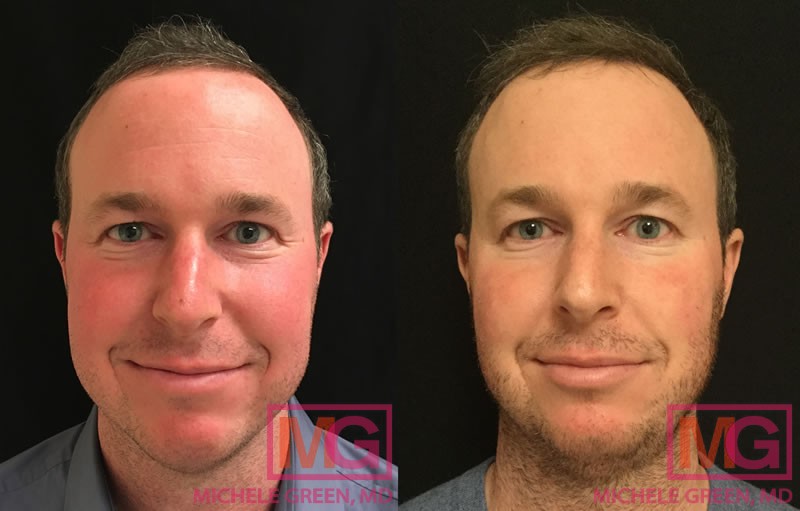
The Fraxel Dual laser is a unique resurfacing device that improves skin texture and tone. It operates at two wavelengths: 1927nm to target pigmentation and sun spots, and 1550nm to address fine lines, wrinkles, acne scars, and uneven skin texture. This laser delivers fractionated energy to the dermis, stimulating the body’s wound-healing process and promoting new collagen growth. Using the 1927nm setting, the Fraxel laser targets and destroys melanin in pigmented cells while leaving surrounding skin unaffected. Minimal downtime is required; patients usually experience up to 48 hours of redness and an additional 3-5 days of mild peeling, similar to a ‘rough sandpaper’ texture. Most patients need a series of treatments spaced about a month apart to achieve optimal results. Fraxel is not suitable for patients with Fitzpatrick skin type IV or higher due to an increased risk of post-treatment hyperpigmentation.
Clear + Brilliant Laser
The Clear + Brilliant laser is often called the “mini-Fraxel” because it can target facial hyperpigmentation, fine lines, mild acne scars, and uneven skin texture and tone with no downtime. This treatment uses fractionated laser technology to create millions of tiny treatment zones that stimulate new collagen growth and replace damaged skin. The Permea handpiece is specifically designed to target melanin-rich lesions and remove facial pigmentation. The Clear + Brilliant Laser treatment is suitable for all skin types and tones, with no downtime afterward. Patients usually need four to six sessions to help reduce hyperpigmentation.
Alex TriVantage Laser for isolated sun spots
The Candela Alex TriVantage laser is excellent for reducing isolated sunspots, age spots, freckles, or pigmented birthmarks on the skin. During the procedure, it emits light that penetrates the dermis, where it is absorbed by melanin-rich skin cells. The light energy is then transformed into heat, destroying the pigmentation and allowing healthier, lighter skin cells to emerge. Alex TriVantage results typically become visible within 1 to 2 weeks after the procedure. Depending on the darkness of the sunspot, patients may require one or more treatments to eliminate the discoloration and unwanted pigmentation. If a second treatment is necessary, a one-month interval is needed for complete healing between sessions.
VBeam laser for redness and post-inflammatory hyperpigmentation
The VBeam laser is a pulsed dye laser designed to diminish red skin pigmentations, such as facial redness, visible blood vessels, red acne scars, red stretch marks, and red or pink post-inflammatory hyperpigmentation. It emits light at 595nm to target and eliminate red pigmentation while sparing surrounding skin. The device also features a built-in cooling system that sprays a brief burst of cryogen before each pulse, protecting the skin and enhancing patient comfort. There are no significant side effects or downtime, allowing patients to resume their daily routines immediately afterward. Typically, a series of 4 to 6 VBeam sessions, spaced about 4 weeks apart, is needed to achieve the desired cosmetic outcome.
Cosmelan peel for melasma
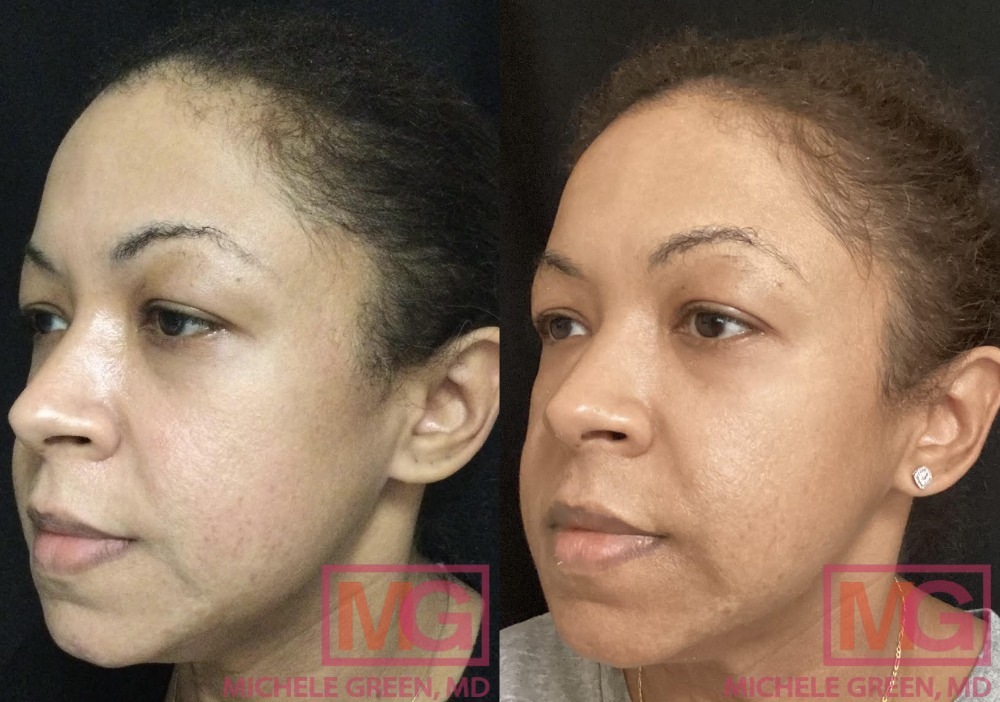
The Cosmelan peel is a professional-grade treatment that Dr. Green frequently uses to target melasma and persistent moderate-to-severe hyperpigmentation. It works through multiple mechanisms to reduce pigmentation. It decreases melanin production—which causes skin pigmentation—in melanocytes (the skin cells that produce melanin) by inhibiting the tyrosinase enzyme. It also blocks the transfer of melanin from melanocytes to keratinocytes, preventing pigment from moving to the outer skin layer. In the initial step, Dr. Green applies the Cosmelan 1 mask to the skin, which is worn for several hours depending on your skin tone and the severity of hyperpigmentation. Afterward, a strict regimen of specially formulated creams must be followed to reduce hyperpigmentation or melasma. These creams include Cosmelan 2 depigmentation cream, Melan Recovery moisturizer, and Melan 130 Pigment Control sunscreen. Dr. Green schedules a follow-up appointment in 4 weeks to monitor progress, and she may reapply the mask to specific areas of the face if needed. Patients then follow their prescribed skincare routine for several months to maintain and improve their results. Many patients report excellent outcomes from the Cosmelan peel, and for many, it is the only effective solution for treating their melasma.
Mesopeels for facial and body hyperpigmentation
Mesopeels are specialized chemical peels crafted to address various types of hyperpigmentation, lighten dark spots, and decrease melanocyte activity. They gently and effectively reduce skin discoloration and dark spots. Besides the face, mesopeels work well on delicate areas like the axillae (armpits), groin, inner thighs, and under-eye regions, which are often too sensitive for conventional chemical peels. Their formula contains azelaic acid, resorcinol, phytic acid, and tranexamic acid, all of which are scientifically supported skin-lightening agents. No downtime is needed after a Mesopeel, and most patients require multiple sessions, spaced three to four weeks apart, for the best results.
Dermamelan for intimate hyperpigmentation
The Dermamelan Intimate is a unique cosmetic treatment designed to reduce hyperpigmentation in sensitive intimate areas, including the genital-perineal region, perianal area, mons pubis, groin, buttocks, and inner thighs. The Dermamelan process first involves performing a light chemical peel in the office, followed by application of the Dermamelan mask. The mask is left on the area for two hours, after which it is removed with a gentle cleanser and warm water. Patients are then instructed to use a provided crystal mask at home and start using the Dermalelan Intimate gel two nights later. The gel is used nightly for several weeks or months to reduce discoloration and lighten skin tone.
TCA peels for facial hyperpigmentation
A TCA peel is a chemical treatment that removes the outer layers of skin, speeds up skin cell renewal, and encourages collagen growth to improve skin tone and texture. TCA, or trichloroacetic acid, is applied to stimulate skin cell turnover, boost collagen production, and slough off pigmented dead skin cells to reveal healthier, brighter skin. TCA peels are ideal for enhancing skin tone and texture and can address issues like fine lines, acne scars, active acne, enlarged pores, hyperpigmentation, and other signs of aging. Usually, a series of 3 to 6 peels is recommended, depending on the severity of hyperpigmentation. However, TCA peels are generally not suitable for darker skin tones due to a higher risk of post-peel discoloration and hypopigmentation.
Microneedling with depigmentation serum
Microneedling, also known as collagen induction therapy, is a non-invasive procedure that uses tiny, surgical-grade needles to create microscopic injuries in the skin. The procedure stimulates the body’s natural wound-healing response, producing new collagen and elastin to improve skin tone and texture while reducing the appearance of fine lines, wrinkles, and acne scars. One of the benefits of microneedling is that the microchannels it creates enhance the absorption of topical products. Patients targeting hyperpigmentation on the face can add a special depigmentation serum to their microneedling sessions to address dark spots and lighten the skin. The serum contains a gentle yet effective blend of skin-brightening ingredients that help reduce discoloration and inhibit melanocyte activity. Microneedling with depigmentation serum is safe for all skin types and requires no downtime afterward. Typically, patients need at least three treatments, spaced one month apart, to see improvements in hyperpigmentation.
HydraFacials to reduce facial hyperpigmentation
The HydraFacial is a three-step, medical-grade treatment designed to enhance the skin’s overall appearance and texture. It includes deep cleansing, gentle exfoliation, and intensive nourishment. Using advanced vortex fusion technology, it effectively removes impurities from pores while delivering antioxidants into the skin. A HydraFacial leads to a radiant, healthy glow after just one 30-minute session, with no downtime required. The procedure can be tailored with booster serums to target specific skin concerns, such as hyperpigmentation. The Brighten booster contains antioxidants to lessen dark spots and even out skin tone. The Murad Vita-C booster features vitamin C, glycolic acid, tranexamic acid, and a proprietary RepleniCell compound to brighten the skin.
Which skincare products treat hyperpigmentation?
Skincare products with active skin-lightening ingredients are essential for reducing dark spots and enhancing in-office results. Key ingredients include:
- Hydroquinone is a prescription skin-bleaching agent that reduces excess melanin production and melanocyte activity. It cannot be purchased over the counter and must be obtained through a prescription from a board-certified dermatologist, such as Dr. Michele Green. This medication should not be used long-term and should only be used under a dermatologist’s supervision. Additionally, hydroquinone can increase skin photosensitivity, so proper sun protection is essential to prevent exogenous ochronosis (https://pmc.ncbi.nlm.nih.gov/articles/PMC4681189/).
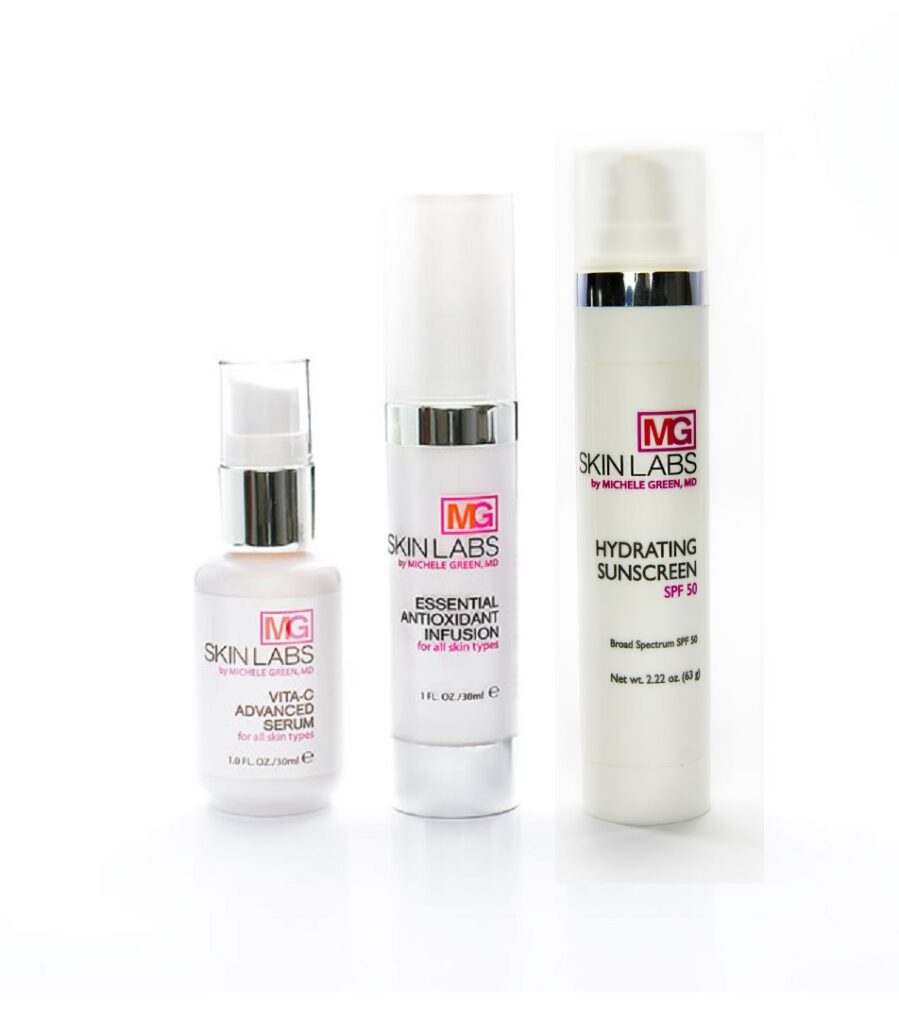
- Retinols and retinoids are vitamin A derivatives that boost collagen production and speed up skin cell turnover, resulting in clearer, brighter skin. Retinol is available in many over-the-counter skincare products, while dermatologists like Dr. Green often prescribe retinoids, such as tretinoin. The Essential Antioxidant Infusion from MGSKINLABS is a retinol that includes vitamin A, along with vitamins C and E, and other essential nutrients to help reduce hyperpigmentation and restore the skin. It’s important to stop using any retinol or retinoid if skin irritation occurs, as continued use can cause skin damage and worsen pigmentation. Additionally, patients should ensure adequate sun protection because retinol and retinoids increase the skin’s sensitivity to sunlight.
- Vitamin C is a powerful antioxidant that shields the skin from harmful UV rays and reduces melanin production, leading to a brighter, more even skin tone. It also aids collagen synthesis, a protein that offers structural support and helps maintain a youthful, supple look. The Vita-C Serum from MGSKINLABS contains a high concentration of vitamin C to brighten hyperpigmentation and promote a clear complexion.
Other important skin-lightening agents include tranexamic acid, azelaic acid, kojic acid, glycolic acid, salicylic acid, and niacinamide. Both tranexamic acid and azelaic acid inhibit tyrosinase, the enzyme responsible for melanin production. Kojic acid, derived from natural sources, also reduces melanin synthesis. Glycolic acid and salicylic acid, as hydroxy acids, accelerate skin cell renewal by exfoliating dead, discolored cells and promoting the growth of healthy new skin that blends more evenly with the surrounding tone. MGSKINLABS’ Skin Brightening Cream contains a unique blend of kojic acid, glycolic acid, lactic acid, and fruit extracts to rejuvenate pigmented skin.
The most important step in treating facial hyperpigmentation is using sunscreen daily. Sunscreen is crucial for preventing hyperpigmentation from getting worse or returning after treatment. It should be broad-spectrum, meaning it guards against both UVA and UVB rays, with an SPF of 50 or higher. Patients need to apply sunscreen every day and reapply every 90 minutes or after water exposure. For optimal protection, it’s best to layer both physical and chemical sunscreens on the skin. Physical sunscreens form a barrier that blocks UV rays, while chemical sunscreens turn UV rays into heat, helping the body to expel them. The Hydrating SPF 50 from MGSKINLABS is a physical sunscreen made with zinc oxide to protect against UV rays, along with hyaluronic acid and lactic acid to hydrate and soften the skin.
Will hyperpigmentation go away on its own?
Some types of hyperpigmentation will fade over time without treatment, while others may not resolve on their own. Post-inflammatory hyperpigmentation (PIH) is not permanent and will gradually fade, but it can take weeks, months, or even years to fade. Sunspots won’t disappear without treatment and can actually grow larger and merge if exposed to more sun. Melasma won’t go away on its own either, as it’s a chronic skin condition triggered by sun exposure or hormonal imbalances. Over-the-counter topical treatments can help reduce melanin production and shield against UV rays. However, the most effective way to remove hyperpigmentation, especially melasma or stubborn cases, is through non-invasive cosmetic procedures. Dr. Green offers a variety of gentle yet effective treatments to reduce hyperpigmentation and promote clear, radiant skin. If you’re dealing with discoloration, contact Dr. Green today to find out which treatment is best for your skin type, tone, and condition.
How can I prevent hyperpigmentation?
One of the most effective ways to prevent hyperpigmentation is to practice proper sun protection, as dark spots on the skin are often caused by excessive sun exposure. Patients should wear a broad-spectrum SPF 50 daily and reapply every 90 minutes or after water activities. They should also wear sun-protective clothing, such as a wide-brimmed hat, sunglasses, and long-sleeved shirts or pants, to block UV rays. In addition to reducing sun exposure, patients with melasma should also avoid hormonal medications that may increase their risk of developing the condition. The best way to prevent post-inflammatory hyperpigmentation is to address the inflammatory skin issue as soon as it occurs.
Frequently Asked Questions (FAQs) about the causes of hyperpigmentation.
What causes the pigmentation to change on the skin?
Changes in skin pigmentation occur when melanocytes are stimulated or damaged. Hyperpigmentation is the most common type of pigmentation change, characterized by darker spots or patches on the skin. Sun exposure, hormonal changes, or inflammation can trigger hyperpigmentation. Hypopigmentation is characterized by spots or patches of skin that are lighter than the surrounding skin color. Hypopigmentation can occur when melanocytes are damaged or destroyed, leading to a loss of pigment in the affected area.
What triggers hyperpigmentation?
The biggest trigger for hyperpigmentation is UV rays from the sun. When UV rays penetrate the skin, they hit melanocytes and stimulate melanin production. Hyperpigmentation in the form of dark spots on sun-exposed areas is often a sign of cumulative sun exposure over the years. Increased estrogen and progesterone, especially while pregnant or when taking oral contraceptives or hormone replacement therapy, can trigger melasma. Any type of skin inflammation, including acne, eczema, psoriasis, burns, ingrown hairs, folliculitis, rashes, or skin infections, can result in post-inflammatory hyperpigmentation.
Why do I get hyperpigmentation so easily?
Genetics, skin tone, and hormones all play a role. Patients with darker skin tones naturally have higher melanin levels, making them more prone to hyperpigmentation. Women also experience it more frequently due to hormonal fluctuations.
What causes hyperpigmentation around the eyes?
Dark spots around the eyes are typically caused by sun exposure. However, general “dark circles” are often not true hyperpigmentation; they result from thin skin revealing blood vessels, collagen loss due to aging, chronic stress, or inadequate sleep.
What causes hyperpigmentation on the legs?
Leg hyperpigmentation is usually a sign of excessive cumulative sun exposure, leading to sun spots. A board-certified dermatologist should assess any new dark spots to rule out skin cancer. Hyperpigmentation between the thighs is often caused by friction from exercise, walking, tight clothing, or weight gain, which can lead to inflammation and PIH. Shaving, waxing, and hormonal conditions such as PCOS can also increase pigmentation in this area.
What causes hyperpigmentation on the neck?
The neck is often exposed to the sun, which can lead to sunspots. Darkening on the neck can also be a sign of insulin resistance (often seen in diabetes or PCOS), inflammatory skin conditions, or friction from tight clothing and jewelry.
What causes hyperpigmentation on the armpits?
Armpit darkening is typically caused by friction from tight clothing or irritation from deodorants and hair removal methods (shaving, waxing). Hormonal changes can also lead to skin darkening in the underarms.
What causes hyperpigmentation on the lips and mouth?
The most common cause is melasma, which frequently appears as a shadow on the upper lip known as a “melasma mustache.” Unprotected sun exposure can also cause sun spots on the lip area. Dark spots around the mouth often result from sun exposure or hormonal changes. Acne, dermatitis, lip licking, and irritation from skincare products or toothpaste can also trigger post-inflammatory hyperpigmentation.
What causes hyperpigmentation in private areas?
Darkening in the vulva, groin, and perianal regions is often due to hormonal shifts (pregnancy, menopause, contraceptives). Friction from clothing and inflammation from hair removal techniques like waxing or shaving also contribute.
Why is my hyperpigmentation getting darker?
Hyperpigmentation can worsen if proper sun protection is not used. UV rays stimulate melanocytes to overproduce melanin, leading to hyperpigmentation in sun-exposed areas of the skin. Areas that are already hyperpigmented can become darker if the skin is not properly shielded from the sun. Additionally, melanocytes have memory cells, and hyperpigmentation can return even after treatment if the area is not properly protected. Patients should always use a broad-spectrum sunscreen with a minimum SPF of 50, apply it daily, and reapply every 90 minutes or after water activities. Patients should also wear sun-protective clothing, such as a hat, long sleeves or pants, or sunglasses, to physically shield the area from the sun.
How do I get started with hyperpigmentation treatment today?
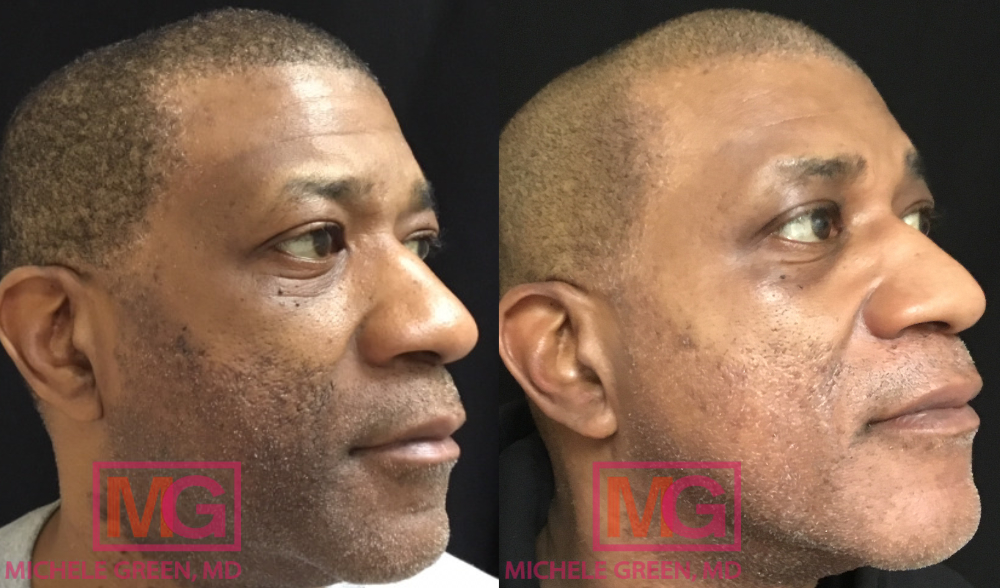
Hyperpigmentation can result from many factors, including sun exposure, hormonal changes, certain medical conditions, and skin inflammation. Understanding the type and cause of your hyperpigmentation is crucial for both preventing it and treating it. Dr. Green in New York City offers a wide range of cosmetic procedures to help reduce all types of hyperpigmentation, including sun spots, melasma, and post-inflammatory hyperpigmentation. When you consult with Dr. Green at her private dermatology office in NYC, she will first assess your skin, family history, and medical history to determine the cause of your hyperpigmentation. She will create a customized treatment plan that combines resurfacing lasers, chemical peels, microneedling, or topical skincare products to lighten your hyperpigmentation and help you achieve a clear, radiant complexion that lasts.
Dr. Michele Green is an internationally renowned, board-certified cosmetic dermatologist with over 25 years of experience treating hyperpigmentation for some of the world’s most discerning clients. She has repeatedly been recognized by organizations such as Castle Connolly, The New York Times, New York Magazine, and Super Doctors for her skill and dedication to patients. Dr. Green takes a holistic approach to cosmetic dermatology, customizing each treatment plan to the patient’s skin type, tone, and concerns. To learn more about why hyperpigmentation occurs and how to treat it, please call our office at 212-535-3088 or contact us online to schedule a consultation today.


