


What Causes Acne?
Acne is one of the most Acne is one of the most common skin conditions worldwide, affecting millions of people of all ages — from teenagers navigating their teen years to adults dealing with unexpected breakouts well into their 30s, 40s, and beyond. This widespread condition, medically known as acne vulgaris, occurs when hair follicles become clogged with sebum, dead skin cells, and bacteria, leading to a variety of blemishes, including pimples, blackheads, whiteheads, and more severe lesions. Whether you’re dealing with occasional flare-ups or persistent cystic acne, understanding what causes acne is the first step toward clearer, healthier skin — and Dr. Michele Green is here to guide you through it.
While acne is often associated with the teenage years, it is far from a condition exclusive to adolescents. Adult acne is increasingly common, and a variety of factors — from hormonal changes and diet to lifestyle habits and stress — can trigger breakouts at any stage of life. The good news is that with the right acne treatment plan tailored to your unique skin type and concerns, acne is highly manageable. As a board-certified dermatologist in NYC, Dr. Michele Green has helped countless patients achieve clearer skin through a combination of proven medical treatments and personalized skincare routines.
Dr. Michele Green is a board-certified dermatologist based in New York City with over two decades of experience treating a wide range of skin conditions, including acne, acne scars, and hormonal breakouts. Known for her individualized approach to skincare, Dr. Green combines the latest in medical dermatology with cutting-edge cosmetic treatments to help her patients look and feel their best. Her expertise spans everything from over-the-counter skincare guidance to advanced in-office procedures, making her one of NYC’s most trusted dermatologists for acne care.
What is acne?
Acne vulgaris is a common skin condition that typically begins in the teenage years but can persist into adulthood for many individuals. This skin disorder arises when the skin’s natural balance is disrupted, leading to increased oil production, shedding of dead skin cells, and the presence of bacteria on the skin’s surface. Acne can affect people of all ages and skin types and present in many forms. Some individuals may experience occasional, mild breakouts that resolve on their own, while others may develop more severe or inflammatory forms, marked by painful cysts or pustules. Several factors contribute to acne development, including hormonal fluctuations, genetic predisposition, and environmental triggers such as humidity, diet, and skincare products. Given the complex interplay between internal body mechanisms and external factors, a deeper understanding of the underlying causes of acne is crucial. This knowledge is key to effectively managing outbreaks and implementing strategies to prevent future flare-ups, promoting healthier, clearer skin over time.
What Are the Different Types of Acne?
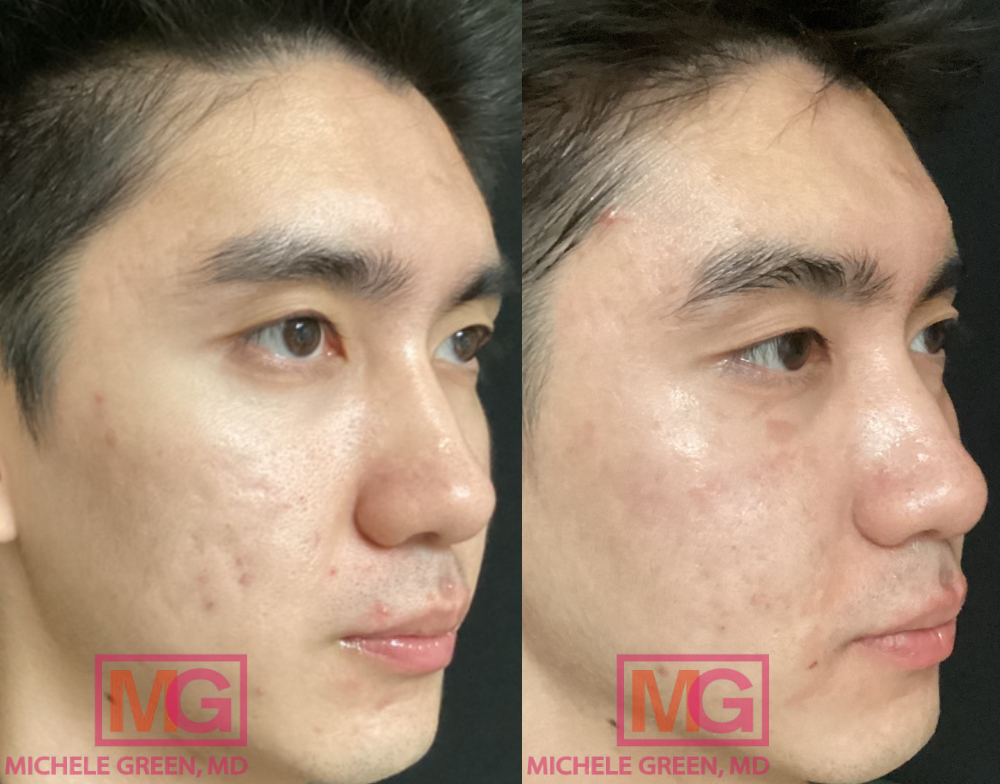
Not all acne looks the same, and understanding the different types can help in choosing the right acne treatment. Comedones are the mildest form and include blackheads (open comedones) and whiteheads (closed comedones), both of which form when pores become blocked with sebum and dead skin cells. Papules and pustules are more inflamed versions that appear as red bumps or pus-filled pimples on the skin’s surface. The most severe forms of acne — nodules and cysts — develop deep within the skin and are more likely to result in acne scars if left untreated. Cystic acne in particular is painful, persistent, and often requires the care of a dermatologist to manage effectively.
What Causes Acne on the Head, Legs, Skin, Face, Mouth, and Body?
Acne can appear virtually anywhere on the body where oil glands and hair follicles are present — including the face, upper back, chest, scalp, and legs. At its core, acne occurs when sebaceous glands produce excess sebum that, combined with dead skin cells, clogs pores. Clogged pores create an environment where acne-causing bacteria can thrive, leading to inflammation and the formation of various types of acne, including papules, pustules, nodules, and cysts. The skin may show non-inflammatory comedones, such as blackheads and whiteheads, or more inflamed, painful lesions, depending on the severity of the condition. Factors such as oily skin, genetics, and non-comedogenic skin care products can worsen breakouts in these areas.
Does Stress Cause Acne?
Stress is one of the most commonly reported triggers for acne flare-ups, and science backs this up. When you’re stressed, your body produces higher levels of androgens and cortisol, hormones that stimulate the sebaceous glands to ramp up oil production. This excess sebum, combined with dead skin cells, clogs pores and sets the stage for breakouts. Managing stress through sleep, exercise, and mindfulness can play a meaningful role in keeping acne at bay, alongside a consistent skincare routine recommended by a board-certified dermatologist, such as Dr. Michele Green.
Can Lifestyle Habits Cause Acne?
Lifestyle habits collectively have a profound impact on your skin’s health. From the foods you eat and the quality of your sleep to how often you exercise and whether you smoke, daily choices either support or undermine your skin’s ability to stay clear and balanced. Using skin care products that are not labeled oil-free or non-comedogenic, failing to remove makeup before bed, or over-washing your face with a harsh cleanser can all disrupt the skin’s natural barrier and contribute to breakouts. Similarly, neglecting to apply sunscreen daily — or using formulas that clog pores — can worsen existing acne and increase the risk of acne scars and long-term skin damage, including skin cancer. Developing mindful, skin-supportive habits is one of the most sustainable ways to manage acne over the long term.
Can Lack of Sleep Cause Acne?
Sleep deprivation is an often-overlooked contributor to acne. When you don’t get enough quality sleep, your body’s stress hormone levels rise, which can stimulate the sebaceous glands and increase oil production. Poor sleep also impairs the skin’s ability to repair itself overnight, leaving it more vulnerable to inflammation and breakouts. Additionally, fatigue can weaken the immune system, making it harder for the body to fight off the bacteria that contribute to acne. Prioritizing seven to nine hours of quality sleep per night is not just good for your overall health — it’s a meaningful part of any effective acne treatment strategy.
Can Poor Diet Cause Acne?
A consistently poor diet can absolutely contribute to acne by promoting inflammation, disrupting hormone levels, and impairing the skin’s natural repair processes. Diets high in processed foods, refined sugars, and dairy have all been linked to increased acne severity in clinical studies. Conversely, diets rich in antioxidants, omega-3 fatty acids, and whole foods tend to support clearer, healthier skin. While diet is rarely the sole cause of acne, it is a meaningful piece of the puzzle — and making thoughtful dietary changes alongside a dermatologist-recommended acne treatment plan can significantly improve your skin over time.
Why Do I Suddenly Have Acne When I Never Had It Before?
Sudden acne as an adult can be jarring, especially if you sailed through your teenage years with relatively clear skin. A number of factors can trigger unexpected breakouts, including hormonal changes related to pregnancy, menstruation, or stopping contraceptives, as well as starting new medications. Certain drugs, such as lithium and steroids, are known to trigger acne as a side effect, and even some supplements can play a role. Changes in your environment, skincare routine, or increased stress levels can also cause a sudden flare-up. If you’re experiencing adult acne that seems to have come out of nowhere, it’s worth consulting a dermatologist to identify the underlying cause and develop a targeted treatment plan.
What Acne Treatments Are Available?
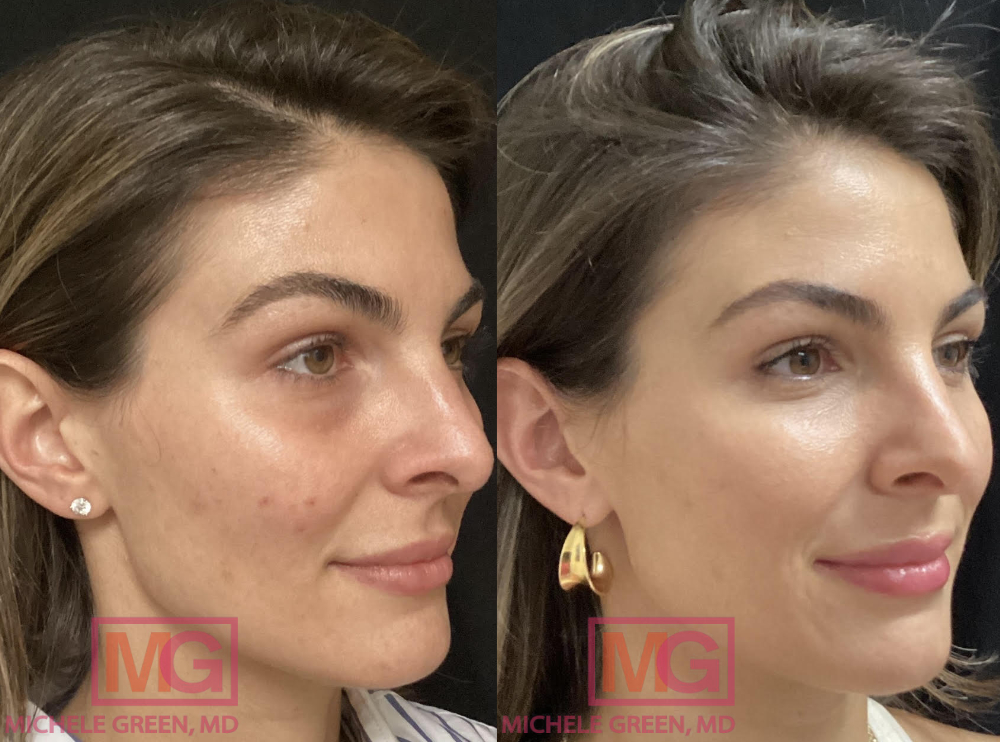
Once acne is properly diagnosed, there is a wide range of effective acne treatments available depending on the type and severity. For mild to moderate acne, over-the-counter options containing salicylic acid or benzoyl peroxide can help clear clogged pores, reduce inflammation, and prevent new blemishes from forming. Prescription treatments such as retinoids, spironolactone, and oral contraceptives are often recommended for hormonal acne, while isotretinoin is reserved for severe acne that has not responded to other therapies. For patients with acne scars or stubborn breakouts, in-office procedures such as chemical peels and microneedling can stimulate collagen production and resurface the skin, resulting in a smoother, clearer complexion. When building a daily skincare routine for acne-prone skin, the American Academy of Dermatology recommends starting with a gentle cleanser, followed by any acne treatments, and finishing with an oil-free, non-comedogenic moisturizer and sunscreen.
Prescription Topical Treatments for Acne
- Dapsone is a topical acne treatment that your dermatologist might prescribe for mild or moderate breakouts. Dapsone, sold under the brand name Aczone, reduces the number of acne-causing bacteria on the skin. Dapsone helps to eliminate acne lesions and improve the complexion.
- Winlevi is a topical acne treatment for men and women that reduces breakouts by controlling sebum production. Winlevi contains the medication clascoterone, an androgen receptor inhibitor, which blocks hormones in the skin from producing excess oil. By preventing excess oil buildup, Winlevi helps prevent and treat acne breakouts and keeps pores clear.
- Clindamycin and erythromycin are topical antibiotic creams that treat acne by killing bacteria that cause acne and reducing inflammation associated with breakouts.
- Retinoids and retinoid-like products, such as adapalene, tretinoin, and Retin-A, are a class of skincare treatments derived from vitamin A. Retinoids work as acne remedies by exfoliating dead skin cells from the surface of the skin. Dead skin cells, sebum, and debris are sloughed off more quickly, helping prevent them from becoming trapped in pores and causing acne breakouts. Retinoids are available over-the-counter or in prescription strengths.
Oral Medications for Acne
- Isotretinoin, better known by its brand name Accutane, is an oral vitamin A derivative that controls oil production in the skin’s sebaceous glands. Originally, this acne treatment was reserved for severe cases because it effectively helps with nodules and cystic acne. However, its use has since expanded to treat all types of acne.
- Oral antibiotics such as doxycycline, minocycline, and tetracycline may be prescribed to treat persistent breakouts or more severe acne. The medication works by preventing the growth of acne-causing bacteria, helping clear existing breakouts.
- Birth control pills may be recommended for female patients with acne caused by hormone fluctuations. They help manage hormonal acne by regulating your cycle. The FDA has approved oral contraceptives for treating women with hormonal acne. Two common brands used for this purpose are Yaz and Ortho Tri-Cyclen, which contain estrogen and progestin. Possible side effects include weight gain, nausea, mood swings, and a higher risk of blood clots.
- Spironolactone is a prescription medication that treats acne by regulating androgen hormone levels. Androgens are male sex hormones found in both males and females, and they are closely linked to oil production. When androgen levels rise or fluctuate, oil production can increase, leading to breakouts. Spironolactone is an oral medication prescribed mainly for females, as it can cause unwanted side effects in males. It is often prescribed to treat hormonal acne in patients with underlying hormonal imbalances, such as those with Polycystic Ovary Syndrome.
In-Office Treatments for Acne
- Acne surgery is an in-office procedure performed by an experienced dermatologist, such as Dr. Michele Green in NYC, to treat acne. The process includes opening active pimples, removing excess oil and debris, and injecting intralesional cortisone to decrease inflammation.
- Chemical peels are an excellent treatment for acne because they exfoliate dead skin cells, helping to keep pores clear. Dr. Green often uses trichloroacetic acid for chemical peels to treat acne. TCA peels promote increased skin cell turnover, leading to a clearer, healthier, and smoother complexion.
- HydraFacials follow a three-step process to refresh the skin. The first step involves cleansing with alpha hydroxy acids, which effectively remove dirt, dead skin cells, and acne-causing bacteria, followed by a gentle chemical peel with salicylic and glycolic acid to help unclog pores. Next, the system’s patented vortex technology exfoliates the skin for a thorough clean. The final step infuses the skin with essential moisture. HydraFacials can be customized with LED red or blue light therapy and potent booster serums to address different skin concerns. This treatment requires no downtime, making it suitable for all skin types and tones.
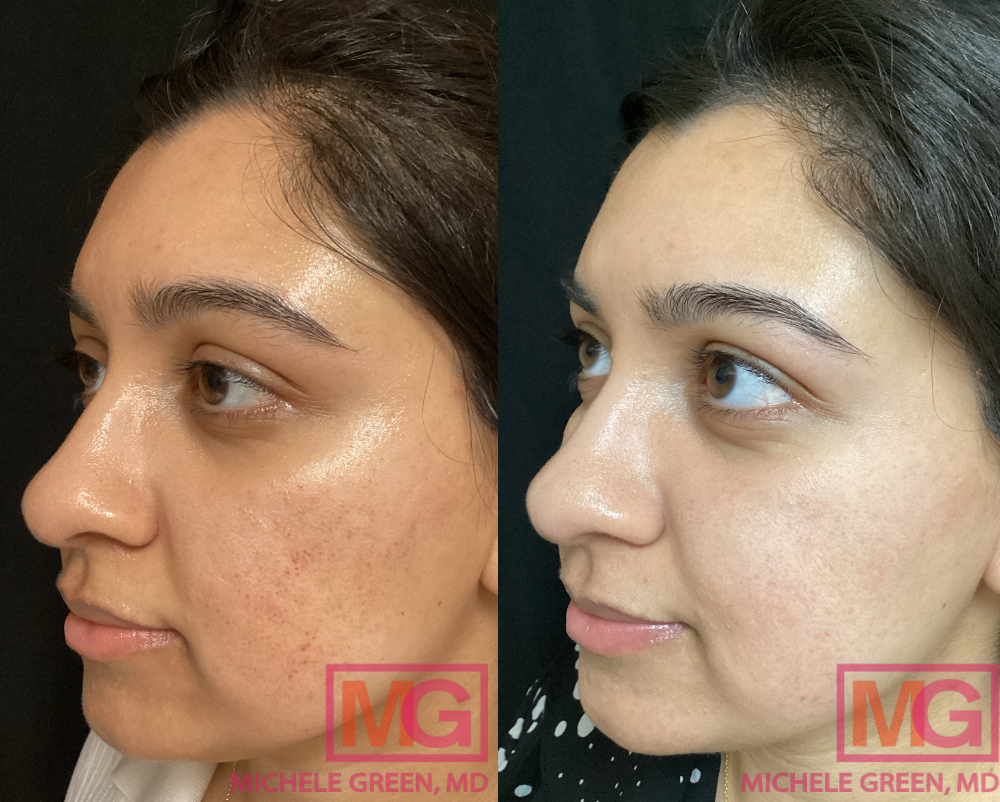
- VBeam Laser is a non-invasive pulsed dye laser that treats acne breakouts and pigmented acne scars. Set at 595nm, the VBeam laser can reduce red pigmentation, inflammation, and acne-causing bacteria. It is also effective in treating broken capillaries, rosacea, telangiectasias, red stretch marks, and post-inflammatory hyperpigmentation. To achieve optimal cosmetic results, multiple treatments are often necessary, each spaced about a month apart. There is no downtime so that patients can resume their daily activities immediately.
Is Acne Permanent?
Acne itself is not permanent, but without proper treatment, the effects it leaves behind — particularly acne scars and post-inflammatory hyperpigmentation — can be long-lasting and difficult to resolve on your own. For most people, acne is a cyclical condition that comes and goes depending on hormone levels, lifestyle habits, stress, and other triggers, meaning that with the right acne treatment plan, breakouts can be effectively managed and even prevented over time. That said, severe acne — especially cystic acne and deep nodules — is more likely to cause permanent scarring if left untreated, which is why early intervention with a board-certified dermatologist is so important. The good news is that even existing acne scars are not a life sentence; advances in dermatological treatments such as chemical peels, microneedling, laser resurfacing, and retinoids have made it possible to significantly reduce the appearance of scarring and restore smoother, more even skin. As a board-certified dermatologist in NYC, Dr. Michele Green takes a proactive, personalized approach to acne care — treating not just active breakouts but also the lasting marks they can leave behind, so her patients can feel confident in their skin at every stage of life.
FAQs about Causes of Acne
What Foods Cause Acne?
Diet and acne have a well-documented relationship, and what you eat can either support or sabotage your skin. High-glycemic foods like white bread, sugary snacks, and processed foods cause rapid spikes in blood sugar, which in turn trigger hormonal responses that can worsen acne. Dairy products, certain supplements, and a consistently poor diet lacking in nutrients can also impair the skin’s ability to repair itself and fight inflammation. While diet alone is rarely the sole cause of acne, it can certainly be a contributing factor — particularly for those who are already prone to breakouts due to their family history or oily skin type.
Why Do I Break Out When I’m Stressed?
When you’re under stress, your body releases a surge of cortisol and androgens that directly stimulate oil glands in the skin. A buildup of excess sebum creates a perfect environment for acne-causing bacteria to thrive, leading to pimples, pustules, and, in more severe cases, deeper nodules or cysts. Stress also impairs the skin’s natural barrier function, making it more reactive and slower to heal. If you find that your skin reliably flares up during stressful periods, working with a board-certified dermatologist in NYC like Dr. Michele Green can help you develop both a topical treatment strategy and a lifestyle plan to minimize stress-related breakouts.
Does Creatine Cause Acne?
Creatine, a popular supplement used to enhance athletic performance, has been reported by some users to worsen acne breakouts, though the research is still emerging. One proposed mechanism is that creatine may increase dihydrotestosterone (DHT) levels, a potent androgen that stimulates the sebaceous glands and leads to excess oil production. This increased oil production, combined with sweat and dead skin cells during workouts, can clog pores and trigger breakouts — particularly on the face, upper back, and chest. If you suspect creatine is contributing to your acne, consult a board-certified dermatologist before discontinuing use to explore whether adjusting your supplement routine or adding an acne treatment could help.
Does Biotin Cause Acne?
Biotin, a popular supplement often taken to support hair and nail growth, has been reported by some users to cause or worsen acne breakouts. While biotin itself does not directly trigger acne, high doses may interfere with the absorption of vitamin B5 (pantothenic acid), which plays a key role in regulating oil production in the skin. This imbalance can lead to excess sebum and clogged pores, contributing to blemishes and flare-ups. If you suspect your biotin supplement is contributing to your breakouts, consider speaking with a dermatologist before making any changes, as they can help you adjust your supplement routine without sacrificing your other health goals.
Does Working Out Cause Acne?
Exercise itself is not a direct cause of acne, but certain gym-related habits can contribute to breakouts. When you sweat during a workout, the moisture on your skin can mix with bacteria, sebum, and dead skin cells—and if you don’t cleanse your skin promptly afterward, this buildup can clog pores and lead to pimples. Wearing tight, non-breathable workout gear or touching your face during exercise can also introduce bacteria to the skin’s surface, worsening acne. The good news is that post-workout acne is largely preventable with a few simple habits, including washing your face with a gentle cleanser immediately after the gym and wearing oil-free, breathable fabrics.
Does Smoking or Vaping Cause Acne?
Smoking and vaping have been linked to a specific type of acne called comedonal acne, which is characterized by a buildup of blackheads and whiteheads rather than inflamed pimples. The chemicals inhaled through smoking and vaping can disrupt hormone levels, reduce blood flow to the skin, and impair the skin’s natural healing processes — all of which can worsen existing acne or trigger new breakouts. Nicotine in particular has been shown to stimulate sebaceous gland activity, increasing oil production and the likelihood of clogged pores. If you smoke or vape and are struggling with persistent acne, quitting may be one of the most impactful steps you can take for your skin health.
Does Testosterone Cause Acne?
Testosterone and other androgens play a central role in acne development by directly stimulating the sebaceous glands to produce more sebum. Teenage acne is incredibly prevalent due to hormone levels surging during puberty, causing a dramatic increase in oil production that often leads to widespread breakouts. In adults, elevated testosterone levels due to hormonal imbalances, supplements, or medical treatments can trigger or worsen acne at any age. Treatments such as spironolactone or oral contraceptives are sometimes prescribed to help regulate hormone levels and reduce androgen-driven oil production in patients with hormonal acne.
Why Am I Breaking Out All of a Sudden?
Sudden breakouts can be caused by a wide range of triggers, many of which are easy to overlook. Starting a new medication, switching skin care products, experiencing a hormonal shift, or going through a particularly stressful period can all prompt an unexpected flare-up. Skin care products that are not labeled oil-free or non-comedogenic may also be quietly contributing to clogged pores and blemishes without you realizing it. If your breakouts seem to have no clear cause, a board-certified dermatologist in NYC like Dr. Michele Green can help you identify your personal triggers and build a targeted acne treatment plan.
How to get started with acne treatment today
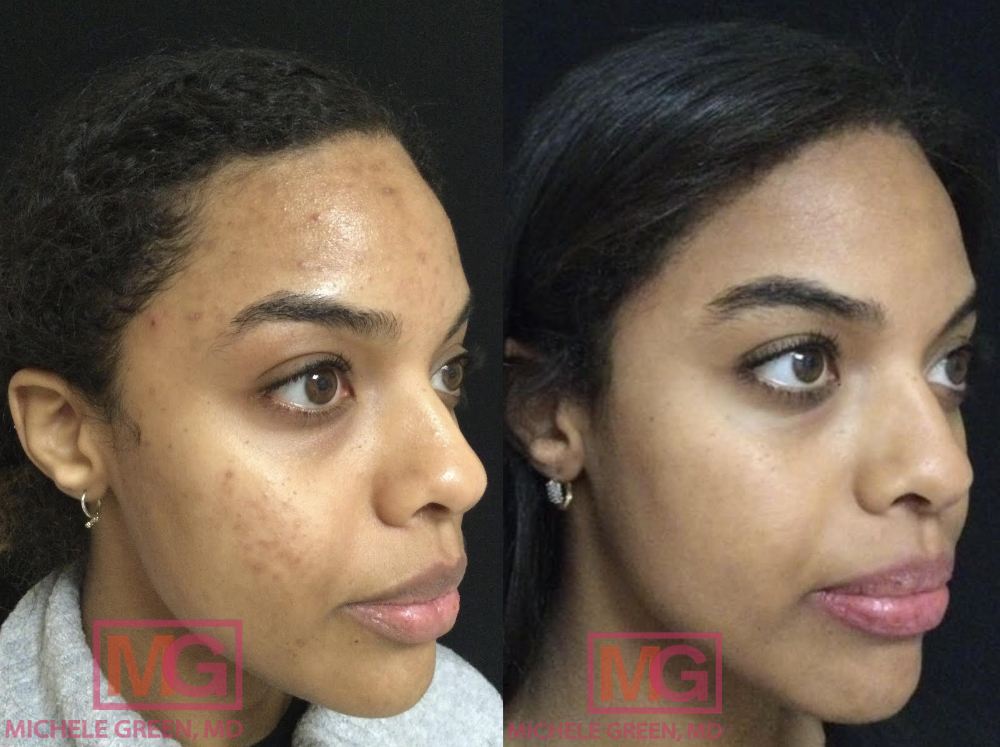
Acne is a common skin condition, but that doesn’t mean you have to live with it. Whether you’re a teenager experiencing your first breakouts, an adult dealing with hormonal acne, or someone struggling with the lasting effects of acne scars, there are effective solutions available — and you don’t have to navigate them alone. From understanding your unique triggers and skin type to building a personalized treatment plan that combines medical-grade skincare with advanced in-office procedures, Dr. Michele Green offers a comprehensive, compassionate approach to acne care that gets real results.
As a board-certified dermatologist in NYC with over two decades of experience, Dr. Michele Green is a trusted expert in treating all types of acne and the skin conditions that often accompany it. Her individualized approach ensures that every patient receives care tailored to their specific needs, skin type, and lifestyle — whether that means a targeted prescription regimen, in-office treatments like chemical peels, or guidance on the best non-comedogenic skincare products for their routine. If you’re ready to take control of your skin and finally achieve the clear, healthy complexion you deserve, don’t wait. To schedule a consultation with Dr. Green, please call the office at 212-535-3088 or contact us online today.


