


Red Acne Scar Treatment
Dealing with acne scarring after a breakout can be a deeply frustrating experience. These scars come in various forms, including raised, indented, and flat, and may present a reddened hue that lingers long after the blemishes have faded. The marks left behind can serve as a constant reminder of the acne struggle, often leading to feelings of self-consciousness and diminished self-esteem. Acne scars develop due to inflammation caused by pimples or chronic acne, which damages the skin’s deeper layers. This damage results in raised scars or pitted depressions that can be not only visually unappealing but also emotionally distressing. Since everyone’s skin is unique and reacts differently to treatment, there is no universal remedy for acne scars. Therefore, it is highly recommended to seek the expertise of a board-certified dermatologist, such as Dr. Michele Green in NYC. With her in-depth knowledge and experience, she can develop personalized treatment plans tailored to each patient’s specific needs and skin type, helping them reclaim their confidence and achieve smoother, clearer skin.
The most effective treatment for red acne scars often differs from that of indented or raised scars. Scars such as boxcar, rolling, and icepick scars typically require a combination of methods, including in-office procedures and specially formulated skincare products, to improve their appearance. These include non-ablative laser resurfacing, dermal filler-assisted subcision, microneedling, and chemical peels. For red acne scars and post-inflammatory erythema, board-certified dermatologist Dr. Michele Green often uses the VBeam laser to reduce redness, along with topical treatments like azelaic acid. She prefers these options because they are straightforward, require little to no downtime, and consistently yield impressive results. It is essential to have acne scar treatments performed by an experienced, board-certified dermatologist like Dr. Green to ensure safety, effectiveness, and optimal outcomes.
What causes Acne?
Acne is a complex skin condition influenced by a combination of biological and environmental factors, particularly involving skin bacteria and the production of natural oils. Hormonal fluctuations are one of the most significant contributors to Acne. These changes often occur during puberty, menstruation, pregnancy, and hormonal therapies, leading to increased sebaceous gland activity and excess oil production. The surplus oil, or sebum, combined with dead skin cells, can clog hair follicles, the openings of pores. When these pores become blocked, they create a favorable environment for bacterial growth, especially Propionibacterium acnes. This bacterium is normally present on the skin but can cause problems when it overgrows, often triggering an inflammatory response. This response results in characteristic signs of Acne: red, swollen lesions that can range from mild to severe, including cystic Acne. In addition to hormonal changes and bacterial presence, various external factors can exacerbate Acne. For instance, stress is known to disrupt hormonal balance and can worsen the condition by increasing oil production. Dietary influences also play a role; studies suggest that high-glycemic foods, dairy products, and certain fats may contribute to acne breakouts in some individuals.
Additionally, specific medications, such as corticosteroids and certain birth control pills, can provoke or worsen Acne. Poor skincare habits can also significantly impact the development of acne. Inadequate cleansing can lead to a buildup of dirt, sweat, and makeup on the skin’s surface, which, when combined with oil and dead skin, can create an environment conducive to acne formation. Conversely, overly aggressive skincare routines can irritate the skin and worsen inflammation. To better understand the various causes of your Acne and effectively treat the underlying issues, it is advisable to consult a board-certified dermatologist, such as Dr. Michele Green. This approach can help decrease the chances of developing acne scars, which are often much more difficult to treat than the Acne itself.
How Does Acne Cause Scars?
An acne scar is a mark left on the skin after acne lesions have healed. These scars result from permanent skin damage caused by inflammation during acne outbreaks. When Acne, such as pimples or cysts, becomes inflamed, excess oil (sebum), dead skin cells, and bacteria accumulate, leading to swelling and further inflammation. In response to this inflammation, the body initiates a natural healing process that increases collagen production to repair the damaged tissue. However, the body’s collagen response can vary. Insufficient collagen results in sunken, depressed scars, which may require surgical excision.
In contrast, excess collagen leads to raised, hypertrophic scars. The most common type of acne scar is the atrophic scar, which has a sunken appearance. These scars can vary in shape and size and are classified into types such as icepick, boxcar, and rolling scars, each requiring specific treatment approaches. Although acne scars are generally permanent, recent advances in dermatology can significantly improve their appearance. Non-invasive treatments such as chemical peels, laser therapy, and microdermabrasion—available at Dr. Green’s private dermatology clinic in New York City—help stimulate skin regeneration, smooth skin texture, and promote a healthier, more youthful complexion. These options help individuals manage and reduce the visibility of their acne scars.
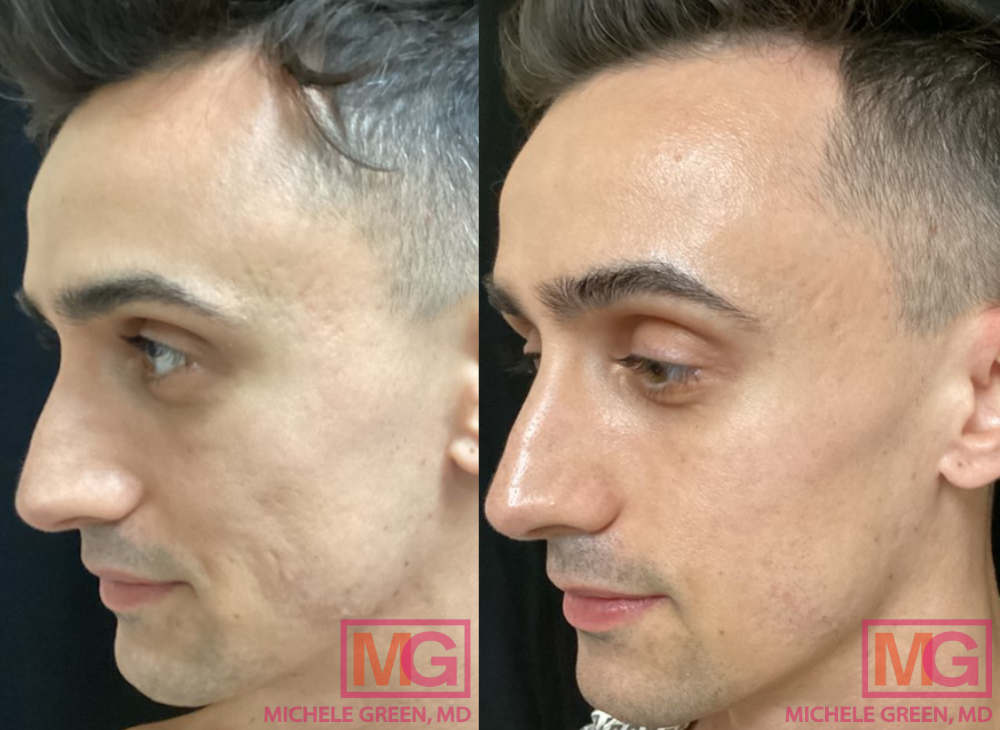
The Types of Acne Scars
Acne scars come in various appearances and textures, mainly categorized into three types: icepick, rolling, and boxcar scars. Understanding these different types of scars is essential for selecting the most effective treatments to improve skin texture and appearance.
Rolling scars
Rolling scars are the shallowest type of atrophic scars. They are characterized by a wavy, uneven, and rough surface. Unlike other scars, rolling scars lack sharply defined edges; instead, they have sloping borders. The name “rolling scars” comes from the bands of scar tissue and fibrous tethers that form between the skin’s surface and the underlying subcutaneous tissue. These fibrous bands exert a pulling force on the epidermis, creating the distinctive rolling, wavy appearance. Typically measuring a few millimeters across, rolling scars are most commonly found on the face, particularly on the jawline and cheeks.
Boxcar scars
Boxcar scars are a type of atrophic scar characterized by their round or oval shape, well-defined edges, and deep vertical sides. They often resemble scars left by chickenpox and are generally wider than other types of atrophic scars. The depth of boxcar scars can vary from superficial to deep, depending on the severity of skin atrophy caused by previous inflamed and infected acne lesions.
Icepick scars
Icepick scars are a type of atrophic scar characterized by deep, narrow, V-shaped indentations on the skin’s surface. These scars are typically less than 2 mm wide and often resemble enlarged pores. Icepick scars give the appearance of the skin being punctured with an ice pick. They extend deep into the dermis and are commonly caused by severe inflammation related to nodular or cystic acne lesions. Due to their deep and narrow nature, icepick scars are among the most difficult types of acne scars to treat.
Hypertrophic scars
Typical hypertrophic scars appear as elevated, lump-like formations of scar tissue. They remain contained within the limits of the initial injury and may occasionally lessen over time. These scars generally produce approximately three times as much new collagen as normal during the healing process, leading to collagen fibers that organize in a uniform pattern and causing the scar to protrude.
Keloid scars
Keloid scars are a distinct type of hypertrophic scar that often exceeds the dimensions of the original injury. These scars may continue to expand even after the wound has healed and typically do not fade on their own. They can produce up to 20 times as much new collagen, with the collagen fibers organized irregularly. Treating keloids can be particularly challenging, as attempts to remove them can stimulate further collagen production and lead to recurrence. Certain individuals are more genetically predisposed to keloid formation, and those with darker skin tones are generally at higher risk than those with lighter skin. Treatment methods include intralesional cortisone injections, silicone gels and sheets, and the VBeam laser for addressing pigmentation concerns.
Post Inflammatory Hyperpigmentation (PIH)
Post-inflammatory hyperpigmentation (PIH) is a common dermatological condition that occurs after the healing of acne lesions. It appears as dark, flat patches that can range in color from brown to purplish hues, resulting from an excess production of melanin in response to skin inflammation. Unfortunately, PIH can linger for months or even years, often gradually fading. It is essential to note that PIH is distinct from scarring; it does not indicate permanent damage to the skin but rather reflects a temporary discoloration that occurs post-acne. Effective management of PIH often involves a multifaceted approach. Daily application of broad-spectrum sunscreen is crucial, as UV exposure can worsen pigmentation and hinder fading. In terms of topical treatments, products containing retinoids, vitamin C, and azelaic acid have shown promising results.
Post Inflammatory Erythema (PIE)
Post-inflammatory erythema (PIE) presents as flat, red, pink, or purple marks that persist after acne inflammation resolves. This condition results from dilation or injury to small blood vessels in the skin, leading to lingering discoloration. Unlike acne scars, which result from structural changes in the skin, PIE is generally temporary. However, its duration can vary significantly; it typically lasts 3 to 6 months but can persist for years if left untreated. To effectively manage and reduce the appearance of PIE, several topical treatments can be employed. Azelaic acid is known for its anti-inflammatory properties and ability to promote cell turnover, making it a valuable option. Vitamin C, a powerful antioxidant, can help brighten the skin and improve its overall tone. Additionally, laser therapies, such as the VBeam laser, can be highly effective at targeting and diminishing discoloration through precise energy delivery, thereby reducing blood vessel visibility.

What are red acne scars called?
Red acne scars are often referred to as post-inflammatory erythema (PIE), which is different from post-inflammatory hyperpigmentation. This condition occurs when inflammation from acne lesions or other injuries results in lasting skin discoloration. PIE presents as flat spots that may appear pink, red, or purple, depending on an individual’s skin tone and the severity of the inflammation, even in those with darker skin. Typically, these marks are not permanent and tend to fade over time, though the duration can vary depending on skin type, acne severity, and healing rates. Treatments such as topical retinoids (like retinol), VBeam laser therapy, or chemical peels can help speed up fading and improve skin texture. When dealing with red acne scars, it is important to consult a board-certified dermatologist, Dr. Michele Green, to treat them properly.
Why do my acne scars get red?
Red acne scars, known as post-inflammatory erythema (PIE), are caused by damage to the small blood vessels, or capillaries, beneath the skin’s surface. Acne scars can appear bright red for several reasons, often indicating recent activity related to an acne breakout. This redness is commonly linked to post-inflammatory erythema, a condition that occurs when the skin heals after an inflammatory acne lesion. When acne lesions, such as cysts, nodules, or pustules, form, they trigger inflammation in the surrounding skin. Once the acne resolves, the blood vessels in the affected area may remain dilated, resulting in red or pink pigmentation that can persist for weeks or even months. In many cases, this bright red coloration is a normal part of the healing process as the skin repairs itself. Factors such as skin type, acne severity, and individual healing responses can influence how long the redness lasts.
Excessive sun exposure and skin irritation can worsen redness, making it more noticeable. Caring for your skin during the healing process is essential. This includes using gentle skincare products, avoiding sun exposure, and considering treatments such as topical antioxidants or soothing agents. These measures can help manage redness and promote a more even skin tone over time. If redness persists or becomes a concern, it may be beneficial to consult a board-certified dermatologist, like Dr. Michele Green, who can offer additional options, including professional treatments to reduce redness and improve skin texture.
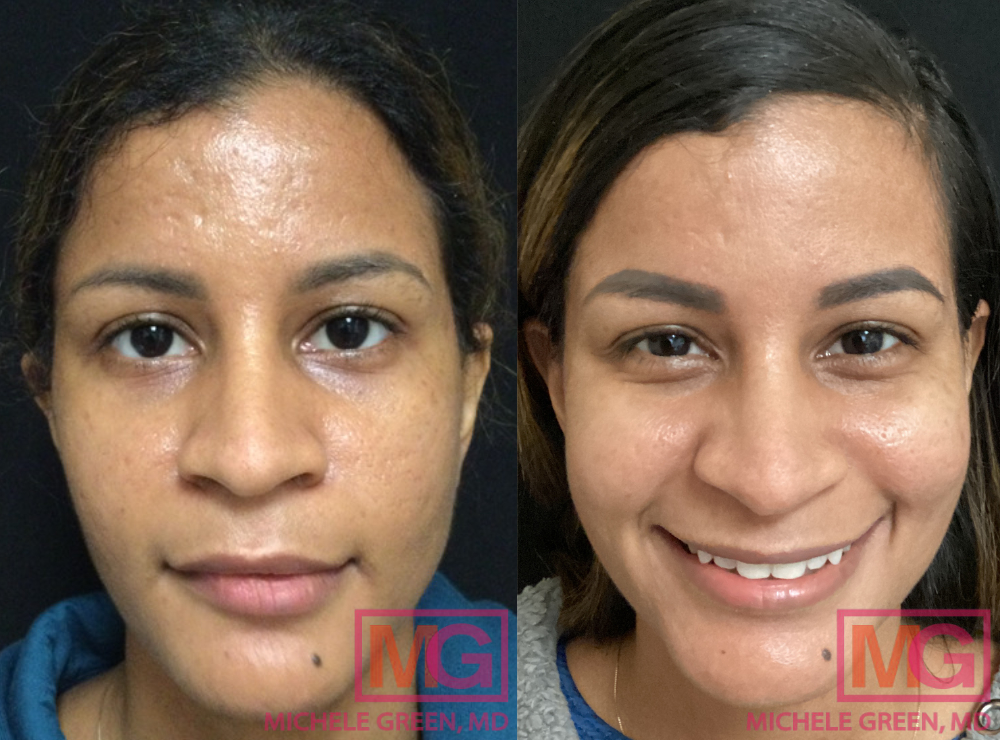
Dermatologist-Recommended Treatments for Acne Scars
Laser therapy
The VBeam laser is recognized as the leading option for removing red pigmentation on the skin, such as post-inflammatory erythema (PIE), facial redness, and broken capillaries. This pulsed dye laser emits energy that specifically targets red discoloration while leaving the surrounding new skin unharmed. VBeam treatment requires no recovery time, allowing patients to return to their normal activities right away. Generally, patients need several sessions spaced a month apart to achieve optimal cosmetic outcomes.
The Fraxel Dual laser is commonly known as the “magic eraser” due to its effectiveness in reducing acne, scars, uneven skin texture, fine lines, wrinkles, and sun damage. Its 1550nm setting is great for reducing the visibility of atrophic scars and irregular texture, while the 1927nm setting is ideal for addressing sun-induced pigmentation. The Fraxel laser emits fractional energy to heat the deeper layers of the skin, promoting collagen production. It targets only a portion of the skin at a time, preserving the surrounding skin and shortening recovery time. After the treatment, patients usually experience mild redness, which typically resolves on its own within 48 hours. For treating acne scars, it is generally recommended to undergo 3 to 5 treatment sessions, with 1 month intervals between each session.
The eMatrix laser is highly effective at reducing acne scars and improving uneven skin texture in patients of all skin tones, including those with darker skin tones. This laser utilizes radiofrequency to heat the dermal layer of the skin, stimulating collagen production and helping to diminish the appearance of acne scars, uneven texture, fine lines, and wrinkles. Similar to the Fraxel laser, patients generally experience mild redness for about 48 hours following treatment. Dr. Green recommends a series of treatment sessions spaced 4 weeks apart to fade acne scars effectively.
The Clear + Brilliant laser, commonly known as a “mini-Fraxel,” is a gentle treatment designed to address various skin concerns, including mild acne scars, fine lines and wrinkles, enlarged pores, and pigmentation caused by sun damage. This laser utilizes fractionated energy to stimulate collagen production and rejuvenate the skin. One of the benefits of the Clear + Brilliant laser treatment is the lack of downtime, allowing patients to return to their daily activities immediately after the session. Patients typically schedule follow-up treatments every 2 to 4 weeks. Clear + Brilliant is especially recommended for those with shallow, depressed acne scars. Since the treatment works gradually, most patients require four to six sessions for optimal facial rejuvenation.
Dermal fillers and subcision
Subcision is a technique designed to break up the underlying scar tissue that develops after an inflammatory acne lesion. During this procedure, a needle is inserted beneath the skin to separate the fibrous bands that attach the scar tissue to the skin’s surface. Dr. Green does not recommend performing subcision for depressed acne scars by themselves, as this may leave the area looking the same or even worse after treatment. Instead, Dr. Green combines subcision with dermal fillers to restore lost volume in the affected area, resulting in a smoother and more even skin texture. Hyaluronic acid fillers, such as Juvederm and Restylane, can attract moisture to the injected area, leading to an immediate increase in suppleness and plumpness. Sculptra, another injectable dermal filler, contains poly-L-lactic acid, which stimulates collagen production in the treated area, resulting in smoother and fuller skin. Juvederm and Restylane generally last for nine to twelve months, while Sculptra can last for up to two years following an initial series of injections. During your consultation with Dr. Green, she will select the most appropriate dermal filler based on your specific acne scars and skin concerns.
Chemical Peels
Chemical peels are a popular treatment option for post-inflammatory hyperpigmentation and can help improve the appearance of dark spots. These peels utilize chemical exfoliants, such as trichloroacetic acid (TCA), glycolic acid, lactic acid, or salicylic acid, to remove dead, pigmented cells from the skin’s surface while also stimulating collagen production. They are particularly effective for patients seeking to smooth their skin and diminish the visibility of hyperpigmentation. TCA peels are generally best suited for individuals with light or fair skin types. Those with darker skin types may not tolerate these acids as well, so it is crucial to consider the strength of the peel carefully. Mesopeels, on the other hand, are specially formulated chemical peels that include tranexamic acid, kojic acid, and azelaic acid to brighten and rejuvenate the skin. These peels are designed to be safe for patients of all skin tones, including darker skin tones, with minimal risk of adverse side effects. Typically, patients require a series of 3 to 6 peels, spaced 1 month apart, to achieve notable improvement in their acne scars.
Microneedling
Microneedling, also known as collagen induction therapy, is a highly effective treatment for depressed acne scars. This procedure uses tiny, surgical-grade needles to create microchannels in the skin, stimulating the body’s natural wound-healing process and encouraging the production of new collagen. As a result, microneedling can improve the appearance of acne scars, fine lines and wrinkles, enlarged pores, and hyperpigmentation. For optimal cosmetic results, a series of 3 or more treatment sessions, spaced 3 to 4 weeks apart, is often recommended. One of the benefits of microneedling is the enhanced absorption of topical serums and products applied afterward. For patients dealing with post-inflammatory hyperpigmentation, Dr. Green suggests incorporating a proprietary depigmentation solution into the microneedling treatment.
Additionally, all patients can enhance their results by adding platelet-rich plasma (PRP) to the procedure. PRP, which is derived from the patient’s own blood, is rich in growth factors and proteins essential for tissue healing and regeneration. Applying PRP during microneedling can further boost its benefits and rejuvenate the skin even more effectively.
Vivace RF Microneedling
Vivace RF Microneedling is an innovative cosmetic procedure that combines the benefits of microneedling and radiofrequency treatment. It utilizes a microneedling handpiece to create controlled micro-injuries in the epidermis, stimulating collagen production. Simultaneously, radiofrequency energy is delivered deep into the dermis to promote wound healing and enhance collagen synthesis. One of the key advantages of this procedure is the absence of downtime, allowing patients to resume their daily activities immediately. As new collagen is produced in both the epidermal and dermal layers of the skin, patients can expect to see improvements in acne scars, fine lines, wrinkles, and pigmentation. Dr. Green typically recommends a series of 3 treatment sessions, spaced 1 month apart, to achieve optimal results.
Microdermabrasion
Microdermabrasion is a non-invasive procedure that stimulates collagen production, helping to create a smoother skin texture and reduce the appearance of acne scars. The traditional method uses tiny crystals of aluminum oxide or sodium bicarbonate to exfoliate the outer layer of the skin gently. In contrast, diamond microdermabrasion uses a diamond-tipped handpiece to sand away the skin’s surface gently. This procedure is painless and requires no downtime.
Dermabrasion
Dermabrasion is a more invasive procedure than microdermabrasion. Instead of simply exfoliating the skin, dermabrasion removes the entire epidermis, the top layer of the skin. This procedure is typically performed under anesthesia, and the healing process can take several weeks. Due to the increased risk of hyperpigmentation or scarring after the treatment, dermabrasion is not recommended for patients with a history of keloid scarring or those with darker skin.
Intralesional Cortisone Injections
Intralesional cortisone injections, also known as steroid injections, are the most effective method for shrinking and flattening hypertrophic (raised) scars and keloid scars. The anti-inflammatory properties of cortisone help reduce collagen production and inhibit the growth of new scar tissue. Typically, multiple treatment sessions are required to reduce the size and volume of these scars effectively.
Punch Grafts
Punch grafting and excision are highly effective surgical techniques for treating deep, tethered acne scars, such as ice pick and boxcar scars. These methods involve removing damaged tissue and replacing it with healthy skin, typically taken from behind the ear. Often, these procedures are combined with laser resurfacing, chemical peels, or microneedling to reduce residual redness and improve texture, resulting in a smoother and more even skin surface.
What is the best treatment for Red Acne Scars?
The most effective treatments for red acne scars combine laser therapy and targeted topical treatments. One notable option is the VBeam laser, which is specially designed to target redness in the skin. This pulsed-dye laser uses gentle light energy to reduce vascular lesions and broken capillaries, providing noticeable improvements with minimal downtime, making it suitable for those with busy lifestyles. In addition to laser therapy, using topical agents can significantly enhance the healing process. Azelaic acid is a particularly effective topical treatment, available by prescription or over-the-counter. It is known for its anti-inflammatory and skin-repairing properties. Not only does it help reduce redness, but it also unclogs pores, thereby preventing further blemishes. Alpha hydroxy acids (AHAs) are another effective choice for treating red, pink, or purple acne marks (post-inflammatory erythema/hyperpigmentation). AHAs work by exfoliating the top layer of skin, fading discoloration, and promoting cell turnover. Glycolic and mandelic acids are top options for smoothing skin texture and reducing acne-related redness. Lastly, it’s important to use a broad-spectrum sunscreen with an SPF of at least 30, as sunlight can worsen redness. For the best results, it’s advisable to consult a board-certified dermatologist, who can assess your skin’s unique needs and recommend a tailored treatment plan. Dr. Green will create a plan that may include a combination of the therapies mentioned, along with other skincare products that promote overall skin hydration and health.
How to get rid of red acne scars quickly?
To effectively fade red acne scars in a timely manner, it is advisable to combine laser treatments, such as the VBeam laser, with targeted topical products, such as Azelaic acid and Vitamin C. The VBeam laser is particularly effective in reducing redness and promoting overall skin healing. Typically, patients undergo a series of treatments spaced one month apart, though individual responses can vary. Consistency in treatment is crucial for optimal results. In addition to professional laser treatments, adopting a gentle at-home skincare routine that emphasizes healing and brightening is essential. Incorporating a Vitamin C serum into your regimen can be particularly beneficial. Vitamin C is known for its potent antioxidant properties, which help shield the skin from environmental stressors such as pollution and UV damage. Moreover, it plays a significant role in promoting a more even skin tone by inhibiting melanin production, thereby reducing dark spots and resulting in a brighter complexion. Dr. Green offers a specialized Vitamin C serum formulated for sensitive skin and designed to reduce redness effectively. For maximum effectiveness, apply the serum to clean, dry skin each morning, allowing it to absorb fully before layering on your moisturizer and sunscreen. It is always recommended to consult with a board-certified dermatologist. They can assess your unique skin type and condition, guiding you toward the most effective plan to quickly and safely fade red acne scars.
Why do my acne scars stay red?
Acne scars often remain red due to the inflammation caused by acne itself. When acne occurs, it triggers a response in the body that can damage the small blood vessels just beneath the skin. This inflammation triggers the release of chemicals that dilate blood vessels, leading to persistent redness in the affected areas. Additionally, habits such as picking or squeezing acne lesions can worsen this redness. These actions not only increase inflammation but also compromise the skin barrier, making it harder for the skin to heal. Over time, as the skin attempts to repair itself, the damaged blood vessels may take a while to return to their normal state, prolonging the appearance of redness. Other factors, such as sun exposure—which can stimulate further inflammation—and individual skin types can also influence how long the redness lasts. Ultimately, the healing process varies from person to person, but understanding these factors can help in managing the appearance of acne scars.
Frequently Asked Questions (FAQs) about Red Acne Scar Treatment
Why are my acne scars red all of a sudden?
If you notice that your acne marks have suddenly turned red, this change may indicate irritation and inflammation in the affected areas. This can happen for several reasons, such as introducing new topical treatments that may be too harsh for your skin or exposure to allergens that trigger a reaction. Additionally, if you have been touching or picking at the scars, this trauma can increase blood flow to the skin, resulting in a reddish appearance as your body responds to heal the area. It’s important to evaluate any recent changes in your skincare routine or habits, as these can significantly affect the appearance of your acne scars. If the redness persists or is accompanied by other symptoms, consider consulting a board-certified dermatologist for personalized advice and treatment options.
Which serum is best for red acne scars?
When it comes to treating red acne scars, two of the most effective serums are those that contain Vitamin C and Azelaic Acid. Vitamin C is a powerful antioxidant that not only helps brighten the skin but also promotes collagen production, enhancing the overall texture. Its anti-inflammatory properties make it especially useful for reducing redness associated with acne scars, resulting in a more even complexion. On the other hand, Azelaic Acid is known for its ability to unclog pores and diminish the appearance of post-inflammatory erythema, which is the redness that persists after acne lesions heal. It also has antibacterial properties, making it an excellent choice for those who still experience breakouts along with scarring.
Additionally, Azelaic Acid can enhance skin tone and gradually diminish hyperpigmentation. By incorporating serums with these ingredients into your skincare routine, you can effectively heal red acne scars and brighten your overall complexion. Remember to apply a hydrating sunscreen with an SPF of 50 throughout the day, as these treatments can increase your skin’s sensitivity to sunlight, and sunlight can also worsen the redness.
Will red acne scars fade?
Post-inflammatory erythema, also known as red acne scars, can gradually fade on its own. The timeline for this natural fading process varies from person to person, often taking anywhere from a few weeks to several months. To help minimize the appearance of red scars and promote healthier skin, it is essential to protect the affected areas from sun exposure. Ultraviolet (UV) radiation can worsen pigmentation issues, prolonging redness and discoloration. In addition to sun protection, certain topical treatments can significantly reduce the appearance of red scars. Ingredients such as vitamin C and azelaic acid are particularly effective. Vitamin C helps to reduce inflammation, brighten skin tone, and stimulate collagen production, which is crucial for skin healing. Azelaic acid, known for its anti-inflammatory properties, also helps to smooth skin texture and minimize redness. Dr. Green, a skincare expert, has developed a specialized skincare regimen that includes a potent Vitamin C serum designed to alleviate redness and enhance overall skin health. This serum acts as a powerful antioxidant, protecting against environmental damage, promoting collagen synthesis, and reducing inflammation. By incorporating these treatments, individuals can achieve a more radiant, even complexion over time.
Why do my acne scars stay red?
Acne scars often remain red due to the inflammation caused by acne itself. When acne occurs, it triggers a response in the body that can damage the small blood vessels just beneath the skin. This inflammation triggers the release of chemicals that dilate blood vessels, leading to persistent redness in the affected areas. Additionally, habits such as picking or squeezing acne lesions can worsen this redness. These actions not only increase inflammation but also compromise the skin barrier, making it harder for the skin to heal. Over time, as the skin attempts to repair itself, the damaged blood vessels may take a while to return to their normal state, prolonging the appearance of redness. Other factors, such as sun exposure—which can stimulate further inflammation—and individual skin types can also influence how long the redness lasts. Ultimately, the healing process varies from person to person, but understanding these factors can help in managing the appearance of acne scars.
When do red acne scars go away?
Red acne scars are a common issue for many people and are usually temporary. These scars can last for several months, depending on factors such as skin type, acne severity, and individual healing rates. Thankfully, effective treatments are available to help speed up their resolution. Combining laser therapies with topical treatments can significantly reduce the appearance of red scars. Laser treatments promote collagen production and accelerate skin renewal. Meanwhile, topical products—often containing ingredients like retinoids, vitamin C, or azelaic acid—can help fade pigmentation and improve overall skin texture. With consistent care and the right approach, many individuals notice significant improvement in their skin within weeks, resulting in a smoother, more even complexion.
What topical skin care should I use for red acne scars?
When addressing red acne scars, one of the most effective topical treatments is vitamin C serums. These serums are rich in powerful antioxidants that not only brighten the skin but also promote collagen production, helping repair damaged skin. Vitamin C can help reduce inflammation and improve overall skin texture, making it particularly beneficial for post-acne discoloration. In addition to vitamin C, consider using products containing niacinamide, which can further reduce redness and enhance skin barrier function. Regular use of sunscreen is also essential, as it protects the skin from UV rays, prevents further discoloration, and supports the healing process. For optimal results, it’s advisable to consult a dermatologist who can recommend a treatment plan tailored to your specific skin needs.
Will red acne scars go away?
Yes, red acne scars, or post-inflammatory erythema, can gradually diminish with appropriate treatments. This condition results from acne-related inflammation, which damages the small blood vessels (capillaries) just beneath the skin’s surface. As the skin heals, increased blood flow to the affected area can leave behind persistent red pigmentation. Fortunately, effective treatment options are available. Board-certified dermatologist Dr. Michele Green offers the VBeam laser, a specialized treatment that targets redness, broken capillaries, and rosacea. The VBeam laser emits light pulses that are absorbed by red blood vessels, effectively reducing their appearance without harming the surrounding skin or causing significant side effects. One of the key benefits of this treatment is that it requires no downtime, making it a popular choice for those looking to quickly and efficiently improve their skin’s appearance. With a series of sessions, many patients report a significant reduction in the redness of their acne scars, leading to a more even skin tone.
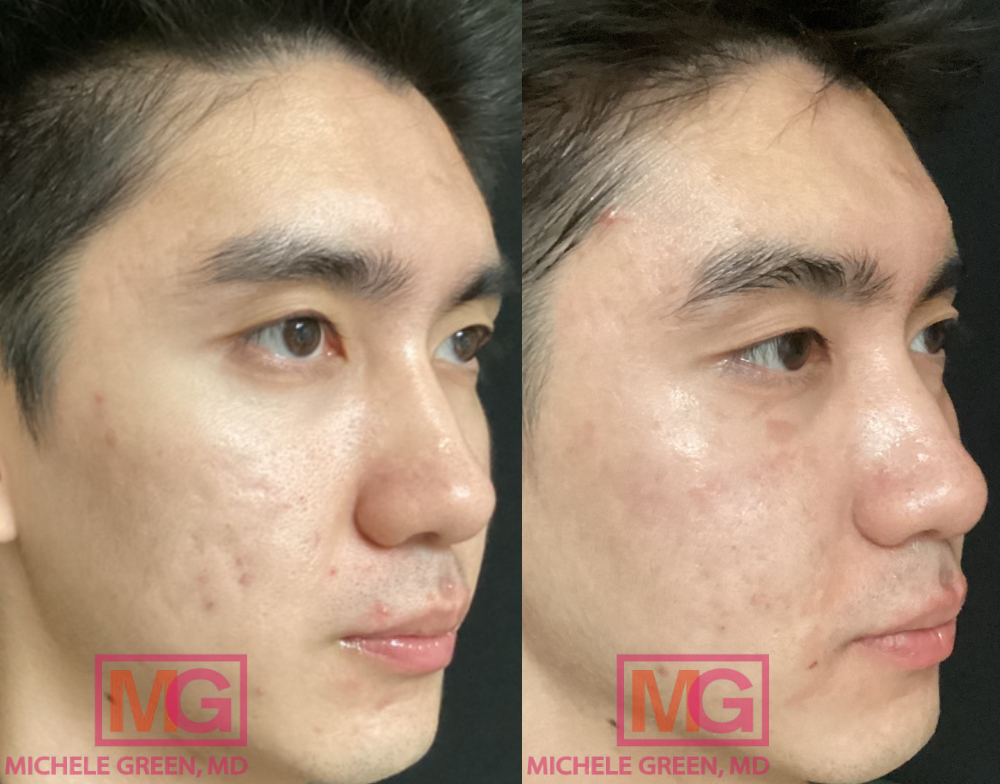
How do I get started with removing red acne scars today?
Treating acne scars can be difficult, and they often lead to feelings of insecurity or diminished self-esteem for many individuals. Acne scars come in different forms, such as atrophic (depressed) and hypertrophic (raised). Additionally, post-inflammatory erythema (PIE) may occur after experiencing inflammatory acne spots. Most individuals with acne scars often have several types, necessitating a personalized combination treatment strategy to minimize their appearance effectively. Common treatments for acne scars include resurfacing lasers, microneedling, dermal filler subcision, and chemical peels, as these methods can lessen the visibility of acne scars with minimal downtime or side effects. With a wide variety of treatment options available, determining which ones are appropriate for your specific acne scars, skin type, and tone can be difficult. A cosmetic dermatology specialist, like Dr. Green in NYC, can help you develop a tailored acne scar treatment plan to address your scars and achieve a healthy, smooth, clear, and beautiful complexion that endures.
Dr. Michele Green, based in New York City, is an internationally acclaimed, board-certified cosmetic dermatologist with more than 25 years of experience, offering top non-invasive treatments for acne scars and various skin issues to some of the most selective individuals worldwide. Adopting a holistic methodology, Dr. Green takes a less-is-more approach to facial rejuvenation, delivering natural-looking, enduring cosmetic results by tailoring each patient’s treatment plan to their unique skin condition, requirements, and aesthetic aspirations. She is frequently recognized by Castle Connolly, Super Doctors, New York Magazine, and The New York Times as one of the leading dermatologists in NYC, thanks to her commitment to her patients and expertise. During your consultation at her private dermatology practice in Manhattan’s Upper East Side, Dr. Green will collaborate with you to develop a personalized acne scar treatment plan that is best suited to your skin type, tone, and the types of acne scars you have. To begin addressing your acne scars, please call 212-535-3088 or contact us online to arrange a consultation with Dr. Green.


