


Does Creatine Cause Hair Loss?
Creatine is one of the most popular dietary supplements on the market, widely used by athletes, bodybuilders, and resistance-trained individuals to support muscle growth, increase muscle mass, and enhance performance during high-intensity exercise. Unfortunately, some individuals using creatine have reported increased hair thinning and shedding. While the scientific evidence remains limited, the potential link between creatine and hair thinning warrants a careful, evidence-based assessment by an experienced healthcare provider, such as board-certified dermatologist Dr. Green in NYC. Dr. Green has extensive experience treating various forms of hair loss in patients worldwide and develops personalized treatments for each patient based on the specific type of hair loss they are experiencing.
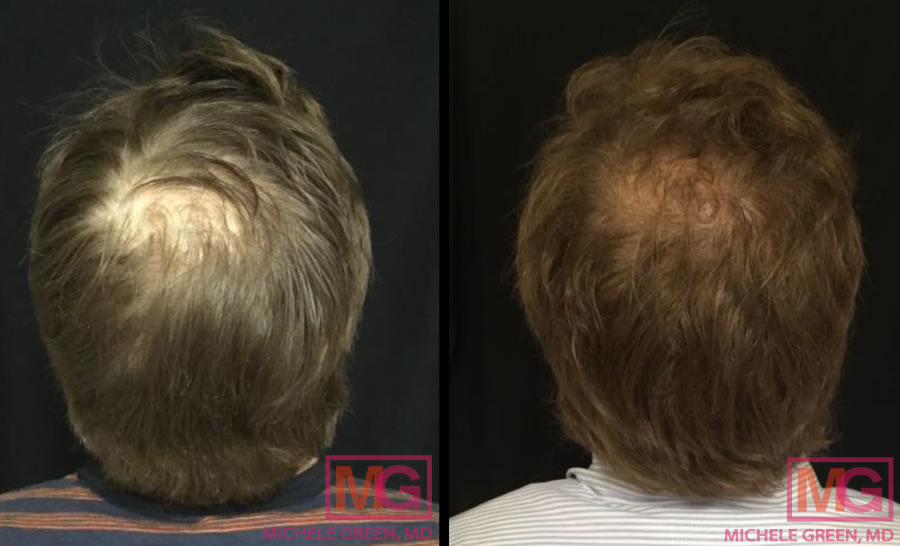
Research suggests that creatine may elevate dihydrotestosterone (DHT) levels — a potent androgen closely associated with androgenetic alopecia, commonly known as male pattern baldness or female pattern hair loss. Elevated DHT can lead to hair follicle miniaturization, resulting in hair thinning and, eventually, hair loss. It is best to address hair thinning as soon as it occurs to minimize hair loss, whether by discontinuing creatine use, reducing the creatine dose, or using medications or platelet-rich plasma (PRP) treatments to combat thinning. Determining the best course of action for patients concerned about hair loss and creatine supplementation can be difficult, which is why it is essential to consult a board-certified dermatologist, such as Dr. Michele Green in NYC, who can evaluate your individual risk factors and recommend the most effective hair health treatment options.
What Is Creatine?
Creatine is a naturally occurring compound made from amino acids — primarily arginine, glycine, and methionine — and is stored in the muscles as phosphocreatine. The body uses it to rapidly regenerate ATP (adenosine triphosphate), the primary energy currency of cells, during high-intensity exercise. Creatine supplementation, most commonly in the form of creatine monohydrate, is widely used by athletes and resistance-trained individuals to support muscle growth, increase muscle mass, and reduce muscle cramps during training. Creatine is one of the most extensively studied dietary supplements on the market. The Journal of the International Society of Sports Nutrition (J Int Soc Sports Nutr) has published multiple reviews affirming its safety and efficacy for athletic performance. Most people take creatine in a loading phase of higher doses followed by a lower maintenance dose, typically 3-5 grams per day.
The Creatine and Hair Loss Connection: What Does the Research Say?
The link between creatine and hair loss became a topic of public discussion following a single randomized controlled trial published in 2009, often referred to as the van der Merwe study (doi: 10.1097/JSM.0b013e3181b8b52f). In this double-blind, placebo-controlled trial, male rugby players who underwent three weeks of creatine supplementation showed a statistically significant increase in serum DHT (dihydrotestosterone) levels compared to the placebo group. Specifically, DHT levels rose by approximately 56% during the loading phase and remained elevated — about 40% above baseline — during the maintenance phase. DHT, or dihydrotestosterone, is a potent androgen derived from free testosterone via the enzyme 5-alpha reductase. It is a well-established cause of androgenetic alopecia because it binds to receptors in the hair follicular unit, leading to miniaturization over time, hair thinning, and eventual loss along the hairline and crown. The key finding, therefore, was not that creatine directly causes hair loss — it was that creatine supplementation may increase DHT levels. Elevated DHT levels can accelerate hair loss in individuals with a genetic predisposition to androgenetic alopecia. However, other studies have not found the same link between creatine and hair loss. For instance, a study examining creatine use over 12 weeks found no differences in DHT levels or hair growth parameters between the creatine and placebo groups (Lak M, Forbes SC, et al., 2025).
Currently, no subsequent large-scale randomized controlled trial has definitively replicated the finding that creatine significantly increases DHT levels, and no study to date has established a direct causal link between creatine supplementation and clinically observable hair loss. The scientific evidence, while worth taking seriously, remains limited and inconclusive.
Does Creatine Directly Cause Hair Loss?
It is important to be precise here. Creatine does not directly damage hair follicles, nor does it directly cause hair loss in most people. The van der Merwe study demonstrated an increase in the testosterone ratio — specifically, a shift toward higher DHT relative to total testosterone. The study did not measure actual hair loss or alopecia in participants. That said, if you already have a genetic predisposition to androgenetic alopecia — meaning you have a family history of male pattern baldness or female pattern hair loss — even a modest increase in DHT levels could theoretically accelerate the hair thinning process. When you have your initial consultation with Dr. Green, she will examine your hair and scalp, review your supplement use and medical history, and run any necessary tests to determine whether creatine supplementation may be contributing to your hair loss.
Who Is Most at Risk?
The effects of creatine on hair health are most relevant for individuals who already carry a genetic predisposition to androgenetic alopecia. If you have a family history of hair loss and you are noticing a significant difference in hair density, hair thickness, or a receding hairline, it is important to consult with a board-certified dermatologist, such as Dr. Michele Green in NYC, before continuing creatine supplementation. Hormonal changes can also make hair follicles more sensitive to androgens, such as DHT. Women experiencing perimenopause-related hair loss may want to be particularly cautious about supplements that could further influence their androgen profile. Resistance-trained athletes using creatine alongside other supplements that affect testosterone levels should also be vigilant about monitoring any changes in their hairline or hair density.
Can Hair Loss from Creatine Grow Back?
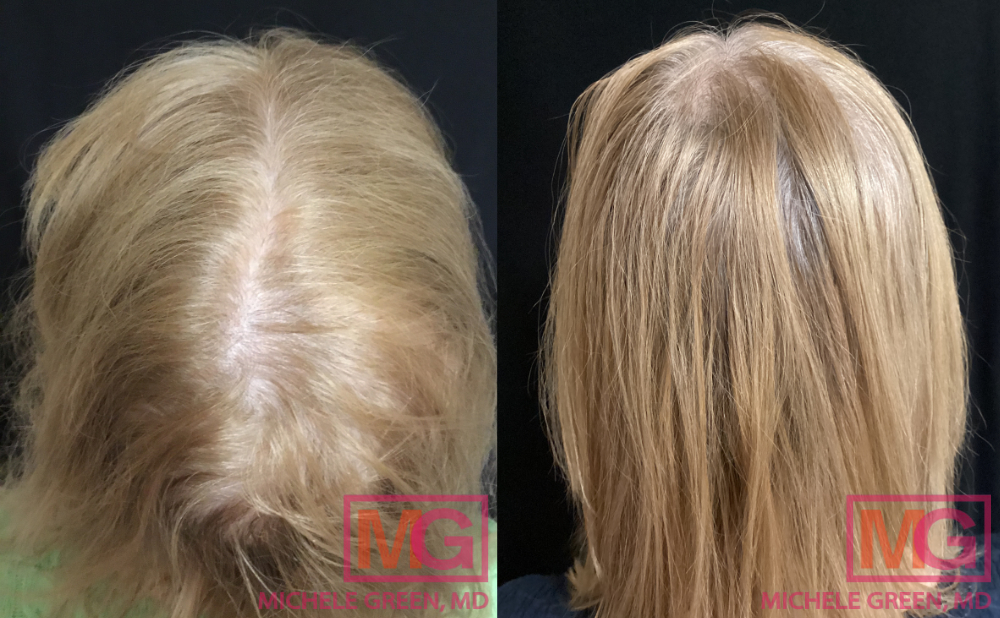
If creatine supplementation has contributed to accelerated hair thinning in someone with a genetic predisposition, stopping creatine may help slow the process. Still, it will not automatically reverse hair loss that has already occurred. Once hair follicles have undergone significant miniaturization from DHT exposure, regrowth requires active treatment. Dr. Michele Green offers a full range of hair loss treatments at her NYC dermatology practice, including topical and oral minoxidil, medications that target the 5-alpha reductase enzyme to reduce DHT levels, platelet-rich plasma (PRP) therapy, and hair transplant referrals for appropriate candidates. Dr. Green will generate an individualized treatment plan tailored to the degree of hair loss, the underlying cause, and each patient’s specific health profile.
Other Side Effects of Creatine to Know About
Beyond hair loss, creatine supplementation is generally well tolerated in healthy individuals. The most commonly reported side effects of creatine include water retention, which accounts for some of the early weight gain seen during supplementation, muscle cramps in some users, and gastrointestinal discomfort at higher doses during the loading phase. These effects are generally mild and resolve on their own. Creatine does not significantly affect total or free testosterone levels. Its influence on hormonal changes appears to be more specifically related to the 5-alpha reductase conversion pathway, which is why the hair follicle concern is targeted rather than a broad hormonal issue.
What Should You Do If You Are Worried About Hair Loss and Creatine?
If you are currently taking creatine and have noticed increased hair shedding, changes in your hairline, or a reduction in hair density, the first step is to consult with a board-certified NYC dermatologist. Dr. Michele Green recommends a thorough evaluation that includes a review of your supplement use, a personal and family history of alopecia, and, where appropriate, laboratory testing to assess hormone levels, including DHT, free testosterone, and total testosterone. It is also worth noting that hair loss has many causes beyond creatine — including nutritional deficiencies, thyroid disease, significant life stress, and other hormonal changes — and a proper diagnosis is essential before attributing hair thinning to any single cause.

Frequently Asked Questions (FAQs) about Creatine and Hair Loss
Will creatine cause hair loss?
Creatine does not directly cause hair loss in most people. However, research suggests it may raise DHT levels — a hormone that can accelerate androgenetic alopecia — in individuals who are genetically predisposed to hair loss. If you have a family history of male or female pattern hair loss, consult a board-certified dermatologist such as Dr. Michele Green in NYC before starting creatine supplementation.
Does creatine cause hair loss in men?
In men with a genetic predisposition to androgenetic alopecia, creatine supplementation may accelerate hair thinning by elevating DHT levels. Men without this predisposition are unlikely to experience noticeable hair loss from creatine alone. The best way to determine your individual risk is to schedule a consultation with Dr. Green, who can examine your hair follicles and review your personal and family history.
Can creatine cause hair loss in women?
Women can also be affected, particularly those with a genetic predisposition to female pattern hair loss or those experiencing hormonal changes such as perimenopause. Elevated DHT levels can affect hair follicles in women just as in men, though the pattern of hair loss often differs. Dr. Michele Green has extensive experience treating female pattern hair loss at her NYC dermatology practice.
Is creatine linked to hair loss through DHT?
Yes — the proposed mechanism is that creatine increases the conversion of testosterone to dihydrotestosterone (DHT) via the enzyme 5-alpha reductase. Since DHT is a primary driver of androgenetic alopecia, this elevation may accelerate hair follicle miniaturization in genetically susceptible individuals.
Can hair loss from creatine grow back?
Stopping creatine may slow further DHT-related hair thinning, but hair that has already been lost due to follicle miniaturization typically requires active treatment to regrow. Options available at Dr. Michele Green’s NYC office include minoxidil, 5-alpha reductase inhibitors, PRP therapy, and other advanced hair restoration treatments.
Is hair loss a side effect of creatine?
Hair loss is not a universal side effect of creatine supplementation and does not appear on most standard side effect profiles for the supplement. It is a potential concern only for those with a genetic predisposition to androgenetic alopecia, based on the indirect DHT-elevation mechanism identified in limited research.
Should I take creatine if I have hair loss?
If you are already experiencing hair thinning or hair loss, it is advisable to speak with a board-certified dermatologist before adding creatine to your routine. Dr. Michele Green can assess your individual risk factors, evaluate the cause of your hair loss, and help you make an informed decision about creatine supplementation.
Can creatine help with hair loss?
There is no evidence that creatine supplementation improves hair growth or reverses hair loss. Its potential effect on DHT levels makes it a supplement to approach with caution if hair health is a concern, rather than a treatment for alopecia.
What does creatine do for hair?
Creatine has no direct beneficial effect on hair health. Its primary role is in energy metabolism within muscle cells. The concern for hair relates solely to its potential to raise DHT levels, which may negatively affect hair follicles in genetically predisposed individuals.
How fast does creatine cause hair loss?
The van der Merwe study observed elevated DHT levels within the first week of a creatine loading phase. However, actual visible hair thinning — if it occurs — would develop gradually over weeks to months, as androgenetic alopecia is a slow, progressive process. If you notice early signs of hair thinning while taking creatine, schedule a consultation with Dr. Green promptly.
How to Get Started with Hair Loss Treatment Today
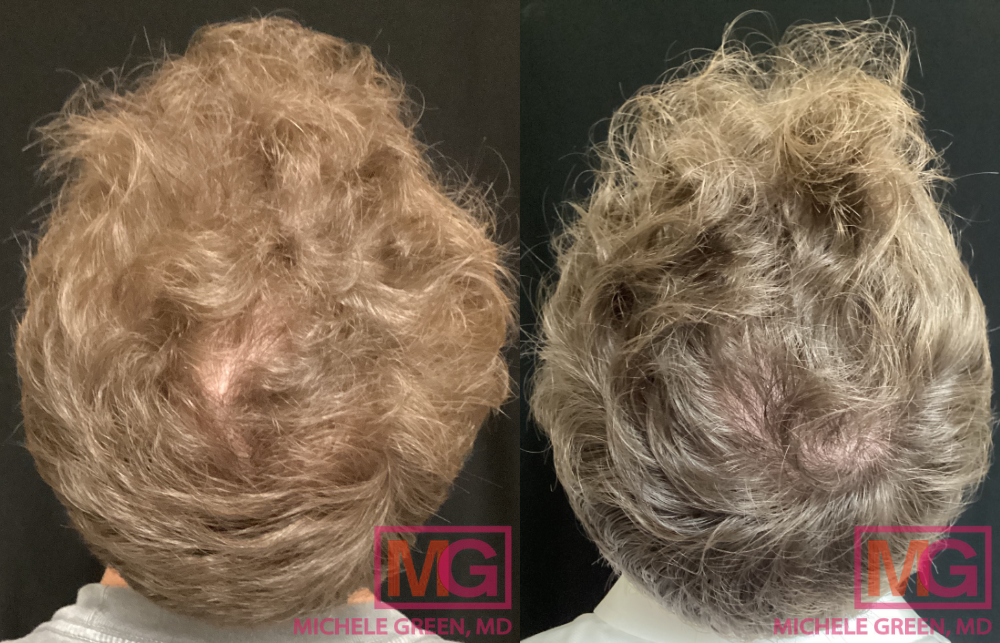
Hair loss is an issue that can cause enormous stress for both men and women, and with so many new treatments, products, and dietary supplements available on the market, it can be difficult to navigate without the help of a board-certified medical professional. If you are experiencing hair thinning, significant changes in hair density, or have concerns about the effects of creatine supplementation on your hair health, the best first step is to seek out an expert board-certified dermatologist, such as Dr. Michele Green in NYC, who can recommend the most effective treatment options for your individual needs. When you have your initial consultation with Dr. Green, she will examine your hair and scalp, review your medical history and supplement use, and run any necessary tests to determine the underlying cause of hair loss and develop an individualized treatment plan tailored to your needs. Depending on the type and extent of hair loss, Dr. Green may recommend topical or oral minoxidil, finasteride, dutasteride, platelet-rich plasma (PRP) injections, low-level laser therapy, or a combination of treatments to strengthen hair follicles and promote new hair growth.
Dr. Michele Green is an internationally renowned, board-certified dermatologist with over 25 years of experience treating patients at her private dermatology office on the Upper East Side of New York City. Well-versed in addressing a wide range of cosmetic and medical dermatological concerns, Dr. Green is a leading expert in diagnosing and treating all types of hair loss, from androgenetic alopecia and telogen effluvium to hormonal and supplement-related hair thinning. Dr. Green takes a holistic approach and embraces a less-is-more philosophy, creating customized treatment plans tailored to each patient’s unique concerns and goals. She is consistently recognized by Castle Connolly, New York Magazine, and Super Doctors as one of New York’s best dermatologists for her dedication to her patients and expertise. Please call us at 212-535-3088 or contact our New York City-based office to schedule a consultation with Dr. Michele Green and get started addressing your hair loss.


