


Why Sunspots Appear Suddenly
One day your skin looks clear, and the next you notice a new brown mark on your cheek, hand, or chest that definitely wasn’t there before. Sunspots, also called age spots, liver spots, or solar lentigines, are flat patches of hyperpigmentation that develop when melanocytes, the pigment-producing cells in the skin, go into overdrive after years of sun exposure. While they may seem to appear out of nowhere, sunspots are almost always the result of cumulative sun damage that finally becomes visible, often triggered by a recent sunburn, a hormonal shift, or simply the passage of time. Understanding why these marks suddenly appear is the first step toward treating them effectively, and that process starts with a consultation with a board-certified dermatologist like Dr. Michele Green.
Although sunspots are harmless and unrelated to skin cancer, they can be frustrating to manage, especially when they appear seemingly overnight or in areas rarely exposed to the sun. The good news is that with the right combination of sun protection, topical treatments, and in-office procedures such as chemical peels, microdermabrasion, cryotherapy, and laser therapy, sunspots can be significantly lightened or removed altogether. Because new or changing spots can sometimes resemble moles, skin tags, or even early melanoma, it is always best to have any sudden changes in pigmentation evaluated by an experienced dermatologist, such as Dr. Michele Green in New York City.
Dr. Michele Green is a board-certified dermatologist with more than 25 years of experience treating sunspots, hyperpigmentation, and sun damage at her private practice on Manhattan’s Upper East Side. Recognized by Castle Connolly, The New York Times, Super Doctors, and New York Magazine as one of New York City’s top dermatologists, Dr. Green takes a personalized, less-is-more approach to skin health. She combines advanced in-office treatments with medical-grade topical products and daily sun protection to help her patients achieve clear, even-toned skin that looks healthy at every age.
What causes sunspots to suddenly show up in adulthood?
It’s common to hear: “Why did I suddenly get a sunspot out of nowhere? I did everything right!” Sunspots develop when ultraviolet (UV) light damages the skin, prompting melanocytes to produce excess melanin, the pigment responsible for skin and hair color. Although this process unfolds gradually over years of cumulative UV exposure, the visible result, a darkened patch of pigment, often seems to appear suddenly in adulthood because melanin production and skin cell turnover slow with age. As a result, pigment that may have been forming beneath the surface for years can become noticeable almost overnight. Genetics, fair skin, and a history of frequent sunburns all increase the likelihood that sunspots will appear earlier and more dramatically as a person ages.
Why do sunspots seem to “pop up” after a sunburn?
A sunburn is a sign of significant UV damage to the skin, and that damage often triggers a surge in melanin production as the skin tries to protect itself from further injury. This is why many patients notice new sunspots, or several, appearing within days to weeks after a severe sunburn. Sunburn-related inflammation and sun damage can also worsen existing pigment, making sunspots look darker and more defined than before. Wearing broad-spectrum sunscreen with at least SPF 30 and avoiding direct sun exposure during peak hours can help prevent this post-sunburn pigment surge.
Can a sunspot appear overnight or in just a few days?
While true sunspots typically take weeks to fully darken and become noticeable, some patients report a spot becoming visible within a few days, especially after intense sun exposure or a sunburn. What feels like an overnight change is usually pigment that was already developing beneath the skin’s surface, reaching a point of visibility. If a new spot appears within 24 to 48 hours and looks raised, irregular, or rapidly changing, it is important to have it examined by a dermatologist, since this pattern can sometimes indicate something other than a typical sunspot.
Is it normal for several sunspots to appear at once?
It is fairly common for multiple sunspots to appear around the same time, particularly after a season of heavy sun exposure, a tropical vacation, or a sunburn. Because melanocytes in sun-exposed areas of the body are often exposed to the same UV radiation simultaneously, pigment changes can appear in clusters rather than one at a time. Patients frequently notice new spots on the face, shoulders, chest, and hands within the same few weeks, reflecting widespread sun damage rather than anything unusual in any one area.
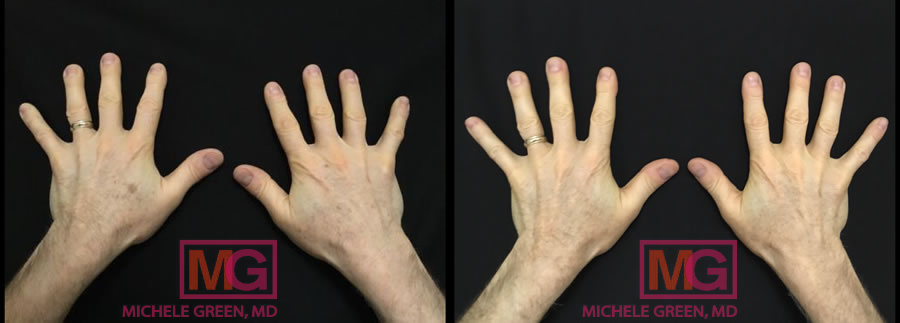
Can a new sunspot actually be something else, like a mole or skin tag?
Not every new dark mark is a sunspot. Moles, freckles, skin tags, and even early skin cancer can resemble solar lentigines, especially to the untrained eye. Sunspots are typically flat, evenly pigmented, and tan to brown, whereas moles tend to be more raised and skin tags have a distinct fleshy texture. Any new spot that is asymmetrical, has an irregular border, contains multiple colors, is larger than a pencil eraser, or changes in size or shape should be evaluated promptly, as these can be warning signs of melanoma. Dr. Green performs thorough skin examinations to distinguish harmless sunspots from other types of lesions and to rule out skin cancer.
Why do some sunspots get darker very fast?
Sunspots can darken quickly when exposed to additional UV radiation because further sun exposure stimulates the same overactive melanocytes responsible for the original spot. Friction, certain skin care products, and even hormonal changes can also accelerate pigment production in an existing spot. Once a sunspot forms, it tends to be especially reactive to sunlight, which is why consistent use of sun protection and broad-spectrum sunscreen is essential to prevent existing spots from darkening and becoming more noticeable over time.
Why am I getting new sunspots even though I wear sunscreen?
Even diligent sunscreen users can develop new sunspots, often due to inconsistent application, expired or low-SPF products, or missed reapplication after sweating or swimming. Sunscreen with SPF 50 should be reapplied roughly every two hours to remain effective, and many people apply too little or miss areas like the ears, hairline, and backs of the hands. Sunspots can also result from cumulative sun damage that occurred years before a patient started using sunscreen regularly, meaning the pigment may simply be surfacing now rather than indicating a new failure of sun protection. Incidental UV exposure through windows, during commutes, or on cloudy days can add up as well.
Treatment Options for Sudden Sunspots
Fortunately, sunspots are highly treatable, and Dr. Michele Green offers a range of in-office procedures and topical treatments tailored to each patient’s skin type, tone, and the extent of their sun damage. Whether sunspots have appeared suddenly after a sunburn or have developed gradually over years of UV exposure, the right combination of professional treatments and daily sun protection can significantly fade existing pigment and prevent new spots from forming.
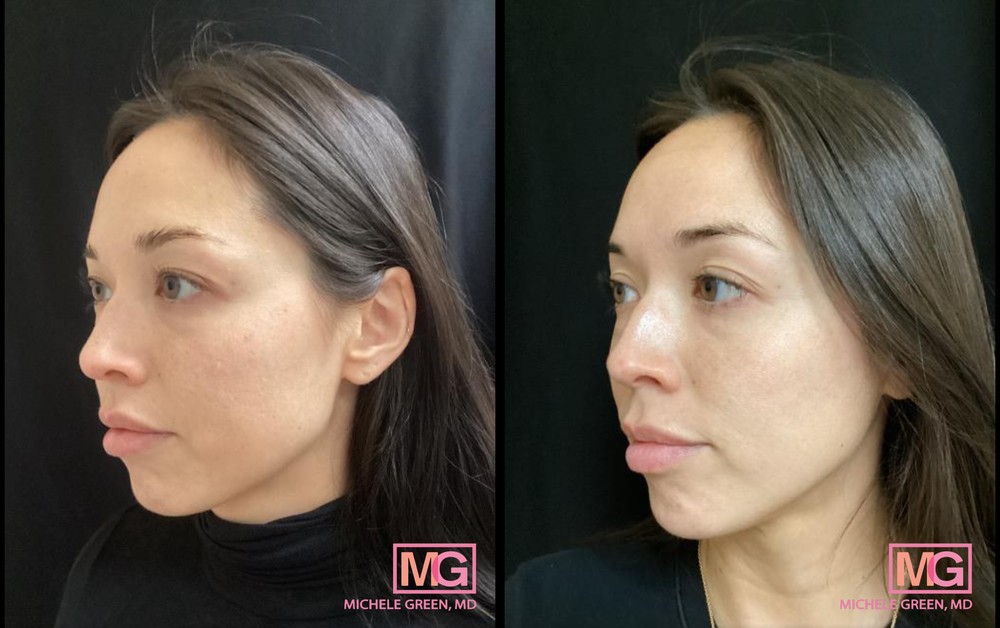
AlexTrivantage Laser
The AlexTrivantage laser is one of Dr. Green’s preferred tools for targeting and eliminating sunspots and age spots. It delivers a specific wavelength of light that is selectively absorbed by melanin in dark spots, converting it to heat that breaks down the pigment while leaving the surrounding skin unharmed. Many patients see noticeable results after just one to two sessions, with minimal downtime. The AlexTrivantage is also effective for treating unwanted birthmarks and pigmented lesions, making it a versatile option for patients dealing with widespread sun damage.
Chemical Peels
Chemical peels use exfoliating acids to remove the outer layers of damaged, discolored skin and stimulate the growth of fresh, evenly toned skin beneath. Dr. Green offers peels in a range of strengths, tailored to the depth of pigmentation and the patient’s skin type, making them a flexible option for treating sunspots on the face, chest, hands, and other sun-exposed areas. A series of treatments is typically recommended for optimal results, and patients are advised to follow up with strict sun protection and a personalized skincare routine to maintain their results and prevent recurrence.
Cosmelan Peel
The Cosmelan peel is a medical-grade depigmentation treatment that works on multiple levels to address stubborn hyperpigmentation, including sunspots. It accelerates epidermal cell turnover to remove existing melanin from the surface, blocks pigment migration within the skin, and reduces melanin production at the source by inhibiting melanocyte activity. Dr. Green applies the Cosmelan 1 mask in-office, and the patient removes it at home after a prescribed period. A follow-up Cosmelan 2 maintenance cream, along with a hydrating moisturizer and broad-spectrum sunscreen, is used at home to support and prolong results. Cosmelan delivers highly effective, long-lasting improvement with minimal downtime and is safe for a wide range of skin tones.
Fraxel Laser
The Fraxel laser is a resurfacing treatment that Dr. Green often calls a “magic eraser” for its ability to address multiple signs of sun damage at once. Its 1927nm wavelength is particularly effective at targeting hyperpigmentation and sunspots on the face, neck, chest, arms, and hands by creating controlled micro-injuries in the skin that stimulate new collagen production and accelerate the replacement of pigmented, damaged cells with fresh ones. Downtime is typically minimal, with mild redness and swelling for about 48 hours and some peeling for three to five days. A series of treatments spaced one month apart is recommended to achieve a more even, rejuvenated skin tone.
Topical Treatments
Alongside in-office procedures, topical treatments play an important role in fading sunspots and preventing new ones. Dr. Green may recommend prescription-strength hydroquinone, retinoids such as tretinoin, vitamin C serums, and kojic acid as part of a customized at-home skincare regimen. These ingredients work by inhibiting melanin production, accelerating cell turnover, and protecting against further UV damage. Daily broad-spectrum sunscreen is essential, regardless of the treatment path a patient takes, because unprotected sun exposure can quickly undo results and trigger new pigment formation.
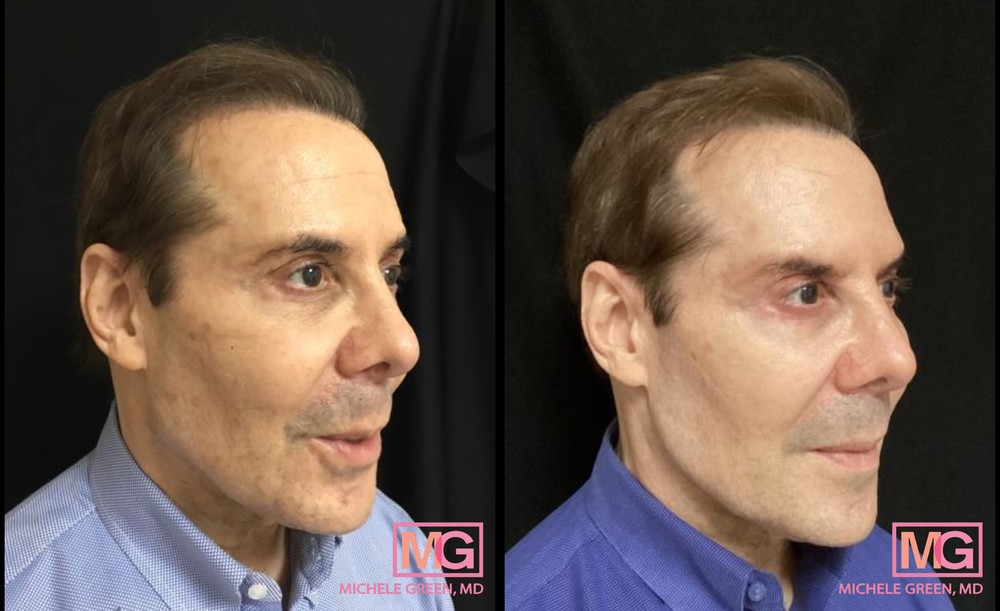
Frequently Asked Questions (FAQs) About Sunspots
Can sunspots appear suddenly due to past sun damage “catching up” years later?
Yes. Sunspots are often the delayed result of UV damage that occurred years, or even decades, earlier. The skin has a long memory: each instance of unprotected sun exposure or sunburn contributes to a buildup of damaged melanocytes, even if no visible spot appears right away. Over time, particularly as cell turnover slows with age, this accumulated sun damage can surface all at once, leading patients to feel as though sunspots have appeared suddenly, when in reality they reflect years of past UV exposure finally becoming visible on the skin’s surface.
Can stress or hormones cause sunspots to appear suddenly?
Hormonal changes can influence pigment production and increase the skin’s reactivity to UV exposure, which may cause sunspots to appear suddenly or darken. While stress itself does not directly cause sunspots, chronic stress can affect overall skin health and may make existing sun damage more noticeable. Hormonal fluctuations are more strongly linked to melasma than to true sunspots, but the two conditions can occur together, making a proper diagnosis by a dermatologist important.
Can pregnancy cause sudden sunspots?
Pregnancy is a common trigger for melasma, a related but distinct form of hyperpigmentation caused by hormonal changes rather than sun damage alone, though sun exposure can significantly worsen it. Many patients notice new patches of pigment appearing quickly during pregnancy due to elevated estrogen and progesterone levels. While melasma often fades after childbirth, sunspots caused by UV exposure typically do not resolve on their own. They may require active sun protection or treatment of the sunspots and the underlying sun damage to fully clear.
Why are sunspots more common after menopause?
The hormonal shifts that occur during menopause, particularly declining estrogen levels, can affect how the skin responds to UV exposure and may make it more prone to pigment irregularities, including sunspots. Skin also becomes thinner and repairs itself more slowly after menopause, allowing years of accumulated sun damage to become more visible. This combination of hormonal change and decreased skin resilience is why many women notice a marked increase in sunspots during and after this stage of life.
Can certain medications make sunspots appear more suddenly?
Yes, certain medications can increase the skin’s sensitivity to UV rays, a side effect known as photosensitivity. This can cause sunspots to develop more quickly or become darker with even brief sun exposure. Common culprits include some antibiotics, retinoids, diuretics, and certain acne medications. Patients taking photosensitizing medications should be especially diligent about sun protection and should let their dermatologist know about any new or worsening pigment so it can be properly addressed.
Why did I get a sunspot in a spot that’s rarely in the sun?
Even areas that rarely receive direct sunlight can accumulate UV damage over the years from incidental exposure, such as sunlight through a car or office window, reflected light, or brief outdoor moments that add up. Sunspots can also result from sun exposure that occurred long ago, before a patient moved, changed habits, or began covering that area more consistently. In rare cases, a spot in an unusual location may not be a sunspot at all and should be evaluated by a dermatologist to confirm the diagnosis.
Why are sunspots increasing as I get older, even with less sun exposure?
Sunspots tend to increase with age because skin cell turnover and the body’s ability to repair UV damage both decline over time, allowing years of accumulated sun damage to surface more readily. Melanocytes also become less evenly distributed and more reactive as skin ages, which can cause pigment to cluster into visible spots even without significant new sun exposure. This is why sunspots are often described as a sign of photoaging: they represent damage that has been building for decades and is now becoming more apparent as the skin’s natural defenses weaken.
Can a tanning bed cause sunspots to appear quickly?
Tanning beds emit concentrated UV radiation that can cause sunspots to develop much more quickly than natural sun exposure alone. Because indoor tanning delivers an intense, regular dose of UV rays directly to the skin, frequent users often see new pigment, including sunspots, and an increased risk of skin cancer appear within a relatively short period of time. Dr. Green strongly recommends avoiding tanning beds altogether in favor of sunless tanning products and proper sun protection.
Why do sunspots seem to appear more in summer?
Summer brings longer days, more intense UV radiation, and more time spent outdoors, all of which increase overall sun exposure and accelerate melanin production. Many patients notice new or darker sunspots toward the end of summer, after months of cumulative UV exposure finally trigger a visible pigment response. This seasonal pattern is a strong reminder to wear sunscreen and practice sun protection year-round, not just in the warmer months.
Does skin type affect how suddenly sunspots show up?
Skin type plays a significant role in when and how sunspots appear. Patients with fair skin tend to develop sunspots more readily and at a younger age because they have less natural melanin to protect against UV damage. Patients with deeper skin tones are not immune to sunspots, but they may notice them later in life. They are also more prone to other forms of hyperpigmentation, such as post-inflammatory pigment changes. Regardless of skin type, consistent sun protection is the best way to prevent sunspots from forming.
Can diet or vitamin deficiencies trigger sudden sunspots?
Diet alone does not directly cause sunspots, as they are primarily driven by UV exposure and sun damage. However, a diet low in antioxidants, such as vitamin C, may leave the skin less able to defend itself against UV-induced oxidative stress, potentially making existing sun damage more noticeable. Maintaining a diet rich in antioxidants, alongside consistent sun protection, can support overall skin health, though it is not a substitute for sunscreen or professional treatment.
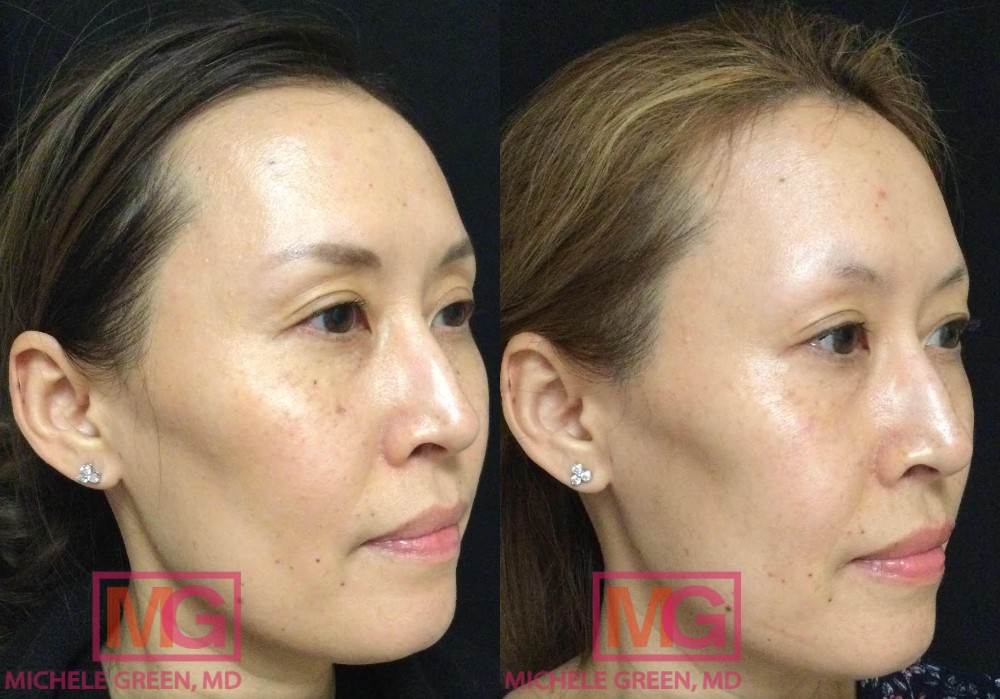
Schedule a Consultation to Treat Your Sunspots Today with Dr. Michele Green
Whether a sunspot appears seemingly overnight or gradually becomes more noticeable, the underlying cause is almost always sun exposure and accumulated UV damage over the years. Hormonal changes, sunburns, certain medications, and aging skin can all contribute to sunspots appearing suddenly. The good news is that effective treatment options, from topical treatments like hydroquinone and retinoids to in-office procedures like laser therapy, IPL, and chemical peels, are available to fade existing pigment and prevent new spots from forming. Working with a board-certified dermatologist like Dr. Michele Green ensures that any new or changing spot is correctly diagnosed and treated with a plan tailored to your skin type and goals.
Dr. Michele Green is an internationally recognized, board-certified dermatologist with more than 25 years of experience helping patients in New York City achieve clear, even-toned, healthy skin. Honored by Castle Connolly, The New York Times, Super Doctors, and New York Magazine as one of the city’s leading dermatologists, Dr. Green combines advanced technology with a personalized, conservative approach to deliver natural-looking results. To understand why you are suddenly noticing sunspots and to explore the best treatment options for your skin, contact us online or call Dr. Green’s NYC office today at 212-535-3088.


