


NYC Apartment Radiators and Dry Skin
If you live in a prewar NYC apartment, you know the exact moment heating season begins. The hissing, clanking steam radiator under the window is as much a part of classic New York living as crown moldings and creaky parquet floors. But while those radiators keep apartments warm through the winter months, they also leave the indoor air incredibly dry, and many New Yorkers find themselves dealing with tight, flaky, itchy skin, cracked lips, and even nosebleeds by the time December rolls around. If your complexion seems to fall apart every heating season, understanding what is happening inside your home is the first step toward fixing it, and expert guidance from board-certified dermatologist Dr. Michele Green in NYC can make all the difference.
Dry skin from radiator heat is more than a seasonal annoyance. When indoor humidity drops to desert-like levels, the skin barrier loses water faster than it can replace it, which can lead to redness, rough patches, and irritation, and can set off flare-ups of eczema, rosacea, and other skin conditions. The good news is that this kind of dryness is very manageable. A few smart adjustments to your apartment, a season-ready skincare routine, and professional treatment when needed can keep your skin calm, comfortable, and healthy until spring. With the right plan and personalized care from Dr. Michele Green, radiator season doesn’t have to mean months of uncomfortable skin.
Why does my NYC apartment get so dry in winter?
Cold winter air holds very little moisture to begin with. When that air drifts into your NYC apartment through drafty prewar windows and is warmed by your radiators to 75 or even 80 degrees, its relative humidity plummets, often to between 15 and 25 percent, comparable to some of the driest climates on earth. Older apartment buildings with steam heating systems are also notorious for overheating. A single boiler in the basement heats the entire building, and most individual units have no thermostat, so the boiler often runs hot enough to keep the coldest apartment comfortable while leaving everyone else sweltering. That is why so many New Yorkers end up opening a window in the middle of January just to cool down. The resulting cycle of overheated, bone-dry indoor air mixed with blasts of cold outdoor air is a recipe for dehydrated skin, irritated sinuses, and nosebleeds, and it’s why board-certified dermatologist Dr. Green sees a sharp rise in dry-skin complaints every winter in NYC.
How steam radiator heat in prewar buildings is different from modern heating
Most prewar buildings in New York City were built with steam heating. A boiler in the basement heats water until it turns to steam, and that steam travels up through the building’s pipes to the cast iron radiators in each apartment. Many of these buildings use a one-pipe system, where steam rises through the same pipe that condensed water drains back down, while a small air vent on the side of each radiator lets air escape so steam can move in. The hissing and banging sounds that come with an apartment radiator usually come from trapped water colliding with incoming steam, which often means the radiator needs to be re-pitched or serviced by a plumber. Modern heating, on the other hand, typically uses forced hot air, hot water baseboards, or electric heat pumps paired with individual thermostats, so residents can set exactly how warm each room gets.
That lack of control is the biggest difference for your skin. The valve at the base of a one-pipe steam radiator is designed to work like an on-off switch rather than a dimmer, and leaving the control valve halfway open can actually cause more noise and leaks without lowering the temperature. Newer city rules such as Local Law 97, which caps greenhouse gas emissions from most large buildings, are encouraging many co-ops and condos to modernize their heating, but for now, many New Yorkers still live with the classic NYC radiator. Board-certified dermatologist Dr. Green regularly helps patients adapt their skincare routines to this unique indoor climate.
Is steam heat worse for skin than forced air heat?
Neither type of heat adds moisture to the air, so both can contribute to dry skin, but they dry the skin out in slightly different ways. Forced air systems blow hot air directly across the room and across your skin, which speeds up evaporation from the skin’s surface and the eyes and can circulate dust and other allergens. Steam radiators do not blow air, so the heat they produce can feel gentler at first. In practice, however, steam-heated prewar apartments are often much hotter than homes with modern thermostats, and the warmer the indoor air becomes, the lower its relative humidity falls. Portable electric heaters, which many people use in drafty rooms, can make the problem even worse. Ultimately, the type of heating matters less than the temperature and humidity it creates, and Dr. Green advises patients in steam-heated apartments to control both whenever possible.
Why is my skin so itchy in my NYC apartment in winter?
The skin’s outermost layer, called the stratum corneum, is held together by a mix of lipids, including ceramides, cholesterol, and fatty acids, that seal in moisture and keep irritants out. In very dry air, water evaporates out of the skin faster than usual, a process known as transepidermal water loss. As the skin dehydrates, tiny cracks form in this protective barrier, exposing sensitive nerve endings and triggering the itch that so many New Yorkers feel by midwinter. Radiator-related dry skin often looks rough, flaky, or ashy, and can feel tight right after washing. On the shins, arms, and hands, it may develop a fine, cracked pattern that resembles a dry riverbed, a condition known as asteatotic eczema. Long, hot showers, harsh soaps, and scratchy wool sweaters can all make the itch worse, and scratching only damages the barrier further, creating a frustrating itch-scratch cycle. If the itching is persistent or keeps you up at night, Dr. Green can determine whether simple dryness or an underlying skin condition is to blame.
Does radiator heat cause eczema flare-ups?
Radiator heat does not cause eczema on its own, as atopic dermatitis is driven by a combination of genetics, immune system activity, and an inherited weakness in the skin barrier. However, dry indoor air is one of the most common triggers for eczema flare-ups, and many patients notice that their skin is at its worst from November through March. Low humidity pulls moisture from skin that already struggles to hold it, while overheated rooms can cause sweating, another well-known eczema trigger. Dust that collects on radiators and inside a radiator cover can also irritate sensitive skin when the heat kicks on and stirs it into the air. Anyone who has a history of eczema should start their winter skincare plan early, before the heat comes on in the fall, and Dr. Green can create a personalized prevention and treatment plan to help keep flare-ups under control.
Does dry radiator air age your skin faster?
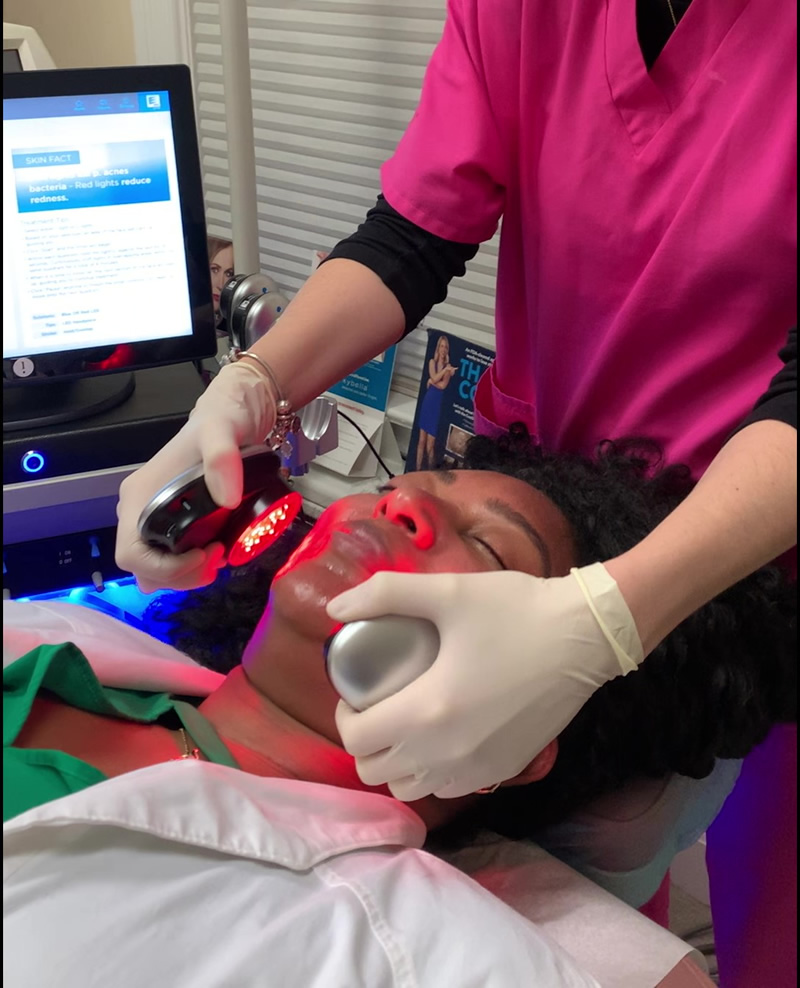
Dehydrated skin can certainly look older. When the skin lacks water, fine lines become more noticeable, the complexion looks dull, and areas around the eyes and mouth can appear crepey. Fortunately, most of these changes are temporary and improve once the skin is properly hydrated again. Chronic dryness and the inflammation that comes with a damaged skin barrier may play a small role in skin aging over time, but the main drivers of visible aging remain sun exposure, genetics, and natural collagen loss. Since UV rays reach the skin even on gray winter days, daily sunscreen like the Hydrating SPF 50 from MGSKINLABs is still essential, and its hyaluronic acid adds an extra boost of hydration. For patients who want to restore radiance quickly, Dr. Green often recommends a HydraFacial to deeply cleanse and replenish winter-weary skin.
What humidity level is best for skin health in a NYC apartment?
Most experts recommend keeping indoor relative humidity between about 40 and 50 percent during the winter. This range helps the skin hold onto moisture, keeps the nasal passages from drying out and causing nosebleeds, and is still low enough to discourage mold and dust mites, which thrive when humidity climbs above 60 percent. A small digital hygrometer, which costs very little, is the easiest way to see where your apartment actually stands, and many New Yorkers are surprised to find their readings in the teens or low 20s once the heat is running. In older buildings with single-pane windows, it is also worth watching for heavy condensation on the glass, which is a sign that humidity is too high for that room. For patients with chronic dry skin, Dr. Green often suggests tracking humidity for a week or two to better understand how the home environment affects their skin.
How to prevent dry skin from steam radiator heat
The most effective way to prevent dry skin is to address the air and the skin at the same time. Running humidifiers in the bedroom and main living space is the single biggest change most people can make. If your apartment is constantly overheated, ask your landlord, super, or co-op board whether a thermostatic radiator valve can be installed. On a one-pipe steam radiator, a thermostatic radiator valve typically replaces or attaches to the air vent and allows you to set a target temperature for each room, which is a far better solution than keeping the windows open all winter. Installation should be handled by a licensed plumber who is familiar with steam heating systems. A well-designed radiator cover can also help by keeping furniture and bedding a safe distance from direct heat and providing a shelf for a humidifier, as long as it has an open front or grille so it does not trap heat.
Your daily habits matter just as much. Keep showers short and lukewarm rather than hot, use a gentle, fragrance-free cleanser, and apply moisturizer within a few minutes of patting the skin dry to lock in water. Drink plenty of water, wear soft cotton layers under wool, and keep a hand cream next to the kitchen and bathroom sinks. Board-certified dermatologist Dr. Green also reminds patients to start these habits as soon as the heat comes on, since it is much easier to prevent winter dryness than to repair a barrier that is already cracked and irritated.
Best humidifier for a NYC prewar apartment
The best humidifier for a NYC apartment is one that fits your space, is easy to clean, and can maintain humidity in the 40 to 50 percent range. Cool mist ultrasonic models are quiet, compact, and popular for small bedrooms, but they should be filled with distilled water to avoid the fine white mineral dust that New York tap water can leave on furniture. Evaporative humidifiers use a wicking filter and a fan, naturally regulate themselves so they are less likely to over-humidify a room, and do not produce white dust, though their filters need to be replaced regularly. Warm mist humidifiers boil water before releasing it, which reduces bacteria, but they use more energy and can pose a burn risk in homes with small children or pets. Whichever type you choose, look for a model sized to the square footage of the room, with a built-in humidistat that turns the unit off once it reaches your target level. Clean the tank every few days to prevent mold and bacteria buildup, and place the humidifier a few feet from your bed rather than directly on top of the radiator. The old trick of setting a pan of water on the radiator adds a small amount of moisture, but it is not enough to make a meaningful difference in most rooms. Dr. Green considers a good humidifier one of the most valuable investments New Yorkers can make for their skin during heating season.
How to protect your skin barrier from NYC radiator dry heat
Protecting the skin barrier in winter comes down to three types of ingredients: humectants, which draw water into the skin, emollients, which smooth and soften, and occlusives, which seal everything in. Hyaluronic acid is one of the most effective humectants, and the Hydra Repair hyaluronic acid serum from MGSKINLABs is a great way to give the skin an immediate boost of hydration. In very dry indoor air, apply hyaluronic acid to slightly damp skin and follow it right away with a moisturizer so the serum has water to hold onto. Barrier-repairing ingredients like ceramides, cholesterol, and fatty acids help rebuild the skin’s natural lipid layer, while an occlusive such as petrolatum can be applied over especially dry patches at night.
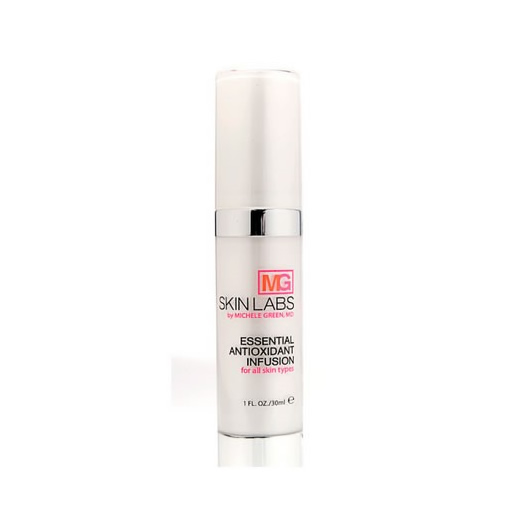
Winter is also the time to use active ingredients more gently. Exfoliating acids and retinoids remain valuable, but many patients do better reducing how often they use them while the heat is on. The Essential Antioxidant Infusion from MGSKINLABs, which combines retinol with nourishing vitamins, can be used a few nights a week and layered over a moisturizer if the skin feels sensitive. Dr. Green will help you strike the right balance between maintaining your results and keeping your skin barrier intact through the winter.
NYC winter skin care routine for dry apartment heat
A good winter routine for radiator season is simple, gentle, and focused on hydration. In the morning, rinse with lukewarm water or a creamy, non-foaming cleanser, then apply an antioxidant serum such as the Vita-C Serum from MGSKINLABs to brighten dull winter skin and protect against environmental damage. Follow with Hydra Repair on slightly damp skin, a nourishing moisturizer, and Hydrating SPF 50 before heading out into the cold. In the evening, cleanse gently to remove sunscreen and city grime, apply Hydra Repair again, use a retinol on the nights your skin tolerates it, and finish with a richer cream, adding a thin layer of ointment to any flaky or cracked spots. For the body, keep showers to about five to ten minutes, pat your skin dry, and apply a thick body cream within a few minutes while it’s still slightly damp. Because every patient’s skin responds differently to dry apartment heat, Dr. Green can customize this routine to your specific skin type and concerns.
Best moisturizer for skin dried out by radiator heat
When radiator heat leaves your skin feeling tight and rough, a thicker cream or ointment will usually outperform a light lotion. Look for formulas that combine humectants such as glycerin and hyaluronic acid, barrier-repairing lipids such as ceramides, cholesterol, and fatty acids, and soothing emollients such as shea butter, squalane, or colloidal oatmeal. For rough patches on the elbows, heels, and shins, moisturizers with a low concentration of urea or lactic acid can gently smooth the skin, though they may sting if applied to cracked or broken areas. Fragrance-free products are always the safer choice for dry, irritated winter skin. Using a slightly heavier moisturizer at night than during the day is also a smart strategy, since the skin loses the most water while you sleep in a warm, dry bedroom. If over-the-counter products are not making a difference, Dr. Green can recommend medical-grade options or prescribe a treatment tailored to your skin.
When should you see a dermatologist for winter dry skin in NYC?
Most winter dryness improves within a week or two of better skincare and higher indoor humidity. See a dermatologist if your skin stays dry and irritated despite these changes, if itching interferes with your sleep, or if your skin begins to crack, bleed, ooze, or show signs of infection such as increased redness, warmth, or crusting. Also evaluate a rash that keeps spreading, a flare of eczema or rosacea that will not settle, or patches that look different from typical dry skin, as conditions like psoriasis, contact dermatitis, or fungal infections can mimic simple dryness. A board-certified dermatologist can provide prescription treatments, including topical corticosteroids and nonsteroidal anti-inflammatory creams, that calm inflammation far more effectively than over-the-counter products. During your consultation, Dr. Green will examine your skin, review your skincare routine and home environment, and create a personalized treatment plan to restore your skin’s comfort and health.
FAQs about NYC Radiators and Dry Skin
Eczema in a NYC apartment — how to manage winter flare-ups
Managing eczema in a NYC apartment starts with controlling the environment and protecting the skin barrier every single day. Keep a humidifier running in the bedroom, aim for indoor humidity of about 40 to 50 percent, and try to prevent overheating, since sweat can trigger itching just as easily as dry air. Dust radiators and the inside of any radiator cover regularly, especially before the heat comes on for the season. Bathe in lukewarm water, use a gentle, soap-free cleanser, and apply a thick, fragrance-free cream or ointment immediately afterward. Choose soft, breathable fabrics like cotton, and wash bedding and clothing with a fragrance-free detergent. When flare-ups do occur, a board-certified dermatologist like Dr. Green can prescribe topical anti-inflammatory treatments to calm the skin quickly and help prevent future flares.
Rosacea and radiator heat — does dry indoor air make it worse?
Yes, radiator season can be challenging for people with rosacea. Heat is one of the most common rosacea triggers, and moving between freezing outdoor temperatures and overheated indoor spaces can lead to frequent flushing and redness. Dry indoor air also weakens the skin barrier, which makes rosacea-prone skin more reactive to skincare products and environmental irritants. To keep rosacea under control, avoid sitting or sleeping near the radiator, use a humidifier, keep your skincare routine gentle and fragrance-free, and wear mineral sunscreen every day. Dr. Green offers a range of rosacea treatments, including prescription topical medications and the VBeam laser, which targets visible blood vessels and persistent redness.
Can indoor radiator heat trigger perioral dermatitis or contact dermatitis?
Radiator heat does not directly cause either condition, but the winter habits and skin changes that come with it can contribute to both. Perioral dermatitis, a rash of small red bumps around the mouth, nose, or eyes, can be triggered by heavy, occlusive facial creams and by using over-the-counter hydrocortisone on facial skin, both of which are common when people try to treat winter dryness on their own. Irritant contact dermatitis is also more likely in winter, since a dry, compromised skin barrier allows soaps, fragrances, and other irritants to penetrate more easily, and frequent handwashing only adds to the problem. If you develop a rash around your mouth or a red, irritated patch that doesn’t improve with gentle care, Dr. Green can determine the cause and recommend the right treatment.
Cracked lips and dry hands from NYC apartment heat — what helps?
Lips and hands are often the first areas to suffer during radiator season, since lips have very few oil glands and hands are washed many times a day. For cracked lips, avoid licking them, as saliva evaporates quickly and leaves them even drier; apply a fragrance-free balm with petrolatum, beeswax, or shea butter throughout the day, especially before bed. Avoid lip products with menthol, camphor, cinnamon, or heavy fragrance, which can irritate already chapped skin. For dry hands, use a gentle cleanser, pat the skin dry, and apply a thick hand cream after every wash. At night, apply a generous layer of cream or ointment and sleep in cotton gloves to help improve cracked skin. If painful cracks persist, Dr. Green can evaluate whether hand eczema or another condition may be involved.
Does sleeping near a radiator damage your skin overnight?
Sleeping near a radiator will not cause serious damage in most cases, but it can leave your skin noticeably drier and more irritated by morning, as the skin naturally loses more water overnight and the air closest to the radiator is the hottest and driest in the room. For people with rosacea, the extra heat can also cause flushing. To protect your skin, move your bed a few feet away from the radiator if possible, use a radiator cover to block direct heat, run a humidifier in the bedroom, and apply a richer moisturizer before bed. If you notice any unusual discoloration on skin that regularly rests near a heat source, schedule an evaluation with Dr. Green.
How do I get started protecting my skin from radiator heat today?
Steam radiators are a beloved part of prewar New York living, but the hot, dry air they create can take a real toll on the skin. Low indoor humidity and overheated apartments weaken the skin barrier, leading to dry, itchy skin, cracked lips and hands, and flare-ups of eczema, rosacea, and other conditions throughout the winter months. By running a humidifier, controlling the heat, adjusting your skincare routine, and choosing the right moisturizers, you can keep your skin healthy and comfortable all season long. When dryness becomes persistent or painful, a personalized treatment plan from board-certified dermatologist Dr. Michele Green in NYC can help restore your skin’s comfort and glow.
Dr. Michele Green is an internationally recognized, board-certified cosmetic dermatologist with over 25 years of experience treating dry skin, eczema, rosacea, and a wide range of other skin conditions at her private dermatology practice on Manhattan’s Upper East Side. Castle Connolly, New York Magazine, Super Doctors, and The New York Times consistently recognize Dr. Green as one of NYC’s top dermatologists for her dedication to her patients and her expertise. Dr. Green takes a holistic, less-is-more approach to skin health, tailoring each treatment plan to the patient’s skin type, lifestyle, and specific concerns. She also created her own skincare line, MGSKINLABs, with products designed to hydrate, protect, and restore the skin, so her patients can keep their complexion looking its best no matter how hot the radiator runs this winter. If you are ready to stop letting radiator season dry out your skin, schedule a consultation with Dr. Green by contacting us online or calling the NYC office at 212-535-3088.


