


Azelaic Acid for Acne Scars
If you have ever scrolled through #azelaicacid on social media, you have probably noticed that this humble skincare ingredient has developed something of a cult following. Azelaic acid is a gentle yet effective topical treatment used in dermatology for decades to treat acne and rosacea, and it has recently earned a reputation as one of the best options for fading the stubborn marks breakouts leave behind. Unlike harsher treatments that can irritate the skin, azelaic acid works quietly in the background, calming inflammation, clearing pores, and evening discoloration, making it a favorite for patients with acne-prone, sensitive skin. If you are frustrated by post-acne marks that seem to linger long after a pimple has healed, azelaic acid may be the missing piece of your skincare routine, especially when it is recommended and monitored by an experienced, board-certified dermatologist such as Dr. Michele Green in NYC.
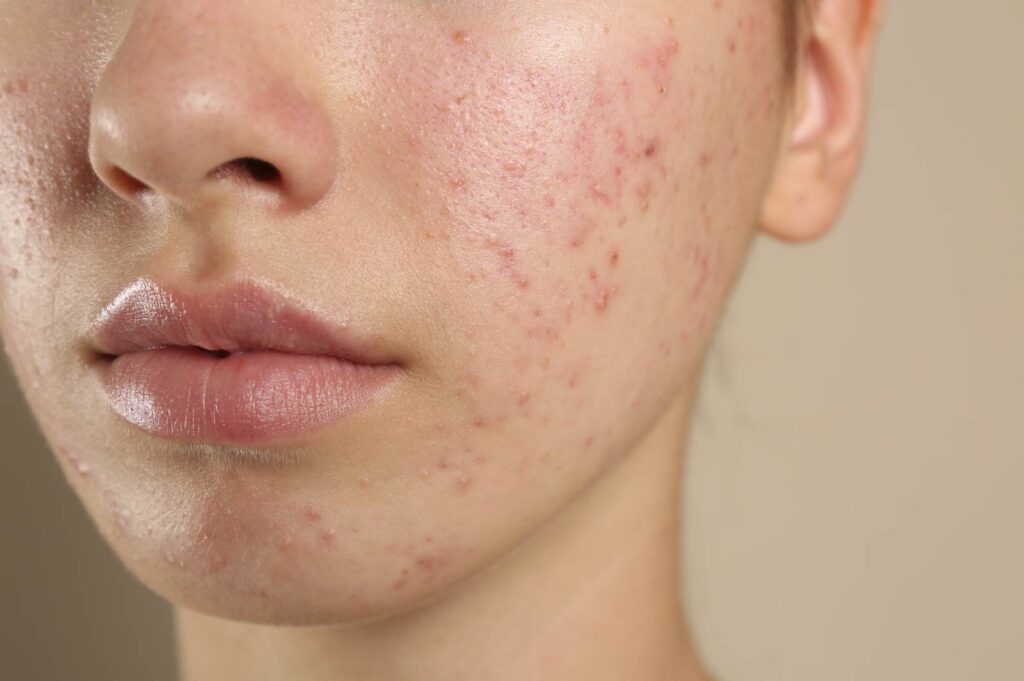
Of course, not all acne scars are created equal, and understanding your acne scarring is the first step toward choosing the right treatment. Many of the “scars” that bother patients most are actually flat discoloration, such as brown dark spots known as post-inflammatory hyperpigmentation (PIH) or pink and red marks known as post-inflammatory erythema (PIE). Azelaic acid shines for these flat marks because it targets excess pigment and redness at the source. Indented or pitted acne scars, on the other hand, involve a loss of collagen beneath the skin and typically require in-office procedures to smooth the skin texture. The good news is that azelaic acid can be safely combined with many of these treatments as part of a comprehensive plan, which is exactly the type of personalized approach you can expect with Dr. Michele Green.
What Is Azelaic Acid?
Azelaic acid is a naturally occurring dicarboxylic acid found in grains such as wheat, barley, and rye, and it is even produced by a yeast that lives on healthy human skin. Dicarboxylic acids are a family of organic compounds with two acid groups, and azelaic acid is one of the most skin-friendly members of the group. In the United States, prescription-strength azelaic acid is FDA-approved to treat acne vulgaris and the bumps and redness of rosacea, and it is available as a 15% gel or foam and a 20% azelaic acid cream. Lower concentrations are also found in many over-the-counter serums and suspensions. What makes this active ingredient so unique is that it is antibacterial, anti-inflammatory, and pigment-correcting all at once, so it can treat active breakouts while simultaneously fading the marks they leave behind. For this reason, many dermatologists, including board-certified dermatologist Dr. Michele Green in NYC, consider azelaic acid one of the most versatile skincare ingredients available for patients struggling with acne and its aftermath.
Does Azelaic Acid Help Acne Scars?
Yes, azelaic acid can help acne scars, although how much it helps depends on the type of scar you have. Azelaic acid is especially effective for flat post-acne marks, including brown or gray hyperpigmentation and lingering pink or red discoloration, because it reduces excess melanin and calms inflammation. Many patients are pleasantly surprised to see their blemishes and dark marks fade gradually over the first few months of consistent use, with each new blemish healing with less lingering discoloration. Azelaic acid also helps prevent new acne scarring from forming in the first place, since it treats the acne lesions that cause scars. If you are still breaking out, using azelaic acid can help interrupt the frustrating cycle of breakout, mark, and repeat. However, azelaic acid cannot fully correct deep, indented scars on its own, so Dr. Green often pairs it with in-office treatments for patients who are dealing with both discoloration and textural changes.
How Does Azelaic Acid Work on Acne Scars?
Azelaic acid works on several fronts at once, which is why it is such an effective acne treatment and scar-fading ingredient. First, it inhibits tyrosinase, the enzyme that kick-starts melanin production, helping lighten dark spots and prevent new ones from forming. Interestingly, azelaic acid appears to preferentially target overactive pigment-producing cells while leaving normally functioning cells alone, so it evens out discoloration without bleaching the surrounding skin. Second, its anti-inflammatory properties calm the redness and swelling that drive both active acne and post-acne discoloration. As an antioxidant, it helps neutralize the free radicals that contribute to inflammation and skin damage. Third, azelaic acid has antibacterial activity against Cutibacterium acnes (formerly Propionibacterium acnes), the bacteria associated with acne. Finally, it gently normalizes cell turnover within the hair follicle, helping unclog pores and prevent the buildup that can lead to future pimples. By reducing inflammation, controlling bacteria, and regulating pigment, azelaic acid addresses the root causes of acne scars rather than just the surface, and Dr. Green can help you determine how to make the most of these benefits for your skin.
What Types of Acne Scars Can Azelaic Acid Treat?
Acne scars generally fall into three main categories: hyperpigmentation, erythema (redness), and atrophic or indented scars. Learn more about each type on our types of acne scars page. Azelaic acid is most effective for the first two categories, since they involve color changes rather than changes in the skin’s structure. For true textural scars, azelaic acid plays a supporting role, helping keep skin clear and even-toned while in-office procedures rebuild collagen. During your consultation, Dr. Green, a board-certified dermatologist in NYC, will examine your skin to identify your acne scar type and recommend the best combination of treatments.
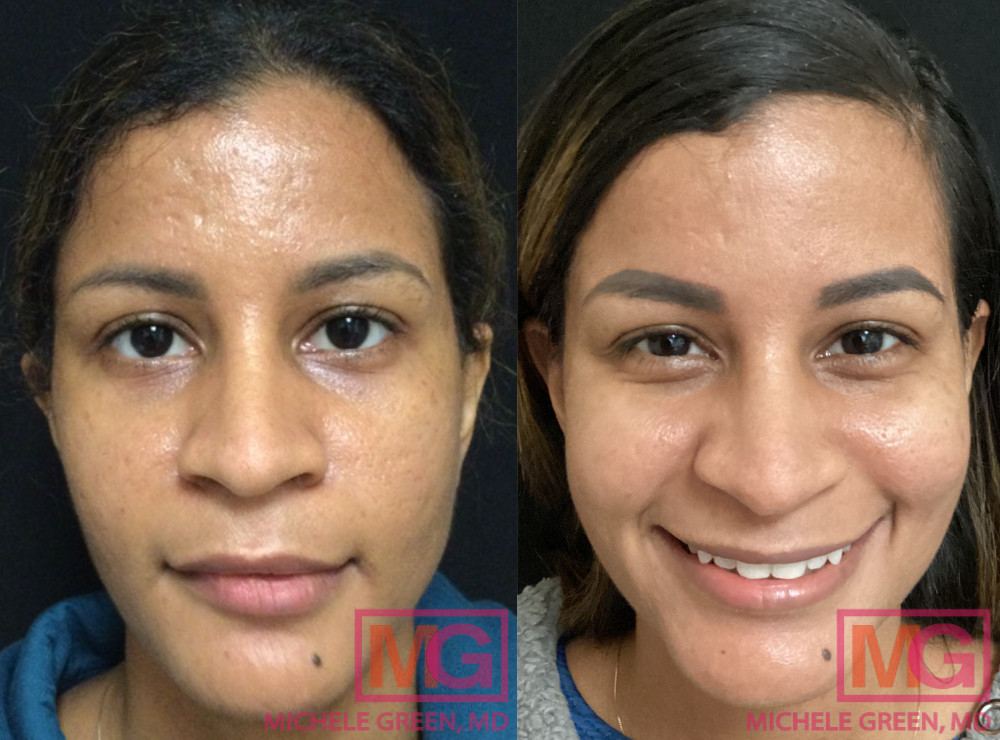
Does Azelaic Acid Work on Dark Spots and Post-Inflammatory Hyperpigmentation?
Absolutely, and this is where azelaic acid truly shines. Post-inflammatory hyperpigmentation, or PIH, occurs when inflammation from an acne lesion triggers the skin’s pigment cells to produce extra melanin, leaving behind a flat brown, gray, or dark spot after the pimple heals. Because azelaic acid inhibits tyrosinase and calms inflammation, it targets post-inflammatory hyperpigmentation from two directions at once. Clinical studies have shown that azelaic acid can significantly lighten post-inflammatory hyperpigmentation, and it is also frequently used as part of a treatment plan for melasma and other types of uneven pigmentation. The key is patience and consistent sun protection, since UV exposure can darken skin pigment and undo your progress. Dr. Green often recommends azelaic acid alongside her MGSKINLABs Skinbright RX cream for patients who want to fade stubborn dark marks faster.
Can Azelaic Acid Help With Post-Inflammatory Erythema (Red Acne Marks)?
Post-inflammatory erythema, or PIE, appears as pink, red, or purple marks that remain after a breakout, and it is caused by dilated or damaged blood vessels near the surface of the skin rather than excess pigment. PIE is especially common in patients with lighter skin tones, and it can be confused with PIH. Because azelaic acid is anti-inflammatory, it can reduce inflammation and soften the appearance of redness over time; reduced inflammation also means fewer new red marks after future breakouts, which is one reason it is so effective for rosacea. That said, azelaic acid tends to work more slowly on PIE than on brown marks, and persistent red acne marks often respond best to a vascular laser such as the VBeam laser, which specifically targets the blood vessels responsible for the redness. Dr. Green often combines VBeam treatments with a calming at-home regimen that includes azelaic acid for the fastest, most complete results.
Does Azelaic Acid Work on Pitted or Atrophic Acne Scars?
Pitted or atrophic acne scars, including boxcar, ice pick, and rolling scars, form when severe inflammation destroys collagen in the deeper layers of the skin, leaving behind a depression. Unfortunately, azelaic acid cannot rebuild lost collagen or lift an indented acne scar to the level of the surrounding skin. Some patients notice a modest improvement in overall skin texture and brightness. Still, meaningful correction of atrophic scars requires procedures that stimulate new collagen, such as microneedling, Fraxel laser resurfacing, subcision, and TCA CROSS. Azelaic acid remains a valuable part of the plan because it keeps new breakouts under control and helps prevent PIH after these procedures, especially in darker skin tones.
Does Azelaic Acid Work for Darker Skin Tones?
Yes, azelaic acid is one of the safest and most effective options for patients with medium to darker skin tones. People with more melanin in their skin are more prone to developing PIH after acne, and these dark marks can often be more bothersome than the original pimples. Many traditional brightening agents and aggressive treatments can irritate deeper skin tones or cause uneven lightening. Still, azelaic acid targets overactive pigment cells without affecting your natural skin color, making it a reliable choice for correcting uneven skin tone. It is also gentle enough for long-term maintenance, which is important for patients prone to recurring discoloration. Dr. Green has extensive experience treating acne scars in darker skin and frequently incorporates azelaic acid into her treatment plans for patients of all skin types and tones.
What Percentage of Azelaic Acid Is Best for Acne Scars?
Azelaic acid is available in a range of strengths, and the best percentage for you depends on the severity of your discoloration and how sensitive your skin is. Over-the-counter formulas in the United States typically contain up to 10% azelaic acid, while prescription formulations are available at 15% and 20%. For patients with mild, recent post-acne marks or very sensitive skin, a 10% product can be a great place to start, and it can deliver noticeable improvement with consistent use. However, most clinical research on azelaic acid for acne and hyperpigmentation was conducted using 15% and 20% prescription strengths, so patients with stubborn, widespread, or long-standing dark marks often see faster, more dramatic results with a higher concentration. Prescription formulas are also designed with vehicles that improve absorption and stability. In general, more is not always better, since higher strengths can cause more tingling and dryness at first. Dr. Green, a board-certified dermatologist in NYC, will help you choose the right concentration and adjust it over time based on how your skin responds.
Do You Need a Prescription for Azelaic Acid?
You do not need a prescription for lower-strength azelaic acid, as many over-the-counter serums, creams, and suspensions contain up to 10%. However, the 15% gel and foam and the 20% azelaic acid cream are available by prescription only. Prescription products are backed by the strongest clinical evidence, are FDA-approved for acne vulgaris and rosacea, and are formulated to deliver the active ingredient consistently into the skin. Seeing a dermatologist also ensures that your marks are correctly diagnosed, since what looks like a simple post-acne mark could actually be melasma, PIE, or another condition that requires a different approach. For the best results, consult with board-certified dermatologist Dr. Michele Green in NYC, who can determine whether a prescription-strength formula is right for you.

How Do You Use Azelaic Acid for Acne Scars?
Using azelaic acid is refreshingly simple. Start by washing your face with a gentle cleanser, such as the MGSKINLABs Gentle Cleanser for sensitive skin or the Pore Minimizing Cleanser for acne-prone skin, and pat your skin completely dry, since applying azelaic acid to damp skin can increase tingling. Next, apply a thin layer of azelaic acid to the entire affected area rather than spot-treating individual marks, since this helps prevent new discoloration. Allow it to absorb for a few minutes, then follow with a lightweight moisturizer like the Ultimately Sheer Hydrating Lotion to support your skin barrier. In the morning, always finish with a broad-spectrum sunscreen with SPF 30 or higher, such as the MGSKINLABs Hydrating Sunscreen SPF 50, because sun exposure is the number one reason dark marks linger, and daily sunscreen is your best defense against new discoloration. Most patients start with once-daily application and gradually increase to twice daily as tolerated, and Dr. Green will tailor these instructions to your specific skincare routine.
What Are the Side Effects of Azelaic Acid?
Azelaic acid is generally very well tolerated, which is part of its appeal. The most common side effects are mild tingling, stinging, or itching for the first few minutes after application, along with temporary dryness, flaking, and slight redness during the first few weeks of use. These reactions usually subside as your skin adjusts. Less commonly, patients may experience contact dermatitis or worsening irritation, and rare reports include skin lightening in patients with very dark skin tones, which is why a professional should monitor it.
To minimize side effects, start slowly, apply azelaic acid to completely dry skin, and use a nourishing moisturizer to support your skin barrier. Avoid layering azelaic acid with too many other potent actives at once, especially when you first begin. If you experience significant burning, swelling, or a rash, stop using the product and contact a board-certified dermatologist who can adjust your regimen or recommend an alternative.
How Long Does It Take for Azelaic Acid to Fade Acne Scars?
Azelaic acid is a marathon, not a sprint. Most patients begin to notice subtle improvement in redness and active breakouts within about four weeks, while dark marks typically take eight to twelve weeks of consistent, twice-daily use to fade noticeably. Deeper or long-standing hyperpigmentation can take three to six months or longer to clear, since the skin needs time to shed pigmented cells through natural cell turnover and to stop overproducing melanin. Your results will depend on the depth of the discoloration, the concentration you use, your skin tone, and, most importantly, how diligent you are with sun protection. Daily sunscreen is non-negotiable, because even brief UV exposure can re-darken marks and set you back weeks. If you want to speed up the process, Dr. Green can combine azelaic acid with in-office treatments such as chemical peels or laser therapy for faster, more dramatic results.
What Can You Mix With Azelaic Acid?
One of the best things about azelaic acid is that it works well with most other skincare ingredients. It pairs beautifully with hydrating and soothing ingredients such as niacinamide and hyaluronic acid, and it can be used alongside retinoids, vitamin C, benzoyl peroxide, and exfoliating acids with a little planning. In fact, combining azelaic acid with other acne-fighting and brightening ingredients often produces better results than using any one skincare ingredient alone. The key is to introduce new products one at a time, watch for signs of irritation, and avoid overloading your skin with too many strong actives in the same routine. Azelaic acid is also an excellent companion to in-office treatments, as it can help prepare the skin before procedures like chemical peels and maintain results afterward. Below, we answer some of the most common questions about combining azelaic acid with other popular active ingredients. Still, Dr. Green, a board-certified dermatologist in NYC, is always happy to review your current products and build a routine that works for you.
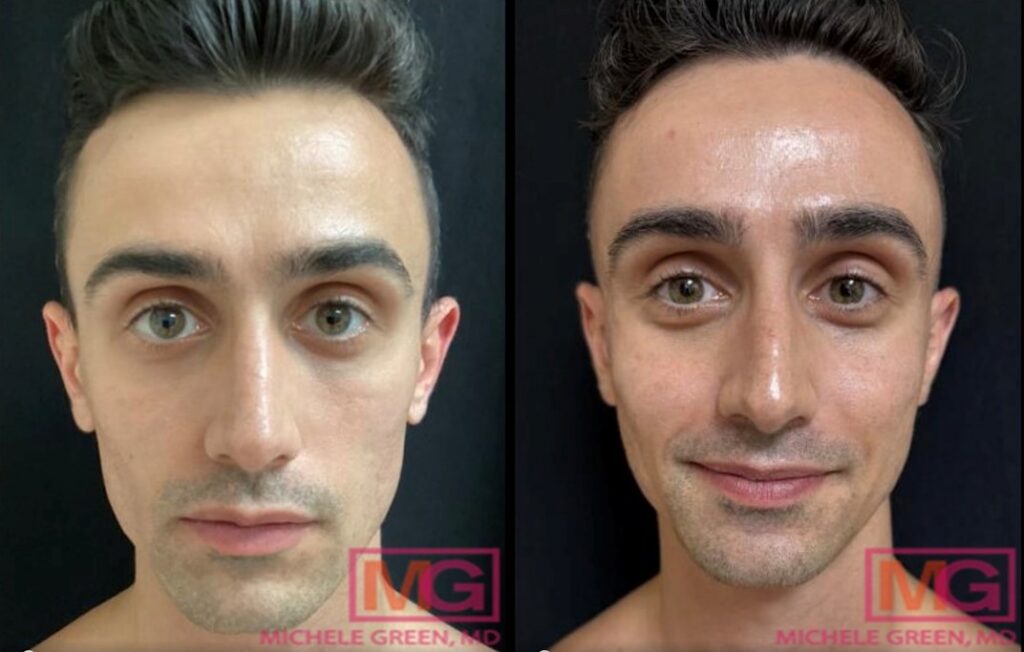
Frequently Asked Questions About Azelaic Acid for Acne Scars
Should You Use Azelaic Acid in the Morning or at Night?
Azelaic acid can be used in the morning, at night, or both, which makes it one of the most flexible ingredients in your routine. Unlike many acne treatments, it doesn’t make skin significantly more sensitive to sunlight, so it is safe for daytime use as long as you follow it with sunscreen. Prescription formulas are typically applied twice daily, once in the morning and once in the evening. If you are using other actives, a common approach is to apply azelaic acid in the morning and reserve your retinoid or exfoliant for the evening, or vice versa.
Can You Use Azelaic Acid Every Day?
Yes, azelaic acid is gentle enough for daily use, and consistency is essential for fading acne scars. Most patients start with once-daily application for the first one to two weeks to let the skin adjust, then increase to twice daily if their skin tolerates it well. If you notice excessive dryness or irritation, you can scale back to once daily or every other day and add a richer moisturizer until your skin settles. Long-term daily use is considered safe, which is why azelaic acid is so popular for maintenance in patients prone to recurring discoloration.
Is Azelaic Acid Safe for Sensitive Skin?
As a skincare ingredient, azelaic acid is one of the best active ingredients for sensitive skin, which is why it is a first-line treatment for rosacea, a condition known for easily irritated, reactive skin. Compared to alpha-hydroxy acids, retinoids, and many other acne treatments, it is far less likely to cause significant peeling or burning. That said, even the gentlest formulas can cause mild tingling at first, so patients with sensitive skin should start with a lower concentration or apply it every other day, and always apply it to dry skin. Choosing fragrance-free cleansers and moisturizers can also help minimize irritation. If you have very reactive skin, Dr. Green can recommend a formulation and routine designed to keep your skin calm.
Is Azelaic Acid Safe During Pregnancy?
Azelaic acid is widely considered one of the safest acne and pigment treatments to use during pregnancy and breastfeeding, since very little is absorbed into the bloodstream when it is applied to the skin. This makes it an especially valuable option because many common acne and brightening treatments, including tretinoin and other retinoids, are typically avoided during pregnancy. Pregnancy hormones can also trigger acne and melasma, so that azelaic acid can address several concerns at once. However, you should always speak with your OB-GYN and dermatologist before starting any new skincare product while pregnant. Dr. Green works closely with expectant mothers to create safe and effective plans for pregnancy acne and discoloration.
Can You Use Azelaic Acid With Retinol?
Yes, azelaic acid and retinol can be used together, and the combination can be very effective for acne scars. Retinol and prescription retinoids such as tretinoin speed up cell turnover and stimulate collagen, helping fade discoloration while softening fine lines and wrinkles. Pairing a retinoid with azelaic acid tackles pigment from multiple angles. Because both ingredients can cause some dryness when you first start, many patients apply azelaic acid in the morning and their retinoid at night, or alternate nights until their skin adjusts. The MGSKINLABs Essential Antioxidant Infusion is a gentle nighttime retinol that pairs well with azelaic acid, and it is also a great option for patients who want to soften a fine wrinkle or two.
Can You Use Azelaic Acid With Niacinamide?
Absolutely, and this is one of the most popular and well-tolerated combinations for acne-prone skin. Niacinamide, a form of vitamin B3, helps strengthen the skin barrier, regulate sebum production, and reduce pigment transfer within the skin, complementing the brightening and anti-inflammatory effects of azelaic acid. Niacinamide can also help offset some of the dryness or tingling that azelaic acid may cause. You can apply a niacinamide serum before your azelaic acid, or look for products that combine both ingredients. Dr. Green often recommends this pairing for patients who want to fade post-acne marks while keeping redness and oiliness in check.
Can You Use Azelaic Acid With Vitamin C?
Yes, azelaic acid and vitamin C make an excellent brightening duo. Vitamin C is one of the most powerful antioxidants for the skin, neutralizing free radicals generated by UV exposure and pollution to limit free-radical damage. It also inhibits melanin production and supports collagen, complementing azelaic acid’s pigment-correcting effects. Because some vitamin C formulas are quite acidic, patients with sensitive skin may prefer to apply their vitamin C serum in the morning under sunscreen and their azelaic acid at night. The MGSKINLABs Vita-C Serum is a high-potency vitamin-C serum designed to even out pigmentation, and it is a great morning partner for an evening azelaic acid routine.
Can You Use Azelaic Acid With Salicylic Acid or Glycolic Acid?
Yes, but with a bit more caution. Salicylic acid is a beta hydroxy acid (BHA) that unclogs pores by dissolving oil and debris inside them. In contrast, glycolic acid is an alpha hydroxy acid (AHA) that exfoliates the skin’s surface to reveal brighter, smoother skin. Both can enhance azelaic acid’s scar-fading effects, but combining multiple exfoliants can cause dryness, irritation, and a compromised barrier, which may trigger more inflammation and discoloration. In general, BHAs are best for oily skin and clogged pores, while alpha hydroxy acids are ideal for dullness and surface discoloration. Whether you reach for salicylic acids in a cleanser or an alpha-hydroxy acid serum, a good rule of thumb is to use your exfoliating products on alternate days or at different times of day than your azelaic acid. Patients who enjoy chemical exfoliation may also appreciate the MGSKINLABs Retexturizing Pads, which work like a gentle at-home peel. For deeper exfoliation, Dr. Green offers professional chemical peels for acne, which can be safely combined with an at-home azelaic acid regimen.
What Are the Best Azelaic Acid Products for Acne Scars?
The best azelaic acid product for you depends on your skin type, the type of acne scars you have, and how your skin tolerates actives. Prescription-strength 15% gels and foams and 20% azelaic acid cream offer the most clinically proven results and are ideal for stubborn or widespread hyperpigmentation. Over-the-counter options with up to 10% azelaic acid, often sold as serums, creams, or suspensions, can be a good starting point for mild marks or sensitive skin and fit easily into most skincare routines. When choosing a product, look for a fragrance-free formula that pairs azelaic acid with soothing skincare ingredients such as niacinamide or hyaluronic acid.
How Do I Get Started With Azelaic Acid for Acne Scars Today?
Azelaic acid is a gentle, versatile, and science-backed option for fading the discoloration that acne leaves behind. Because it inhibits excess pigment, calms redness, fights acne-causing bacteria, and gently clears pores, it can help fade dark spots and red marks while preventing future breakouts. It is safe for most skin types, including darker skin tones and sensitive skin, and it is one of the few acne treatments considered appropriate during pregnancy. While azelaic acid cannot rebuild indented scars on its own, it is an invaluable partner to in-office procedures such as microneedling, chemical peels, and laser resurfacing. If you are ready to finally clear up your acne scars and achieve a smooth, even complexion, the best first step is to consult an experienced, board-certified dermatologist like Dr. Michele Green in NYC.
Dr. Michele Green is an internationally recognized, board-certified cosmetic dermatologist with over 25 years of experience treating acne, acne scars, hyperpigmentation, and melasma at her private dermatology practice on Manhattan’s Upper East Side. Dr. Green takes a holistic, less-is-more approach to skin rejuvenation and is known for combining medical-grade skincare with advanced in-office treatments such as chemical peels, microneedling, and laser resurfacing to help patients achieve clear, even, radiant skin. She is consistently recognized by Castle Connolly, New York Magazine, The New York Times, and Super Doctors as one of New York’s top dermatologists for her dedication to her patients and her expertise. Dr. Green will work closely with you to design a customized plan that may include azelaic acid, her MGSKINLABs skincare line, and broad-spectrum sunscreen to help you finally say goodbye to your acne scars. If you are ready to start treating your acne scars with azelaic acid and a customized skincare plan, schedule a consultation with Dr. Green online or call the NYC-based office at


