


Bemotrizinol: What Patients Should Know About the New Sunscreen Filter
For the first time in more than two decades, a genuinely new active ingredient for sun protection is available in the United States. Bemotrizinol, a broad-spectrum UV filter used safely in Europe, Asia, and Australia for years, has finally received FDA approval. Dermatologists and skincare formulators alike are calling it a landmark moment for American sunscreen. For patients trying to understand what this new sunscreen ingredient means for their skincare routine, it helps to speak with a board-certified dermatologist such as Dr. Michele Green in New York City.
Bemotrizinol is not just another marketing buzzword; it is a genuine advancement in UV filter technology that addresses long-standing gaps in UVA protection while minimizing the skin irritation and white cast associated with older sunscreen ingredients. As new formulations roll out to the U.S. market throughout the rest of 2026, patients naturally have questions about safety, effectiveness, and how bemotrizinol compares with the mineral and chemical sunscreens they already use. Dr. Green is closely following this new ingredient and can help patients determine how it fits into a broader sun protection and skincare strategy.
What is bemotrizinol?
Bemotrizinol is a broad-spectrum sunscreen active ingredient used internationally for more than two decades and approved by the FDA in June 2026 as a new addition to the U.S. over-the-counter sunscreen monograph. Chemically, it is known as bis-ethylhexyloxyphenol methoxyphenyl triazine, a large, oil-soluble chemical compound engineered to absorb ultraviolet light across a wide portion of the UV spectrum. Because of its molecular size, bemotrizinol tends to remain on the skin’s surface rather than penetrate deeply, which helps explain its favorable safety profile abroad. For patients who want the most current, science-backed information about this new sunscreen ingredient, Dr. Green stays up to date on emerging developments in dermatology so she can advise her patients accordingly.
Bemotrizinol alternative names
Bemotrizinol goes by several other names, which can understandably confuse patients researching sunscreen ingredients. It is commonly abbreviated as BEMT, and in the United States it will initially be sold under the brand name Parsol Shield. Internationally, BASF has long marketed the same UV filter as Tinosorb S, a staple of European and Asian sunscreen formulations since the late 1990s. Regardless of the name on the label, all of these terms refer to the same active ingredient, and Dr. Green can help patients identify it on ingredient lists as more products become available.
How does bemotrizinol work?
Like other chemical sunscreen filters, bemotrizinol absorbs ultraviolet radiation before it can penetrate and damage the skin, converting that energy into a small, harmless amount of heat. What sets bemotrizinol apart from many older chemical filters is its high photostability, meaning it does not break down or lose effectiveness after exposure to sunlight the way ingredients like avobenzone can. This stability allows bemotrizinol to maintain consistent, reliable protection throughout the day outdoors without requiring as many stabilizing additives. Dr. Green often tells her patients that a sunscreen ingredient’s stability in sunlight matters as much as its initial protection level.
Bemotrizinol protection against UVA and UVB
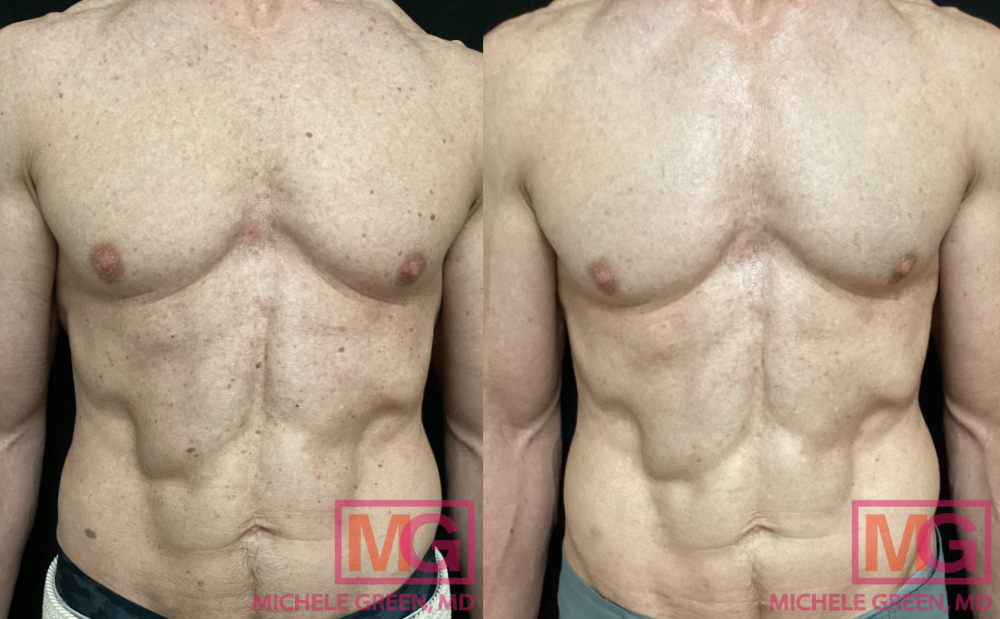
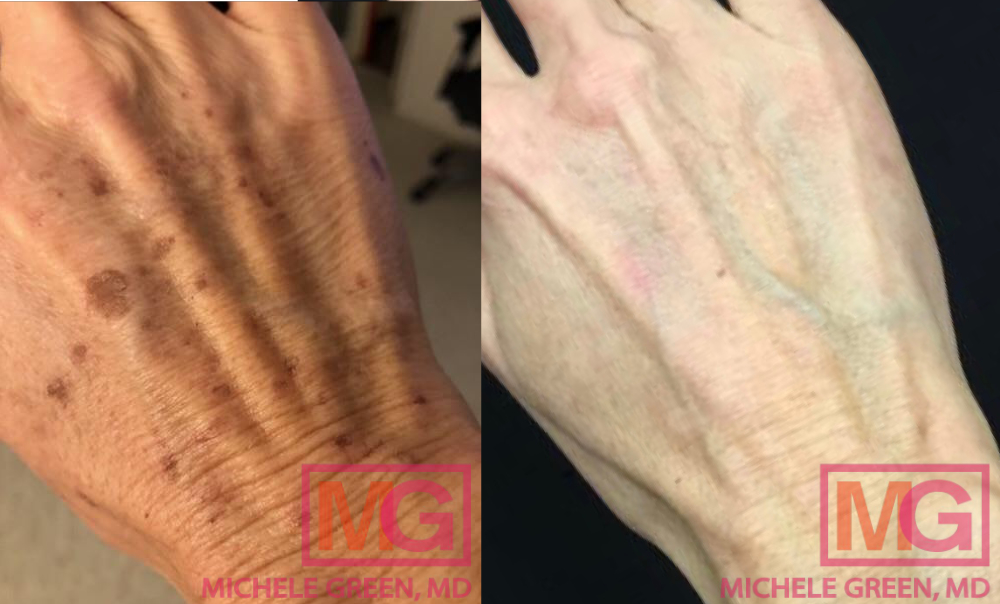
Yes, bemotrizinol provides true broad-spectrum protection, shielding the skin from both UVA and UVB rays. UVB rays primarily cause sunburn and play a major role in skin cancer development. In contrast, UVA rays penetrate deeper into the skin and contribute to premature aging, wrinkles, and pigmentation issues such as melasma. Many older chemical sunscreen ingredients available in the United States offer relatively weak UVA coverage, a gap bemotrizinol was specifically designed to close. Because consistent broad-spectrum protection is one of the most important factors in preventing sun damage and skin cancer, Dr. Green encourages all of her patients to look for this designation on any sunscreen they purchase. The American Academy of Dermatology recommends a broad-spectrum sunscreen with an SPF 30 or higher for daily use, and bemotrizinol-containing formulations are expected to meet or exceed that standard.
Is bemotrizinol a chemical or mineral sunscreen?
Bemotrizinol is classified as a chemical sunscreen, not a mineral sunscreen. Mineral sunscreens like zinc oxide and titanium dioxide sit on the skin’s surface and physically reflect or scatter UV rays. At the same time, chemical filters such as bemotrizinol are absorbed into the skin’s outermost layer, where they convert UV radiation into heat. This distinction matters to patients because chemical filters like bemotrizinol tend to blend more seamlessly into the skin, without the thick texture or white cast that can come with mineral formulations. Dr. Green can help patients decide whether a chemical sunscreen, a mineral sunscreen, or a combination of both best suits their skin type and lifestyle.
Safety profile of bemotrizinol
Based on more than two decades of use abroad and the extensive data reviewed by the FDA, bemotrizinol has an excellent overall safety profile. Across the studies submitted for FDA review, it has shown minimal skin irritation, very low systemic absorption, and no evidence of hormonal or reproductive effects. This safety record is a major reason the FDA designated bemotrizinol as generally recognized as safe and effective (GRASE) for use in sunscreen products. As with any new skincare ingredient, Dr. Green recommends that patients with specific health concerns or unique skin conditions discuss bemotrizinol with a board-certified dermatologist before adding it to their daily routine.
The side effects of bemotrizinol
Compared with many older sunscreen ingredients, bemotrizinol has a notably low rate of reported side effects. Because it does not penetrate deeply into the skin and has a very large molecular structure, it carries a lower risk of allergic reactions or skin irritation than filters like oxybenzone. Some patients may still experience mild sensitivity, particularly if a specific formulation includes other active ingredients or fragrances that do not agree with their skin. Dr. Green always recommends patch-testing any new sunscreen and contacting her office if unusual redness, itching, or irritation develops.
FDA approval status
Yes, bemotrizinol received FDA approval on June 9, 2026, when the U.S. Food and Drug Administration issued a final administrative order adding it to the official list of permitted sunscreen active ingredients. This made bemotrizinol the first new sunscreen active ingredient approved for the U.S. market in more than 25 years. The approval followed a review in which the FDA evaluated safety and effectiveness data and determined that bemotrizinol met the standard required for inclusion in the sunscreen monograph. Dr. Green considers FDA approval a meaningful safety credential and is glad to see this long-awaited addition to the options available to American patients.
Which brands are launching bemotrizinol sunscreens?
DSM-Firmenich, the manufacturer that brought bemotrizinol through the FDA approval process, holds an 18-month market exclusivity period and will initially sell the ingredient under the brand name Parsol Shield. Kenvue, the parent company of well-known drugstore brands including Neutrogena and Aveeno, has already confirmed plans to incorporate bemotrizinol into its U.S. sunscreen products. As the exclusivity period winds down, other major skincare and sunscreen manufacturers are expected to follow, giving patients access to bemotrizinol across a broader range of price points and formulations. Dr. Green looks forward to seeing which of these new options prove most cosmetically elegant and effective for her patients in New York City.
FAQs About Bemotrizinol
Bemotrizinol vs. zinc oxide — which is better?
Neither bemotrizinol nor zinc oxide is universally “better,” as each has distinct advantages depending on a patient’s skin type and preferences. Zinc oxide is a mineral sunscreen with a long safety track record. It sits on the skin’s surface, making it an excellent option for sensitive skin, but it can leave a visible white cast and a thicker texture, especially in higher concentrations. Bemotrizinol, by contrast, offers a lightweight, cosmetically elegant formula with strong broad-spectrum protection and no white cast, though it works by absorbing rather than physically blocking UV rays. Many of Dr. Green’s patients ultimately choose sunscreens that combine both chemical and mineral filters to capture the benefits of each.
Bemotrizinol vs. avobenzone — what’s the difference?
Avobenzone has long been the primary FDA-approved ingredient providing meaningful UVA protection in American sunscreens. Still, it is notoriously unstable and degrades relatively quickly in sunlight unless carefully stabilized with other ingredients. Bemotrizinol, by contrast, is inherently photostable and provides strong, consistent broad-spectrum protection without breaking down over a day outdoors. In many international formulations, bemotrizinol is combined with avobenzone to help stabilize it and extend its effectiveness. Dr. Green notes that this pairing of chemical filters could lead to some of the most effective sunscreen formulations Americans have ever had access to.
Why was bemotrizinol not approved in the U.S. until now?
For years, bemotrizinol was unavailable in U.S. sunscreens because of the FDA’s outdated and notoriously slow regulatory pathway for approving new over-the-counter sunscreen ingredients, even though the ingredient had been used safely in other countries since the late 1990s. A manufacturer filed an initial application for bemotrizinol with the FDA in 2005, but it stalled for years under a review process Congress ultimately overhauled. A newer, more streamlined regulatory process established by Congress allowed the manufacturer to resubmit its request in 2024, which finally led to approval in 2026. Dr. Green has long advocated for greater access to advanced, well-studied sunscreen ingredients for her patients in New York City and beyond.
What concentration of bemotrizinol is allowed?
The FDA’s approval permits bemotrizinol in sunscreen products at concentrations up to 6%. This limit was established based on safety and efficacy data submitted during the approval process and aligns closely with concentrations already used in bemotrizinol-containing sunscreens sold internationally. Formulators can adjust the exact percentage within this limit depending on the desired SPF and the other active ingredients in a given product. Patients curious about the specific concentration in a product they are considering can always check the ingredient label or ask Dr. Green during a consultation.
When will bemotrizinol be available in the U.S.?
The FDA’s final order approving bemotrizinol takes effect on August 9, 2026, allowing manufacturers to legally incorporate it into sunscreen products sold in the United States. The first bemotrizinol-containing sunscreens are expected to reach store shelves later in 2026, though widespread availability across many brands will likely take additional time as formulations are developed and tested. Patients eager to try this new sunscreen ingredient should expect a gradual rollout rather than an immediate flood of new products. Dr. Green will continue to monitor which formulations best suit her patients as they become available.
Is bemotrizinol reef safe?
Yes, bemotrizinol is generally considered reef-safe. Unlike oxybenzone, which has been linked to coral bleaching and banned in several coastal destinations, bemotrizinol has not been shown to contribute meaningfully to coral reef damage. This makes it an appealing option for patients who spend time in coastal areas or in destinations with reef-protective sunscreen regulations. Dr. Green often recommends reef-safe sunscreen ingredients to patients planning beach vacations or water-focused activities.
Is bemotrizinol safe during pregnancy?
Because bemotrizinol has a large molecular structure and minimal systemic absorption, it is generally considered to pose a low risk during pregnancy, and available research has not identified hormonal or reproductive effects associated with its use. That said, many dermatologists, including Dr. Green, still favor mineral sunscreens containing zinc oxide as a first-line option during pregnancy because they have the longest track record of use in this population. Pregnant or breastfeeding patients should always discuss their sunscreen and skincare choices with both their dermatologist and their OB-GYN. Dr. Green works collaboratively with her pregnant patients to develop a sun protection routine that balances safety and effectiveness.
Is bemotrizinol safe for babies and kids?
The FDA has determined that bemotrizinol is generally recognized as safe and effective for individuals as young as six months. This makes it a viable option for parents seeking effective, well-tolerated sun protection for young children, particularly given its low rate of skin irritation. As with any sunscreen used on infants and children, Dr. Green recommends applying it to a small area first to check for sensitivity and reapplying frequently during extended outdoor time. Children under six months should still rely primarily on shade, protective clothing, and mineral-based sunscreens, under a pediatrician’s guidance.
Is bemotrizinol absorbed into the bloodstream?
Studies submitted to the FDA show that bemotrizinol has minimal systemic absorption compared with many other sunscreen active ingredients. Its unusually large molecular size makes it difficult for the compound to pass through the skin barrier into the bloodstream in meaningful amounts, even with regular, full-body application. This is one key reason bemotrizinol has developed a strong international safety reputation over more than two decades of use. Dr. Green considers this favorable absorption profile one of the ingredient’s more compelling advantages compared with some older chemical filters.
Does bemotrizinol cause a white cast?
No, bemotrizinol does not cause a white cast. As a chemical filter that absorbs into the skin rather than sitting on top of it, it blends in seamlessly and enables lightweight, cosmetically elegant formulations. This is a notable advantage over many mineral sunscreens, which can leave a visible white or gray tint, particularly on deeper skin tones. Dr. Green frequently hears from patients frustrated by white cast, and she expects bemotrizinol-containing products to be a welcome option for those seeking effective protection without a chalky finish.
Can bemotrizinol be used with other sunscreen ingredients?
Yes, bemotrizinol is designed to work well alongside other sunscreen actives, including additional chemical filters and mineral options such as zinc oxide and titanium dioxide. In fact, formulators often pair bemotrizinol with less stable ingredients, such as avobenzone, because its photostability helps prevent them from degrading as quickly in sunlight. This flexibility lets brands create broad-spectrum formulas that layer multiple UV filters for better effectiveness. Dr. Green can help patients choose ingredient combinations that best suit their skin and daily routine.
Is bemotrizinol safe for sensitive or acne-prone skin?
Bemotrizinol is generally well tolerated by patients with sensitive skin, including those with rosacea, because it has a lower irritation rate than older chemical filters. Many bemotrizinol-based formulations are also noncomedogenic, meaning they are designed not to clog pores, making them a promising option for acne-prone patients. Its lightweight texture and lack of a white cast are additional benefits for patients who have struggled to find a sunscreen that feels comfortable on reactive or blemish-prone skin. Dr. Green can recommend specific formulations once more bemotrizinol-containing products become available in the United States.
Is bemotrizinol an endocrine disruptor?
No, current research does not indicate that bemotrizinol acts as an endocrine disruptor. Laboratory studies assessing its interaction with estrogen and androgen receptors found no evidence of hormone-disrupting activity, in contrast to some concerns about older chemical filters like oxybenzone. This favorable profile, combined with its minimal skin absorption, helps explain why bemotrizinol has been used internationally for so long without significant safety concerns. Dr. Green stays informed about the latest safety research so she can provide her patients with accurate, up-to-date guidance on the sunscreen ingredients she recommends.
Protect Your Skin with the Latest Advances in Sun Protection with Dr. Michele Green
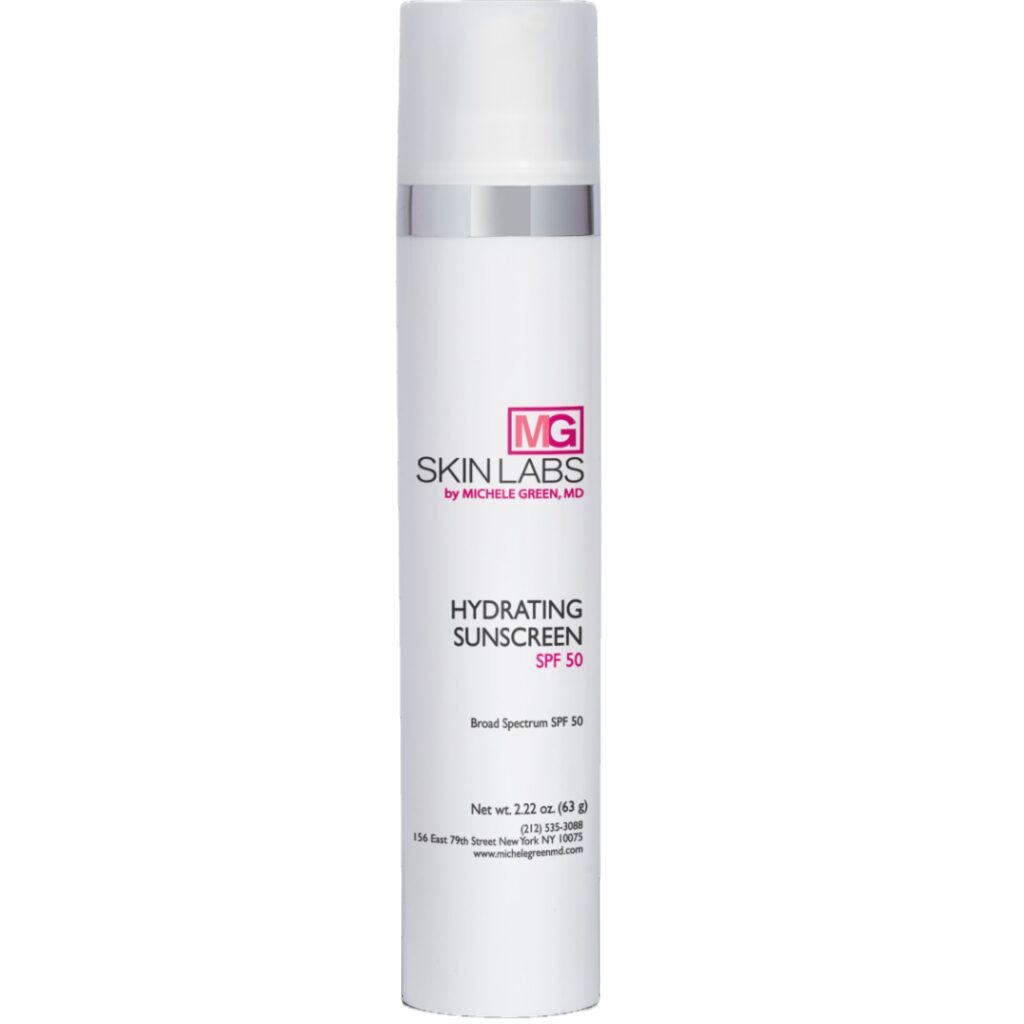
The FDA approval of bemotrizinol marks one of the most significant developments in American sun protection in decades, giving patients access to a broad-spectrum sunscreen ingredient with a strong safety record, excellent photostability, and a lightweight, elegant finish without a white cast. As new bemotrizinol-containing sunscreens gradually appear on shelves throughout the rest of 2026, patients have an important opportunity to reevaluate their daily sun protection routine, with guidance from an experienced professional like Dr. Michele Green.
Sun protection remains one of the most important tools for preventing skin cancer, sunburn, premature wrinkles, and pigmentation concerns. Choosing the right sunscreen ingredients can make a meaningful difference over a lifetime of sun exposure. Dr. Michele Green is a board-certified dermatologist with over 25 years of experience helping patients in New York City build effective, personalized skincare routines. Castle Connolly, The New York Times, Super Doctors, and New York Magazine recognize her as one of the city’s top dermatologists. To learn more about bemotrizinol and how to build the most effective sun protection routine for your skin, contact Dr. Green’s NYC office online or call 212-535-3088 to schedule a consultation.


