


Pulsed Dye Laser Treatment: The Gold Standard for Vascular Skin Conditions
If you’ve ever struggled with persistent facial redness, stubborn broken capillaries, or vascular birthmarks that no cream or serum seems to touch, you’re not alone, and you’re not without options. Pulsed dye laser (PDL) treatment is one of the most effective and widely trusted forms of laser therapy for targeting unwanted blood vessels and vascular lesions in the skin. Unlike surface treatments, PDL goes deeper, selectively targeting hemoglobin in blood vessels to dramatically reduce redness and improve skin tone without damaging surrounding tissue. Whether you’re dealing with rosacea, port-wine stains, telangiectasias, or general facial redness that comes with age and sun exposure, pulsed dye laser offers a safe, clinically proven solution. To learn more about whether PDL is the right treatment for your specific skin concerns, board-certified dermatologist Dr. Michele Green is here to help.
From cherry angiomas and hemangiomas to hypertrophic scars, stretch marks, and even warts, the versatility of pulsed dye laser treatment is one reason it’s so valuable in modern dermatology. The VBeam Perfecta, one of the most advanced versions of the VBeam pulsed dye laser, has become a go-to device for dermatologists seeking precise, effective results with minimal downtime. PDL can be used not only on the face but also on virtually any part of the body where vascular skin conditions appear — including the neck, chest, arms, and legs. Patients are often surprised by how much they can accomplish in just a few sessions, and many are equally surprised by how comfortable the procedure can be compared with older forms of laser surgery. If you’re considering pulsed dye laser treatment and want to understand exactly what to expect, what it treats, and how it works, Dr. Michele Green is happy to walk you through every step.
What is a pulsed dye laser?
Pulsed dye laser (PDL) is a type of laser therapy that uses a concentrated beam of yellow light to selectively target and destroy the blood vessels responsible for a wide range of vascular skin conditions. The term ‘pulsed dye’ refers to the way the laser works: the light is emitted in short, rapid pulses, and the ‘dye’ component refers to the organic dye solution inside the laser that produces that specific wavelength of light — typically 585 or 595 nanometers. This wavelength is perfectly calibrated to be absorbed by oxyhemoglobin, the pigment in red blood cells, making the pulsed dye laser exceptionally precise when treating blood vessels while leaving the surrounding skin largely unaffected. It’s a cornerstone tool in dermatology and laser surgery, with a strong safety record and decades of clinical use.
Pulse dye laser treatment, such as with the VBeam Perfecta, is non-invasive and creates meaningful results without the recovery time associated with traditional laser surgery. During the procedure, a trained dermatologist applies the laser handpiece to the treatment area, and the laser delivers precise pulses of yellow light into the skin. These pulses heat the targeted blood vessels, causing them to coagulate and eventually be reabsorbed by the body. The treatment is quick and typically requires no incisions, needles, or anesthesia, making it a popular choice for patients. Patients commonly come in for treatment to address concerns ranging from facial redness and rosacea to port-wine stains and vascular birthmarks, and the results can be genuinely life-changing for those who have struggled with these concerns for years.

How does a pulsed dye laser work?
The science behind pulsed dye laser (PDL) treatment centers on selective photothermolysis. The laser emits yellow light at 595 nm, which is specifically absorbed by hemoglobin in blood vessels. When light is absorbed, it is converted into heat, which damages and ultimately causes the targeted blood vessel to collapse. The body then naturally clears the damaged vessel over time, leading to a visible reduction in redness, broken capillaries, spider veins, and other vascular lesions. To protect surrounding skin from heat damage, most modern PDL systems incorporate a dynamic cooling device (DCD) that delivers a fine spray of cryogen onto the skin’s surface just before each laser pulse. This simultaneous cooling mechanism is one reason PDL treatment is considered safe and comfortable, even for patients with sensitive skin. The controlled delivery of yellow light enables the laser to precisely target erythema and vascular lesions while preserving the integrity of surrounding healthy tissue.
What does a pulsed dye laser treat?
One of the most impressive aspects of PDL is its broad range of conditions it can effectively address. Common applications include rosacea, facial redness, erythema, telangiectasias and broken capillaries, spider and leg veins, port-wine stains and other vascular birthmarks, cherry angiomas, hemangiomas, and poikiloderma (a condition marked by patchy skin discoloration, including redness and brown spots, often caused by sun damage). PDL is also used to treat hypertrophic scars and keloids, acne scars, stretch marks, and even warts. Brown spots with a vascular component may also respond well to treatment. In essence, if a skin concern is driven by blood vessels or excess redness, pulsed dye laser treatment is likely to be beneficial. Dr. Michele Green, a board-certified dermatologist in NYC, evaluates each patient individually to determine whether PDL is the best approach for their specific combination of conditions.
Who is a good candidate for pulsed dye laser treatment?
The ideal candidates for pulsed dye laser treatment are individuals with vascular skin conditions such as rosacea, broken capillaries, telangiectasias, port-wine stains, hemangiomas, or cherry angiomas that haven’t responded adequately to topical treatments or other therapies. Patients with fair to medium skin tones typically see the most dramatic results, but PDL can also be safely performed on patients with darker skin when the correct parameters are used. Good candidates are generally in good overall health, not pregnant, and have realistic expectations about what the treatment can achieve. Patients who are prone to keloids or who are taking blood-thinning medications may need additional evaluation before proceeding. During your consultation with Dr. Michele Green, a board-certified dermatologist in NYC, she will review your full medical history, assess your skin, and determine whether pulsed dye laser treatment is the right fit for your goals.
Is the pulsed dye laser painful?
Most patients describe pulsed dye laser treatment as a brief, rubber-band-like snap against the skin with each pulse. The VBeam Perfecta’s built-in cryogen cooling system delivers a cold mist to the skin just before each laser pulse, significantly reducing discomfort and protecting the skin’s outer layers. Discomfort varies from patient to patient and depends on the area being treated, the settings used, and individual pain tolerance, but the vast majority of people find PDL very tolerable — far more so than they anticipated. For particularly sensitive areas or patients with lower pain thresholds, a topical numbing cream can be applied to the skin about 30 to 45 minutes before the procedure to minimize discomfort. The treatment itself is typically quick, with sessions often lasting 15 to 45 minutes, depending on the size of the area being treated.
What to expect after pulsed dye laser treatment
Immediately after your pulsed dye laser treatment, you may notice mild redness, swelling, and warmth in the treated area — all of which are normal and typically subside within a few hours to a day. One of the most commonly discussed side effects of PDL is purpura, a temporary bruising of the skin that occurs when the laser causes tiny blood vessels just below the skin’s surface to break. Purpura is most common at higher laser settings and typically resolves on its own within 7 to 14 days. In the days following your treatment, applying an ice pack to the area can help manage swelling and discomfort. Proper aftercare is important: keep the treated area clean, avoid picking at any crusting that may develop, and avoid direct sun exposure. Sun protection is critical after pulsed-dye laser treatment — wearing a broad-spectrum sunblock with SPF 30 or higher every day is essential, and continued use over the long term will help maintain your results. Dr. Michele Green provides patients with detailed aftercare instructions tailored to their specific treatment.
What is the downtime for a pulsed dye laser?
The downtime associated with pulsed-dye laser treatment is generally minimal compared with that of more ablative laser procedures. Most patients can return to normal activities immediately or within a day or two after treatment. The most significant cosmetic concern during recovery is purpura — temporary bruising that can make treated areas appear purple or darker for up to two weeks. Not all patients experience purpura; its likelihood and severity depend on the laser settings used and the condition being treated. At lower, more conservative settings, PDL can be performed with little to no bruising (sometimes called a ‘no-purpura’ setting), though multiple sessions may be needed to achieve the same results. For patients concerned about downtime, Dr. Michele Green can discuss which settings and approaches are most appropriate for their schedule and lifestyle, helping them make an informed decision about when to schedule their treatment.
How many pulsed dye laser sessions do you need?
The number of pulsed dye laser sessions needed varies by the condition being treated, its severity, and the individual patient’s response. For rosacea or a small cluster of telangiectasias, four to six sessions may be sufficient to achieve noticeable improvement. Port-wine stains, hemangiomas, and more extensive vascular birthmarks may require five to ten or more sessions to achieve the best outcome. Keloids and hypertrophic scars also typically require multiple treatment sessions. Sessions are usually spaced four weeks apart to allow the skin time to heal and respond between treatments. Chronic conditions like rosacea may also benefit from periodic maintenance treatments over time to keep symptoms at bay. Dr. Michele Green will assess your skin during your consultation and provide a realistic estimate of how many sessions you may need to achieve your aesthetic goals.
How long does it take for pulsed dye laser results to show?
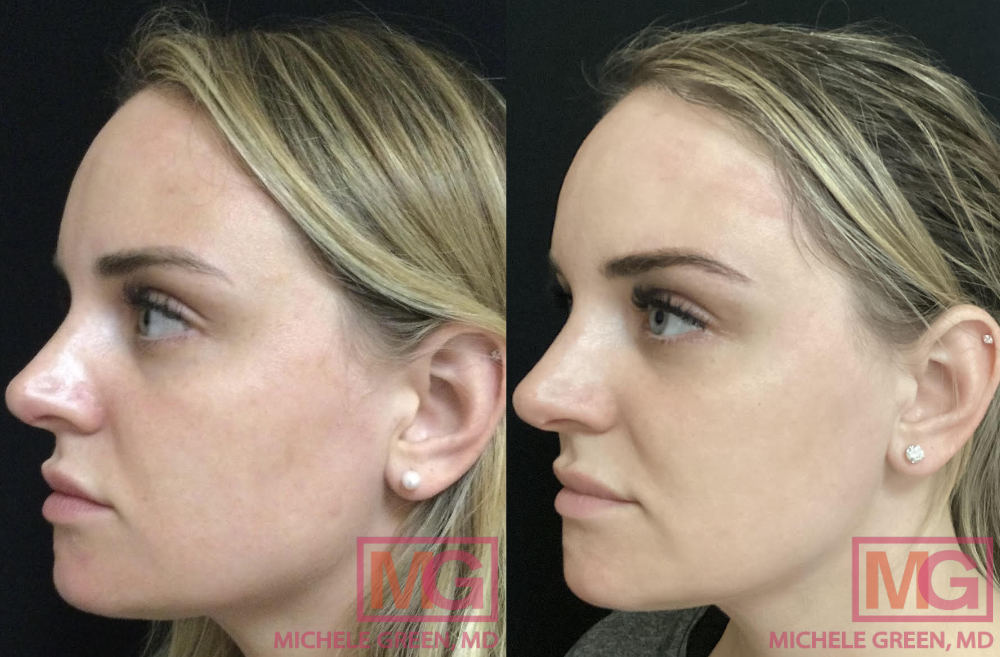
Results from pulsed dye laser treatment are often visible within a few days to a few weeks after each session, as the body gradually reabsorbs the treated blood vessels. In some cases, particularly for conditions like facial redness and rosacea, patients notice improvement almost immediately after the initial treatment-related swelling and redness resolve. For vascular birthmarks like port wine stains, the full results of each session typically become apparent over two to four weeks, which is why sessions are often spaced several weeks apart. Skin rejuvenation benefits, including improvements in skin tone and texture, continue to develop over the weeks following treatment as collagen production is stimulated. Most patients see their best results after completing a full series of treatments, and results can last for months to years — though maintenance sessions may be recommended for chronic conditions.
Are pulsed dye laser results permanent?
Whether pulsed dye laser treatment produces permanent results depends largely on the condition being treated. For certain vascular lesions such as cherry angiomas, hemangiomas, and spider veins, PDL can produce permanent or near-permanent results because the treated blood vessels are destroyed and reabsorbed by the body. Port wine stains and vascular birthmarks can be significantly lightened with treatment, and in some cases, substantial clearance can be achieved, though complete permanence isn’t always guaranteed. For conditions like rosacea, which have an underlying genetic and environmental component, PDL will not cure the condition itself — it will reduce visible symptoms and broken capillaries. Still, new blood vessels can develop over time, necessitating periodic maintenance treatments. Similarly, new stretch marks or hypertrophic scars resulting from future skin trauma would require additional treatment. Protecting your skin with daily sunscreen and minimizing triggers for vascular conditions will help prolong your results.
Frequently Asked Questions (FAQs about Pulsed Dye Lasers:
What areas of the body can the pulsed dye laser treat?
While the pulsed dye laser is most commonly associated with facial treatments, it can be used on virtually any area of the body. Beyond the face, PDL is frequently used to treat vascular skin conditions on the neck, chest, décolletage, arms, and legs. Leg and spider veins on the lower extremities respond well to PDL treatment, and the laser is also used on the body to treat stretch marks, hemangiomas, and other vascular lesions outside the face. If you have a vascular concern anywhere on your body, it’s worth discussing with Dr. Michele Green whether PDL is an appropriate treatment option for that specific location.
How do I prepare for a pulsed dye laser session?
Before your pulsed dye laser treatment, Dr. Michele Green will provide you with specific preparation instructions. Generally, avoid sun exposure and tanning (including self-tanning products) for 2 to four weeks before your appointment, as tanned skin increases the risk of side effects. You should also avoid blood-thinning medications (such as aspirin or ibuprofen) in the days leading up to treatment, as these can increase the likelihood of bruising and purpura. On the day of your procedure, arrive with clean skin free of makeup, lotions, or other topical products. Wearing comfortable, loose-fitting clothing that allows easy access to the treatment area is also a good idea. If you’re particularly sensitive, you can ask about applying a topical numbing cream before your appointment.
Can a pulsed dye laser be combined with other treatments?
Yes — pulsed dye laser treatment is commonly combined with other laser and cosmetic treatments to address multiple skin concerns simultaneously or as part of a coordinated treatment plan. For patients dealing with both redness and brown spots, PDL can be paired with treatments such as Fraxel or Clear + Brilliant for more comprehensive skin rejuvenation. For patients with acne, PDL may be combined with other forms of laser therapy or topical regimens to address both active breakouts and post-inflammatory erythema. Dr. Michele Green takes a holistic approach to skin care and often designs multimodal treatment plans that leverage the strengths of several treatments to deliver the best possible results for each patient’s unique skin.
Is the pulsed dye laser safe during pregnancy?
Pulsed dye laser treatment is generally not recommended during pregnancy. Although there is no definitive evidence that laser treatments harm developing babies, most dermatologists and medical guidelines advise against elective cosmetic procedures — including PDL — during pregnancy as a precaution. Hormonal changes during pregnancy can also affect the skin’s behavior and response to treatment, making it difficult to predict results. It is best not to undergo pulsed dye laser treatment if pregnant or breastfeeding. During your consultation, Dr. Michele Green will review your medical history and any relevant circumstances to ensure your safety throughout the treatment process.
Is a pulsed dye laser good for rosacea?
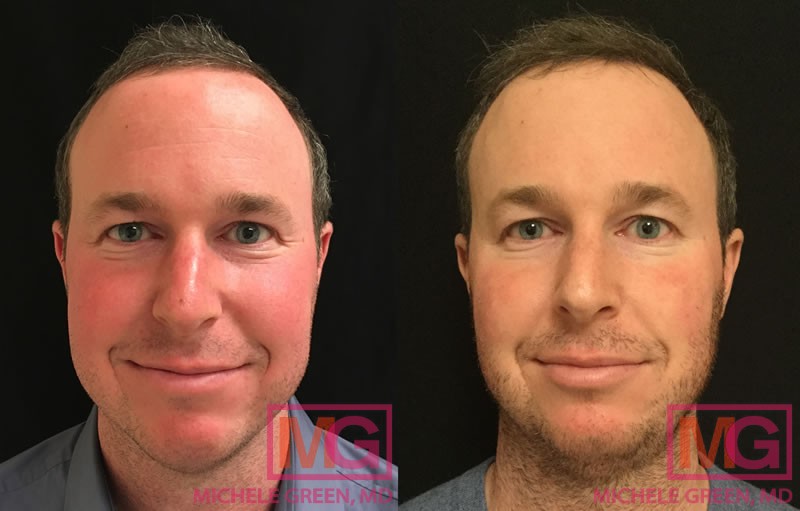
Yes — pulsed dye laser (PDL) is widely considered one of the most effective treatments for rosacea. Rosacea is a chronic skin condition marked by persistent facial redness, visible blood vessels, and sometimes acne-like breakouts. Because the underlying cause of rosacea’s redness is dilated, overactive blood vessels, PDL is ideally suited to address it. The laser selectively targets and reduces those blood vessels, leading to meaningful, often dramatic improvement in facial redness and flushing. Many patients with rosacea find that PDL treatment provides longer-lasting relief than topical creams or oral medications alone. While rosacea is a chronic condition that may require ongoing maintenance treatments, PDL can significantly reduce symptom severity and improve quality of life. Patients with fair skin and pronounced facial redness tend to respond particularly well, and Dr. Michele Green works closely with each rosacea patient to develop a treatment plan tailored to their unique needs.
Can a pulsed dye laser remove broken capillaries?
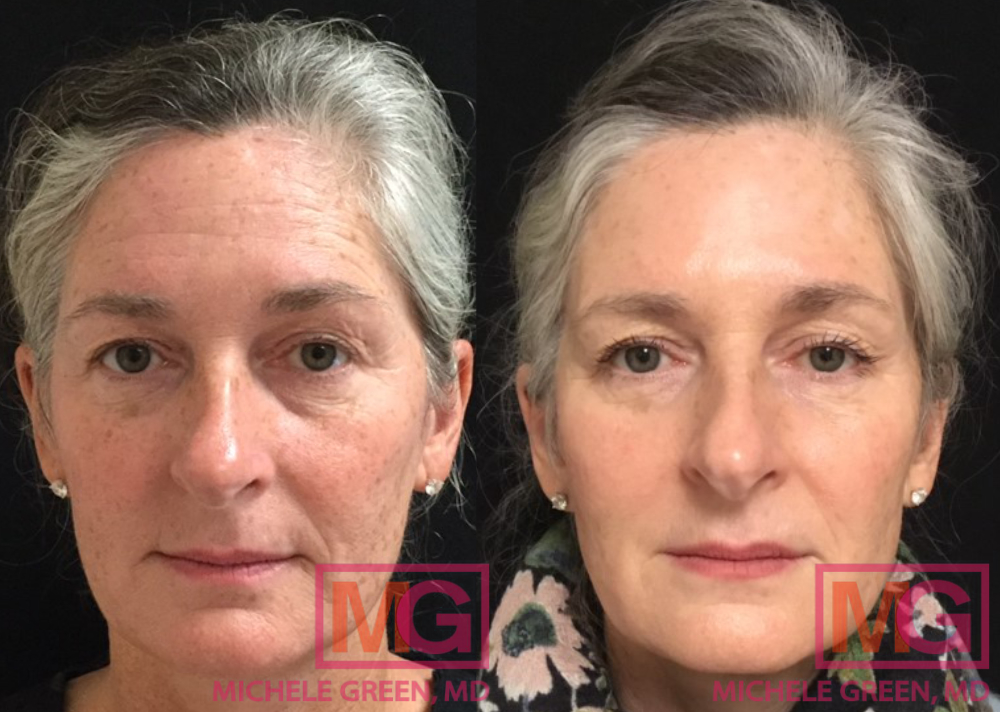
Absolutely — broken capillaries, also known as telangiectasias, are among the most common reasons patients seek pulsed dye laser treatment and among the conditions PDL treats most effectively. These small, dilated blood vessels become visible near the skin’s surface, often appearing as tiny red or purple lines on the face, particularly around the nose and cheeks. They can be caused by genetics, sun exposure, rosacea, aging, or repeated facial trauma. During PDL treatment, the yellow light targets hemoglobin in these superficial blood vessels, causing them to collapse and fade. Most patients see significant improvement after one or two sessions, though the number of treatments needed depends on the extent and severity of the broken capillaries. Dr. Michele Green, a board-certified dermatologist in NYC, uses the VBeam Perfecta to treat broken capillaries with precision and minimal discomfort, offering patients noticeably clearer, more even-looking skin.
Is a pulsed dye laser good for acne scars?
Yes, pulsed dye laser treatment can be highly effective for certain types of acne scars, particularly those that are red or pink — a condition known as post-inflammatory erythema. When a pimple heals, it often leaves a flat, discolored mark that appears red or purple due to residual blood vessel activity in the area. PDL targets these vascular components directly, accelerating the fading of red acne scars and helping restore a more even skin tone. In addition to addressing redness, pulsed dye laser has been shown to improve the texture of hypertrophic acne scars — raised scars caused by excess collagen production — by stimulating collagen remodeling in the skin. For patients with active rosacea and acne scarring, PDL can address both concerns in a single treatment session. As with any scar treatment, results vary depending on the age, type, and severity of the scars, and Dr. Michele Green will customize a treatment plan to maximize outcomes for each patient.
Is the pulsed dye laser safe for darker skin?
A pulsed dye laser can be used on darker skin tones, but it requires careful technique and appropriate settings to minimize the risk of side effects, such as post-inflammatory hyperpigmentation or changes in skin tone. The 595 nm wavelength used in PDL is primarily absorbed by hemoglobin in blood vessels. Melanin in the skin can also absorb some of this energy, which is why patients with more melanin in their skin require particular attention to laser settings and cooling. The VBeam Perfecta’s dynamic cooling device (DCD) helps protect the skin’s surface during treatment, reducing the risk of thermal injury to the epidermis. Board-certified dermatologist Dr. Michele Green has extensive experience treating patients of all skin tones and takes a thoughtful, individualized approach to ensure PDL is performed safely and effectively, regardless of skin type. If you have a Fitzpatrick skin type IV-VI, it’s especially important to consult with an experienced dermatologist before undergoing any laser treatment to ensure you receive the appropriate settings and aftercare.
How much is the pulsed dye laser treatment?
The cost of pulsed dye laser treatment varies based on several factors, including the size of the treatment area, the condition being treated, the number of sessions required, and the practice’s geographic location. Because PDL is often used to treat medical conditions such as port-wine stains, rosacea, and hemangiomas, some insurance plans may cover a portion of the cost when the treatment is deemed medically necessary — though coverage varies widely by provider. It’s best to check with your insurance company beforehand. Cosmetic applications of the pulsed dye laser are not covered by insurance. During your consultation with Dr. Michele Green, you’ll receive a personalized treatment plan with a clear breakdown of expected costs tailored to your unique skin concerns and treatment goals.
Is a pulsed dye laser the same as IPL?
While pulsed dye laser (PDL) and intense pulsed light (IPL) are both light-based treatments that can address redness, broken capillaries, and other vascular concerns, they are not the same and work quite differently. IPL is a broad-spectrum light therapy that emits multiple wavelengths simultaneously, making it a more general treatment that can address a variety of skin concerns, including brown spots, sun damage, and vascular issues. PDL, by contrast, uses a single, highly specific wavelength of yellow light (595 nm) that is selectively absorbed by hemoglobin, making it a far more precise tool for targeting blood vessels. Because of this specificity, PDL tends to be more effective for deeper or more pronounced vascular lesions — such as port wine stains, hemangiomas, and persistent rosacea — where IPL may not penetrate deeply enough. Both treatments have their place in dermatology, and a skilled provider like Dr. Michele Green can help determine which approach (or which combination of approaches) is best suited to your skin type and concerns.
How to Get Started with Pulsed Dye Laser Treatment Today
Pulsed dye laser treatment is one of the most powerful and versatile tools in dermatology for treating vascular skin conditions. Whether you’re looking to reduce facial redness and flushing associated with rosacea, eliminate broken capillaries and telangiectasias, fade port-wine stains and other vascular birthmarks, or improve the appearance of hypertrophic scars, acne scars, and stretch marks, PDL offers a proven, non-invasive solution with minimal downtime. The VBeam Perfecta — the gold-standard pulsed dye laser system — delivers yellow light energy with precise, controlled targeting of blood vessels, while built-in cryogen cooling keeps the procedure comfortable. From determining how many sessions you’ll need to what to expect during recovery and how to care for your skin afterward, every step of your PDL journey is guided by a focus on safety, efficacy, and your personal aesthetic goals. For anyone in New York City seeking expert pulsed dye laser care, Dr. Michele Green is here to help.
Dr. Michele Green is a board-certified dermatologist in NYC with over two decades of experience helping patients achieve healthier, more radiant skin through advanced cosmetic and medical dermatology treatments. Her private practice on the Upper East Side of Manhattan features the most advanced laser technology, including the VBeam Perfecta pulsed-dye laser. She brings a meticulous, personalized approach to every patient consultation. Dr. Green has been consistently recognized by her peers and patients alike as one of New York City’s top dermatologists. Her commitment to outstanding outcomes and patient satisfaction is evident in everything she does. If you are ready to take the next step toward clearer, more even-toned skin, please contact Dr. Green’s office at 212-535-3088 or contact us online to schedule your consultation today.


