


Does Accutane Shrink Your Nose?
Accutane has long been one of dermatology’s most powerful tools for treating severe acne, offering lasting relief for patients with cystic breakouts, persistent blackheads, and chronically oily skin unresponsive to other treatments. It is an oral form of vitamin A that works by reducing oil production, shrinking sebaceous glands, increasing skin cell turnover, and inhibiting acne-causing bacteria on the skin’s surface. Treatment typically lasts 20 weeks, with monthly follow-up visits and bloodwork to monitor progress, fine-tune dosing, and manage potential side effects. 95% of patients complete the course without new breakouts. Beyond clearing breakouts, many people notice their nose looks unexpectedly smaller after finishing a course of Accutane. Some describe it as slimmer, less shiny, or with smaller-looking pores, sparking widespread curiosity, social media trends involving celebrities like Kendall Jenner, and the term “Accutane nose job.” Dr. Michele Green, a board-certified dermatologist in NYC, has helped countless patients navigate their questions and concerns about Accutane.
The explanation for a smaller-appearing nose lies in how the medication works. The explanation for a smaller-looking nose lies in how the medication works. Isotretinoin (Accutane’s generic name) dramatically reduces sebaceous gland activity and oil production throughout the body, including on the nasal skin. Less oil means less pore congestion, reduced shine, and a smoother surface texture, all of which can make the nose appear smaller or more refined. Ultimately, the nose’s appearance changes, not its underlying structure. Accutane cannot alter cartilage or bone, so it cannot reshape the nose the way rhinoplasty can. For many patients, the real impact is uncovering the nose’s natural contours beneath layers of excess oil, resulting in a noticeable and welcome change. Patients who are curious about whether Accutane is right for them are encouraged to schedule a consultation with Dr. Green to discuss their options and determine the best path forward for their skin.
Dr. Michele Green is an internationally recognized, board-certified cosmetic dermatologist with over 25 years of experience treating patients in her private practice on the Upper East Side of New York City. Widely regarded as one of NYC’s leading experts in medical and cosmetic dermatology, Dr. Green has consistently been recognized by Castle Connolly, New York Magazine, Super Doctors, and The New York Times for her commitment to patients and cutting-edge expertise. She specializes in customizing treatment plans for conditions ranging from severe and cystic acne to rosacea, acne scars, and beyond, always taking a thoughtful, evidence-based approach to care. Whether you are considering Accutane or exploring other options, Dr. Green will work with you to find the safest and most effective solution for your skin.
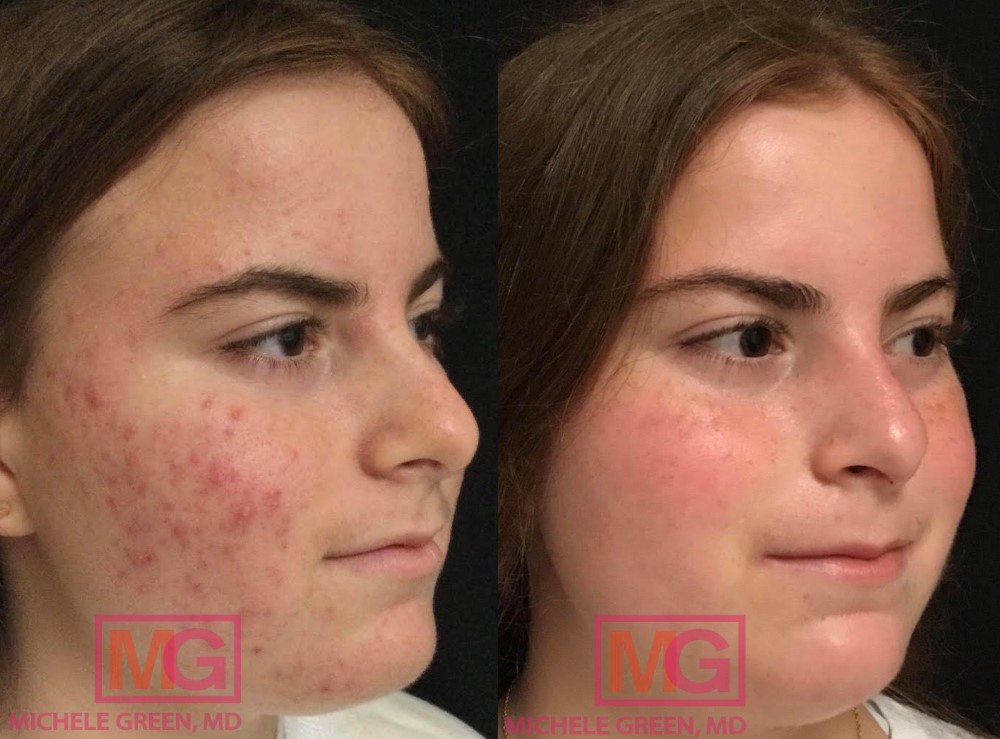
What does Accutane do to your nose?
Accutane (isotretinoin) is a potent oral retinoid derived from vitamin A. Its primary mechanism of action is to dramatically reduce the size and activity of sebaceous glands throughout the body, slashing sebum production by 80% or more. On the nose, which is naturally rich in sebaceous glands, this effect is especially pronounced. Before treatment, pores on the nose are often enlarged and visibly clogged, as excess sebum mixes with dead skin cells, creating the perfect environment for blackheads and cystic acne. Accutane targets these oil glands directly, causing them to shrink and produce far less oil. The result is nasal skin that is drier, less inflamed, and noticeably less puffy or oily-looking. In addition to reducing oil production, isotretinoin helps clear clogged pores by normalizing skin cell turnover, thereby contributing to a smoother, more refined skin texture across the nose and face.
Why does Accutane shrink the nose?
The reason Accutane appears to “shrink” the nose comes down to the anatomy of nasal skin. The nose has a particularly high concentration of sebaceous glands compared to most other parts of the face. In people with oily or acne-prone skin, these glands can be chronically overactive, producing excess sebum that can stretch pores, cause inflammation, and give the nose a swollen, bulbous, or enlarged appearance. When Accutane shrinks those oil glands and reduces sebum production, the ongoing swelling and pore congestion that were contributing to the nose’s size and shape diminish significantly. The skin becomes tighter, pores appear smaller, and inflammation subsides. This can create the optical illusion of a slimmer or more refined nose. Importantly, the nose is not physically shrinking in a structural sense; the cartilage and underlying bone remain entirely unchanged. What changes is the soft tissue and skin, which can look dramatically different once oil, inflammation, and clogged pores are brought under control.
Does Accutane make your nose smaller?
No, not in a permanent, structural way. Accutane does not change the shape of your nose by shrinking cartilage or bone since those are fixed anatomical structures that only a surgical procedure, such as rhinoplasty, can alter. Accutane can reduce the appearance of a larger nose by targeting the overactive oil glands and inflammation that make the skin look puffier and the pores more visible. For patients with significant oil production on their nasal skin, the change can be striking. Pores that were once visibly enlarged and clogged with sebum and blackheads become much smaller and less noticeable. The nose may look sleeker and more refined simply because the underlying skin condition has been effectively treated. For patients with oily or acne-prone skin, Accutane may not offer the dramatic reshaping that rhinoplasty provides. However, it can still produce significant improvements to the appearance of the nasal area.
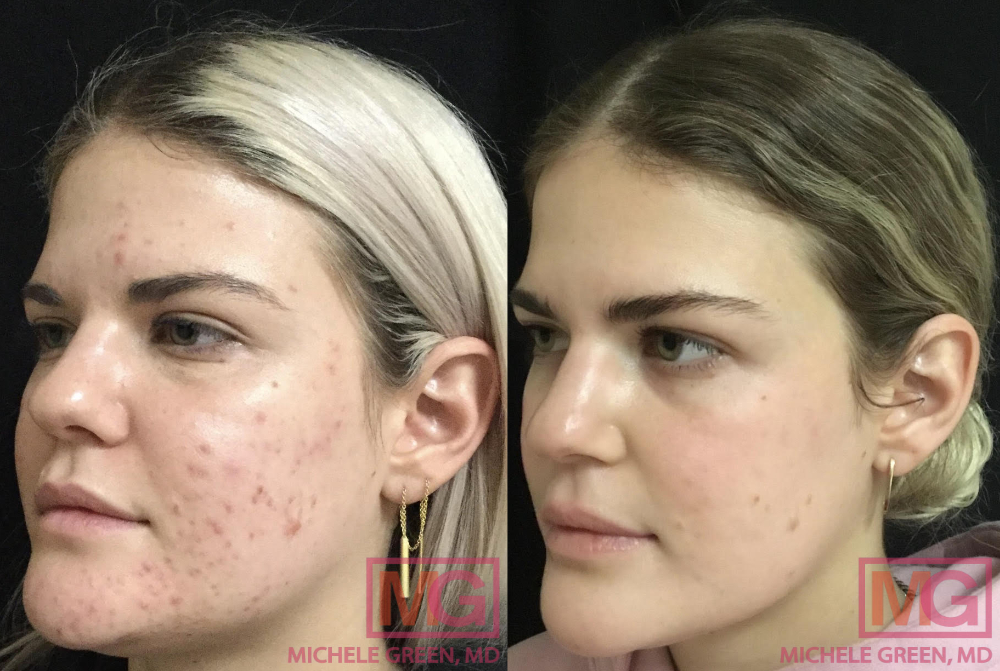
Does Accutane change your nose?
Accutane can change the appearance of your nose, but it cannot permanently alter its shape in an anatomical sense. The medication works by targeting sebaceous glands and reducing sebum production, thereby reducing inflammation, making pores appear smaller, and refining skin texture. These changes can make the nose appear different, often slimmer, especially in patients who had significant oil production or nasal acne before treatment. However, since Accutane does not affect cartilage, bone, or the underlying structural anatomy of the nose, any changes are limited to the skin and soft tissue. For patients whose concerns are primarily skin-related, such as oily nasal skin, blackheads, and enlarged pores, consulting with a board-certified dermatologist like Dr. Michele Green is highly recommended, as Accutane can produce truly transformative results.
Can Accutane reduce the appearance of a bulbous nose?
Yes, in some cases, Accutane can reduce the appearance of a bulbous nose, but only if the bulbous appearance is driven by skin-related factors such as excess oil production, enlarged sebaceous glands, or chronic inflammation, rather than by the underlying cartilage structure. Rhinophyma, a condition often associated with rosacea, is one example where the skin of the nose becomes thickened, enlarged, and oil-gland-heavy, making the nose look swollen and irregular. In cases where a large or bulbous nose is mainly due to very active oil glands and thickened nasal skin, Accutane can help reduce that bulk by shrinking the sebaceous glands, calming inflammation, and improving skin texture. For patients whose bulbous nose is primarily structural, meaning the cartilage itself is large or shaped in a way the patient wants to change, Accutane will not help, and rhinoplasty or other procedures would be more appropriate. A board-certified dermatologist, like Dr. Michele Green in NYC, can help you determine whether your concerns are skin-related or structural and guide you toward the most effective treatment approach.
Is the “Accutane nose” permanent?
Whether the changes Accutane makes to your nose are permanent depends on the individual. For many patients, the reduction in oil production and pore size is long-lasting, sometimes permanent, especially after a full course of treatment. Accutane is unique among acne medications in that it can produce lasting remission of severe acne, and the reduction in sebaceous gland activity can persist for years after the treatment ends. However, for some patients, oil production gradually returns over time, and with it, the enlarged-pore appearance may also return. Skin type, genetics, hormonal factors (particularly in cases of hormonal acne), and lifestyle all play a role in how long the results last. In general, patients who respond well to Accutane tend to see sustained improvement in nasal skin quality. At the same time, those whose oil glands reactivate over time may notice a gradual return of some of their previous skin characteristics. Regular follow-up with a board-certified dermatologist, such as Dr. Michele Green, is recommended to maintain results and promptly address any recurrence.

How long does the Accutane nose last?
For most patients, the improvements in nasal skin achieved during an Accutane course last for up to years, sometimes permanently. Studies show that approximately 85% of patients who complete a full course of isotretinoin experience long-term remission of their severe acne, and the associated improvements in skin texture, pore size, and oil control on the nose tend to persist alongside that remission. That said, a smaller percentage of patients experience a return of oiliness and pore enlargement over time, particularly if hormonal fluctuations (as in hormonal acne) continue to stimulate the sebaceous glands. The duration of results also depends on the cumulative Accutane dose received during treatment. Patients who complete the full recommended course tend to enjoy more lasting benefits. Dr. Michele Green carefully monitors her patients throughout their Accutane treatment to optimize dosing and maximize long-term outcomes.
Are nosebleeds a side effect of Accutane?
Yes, nosebleeds are a common side effect of Accutane. Because isotretinoin dramatically reduces the activity of sebaceous glands and dries out the skin throughout the body, the delicate mucous membranes inside the nasal passages are also affected. The nasal lining becomes dry and more fragile, making it more susceptible to minor tears and bleeding, especially in dry environments or during activities such as blowing the nose. Nosebleeds are among the more common complaints patients experience during Accutane treatment, though they are generally mild and manageable. Other common side effects include dry lips and skin, dry eyes, increased sun sensitivity, and a risk of severe birth defects if taken during pregnancy, which is why Accutane requires strict pregnancy prevention protocols under the iPLEDGE program. Patients taking Accutane should always use a broad-spectrum sunscreen daily to protect their more sensitive skin.
How to stop Accutane nose bleeds
The key to managing nosebleeds while on Accutane is maintaining adequate moisture in the nasal passages. Since Accutane dries out the mucous membranes lining the inside of the nose, applying a gentle saline nasal spray several times a day can help maintain moisture and prevent the tiny blood vessels from drying out and cracking. A thin layer of petroleum jelly or a fragrance-free moisturizing ointment applied just inside the nostrils (using a cotton swab) can also be very helpful. Using a humidifier, especially in dry indoor environments or during winter, adds moisture to the air, further reducing nasal dryness. Patients should avoid picking or rubbing the inside of their nose, as this can irritate the already-fragile lining. If nosebleeds are frequent, heavy, or difficult to stop, it is important to let your dermatologist know. Dr. Michele Green closely monitors her patients on Accutane, adjusting recommendations as needed to keep side effects manageable throughout treatment.
How long does nose dryness last on Accutane?
Nose dryness typically begins within the first few weeks of Accutane treatment and tends to persist throughout the treatment course, which is usually 15 to 20 weeks for most patients. The severity of nasal dryness often correlates with the Accutane dose. Higher doses tend to cause more pronounced dryness. Fortunately, nasal dryness generally resolves after completing the course of treatment, as the sebaceous glands and mucous membranes gradually return to their normal (though reduced) level of activity. Most patients find that the dryness improves noticeably within a few weeks of finishing their last dose. During treatment, staying well hydrated, using saline nasal sprays, and applying gentle moisturizers to the nasal passages can go a long way toward making this side effect more manageable. As with all aspects of Accutane treatment, Dr. Green will closely monitor nasal dryness and any related side effects to ensure the medication remains well-tolerated.
Does Accutane shrink nose pores?
Yes, Accutane can significantly reduce the appearance of pores on the nose. Because the medication shrinks sebaceous glands and dramatically reduces sebum production, the pores on the nose, which were previously stretched and clogged with oil and debris, can contract. Blackheads clear up, oil production slows, and pores that once appeared large and obvious become much less visible. This is one of the most consistent and appreciated cosmetic side effects of isotretinoin among patients with oily or acne-prone skin. For many patients, the improvement in pore size on the nose is long-lasting, especially when they follow up with appropriate skincare to maintain the results.
What skincare should I use while on Accutane?
Because Accutane makes the skin extremely dry and sensitive, a gentle, minimal skincare routine is key. Patients should use a mild, fragrance-free cleanser, a rich, non-comedogenic moisturizer, and, most importantly, a broad-spectrum sunscreen every day due to isotretinoin’s increased photosensitivity and risk of sun damage. Avoid harsh exfoliants, retinoid-containing creams (since Accutane is already a systemic retinoid), and any products with alcohol or strong actives that could further dry or irritate the skin. For the lips, a thick lip balm or petroleum-based product is a must. Dr. Michele Green provides her patients with personalized skincare guidance throughout their Accutane course to keep the skin as comfortable and healthy as possible.
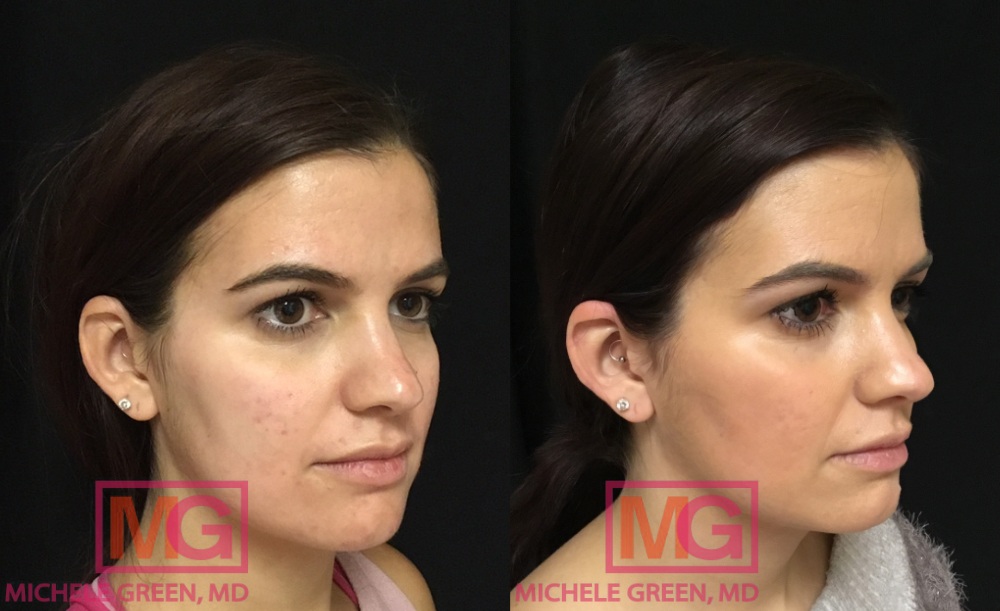
How to get started with Accutane treamtent today
Accutane (isotretinoin) is one of the most powerful and effective treatments available in dermatology for severe acne, cystic acne, and oily or acne-prone skin. Its ability to dramatically reduce sebum production by targeting sebaceous glands can lead to real, visible improvements in nasal skin, including smaller-looking pores, reduced inflammation, and a more refined nasal appearance. However, it is important to understand what Accutane can and cannot do: while it can improve skin texture and the appearance of nasal skin, it cannot structurally change the shape of your nose, as a rhinoplasty can. Side effects such as nosebleeds and nasal dryness are common but manageable with the right guidance, and the results are long-lasting for most patients. Whether you are wondering whether Accutane is right for your acne, curious about what it might do for the appearance of your nose, or seeking help for acne scars, the best next step is to consult with an experienced board-certified dermatologist like Dr. Michele Green in NYC.
Dr. Michele Green is an internationally recognized, board-certified cosmetic dermatologist with over 25 years of experience providing some of the most discerning men and women in New York City with the finest non-invasive treatments. Castle Connolly, New York Magazine, Super Doctors, and The New York Times consistently name Dr. Green among NYC’s top dermatologists for her commitment to her patients and her expertise in medical and cosmetic dermatology. She customizes every treatment plan to address each patient’s specific concerns and aesthetic goals, helping them look and feel like the best version of themselves. To learn more about Accutane and what it can do for your skin, please contact us online or call the NYC-based office at 212-535-3088.


