


Microdermabrasion vs. Microneedling
Smooth, glowing skin is at the top of almost everyone’s wish list, and two of the most popular cosmetic procedures for achieving it are microdermabrasion and microneedling. Because the names sound similar and both promise a fresher, more even complexion, it’s easy to assume they do the same thing. In reality, they work very differently. Microdermabrasion is a gentle exfoliation that buffs away dead skin cells from the skin’s surface, while microneedling, also called collagen induction therapy, uses fine needles to create tiny, controlled micro-injuries that prompt the skin to repair and rebuild itself from within. Knowing which one fits your goals can save you time and help you get the results you actually want, which is why so many patients turn to Dr. Michele Green, a board-certified dermatologist in NYC, for guidance.
The microdermabrasion vs. microneedling question comes down to depth. Microdermabrasion targets the epidermis, the skin’s outermost layer, making it a great option for dullness, mild sun damage, clogged or enlarged pores, and rough skin texture. Microneedling reaches the dermis, stimulating collagen and elastin production to improve acne scars, fine lines and wrinkles, stretch marks, and skin laxity. Both treatments are minimally invasive, involve little to no downtime, and can be safe for a wide range of skin types and tones when performed by an expert. The best way to find out which one, or which combination, is right for your skin is to schedule a personalized consultation with Dr. Michele Green in New York City.
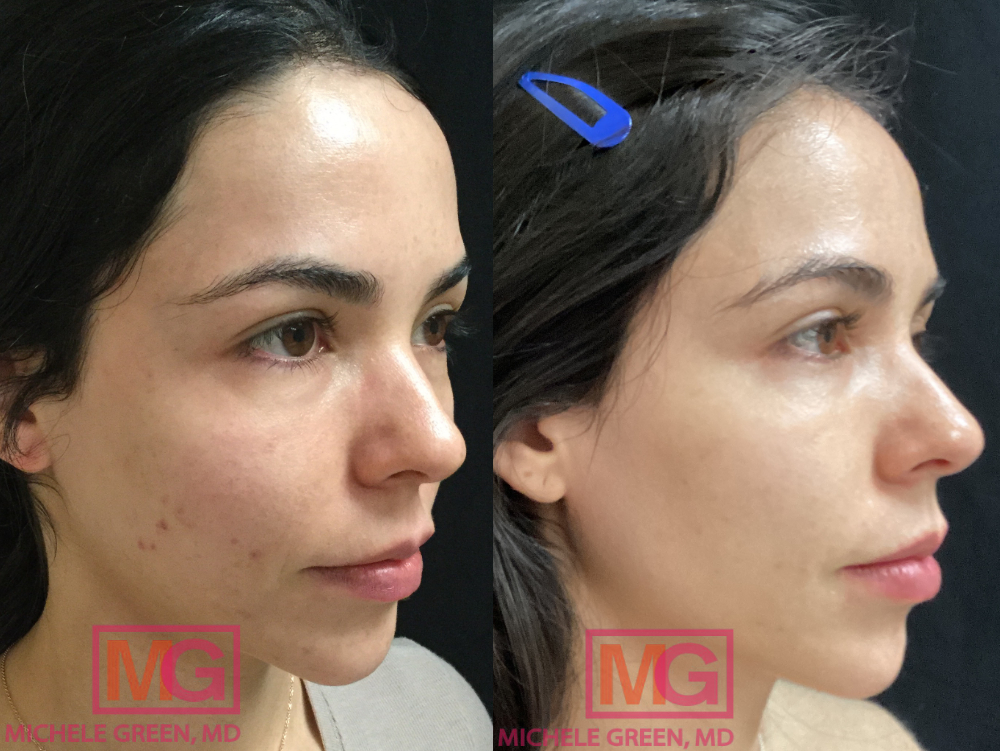
What Is Microdermabrasion?
Microdermabrasion is a non-invasive, in-office treatment that exfoliates the skin by gently removing the outermost layer of the epidermis (the stratum corneum). Microdermabrasion has two main types. Crystal microdermabrasion sprays fine aluminum oxide crystals across the skin while a gentle vacuum suctions them away, along with dead skin cells and debris. Diamond-tip microdermabrasion uses a wand with an abrasive diamond tip to buff the skin directly, with no loose crystals, making it a good choice for more delicate areas like the skin around the eyes. As the dull top layer is lifted away, the suction also boosts circulation, leaving the skin looking brighter, smoother, and more refreshed. While the names sound similar, microdermabrasion differs from dermabrasion, a much more intensive resurfacing treatment that removes deeper layers of skin and typically requires anesthesia and considerable downtime. Microdermabrasion, on the other hand, is quick, comfortable, and requires no recovery, which is why Dr. Green often recommends it for patients who want to revive a dull complexion before a big event or as part of their regular skin maintenance. Microdermabrasion is among the gentlest treatments Dr. Green offers, and many patients looking to brighten a dull complexion make it a regular part of their skincare routine.
What Is Microneedling?
Microneedling, also known as collagen induction therapy, is a minimally invasive treatment that uses a handheld device with fine needles to create thousands of tiny, controlled micro-injuries in the skin. These microscopic punctures trigger the body’s natural wound-healing response, increasing the production of collagen and elastin, the proteins that keep skin firm, smooth, and springy. Over the following weeks and months, this new collagen helps fill in scars, soften wrinkles, and tighten the skin. The tiny channels created during treatment also allow serums to penetrate much deeper than they could on their own. Professional microneedling devices let providers adjust the needle depth for each area being treated, and the benefits of microneedling extend well beyond the face. Providers can use it on the neck, chest, and hands; on stretch marks across the body; and even on the scalp, where microneedling combined with PRP may help some patients with certain types of hair loss. Dr. Green customizes every microneedling session to target each patient’s specific concerns, offering microneedling with PRP to boost healing and rejuvenation, microneedling with a depigmentation serum to address hyperpigmentation and uneven skin tone, and radiofrequency microneedling paired with hyaluronic acid for added tightening and deep hydration.
Microdermabrasion vs. Microneedling: What’s the Difference?
The biggest difference in the microdermabrasion vs. microneedling debate is depth. Microdermabrasion is a surface treatment: it physically removes dead cells from the very top of the epidermis to reveal fresher skin underneath. Its results are immediate but mostly cosmetic and temporary. Microneedling works beneath the surface by creating micro-injuries that reach the dermis, where collagen and elastin are produced. Results build gradually over several weeks and are more structural and long-lasting. This depth difference also determines which concerns each treatment can address. Because microdermabrasion only works on the outermost layer, it is best suited for dullness, rough texture, clogged pores, and very fine lines, making it a great option for patients who want a quick refresh before a special event. Microneedling, on the other hand, can target deeper issues such as acne scars, enlarged pores, wrinkles, stretch marks, and loss of firmness, which require true collagen remodeling to improve. Depth also affects recovery. Microdermabrasion involves virtually no downtime, and most patients return to their normal routine right away, while microneedling may cause redness and mild swelling for a few days as the skin heals. Patients typically need a series of sessions with either treatment to see optimal results, and Dr. Green can help determine which approach, or combination of the two, will best meet each patient’s skin goals.

Which Is Better: Microdermabrasion or Microneedling?
Neither treatment is universally better; the right choice depends on what you want to improve. Microdermabrasion is ideal for people with mostly surface-level concerns, such as dullness, uneven skin tone, mild sun damage, or rough texture, and for those who want a reliable “lunchtime” treatment with no downtime. Microneedling is a better fit for patients who want to address deeper concerns, such as acne scars, wrinkles, skin laxity, or stretch marks, and are comfortable with a little short-term redness in exchange for more dramatic, lasting change. Good candidates for either treatment are in good overall health and do not have active acne breakouts, skin infections, open wounds, or eczema flares in the treatment area. Patients who have taken isotretinoin (Accutane) within the past six months should typically wait before microneedling. When you meet with Dr. Green, she will review your medical history, examine your skin, and recommend the treatment that best matches your goals.
Which Is Better for Acne Scars?
For acne scars, microneedling is the clear winner. Most acne scars, including rolling and boxcar scars, are indented, caused by a loss of collagen in the dermis. Microneedling for acne scars stimulates new collagen right where it’s needed, gradually lifting and smoothing the depressions so they become much less noticeable. Because collagen takes time to form, patients usually begin to see improvement a few weeks after their first session, with results continuing to develop over several months. Most people benefit from a series of treatments spaced about four to six weeks apart. Microdermabrasion only treats the surface, so it can soften very mild textural marks and fade some of the dark spots left behind by old breakouts, but it can’t rebuild the collagen lost in deeper acne scarring. Also, don’t perform either treatment over active, inflamed breakouts, since it can spread bacteria and worsen irritation. Getting current acne under control is an essential first step before addressing scars. Narrow, deep ice pick scars can be especially stubborn and often require additional targeted approaches beyond microneedling alone. For patients with more significant scarring, Dr. Green often builds an acne-scar treatment plan that combines microneedling with other techniques, such as subcision or laser resurfacing, to treat every acne scar type as effectively as possible.
Which Is Better for Fine Lines and Wrinkles?
Microneedling is the better choice for fine lines and wrinkles because it boosts collagen and elastin, the building blocks that keep skin smooth and firm. As we age, the body gradually produces less collagen, so skin thins, loses elasticity, and forms creases. Microneedling helps counteract this natural decline by prompting the skin to rebuild its support structure from within. Over a series of treatments, patients typically notice softer lines around the eyes and mouth, improved elasticity, and a more youthful bounce. For patients concerned about laxity, radiofrequency microneedling adds gentle heat to the dermis to further tighten the skin and enhance collagen remodeling. Microdermabrasion can make fine lines look softer right after treatment by smoothing the surface and improving moisturizer absorption, but the effect is temporary. Even so, it can complement a skincare routine for patients who want a smoother, more radiant complexion with no downtime. Between sessions, using antioxidant-rich products like MGSKINLABs Vita-C Serum and protecting the skin daily with sunscreen can help preserve new collagen and prevent further damage. Neither treatment alone is the best option for deep wrinkles, especially dynamic ones caused by repeated facial expressions, such as forehead lines and crow’s feet. For those, Dr. Green often recommends Botox or dermal fillers, which pair beautifully with microneedling for a well-rounded anti-aging plan.
Which Is Better for Hyperpigmentation and Dark Spots?
Both treatments can help with hyperpigmentation, but in slightly different ways. Microdermabrasion lifts pigmented cells from the skin’s surface, making it helpful for mild sunspots, superficial discoloration, and uneven skin tone. Microneedling works deeper, creating channels that let brightening serums penetrate more effectively. It is a great option for post-inflammatory hyperpigmentation and stubborn dark spots. Microneedling paired with a depigmenting serum can also be a gentle option for melasma, which can be worsened by heat-based treatments. For persistent sunspots or melasma, Dr. Green may also recommend medical-grade chemical peels, such as the Cosmelan peel. At home, brightening products like the MGSKINLABs Vita-C Serum and Skin Brightening Cream help prevent discoloration from returning between treatments.
Which Is Better for Large Pores?
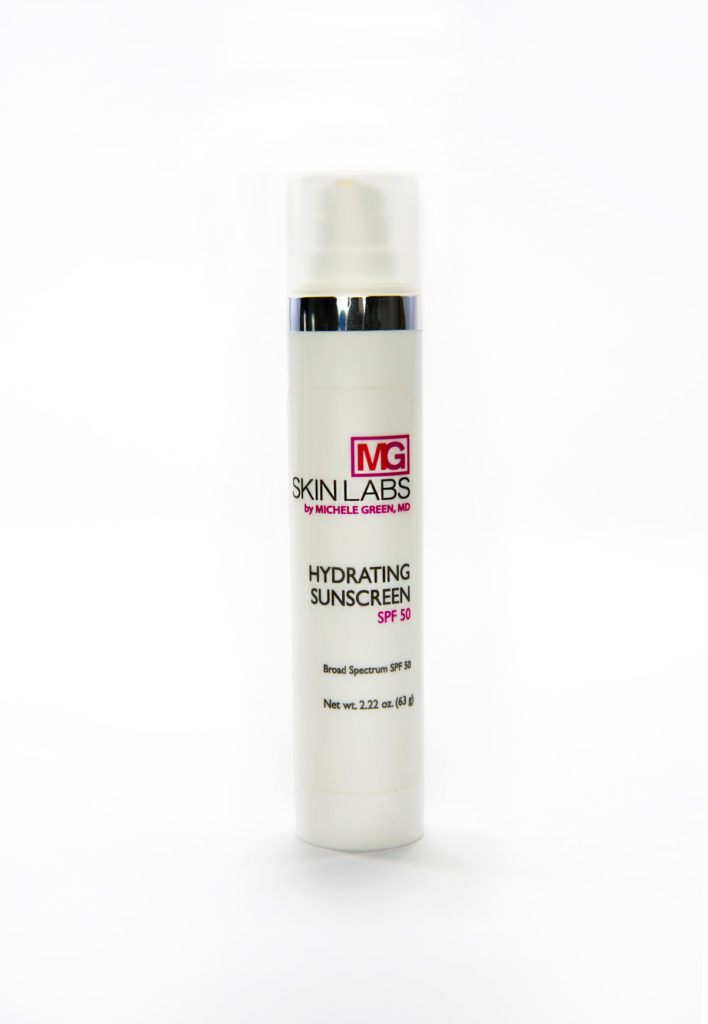
Large pores often look even bigger because of oil, debris, and a buildup of dead skin cells. Pore size is largely genetic, but excess oil, sun damage, and age-related collagen loss can make pores more prominent over time. Microdermabrasion clears away that buildup, so enlarged pores instantly look cleaner and smaller, which is why many patients, especially those with oily or congestion-prone skin, love it as a regular maintenance treatment. However, the effect lasts only until pores fill up again. Microneedling takes a longer-term approach by strengthening the collagen around each pore, helping pore walls tighten and appear less visible over time. Daily sun protection with MGSkinLabs Hydrating SPF 50 helps preserve these results by preventing collagen breakdown that causes pores to stretch. For many patients, Dr. Green recommends microneedling for lasting improvement and microdermabrasion or HydraFacials between sessions to keep pores clear.
Which Is Better for Skin Texture?
Both treatments can improve skin texture, so the best choice depends on the cause of the roughness. Uneven texture can result from several factors, including dehydration, sun damage, past breakouts, and the slower cell turnover that naturally occurs with age. If your skin feels bumpy, flaky, or uneven due to dead skin cell buildup, microdermabrasion can leave it noticeably smoother after a single session. By removing the dull outer layer, it also helps serums and moisturizers absorb more effectively, so patients often find their at-home skincare works better afterward. If the texture issue stems from deeper concerns, such as shallow scars, crepey skin, or loss of firmness, microneedling is more effective because it remodels the skin from within. These results take a few weeks to appear as new collagen forms, but the improvement is more significant and lasting. Many patients benefit from both, using microdermabrasion for an instant polish and microneedling for long-term refinement, typically spacing the treatments so the skin has time to recover.
Does Microdermabrasion or Microneedling Boost Collagen More?
Microneedling boosts collagen far more than microdermabrasion. In fact, stimulating collagen production is the entire purpose of microneedling, which is why it’s also called collagen induction therapy. The controlled micro-injuries signal the skin to produce new collagen and elastin, and this remodeling process continues for weeks and even months after each session, leading to firmer skin, better elasticity, and improvements in mild skin laxity. Most patients see the best results after a series of three to six treatments, followed by periodic maintenance sessions to keep collagen levels up as the skin continues to age. Adding PRP or radiofrequency energy to a microneedling session can further enhance collagen production for patients seeking more dramatic firming. Microdermabrasion may offer some collagen stimulation after repeated treatments, but its effects are primarily on the surface.
Which Is Better for Sensitive Skin or Darker Skin Tones?
Microneedling is generally considered safe for all skin types and tones, including darker skin, because it doesn’t use heat or light energy that can trigger pigment changes. Microdermabrasion is also typically safe for darker skin tones when performed gently, though overly aggressive settings can cause irritation that may lead to post-inflammatory hyperpigmentation. For patients with sensitive skin, the choice depends on the cause of the sensitivity. People with rosacea often find that the suction and abrasion of microdermabrasion aggravate redness, and both treatments should be avoided during active rosacea or eczema flares. For very sensitive skin, Dr. Green may suggest a gentler alternative, such as a HydraFacial, or a carefully adjusted microneedling treatment once the skin is calm. A HydraFacial is a multi-step treatment that cleanses, exfoliates, and extracts impurities from the pores using a gentle vortex-style suction, then infuses the skin with hydrating serums rich in antioxidants and hyaluronic acid. Because it uses a soothing water-based technology rather than abrasive crystals or needles, it is well tolerated by most skin types, causes little to no irritation, and requires no downtime, making it an ideal option for patients who want a refreshed, glowing complexion without aggravating sensitive skin. Her experience treating every skin type ensures each patient receives a treatment that’s both safe and effective.
What Can You Expect During Each Treatment?
A microdermabrasion session typically lasts 30 to 45 minutes. After your skin is cleansed to remove makeup and surface oil, the crystal or diamond-tip wand is gently passed over the face while light suction lifts away dead skin cells and debris. Most patients describe the sensation as mild scratching or vibration, similar to a cat’s tongue, and no numbing is needed. The treatment ends with a soothing moisturizer and sunscreen, such as MGSkinLabs Hydrating SPF 50. Your skin may look slightly pink for an hour or two before revealing a brighter, smoother glow. A microneedling appointment takes a little longer. First, we apply a topical numbing cream for 30 to 45 minutes to keep you comfortable. Then we move the microneedling device across the skin in sections, typically for 10 to 20 minutes, adjusting needle depth for each area of the face based on skin thickness and the concerns being treated. Patients usually feel only light pressure or a slight prickling sensation thanks to the numbing cream. Afterward, a hydrating or targeted serum is applied to take advantage of the newly opened channels. The skin typically looks flushed, like a mild sunburn, for one to three days. During this time, avoid makeup for the first 24 hours, skip active ingredients like retinol, and keep the skin moisturized with a gentle product like MGSkinLabs Hydra Repair. Dr. Green walks every patient through each step so you know exactly what to expect.
Which Is More Painful?
Microdermabrasion is generally painless. Most patients describe it as a light scratching or vibrating sensation, similar to a cat’s tongue, with gentle suction. Because it affects only the outermost layer of skin, no numbing is required, and many patients find the treatment relaxing. Areas with thinner or more sensitive skin may feel slightly more tender, and the provider can easily adjust the suction and intensity if anything feels uncomfortable. Microneedling involves more sensation because needles penetrate the skin, but numbing cream makes it very tolerable for most people. Patients usually feel mild pressure and a vibrating or prickling sensation, with slightly more sensitivity over bony areas like the forehead and jawline. Deeper needle settings used for acne scars may feel more intense than shallower depths used for overall rejuvenation, but the discomfort is brief and fades quickly once the treatment ends. Afterward, the skin may feel warm, tight, or slightly tender for a day or two, similar to a mild sunburn. Dr. Green adjusts needle depth and technique to keep each patient as comfortable as possible throughout treatment.
What Is the Downtime for Each Treatment?
Microdermabrasion has virtually no downtime. Your skin may look slightly pink for a few hours, but you can return to work or your usual activities and even apply makeup later that day. Microneedling has minimal downtime, though it’s a bit more than microdermabrasion. Most patients experience redness similar to a mild sunburn for one to three days, sometimes followed by light dryness or flaking as the skin heals. Skip makeup for 24 hours, avoid intense exercise and saunas for a couple of days, and pause retinol and exfoliating acids until your skin has recovered. After either treatment, daily sun protection is essential. A gentle mineral sunscreen like the MGSKINLABs Hydrating SPF 50 protects freshly treated skin and adds hydration. Dr. Green provides detailed aftercare instructions to help every patient heal quickly and comfortably.
What Are the Side Effects and Risks?
Both treatments are considered very safe when performed by an experienced, board-certified dermatologist. Microdermabrasion side effects are usually mild and short-lived, including temporary redness, dryness, tightness, and increased sun sensitivity. Occasionally, suction can cause minor bruising or small broken capillaries, especially in patients with thin or reactive skin. Microneedling can cause redness, mild swelling, pinpoint bleeding during treatment, dryness, and flaking, all of which typically resolve within a few days. Less common risks include breakouts, infection, or post-inflammatory hyperpigmentation, which are most likely when treatment is performed with improper technique or unsterile tools. Staying hydrated and following aftercare instructions closely further reduces these risks. Choosing an expert like Dr. Green is the best way to minimize side effects and achieve beautiful results.
How Many Sessions Do You Need for Results?
Microdermabrasion delivers an instant glow after a single session, but for more noticeable improvements in tone and texture, most patients complete a series of four to six treatments spaced two to four weeks apart, followed by monthly maintenance sessions. This spacing allows the skin to complete its natural renewal cycle between appointments, so each session builds on the last without irritation. Microneedling results develop more gradually as new collagen forms, so most patients need about three to six sessions spaced four to six weeks apart. Patients often notice a healthy radiance within a week of their first treatment, while firmer, smoother skin continues to develop over the following months, with final results typically visible three to six months after completing the series. Those with deeper acne scars or significant stretch marks may benefit from additional treatments, and most patients choose to return for maintenance sessions once or twice a year to sustain collagen production as the skin ages.
How Long Do the Results Last?
Microdermabrasion results are temporary because the skin naturally renews its outer layer about once a month, allowing dead cells to build up again over time. That’s why many patients schedule regular maintenance sessions to keep their skin looking bright and smooth. Microneedling results last much longer because the new collagen your skin produces is structural, and improvements in scars and texture can be long-lasting. However, the skin continues to age naturally, so many patients schedule maintenance microneedling sessions once or twice a year. Protecting your skin with daily sunscreen and a consistent skincare routine will help you get the most from either treatment, and Dr. Green can design a maintenance plan to keep your results looking their best.
Frequently Asked Questions (FAQs) about Microdermabrasion vs. Microneedling
How Much Does Microdermabrasion Cost vs. Microneedling?
The cost of each treatment depends on several factors, including the size of the area being treated, the number of sessions needed, and whether add-ons such as PRP or specialized serums are included in your plan. In general, a single microdermabrasion session costs less than a single microneedling session, but microdermabrasion often requires more frequent maintenance, whereas microneedling tends to deliver longer-lasting results with fewer treatments. To better understand your investment, schedule a consultation with Dr. Green, who will create a personalized treatment plan and walk you through the details.
Can You Do Microdermabrasion and Microneedling Together?
Yes, microdermabrasion and microneedling can work very well together as part of a comprehensive treatment plan, though they are usually not performed on the same day. Doing both at once can over-exfoliate and irritate the skin. Instead, Dr. Green typically spaces the treatments a couple of weeks apart, using microneedling to build collagen and address deeper concerns, and microdermabrasion in between to keep the surface smooth, bright, and clear. This combination approach can deliver more complete results than either treatment alone.
Is At-Home Microdermabrasion or Microneedling Worth It?
At-home microdermabrasion devices simply can’t match the precision and controlled suction of an in-office treatment. Because they are designed to be safe for untrained users, these devices tend to deliver only mild surface exfoliation, and overuse can leave skin red, raw, and irritated. At-home microneedling tools, such as a derma roller or dermaroller, carry even greater risk. The needles on most home dermarollers are short, so they can’t reach the depth needed to meaningfully stimulate collagen, and rolling motions can cause uneven tears in the skin. Reusing these tools also increases the risk of infection, scarring, and hyperpigmentation, especially since they are difficult to sterilize properly at home. For safe, effective, and visible results, it’s best to leave both treatments to a board-certified dermatologist like Dr. Green.
Is Microdermabrasion the Same as a HydraFacial?
No, although both treatments exfoliate, they differ in how they do it. A HydraFacial is a multi-step treatment that cleanses, exfoliates, extracts, and infuses the skin with nourishing serums using patented vortex technology. Microdermabrasion uses crystals or a diamond tip for physical exfoliation, whereas a HydraFacial uses gentle suction and fluid, making it especially popular among patients seeking deep hydration along with exfoliation. Many patients enjoy HydraFacials between microneedling sessions as a gentle way to keep their skin glowing. A consultation with Dr. Green will help determine the best treatment for you based on your unique skin concerns.
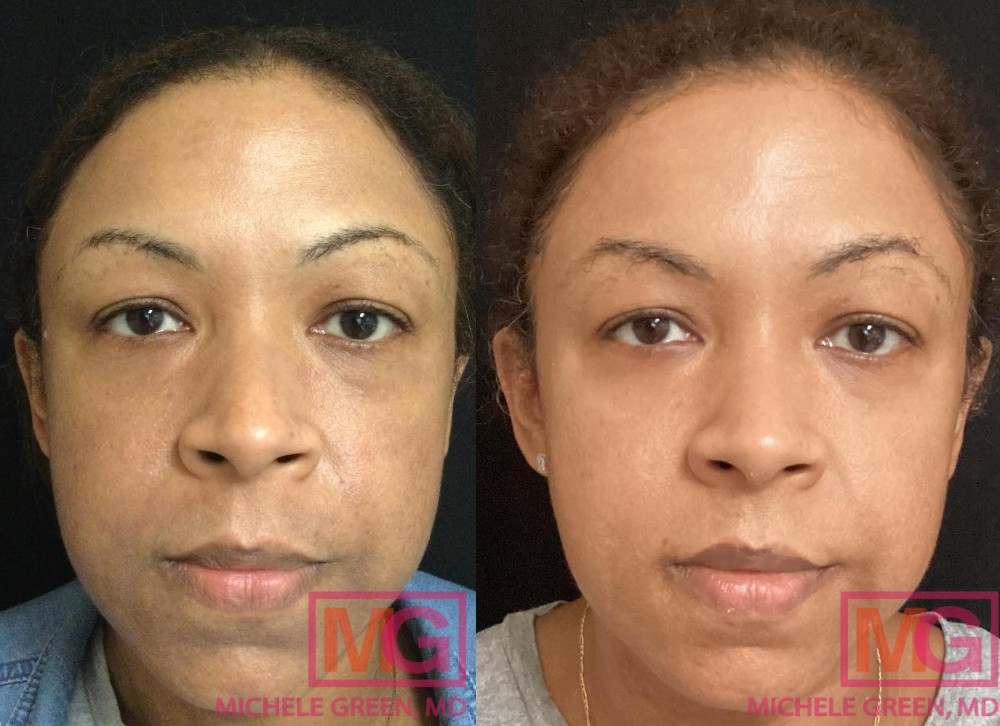
Is Microneedling or Microdermabrasion Better Than a Chemical Peel?
A chemical peel uses a specially formulated solution to exfoliate the skin chemically rather than mechanically, and it can range from light to deep depending on the formula used. Chemical peels are especially effective for hyperpigmentation, melasma, and sun damage, while microneedling is better for scarring and collagen stimulation, and microdermabrasion is ideal for quick surface refinement. Rather than one being better, these treatments often complement one another, and Dr. Green may recommend a chemical-peel series alongside microneedling for patients with both scarring and discoloration.
Can Microneedling Help with Stretch Marks?
Yes, microneedling is one of the more effective non-invasive options for improving stretch marks, especially newer ones that are still red or pink. By stimulating collagen in the dermis, microneedling helps stretch marks look flatter, smoother, and closer to the surrounding skin tone over a series of treatments. Microdermabrasion may slightly improve the surface texture of stretch marks, but it can’t rebuild the collagen beneath. Dr. Green also offers other stretch mark removal options that can be combined with microneedling for even better results.
Can Microneedling Help with Hair Loss?
Scalp microneedling, often combined with platelet-rich plasma (PRP), may help stimulate hair growth in some patients with thinning hair or certain types of alopecia. The micro-injuries are thought to increase blood flow and help growth factors reach the hair follicles more effectively. Microdermabrasion is not used to treat hair loss. If you’re dealing with thinning hair, Dr. Green can evaluate the cause and recommend the most appropriate hair loss treatment for you.
Can You Get Botox and Microneedling at the Same Time?
Botox and microneedling make a great team because Botox relaxes the muscles that cause expression lines, while microneedling improves skin quality and texture. However, they’re usually not performed at the same appointment. Microneedling right after Botox can increase the risk of the product spreading beyond the intended area, so it’s generally best to space the treatments, often about two weeks apart. Dr. Green can help you plan the ideal timing so you get the full benefits of both cosmetic procedures.
How Should I Care for My Skin After Treatment?
After either treatment, keep your skincare routine simple and gentle for a few days. Use a mild cleanser, a soothing moisturizer such as MGSkinLabs Hydra Repair, and broad-spectrum sunscreen daily. Avoid harsh scrubs, retinol, and exfoliating acids until your skin has fully recovered. Recovery time varies by treatment, with most patients able to resume their full routine within a day or two after microdermabrasion and about five to seven days after microneedling. After microneedling, skip makeup for the first 24 hours and avoid intense workouts, saunas, and swimming for two to three days, as heat, sweat, and chlorine can irritate healing skin. If you notice flaking or peeling, resist the urge to pick at it and let it shed naturally to prevent irritation or discoloration. Once your skin has healed, you can reintroduce active products such as the MGSKINLABs Essential Antioxidant Infusion, which helps boost cell turnover and supports your results. Because freshly treated skin is more vulnerable to UV damage, diligent sun protection with a product like MGSkinLabs Hydrating SPF 50 is especially important in the weeks after treatment. Dr. Green will provide personalized aftercare instructions based on your skin type and the treatment you receive.
Get Started with Microdermabrasion or Microneedling with Dr. Michele Green Today
Microdermabrasion and microneedling are both excellent treatments for refreshing the skin, but they work at different depths. Microdermabrasion is a quick, no-downtime way to exfoliate the skin, brighten a dull complexion, clear pores, and smooth the surface texture, while microneedling stimulates collagen and elastin to treat acne scars, fine lines and wrinkles, stretch marks, and skin laxity for longer-lasting results. Many patients find that the best approach combines both treatments with a smart at-home skincare routine and daily sun protection. If you’re trying to decide which treatment is right for your skin, start with a consultation with board-certified dermatologist Dr. Michele Green.
Dr. Michele Green is an internationally recognized, board-certified dermatologist with over 25 years of experience providing some of the most discerning men and women in New York City with the finest non-invasive cosmetic procedures, including microdermabrasion, microneedling, chemical peels, HydraFacials, and Botox. Castle Connolly, Super Doctors, The New York Times, and New York Magazine consistently honor her as one of New York’s top dermatologists for her dedication to her patients and expertise. Dr. Green takes a holistic, less-is-more approach to skin rejuvenation, customizing each treatment plan to each patient’s unique concerns and aesthetic goals. If you’re ready to find out whether microdermabrasion or microneedling is right for you, schedule a consultation with Dr. Green online or call the NYC office at 212-535-3088


