


Why Does Melasma Come Back?
Melasma is one of the most persistent forms of hyperpigmentation a patient can develop, appearing as dark patches or a darkened area across the cheeks, forehead, upper lip, and chin. It occurs when melanocytes, the pigment-producing cells in the epidermis, go into overdrive and produce excess melanin in response to triggers such as sun exposure, hormonal fluctuations, and genetics. Because of this, melasma is sometimes called chloasma or the “mask of pregnancy,” though it can affect anyone with a genetic predisposition, not only pregnant women. What makes melasma so frustrating is that even after successful treatment, many patients notice the same dark spots reappearing weeks, months, or even years later. This is exactly why melasma recurrence is one of the most common questions Dr. Michele Green fields in her Manhattan practice.
Unlike an ordinary sunspot caused purely by cumulative sun damage, melasma behaves more like a chronic, trigger-driven condition. Sun exposure, UV radiation, UVA rays, heat, inflammation, hormonal changes, and even visible light from the sun or from phone and computer screens can reactivate melanin production at unpredictable times. Patients who don’t fully understand these triggers often find that their melasma returns, sometimes darker than before, even when they thought they were doing everything right. This is why Dr. Michele Green emphasizes long-term maintenance and trigger management, not just a single round of treatment, when she creates a plan for patients dealing with recurring melasma.
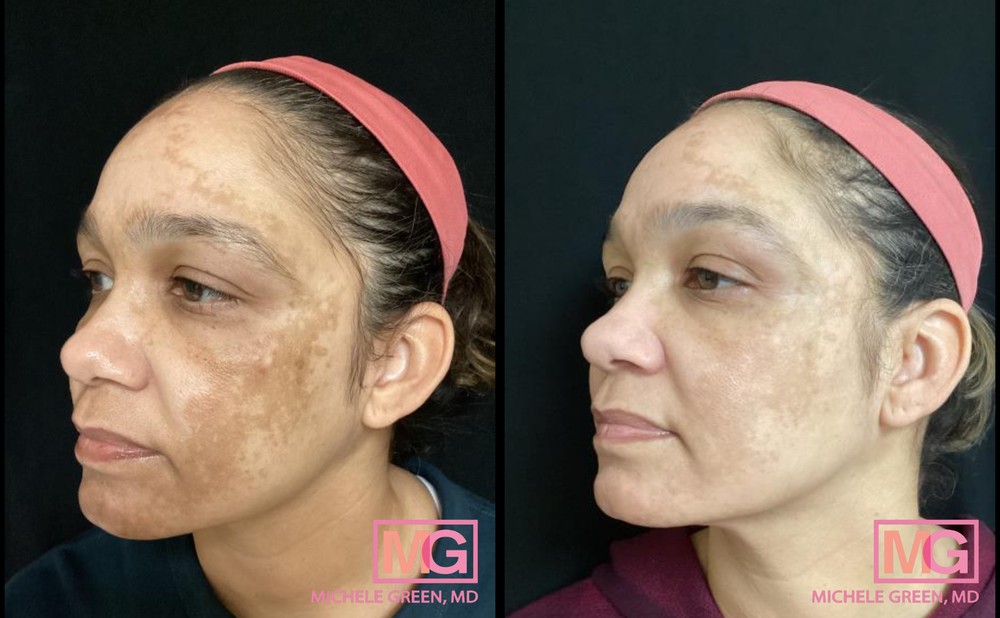
Is melasma genetic, and does that explain why it keeps recurring?
Genetics plays a significant role in melasma, and a family history of the condition is one of the strongest predictors of recurrence. If melasma runs in your family, your melanocytes may be more genetically sensitive to triggers such as sun exposure and hormonal changes than those of someone without that background. Even brief or minor exposure can reactivate pigmentation that has otherwise been well controlled. Patients with a strong genetic component often find that their melasma returns more quickly and stubbornly after treatment, sometimes within weeks of stopping a maintenance regimen or during a seasonal shift when sun exposure naturally increases. This genetic sensitivity doesn’t mean melasma can’t be effectively managed, but it does mean that long-term vigilance is especially important for these patients. Therefore, Dr. Green takes a detailed family history into account when setting realistic expectations for how a patient’s skin is likely to respond over time, and why she often recommends a more proactive, consistent maintenance plan for patients with a hereditary predisposition to the condition.
Why do hormonal changes (perimenopause, menopause) cause melasma recurrence?
Hormonal fluctuations during perimenopause and menopause affect melasma through several overlapping mechanisms beyond estrogen and progesterone shifts alone. Declining estrogen levels can alter skin barrier function and vascularity, which in turn affect how pigment is distributed and retained in the epidermis. Thyroid changes, also common during this transition, can increase melanocyte activity and make pigment more resistant to standard treatment. Stress and sleep disruption, both frequent during perimenopause, elevate cortisol, which also influences melanogenesis. Sun exposure remains a critical amplifying factor at this stage, since photoaged skin from prior decades of UV exposure is often more reactive to any new hormonal trigger. For patients starting hormone replacement therapy, the formulation matters, as oral versus transdermal estrogen can have different effects on circulating hormone levels and, by extension, on pigment stimulation. Dr. Green typically recommends a layered approach for these patients, combining strict photoprotection, topical brightening agents, and, when appropriate, in-office treatments, while working closely with the patient’s gynecologist or endocrinologist if hormone therapy is a contributing factor.
Why does melasma return after pregnancy ends?
Melasma earned the nickname “mask of pregnancy” because the surge in estrogen and progesterone that pregnant women experience powerfully stimulates pigment-producing cells, often causing patches to appear rapidly during the second or third trimester. While melasma often fades somewhat after delivery as hormones stabilize, many women find that it never fully disappears, leaving a faint trace of pigmentation even years later. A subsequent hormonal change, such as another pregnancy, breastfeeding, or starting birth control pills, can bring the dark patches right back, sometimes more prominently than before. Even hormonal fluctuations unrelated to pregnancy, such as those associated with perimenopause or certain medications, can reactivate melasma in women with a prior history of the condition. Because a pregnant woman’s hormone levels shift so dramatically over just a few months, her skin often remains genetically primed for melasma to recur for years after the pregnancy ends. Therefore, ongoing sun protection and a tailored maintenance plan with the help of a board-certified dermatologist like Dr. Green remain important and can help long after the initial hormonal trigger has passed.
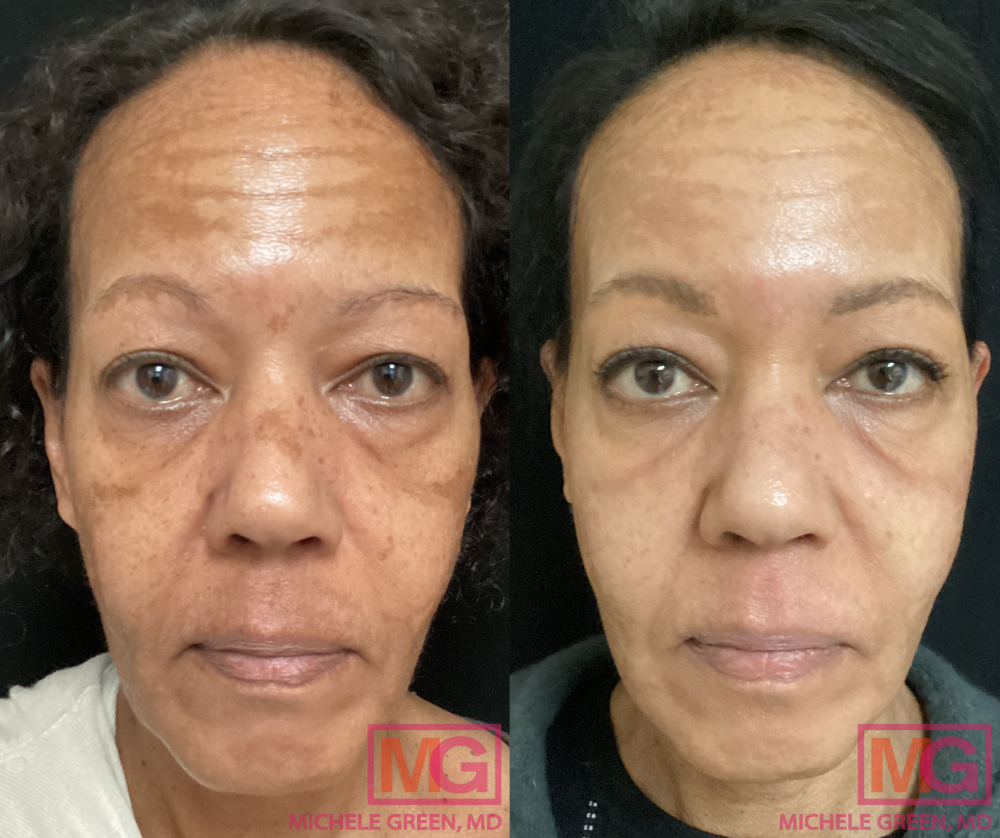
Can hormonal birth control cause melasma recurrence?
Yes, birth control pills and other oral contraceptives are among the most common triggers of melasma recurrence. Most oral contraceptive formulations contain synthetic estrogen, which can stimulate melanocytes in the same way that pregnancy hormones do, leading to renewed pigmentation in areas where melasma has previously appeared, even if the skin looked completely clear beforehand. Some patients notice new or returning patches within a few weeks to a few months of starting a new formulation, particularly if they have a personal or family history of the condition. Patients with a history of melasma, a genetic predisposition, or a family history of the condition should talk to Dr. Michele Green before starting or restarting hormonal birth control, since even a low-dose oral contraceptive can be enough to reactivate dormant dark spots. In some cases, switching to a non-hormonal method of contraception may be worth discussing. However, this decision should always be made in consultation with both a dermatologist and a gynecologist to weigh the full picture of a patient’s health and preferences.
Why does melasma return even when I wear sunscreen?
This is one of the most common frustrations patients bring to Dr. Green, and the answer usually comes down to the sunscreen’s formulation and the type of light it blocks. Many sunscreens are formulated primarily to filter UVB and UVA rays. Still, ordinary sun exposure also includes visible light, and visible-light exposure alone is enough to stimulate melanin production in melasma-prone skin. A true broad-spectrum sunscreen, or one containing iron oxides, offers much better protection against visible light than a standard UV-only formula. Even patients who practice near-total sun avoidance can still see melasma return, since indoor lighting and screens emit visible light. This is why consistent use of tinted sunscreen is so important, even when direct sun exposure feels minimal. Dr. Green’s MGSKINLABs Hydrating SPF 50 is formulated with this in mind, offering mineral-based broad-spectrum protection along with niacinamide to help brighten areas of discoloration, making it a practical daily option for patients managing melasma.
Can heat or humidity trigger melasma recurrence?
Heat, on its own and separate from UV radiation, can trigger melasma recurrence by increasing blood flow and inflammation in the skin, both of which can stimulate melanocytes to produce more melanin. This heat-driven pathway operates independently of sun exposure, which is why some patients notice flare-ups even when they’ve been diligent about sunscreen and sun avoidance. This is why patients often notice their melasma flaring during the summer months, after time in a sauna or hot yoga class, or even after standing over a hot stove for extended periods, all situations where UV exposure may be minimal but skin temperature rises significantly. Humidity can compound this effect by further increasing blood flow and keeping the skin warmer for longer, which is one more reason Dr. Michele Green advises melasma-prone patients to be mindful of heat exposure, not just sunlight, when trying to prevent a flare-up. Simple precautions, such as taking breaks during intense heat exposure or using cooling mists, can help reduce this additional trigger alongside diligent sun protection.
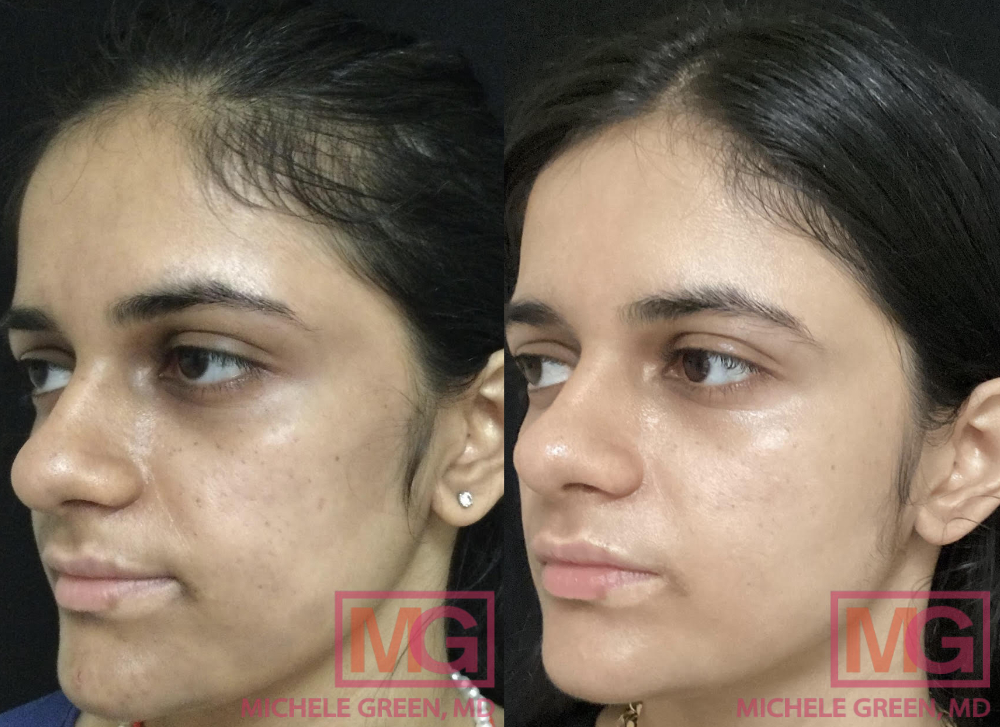
Can blue light from phones/screens trigger melasma recurrence?
Blue light and other forms of visible light emitted by phones, laptops, and other screens have been shown to stimulate melanin production in melasma-prone skin, much like natural visible light from the sun. Unlike UVA and UVB rays, visible light penetrates the skin differently. It has traditionally been overlooked in sun protection discussions, even though research increasingly points to its role in triggering pigmentation in susceptible individuals. With so many patients spending hours a day in front of screens, whether for work, entertainment, or scrolling before bed, this near-constant, low-level visible-light exposure can be enough to keep melasma simmering just below the surface, contributing to recurrence even in patients who are otherwise diligent about sun protection. Dr. Green often recommends antioxidants and tinted, broad-spectrum sunscreen as an added layer of defense for patients who spend significant time on devices, since tinted formulations containing iron oxide have been shown to offer better protection against visible light than traditional untinted sunscreens. MGSKINLABs Essential Antioxidant Infusion helps neutralize free-radical damage from daily light exposure. At the same time, the MGSKINLABs broad-spectrum sunscreen provides an additional layer of protection for daily use, even indoors.
Does stress cause melasma recurrence?
Stress doesn’t directly cause melasma, but it can indirectly contribute to recurrence by triggering inflammation and hormonal fluctuations throughout the body. When the body is under chronic stress, cortisol and other stress hormones rise, and this shift can ripple through the endocrine system, affecting skin health more broadly. Elevated stress hormones can interact with the same pathways that estrogen and progesterone use to stimulate melanocytes, which may explain why some patients notice their melasma worsening during particularly stressful periods, such as a demanding work deadline, a major life transition, or a period of poor sleep. While stress alone is unlikely to trigger melasma in someone without an underlying predisposition, it can act as one more variable that tips the balance toward a flare-up in patients who are already prone to the condition. Managing stress, alongside sun protection and a consistent skincare routine, is another piece of the puzzle Dr. Michele Green discusses with patients who are trying to keep their melasma under long-term control, recognizing that skin health is often connected to broader patterns of wellness.
Why does melasma return after treatment?
Melasma has a notoriously high recurrence rate because most treatments reduce visible pigment in the epidermis without necessarily turning off the melanocytes that are causing the problem in the first place. Hydroquinone, chemical peels, and topical antioxidants can dramatically fade dark patches, sometimes producing results that look nearly complete within weeks. However, the underlying melanocytes often remain genetically primed to overproduce melanin at the first sign of a new trigger, whether that’s sun exposure, heat, hormonal shifts, or even certain medications. Therefore, a patient can achieve significant clearing of melasma only to see it return months later if triggers aren’t carefully managed. In cases of dermal melasma, where pigment sits deeper within the epidermis, recurrence is even more likely, since deeper pigment is harder to clear and more easily reactivated once treatment stops or triggers reappear. This subtype tends to be more resistant to topical treatment alone and often requires a more layered approach over a longer period. Dr. Michele Green treats melasma as an ongoing condition to be managed rather than a single problem to be permanently solved, using a long-term strategy that combines active treatment, diligent sun protection, and maintenance therapy to keep pigmentation under control.
Does melasma return after laser treatment?
Laser treatments and IPL (intense pulsed light) can effectively fade melasma, but they can also be risky if not used carefully, since these devices target pigment and heat in the skin. If a laser or IPL treatment is too aggressive for a patient’s skin type, it can trigger inflammation that leads to post-inflammatory hyperpigmentation, which is often the real reason melasma returns worse than before after a laser treatment or IPL session. This rebound effect can be particularly frustrating for patients, since the skin may initially appear improved immediately after treatment, only to darken again in the following weeks as inflammation subsides and pigment resurfaces. Patients with deeper skin tones or a strong history of melasma are especially susceptible to this risk, as their skin tends to produce more melanin in response to inflammatory triggers. Dr. Michele Green is highly selective about which patients are good candidates for energy-based devices and why she always pairs these treatments with strict sun protection and a customized aftercare routine to minimize the risk of a rebound, often starting with more conservative settings and building up gradually based on how the skin responds.
Why does melasma flare up again after a chemical peel?
Melasma can flare after a chemical peel because the peel, while designed to exfoliate pigmented cells, can trigger a rebound response if it causes excessive irritation. Inflamed skin tends to overproduce melanin as part of its natural healing response, so if a peel is too strong for a patient’s skin or adequate sun protection isn’t used afterward, post-inflammatory hyperpigmentation can develop, causing melasma to flare right back up in the same areas that were just treated. Therefore, Dr. Green carefully selects the strength and type of chemical peel for each patient’s skin type and melasma severity, rather than applying a one-size-fits-all approach. For patients who need a more intensive option, Dr. Green commonly offers the Cosmelan Peel by Mesoestetic, a professional-grade depigmentation treatment used to address melasma, post-inflammatory hyperpigmentation, sun damage, and other forms of hyperpigmentation in patients of all skin tones and types. The treatment involves an in-office application of the Cosmelan 1 mask, worn for 4 to 8 hours depending on the patient’s skin type and pigmentation severity, followed by a structured at-home regimen using the Cosmelan 2 depigmenting cream along with a specific moisturizer and sunscreen. Cosmelan works by reducing existing melanin, blocking tyrosinase activity, and regulating melanin production in both the epidermis and dermis. Clinical studies show it can reduce hyperpigmentation by up to 95 percent with just one application. Even so, melasma can still flare up after Cosmelan, since the underlying melanocytes remain genetically prone to overproducing pigment regardless of how effective the initial treatment was. Therefore, diligent, ongoing sun protection is essential to maintaining long-lasting results.
Why does hydroquinone stop working over time on recurring melasma?
Hydroquinone is considered a gold-standard topical for melasma because it directly inhibits melanin production, but it can lose effectiveness with prolonged continuous use. This diminishing response, sometimes referred to as tachyphylaxis, means that a treatment that worked well in the first few months may gradually produce less noticeable improvement over time, even with consistent use. Melanocytes can become less responsive to hydroquinone with prolonged daily use, which is why Dr. Green often recommends cycling hydroquinone with other actives, such as retinoids or azelaic acid, or briefly combining it with a mild corticosteroid under close supervision, rather than using it indefinitely. Giving the skin planned breaks from hydroquinone, paired with other pigment-controlling ingredients, helps prevent the plateau effect that can make recurring melasma feel resistant to treatment, while also reducing the risk of irritation or rebound pigmentation associated with long-term use of a single active ingredient.
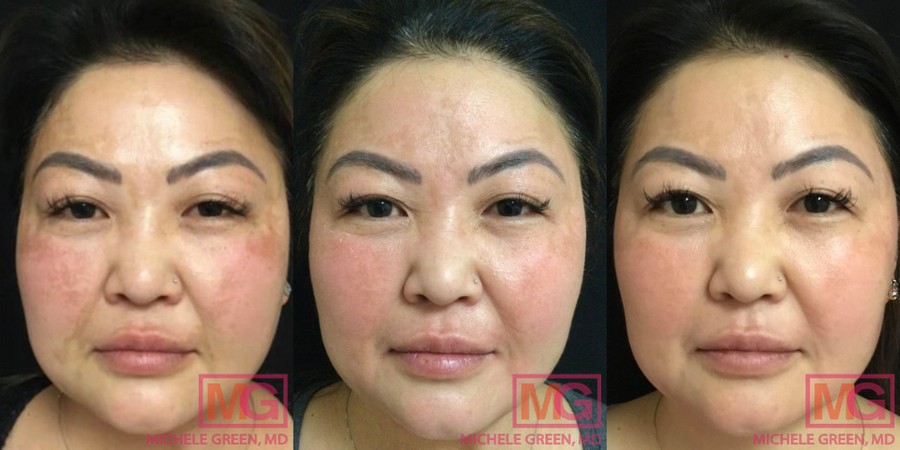
Can certain skincare ingredients reactivate melasma?
Yes, certain skincare products can inadvertently reactivate melasma if they cause irritation or inflammation in the skin. Because melasma-prone skin tends to respond to inflammation with a surge in melanin production, any product that compromises the skin barrier or triggers redness and sensitivity can set off a flare, even products that are otherwise considered beneficial for the skin. Retinol, retinoids, and tretinoin are powerful for cell turnover. Still, they can also increase sun sensitivity and irritate melasma-prone skin if introduced too quickly or used without diligent sunscreen use, making proper introduction and pairing with sun protection especially important for these patients. Fragranced products, harsh scrubs, and other irritating actives can have a similar effect, often causing subtle inflammation that patients may not immediately connect to a pigmentation flare weeks later. Overuse of exfoliating acids or combining too many active ingredients at once can compound this risk, overwhelming the skin barrier rather than supporting it. Dr. Michele Green helps patients build a melasma-safe skincare routine that supports the skin barrier rather than provoking it, introducing active ingredients gradually and monitoring the skin’s response at each step.
Why does melasma rebound more darkly after stopping treatment?
Consistent maintenance keeps melasma in check, so abruptly stopping treatment often allows melanocytes to rebound quickly, sometimes producing melanin at a faster rate than before. Ingredients such as antioxidants (including vitamin C), niacinamide, tranexamic acid, azelaic acid, kojic acid, and arbutin work continuously to suppress melanin production and calm inflammation in the skin, so their benefits depend on regular use rather than a fixed treatment period. When these maintenance ingredients are removed all at once, especially when sun protection is reduced, the skin can lose that ongoing suppression, allowing melasma to return and appear darker and more widespread than before treatment began. Dr. Green typically recommends that patients consult with her to develop a maintenance regimen tailored to their individual skin and treatment history, rather than stopping treatment cold, because a gradual, guided transition helps preserve results and reduces the likelihood of a significant flare.
Why does melasma return to the same spots every time?
Melasma tends to recur in the same locations because the melanocytes and melanocyte clusters in those areas, most often the cheeks, forehead, and upper lip, are genetically primed to overreact to triggers, producing excess pigment far more readily than the surrounding skin. When a component of dermal melasma is present, some pigment can remain beneath the epidermis even after the surface appears clear, creating a blueprint for where the next dark patch or patches will appear. This deeper pigment is far more resistant to treatment and far more likely to resurface when a trigger, such as sun exposure or hormonal fluctuations, occurs. Therefore, Dr. Michele Green tailors treatment to a patient’s specific melasma pattern rather than treating the whole face identically, factoring in whether the pigment is epidermal, dermal, or mixed to guide the right approach.
Frequently Asked Questions (FAQs) About Melasma Recurrence
Can melasma return years after it fades?
Yes, melasma can return even after years of clear skin because the underlying genetic predisposition and sensitized pigment-producing cells persist even when visible pigment fades. Unlike a spot that has been treated and removed, melasma involves melanocytes that remain fundamentally altered in their response to certain triggers. Hence, the potential for recurrence persists even during long stretches of clear skin. A new trigger, such as pregnancy, a change in birth control, significant sun exposure, or a stressful period, can be enough to reawaken melasma long after it seemed to be gone for good, sometimes catching patients by surprise if years have passed since their last flare. This differs from typical sunspots, which usually result from cumulative sun damage over time rather than the hormonal and genetic factors that drive true melasma. Sunspots more reflect past exposure, whereas melasma more reflects an ongoing predisposition. Patients need to be diligent about sun protection, since ultraviolet exposure can trigger melasma to resurface in the same areas and further darken pigmentation. Consistent, year-round sunscreen use is one of the most effective ways to prevent a recurrence, even during winter months or on overcast days when UV rays are still present.
Is melasma ever truly cured, or does it always come back?
Melasma is best understood as a manageable chronic condition rather than one that can be permanently cured. While treatment can clear the skin beautifully and keep it clear for extended periods, sometimes for years at a time with proper maintenance, the tendency for melasma to recur never fully disappears in most patients, especially those with a genetic or hormonal predisposition. This underlying susceptibility means that melanocytes remain primed to react to triggers such as sun exposure, heat, hormonal shifts, or inflammation, even long after the skin appears completely clear. Understanding this distinction is important, since patients who expect a permanent fix may feel discouraged by a flare-up that is actually a normal part of how melasma behaves, rather than a sign that treatment failed. Dr. Michele Green sets realistic expectations with her patients from the start, focusing on long-term control and prevention rather than promising a one-time fix, and helping each patient understand the specific triggers most likely to affect their own skin. With the right combination of treatment, maintenance, and diligent sun protection, most patients can keep melasma well controlled and enjoy long stretches of clear, even-toned skin.
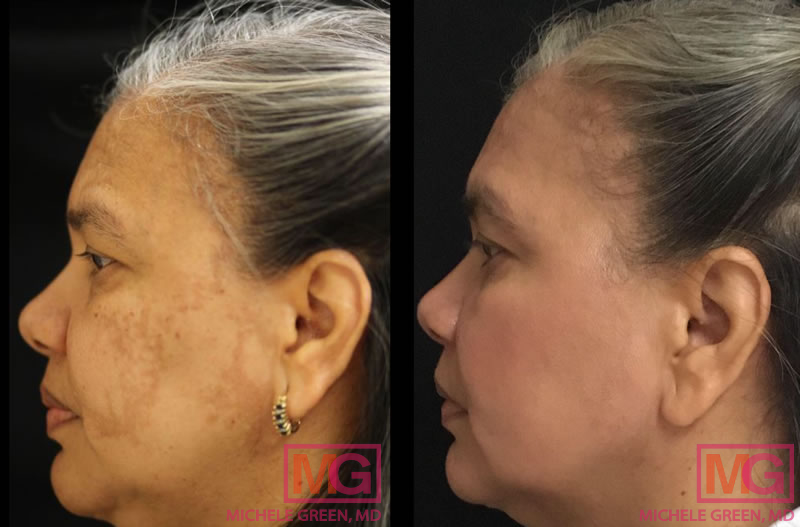
Take Control of Melasma Recurrence with Dr. Michele Green in NYC
Melasma recurrence is common, but it isn’t random. Triggers range from genetics and family history to pregnancy, hormonal changes, birth control pills, sun exposure, heat, visible light, and even certain skincare products. These identifiable triggers underlie almost every flare-up of dark patches. Recognizing them gives patients a clearer sense of why their melasma behaves the way it does and helps shift the focus from frustration over recurrence to proactive, informed management. The most effective way to keep melasma under control is to understand these triggers and pair the right treatments, from chemical peels and laser treatments to hydroquinone and daily broad-spectrum sunscreen, with a consistent long-term maintenance routine. No single treatment works in isolation; lasting results come from a combination of professional care, targeted at-home products, and diligent daily habits that address melasma from multiple angles at once. Dr. Michele Green builds a personalized treatment plan for every patient who walks into her office, taking into account each patient’s unique triggers, skin type, and treatment history to create a strategy focused not just on clearing melasma but on keeping it under control for the long term.
As a board-certified dermatologist in New York City with decades of experience treating melasma, hyperpigmentation, and other complex pigmentary conditions, Dr. Michele Green understands how frustrating recurring dark spots can be. She works closely with each patient to design a treatment and maintenance plan tailored to their skin, triggers, and lifestyle. She is consistently recognized by Castle Connolly, Super Doctors, and New York Magazine as one of the best dermatologists in New York City, and she has helped countless patients achieve natural, beautiful, long-lasting results. If you’re tired of watching your melasma return again and again, contact our office today at (212) 535-3088 or reach out online to schedule a consultation with Dr. Michele Green.


