


Seasonal Melasma: Why It Changes From Winter to Summer
Melasma is one of the most common pigmentary concerns in dermatology, causing brown or grayish-brown patches on the skin, most often on the cheeks, forehead, and upper lip. It develops when melanocytes, the pigment-producing cells in the skin, go into overdrive and produce excess melanin, leading to noticeable dark patches and discoloration. Because hormonal changes so often trigger melasma, it has earned the nickname “mask of pregnancy,” though it can affect anyone regardless of pregnancy status. If you’ve noticed that your melasma seems to have a mind of its own throughout the year, that’s not just in your head. Understanding why can make all the difference in how well you manage it, which is why patients so often turn to Dr. Michele Green for guidance.
Seasonal changes in weather, sunlight, and even indoor habits can all influence how visible melasma becomes at any given time. From increased UV exposure in the summer months to a general dip in sun intensity come winter, melasma patients often see real fluctuations in the severity of their flare-ups depending on the season. Add hormonal fluctuations, heat, and even visible light and blue light exposure into the mix, and it becomes clear why melasma can look so different from August to January. Getting ahead of these seasonal triggers, rather than reacting to them after a flare-up has already set in, is one of the best ways to keep melasma under control, something Dr. Michele Green helps her patients do throughout the year.
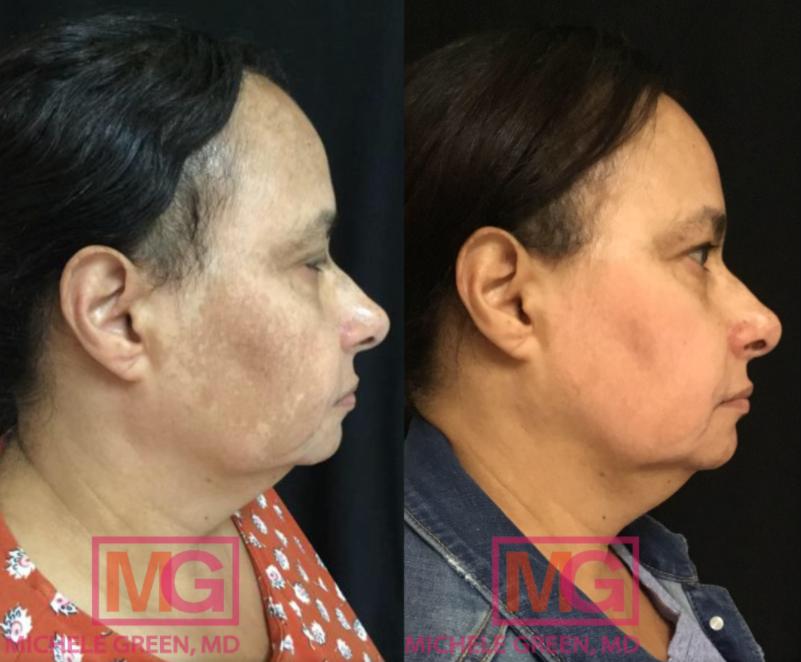
Why does melasma get worse in summer?
Melasma tends to worsen in the summer months because ultraviolet light directly stimulates melanocytes to ramp up melanin production, deepening existing dark spots and encouraging new ones to form. This helps explain why melasma looks darker in summer than in winter. Melasma often appears darker and more pronounced in the summer because more melanin is produced and deposited in the skin during these sunnier months. The pigment-producing cells are more active, and existing dark patches and sun spots have more raw material to draw from, making discoloration more visible against a backdrop of increased overall sun exposure. Add to that a possible base tan, and dark spots can appear to stand out even more sharply than they would in the paler months of winter. UV exposure is one of the biggest external drivers of melasma flare-ups, and even short periods of unprotected time outdoors can be enough to darken existing discoloration. This is why Dr. Michele Green stresses year-round sun protection, especially as the days get longer and sunnier.
So, why does heat (not just sun) make melasma worse in summer? It’s not only UV rays that trigger melasma in summer; heat itself can be a trigger, too. Rising skin temperature increases blood flow and inflammation, which can stimulate melanocytes and worsen hyperpigmentation, even in areas protected from direct sun exposure. This is one reason patients notice melasma flare-ups after workouts, in saunas, or simply by spending time outdoors on a hot day.
A common question is whether a tan in summer makes melasma blend in or stand out more. This may vary from patient to patient, but for many, a tan can make melasma more noticeable rather than less. Because melasma involves excess melanin production concentrated in specific patches, a tan that darkens the surrounding skin can make the borders of those patches sharper and more visible, rather than helping them blend in. For others, especially those with lighter dark patches, a slight tan can temporarily reduce the contrast. Either way, Dr. Michele Green cautions against relying on a tan to camouflage melasma, since the UV exposure required to achieve it will almost certainly worsen the underlying condition over time.
Why does melasma look patchy in summer but more even in winter?
In summer, melasma can appear more mottled or patchy because sun-triggered melanin production isn’t uniform; some areas of the skin are more reactive to UV exposure than others, creating uneven discoloration. In winter, with less UV exposure, overall pigment production slows, and existing dark patches often fade slightly and more evenly, giving the skin a smoother, more consistent tone. This seasonal shift is part of why Dr. Green tailors her treatment recommendations to the time of year, since skin behavior can vary from season to season.
Fading Melasma in the Winter
Some patients ask if melasma fades in the winter. For many, it tends to fade somewhat during the winter months, thanks to reduced UV exposure and generally less time spent outdoors in direct sunlight. This natural, partial fading doesn’t mean melasma is gone for good, however, because the underlying pigment-producing cells remain just as reactive and ready to flare again with increased sun exposure.
So, does cold weather in winter help melasma fade naturally? Cold weather itself doesn’t directly fade melasma. Still, the conditions that typically come with winter, such as shorter days, less intense sunlight, and more time spent indoors, do reduce the UV exposure that fuels melanin production. That said, cold, dry winter air can also compromise the skin barrier, and a damaged skin barrier can make pigment-prone skin more reactive and prone to inflammation.
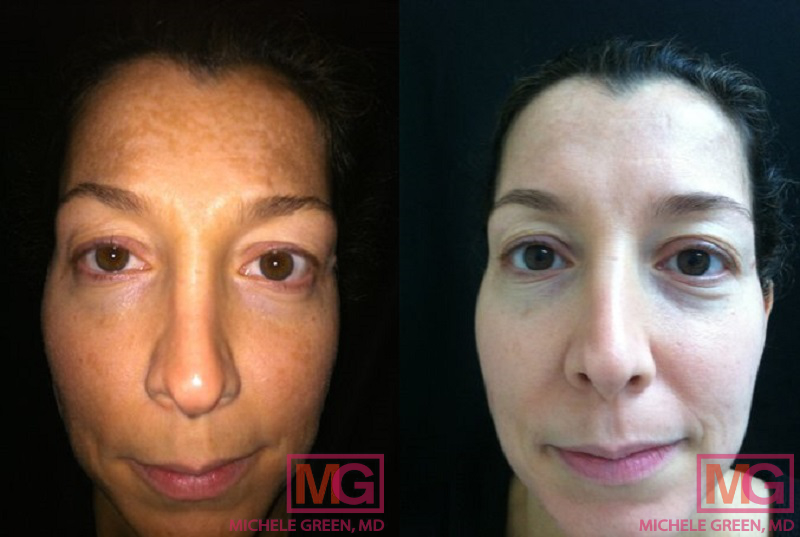
Does less daylight in winter reduce melasma triggers?
Yes, shorter winter days mean less cumulative UV exposure and less overall visible light exposure, both of which are significant triggers of melanin production in melasma-prone skin. Less time spent outdoors also naturally limits opportunities for sun-exposure-related flare-ups. That said, daylight is only one variable, since melasma can still be triggered by hormonal changes, heat, and certain skincare products regardless of how much sun is in the forecast, so winter isn’t automatically a pigment-free season for every patient.
Can melasma disappear completely in winter and return in summer?
For some patients, melasma can fade to the point of being barely noticeable in winter, only to resurface as soon as UV exposure picks up in spring and summer, a frustrating but very common pattern. This happens because winter fading is usually a temporary quieting of melanin production, not a resolution of the underlying condition. The pigment-producing cells remain primed to react to future triggers. Hormonal triggers, including estrogen fluctuations from pregnancy, birth control, or hormone therapy, can also cause melasma to resurface independent of the season.
Can you treat melasma more effectively in winter than summer?
Winter is widely considered the best time to pursue more aggressive melasma treatment because reduced UV exposure and cooler temperatures lower the risk of treatment-related inflammation that could trigger new discoloration. Procedures such as chemical peels, microneedling, and laser treatments work by creating a controlled, brief injury to the skin. Performing them when ambient sunlight intensity is lower provides the skin with optimal conditions to heal without the risk of rebound hyperpigmentation. Specifically, dermatologists recommend laser treatment for melasma in winter, not summer. Laser treatments and intense pulsed light procedures target excess melanin in the skin, but they also temporarily increase the skin’s sensitivity to sunlight during healing. Performing these treatments in the summer months, when UV exposure is highest, significantly increases the risk of post-treatment hyperpigmentation, effectively trading one form of discoloration for another. Winter’s lower sun intensity provides a much safer window for healing. For this reason, Dr. Green recommends that patients interested in professional melasma treatment begin planning in the fall or early winter, allowing the skin plenty of time to recover before the stronger summer sun returns in full force.
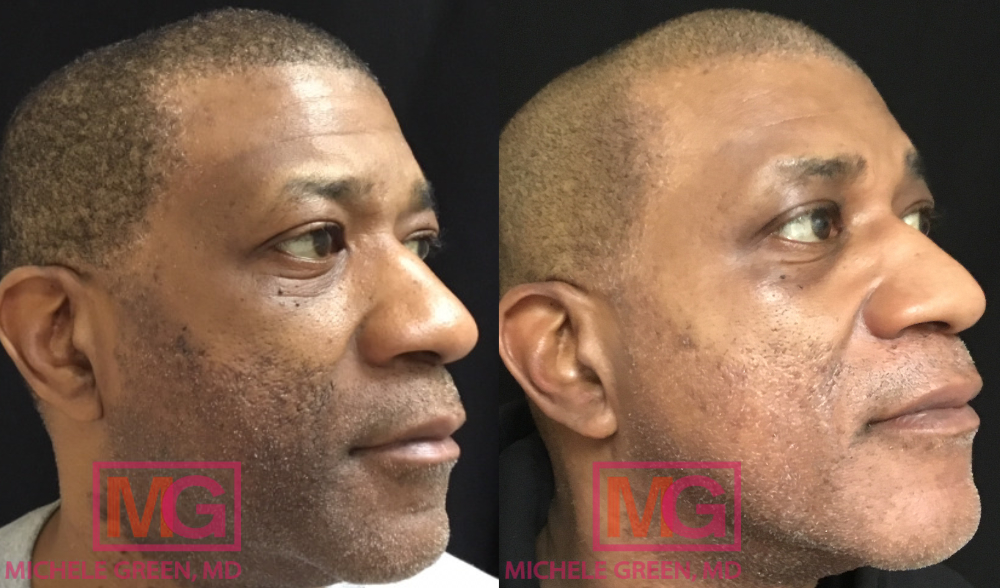
Frequently Asked Questions (FAQs) about Seasonal Melasma
Does avoiding the sun completely in winter help prevent summer melasma flare-ups?
Consistent sun protection throughout winter, not just in summer, can meaningfully reduce the severity of flare-ups later in the year. Daily use of broad-spectrum sunscreen with SPF 30 or higher, ideally one containing iron oxides for visible light protection, along with a wide-brimmed hat during outdoor winter activities like skiing, helps prevent low-grade UV exposure that can quietly build up and prime pigment-producing cells for a larger flare come summer. Combining this daily sun protection with dermatologist-recommended ingredients like azelaic acid, hydroquinone, niacinamide, and kojic acid throughout the winter can also help fade existing dark spots and patches, giving patients a real head start before summer arrives. Dr. Green often designs a winter skincare regimen specifically to set her patients up for a lighter, more manageable melasma season ahead.
Does indoor heating in winter affect melasma?
Indoor heating can be an under-the-radar trigger for melasma during the colder months. Forced-air heating systems tend to dry out the skin and weaken the skin barrier, which can make pigment-prone skin more sensitive and reactive to inflammation, a known contributor to hyperpigmentation. Keeping the skin well moisturized and using gentle, barrier-repairing products during the winter, as Dr. Michele Green often recommends for her patients’ skincare routines, can help offset the indoor heating effect.
Why does melasma get worse even with sunscreen in summer?
Even diligent sunscreen users can see melasma worsen in summer, usually because traditional sunscreens block only UV rays, not visible light or blue light, both of which have been shown to trigger melanin production in melasma-prone skin. Broad-spectrum sunscreen with iron oxides is far more effective at blocking this visible light spectrum than SPF alone. Dermatologists may recommend tinted, iron-oxide-containing sunscreens to their melasma patients for exactly this reason, especially during the sunnier months when screen time, outdoor light, and sun combine to intensify exposure.
Why does melasma flare up on vacation in sunny places/climates?
Vacations to sunny climates often trigger melasma flare-ups, possibly due to increased UV exposure, higher temperatures, and relaxed sun protection habits, such as neglecting to reapply sunscreen or spending excessive time in the sun. Even with sunscreen applied, humidity and sweat can cause it to wear off more quickly than anticipated, leaving the skin susceptible to UV damage. Dr. Green recommends that patients heading to sunny destinations pack broad-spectrum sunscreen, reapply it frequently, and bring a wide-brimmed hat to protect areas like the upper lip, cheeks, and forehead.
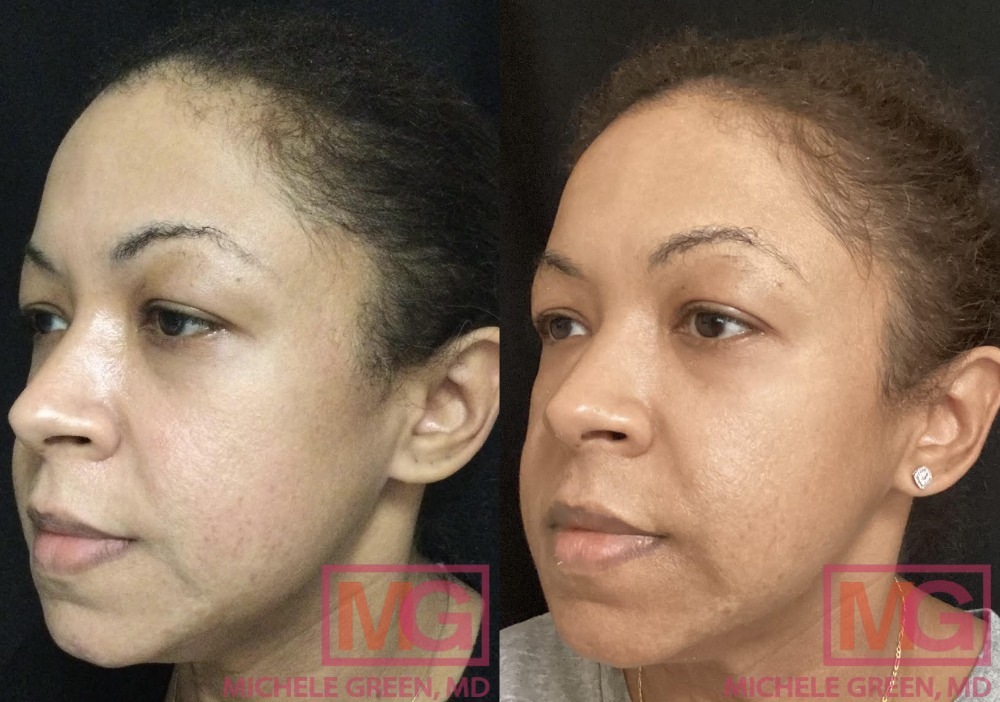
Take Control of Your Melasma Every Season with Dr. Michele Green
Melasma’s tendency to shift with the seasons, worsening in the summer months under stronger UV exposure and heat, then fading somewhat in winter’s lower light, can make the condition feel unpredictable. Understanding these patterns is the first step toward keeping it under control. From daily broad-spectrum sunscreen and protective accessories like a wide-brimmed hat to professional treatments such as chemical peels, microneedling, and laser treatments, there are effective ways to manage melasma no matter the season. Working with an experienced dermatologist who understands how hormonal changes, sun exposure, and seasonal shifts interact with pigment-producing cells can make the difference between chasing flare-ups and staying ahead of them, which is exactly the kind of personalized care Dr. Michele Green provides.
As a board-certified dermatologist practicing on the Upper East Side of Manhattan for over 30 years, Dr. Michele Green has helped countless patients manage melasma and other forms of hyperpigmentation year-round. Recognized by Castle Connolly, The New York Times, Super Doctors, and New York Magazine, she combines advanced in-office treatments with a thoughtful, at-home skincare plan to keep discoloration in check year-round. To schedule a consultation and build a melasma treatment plan tailored to your skin, contact Dr. Michele Green’s office today at 212-535-3088 or book your appointment online.


