


Why Fall Is the Best Time to Start Laser Treatments
As summer fades and the days grow shorter, dermatology offices across New York City fill up with patients ready to reverse months of sun exposure and prepare their skin for the seasons ahead. September marks the unofficial start of laser season, the stretch of cooler temperatures and lower UV intensity that makes it the ideal window for laser treatments and other light-based procedures that require patients to stay out of the sun during recovery. Whether you are dealing with sunspots, redness, uneven skin tone, or fine lines that became more noticeable over the summer, autumn offers the safest and most effective conditions to start treatment. Board-certified dermatologist Dr. Michele Green has been helping her patients time their laser treatments around the seasons for over 25 years.
From BBL and IPL to Fraxel and the VBeam laser, most laser skin treatments use targeted light energy to address pigmentation issues, broken capillaries, uneven texture, and acne scars, while stimulating collagen production beneath the skin’s surface. Because these treatments can temporarily increase the skin’s sensitivity to sun exposure, they are best performed when patients can realistically avoid direct sunlight during the downtime that follows. Fall and winter give patients the freedom to enjoy their results without a beach vacation or a summer full of outdoor plans undoing their progress. That is why Dr. Green often recommends using autumn and winter for skin rejuvenation, saving spring and summer for maintenance with sunscreen and a consistent skincare routine.
Why autumn is the best time for laser treatments
Autumn is widely considered the best time of year for laser treatments because cooler temperatures and shorter days naturally reduce sun exposure, giving healing skin the protection it needs after a procedure. Many patients also find fall a convenient time to combine laser skin treatments with injectables like fillers and Botox, since they spend less time outdoors and there is no summer tan to work around. Dr. Green often uses fall and winter to help patients address sunspots, redness, and uneven skin tone that built up over the summer, leaving them with clear, radiant skin well before the following year’s sunny season arrives.
How to prep your skin for autumn laser treatments
Preparing the skin for autumn laser treatments starts with a consultation with Dr. Green, who will review your skincare routine and medical history to determine the best treatment plan. Patients are generally asked to pause retinoids, exfoliating acids, and other active ingredients for several days before treatment, avoid tanning and excessive sun exposure, and keep their skin well hydrated. Coming into fall with a faded summer tan and irritation-free skin gives lasers the cleanest, most predictable canvas.
Laser treatments that are best in autumn
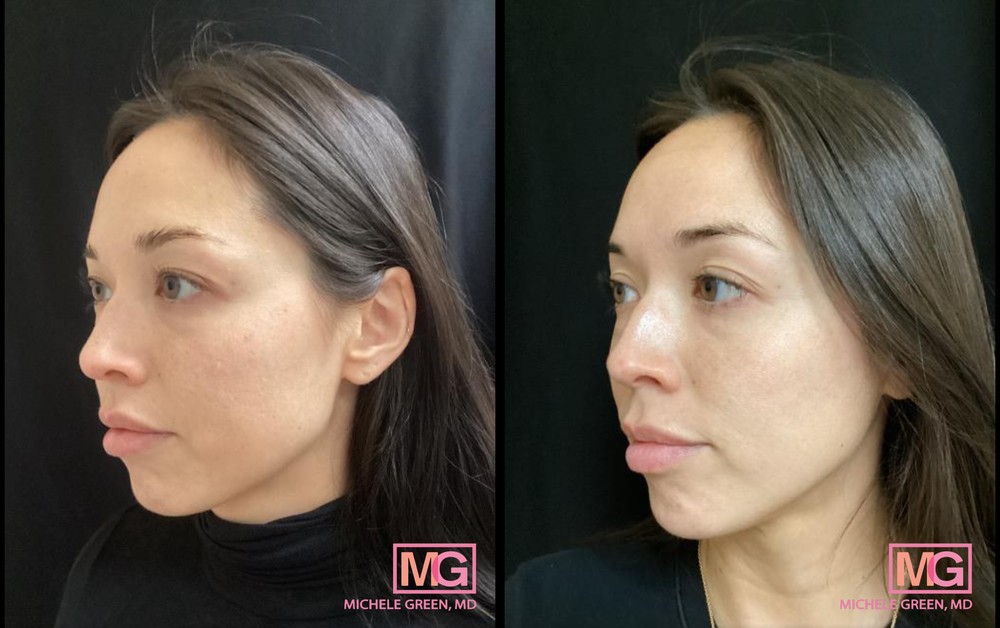
Autumn is an excellent time for nearly any type of laser treatment because reduced sun exposure makes recovery safer overall. Each laser targets a different concern, and downtime and post-care needs vary by treatment. This is why Dr. Green tailors her recommendations to each patient’s skin type and goals during a consultation. The most popular options in the fall include the hybrid fractional Halo laser and Moxi, as well as:
- BBL (BroadBand Light): Uses broadband light to target sunspots, age spots, and uneven pigmentation. Downtime is minimal, though treated spots may darken and flake off over 5 to 10 days. Post-care includes daily sunscreen and avoiding direct sun exposure while the pigment clears.
- IPL (Intense Pulsed Light): Similar to BBL, IPL treats redness, sunspots, and pigmentation issues with broad wavelengths of light. Recovery is minimal, with some patients experiencing mild redness for a few hours to a day. Gentle cleansing and sunscreen are the primary post-care requirements.
- Fraxel: A fractional resurfacing laser that treats fine lines, wrinkles, acne scars, and sun damage while stimulating collagen production. Downtime typically includes 2 to 4 days of redness and swelling, followed by several days of sandpaper-like peeling. Post-care includes keeping the skin gently moisturized, avoiding retinoids and exfoliants until fully healed, using sunscreen, and avoiding sun exposure strictly for at least 2 to 4 weeks.
- AlexTrivantage: Targets distinct sunspots and age spots by delivering light energy that melanin in the dark spot absorbs and converts to heat, breaking down the pigment while leaving surrounding skin untouched. Downtime is minimal, often limited to brief darkening or light scabbing of the treated spot for about a week. Post-care involves keeping the area protected from sun exposure and avoiding picking at any scabbing as it clears.
- VBeam laser: A non-ablative, pulsed dye laser used to treat redness, rosacea, and broken capillaries. VBeam involves essentially no downtime, though slight bruising or redness at the treatment site can occur for a day or two. Post-care is minimal beyond sun protection.
- Laser hair removal: Targets pigment in the hair follicle to reduce unwanted hair over a series of sessions. This is often best done in the fall since heavily tanned skin may not allow for effective treatment results. There is no downtime, though the skin may be mildly pink for a few hours after treatment. Post-care includes avoiding sun exposure and heat (saunas, hot showers) for 24 to 48 hours.
Why can’t you have laser in summer?
Laser treatments aren’t off-limits in the summer, but Dr. Green generally advises against starting them during peak sun exposure. Freshly treated skin is more vulnerable to UV damage, and even brief, unprotected sun exposure during downtime can lead to hyperpigmentation, uneven pigmentation, or a longer recovery. Summer also often means more time at the beach, pool, or outdoors, which makes it harder to follow the strict sun avoidance laser treatments require for the best results.
Aftercare for laser treatments in autumn
Aftercare for laser treatments in autumn largely mirrors aftercare year-round, though the season makes it easier to follow. Apply a broad-spectrum sunscreen daily, keep the skin gently moisturized, and avoid retinoids or exfoliating acids until the skin has fully healed. Patients should also avoid picking at peeling or flaking skin and stick to a simple, soothing skincare routine during the downtime after treatment. Dr. Green provides each patient with personalized aftercare instructions based on the specific laser treatment performed.
How long after laser you will need to avoid the sun
How long patients need to avoid the sun after laser treatment depends on the specific procedure. Gentler treatments like IPL, BBL, and the VBeam laser typically require one to two weeks of strict sun avoidance, while more intensive resurfacing lasers such as Fraxel may require two to four weeks of diligent sun protection while the skin fully heals. In every case, Dr. Green recommends that patients continue wearing a broad-spectrum sunscreen daily, long after the initial healing window, to protect their results and prevent new sun damage.
Why do you need to avoid the sun before and after laser?
Sun exposure before laser treatment can cause unpredictable skin reactions because UV rays stimulate melanin production, leading to a tan or uneven pigmentation that interferes with the laser’s targeting. After treatment, the skin is actively healing. It is especially sensitive to UV damage, increasing the risk of hyperpigmentation, prolonged redness, and scarring if it is not protected. Dr. Green asks her patients to avoid direct sun exposure diligently and to wear sunscreen both before and after any laser treatment to protect their results.
Darker skin tones and laser in autumn
Yes, patients with darker skin tones can safely benefit from laser treatments in the fall, and autumn is an especially favorable time for treatment. With less ambient sun exposure and no active tan to complicate treatment, the risk of the laser mistaking skin pigment for its intended target is lower, reducing the chance of burns or uneven pigmentation. Dr. Green carefully selects laser settings and, when appropriate, non-ablative laser options that are safe and effective for deeper skin tones, ensuring every patient receives an individualized treatment plan.
How many laser sessions you can fit in before summer
Starting in September gives patients roughly eight months before the peak of next summer’s sun, which is enough time to complete a full series of most laser treatments. Depending on the treatment, patients can typically fit in three to six BBL, IPL, or VBeam sessions, spaced about four weeks apart, or a shorter series of more intensive resurfacing treatments like Fraxel. Dr. Green will map out a realistic timeline during your consultation so you know exactly how many sessions to expect and when you can anticipate seeing your final results.
Frequently Asked Questions(FAQs) about Laser Treatments in the Fall
Why is laser season in the fall and winter?
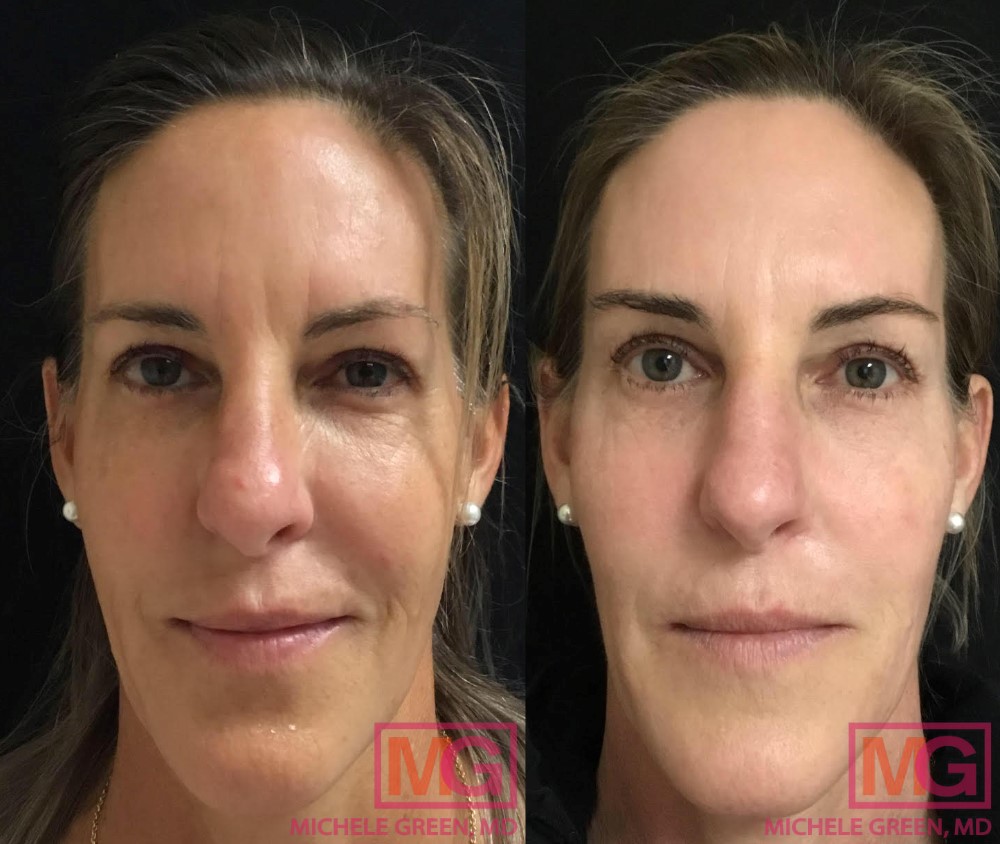
Laser season refers to the months, roughly September through February, when cooler temperatures and lower UV intensity make it easiest to protect the skin during and after laser treatments. Because most lasers target pigment, redness, or water in the skin using concentrated light energy, treated skin becomes temporarily more sensitive to sun exposure. Fall and winter naturally limit how much time patients spend in direct sunlight, lowering the risk of complications such as hyperpigmentation and giving Dr. Green’s patients plenty of time to complete a full series of treatments before summer returns.
Can you get laser on a tan?
Laser treatments on tanned skin are not recommended. A tan means the skin has more active melanin at the surface, and many lasers, including IPL and BBL, target pigment. This can lead to burns, blistering, or uneven pigmentation on tanned skin. This is another reason autumn is a popular time to start laser treatments: by September, most summer tans have faded, leaving patients with a more even baseline skin tone that is safer to treat.
Can you get laser for pigmentation in autumn?
Autumn is an especially effective time to treat pigmentation issues such as sunspots, age spots, and uneven skin tone because the skin has typically had time to cool down after summer sun exposure. Devices such as BBL, the newer BBL HeRO, and IPL use targeted light to break down excess pigment in the skin, gradually fading dark spots and evening out skin tone over a series of sessions. Treating pigmentation in the fall and winter also reduces the risk that new sun exposure will trigger additional pigmentation issues before the skin has fully healed.
What’s the best laser for redness and rosacea in autumn?
The VBeam laser, a pulsed-dye, non-ablative laser, is generally considered the best treatment for redness, rosacea, and broken capillaries. VBeam targets the red pigment in blood vessels beneath the skin’s surface and has virtually no downtime, making it easy to fit into a fall schedule. Because rosacea can be aggravated by heat and sun exposure, many patients find that starting VBeam treatments in the cooler months of autumn helps calm redness more consistently.
Can you get laser for acne scars in autumn?
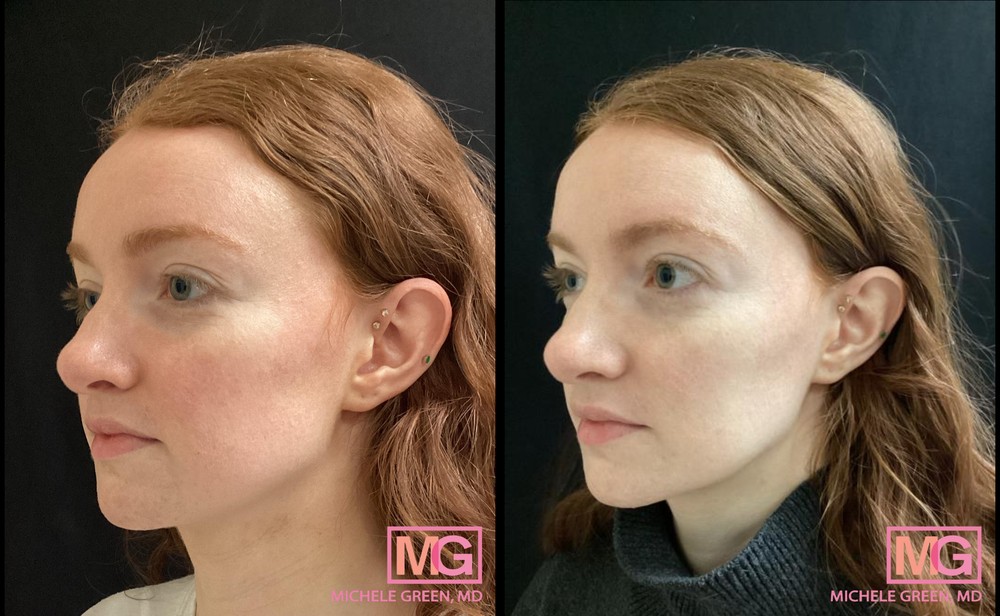
Yes, autumn is an excellent time to treat acne scars with resurfacing lasers such as Fraxel or microneedling, both of which stimulate collagen production and smooth uneven texture. These treatments typically involve some downtime and require shielding the skin from sun exposure while it heals, which is far easier to manage once summer sun and outdoor plans have wound down. A series of sessions spaced about a month apart, started in the fall, allows patients to see significant improvement in acne scars by the time warmer weather returns.
Can you get laser hair removal in autumn?
Autumn is one of the best times of year to start laser hair removal. Because laser hair removal targets pigment in the hair follicle, it works best on skin that is not tanned, and most summer tans have faded by September. Starting a laser hair removal series in the fall also means patients can complete the multiple sessions typically needed, spaced about four to six weeks apart, in time to enjoy smooth, hair-free skin well before the following summer.
Can you get IPL in autumn?
Yes, IPL, or intense pulsed light, is one of the most popular laser treatments to begin in the fall. IPL, sometimes delivered through Sciton’s BBL (broadband light) technology, targets sunspots, age spots, redness, and uneven pigmentation using broad wavelengths of light. Because IPL can leave the skin temporarily more sensitive to sun exposure, autumn’s cooler temperatures and lower UV levels make it an ideal time to complete a full series of sessions.
Can you have laser resurfacing in the fall?
Fall is considered the ideal season for laser resurfacing treatments, including fractional and CO2 lasers, and Fraxel. These treatments create controlled micro-injuries in the skin to stimulate collagen production and accelerate cell turnover, improving fine lines, wrinkles, acne scars, and uneven texture. Because resurfacing lasers involve more downtime and a longer period of sun sensitivity than gentler treatments, starting in autumn gives the skin ample time to heal away from the strong summer sun.
What laser is best for sun damage after summer?
For patients returning from summer with visible sun damage, Dr. Green often recommends BBL or IPL to target sunspots, age spots, and uneven pigmentation, or Fraxel, a “resurfacing workhorse” that reverses sun damage and improves wrinkles and skin texture. The right laser depends on the depth and severity of the sun damage, as well as your skin type. A consultation with Dr. Green is the best way to determine which treatment, or combination of treatments, will deliver the most effective skin rejuvenation.
Is it safe to get laser in the fall?
Yes, fall is considered one of the safest times of year for laser treatments. With cooler temperatures and less intense sun, patients can more easily follow the sun-protective aftercare that laser skin treatments require. Dr. Green still recommends daily broad-spectrum sunscreen and a gentle skincare routine year-round. Still, the natural dip in outdoor activity and UV strength in autumn makes it easier for patients to protect their results as their skin heals.

Schedule Your Autumn Laser Treatment Consultation with Dr. Michele Green Today
September’s cooler temperatures and shorter days make autumn the ideal time to start laser treatments, whether you are targeting sunspots, redness, uneven skin tone, acne scars, or unwanted hair. From BBL and IPL to Fraxel and the VBeam laser, fall and winter offer the safest window for healing, with sun exposure naturally at its lowest. Dr. Green will help you choose the right laser skin treatments to fit your skin type, concerns, and schedule.
Dr. Michele Green is an internationally recognized, board-certified dermatologist in New York City with over 25 years of experience helping patients achieve smoother, more even-toned, radiant skin with the latest laser technology. Recognized by Castle Connolly, The New York Times, Super Doctors, and New York Magazine as one of the city’s top dermatologists, Dr. Green takes a personalized approach to every treatment plan, combining laser treatments with skincare and injectables such as fillers and Botox when appropriate to help patients look and feel their best. To schedule your consultation and start your laser treatments this fall, call our office at 212-535-3088 or reach out online.


