


Post-Summer Skin Reset: What to Prioritize Now and What to Wait On
After a summer full of beach days, poolside afternoons, and long hours outdoors, most people’s skin is dealing with the aftermath: dryness, dullness, uneven tone, and a fresh layer of sun damage. A post-summer skin reset undoes that damage and rebuilds a healthier foundation before the drier months of fall and winter set in. Between increased sun exposure, chlorine, salt water, and sweat, summer often leaves the skin barrier compromised, pigmentation more pronounced, and breakouts more frequent. That is why so many patients book a consultation with Dr. Michele Green as soon as the weather starts to cool.
The good news is that nearly every form of summer-related skin damage, from dehydration and clogged pores to dark spots and fine lines, can be improved with the right combination of skincare products and in-office treatments. The tricky part is knowing what to prioritize first, since jumping straight into aggressive exfoliation or a laser treatment before the skin has calmed down can backfire. That’s where a personalized plan from an experienced, board-certified dermatologist, such as Dr. Michele Green, becomes especially valuable, particularly for patients dealing with pigmentation, melasma, or sensitive, sun-damaged skin.
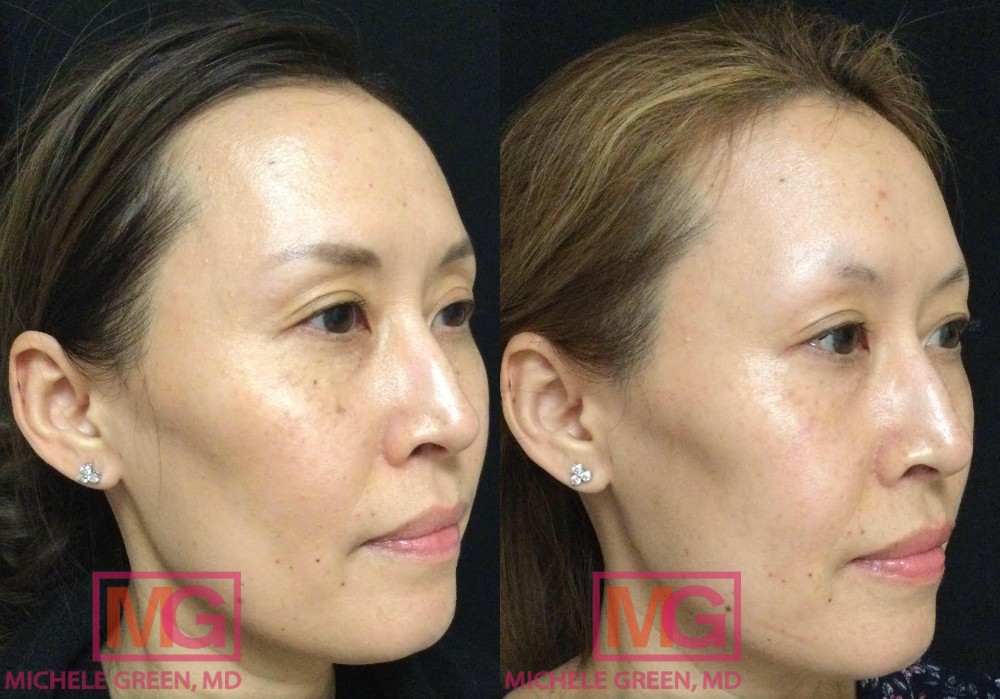
What is a post-summer skin reset?
A post-summer skin reset is a targeted shift in skincare routine and treatment designed to reverse the cumulative effects of summer sun exposure, heat, humidity, and sweat. Over the course of a summer, prolonged UV exposure can lead to sun damage, pigmentation, dehydration, and premature aging, while sweat, sunscreen, and pool water can clog pores and trigger breakouts. Resetting the skin typically means easing back into gentle exfoliation, restoring the skin barrier, replenishing hydration, and reintroducing active ingredients such as retinol and vitamin C that may have been paused during the sunniest months. Dr. Green often describes this transitional period as an ideal time to reassess a patient’s skincare routine and plan for the season ahead.
When to start a post-summer skincare routine
Ideally, start a post-summer skincare routine as daily sun exposure decreases, typically in early autumn. Waiting too long lets dead skin cells, dullness, and uneven tone linger, while starting too aggressively while your skin is still sunburned or inflamed can cause further irritation. Dr. Green recommends easing in gradually: start with hydration and barrier repair in the first couple of weeks, then slowly reintroduce chemical exfoliation, retinoids, and any skin treatment that targets pigmentation or texture once redness and sensitivity have settled.
Repairing your skin after summer
Repairing skin after summer starts with restoring what was lost: hydration, a healthy skin barrier, and even skin tone. This usually means simplifying the skincare routine for a short period and focusing on a gentle cleanser, a rich moisturizer, and consistent sunscreen use before gradually layering in more targeted skincare products. Once the skin barrier is stronger and inflammation has calmed, patients can gradually reintroduce exfoliation, antioxidant serums, and other actives to address any remaining dullness or pigmentation. For more significant sun damage, Dr. Green may also recommend an in-office treatment, such as a chemical peel or microneedling, to speed up results.
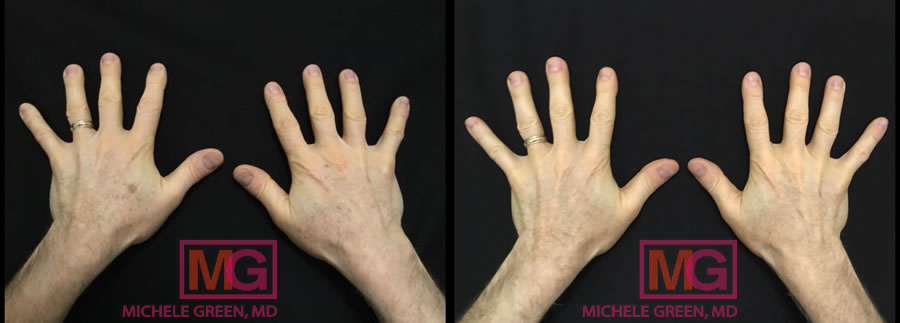
Fixing dry, dehydrated skin
Dry, dehydrated skin after summer usually comes from sun exposure, chlorine, saltwater, and excessive sweating, all of which strip the skin of moisture and natural oils. The fix starts with reintroducing hydration using a hyaluronic acid serum, which draws water into the skin, followed by a moisturizer that locks it in and helps repair the skin barrier. Dr. Green also recommends cutting back on hot showers and harsh cleansers, which can worsen dryness, and drinking plenty of water to support hydration from within. For patients with more persistent dehydration, she may suggest an in-office skin treatment, such as a hydrating facial, to jump-start recovery.
Ingredients that help repair skin after sun exposure
Several skincare ingredients are particularly effective at repairing skin after sun exposure. Hyaluronic acid and peptides help restore hydration and support collagen production, while niacinamide and ceramides reduce inflammation and rebuild the skin barrier. Antioxidants, especially vitamin C serum, help neutralize free radicals generated by UV rays and reduce the appearance of dark spots and uneven tone. Once the skin has calmed, gentle exfoliation with alpha- or beta-hydroxy acids can help remove dead skin cells and reveal a brighter complexion. Dr. Green can recommend a specific combination of skincare products based on a patient’s skin type and the severity of their sun damage.
What is the best skincare routine after summer?
The best post-summer skincare routine prioritizes hydration and barrier repair before reintroducing stronger actives. A simple routine of a gentle cleanser, hydrating serum, moisturizer, and daily sunscreen with an SPF of 50 or higher is a good starting point for most patients. From there, actives such as vitamin C, retinol, and chemical exfoliants can be gradually reintroduced to target dullness, fine lines, and pigmentation. Dr. Green tailors this progression to each patient, since those with sensitive skin, melasma, or acne-prone skin need a different pace than those with more resilient skin.
What treatments are best after summer?
The best post-summer skin treatments depend on each patient’s specific concerns, whether that’s pigmentation, texture, dehydration, or early signs of premature aging. Chemical peels and microneedling are popular choices for addressing dullness, uneven tone, and mild sun damage. At the same time, injectables and laser treatments can be layered in for patients looking to address fine lines or more stubborn dark spots. Dr. Green typically recommends starting with gentler skin treatments and skincare products to calm and rehydrate the skin before considering more intensive procedures. A consultation lets her build a treatment plan tailored to each patient’s skin type, tone, and goals.
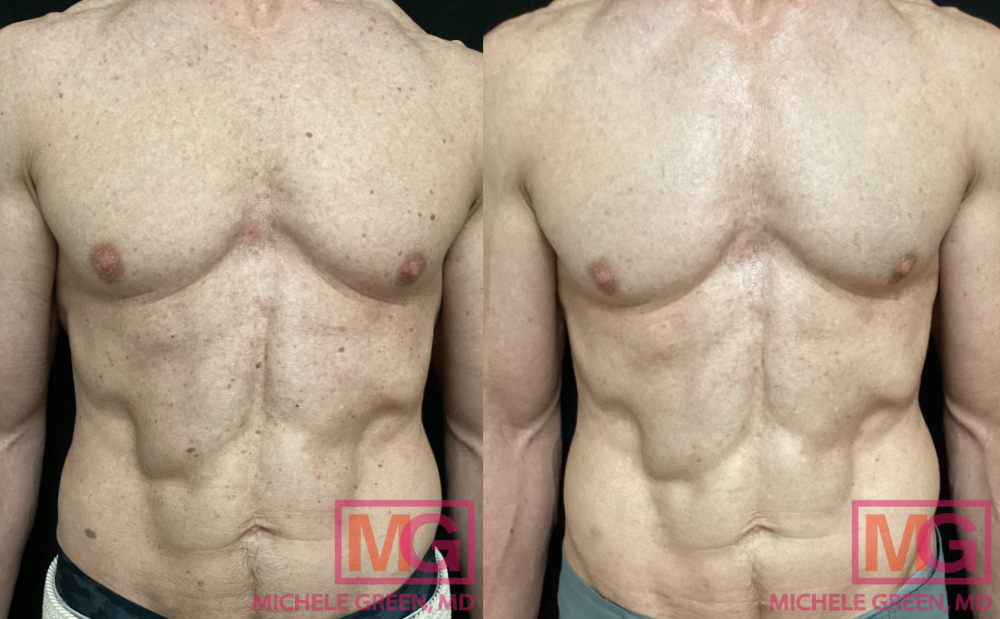
Treatments to repair your skin
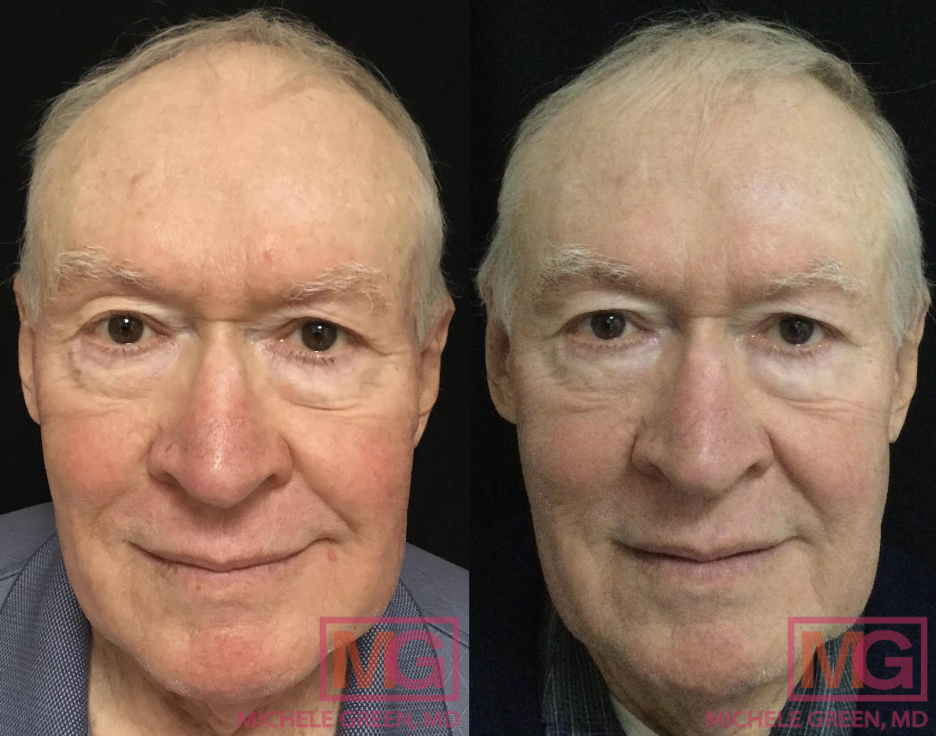
Repairing sun damage on your face
Repairing sun damage on the face typically involves a combination of skincare and, in many cases, in-office treatments. Topically, antioxidants like vitamin C, retinol, and gentle exfoliation can help fade dark spots and improve texture over time. For more visible sun damage, Dr. Green often recommends treatments such as a chemical peel, microneedling, or a laser treatment like Fraxel, which stimulate collagen production and target pigmentation more directly than skincare products alone. Because everyone’s degree of sun damage and skin tone is different, Dr. Green evaluates each patient in person before recommending the right combination of injectables, lasers, or topical care to reverse sun damage safely.
Treating sun-damaged skin on the body
Sun damage isn’t limited to the face; the chest, shoulders, arms, and hands are just as prone to sunspots and premature aging after a summer outdoors. You can treat body sun damage with many of the same tools used on the face, including chemical peels, microneedling, and targeted laser treatments such as Fraxel or AlexTrivantage, which can be applied to the chest, arms, and hands. Daily moisturizer, sunscreen, and gentle exfoliation also help maintain results and prevent new sunspots. Dr. Green frequently treats body sun damage alongside facial concerns as part of a comprehensive plan.
Treating pigmentation after summer
Pigmentation, including sunspots, freckles, and uneven tone, often becomes more noticeable after a summer of sun exposure because UV rays stimulate melanin production. Treatment typically begins with topical skincare products containing vitamin C, tranexamic acid, or other brightening ingredients, along with strict daily sunscreen use to prevent further darkening. For more stubborn dark spots and sunspots, Dr. Green may recommend a chemical peel, microneedling, or a laser treatment, depending on the type and depth of the pigmentation. Because some treatments that work well for sunspots can worsen melasma, an accurate diagnosis from a board-certified dermatologist like Dr. Green is essential before starting treatment.
FAQs About Post-Summer Skin Reset
How do you get rid of a tan and even out skin tone?
A summer tan is the skin’s response to UV exposure and will fade naturally as skin cells turn over, though gentle exfoliation can speed the process. Chemical exfoliation with ingredients like glycolic or lactic acid helps remove dead skin cells and reveal fresher, more even-toned skin underneath. In contrast, a vitamin C serum can help brighten and even out any residual discoloration. Dr. Green cautions against harsh physical scrubs, which can irritate the skin and worsen inflammation, especially on skin still recovering from sun exposure. For patients seeking faster, more dramatic results, an in-office skin treatment such as a light chemical peel can help even out skin tone more quickly than skincare products alone.
How long does it take to reverse summer sun damage?
The timeline for reversing summer sun damage depends on the severity of the damage and the treatments used. Mild dullness and dehydration often improve within two to four weeks with a consistent skincare routine, while dark spots, sunspots, and uneven tone from deeper pigmentation can take several months of combined skincare and in-office skin treatments to fully fade. Collagen production, which helps improve fine lines and overall skin quality, also takes time to build and typically shows results over a few months after treatments like microneedling or laser treatment. Dr. Green sets realistic expectations for each patient based on their skin tone, the extent of their sun damage, and the chosen treatment plan.
Can you start retinol again after summer?
Yes, autumn is typically a great time to restart retinol or start using it for the first time, since retinol increases sun sensitivity and works best when UV exposure is lower. Retinol supports collagen production and speeds up cell turnover, helping fade dark spots, smooth fine lines, and improve overall texture after a summer of sun exposure. Dr. Green usually recommends starting with a lower concentration two to three nights a week and gradually increasing frequency as tolerated, always paired with daily sunscreen. Patients with melasma or very reactive skin should check with Dr. Green before restarting retinol, as reintroducing it too quickly can occasionally trigger irritation.
How do you get glowing skin back after a holiday?
Getting glowing skin back after a holiday starts with restoring hydration and gently removing the dead skin cells that build up from sun exposure and travel. A hyaluronic acid serum followed by a rich moisturizer helps replenish moisture. At the same time, a mild chemical exfoliant or gentle exfoliation two to three times a week can remove dullness and reveal brighter skin underneath. Adding a vitamin C serum in the morning can further boost radiance while protecting against free radicals from ongoing UV exposure. For patients seeking faster results, Dr. Green can recommend an in-office skin treatment, such as a hydrating facial or a light chemical peel, to restore glow more quickly than skincare products alone.
Should you get a chemical peel after summer?
Yes, a chemical peel can be an excellent option after summer, once any sunburn or active irritation has fully resolved. Chemical peels use controlled chemical exfoliation to remove a layer of dead skin cells, helping fade dark spots, smooth texture, and stimulate collagen production for a brighter, more even complexion. Dr. Green offers a range of peels, from gentle options suited for sensitive or acne-prone skin to deeper peels for more significant sun damage and pigmentation. Because peels can temporarily increase sun sensitivity, autumn’s lower UV exposure makes it an especially favorable time to schedule one.

Is it safe to get laser or peels in autumn?
Yes, autumn is generally considered one of the safest times of year for laser treatments or chemical peels because reduced UV exposure lowers the risk of post-treatment hyperpigmentation and other complications. Both laser treatments and peels typically require patients to avoid direct sun exposure and use diligent sunscreen during recovery, which is easier once summer’s intense sun has passed. Dr. Green evaluates each patient’s skin tone and treatment goals before recommending a specific laser or peel, since some options, including most lasers, are not appropriate for patients with melasma. With the right precautions, most patients can safely pursue laser treatments or chemical peels throughout the fall.
Why is autumn the best time for skin treatments?
Autumn is widely considered one of the best times of year for skin treatments because UV rays are less intense and patients spend more time indoors, lowering the risk of post-treatment complications such as hyperpigmentation. Many in-office procedures, including chemical peels, microneedling, and laser treatments, involve a period of increased sun sensitivity, so scheduling them when sun exposure is naturally lower helps protect results and supports proper healing. Dr. Green frequently recommends fall as the ideal season to address sunspots, dark spots, and other signs of sun damage that accumulated over the summer.
What’s the best facial after summer?
The best post-summer facial focuses on deep hydration, gentle exfoliation, and calming inflammation left over from the sunnier months. A hydrating, antioxidant-rich facial can help replenish the skin barrier while brightening dullness and evening tone with ingredients like vitamin C. Dr. Green often customizes facials with boosters that target each patient’s specific concerns, whether that’s pigmentation, congested pores, or dry skin. A well-chosen facial can be a great, low-downtime way to jump-start a post-summer skin reset before moving on to more targeted skin treatment.
How do you treat melasma that got worse over summer?
Melasma is a common condition that often worsens in the summer because UV rays and heat stimulate the melanocytes that produce melanin. Unlike sunspots, melasma should not be treated with most laser treatments, as the heat can drive pigment deeper into the skin and worsen the condition. Dr. Green instead prefers treatments such as Cosmelan peels, Mesopeels, and microneedling, paired with targeted skincare products, to gently reduce melasma without triggering a flare-up. Strict daily sunscreen use and avoiding direct sun exposure are essential to prevent melasma from returning after treatment.
How do you fix textured or congested skin after summer?
Textured, congested skin after summer often results from a buildup of dead skin cells, sweat, sunscreen, and oil that clogs pores throughout the summer, leading to breakouts and a rough texture. Gentle exfoliation, whether through a mild chemical exfoliant or a treatment like microneedling, helps clear congested pores and smooth the skin’s surface. A lightweight, non-comedogenic moisturizer and a gentle cleanser can also help prevent further breakouts without stripping the skin. For patients with more persistent congestion or acne, Dr. Green can recommend a customized skin treatment plan that may include chemical peels or other in-office procedures.
How do you restore your skin barrier after summer?
A damaged skin barrier is one of the most common issues Dr. Green sees after summer, often appearing as redness, dryness, sensitivity, and breakouts. Restoring the skin barrier means temporarily cutting back on harsh exfoliation and strong actives while focusing on barrier-supportive ingredients like hyaluronic acid, ceramides, and peptides, which help the skin retain moisture and repair itself. A gentle cleanser and a nourishing moisturizer, applied both morning and night, can make a significant difference within a few weeks. Once the barrier feels calmer and less reactive, patients can gradually return to their usual skincare routine.
Ready to Start Your Post-Summer Skin Reset with Dr. Michele Green?
Summer can leave skin dehydrated, congested, and visibly marked by sun damage, from dullness and breakouts to stubborn pigmentation, sunspots, and melasma. The good news is that a thoughtful post-summer skin reset, combining the right skincare routine with targeted in-office treatments, can restore hydration, calm inflammation, and even out skin tone well before winter arrives. Whether the goal is to repair the skin barrier, fade dark spots, or return to a healthy, glowing complexion, Dr. Michele Green can build a personalized plan tailored to each patient’s skin type and concerns.
Dr. Michele Green is an internationally recognized, board-certified dermatologist with more than 25 years of experience helping patients in New York City recover from sun exposure and maintain healthy, radiant skin year-round. Recognized by Castle Connolly, The New York Times, Super Doctors, and New York Magazine as one of NYC’s top dermatologists, Dr. Green combines advanced skin treatments with personalized skincare products to help every patient look and feel their best. To start your post-summer skin reset, schedule a consultation with Dr. Green online or call her Upper East Side office at 212-535-3088.


