


Cosmetic Procedures During Pregnancy: What’s Safe and What to Avoid
Pregnancy is one of the most exciting and transformative experiences in a person’s life, but it also brings a host of new questions — including what to do about your skincare and beauty routine. Many expectant mothers notice significant changes in their skin during pregnancy, such as melasma and hyperpigmentation, stretch marks, acne flare-ups, and increased oil production. It’s completely natural to want to continue looking and feeling your best during this time; however, many of the cosmetic procedures and skincare products you may have relied on before pregnancy are not considered safe to use while you’re expecting. Because the developing fetus is vulnerable to a wide range of chemical and physical influences, even some routine aesthetic treatments carry potential risks that simply aren’t worth taking. If you have questions about which beauty treatments are right for you during pregnancy, Dr. Michele Green can help you navigate your options safely and effectively.
The landscape of cosmetic procedures during pregnancy is nuanced. Some treatments are clearly off the table — laser treatments, injectables like Botox and Dysport, dermal fillers, sclerotherapy for varicose veins, and plastic surgery procedures such as liposuction are contraindicated during pregnancy due to potential risks to both mother and baby. Other treatments have limited safety data during pregnancy and fall into a gray area; the general medical consensus is to err on the side of caution. Ingredients such as retinol, retinoids, salicylic acid, benzoyl peroxide, hydroquinone, and certain essential oils are commonly found in everyday skin care products but are best avoided during pregnancy. Fortunately, safe and effective options are still available to help manage common skin concerns while protecting your growing baby. For personalized guidance on which cosmetic procedures and skincare ingredients are appropriate for your specific situation during pregnancy, Dr. Michele Green is here to help.
Which cosmetic procedures are safe during pregnancy?
The general rule of thumb for cosmetic procedures during pregnancy is: when in doubt, don’t. That said, several aesthetic treatments are widely considered low-risk and can be safely enjoyed during pregnancy with some modifications. Gentle facials that avoid aggressive exfoliation or harsh active ingredients are generally fine. The HydraFacial, for example, is a popular option among expectant mothers when performed without boosters containing retinol, salicylic acid, or other contraindicated ingredients. Basic nail treatments are also generally safe, though it’s wise to ensure proper ventilation and limit exposure to harsh chemical fumes. Waxing for hair removal is another acceptable option during pregnancy, as it is a purely mechanical process with no systemic absorption concerns. Dermaplaning — a gentle physical exfoliation technique that uses a blade to remove dead skin cells and peach fuzz — is generally considered safe because it does not involve chemical agents, unlike more intensive procedures such as microdermabrasion. LED light therapy is another treatment that many practitioners consider appropriate during pregnancy. As always, be sure to consult with your OB-GYN and a board-certified dermatologist, such as Dr. Michele Green, before undergoing any cosmetic procedure while pregnant.
Can you have cosmetic surgery while pregnant?
Elective plastic surgery procedures — including liposuction, rhinoplasty, breast augmentation, and tummy tucks — should never be performed during pregnancy. The risks of general anesthesia during pregnancy are significant because anesthetic agents can cross the placenta and affect fetal development, especially in the first trimester. Additionally, pregnancy-related physiological changes, including increased blood volume, altered immune response, and hormonal fluctuations, can complicate surgical recovery and increase the risk of complications. Procedures designed to address post-pregnancy body changes, such as a mommy makeover, are best planned well after delivery, once the body has had adequate time to recover. The bottom line is that any invasive plastic surgery should wait until you have delivered and received medical clearance. If you have concerns about the timing of cosmetic surgery in relation to your pregnancy, Dr. Michele Green can provide guidance during a comprehensive consultation.
What skincare ingredients are unsafe during pregnancy?
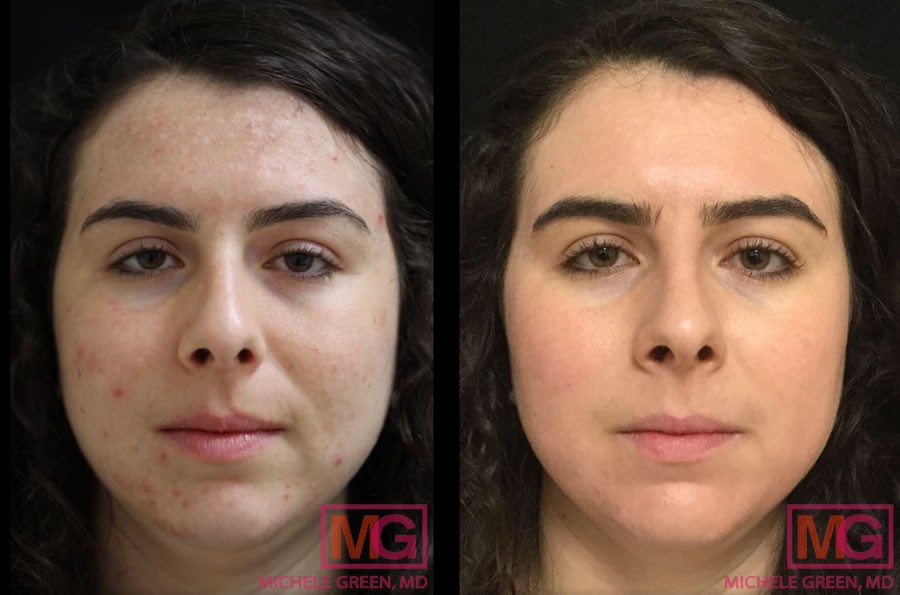
Navigating the world of skin care products during pregnancy can feel overwhelming, especially when so many common active ingredients carry potential risks for fetal development. Retinol and retinoids — including the prescription-strength tretinoin — are among the most well-documented ingredients to avoid during pregnancy. High doses of vitamin A have been linked to birth defects, making retinoids completely off-limits during pregnancy. Isotretinoin (the oral retinoid known as Accutane) is strictly prohibited during pregnancy due to its well-documented teratogenic effects. Hydroquinone, a skin-lightening agent commonly used to treat melasma and other forms of hyperpigmentation, is also contraindicated because it is readily absorbed through the skin, and its safety during pregnancy has not been established. Salicylic acid at high concentrations (as in chemical peels) and benzoyl peroxide should also be avoided. However, low concentrations in wash-off products may be acceptable per some guidelines — always check with your doctor. Chemical sunscreen agents like oxybenzone, as well as certain essential oils, have also raised concerns, though evidence is more limited. AHAs such as glycolic acid and lactic acid, at low concentrations, are generally considered lower risk but should still be used conservatively under medical guidance. Vitamin C, on the other hand, is widely considered safe and is one of the friendlier antioxidants for pregnant skin.
Can you have Botox injections while pregnant?
Botox and other neuromodulators, such as Dysport or Xeomin, are among the most popular cosmetic injectables worldwide, but they are not appropriate during pregnancy. Both products are derived from botulinum toxin, a neurotoxic protein that temporarily relaxes the muscles responsible for dynamic wrinkles. Although data on the effects of botulinum toxin on a developing fetus are limited, the consensus among medical professionals is clear: elective cosmetic injections of any kind should be avoided during pregnancy. Even small amounts of systemic absorption are enough for dermatologists and OB-GYNs to recommend waiting until after delivery and breastfeeding before resuming these treatments.
Learn more about Botox and Pregnancy
Can you have dermal fillers while pregnant?
Dermal fillers are another category of injectables that should be avoided entirely during pregnancy. Fillers are injectable substances used to restore volume, smooth wrinkles, and enhance facial contours. The most common type of dermal filler is made from hyaluronic acid, a naturally occurring substance in the body. Hyaluronic acid-based fillers are considered contraindicated during pregnancy due to a lack of safety data and the general principle of avoiding unnecessary medical interventions. Other filler types, including those made from calcium hydroxylapatite or poly-L-lactic acid, are likewise off-limits. The concern is not only about the substances themselves but also about the risks associated with the injection process, including infection and vascular complications.
Can you get lip fillers while pregnant?
Lip fillers merit specific mention because they are among the most commonly requested aesthetic treatments among younger patients, including those in their childbearing years. Lip fillers are hyaluronic acid dermal fillers injected directly into the lips to add volume, definition, and shape. Despite their widespread popularity and generally excellent safety profile outside of pregnancy, lip fillers are not considered safe during pregnancy. Because there is no robust clinical data on the safety of these injectable treatments for a developing fetus, the standard of care is to advise against them entirely during pregnancy. Hormonal changes during pregnancy can also affect how the body responds to fillers, potentially increasing the risk of side effects such as swelling or bruising. As with all injectables, it is best to wait until after delivery and the postpartum period before scheduling a lip filler appointment.
Is it safe to get a chemical peel while pregnant?
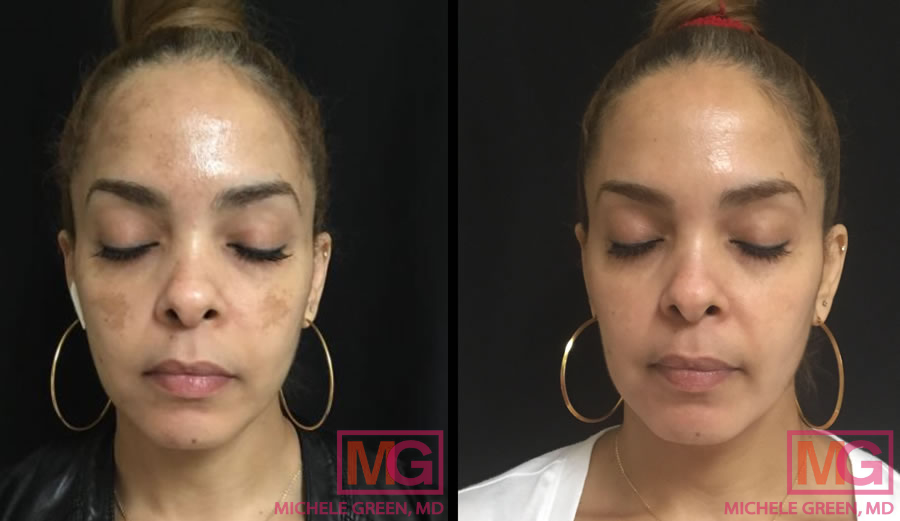
Chemical peels are generally not safe to use during pregnancy. They use acid solutions, such as glycolic acid, lactic acid, salicylic acid, or trichloroacetic acid (TCA), to exfoliate the skin and address concerns such as uneven skin texture, hyperpigmentation, acne, and dullness. High-concentration peels, deep peels, and any peel containing salicylic acid or glycolic acid in significant amounts are generally considered unsafe during pregnancy due to the potential for systemic absorption. Similarly, TCA peels and phenol peels are too aggressive for use during pregnancy. Dr. Green can help pregnant patients find safe, effective alternatives to chemical peels for managing skin concerns such as melasma, acne, and dullness.
Can you get a HydraFacial while pregnant?
While the HydraFacial is one of the most popular facial treatments available today, it is generally not recommended during pregnancy. The treatment involves applying various serums and performing exfoliation procedures that may cause irritation or allergic reactions in pregnant individuals. Some of the ingredients in those serums have not been extensively studied for safety during pregnancy. Of particular concern is that HydraFacial treatments commonly incorporate salicylic acid in the exfoliation step — an ingredient widely advised against during pregnancy due to the potential for systemic absorption. Because the full ingredient profile of the serums used can vary and is not always easy to control or predict, the safest approach is to hold off on HydraFacials until after delivery.
Can you get laser hair removal while pregnant?
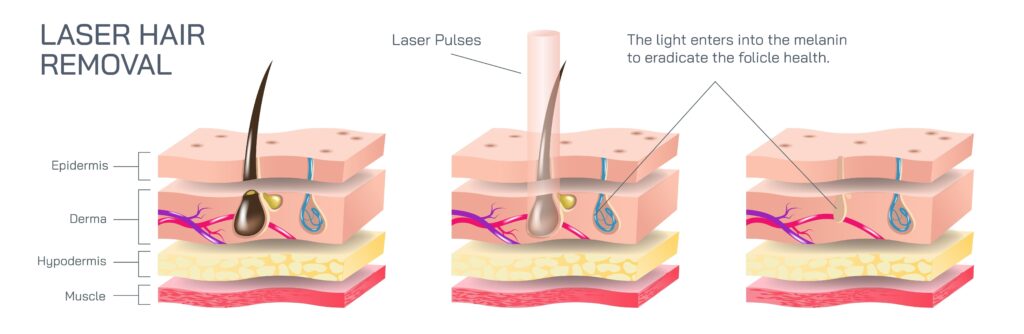
Laser hair removal is one of the most popular cosmetic procedures today, but it is generally not recommended during pregnancy. The primary reason is not that laser hair removal has been shown to harm the fetus. In fact, direct harm from the laser energy itself is unlikely, as it penetrates only superficially into the skin. Rather, the recommendation to avoid laser hair removal during pregnancy is based on insufficient safety data and the general medical principle of minimizing unnecessary procedures while pregnant. Additionally, pregnancy hormones can cause increased hair growth in new areas, making it impractical to undergo laser hair removal treatments that may not target the right areas effectively. Hormonal fluctuations can also make the skin more sensitive and prone to hyperpigmentation after laser treatments. If you were undergoing a course of laser hair removal treatments before becoming pregnant, it is typically safe to pause the series and resume after delivery. In the meantime, safe alternatives like waxing or shaving can keep unwanted hair at bay.
Are LED light therapy treatments safe during pregnancy?
LED (light-emitting diode) light therapy is a non-invasive treatment that uses specific wavelengths of light to address a range of skin concerns, including acne, inflammation, and signs of aging. Unlike laser treatments and IPL (intense pulsed light), LED therapy does not produce the same thermal intensity or emit UV radiation, which is why it is often considered one of the safer light-based options during pregnancy. However, neither the American College of Obstetricians and Gynecologists (ACOG) nor the American Academy of Dermatology (AAD) has issued specific official guidance on LED light therapy during pregnancy — and that gap exists not because the treatment has been proven safe, but because sufficient pregnancy-specific research has not yet been conducted. The general medical principle that applies here is the same one that governs most elective cosmetic procedures during pregnancy. In the absence of robust safety data, it is best to err on the side of caution. If you are considering LED light therapy during pregnancy, the most important first step is to consult with your board-certified OB-GYN, who can review your individual health history and provide personalized guidance.
Can you get microblading while pregnant?
Microblading is a semi-permanent makeup technique that uses a handheld tool to deposit pigment into the skin’s superficial layers, creating the appearance of natural-looking eyebrow hairs. Although microblading does not involve the same chemical exposures as many other cosmetic procedures, most practitioners and medical professionals advise against it during pregnancy. The primary concern is the use of numbing creams, which typically contain lidocaine or other topical anesthetics that can be absorbed through the skin and cross the placenta. Additionally, hormonal fluctuations can make the skin more sensitive and prone to pigment changes during pregnancy, which may affect how the pigment heals and the final results. There is also a general concern about the risk of infection with any procedure that breaks the skin barrier, which is why treatments like microneedling are typically postponed. Because safety data on microblading during pregnancy are limited and the procedure is elective, most providers recommend waiting until after delivery to have it done.
Can you use retinol while pregnant?
Retinol and all other retinoids — including prescription retinoids like tretinoin, adapalene, and tazarotene — should be avoided entirely during pregnancy. Retinoids are vitamin A derivatives widely used in over-the-counter and prescription skin care products for their proven ability to stimulate collagen production, accelerate cell turnover, reduce fine lines and wrinkles, and treat acne. However, high doses of vitamin A are teratogenic, meaning they can interfere with normal fetal development and lead to birth defects. Although the risk from topical retinol is lower than with oral forms like isotretinoin, the general medical consensus is that no level of retinoid exposure has been proven safe during pregnancy, so all forms should be avoided. If you’ve been using retinol or a prescription retinoid cream and have just discovered you are pregnant, don’t panic — systemic absorption from topical application is low — but do stop using the product immediately and consult your OB-GYN. Dr. Michele Green recommends replacing retinoids with pregnancy-safe alternatives such as vitamin C serums, azelaic acid, and niacinamide, which can help address similar skin concerns without the associated risks.
What skincare products can I use while pregnant?
While many of your go-to skincare ingredients should be set aside during pregnancy, there are still effective, pregnancy-safe options to keep skin healthy and glowing. Vitamin C is one of the best — a powerful antioxidant that supports collagen synthesis, neutralizes free radicals, and helps address hyperpigmentation without the risks associated with retinoids or hydroquinone. Dr. Green’s best-selling MGSkinLabs Vita-C Serum delivers a high concentration of vitamin C and is an excellent choice for maintaining brightness and an even skin tone during pregnancy. Azelaic acid and niacinamide are two other pregnancy-friendly ingredients worth incorporating, as both gently target pigmentation, inflammation, and uneven texture. For moisturization, Dr. Green’s MGSkinLabs line offers several safe options: the Absolute Recovery Anti-Wrinkle Cream uses rose extracts and essential fatty acids to restore the skin barrier; the Hydra Repair provides deep hydration with a high concentration of hyaluronic acid; and the Ultimately Sheer Hydrating Lotion is a lightweight, aloe-and-rosewater formula ideal for sensitive or acne-prone skin — both common concerns during pregnancy. To find out which products are right for your skin during pregnancy, consult with Dr. Michele Green, a board-certified dermatologist in NYC.

How to Take Care of Your Skin During Pregnancy with Dr. Green in NYC
Pregnancy is a time of immense change, and it is completely understandable to want to continue caring for your skin and maintaining your aesthetic routine during those nine months. However, many of the cosmetic procedures and skin care products that are part of a typical beauty routine — from laser treatments and injectables like Botox and dermal fillers to chemical peels with salicylic acid or high-concentration glycolic acid, retinoids like tretinoin and retinol, hydroquinone, and procedures such as sclerotherapy and liposuction — carry meaningful risks during pregnancy and should be avoided. On the safer side, options like gentle facials, waxing, dermaplaning, and certain skincare ingredients can help you feel refreshed and cared for while minimizing risk to your baby. Navigating all of this can feel daunting, and that’s exactly why consulting with an expert matters. Dr. Michele Green is here to help you understand what is safe, what to avoid, and how to support your skin health throughout your pregnancy and beyond.
Dr. Michele Green is a board-certified dermatologist in NYC with more than 25 years of experience helping patients look and feel their very best at every stage of life — including during and after pregnancy. Her private practice on Manhattan’s Upper East Side offers a full range of cosmetic and medical dermatology treatments, and she takes a deeply personalized approach to each patient’s care. Whether you are navigating skin changes such as melasma, stretch marks, or pregnancy-related acne, or simply want to know which of your beauty treatments and skin care products are safe to continue, Dr. Green provides thoughtful, evidence-based guidance you can trust. To schedule a consultation and get started on a safe skincare plan for you and your baby, please contact us online or call the office at 212-535-3088.


