


Collagen Banking: What It Is and Why Dermatologists Recommend Starting in Your 30s
Collagen banking is a term that has taken over skincare conversations and social media feeds, describing the practice of protecting and boosting collagen production. At the same time, the skin still has plenty to spare. Collagen is the body’s most abundant protein and a primary connective tissue that gives skin its elasticity and firmness. As natural collagen production gradually slows with age, more people are seeking proactive ways to preserve skin quality before visible signs of aging appear. Board-certified dermatologist Dr. Michele Green has spent years guiding her New York City patients through personalized approaches to collagen banking, helping them get ahead of collagen loss rather than chase it after the fact.
While the term collagen banking may sound like a new trend, the science behind it is not: dermatologists have long understood that early, consistent care for the skin’s fibroblasts and connective tissues pays off decades later. A thoughtful skincare routine, healthy lifestyle habits, and select in-office treatments can help preserve collagen levels and delay the sagging, fine lines, and wrinkles that accompany age-related collagen loss. For most patients, the real question isn’t whether collagen banking works, but how and when to begin. Dr. Green guides her patients through what a realistic, effective collagen banking plan looks like at every stage of life.
What is collagen banking?
Collagen banking is the proactive practice of protecting and stimulating the body’s natural collagen production before significant collagen loss occurs, rather than waiting for sagging, wrinkles, and other visible signs of aging. Collagen is a structural protein composed of amino acids, and it works alongside elastin in the skin’s connective tissues to maintain elasticity, firmness, and a smooth texture. Specialized cells called fibroblasts synthesize collagen, and the more support these cells receive early on, the more resilient the skin tends to remain over time. In dermatology, collagen banking is generally understood as a long-term strategy that combines a consistent skincare routine, sun protection, and select professional treatments to preserve collagen reserves for the future.
The science behind collagen banking
Collagen production peaks in a person’s twenties, and research suggests that natural collagen levels decline by roughly one percent per year beginning in the mid-twenties, with a more noticeable drop around menopause due to shifting hormone levels. Fibroblasts, the cells that build collagen and elastin, gradually become less active with age, and external stressors such as sun exposure, smoking, and chronic stress accelerate this decline by generating free radical damage that breaks down existing collagen fibers. This cumulative process is central to how dermatologists think about skin aging, and it’s the reason many providers now encourage patients to support their fibroblasts and connective tissues early. At the same time, collagen production is still robust, so you can act before the effects of collagen loss are visible.
Does collagen banking actually work?
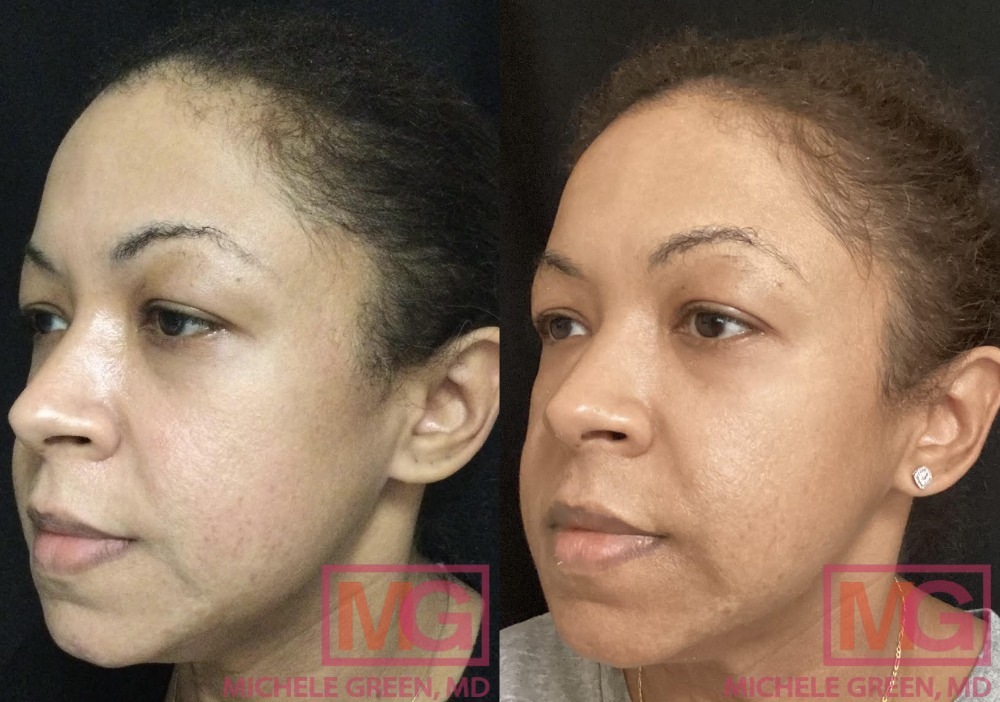
Collagen banking is grounded in real dermatological principles, even if the term itself is more marketing-friendly than clinical. You cannot literally deposit collagen for later withdrawal. Still, supporting collagen synthesis early, protecting existing collagen from UV damage, and stimulating fibroblasts with treatments such as microneedling or radiofrequency can meaningfully slow the visible effects of collagen loss. Patients who invest in a proper skincare routine and preventive treatments in their twenties and thirties tend to show fewer fine lines, less sagging, and better skin quality by their forties and fifties than those who wait. Dr. Green often reminds her patients that consistency matters more than any single product or procedure.
When to start collagen banking
One of the most common questions when this topic comes up is “What age should you start collagen banking?” Most dermatologists agree that your twenties and thirties are the ideal window to start collagen banking because collagen levels begin a slow, steady decline before visible signs of aging appear. Starting a skincare routine with sunscreen, antioxidants, and retinol in your twenties, then adding preventive in-office treatments in your thirties, gives fibroblasts consistent support before collagen loss becomes noticeable. That said, it’s never too late to begin: patients in their forties, fifties, and beyond still benefit meaningfully from treatments designed to stimulate new collagen production. Dr. Green customizes her recommendations based on each patient’s age, skin quality, and goals rather than a one-size-fits-all timeline.
How do you bank collagen?
Effective collagen banking combines daily habits with professional care. On the skincare side, that means a consistent routine centered on broad-spectrum sunscreen, antioxidant serums like vitamin C, and retinoids such as retinol to support collagen synthesis and cell turnover. Dr. Green’s proprietary skincare line, MGSkinLabs, includes products designed to meet these needs, such as the Vita-C Serum, the Hydrating Sunscreen, and Essential Antioxidant Infusion. On the lifestyle side, avoiding smoking, managing stress, staying hydrated, and eating a protein- and nutrient-rich diet all help protect existing collagen and elastin. Finally, in-office treatments such as microneedling, radiofrequency devices, and collagen-stimulating injectables give fibroblasts an extra boost that topical skincare alone can’t provide. Dr. Green typically builds a plan that layers all three approaches together for the best results.
Treatments that help with collagen banking
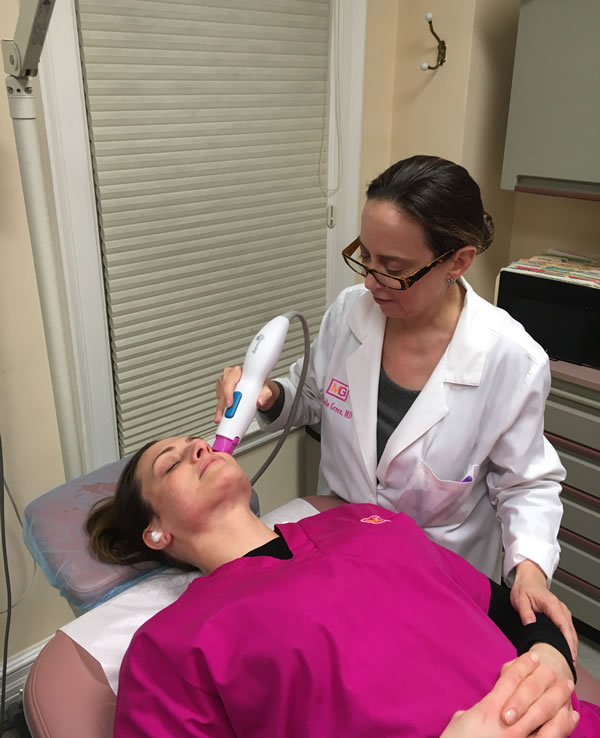
Dr. Green offers a range of in-office treatments that stimulate the skin’s own collagen production, each working through a different mechanism to support long-term skin quality:
- Microneedling creates controlled micro-injuries that stimulate fibroblasts to produce new collagen and elastin. Beyond boosting collagen synthesis, it improves skin texture, softens fine lines, and increases the absorption of topical serums, all with minimal downtime, making it a popular starting point for patients in their twenties and thirties.
- Thermage FLX uses radiofrequency energy to heat the deeper layers of the skin, immediately tightening existing collagen and stimulating fibroblasts to produce new collagen over the following months. It requires no downtime and is often considered the gold standard for non-invasive skin tightening, with results that gradually improve as new collagen forms.
- Fraxel laser resurfacing creates microscopic, controlled zones of injury that prompt the skin to heal itself by producing new collagen. In addition to supporting collagen banking, Fraxel improves skin tone and texture and softens the appearance of sun damage, with most patients seeing results build over a series of treatments.
- Sculptra is an injectable made of poly-L-lactic acid that works beneath the skin to stimulate fibroblasts and gradually rebuild collagen and hyaluronic acid levels in the connective tissues. Because results develop slowly over several months, Sculptra is especially well suited to patients planning for long-term collagen reserves rather than immediate volume correction.
Together, these treatments help patients maintain skin elasticity and firmness well beyond what skincare products alone can achieve, and Dr. Green will recommend the right combination based on each patient’s skin quality, age, and goals.
Collagen banking vs. anti-wrinkle injections — what’s the difference?
Collagen banking is a preventive, long-term strategy to preserve and stimulate natural collagen production before signs of aging appear, whereas anti-wrinkle injections like Botox target a different mechanism. Botox temporarily relaxes the facial muscles that cause dynamic wrinkles; it doesn’t build collagen or improve skin texture on its own. By contrast, collagen banking treatments actively encourage fibroblasts to generate new collagen and elastin, gradually improving skin quality from within. Many of Dr. Green’s patients ultimately combine both approaches, using anti-wrinkle injections to soften existing wrinkles while continuing a collagen banking routine to protect their collagen reserves for the future.
Frequently Asked Questions (FAQs)About Collagen Banking
Can you really “save” collagen for later?
Not in the literal sense of a bank account, but the underlying idea holds up: skin with a stronger baseline of collagen and elastin tends to age more gracefully. Rather than storing collagen for a future withdrawal, patients are really building a more resilient foundation of connective tissues and healthier fibroblast activity that continues to support the skin as natural collagen production declines. Think of it less as saving and more as investing in your skin’s long-term elasticity and firmness through daily habits and periodic in-office treatments.
How do you build collagen in your 20s and 30s?
Building collagen in your twenties and thirties starts with protecting what you already have: daily SPF is non-negotiable because sun exposure is the single biggest driver of premature collagen breakdown. From there, a skincare routine that includes a vitamin C serum for antioxidant protection, a gentle retinol to encourage collagen synthesis, and a hydrating moisturizer to support the skin barrier lays the groundwork for long-term skin health. Avoiding smoking and managing everyday stress also protect collagen levels, since both accelerate free radical damage. Many patients in this age range also start incorporating light in-office treatments, such as microneedling, to keep fibroblasts active.
Does microneedling help with collagen banking?
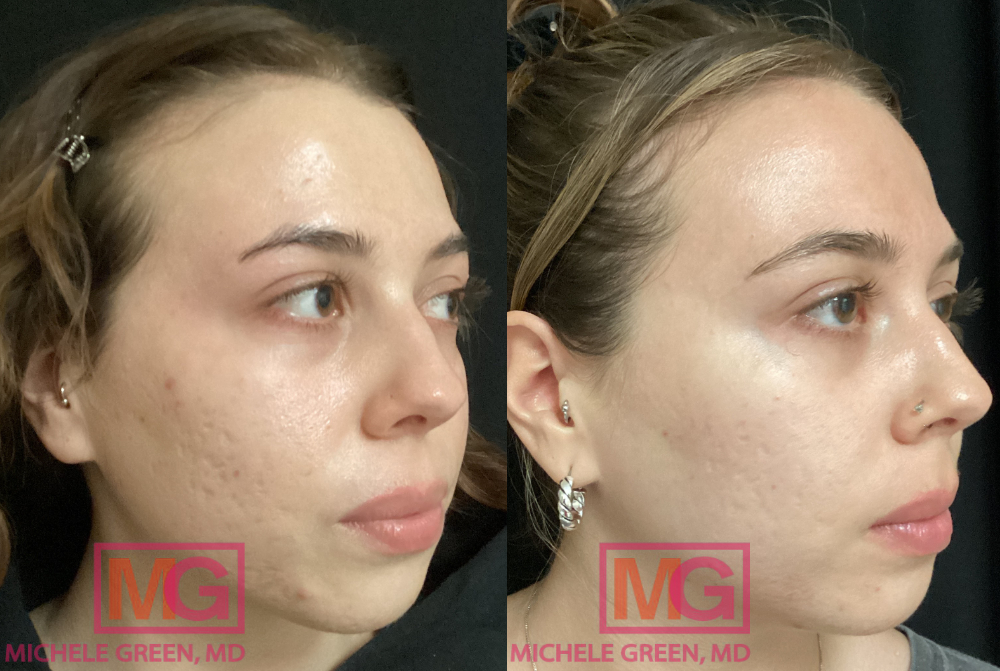
Yes. Microneedling, also called collagen induction therapy, uses fine needles to create controlled micro-injuries in the skin, prompting fibroblasts to ramp up collagen production and synthesis as part of the natural healing response. Over a series of sessions, this can noticeably improve skin texture, increase skin firmness, reduce fine lines, and enhance overall skin quality, making it one of the most popular in-office treatments for patients actively banking collagen in their twenties, thirties, and beyond.
Does retinol help build collagen?
Yes. Retinol and other retinoids are vitamin A derivatives that increase cell turnover and stimulate fibroblasts to produce more collagen, making them a cornerstone of most collagen-banking skincare routines. Prescription-strength retinoids can provide an even stronger boost to collagen synthesis for patients with more visible signs of aging. Because retinol increases sun sensitivity, always pair it with daily sunscreen to protect the new collagen it helps create.
Does Profhilo or polynucleotides help with collagen banking?
Yes. Profhilo and polynucleotide injectables stimulate the skin’s own fibroblasts rather than simply fill volume loss. Profhilo is a hyaluronic acid-based bio-remodeling treatment that spreads through connective tissues to boost hydration, skin elasticity, and collagen production. Polynucleotides support tissue repair and encourage the formation of new collagen and elastin. Both are popular additions to a collagen banking plan for patients who want to support their skin quality from within.
Does radiofrequency or laser help build collagen?
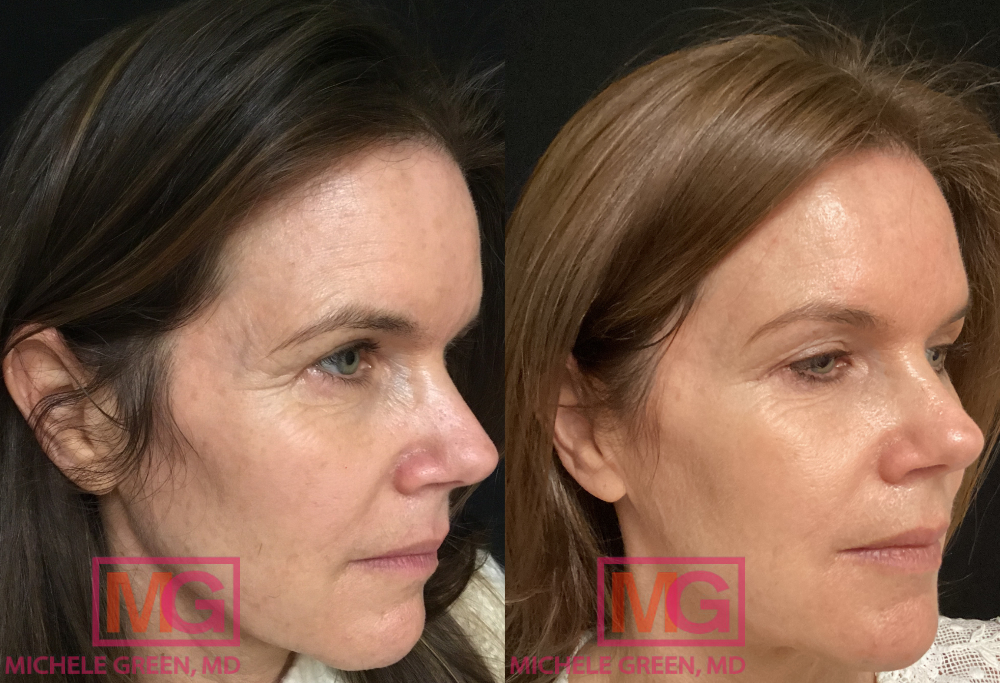
Yes. Radiofrequency devices such as Thermage FLX deliver controlled heat to the deeper layers of the skin, tightening existing collagen and stimulating fibroblasts to produce new collagen over the following months. Fraxel laser works similarly by creating microscopic zones of controlled injury that prompt the skin to rebuild with fresh collagen, improving skin texture and reducing fine lines. Both treatments are commonly used as part of a broader collagen banking strategy.
Does sunscreen help preserve collagen?
Yes, it’s arguably the single most important step. Unprotected sun exposure generates free radical damage that breaks down existing collagen and elastin far faster than natural aging alone, undermining even the best skincare routine. Applying a broad-spectrum sunscreen with SPF 30 or higher every day and reapplying regularly is essential for sun protection, preserving collagen levels, and preventing further collagen loss.
What’s the best skincare for collagen banking?
The most effective skincare routine for collagen banking includes daily sunscreen for sun protection, a vitamin C serum for antioxidant support, a retinol or retinoid to stimulate collagen synthesis, and a moisturizer with hyaluronic acid and peptides to support hydration and the skin barrier. Consistency with these products matters more than any single high-end item, and Dr. Green can help tailor a routine to a patient’s skin type and goals.
Do collagen supplements work for collagen banking?
The evidence is mixed but promising. Oral collagen supplements, typically made from collagen peptides, provide amino acids that may support the body’s collagen production and, in some studies, have been linked to modest improvements in skin elasticity and hydration. However, collagen supplements are not a substitute for sunscreen, a solid skincare routine, or professional treatments, and results vary widely among patients.
What foods and vitamins support collagen production?
A protein-rich diet provides the body with the amino acids needed for collagen synthesis, while foods high in vitamin C, such as citrus fruits, help the body convert those amino acids into usable collagen. Zinc and other antioxidant-rich foods help protect existing collagen from free radical damage, and adequate hydration supports overall skin quality. Vitamin A, found in retinoids and certain foods, also supports healthy cell turnover and collagen production.
How do you stop collagen loss?
While some collagen loss is a natural part of aging, daily sun protection, a consistent skincare routine, and avoiding smoking can significantly slow the process. Managing stress also helps, since chronic stress raises cortisol levels, which can accelerate the breakdown of collagen and elastin. In-office treatments such as microneedling and radiofrequency give fibroblasts extra support to keep producing new collagen even as natural levels decline.
Can you rebuild collagen after 40 (or 50)?
Yes. While collagen production and levels naturally decline with age, especially around menopause, the skin can still generate new collagen at any age. Treatments such as microneedling, radiofrequency, Fraxel, and collagen-stimulating injectables can meaningfully improve skin elasticity, firmness, and texture, even in patients who didn’t start collagen banking earlier in life.
How long does it take to build collagen?
Collagen synthesis is a gradual process. Most patients notice improvements in skin texture and quality after about four to six weeks of consistent skincare, with fuller results from in-office treatments such as microneedling or radiofrequency appearing over two to three months as new collagen forms. Because collagen banking is a long-term strategy, the best results come from staying consistent well beyond the first few weeks.
Is collagen banking worth it?
For most patients, yes. Investing in sun protection, a solid skincare routine, and preventive treatments in your twenties, thirties, and beyond helps preserve collagen reserves, delay visible signs of aging, and support better skin quality for years to come. Dr. Green helps each patient weigh the time and cost of collagen banking against their individual goals to build a plan that’s genuinely worth it.
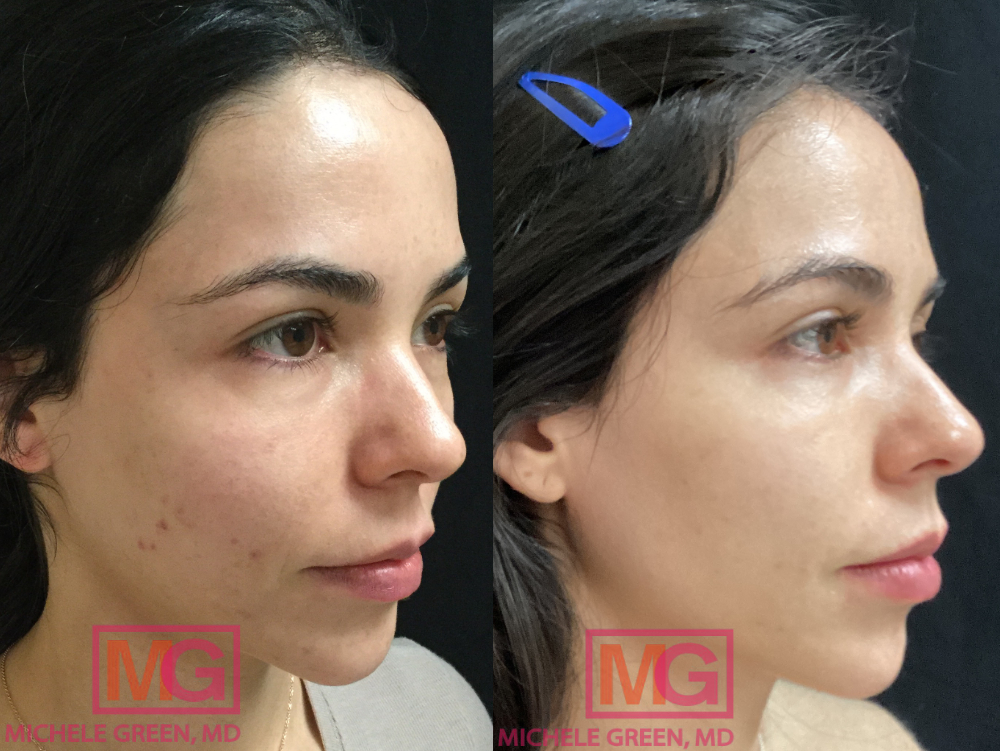
Start Banking Your Collagen with Board-Certified Dermatologist Dr. Michele Green Today
Collagen banking is less about chasing a trend and more about a practical, dermatologist-backed strategy: protect your collagen production early, support your fibroblasts and connective tissues with a consistent skincare routine, and add in-office treatments such as microneedling, radiofrequency, and collagen-stimulating injectables before collagen loss becomes visible. Whether you’re in your twenties, just starting to think about prevention, or in your forties, looking to rebuild collagen reserves, the right plan can meaningfully improve skin elasticity, firmness, and overall skin quality for years to come. Dr. Michele Green works with every patient to design a collagen banking plan tailored to their skin, lifestyle, and goals.
Dr. Michele Green is a board-certified dermatologist practicing on Manhattan’s Upper East Side and is recognized by Castle Connolly, The New York Times, Super Doctors, and New York Magazine as one of New York City’s top dermatologists. With a holistic, less-is-more philosophy and decades of dermatology experience, Dr. Green creates customized treatment plans that help patients maintain skin health at every age, from proactive collagen banking to replenishing collagen later in life. To start your own collagen banking plan, call Dr. Green’s NYC office at 212-535-3088 or contact us online today.


