


Why Eczema Flares in Fall and Winter
As soon as the leaves start to turn and the first chilly mornings roll in, many people with eczema notice their skin changing too. Patches that stayed quiet all summer suddenly feel tight, rough, and itchy, and by the time the holidays arrive, a full-blown flare-up can make it hard to get through the day (or the night) without scratching. If this sounds familiar, you are far from alone. Seasonal eczema flare-ups are one of the most common reasons patients book an appointment with a dermatologist once the weather turns, and understanding why they happen is the first step to getting ahead of them.
Eczema, also known as atopic dermatitis, is a chronic inflammatory skin condition rooted in a weakened skin barrier and an overreactive immune system. When the air turns cold and dry outside, and the heat cranks up inside, that already fragile barrier loses even more moisture, leaving the skin more vulnerable to irritants, allergens, and inflammation. The good news is that winter eczema is highly manageable with the right skincare routine, a few smart lifestyle adjustments, and, when needed, prescription treatment from a board-certified dermatologist like Dr. Michele Green in NYC.
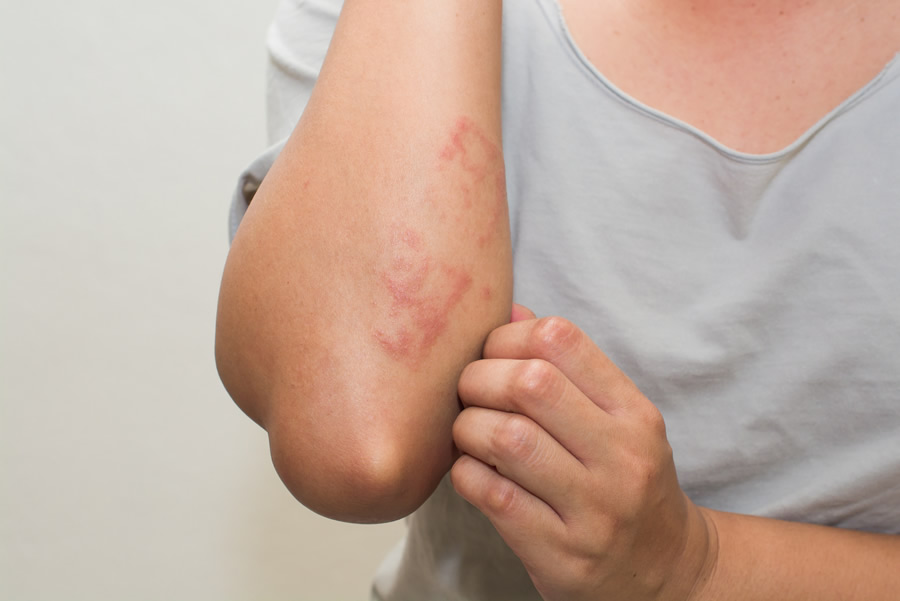
Why does eczema get worse in winter?
Think of your outermost layer of skin as a brick wall: the skin cells are the bricks, and natural fats like ceramides are the mortar holding everything together. In people with eczema, that mortar is already thin and patchy, often due to genetics and immune system activity, so moisture escapes more easily and irritants slip in more easily. In winter, cold temperatures outside and dry, heated air inside pull even more water out of the skin, so the skin’s natural barrier starts to break down further. When the skin’s natural barrier is compromised like this, even everyday products can sting. The result is dryness, redness, itchiness, and inflammation, and in some cases cracking, oozing, or crusting. Certain types of eczema, like nummular eczema (coin-shaped patches on the arms and legs) and hand eczema, are especially notorious for worsening in the colder months. While eczema is a chronic condition with no permanent cure, flares themselves are reversible, and with consistent care many patients spend most of the season in remission. Dr. Green helps patients identify exactly which type of eczema they have so their winter plan can be tailored to their skin.
Why does eczema flare up in fall?
Fall is a sneaky season for eczema because so much changes at once. Humidity drops, temperatures swing from warm afternoons to cold nights, and most buildings switch on their heat for the first time, leaving skin struggling to adjust. Fall also brings its own set of allergens, including ragweed pollen, which can linger until the first hard frost, and mold spores from damp, decaying leaves. People with eczema often also have hay fever or asthma, and when these allergies flare, the skin tends to follow. Add back-to-school stress, swapping summer clothes for heavier fabrics, and shorter, darker days, and it is easy to see why fall is often the starting line for months of eczema flare-ups that can continue well into spring. Dr. Green often encourages patients to adjust their routine in early fall, before the first flare, rather than waiting for symptoms to appear.
What triggers eczema in cold weather?
The biggest cold-weather culprit is the combination of cold, dry outdoor air and overheated, dry indoor air, but it is rarely the only one. Biting wind can chap exposed skin on the face and hands, while bulky winter layers can trap sweat and rub against sensitive skin. Many people also wash their hands more often during cold and flu season and lean heavily on alcohol-based sanitizers, which can strip the skin and cause it to crack, leading to painful cracks along the knuckles and fingertips. Indoor allergens, like dust mites and pet dander, become more of an issue when windows stay closed for months, and some people lose the soothing effect that natural sunlight had on their skin over the summer. For children in particular, food allergies can be part of the picture, and a known food allergy may worsen symptoms during holiday gatherings when exposure is harder to control. Because eczema triggers vary so much from person to person, Dr. Green works with each patient to pinpoint their specific eczema triggers and build a plan around them.
Does indoor heating make eczema worse?
Yes, and for many people, indoor heating is a bigger problem than the cold itself. Furnaces, forced-air systems, space heaters, and radiators all warm the air without adding any moisture, which can drop indoor humidity far below the 40 to 50 percent range that skin tends to prefer. In that kind of environment, water evaporates from the skin around the clock, even while you sleep. Running a humidifier in the bedroom, and ideally in the main living space, is one of the simplest ways to fight back. Just remember to clean humidifiers regularly according to the manufacturer’s instructions, since a dirty tank can grow mold and bacteria, and avoid pushing humidity too high, which can encourage dust mites. Keeping the thermostat a bit cooler and avoiding sitting right next to a heat source can also help. If you are doing everything right and indoor heat still leaves your skin raw, Dr. Green can adjust your treatment plan to provide more support.
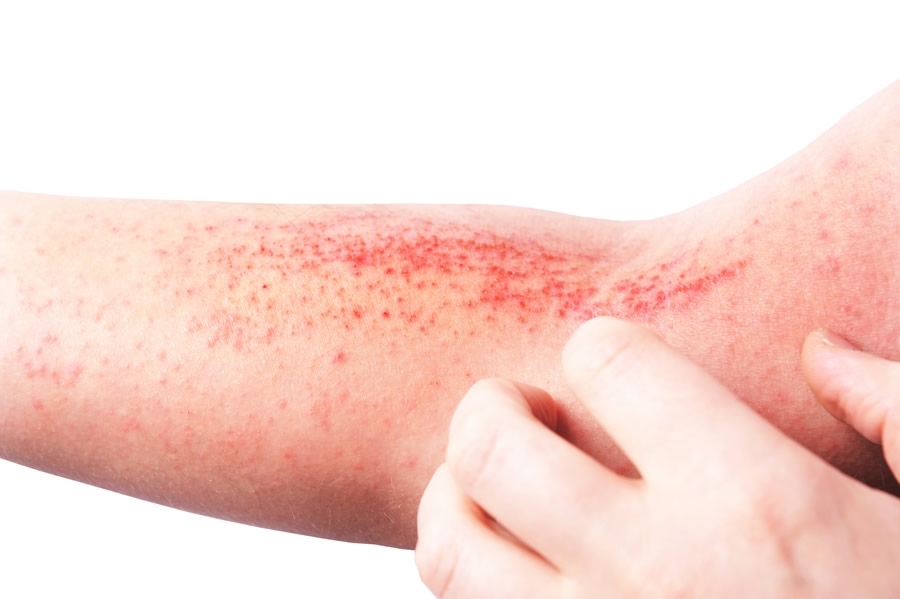
How NYC winters specifically make eczema worse
New Yorkers face a uniquely challenging winter environment for eczema. Many older buildings rely on steam radiator heat that residents cannot easily control, leaving apartments so hot and dry that people crack windows open in January. Outside, wind funnels between tall buildings and along avenues and rivers, chapping exposed skin on the face, lips, and hands. Then there are the constant temperature swings: frigid sidewalks, overheated subway cars, stuffy offices, and back out into the cold again, sometimes a dozen times a day. Each abrupt shift from cold to hot can trigger flushing, sweating, and itchiness that aggravates eczema. City dwellers can protect their skin by layering soft, breathable fabrics that are easy to remove, wearing gloves and a soft scarf outdoors, and keeping a small tube of moisturizer or ointment in a bag or coat pocket to reapply throughout the day. As a board-certified dermatologist in NYC, Dr. Green understands these city-specific challenges and tailors winter skin advice to life in Manhattan.
Eczema vs. dry skin in winter
Almost everyone gets some degree of dry skin in winter, so it is not always easy to tell whether you are dealing with ordinary dryness or an eczema flare. Simple dry skin usually looks dull or flaky, feels tight after bathing, and improves within a few days of consistent moisturizing. Eczema, on the other hand, tends to cause red, inflamed patches (which can appear darker brown, purple, or gray on deeper skin tones), intense itchiness that often disrupts sleep, and skin that may weep, crust, or thicken over time. Eczema also tends to show up in characteristic places, such as the creases of the elbows and knees, the neck, the hands, and around the eyes, and it often comes with a personal or family history of asthma, hay fever, or food allergies. If a regular moisturizer is not making a dent after a week or two, it may be more than dry skin, and an evaluation with Dr. Green can clarify the root cause.
How to prevent eczema flares in fall and winter
The best defense against winter eczema is a good offense, which means making changes before your skin starts to complain. Start by switching to a richer moisturizer in early fall, setting up a humidifier as soon as the heat comes on, and swapping any fragrance-containing soaps, laundry detergents, and fabric softeners for gentle, fragrance-free versions. Keep showers and baths short, dress in soft, breathable layers, and wear gloves outdoors to protect your hands from the wind. If you know your eczema reliably flares every winter, ask your dermatologist about proactive therapy, which involves applying a prescribed anti-inflammatory medication to your usual trouble spots a couple of times per week, even when your skin looks clear, to keep inflammation from building back up. Paying attention to stress, sleep, and known allergens rounds out a solid prevention plan. Dr. Green can help design a seasonal prevention strategy based on your history and your skin’s specific needs.

Winter eczema skincare routine
A winter eczema skincare routine does not need to be complicated, but it does need to be consistent. A good skin care routine starts with the basics. In the morning, rinse your face with lukewarm water or a gentle, soap-free cleanser, then apply a fragrance-free moisturizer. While your skin is still slightly damp, apply any prescription treatments your dermatologist recommended for the day. In the evening, take a short bath or shower, pat (do not rub) your skin dry, and apply any prescription creams to affected areas first, followed by a thick moisturizer over everything within about three minutes to lock in moisture. For hands and feet, a layer of ointment under cotton gloves or socks overnight can work wonders. For some patients, layering a hydrating serum under moisturizer can add an extra boost on calm, non-flaring skin. Dr. Green may recommend MGSKINLABs Hydra Repair, a hyaluronic acid serum that draws water into the skin before it is sealed in with a richer cream. Since skincare routines that work for one person can irritate another, Dr. Green will help you build seasonal routines that keep your barrier strong.
Best moisturizer for eczema in winter
In winter, thicker is almost always better. Moisturizers come in a range of textures, and lotions, which contain the most water, tend to evaporate quickly and may sting broken skin. Creams are a step up, while ointments, like plain petroleum jelly, form the most protective seal and are often the best choice for very dry or cracked areas. Look for fragrance-free formulas labeled for sensitive skin and ingredients like ceramides, glycerin, colloidal oatmeal, and shea butter, which help rebuild the skin’s barrier. Avoid products with added fragrance, essential oils, or exfoliating acids during a flare, since these can sting and irritate skin. Many people do best with a lighter cream during the day and a heavier ointment at night. Whichever moisturizer you choose, the key is to use enough, often several times a day, and apply it right after bathing.
How to stop the itch-scratch cycle in winter
The itch-scratch cycle is one of the most frustrating parts of eczema. Itchy skin leads to scratching, scratching damages the skin barrier and releases more inflammatory signals, and that inflammation makes the skin even itchier. In winter, dry air and overheated rooms can make the itch even worse. To break the cycle, try applying a cool, damp cloth or refrigerator-stored moisturizer to the itchy area, pressing or tapping the skin instead of scratching, and keeping nails trimmed short. Wearing soft cotton gloves at night can protect the skin from unconscious scratching during sleep. Treating the underlying inflammation is just as important, since soothing the itch alone will not stop the cycle if the skin is still inflamed. If itching keeps you up at night or you find yourself scratching until your skin bleeds, Dr. Green can prescribe treatments that target the itch and inflammation at the source.
Wet wrap therapy for winter eczema flares
Wet wrap therapy is a highly effective technique for calming stubborn or widespread eczema flares, and it is especially useful in winter when the skin is desperately dehydrated. After a lukewarm bath, a prescribed medication or a thick layer of moisturizer is applied to the affected skin. Next, a layer of damp cotton clothing, gauze, or tubular bandages is placed over the treated areas, followed by a dry layer on top. The wraps are usually left on for several hours or overnight. The damp layer rehydrates the skin and cools the itch, while the dry layer helps the medication and moisturizer absorb more effectively and acts as a physical barrier against scratching. Wet wraps are typically used for a few days at a time during a bad flare, not as an everyday routine, and they should not be used on skin that shows signs of infection. Because the technique is most effective and safest when done correctly, Dr. Green will walk you through how to do wet wraps at home and how long to continue them.
What prescription treatments are available for winter eczema?
The treatment landscape for eczema has expanded dramatically in recent years, so there are more options than ever. Topical steroids remain the first-line treatment for most flares and come in a range of strengths, from mild formulas for the face to more potent options for thick patches on the hands and body. A dermatologist will usually prescribe a topical steroid for short courses to calm inflammation quickly. Nonsteroidal topical options, such as calcineurin inhibitors (tacrolimus and pimecrolimus), crisaborole, roflumilast cream, tapinarof cream, and ruxolitinib cream, can be used on delicate areas like the eyelids and face or for long-term maintenance. For moderate to severe eczema that does not respond to topical treatments, injectable biologic medications that target specific parts of the immune response, like dupilumab, tralokinumab, lebrikizumab, and nemolizumab, along with oral JAK inhibitors, can provide significant relief. Phototherapy and antibiotics for infected skin are also part of the toolkit. Dr. Green will review your history, symptom severity, and lifestyle to recommend the right combination of eczema treatments for you.
When should you see a dermatologist for a winter eczema flare?
Many mild flares improve with a better moisturizer and a humidifier, but sometimes it is best to see a dermatologist. Book an appointment if your eczema is not improving after one to two weeks of consistent at-home care, if it is spreading or keeping you up at night, or if over-the-counter hydrocortisone is no longer helping. Cracked, broken skin also makes it easier for bacteria and viruses to get in, so signs of skin infections, such as yellow crusting, oozing, increasing pain, warmth, or fever, call for prompt medical attention. Clusters of painful, punched-out blisters or sores, especially on the face, can signal a viral infection called eczema herpeticum and should be evaluated right away. Frequent eczema flare-ups, or severe eczema that affects large areas of the body or your daily quality of life, also deserve specialist care. Dr. Green sees patients with seasonal eczema flare-ups throughout the fall and winter and can quickly put together a plan to get symptoms back under control.
Frequently Asked Questions (FAQs)About Winter Eczema
Is eczema worse in winter or summer?
For most people, eczema is worse in winter because of the combination of cold outdoor temperatures, dry indoor heating, and heavier fabrics against the skin. That said, eczema varies widely from person to person. Some people flare more in summer because heat and sweat irritate their skin, or because sunscreen, chlorine, and humidity trigger it. Many patients notice that the transition seasons, especially fall into winter, are the toughest stretch of all. Tracking when your skin flares over the year can help you and Dr. Green build a plan that adapts to each season.
Do hot showers make eczema worse?
Unfortunately, yes. Long, hot showers feel amazing on a freezing morning, but hot water dissolves the natural oils that hold the skin barrier together, leaving the skin drier and itchier once you step out. To protect your skin, keep showers and baths to about 5 to 10 minutes, use lukewarm water instead of hot, choose a gentle, fragrance-free cleanser, and only use it where you actually need it. Bathing itself isn’t the enemy, since a short soak can hydrate the skin as long as you pat dry and moisturize within a few minutes afterward. Dr. Green often reminds patients that the moisturizer you apply after the shower matters just as much as the water temperature.
Does wool clothing trigger eczema?
Wool is one of the most common winter irritants for people with eczema. Traditional wool fibers are coarse and can poke and rub against the skin, causing skin irritation and itchiness, especially on the neck and wrists. Anywhere a sweater or scarf sits directly against the skin. Some people with eczema tolerate very fine, high-quality merino wool better than standard wool, but it is best to test it carefully. In general, soft, breathable fabrics like cotton or silk make the best base layer, and scarves made of these materials are a gentler option for the face and neck. Dr. Green also recommends washing new clothing before wearing it and using fragrance-free detergent to keep fabrics as skin-friendly as possible.
Dust mites in winter bedding and eczema — is there a connection?
Yes, there can be. Dust mites are tiny creatures that live in mattresses, pillows, blankets, and upholstered furniture, and they are a common allergen for people with eczema, asthma, and hay fever. In winter, people spend more time indoors with the windows closed and pile on heavier bedding, which can increase exposure. To reduce dust mites, use allergen-proof covers on your mattress and pillows, wash sheets and blankets weekly in hot water, keep bedroom humidity in the moderate range rather than very high, and vacuum regularly with a HEPA-filter vacuum. If you suspect dust mites or other allergens are fueling your flare-ups, Dr. Green can discuss whether allergy testing makes sense for you.
Does stress in winter (holidays, illness) trigger eczema?
Absolutely. Stress is a well-known eczema trigger, and the winter months tend to deliver plenty of it, from holiday planning and travel to end-of-year deadlines and family gatherings. Stress hormones affect the immune system and can weaken the skin’s barrier, making it more reactive. Winter illnesses like colds and the flu can also set off a flare-up, since the immune system is already in overdrive, and lost sleep from a stuffy nose or a busy schedule only makes things worse. Building in downtime, protecting your sleep, staying on top of your skincare routine even when life gets busy, and treating flares early can all help. Dr. Green works with patients to anticipate these high-stress periods so they are not caught off guard by an eczema flare-up.
Eczema vs psoriasis in winter
Eczema and psoriasis are both chronic inflammatory skin conditions that tend to worsen in winter, which is why they are often confused. Psoriasis is an autoimmune condition in which skin cells build up too quickly, creating thick, well-defined plaques covered in silvery-white scale, most often on the outer elbows, knees, scalp, and lower back. Eczema patches are usually less sharply defined, tend to appear in skin folds like the inner elbows and behind the knees, and are typically much itchier. Both conditions are aggravated by cold, dry air and reduced sunlight, but they are treated differently, so getting the right diagnosis matters. Dr. Green can examine your skin and determine whether you have eczema, psoriasis, or another skin rash.
Can I use lotion instead of a cream or ointment in winter?
You can, but lotion often isn’t enough on its own in winter. Because lotions are thinner and contain more water, they absorb quickly but also evaporate quickly, which means they may not provide lasting protection against dry air. Many people find it helpful to use a lotion for quick touch-ups during the day and switch to a thicker cream or ointment after bathing and at bedtime. Dr. Green can help you choose the right textures for different parts of your body.
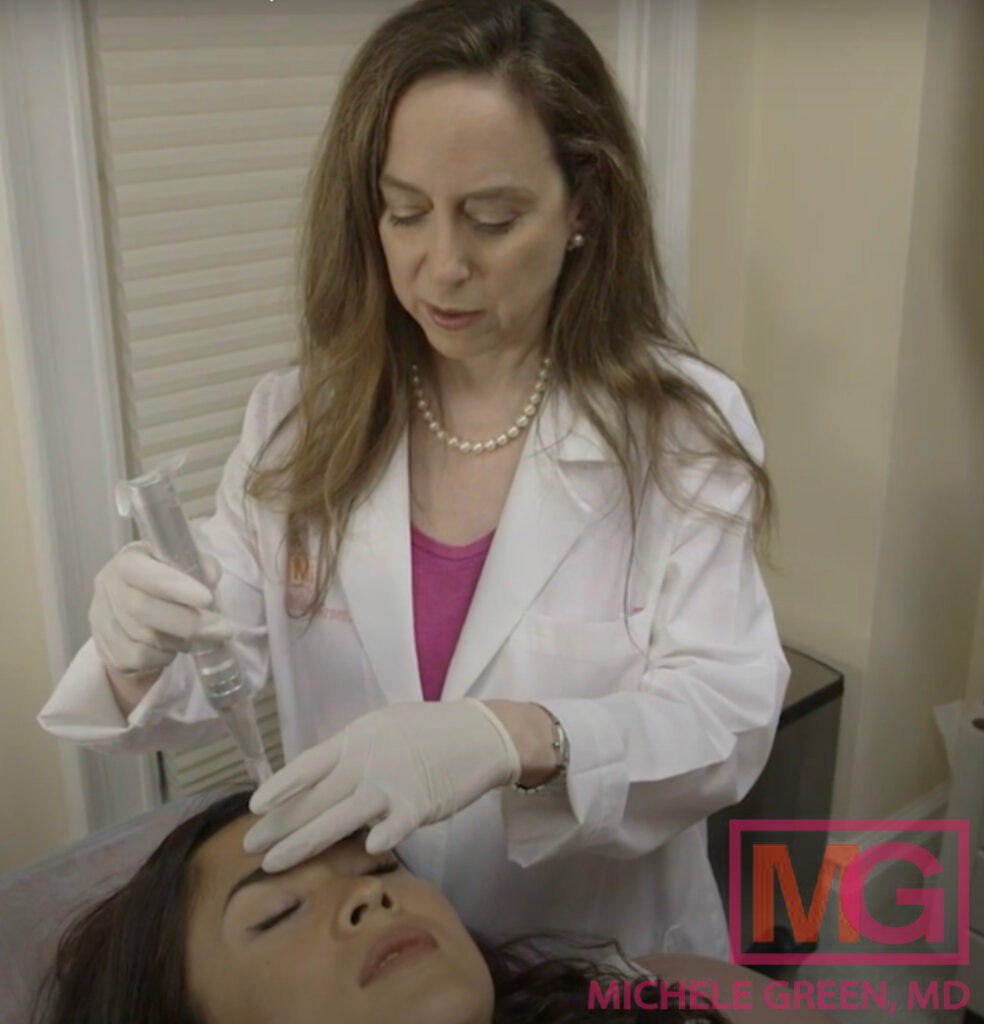
Get Ahead of Winter Eczema Flare-Ups with Dr. Michele Green
Eczema flaring up in fall and winter is no coincidence. Cold, dry air outside, indoor heat inside, seasonal allergens, hot showers, scratchy fabrics, and holiday stress all chip away at an already fragile skin barrier, leaving the skin dry, inflamed, and itchy. The good news is that a little planning goes a long way. By moisturizing generously, running a humidifier, keeping water lukewarm, choosing soft fabrics, and starting your winter routine early, you can significantly reduce your chances of a rough season. And when at-home care is not enough, today’s prescription treatments offer real, lasting relief, especially when guided by a board-certified dermatologist in NYC like Dr. Michele Green.
Dr. Michele Green is an internationally recognized, board-certified dermatologist with over 25 years of experience treating eczema and other inflammatory skin conditions at her private practice on the Upper East Side of NYC. Castle Connolly, New York Magazine, Super Doctors, and The New York Times regularly recognize Dr. Green as one of New York City’s top dermatologists for her dedication to her patients and her clinical expertise. She creates a personalized treatment plan for every patient to calm inflammation, restore the skin barrier, and prevent future flare-ups so that you can get through the colder months comfortably. To learn more about managing eczema this fall and winter, please call 212-535-3088 or contact us online today to schedule a consultation.


