


Under Eye Filler vs. Tear Trough Surgery
The under-eye area is one of the first areas to show signs of aging, fatigue, and volume loss, a common concern for patients seeking care from a cosmetic dermatologist. You might be dealing with dark circles, hollows, puffiness, or all three, and the range of treatment options can feel overwhelming. Two of the most sought-after solutions, under-eye filler and tear trough surgery, both target this area, though with different approaches. Under-eye filler, most commonly performed with hyaluronic acid, is a minimally invasive injectable that restores lost volume without incisions or downtime. For those seeking quick, safe rejuvenation, board-certified dermatologist Dr. Michele Green in New York City offers customized tear-trough filler treatments tailored to each patient’s unique facial anatomy.
A plastic or oculoplastic surgeon performs tear trough surgery. It addresses excess fat pads, sagging skin, and deep troughs through lower-eyelid incisions, providing a lasting correction for patients with significant loose skin or herniated fat. However, surgery entails longer recovery, higher costs, and greater risks than dermal fillers. Most patients with under-eye hollows or mild-to-moderate dark circles due to volume loss prefer non-surgical HA filler rejuvenation as a first step. Dr. Michele Green provides thorough consultations to determine the best approach based on your skin, anatomy, and desired results.
What is the difference between under-eye filler and tear trough surgery?
Under-eye filler and tear trough surgery address the same cosmetic concern. Under-eye filler, also called tear trough filler, uses dermal fillers, usually hyaluronic acid (HA) like Restylane or Juvederm, injected directly into the tear trough under the lower eyelid. The goal is to restore lost volume, reduce shadows that cause dark circles, and smooth the transition between the lower eyelid and the upper cheek. The procedure takes about 30 minutes, requires no incisions or general anesthesia, and is done in a dermatologist’s or aesthetic provider’s office. Tear trough surgery is a type of lower blepharoplasty, done by a plastic surgeon in an operating room. The surgeon makes incisions along the lower eyelid to remove or reposition excess fat, tighten loose skin, and correct deep tear trough deformity. Injectable treatments cannot fully address these changes. Both aim to refresh and brighten the under-eye area. Key differences include invasiveness, recovery, risk, cost, and the concerns each option treats.
Who is a good candidate for under-eye filler vs surgery?
Choosing between under-eye filler and tear trough surgery depends on the underlying cause of your concern, your age, your skin condition, and your desired results. Under-eye filler works well for mild to moderate hollows from volume loss, good skin elasticity, and minimal excess skin or fat, especially in younger patients in their late 20s to 50s who want to address early signs of aging or inherited tear troughs without surgery. Surgery may suit those with significant sagging, bulging fat, or those unsatisfied with fillers seeking more permanent results. Dr. Michele Green often finds that patients considering surgery can achieve excellent, natural-looking results with filler alone, so consulting a board-certified dermatologist in NYC is a key first step.
Under-eye filler vs tear trough surgery: which gives better results?
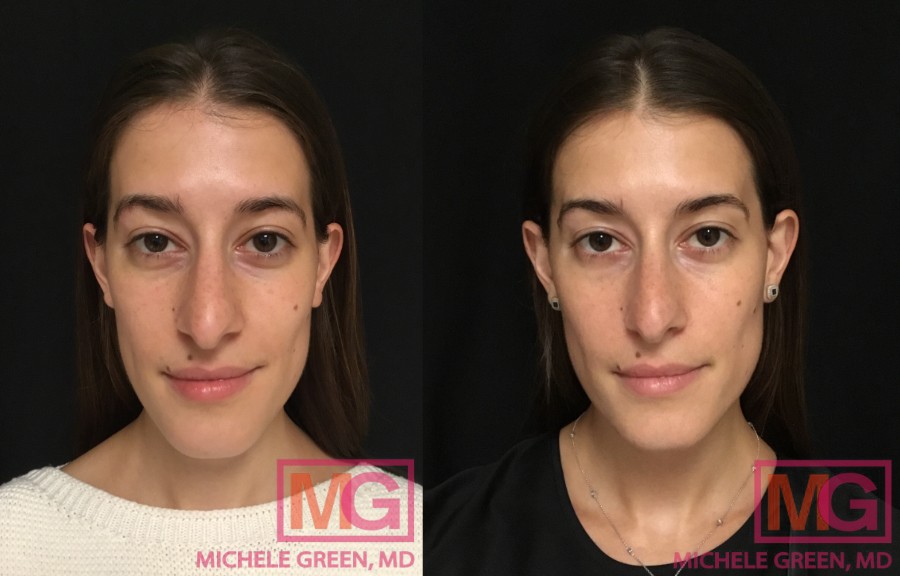
The “better” result depends on what you want to correct. For patients focused on under-eye hollows and dark circles from volume loss, tear trough filler offers impressive, natural-looking results almost immediately after treatment. Hyaluronic acid fillers plump the sunken area beneath the eyelid, reduce shadowing that creates a tired look, and smooth the contour between the eye and the upper cheek. For patients with extra skin, herniated fat pads, or pronounced skin laxity, surgery gives a more dramatic and longer-lasting improvement in these areas. However, it comes with the trade-offs of surgical risk and recovery. It’s also important to note that filler and surgery are not mutually exclusive. Many patients who have had lower blepharoplasty still benefit from periodic tear-trough filler afterward to maintain volume and softness. Dr. Michele Green works with each patient to set realistic expectations and develop a plan that targets the cause of the concern to achieve the best results.
Is under-eye filler safer than tear trough surgery?
In general, under-eye filler carries a significantly lower risk profile than surgical blepharoplasty, which is one of the primary reasons it has become a popular option for tear trough rejuvenation. As a non-surgical, minimally invasive injectable treatment, filler does not require general anesthesia or surgical incisions, nor does it carry the systemic risks associated with operating room procedures. The most common side effects of tear trough filler include mild bruising and swelling at the injection site, which typically resolve within a few days to a week. More serious, though rare, complications specific to filler include the Tyndall effect, migration of product, and, in very rare cases, vascular occlusion, which occurs when filler is inadvertently injected into or near a blood vessel. This is why it is critical to receive tear trough filler only from a qualified, experienced provider with a thorough understanding of facial anatomy and trained to use a cannula (a blunt-tipped needle) for safer, more precise delivery. Tear trough surgery carries the standard risks of any surgical procedure, including infection, scarring, asymmetry, and a longer, more involved recovery. Dr. Michele Green prioritizes patient safety at every step and will always discuss the full risk profile of any treatment before proceeding.
Under-eye filler vs tear trough surgery: recovery compared
One major difference between these treatments is the recovery experience. Tear trough surgery usually needs one to two weeks of downtime, with quite visible bruising and swelling in the first week. Patients are advised to avoid strenuous activity, keep the head elevated, and attend follow-up appointments to monitor healing. Full results may take several weeks as swelling goes down. Under-eye filler, in contrast, involves minimal downtime. Most patients have mild bruising and swelling at the injection site, which resolve within 3 to 7 days. Many people return to normal activities the same day or the next. Aftercare includes avoiding intense heat, heavy exercise, and pressure on the treated area for 24 to 48 hours, though these restrictions are less disruptive than those of surgical recovery. A numbing cream or topical anesthetic is used before the procedure to ensure comfort, and the whole treatment takes less than an hour. For those with busy lives who want meaningful results without major downtime, under-eye filler with Dr. Michele Green is an excellent option.
Under-eye filler vs tear trough surgery: which lasts longer?
Tear trough surgery offers a more permanent outcome than injectable treatments, making it appealing to patients seeking a one-time correction without repeat sessions. A lower blepharoplasty can produce results that last many years. However, it does not halt the ongoing process of aging; patients may still develop additional volume loss or skin laxity over time, which may eventually warrant additional treatment. Under-eye filler, on the other hand, is temporary by nature. Most hyaluronic acid fillers in the tear trough area last from nine months to two years, depending on the specific product used, the amount injected, the patient’s metabolism, and adherence to aftercare recommendations. Because the under-eye area is relatively low-movement compared to areas like the lips or mouth, filler in the tear trough area often lasts on the longer end of the spectrum. Maintenance treatments are typically needed once a year or every other year to sustain the result. While the ongoing cost and convenience of maintenance appointments are worth considering, the flexibility and reversibility of hyaluronic acid fillers are significant advantages, making Dr. Michele Green’s injectable approach to tear trough rejuvenation an attractive long-term option for many patients.
Frequently Asked Questions (FAQs) about Under Eye Fillers for Tear Troughs
Under-eye filler vs surgery: which looks more natural?
When performed skillfully by an experienced injector, under-eye filler produces results that look exceptionally natural, subtle enough that most people won’t be able to pinpoint exactly what changed, only that you look more rested and refreshed. The key to natural-looking tear trough filler is proper product selection, precise placement, and conservative dosing. HA fillers, particularly thin, soft formulations like Restylane, integrate well with the delicate tissue beneath the lower eyelid and move naturally with facial expressions. Surgery, when performed by a skilled plastic surgeon, can also look very natural, but the risk of an overdone or obviously surgical appearance is higher, especially if too much fat is removed or the skin is pulled too tightly. One cosmetic concern with filler that can occasionally affect the natural appearance is the Tyndall effect, a bluish discoloration that can occur when filler is placed too superficially. This is why proper technique matters enormously, and why choosing an expert injector like Dr. Michele Green, with extensive experience in facial anatomy and tear trough rejuvenation, is so important.
At what age should you consider tear trough surgery over filler?
Age alone should not determine whether you choose under-eye filler or surgery, but it often correlates with the changes beneath the lower eyelid that drive the decision. In younger patients, under-eye concerns are almost always related to hereditary facial anatomy, pigmentation, or early volume loss, all of which respond very well to hyaluronic acid fillers. As patients move into their 50s and 60s, the compounding effects of collagen loss, skin laxity, fat pad migration, and significant volume loss may mean that filler alone cannot achieve the desired correction. At this stage, a plastic surgeon may recommend a lower blepharoplasty to address the extent of skin sagging and structural changes beyond the reach of injectable treatments. That said, many patients in their 60s and beyond continue to benefit from tear trough filler, either alone or in combination with other treatments, and surgery is never required based on age. The most reliable way to determine the right approach at any age is a thorough in-person evaluation with an experienced provider, such as Dr. Michele Green, who can assess your specific facial anatomy and discuss all available options.
Can under-eye filler replace tear trough surgery?
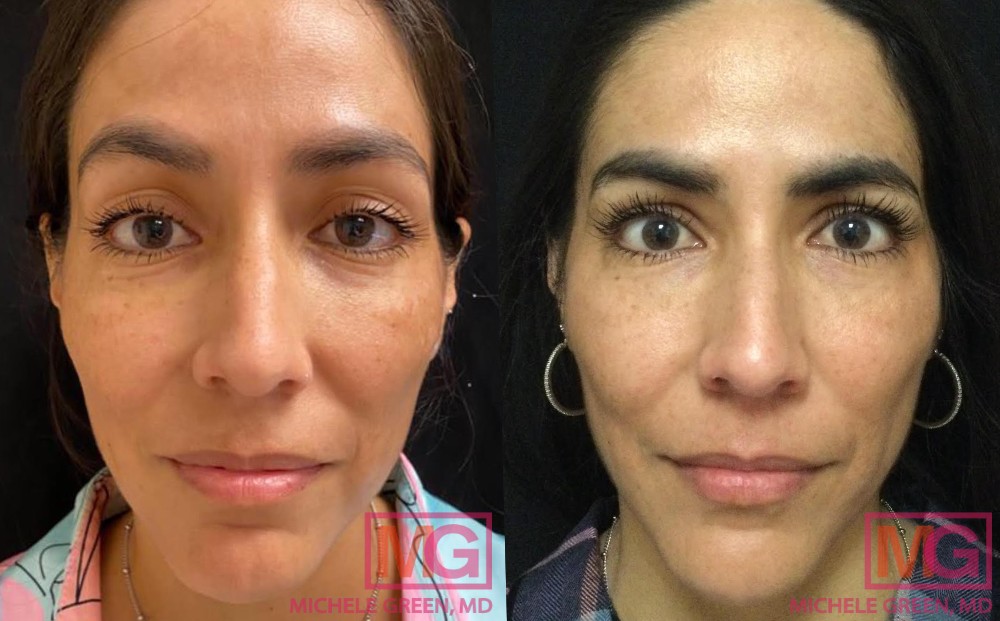
For many patients, the answer is yes: under-eye filler can fully replace the need for tear trough surgery. This is especially true for patients whose under-eye concerns stem primarily from volume loss and hollowing rather than excess skin or bulging fat pads. HA fillers are highly effective at restoring the lost volume that creates the shadowed, sunken appearance in the tear trough area, and the results can be so satisfying that patients who once thought they needed surgery are thrilled with their non-surgical outcome. However, it’s important to understand that filler cannot tighten sagging skin, remove or reposition herniated fat pads, or produce the same degree of structural change as a surgical procedure. In patients with significant skin laxity or prominent under-eye bags due to fat herniation, filler may worsen puffiness by adding volume to an already full area. This is exactly why a thorough assessment of the under-eye area is essential before any treatment. Dr. Michele Green evaluates each patient individually to determine whether tear trough filler is the right solution or a referral to a surgical consultation is more appropriate.
Which under-eye filler is best?
The best under-eye filler is typically a soft, thin product that can be placed precisely in the delicate tissue beneath the lower eyelid without causing puffiness or lumpiness. Restylane is widely considered a top choice for tear trough filler because of its cohesive gel structure, which integrates smoothly into the tissue and is less likely to absorb water and swell than some other HA fillers. The right product depends on your individual anatomy, the depth of the tear trough, and your provider’s clinical judgment, and choosing a skilled injector is ultimately more important than the specific brand of filler. Dr. Michele Green selects the most appropriate product for each patient’s unique needs to ensure the most natural, long-lasting result possible.
Can under-eye filler go wrong?
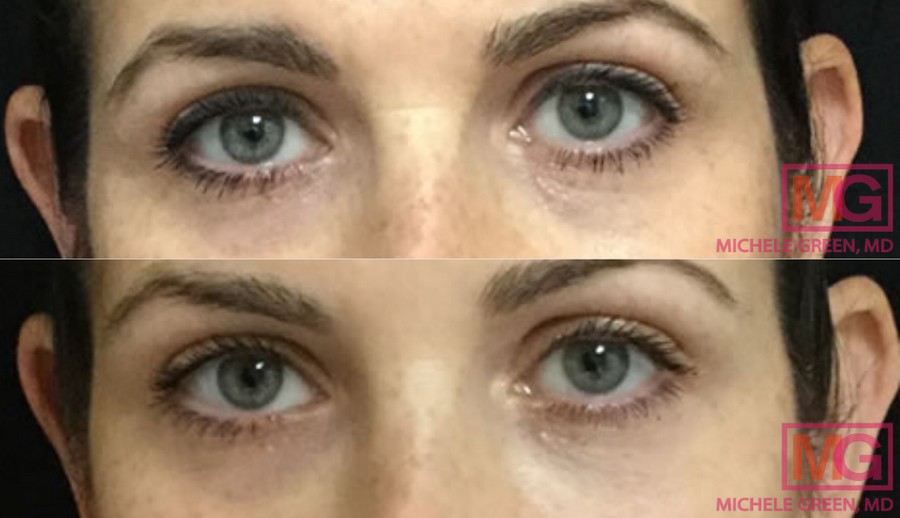
While under-eye filler is generally safe and well-tolerated, it can go wrong if performed by an inexperienced injector or with the wrong product. The most common adverse outcomes include overcorrection, which creates a puffy or overfilled look; migration of the filler beyond the intended injection site; and the Tyndall effect, a bluish-gray discoloration caused by superficial placement of the filler near the skin’s surface. In very rare cases, more serious complications can occur, including vascular occlusion (a blockage of a blood vessel), which requires immediate intervention. Using a blunt-tipped cannula rather than a sharp needle reduces the risk of vascular complications by allowing safer navigation around blood vessels in the delicate under-eye area. The good news is that because hyaluronic acid fillers are used for tear trough rejuvenation, complications related to product placement can often be corrected by dissolving the filler with an enzyme called hyaluronidase. Choosing an experienced, board-certified provider like Dr. Michele Green dramatically reduces the risk of complications and ensures you are in the safest possible hands.
Does under-eye filler look better over time?
Many patients notice that their tear trough filler results improve in the days and weeks after treatment as initial bruising and swelling resolve and the filler settles into the tissue. In some cases, hyaluronic acid fillers may also provide a subtle biostimulatory benefit over time: the filler can attract water molecules and stimulate collagen production in the treated area, which may contribute to gradual improvements in skin quality and hydration, in addition to the volumizing effect. That said, filler does not permanently reverse the aging process, and results will slowly diminish as the HA is naturally broken down and absorbed by the body. Regular maintenance treatments help sustain and build upon the results over time. Patients who combine tear trough filler with complementary treatments, such as Botox to address crow’s feet, lasers or chemical peels to improve skin tone and hyperpigmentation, or topical skincare to support collagen production, often enjoy more comprehensive and longer-lasting improvement in the overall under-eye area.
Can tear trough filler be dissolved if it goes wrong?
Yes. One of the most significant advantages of using hyaluronic acid fillers for tear trough rejuvenation is that the results are reversible. If you are unhappy with the outcome of your treatment, if the filler has migrated, or if a complication such as the Tyndall effect develops, the product can be dissolved with an injectable enzyme called hyaluronidase. Hyaluronidase breaks down hyaluronic acid quickly and effectively, typically resolving the issue within 24 to 48 hours. This reversibility is a key reason HA fillers are widely favored for the tear trough area over permanent or longer-lasting filler options, which cannot be dissolved if something goes wrong. It is also worth noting that not all practitioners who administer fillers are trained in or have access to hyaluronidase, so it is important to choose a provider who can manage potential complications in-house. At Dr. Michele Green’s practice, patients can feel confident that their safety and satisfaction are always the top priority.
How much does tear trough surgery cost vs filler?
Cost is a key factor in any cosmetic treatment decision, and there is a significant difference in the upfront cost of tear trough surgery versus under-eye filler. Lower blepharoplasty surgery costs can range widely depending on the surgeon, geographic location, procedure complexity, and associated anesthesia and surgical facility fees. Because it is an elective cosmetic procedure, it is typically not covered by insurance. Under-eye filler is considerably less expensive per treatment, but the cost depends on the number of syringes used, the provider’s expertise, and location. However, because filler requires periodic maintenance, typically every one to two years, the cumulative cost over time can approach or eventually exceed the one-time cost of surgery for some patients. It is also worth noting that quality and safety matter greatly in injectable treatments, and choosing a highly experienced, board-certified provider like Dr. Michele Green ensures the best possible outcome and minimizes the risk of complications that might require additional corrective treatment.
Is under-eye filler or tear trough surgery worth it?
For the right candidate, both under-eye filler and tear trough surgery can be absolutely worth it; the key is matching the treatment to the concern. The vast majority of patients seeking facial rejuvenation for under-eye hollows, dark circles, and tired-looking eyes are excellent candidates for tear trough filler and find the results transformative: a more rested, youthful, and refreshed appearance with virtually no downtime. The immediate improvement in the appearance of under-eye hollows, without surgery, without a long recovery, and with the added peace of mind that the results are reversible if needed, makes under-eye filler one of the most satisfying injectable treatments in aesthetic medicine. Surgery may be considered more “worth it” for patients with pronounced structural changes that filler cannot address, though the commitment involved is considerably greater. Whether you’re weighing the pros and cons of these options or simply want an expert opinion on what would make the biggest difference for your under-eye concerns, a consultation with Dr. Michele Green is an invaluable first step.
How do I Get Started with under-eye filler tear trough rejuvenation today?
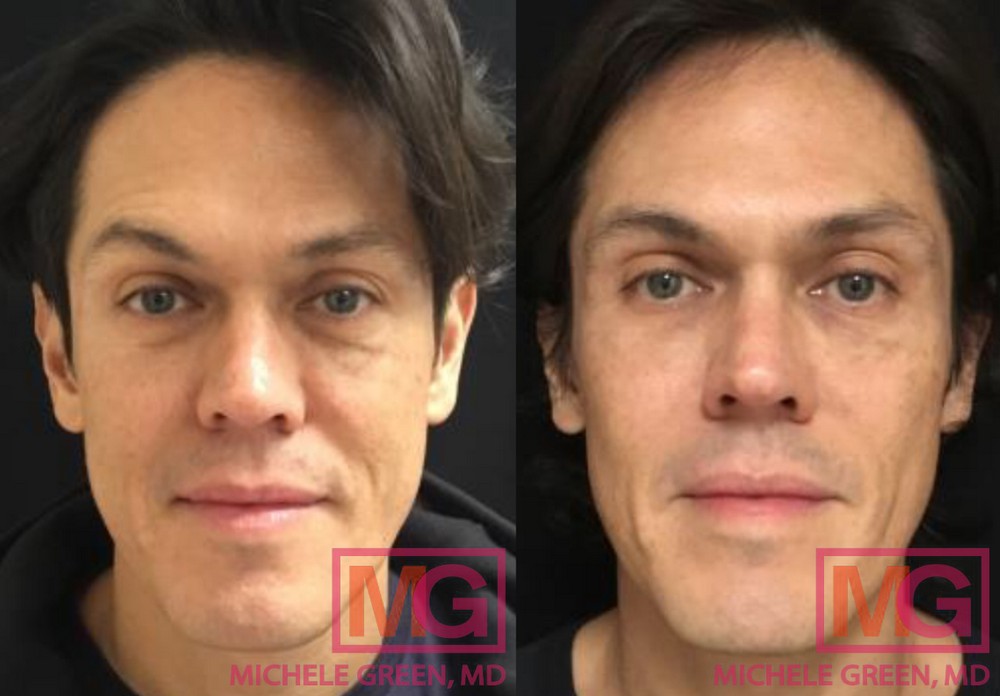
Under-eye filler and tear trough surgery each offer meaningful solutions for patients seeking to address dark circles, under-eye hollows, and signs of aging in the under-eye area, but they differ significantly in approach, recovery, cost, longevity, and the types of concerns they are best suited to treat. For patients with mild to moderate volume loss and hollowing in the tear trough area, hyaluronic acid-based tear trough filler is a safe, minimally invasive, and highly effective option that delivers natural-looking results with little to no downtime. Surgery may be appropriate for patients with more advanced structural changes, but many patients who once believed surgery was their only option find that expert filler treatment provides everything they were looking for. Whichever path is right for you, the most important first step is a consultation with a qualified provider who can evaluate your specific anatomy and help you make an informed decision. Dr. Michele Green is one of New York City’s most trusted experts in tear trough rejuvenation and cosmetic dermatology.
Dr. Michele Green is a board-certified dermatologist in NYC with over 25 years of experience helping patients look and feel their best through the most advanced non-surgical cosmetic treatments. Her meticulous approach to injectables, deep knowledge of facial anatomy, and commitment to personalized care have made her one of the most sought-after providers for tear trough filler and facial rejuvenation in New York City and beyond. Whether you are curious about under-eye filler, want to determine whether surgery might be right for you, or are ready to schedule your first tear trough treatment, Dr. Green and her team are here to help. To learn more or schedule a consultation, please call the office at 212-535-3088 or contact us online.


