


Hormonal Melasma: Causes, Triggers, and Treatment Options
Melasma is one of the most common forms of facial discoloration, and for many patients, it has a distinctly hormonal fingerprint. Unlike sun spots, which develop gradually from years of cumulative UV exposure, hormonal melasma often appears seemingly overnight during pregnancy, after starting a new birth control method, or during perimenopause. It tends to show up as symmetrical patches of dark spots across the cheeks, forehead, and upper lip. Because hormonal changes, shifts, and imbalances play such a central role in triggering this type of discoloration, treating it effectively requires an approach that goes beyond what works for ordinary sun-induced pigmentation. For that reason, so many patients turn to an experienced, board-certified dermatologist such as Dr. Michele Green in New York City.
What makes hormonal melasma particularly frustrating is its tendency to persist or recur, even after a patient has achieved a clearer complexion. Pregnancy, oral contraceptive pills, hormone replacement therapy, and thyroid disorders can all reactivate the same overactive melanocytes, so hormonal melasma is rarely a one-and-done concern. Because of this, a thoughtful, individualized treatment plan that addresses both the discoloration and its underlying hormonal drivers is essential for long-term results, which is exactly the kind of personalized care Dr. Green provides at her Upper East Side practice.
What is hormonal melasma?
Hormonal melasma is a type of melasma triggered or worsened by fluctuations in the body’s hormone levels, most often estrogen and progesterone. It typically presents as light-to-dark brown patches of discoloration that appear symmetrically on the face, most commonly across the cheeks, forehead, upper lip, and bridge of the nose. Hormonal melasma is also referred to as chloasma, particularly when it develops during pregnancy. As a result, it is distinct from other forms of hyperpigmentation because its onset is closely tied to hormonal changes rather than sun exposure alone. While the patches themselves are harmless and cause no physical symptoms, many patients seek treatment from a board-certified dermatologist like Dr. Green because of how noticeably they can affect skin appearance.
Causes of hormonal melasma
Hormonal melasma develops when elevated levels of estrogen and progesterone stimulate melanocytes, the pigment-producing cells in the skin, causing them to become overactive and produce excess melanin. These hormonal shifts can be triggered by several life stages and circumstances, including pregnancy, the use of oral contraceptive pills, hormone replacement therapy, and perimenopause, all of which increase circulating hormone levels and make melanocytes more sensitive to stimulation. Genetics also plays a significant role, as patients with a family history of melasma or medium-to-dark skin tones are more prone to developing hormonal imbalances that manifest as facial discoloration. Once melanocytes become sensitized, even modest UV exposure can trigger new dark spots or deepen existing ones, which is why hormonal melasma often feels difficult to control without professional guidance. Below, you will find answers to pressing questions about the causes of this condition, including “Can birth control pills cause hormonal melasma?” “Can fertility treatments (IVF, hormone therapy) cause melasma?” and “Can hormone replacement therapy (HRT) cause or worsen melasma?”
Pregnancy and melasma
Pregnant patients come into the office concerned about dark “staining” on the cheeks, asking if their pregnancy causes hormonal melasma and if it will fade after giving birth. Pregnancy is one of the most common triggers of hormonal melasma, so much so that the condition is often nicknamed the “mask of pregnancy” or chloasma. As estrogen and progesterone levels rise substantially during pregnancy, melanocytes become more active and more sensitive to UV exposure, leading to symmetrical patches of dark spots on the cheeks, forehead, and upper lip. Not every pregnant woman will develop melasma, but those with a family history or a naturally deeper skin tone are more susceptible. With that in mind, diligent use of broad-spectrum sunscreen throughout pregnancy can help minimize the severity of discoloration.
For many women, pregnancy-related melasma fades on its own once hormone levels return to pre-pregnancy levels after delivery. However, this isn’t true for everyone, and some patients find that their discoloration persists well beyond childbirth, particularly if they continue to be exposed to UV radiation without adequate sun protection. Because it can take several months for hormones to fully stabilize postpartum, most dermatologists recommend waiting to assess how much the melasma has faded before pursuing active treatment. If the discoloration doesn’t resolve on its own, Dr. Green can help design a treatment plan tailored to a new mother’s skin, including options that are safe for breastfeeding.
Birth control pills and hormonal melasma
Yes, oral contraceptive pills are among the most common triggers of hormonal melasma. The synthetic estrogen and progesterone in birth control pills can stimulate melanocytes in much the same way pregnancy does, leading to new dark spots or worsening of existing discoloration, often within the first few months of starting the medication. Not every woman who takes oral contraceptive pills will develop melasma, but those with a genetic predisposition or a history of sun exposure appear to be more susceptible. As a result, some patients wonder whether changing methods may make a difference.
After noticing this new discoloration, some patients ask, “Does switching birth control types affect melasma?” Switching methods can affect melasma because different formulations contain varying doses and combinations of estrogen and progesterone, which stimulate melanocytes differently from one patient to another. Some women find that switching to a lower-dose oral contraceptive pill or a non-hormonal method, such as a copper IUD, helps improve their melasma, while others notice little to no change. Because hormonal responses are highly individual, it’s difficult to predict in advance exactly how a new method will affect a patient’s skin. Any changes to birth control should always be made in consultation with a gynecologist, ideally with guidance from a dermatologist familiar with the patient’s melasma history.
Intrauterine Devices (IUD)
Hormonal IUDs, which release a low, steady dose of progestin, have been linked to melasma in some patients, though the association appears less pronounced than with oral contraceptive pills. Because hormonal IUDs deliver hormones locally rather than systemically, some women experience less overall melanocyte stimulation, but hormonal shifts can still occur and trigger discoloration in those who are predisposed. Non-hormonal copper IUDs are not associated with melasma, since they don’t introduce additional estrogen or progesterone into the body. If melasma is a concern, patients should discuss their contraceptive options with both their gynecologist and their dermatologist.
Fertility treatments (IVF, hormone therapy)
Fertility treatments, including IVF and other hormone therapies, commonly involve high doses of estrogen and progesterone to stimulate ovulation and support implantation. These hormonal changes can trigger or worsen melasma in susceptible patients. Because fertility treatments often produce more dramatic hormonal shifts than pregnancy alone, some women notice discoloration appearing more quickly or more intensely during treatment cycles. For that reason, diligent use of broad-spectrum sunscreen throughout fertility treatment is especially important, since UV exposure combined with elevated hormone levels can significantly worsen dark spots. Patients undergoing fertility treatments who are concerned about melasma should consider a preventive consultation with a board-certified dermatologist like Dr. Green.
Perimenopause and Menopause
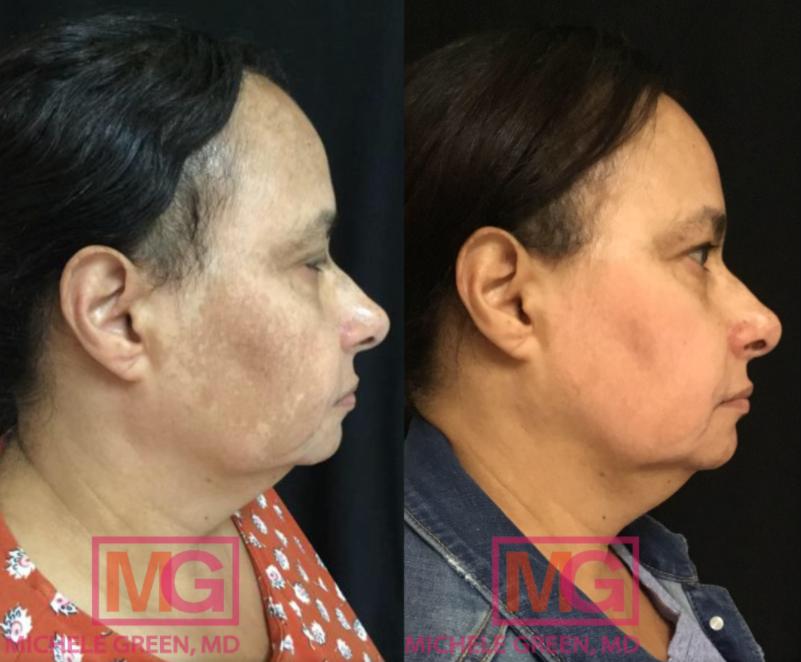
Some patients reach their midlife and start to experience perimenopause and menopause; they ask if this can trigger hormonal melasma. Unfortunately, both can trigger or worsen hormonal melasma, though the relationship is more complex than with pregnancy or birth control. During perimenopause, hormone levels fluctuate erratically before eventually declining, and these unpredictable shifts can stimulate melanocytes, leading to new or worsening discoloration. Once a woman has reached menopause and estrogen levels have stabilized at a lower baseline, some patients find that their melasma gradually improves, while others who begin hormone replacement therapy to manage menopausal symptoms may see their discoloration persist or return.
Hormone replacement therapy (HRT) can cause or worsen melasma by reintroducing estrogen and, in many cases, progesterone into the body. For women who experienced melasma during pregnancy or while taking oral contraceptives earlier in life, HRT can reactivate the same sensitized melanocytes, leading to a resurgence of dark spots and discoloration. This doesn’t mean patients need to avoid HRT altogether, but it does mean that diligent sun protection and a proactive skin care routine become especially important while on hormone therapy. Dr. Green frequently works with patients on HRT to develop a treatment plan that addresses melasma without interfering with their hormone regimen.
Melasma and Thyroid disorders
There appears to be a link between thyroid disorders and melasma, with some studies suggesting that thyroid disease, including hypothyroidism, is significantly more common among patients with melasma than in the general population. The exact mechanism isn’t fully understood, but because thyroid hormones regulate melanocyte activity, an underactive or imbalanced thyroid may contribute to hormonal imbalances that lead to excess pigment production. Patients with persistent or treatment-resistant melasma, especially those with other symptoms of thyroid dysfunction such as fatigue or unexplained weight changes, may benefit from having their thyroid function evaluated by their primary care physician. While more research is needed to determine whether thyroid problems cause hormonal melasma, addressing an underlying thyroid disorder can be an important first step in a comprehensive treatment plan to minimize hormonal melasma.
Why do women get hormonal melasma more than men?
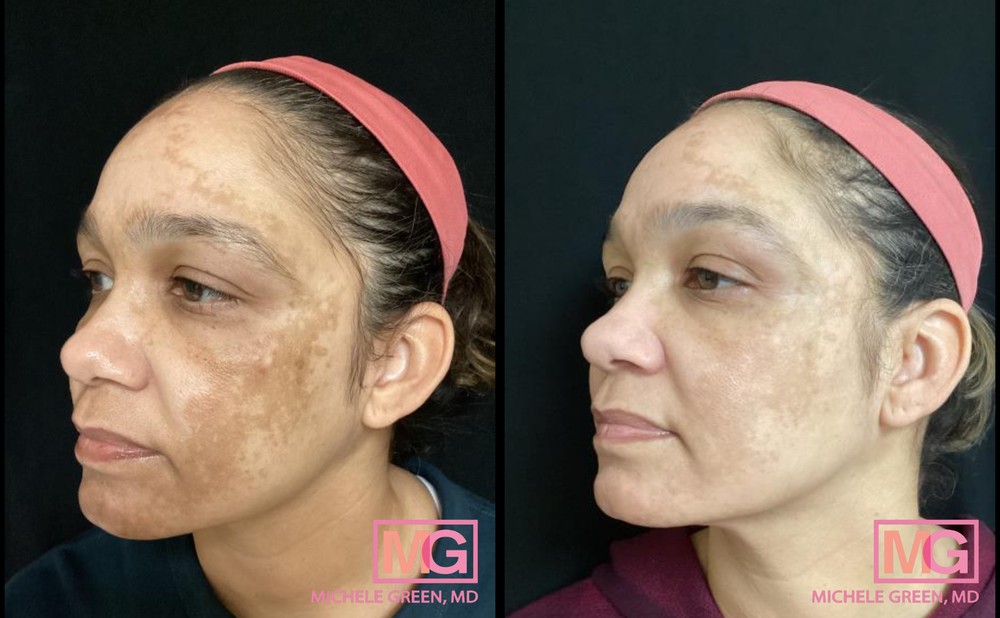
Hormonal melasma affects women far more often than men, largely because the hormonal changes most closely linked to the condition, including pregnancy, oral contraceptive pills, and hormone replacement therapy, are far more common in women. Estrogen and progesterone directly stimulate melanocyte activity, and women naturally experience greater fluctuations in these hormones throughout their reproductive years and into menopause. Women also make up the majority of patients using hormonal birth control and fertility treatments, both of which can trigger or worsen melasma. Genetics and skin tone also contribute, since melasma tends to appear more frequently in women with medium to darker complexions.
Does hormonal melasma ever go away completely on its own?
Hormonal melasma can fade substantially on its own in some patients, particularly when the underlying hormonal trigger resolves, such as after childbirth or after discontinuing oral contraceptive pills. However, for many patients, hormonal melasma becomes a long-term skin concern that can persist for years, especially if hormonal changes continue or sun protection isn’t consistently maintained. Even when melasma fades naturally, the underlying sensitivity of the skin’s melanocytes often remains, so that discoloration can resurface with future hormonal shifts or sun exposure. For most patients, achieving a consistently clear complexion requires an active treatment plan rather than waiting for the condition to resolve on its own.
Best Cosmetic Treatments for Hormonal Melasma
Because hormonal melasma is especially sensitive to heat and inflammation, Dr. Green typically avoids standard laser treatments, which can worsen the condition, and instead favors a combination of topical treatments, chemical peels, microneedling, and microdermabrasion tailored to each patient’s skin tone and hormonal history. Cosmelan is one of the most effective in-office treatments Dr. Green offers for hormonal melasma. It’s a professional-grade depigmentation mask that combines ingredients like azelaic acid and kojic acid to significantly reduce melanin production. It’s typically paired with a customized at-home maintenance regimen to sustain results over time. Mesopeel is another chemical peel option Dr. Green may recommend, using a targeted blend of exfoliating and brightening acids to gently resurface the skin and fade discoloration with minimal downtime. For patients looking for a non-peel alternative, microneedling combined with a depigmentation serum can help deliver brightening ingredients deeper into the skin while stimulating collagen production, further improving both tone and texture.
Hydroquinone is often a first-line topical treatment that inhibits melanin production and fades existing dark spots. At the same time, prescription-strength tretinoin accelerates skin cell turnover, revealing a more even complexion beneath the surface. The two are sometimes combined with low-dose corticosteroids to further reduce inflammation and pigment production. Other effective topical ingredients include azelaic acid and kojic acid, both of which inhibit the enzyme responsible for melanin production, as well as niacinamide and vitamin C, which brighten the skin and protect against oxidative stress. Alongside these targeted treatments, daily use of a broad-spectrum sunscreen with zinc oxide is non-negotiable for patients with hormonal melasma, since even minor UV exposure can undo months of progress. Dr. Green will design a personalized combination of these approaches based on each patient’s skin tone, hormonal triggers, and treatment goals.
Frequently Asked Questions (FAQs) and Melasma
Can hormonal melasma appear in men with low testosterone or other hormone issues?
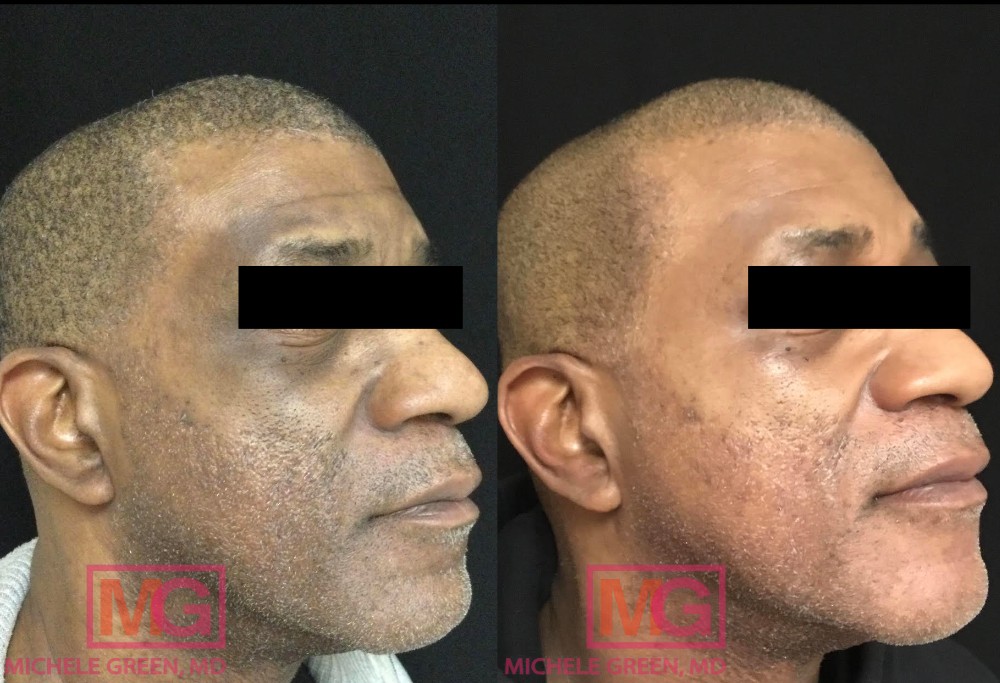
While hormonal melasma is far less common in men, it can still occur, particularly in men undergoing hormone therapy or those with underlying hormonal imbalances, such as low testosterone or thyroid disorders. Because men generally experience far smaller fluctuations in estrogen and progesterone than women, hormonal triggers tend to play a smaller overall role in male melasma, with sun exposure and genetics often being more significant factors. That said, any man who notices new or worsening dark spots on the face should be evaluated by a board-certified dermatologist, such as Dr. Green, since an accurate diagnosis is the only way to determine whether hormonal changes are truly contributing to the discoloration.
Does melasma come back if you get pregnant again?
Yes, melasma is highly likely to recur with subsequent pregnancies, and it often appears more quickly and more intensely each time. This is because the same hormonal changes responsible for the original mask of pregnancy recur, and melanocytes that have previously been sensitized tend to react more readily to renewed hormonal stimulation. Women who have had melasma during a prior pregnancy should be especially diligent about applying broad-spectrum sunscreen and limiting UV exposure throughout future pregnancies to minimize the severity of recurrence. Consulting with Dr. Green between pregnancies can also help patients establish a proactive skin care routine to minimize discoloration.
Why does hormonal melasma get worse with sun exposure?
UV exposure is a major factor in worsening hormonal melasma because ultraviolet rays directly stimulate melanocytes to produce more melanin as a protective response. In patients whose melanocytes are already sensitized by hormonal changes, even brief, incidental sun exposure can darken existing patches or trigger the formation of new ones. This is why daily use of broad-spectrum sunscreen with zinc oxide is considered one of the most essential steps in managing hormonal melasma, both to prevent new discoloration and to protect the results of any professional treatment. Dr. Green consistently emphasizes that even the most effective in-office procedures can be undermined by inadequate sun protection.
What’s the difference between hormonal melasma and sun-induced melasma?
While all melasma involves both hormonal and environmental influences, hormonal melasma is primarily driven by internal shifts in estrogen and progesterone, such as those from pregnancy, oral contraceptive pills, or perimenopause. By contrast, sun-induced melasma and other forms of sun spots develop mainly from cumulative UV exposure over time without a clear hormonal trigger. Hormonal melasma tends to appear more suddenly, often coinciding with a specific hormonal event, and it’s more likely to affect women of reproductive age. Sun-induced discoloration, by contrast, tends to develop more gradually and can affect anyone regardless of hormonal status, with a stronger correlation to years of unprotected sun exposure. Distinguishing between the two is clinically important, as treatment approaches can vary depending on which factors primarily drive the discoloration. Dr. Green’s expertise allows her to identify the underlying cause during an in-person evaluation.
Can stress-related hormone changes cause melasma?
Chronic stress can indirectly influence hormonal melasma by elevating cortisol and disrupting the delicate balance of other hormones, including estrogen and progesterone. While stress alone is unlikely to cause melasma in someone without other risk factors, it can act as an additional trigger in patients who are already predisposed due to genetics, pregnancy, hormonal birth control, or thyroid disorders. Managing stress through adequate sleep, exercise, and healthy lifestyle habits won’t replace targeted melasma treatment. Still, it can complement a broader skin care routine focused on calming hormonal imbalances and protecting the skin from further discoloration.
How to remove your melasma today with Dr. Green
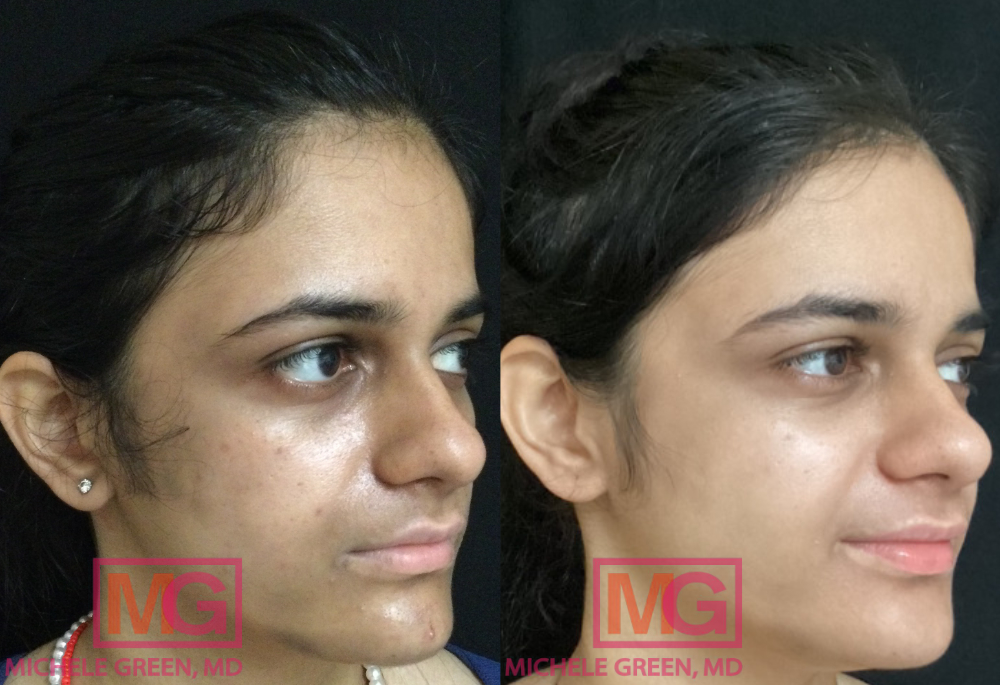
Hormonal melasma can be one of the most persistent and frustrating forms of facial discoloration, largely because its triggers, including pregnancy, oral contraceptive pills, hormone replacement therapy, perimenopause, and thyroid disorders, are closely tied to the body’s natural hormonal changes. The good news is that with an accurate diagnosis and a treatment plan tailored to the underlying cause, patients can achieve significant improvement in their skin tone and reduce the likelihood of recurrence. This is exactly the kind of individualized care Dr. Michele Green provides to her patients in New York City.
Dr. Michele Green is an internationally recognized board-certified dermatologist with over 25 years of experience helping patients manage melasma, hormonal imbalances, and other stubborn discoloration at her private practice on Manhattan’s Upper East Side. Recognized by Castle Connolly, The New York Times, Super Doctors, and New York Magazine as one of NYC’s leading dermatologists, Dr. Green combines advanced in-office treatments with customized skin care to help every patient achieve clear, even-toned skin. To learn more about treating your hormonal melasma, schedule a consultation with Dr. Green by contacting us online or calling her New York City office at 212-535-3088.


