


Chemical Peel vs. HydraFacial
Chemical peels and HydraFacials are two of the most popular and sought-after facial treatments available today, each with a devoted following and a strong track record of delivering real, visible results. Both treatments are staples in professional skincare and can address a broad range of skin concerns, from dullness and uneven skin tone to hyperpigmentation, fine lines, acne scars, and sun damage. While they share some benefits, they approach skin rejuvenation in fundamentally different ways — and understanding those differences is key to making the best decision for your skin goals. Whether you are exploring your options for the first time or looking to refine your existing skincare routine, board-certified dermatologist Dr. Michele Green in New York City can help you navigate the choices and find the most effective path to radiant skin.
A chemical peel is a medical-grade skin-resurfacing treatment in which a provider applies a carefully formulated chemical solution — typically containing acids such as glycolic, lactic, salicylic, or TCA — to remove dead skin cells from the outer layers and stimulate cell turnover and collagen production. Chemical peels range from superficial peels, which refresh only the top layer of skin with minimal downtime, to deep peels that penetrate multiple layers of skin for more dramatic resurfacing results. By contrast, a HydraFacial is a multi-step treatment that uses a patented vortex device to cleanse, exfoliate, extract impurities, and infuse the skin with customized serums containing ingredients such as hyaluronic acid and antioxidants. The result is deeply hydrated, glowing skin that looks and feels refreshed immediately after treatment. Depending on your skin type, condition, and goals, one or both of these treatments may be right for you. Board-certified dermatologist Dr. Michele Green is here to help you build the ideal treatment plan.
Dr. Michele Green is a board-certified dermatologist with over 25 years of experience delivering the most advanced, personalized skincare treatments to patients in New York City. Based in her private dermatology office on Manhattan’s Upper East Side, Dr. Green is internationally recognized as a leader in cosmetic dermatology and is consistently named among NYC’s top dermatologists by Castle Connolly, New York Magazine, Super Doctors, and The New York Times. With a deep commitment to individualized care, Dr. Green takes a holistic, less-is-more approach to facial rejuvenation, helping each patient develop a customized treatment plan that reflects their skin goals, concerns, and lifestyle. Whether you are considering a HydraFacial, a chemical peel, or a combination of both, Dr. Green has the expertise to help you achieve and maintain your most radiant, healthy skin.
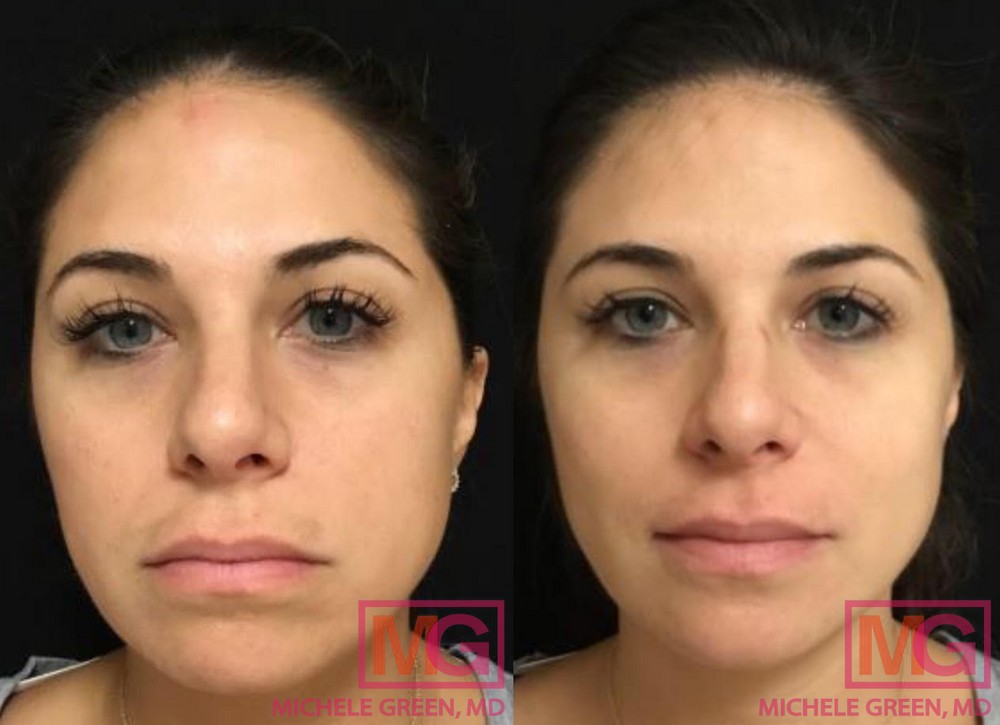
What is a chemical peel?
Chemical peels are among dermatology’s most time-tested and effective anti-aging skin treatments, designed to improve the appearance and texture of the skin by removing dead skin cells from its outer layers. During a chemical peel, a provider applies a chemical solution — most commonly containing glycolic acid, lactic acid, salicylic acid, or trichloroacetic acid (TCA) — to the skin’s surface, triggering controlled exfoliation that prompts the body’s natural skin renewal response and stimulates collagen production, ultimately revealing a smoother, more even complexion beneath. Chemical peels are categorized by their depth of penetration: superficial peels address only the top layer of skin and are ideal for mild concerns like dullness and minor pigmentation; medium-depth peels treat moderate hyperpigmentation, sun damage, acne scars, and fine lines; and deep peels target deeper skin layers for the most dramatic resurfacing results, though they require more downtime and carry greater risks, particularly for sensitive skin. The right peel depth depends on a patient’s skin type, skin condition, and treatment goals — which is why consulting an experienced, board-certified dermatologist like Dr. Michele Green in NYC is so important for achieving the best results safely.
What is a HydraFacial?
The HydraFacial is a multi-step, medical-grade facial treatment that uses a specialized vortex-suction device to cleanse, exfoliate, extract impurities, and deeply infuse the skin with nourishing serums — all in a single session. The treatment consists of three core steps: a gentle cleanse and exfoliation to remove dead skin cells; a painless extraction step that unclogs pores and removes impurities; and a final infusion of targeted skincare products such as hyaluronic acid, antioxidants, and peptides, with optional boosters available to address specific concerns like hyperpigmentation, fine lines, and acne. One of the HydraFacial’s greatest strengths is its versatility — it is suitable for virtually every skin type, including sensitive skin, requires no downtime, and delivers an immediate glow and visibly improved skin texture right after treatment, making it an excellent option for both one-time skin rejuvenation and regular monthly maintenance. Dr. Michele Green, a board-certified dermatologist in NYC, recommends the HydraFacial as part of a comprehensive skincare plan for patients seeking lasting skin health with minimal disruption to their daily routine.
Is a HydraFacial a chemical peel?
Although both treatments address many of the same skin concerns, a HydraFacial is not a chemical peel — and the distinction matters when choosing between them. A chemical peel involves the controlled application of a chemical solution — such as glycolic, lactic, salicylic, or TCA — to the skin. It dissolves the bonds between dead skin cells, peeling away the outer layers to reveal fresher skin beneath. The depth of a peel depends on the type of acid used and its concentration, with superficial peels targeting only the top layer of skin and deep peels penetrating multiple layers for more dramatic resurfacing. A HydraFacial, by contrast, uses a patented vortex suction device to gently mechanically exfoliate while simultaneously infusing the skin with custom serums, hydrating ingredients such as hyaluronic acid, and antioxidants. No chemical solution is applied in the traditional sense during a HydraFacial; rather, the treatment cleanses and nourishes the skin in one seamless step. In dermatology, the two treatments belong to different categories: chemical peels are skin-resurfacing treatments, while HydraFacial is a hydrating, non-ablative facial treatment. Both can be performed at a med spa or a dermatologist’s office. Still, deeper chemical peels should always be administered by a trained provider such as Dr. Michele Green, a board-certified dermatologist in NYC.

Are chemical peels and HydraFacials safe for all skin types?
Chemical peels and HydraFacials are generally safe treatments, but they differ significantly in their compatibility with different skin types. HydraFacials are considered safe for virtually all skin types, including sensitive skin and darker skin tones, and even for those with conditions like rosacea, because the treatment is non-irritating and non-ablative and does not cause inflammation or post-inflammatory hyperpigmentation. Chemical peels require more careful consideration — while Mesopeels and Cosmelan peels are well-tolerated by most skin types, medium and deep peels, particularly those using TCA, may not be appropriate for sensitive skin or darker skin tones due to an increased risk of irritation, prolonged redness, and post-inflammatory hyperpigmentation. Regardless of skin type, it is essential to consult with an experienced, board-certified dermatologist like Dr. Michele Green in NYC before undergoing any chemical peel to ensure the right formulation and strength are selected for your specific skin condition, minimizing the risk of side effects and maximizing results.
Is there downtime with chemical peels and HydraFacials?
Downtime varies significantly between chemical peels and HydraFacials, making it an important factor when choosing between the two treatments. HydraFacials require virtually no downtime — most patients experience little to no redness after treatment and can return to normal activities, including wearing makeup, immediately afterward, making it one of the most convenient professional skin treatments available. Chemical peels, on the other hand, involve varying degrees of downtime depending on the peel’s depth. Superficial peels using glycolic or lactic acid typically cause mild redness and light flaking for a few days, while salicylic acid peels may produce similar mild side effects, including some dryness. Medium-depth peels generally involve more noticeable peeling, redness, and sensitivity for one to two weeks, and patients are advised to avoid sun exposure and stick to gentle skincare products during the recovery period. Deep peels, such as high-concentration TCA peels, carry the most significant downtime — patients can expect significant peeling, swelling, and redness for two weeks or more, along with strict aftercare requirements, including diligent sunscreen use and avoidance of direct sun exposure. Regardless of peel depth, proper post-treatment care is essential to protect the new skin layer and maintain results. Dr. Michele Green, a board-certified dermatologist in NYC, will provide detailed aftercare instructions tailored to your specific treatment and skin type.
How many sessions of chemical peels or HydraFacials will I need?
The number of sessions needed varies by treatment, your skin concerns, and the results you hope to achieve. For HydraFacials, most patients see noticeable improvements after a single session. However, monthly treatments are typically recommended for long-lasting improvement, making them an easy addition to a regular skincare routine. For chemical peels, the number of sessions depends largely on the peel’s depth and the severity of the skin concerns being addressed. Superficial peels, such as those using glycolic or lactic acid, are often performed in a series of four to six treatments spaced two to four weeks apart to achieve optimal improvement in skin tone, texture, and pigmentation. Medium-depth peels may require fewer sessions because they penetrate more deeply and deliver more significant results with each treatment. In contrast, a single deep peel can produce dramatic resurfacing that lasts for years.
Which is better, HydraFacial or chemical peel?
The honest answer is that neither treatment is universally better — the right choice depends entirely on your individual skin concerns, skin type, lifestyle, and skin goals. Chemical peels are the stronger option for patients with significant skin concerns, such as moderate to severe hyperpigmentation, deep acne scars, pronounced sun damage, and uneven texture that require substantial resurfacing. Because chemical peels remove layers of skin and stimulate collagen production deep within the skin, they can produce more dramatic and longer-lasting improvements for these concerns — though they come with more significant side effects and downtime than a HydraFacial. A HydraFacial, on the other hand, is the better choice for patients seeking immediate improvements in hydration, skin tone, and overall radiance without downtime. It is also an excellent option for patients with sensitive skin who cannot tolerate the irritation associated with chemical peels. For many patients, the ideal approach is a combination of both treatments — using chemical peels periodically for deeper skin resurfacing and incorporating regular HydraFacial sessions to maintain hydration, skin health, and that coveted immediate glow between peel appointments.
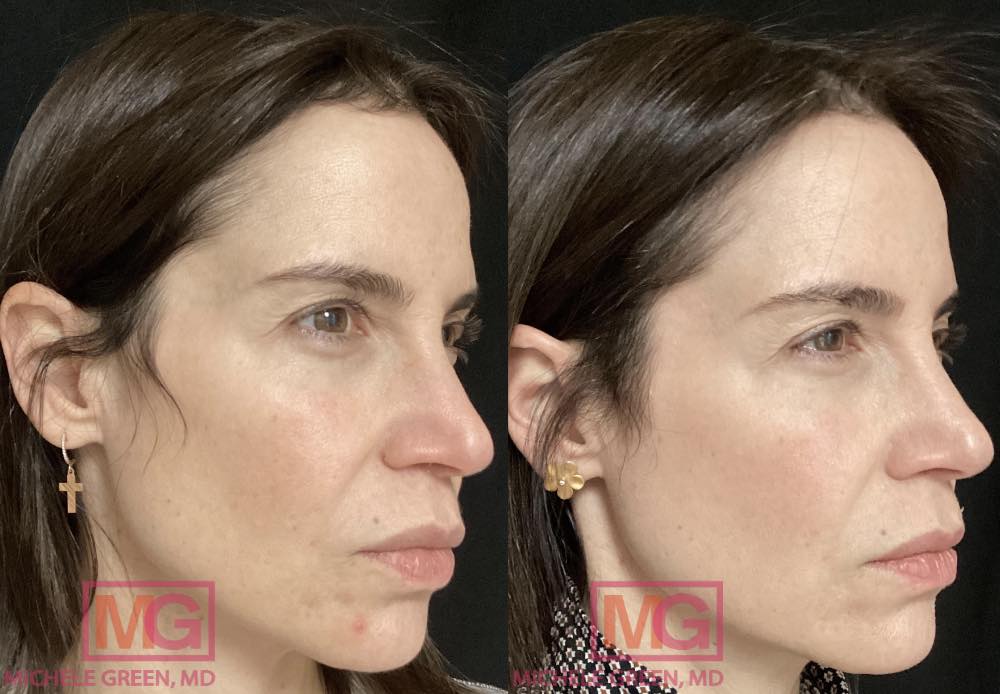
Is a chemical peel or HydraFacial better for acne?
For patients with active acne and acne scars, both chemical peels and HydraFacial treatments can be effective, though they address acne through different mechanisms. Chemical peels — particularly those formulated with salicylic acid — are well-suited for acne-prone skin because salicylic acid is lipophilic, meaning it penetrates oil-filled pores to dissolve sebum, bacteria, and debris that contribute to breakouts. Regular chemical peel treatments can significantly reduce active acne, minimize pore size, improve post-inflammatory hyperpigmentation, and smooth the appearance of acne scars over time. Glycolic and lactic acid peels also support acne management by accelerating cell turnover and keeping pores clear of dead skin cells. HydraFacial treatments, while gentler, are also beneficial for acne-prone skin: the extraction step helps clear clogged pores and remove impurities without traumatizing the skin, and the serums infused during treatment can include ingredients that target inflammation and acne-causing bacteria. For patients with both active acne and acne scars, an experienced provider like Dr. Michele Green, a board-certified dermatologist in NYC, can develop a personalized treatment plan that strategically combines treatments to achieve clear, smooth skin.
Is a HydraFacial better than a chemical peel for hyperpigmentation?
For treating hyperpigmentation, chemical peels generally have the edge over HydraFacials. However, both treatments can play a valuable role depending on the severity of the pigmentation and the patient’s skin type. Chemical peels — particularly those formulated with glycolic acid, lactic acid, TCA, or salicylic acid — work by removing the outer layers of skin where excess melanin is concentrated, accelerating cell turnover and revealing fresher, more evenly pigmented skin beneath. Over a series of treatments, chemical peels can produce significant improvements in dark spots, sun damage, post-inflammatory hyperpigmentation, and uneven skin tone that a HydraFacial alone may not achieve. That said, HydraFacial treatments can meaningfully support hyperpigmentation correction through targeted boosters — such as those containing vitamin C, tranexamic acid, or brightening peptides — infused directly into the skin during treatment to help reduce pigmentation and promote a more even complexion. For patients with sensitive skin or darker skin tones who may not be ideal candidates for more aggressive chemical peels, a HydraFacial with brightening boosters can be a gentler yet still effective alternative. In many cases, the best approach to hyperpigmentation is a combination of both treatments, using chemical peels for deeper pigmentation correction and HydraFacial sessions to maintain and enhance results over time.
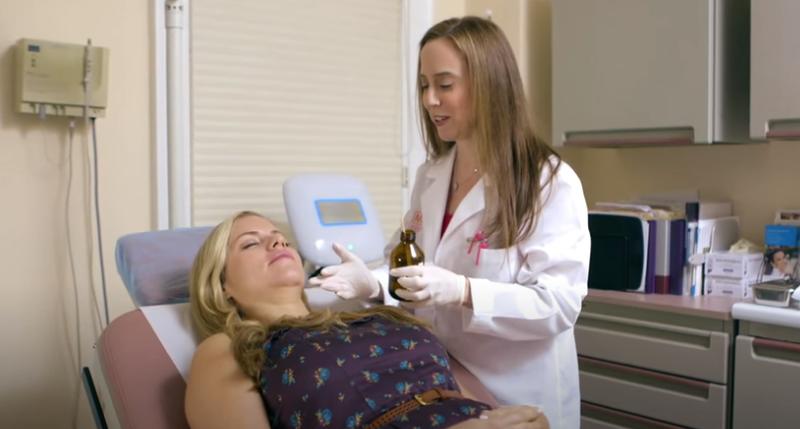
Can I get a HydraFacial after a chemical peel?
Yes, you can get a HydraFacial after a chemical peel — but timing is everything. After a superficial peel, patients are typically advised to wait one to two weeks before a HydraFacial to allow the skin to heal and for any flaking, redness, or sensitivity to resolve. After a medium or deep peel, the waiting period should be longer—generally 4 to 6 weeks, or until the skin has fully recovered and the new layer is no longer vulnerable. Attempting a HydraFacial too soon after a chemical peel can over-exfoliate the skin, compromise its barrier, and lead to unwanted irritation or side effects. Once the skin has healed, however, combining a HydraFacial with chemical peel treatments is an effective strategy: the HydraFacial’s deep hydration and serum infusion can help replenish moisture and support skin health following the resurfacing effects of a peel. Dr. Michele Green, a board-certified dermatologist in NYC, can advise you on the ideal timing and sequencing of skin treatments based on your individual skin condition, ensuring you get the best results from both treatments safely.
Which is a better cost, chemical peel or HydraFacial?
The cost of chemical peels and HydraFacial treatments can vary widely depending on the provider, location, peel depth or type, and any add-on boosters or customizations included in the HydraFacial. Generally, superficial chemical peels are on the lower end of the cost spectrum. In contrast, medium and deep peels — particularly TCA peels — are more expensive due to their complexity and the expertise required to administer them safely. HydraFacial treatments typically fall in the mid-range price point for professional facials; however, when add-on boosters targeting specific skin concerns are included, the cost can increase. It is also worth factoring in the cost of post-peel recovery skincare products, such as sunscreen, gentle moisturizers, and any medical-grade products recommended by your provider. When evaluating cost, it is important to consider not just the upfront price but also the frequency of treatments needed and the long-term results you can expect. For some patients, the deeper, longer-lasting results of a chemical peel may represent better value in the long run. Others may find that monthly HydraFacial sessions best support their ongoing skin goals. Consulting with a board-certified dermatologist like Dr. Michele Green in NYC will give you a clear picture of the most cost-effective treatment plan for your specific skin needs and budget.
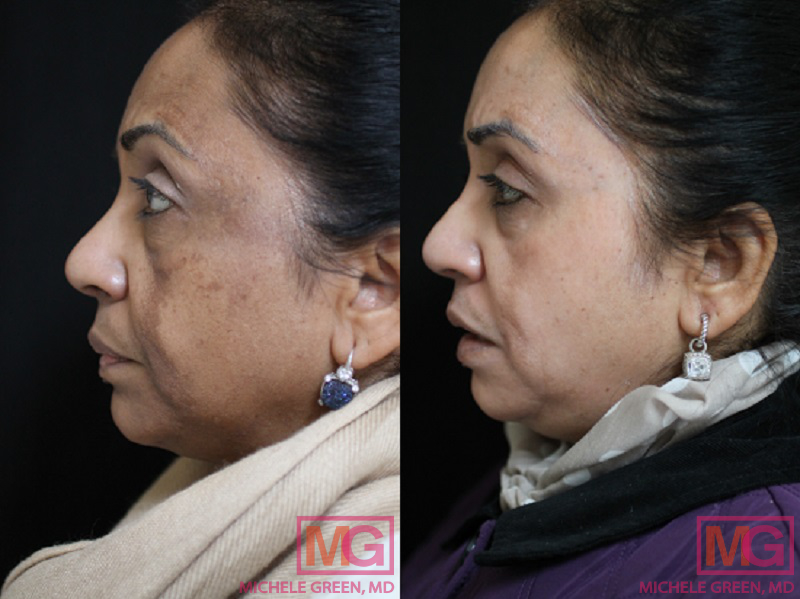
How do I get started with a chemical peel or HydraFacial Today?
Choosing between a chemical peel and a HydraFacial comes down to your skin concerns, skin type, and what you want to achieve. If your primary goals involve correcting hyperpigmentation, dark spots, acne scars, sun damage, or significant uneven texture, chemical peels — using glycolic, lactic, salicylic, or TCA formulations — are likely the more effective solution. They perform real skin resurfacing by removing dead skin cells and stimulating collagen production, though they do come with some downtime, including flaking, redness, and sensitivity. If your concerns are more focused on dryness, dullness, or general skin health maintenance — or if you have sensitive skin — the HydraFacial is likely your best match. It delivers deep hydration, pore-cleansing, and an immediate glow with no downtime, and is compatible with virtually all skin types. Many patients ultimately benefit from both treatments as part of a comprehensive skincare routine. The best way to determine the right approach for your unique skin needs is to schedule a consultation with Dr. Michele Green, a board-certified dermatologist in NYC, who will evaluate your skin type, skin condition, and goals to build the ideal treatment plan for you.
Dr. Michele Green is an internationally recognized, board-certified cosmetic dermatologist with over 25 years of experience helping discerning men and women in New York City achieve their best skin with cutting-edge, non-invasive treatments, including chemical peels, HydraFacials, laser hair removal, and resurfacing lasers. Consistently named among NYC’s top dermatologists by Castle Connolly, New York Magazine, Super Doctors, and The New York Times, Dr. Green brings unparalleled expertise, meticulous attention to detail, and a genuine passion for patient care to every consultation and treatment. Her private dermatology practice on Manhattan’s Upper East Side offers the full spectrum of medical-grade skincare treatments — from superficial peels and deep chemical resurfacing to HydraFacial, microneedling, laser treatments, and customized skincare routines — all tailored to each patient’s unique skin type, condition, and aesthetic goals. If you are ready to discover the right treatment for your skin and take the first step toward radiant, healthy skin, please contact us online or call Dr. Green’s NYC-based office at 212-535-3088 today.


