


Dermatologist-Recommended Summer Skincare: Your Complete Guide
Summer is one of the most exciting seasons of the year — but it also puts your skin through its paces. With intense UV rays, higher humidity, heat, sweat, and more time spent outdoors, your skin faces unique stressors that can lead to sunburn, breakouts, dark spots, and accelerated aging if left unaddressed. A solid summer skincare routine is not just about looking good; it is about protecting your long-term skin health and preventing damage that can be difficult to reverse. From choosing the right broad-spectrum SPF 30 or higher to adjusting your moisturizer and cleanser, there are several simple yet impactful steps you can take to keep your skin healthy and glowing all summer long. Dr. Michele Green, a board-certified dermatologist in NYC, recommends a proactive, season-specific skincare approach to her patients each summer.
Sun protection is the cornerstone of any dermatologist-recommended summer skincare plan, but it is far from the only consideration. Antioxidants, hydration, lightweight formulas, and thoughtful exfoliation all help your skin adapt to the warmer months. Whether you are dealing with oily skin that becomes shinier in the heat, sensitive skin that reacts to sunscreen or sweat, or pigmentation concerns that worsen with UV exposure, there are targeted solutions to help. In-office treatments such as chemical peels, HydraFacial, and Microneedling can also complement your at-home routine by addressing concerns like hyperpigmentation, dryness, and uneven skin texture. Dr. Michele Green offers personalized summer skincare consultations and a range of dermatologist-recommended treatments to help patients look and feel their best year-round.
What do dermatologists recommend for summer skincare?
When it comes to summer skincare, board-certified dermatologists consistently emphasize a few key pillars: daily sun protection, lightweight hydration, gentle cleansing, and antioxidant support. The most important step is to apply a broad-spectrum sunscreen every morning — and reapply it throughout the day. Beyond sunscreen, dermatologists recommend switching to lighter formulas in the summer to avoid clogged pores and breakouts that heavy creams can cause in the heat. A gentle foaming cleanser, used in the morning and evening, helps remove sweat, excess oil, and environmental debris without compromising the skin barrier. Adding a vitamin C serum in the morning under your sunscreen can provide an extra layer of protection against free radicals generated by UV exposure. At the same time, hyaluronic acid helps maintain hydration without heaviness. Dr. Michele Green works with her patients to develop customized summer skincare routines tailored to their individual skin types and concerns, ensuring every recommendation is evidence-based and practical.
Should you change your skincare routine in summer?
The short answer is yes. Most people should adjust their skincare routine when summer arrives. Changes in temperature, humidity, and UV intensity mean that products that worked well in winter may not be the best fit in July. Heavier creams that provided much-needed moisture during cold, dry months can feel occlusive and pore-clogging in summer heat, leading to breakouts and excess shine. Dermatologists generally recommend switching to lighter, water-based moisturizers and gel-based cleansers during warmer months. Exfoliation should also be approached with more care in summer, as freshly exfoliated skin can be more susceptible to sun damage — always follow exfoliation with sunscreen. For those dealing with conditions like rosacea or eczema, summer heat and sweat can trigger flares, making a thoughtful seasonal adjustment especially important. If you are unsure how to adapt your regimen, consulting a board-certified dermatologist like Dr. Michele Green is the best way to get a personalized plan.
What SPF do dermatologists recommend for summer?
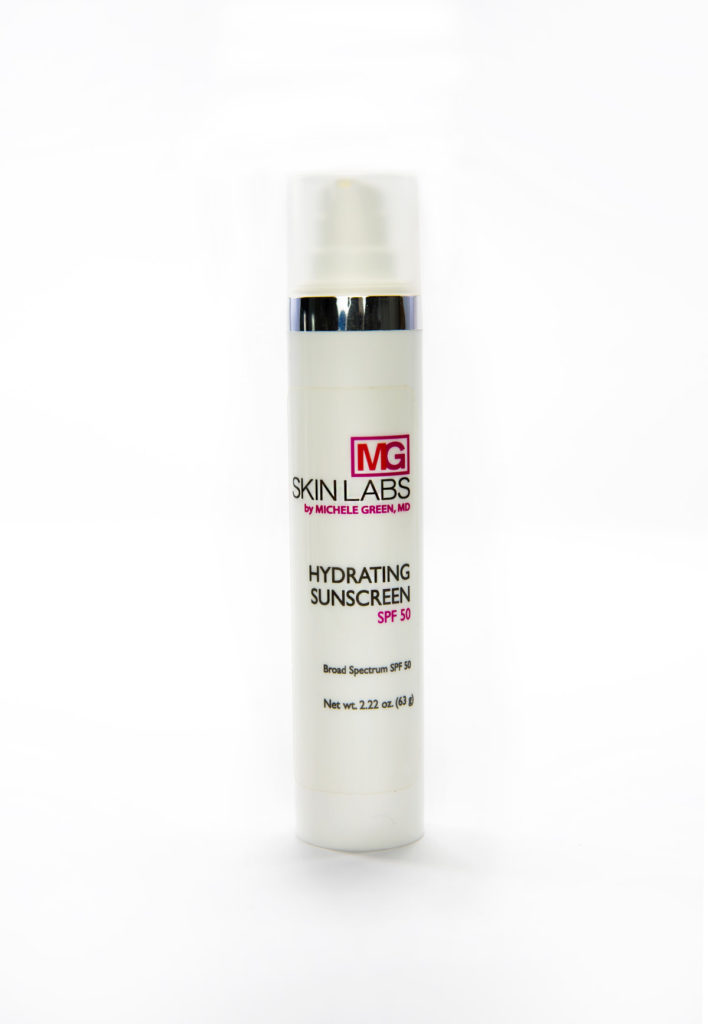
Dermatologists universally recommend using a broad-spectrum SPF 30 at a minimum during the summer months, with many advising SPF 50 or higher for outdoor activities, water sports, or individuals with fair skin, a history of skin cancer, or active hyperpigmentation concerns. Broad-spectrum sunscreens protect against both UVA rays, which cause premature aging and pigmentation, and UVB rays, which cause sunburn and increase the risk of skin cancer. The American Academy of Dermatology recommends broad-spectrum SPF 30 or higher for daily use. Still, Dr. Michele Green often advises her patients to opt for SPF 50 in the summer, particularly when spending extended time outdoors, to ensure more complete protection throughout the day. Products such as the MGSKINLABs SPF 50 Hydrating Sunscreen help meet these skin-protective benchmarks.
How do dermatologists recommend applying sunscreen?
Proper sunscreen application is just as important as choosing the right product — yet many people apply far less than needed for adequate sun protection. Dermatologists recommend about a nickel-sized amount for the face and a shot glass (approximately one ounce) for the body. Chemical sunscreens should be applied at least 15 minutes before sun exposure, while mineral sunscreens with zinc oxide or titanium dioxide provide immediate protection. It is equally important to cover all exposed areas, including the ears, neck, hands, and the tops of the feet — areas that are often missed. For the most reliable protection, Dr. Michele Green advises her patients to make sunscreen the last step of their morning skincare routine, applied after moisturizer and serum and before makeup, if applicable.
How often should you reapply sunscreen?
Reapplying sunscreen is one of the most overlooked steps in summer skincare, yet it is essential for maintaining effective sun protection throughout the day. Dermatologists recommend reapplying sunscreen every two hours when outdoors, and immediately after swimming, sweating heavily, or towel-drying. Even water-resistant sunscreens lose their efficacy after about 40 to 80 minutes of water exposure, so reapplication is critical for anyone spending time in the pool or ocean. For those who wear makeup, SPF-containing setting sprays or powder sunscreens can make midday reapplication easier without disturbing a full face of makeup. Dr. Michele Green emphasizes to her patients that a single morning application of sunscreen is simply not enough during the summer months, especially for those spending time outdoors during peak UV hours between 10 a.m. and 4 p.m.
What skincare ingredients should you avoid in summer?
While summer is a great time to lean into protective, antioxidant-rich skincare, some ingredients warrant extra caution during the warmer, sunnier months. Retinoids — including retinol — can increase photosensitivity, making the skin more vulnerable to sun damage. Many dermatologists advise using them only at night and always following up with strong sun protection. Certain acids, including AHAs such as glycolic acid, can also temporarily increase UV sensitivity and should be used with caution. Fragrance-heavy products and alcohol-based toners can be more irritating in summer, when skin is already dealing with heat and sweat, particularly for those with sensitive skin or rosacea. Dr. Michele Green advises her patients to read ingredient labels carefully and consult a dermatologist before adding potent actives to a summer skincare routine.
What is the best moisturizer for summer, according to dermatologists?
The best summer moisturizer hydrates without feeling heavy, greasy, or pore-clogging. Dermatologists typically recommend lightweight, oil-free, or gel-based moisturizers for summer, especially for those with oily or combination skin. Look for ingredients like hyaluronic acid, which draws moisture into the skin without adding oil, and ceramides, which help reinforce the skin barrier — especially important for those with dry skin, eczema, or skin that becomes dehydrated from air conditioning. Niacinamide is also beneficial in summer moisturizers because it helps control excess oil production and soothe redness. For patients with very oily skin, a moisturizer may feel unnecessary in summer, but skipping it altogether can cause the skin to overproduce oil in response to perceived dryness. Dr. Michele Green helps her patients find the right moisturizer for their specific skin type and summer environment.
What are the best antioxidant serums for summer?
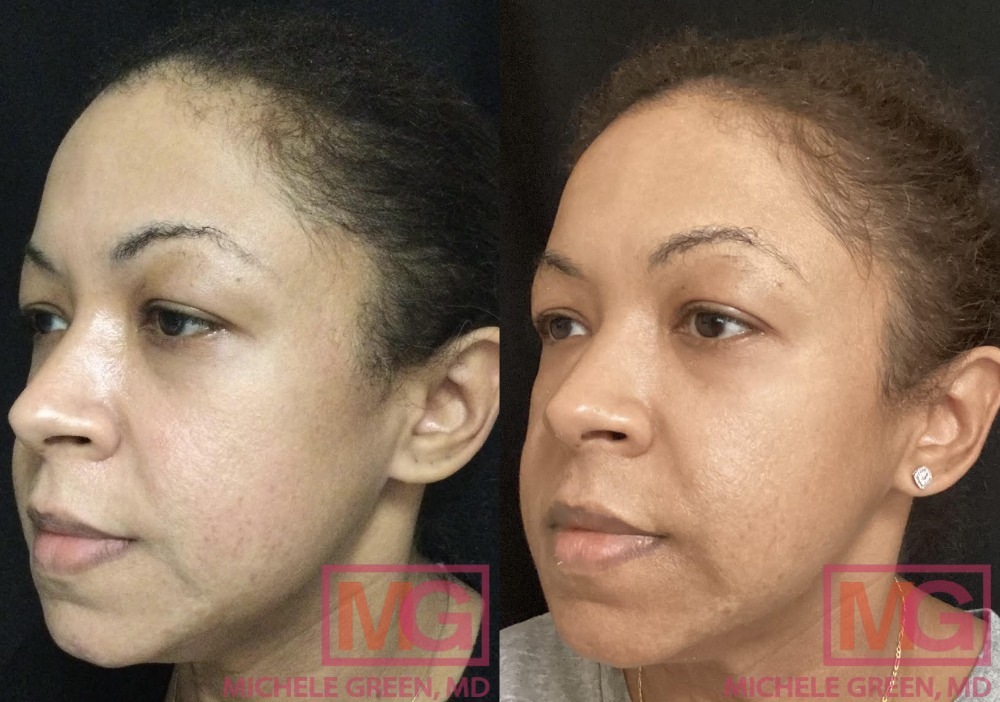
Antioxidant serums are a dermatologist-recommended addition to any summer skincare routine because they help neutralize free radicals — unstable molecules generated by UV exposure and environmental pollution that damage skin cells and accelerate aging. Vitamin C is among the most studied and recommended antioxidants in dermatology; it protects against UV-induced damage, brightens the complexion, reduces the appearance of dark spots, and supports collagen production. Layering a vitamin C serum under a broad-spectrum sunscreen provides a meaningful boost to your daily sun protection. Other antioxidants worth considering include vitamin E, niacinamide, resveratrol, and ferulic acid, which is often paired with vitamin C to enhance its stability and efficacy. Dr. Michele Green recommends incorporating a high-quality antioxidant serum, such as the MGSkinLabs Vita-C-Serum, into the morning skincare routine to complement sunscreen and help defend skin against the heightened UV exposure of summer.
What do dermatologists say about tanning?
Dermatologists are unambiguous on this topic: there is no such thing as a safe tan. A tan is the skin’s response to UV damage. When UV rays penetrate the skin, melanocytes produce more melanin to protect against further injury, resulting in the darker color we associate with a tan. Both UVA and UVB rays cause DNA damage in skin cells, which over time increases the risk of skin cancer, accelerates wrinkle formation, and contributes to hyperpigmentation and uneven skin tone. Self-tanning products containing dihydroxyacetone (DHA) are a dermatologist-approved alternative for achieving a bronzed look without UV exposure. Dr. Michele Green strongly advises her patients against intentional sun tanning or using tanning beds, and she works with patients who have already experienced UV-induced pigmentation to address dark spots and discoloration through a variety of in-office treatments.
How do dermatologists recommend treating sunburn?
Even with the best intentions, sunburns happen — and knowing how to treat them properly can make a significant difference in how quickly and comfortably your skin heals. Dermatologists recommend cooling the skin immediately with cool (not ice-cold) compresses or a cool shower, followed by a gentle, fragrance-free moisturizer to help restore hydration to the damaged skin barrier. Look for soothing ingredients like aloe vera, ceramides, and hyaluronic acid, which can relieve discomfort and support healing. Avoid harsh exfoliants, retinoids, and other active ingredients while the skin is sunburned, as they can further compromise the already-stressed skin barrier. Over-the-counter hydrocortisone cream may help reduce inflammation and discomfort in mild burns. Staying well-hydrated is equally important, as sunburn draws fluid to the skin’s surface. If blistering, fever, or significant pain occurs, Dr. Michele Green recommends seeing a board-certified dermatologist promptly, as these may be signs of a more serious burn requiring medical attention.
How do dermatologists recommend treating heat rash?
Heat rash (also known as miliaria) occurs when sweat ducts become blocked, trapping perspiration and causing inflammation that results in red, itchy bumps or blisters on the skin. It most commonly appears in areas where skin rubs together or where clothing traps sweat, such as the chest, back, underarms, and neck. Dermatologists recommend keeping the affected area cool and dry as the first line of treatment — moving to an air-conditioned environment, wearing loose-fitting, breathable clothing, and avoiding heavy creams or ointments that can further block the sweat ducts. A gentle cleanser can help remove sweat and debris without further irritating the skin. In most cases, heat rash resolves on its own once the skin cools and breathes. However, if heat rash is persistent, widespread, or accompanied by signs of infection, Dr. Michele Green recommends consulting a board-certified dermatologist for an evaluation and appropriate treatment.

Frequently Asked Questions (FAQs) about summer skincare
Can sunscreen prevent skin cancer?
Yes — consistent, daily use of broad-spectrum sunscreen is one of the most effective ways to reduce the risk of skin cancer. UV exposure is the leading cause of both melanoma and non-melanoma skin cancers, and research shows that regular sunscreen use significantly lowers that risk. Dermatologists recommend using a broad-spectrum SPF 30 or higher every day, regardless of the weather, and reapplying every two hours during outdoor activities. In addition to sunscreen, seeking shade, wearing protective clothing, and avoiding peak sun hours provide additional layers of protection.
Is SPF in makeup enough for summer?
While SPF-containing makeup products offer some sun protection, they are typically insufficient as a standalone sunscreen in summer. Most people do not apply enough makeup to achieve the SPF level listed on the label, and coverage is often uneven. Makeup with SPF is a helpful complement to — not a replacement for — a dedicated sunscreen. Dermatologists recommend applying a proper sunscreen beneath your makeup and using SPF setting sprays or powders for convenient midday reapplication.
Are there specific sunscreens for sensitive skin?
Yes — for sensitive skin, dermatologists most often recommend mineral sunscreens formulated with zinc oxide or titanium dioxide because these physical filters are generally less irritating than chemical UV filters. Look for products labeled fragrance-free, hypoallergenic, and non-comedogenic. Tinted mineral sunscreens are also a popular option because they provide some coverage while offering broad-spectrum sun protection with minimal irritation. Those with rosacea, eczema, or reactive skin should be especially careful to avoid sunscreens containing alcohol, fragrances, or oxybenzone, as these ingredients can worsen sensitivity. Dr. Michele Green can help patients with sensitive skin identify the right sunscreen and an overall summer skincare routine for their needs.
Do dermatologists recommend mineral or chemical sunscreen?
Both mineral and chemical sunscreens are considered safe and effective, but they work differently, and each has advantages depending on your skin type and lifestyle. Mineral sunscreens, which contain active ingredients like zinc oxide and titanium dioxide, sit on the skin’s surface and physically block and scatter UV rays. They tend to be better tolerated by sensitive, acne-prone skin and by those with conditions like rosacea. They are effective immediately upon application. Chemical sunscreens absorb UV rays and convert them to heat, and they tend to blend more seamlessly into the skin without the white cast that some mineral formulas leave behind. Dr. Michele Green recommends mineral sunscreens — particularly those containing zinc oxide — for patients with sensitive skin, post-procedure skin, or those prone to pigmentation. In contrast, chemical sunscreens may be a better everyday option for patients who prefer a lightweight, invisible finish.
What cleanser should I use in summer?
In summer, most dermatologists recommend switching to a gentle foaming or gel-based cleanser that effectively removes sweat, sunscreen, and excess oil without over-stripping the skin. A balanced cleanser leaves the skin feeling clean without leaving it tight or dry. Those with dry skin or a compromised skin barrier may prefer a gentle, non-foaming hydrating cleanser even in summer to avoid worsening dryness. Double cleansing in the evening — first with a cleansing oil or balm to remove sunscreen and makeup, then with a gentle water-based cleanser — is a strategy Dr. Michele Green often recommends for thorough yet gentle skin cleansing in summer.
What do dermatologists recommend for oily skin in summer?
Oily skin can become significantly more challenging in summer, as heat and humidity stimulate the sebaceous glands to produce more oil, leading to a shinier complexion and a higher likelihood of breakouts and clogged pores. Dermatologists recommend a consistent routine centered on a gentle foaming cleanser used twice daily to remove excess oil without stripping the skin. Lightweight, non-comedogenic moisturizers and sunscreens are essential — look for gel- or fluid-textured products labeled oil-free. Niacinamide is particularly useful for oily skin in summer, as it helps regulate sebum production, minimize the appearance of pores, and reduce inflammation. Dr. Michele Green may also recommend in-office treatments, such as HydraFacial, for patients with oily skin who want a deeper cleanse and more controlled exfoliation during the summer months.
Can I do chemical peels or other in-office treatments in summer?
Many in-office treatments, including certain chemical peels, HydraFacial, and microneedling, can be performed in summer with proper precautions. However, more aggressive procedures — such as deep chemical peels or ablative laser treatments — may be better suited to fall and winter, when UV exposure is lower, because treated skin is more photosensitive during healing. Gentle, superficial chemical peels and HydraFacial treatments are excellent year-round options that can help address summer skin concerns such as clogged pores, uneven tone, and oily skin. Dr. Michele Green tailors her treatment recommendations to each patient’s skin type, goals, and lifestyle, and provides detailed aftercare guidance to ensure the best possible results, regardless of the season.
Can you use retinol in summer?
Yes, you can use retinol in summer — but with some important precautions. Retinol and other retinoids increase cell turnover, which is excellent for reducing wrinkles and dark spots and improving skin texture. However, the new skin cells they bring to the surface are more sensitive to UV rays. This means that using retinol in summer without adequate sun protection can actually worsen the pigmentation and sun damage you are trying to treat. Dermatologists recommend using retinol only at night during summer, starting slowly if you are a new user, and making SPF 50 an absolutely non-negotiable part of your morning routine. For patients concerned about using retinoids in the summer, Dr. Michele Green can discuss alternative options and timing strategies to help them continue benefiting from this powerhouse ingredient without compromising their skin’s health.
How does UV exposure worsen hyperpigmentation?
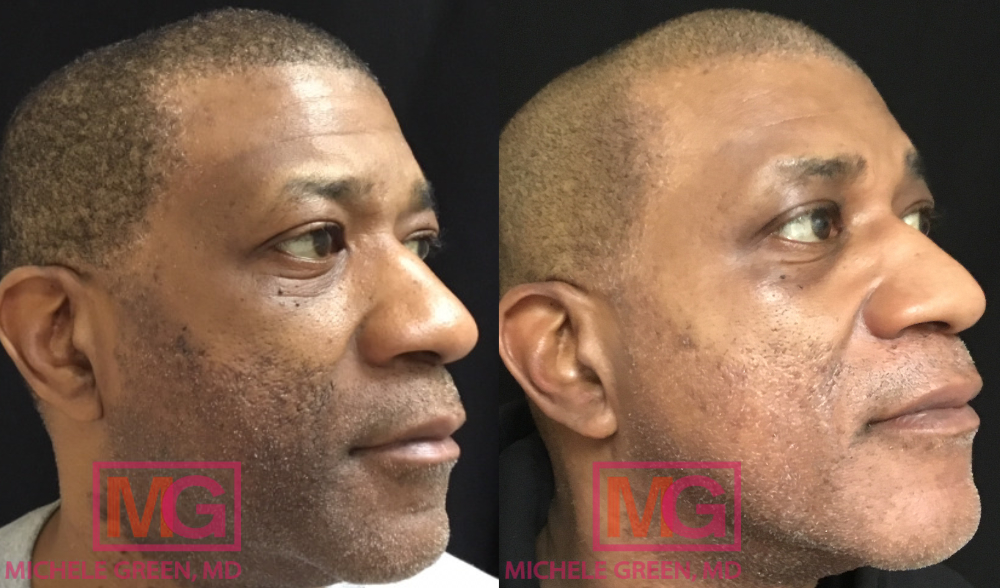
UV exposure is a primary trigger for hyperpigmentation and dark spots. When UV rays hit the skin, they stimulate melanocytes to produce more melanin, which can darken existing dark spots and lead to new patches of discoloration. This is why conditions like melasma — a form of hormonal pigmentation — often flare dramatically in summer. Post-inflammatory hyperpigmentation from acne or other skin trauma can also worsen significantly with sun exposure, making diligent sunscreen use especially critical for anyone dealing with pigmentation concerns. Dr. Michele Green treats hyperpigmentation with a combination of topical agents and in-office procedures tailored to each patient’s skin tone and the severity of their pigmentation.
How do I Get Dermatologist-Recommended Summer Skincare Guidance from Dr. Michele Green Today?
Protecting and caring for your skin in summer requires more than just slapping on sunscreen before a day at the beach. A truly effective summer skincare routine combines daily broad-spectrum sun protection with the right cleanser, moisturizer, antioxidant serum, and targeted treatments tailored to your skin type and concerns. Whether you are managing oily skin, sensitive skin prone to redness, active hyperpigmentation, or simply want to keep your skin as healthy as possible through the warmer months, the guidance of a board-certified dermatologist can make a meaningful difference. From adjusting your use of retinol and exfoliation to choosing between mineral and chemical sunscreens and learning when to seek professional treatment for sunburn or heat rash, summer skincare is nuanced — and Dr. Michele Green is here to help you navigate it with confidence.
Dr. Michele Green is a board-certified dermatologist based in New York City with over 25 years of experience helping patients achieve and maintain healthy, beautiful skin year-round. Her private practice on Manhattan’s Upper East Side offers a full range of medical and cosmetic dermatology services, from personalized skincare consultations and dermatologist-recommended product guidance to advanced in-office treatments, including chemical peels, HydraFacial, microneedling, and more. Dr. Green takes a highly individualized approach to patient care, ensuring that every treatment plan is tailored to each patient’s unique skin type, goals, and lifestyle. If you are ready to elevate your summer skincare routine with expert, dermatologist-recommended guidance, please contact us online or call 212-535-3088 to schedule your consultation with Dr. Michele Green today.


