


Microneedling vs HydraFacial
When it comes to achieving glowing skin, two of the most popular skincare treatments on the market today are microneedling and HydraFacial. Both are celebrated for addressing a wide range of skin concerns — from fine lines and acne scars to dullness, uneven texture, and clogged pores — but they work in very different ways and are best suited to different skin goals. Whether you’re looking for long-term improvement in your skin’s overall structure or a quick, no-downtime refresh before a big event, understanding the distinction between these two treatments is the first step toward choosing the right one for you. Navigating the world of skincare treatments can feel overwhelming, but with the guidance of an experienced provider, finding the best approach for your unique skin needs becomes much more straightforward. Dr. Michele Green, a board-certified dermatologist in NYC, offers both microneedling and HydraFacial treatments to help her patients achieve their best possible results.
Microneedling is a minimally invasive skin treatment that uses tiny needles to create controlled micro-injuries, stimulating the body’s natural healing response to boost collagen and elastin production and improve skin texture, reduce acne scars, and promote overall skin rejuvenation. HydraFacial, on the other hand, is a completely non-invasive facial treatment that combines deep cleansing, gentle exfoliation, and hydration in a single session, infusing the skin with medical-grade serums packed with antioxidants and peptides for an immediate glow with zero downtime. Many patients wonder which treatment is right for them and whether combining the two could amplify their results. The answer, as with most things in skincare, depends entirely on your individual skin type, skin conditions, and what you’re hoping to achieve. Dr. Michele Green works closely with each of her patients to evaluate their specific skin concerns and design a customized plan that delivers the best possible results.
What is Microneedling?
Microneedling is a minimally invasive skin treatment that uses a device with tiny needles to create thousands of microscopic channels — or micro-injuries — across the skin’s surface. These controlled punctures stimulate the body’s natural healing response, prompting the production of new collagen and elastin to repair the treated area. This process, known as collagen induction therapy, gradually improves overall skin texture, reduces the appearance of acne scars, minimizes the appearance of enlarged pores, and softens fine lines and other signs of aging. Microneedling can also be paired with a depigmentation serum to target hyperpigmentation and dark marks, or combined with platelet-rich plasma (PRP) to enhance and accelerate the skin’s healing and rejuvenation. The procedure is quick and painless, and patients can apply a numbing cream before treatment to increase comfort. Most patients require a series of microneedling sessions spaced several weeks apart to achieve their best results, and improvements continue to build over time as collagen production is stimulated throughout the healing process.
What is a HydraFacial?
A HydraFacial is a non-invasive, multi-step facial treatment that delivers deep cleansing, exfoliation, extraction, and hydration in a single relaxing session — making it one of the most popular skincare treatments available today. The treatment uses a patented vortex-suction tip to loosen and remove dead skin cells, clear impurities from clogged pores, and simultaneously infuse the skin with customized, medical-grade serums. These serums are rich in antioxidants, peptides, and other nourishing ingredients tailored to the patient’s specific skin needs, whether that’s brightening an uneven skin tone, improving dryness, or addressing surface-level signs of aging. The result is an immediate glow that leaves the skin looking visibly refreshed, hydrated, and luminous — often called the “instant glow” effect — with absolutely no downtime required. HydraFacial treatments can be further customized with boosters, which are concentrated add-on serums designed to target specific skin concerns such as hyperpigmentation, elastin loss, or sensitive skin conditions like rosacea. HydraFacial treatments are typically recommended monthly for patients who want to maintain healthy skin and keep their complexion consistently bright and fresh.
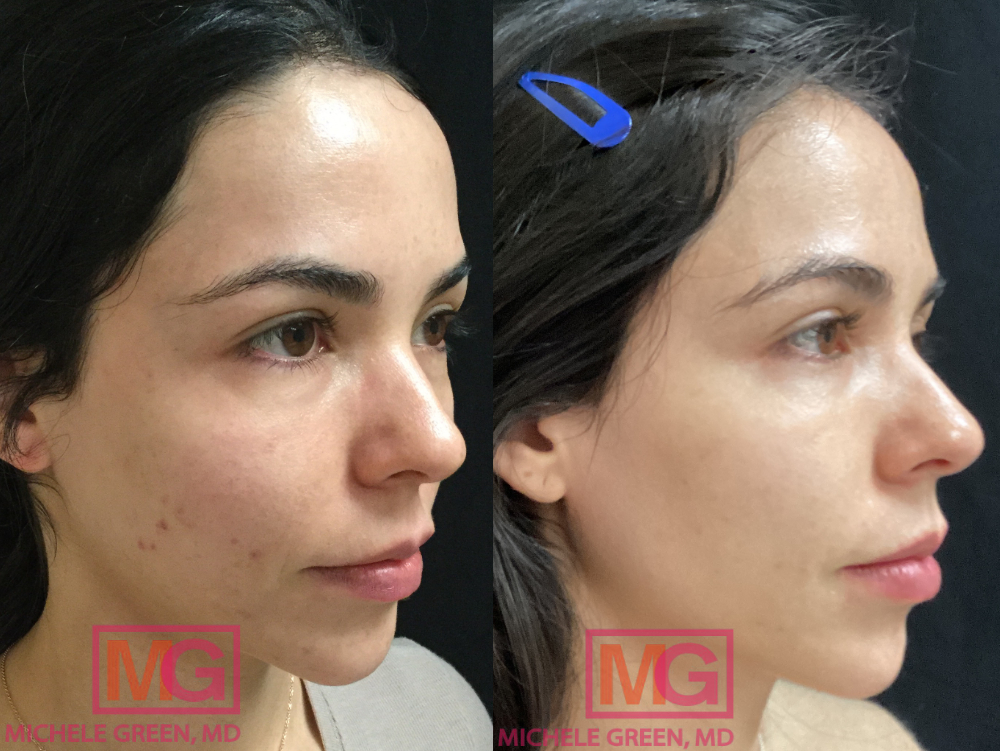
What is the difference between Hydrafacial and Microneedling?
Microneedling and HydraFacial may both fall under the umbrella of skin rejuvenation treatments, but they work through completely different mechanisms and target different layers of the skin. Microneedling uses fine needles to create controlled micro-injuries in the skin’s surface, triggering the body’s natural healing response and stimulating collagen and elastin production deep within the skin layers. The healing process that follows leads to firmer, smoother, and more youthful skin over time. Because microneedling activates the body’s natural healing, it tends to produce more gradual results that build over several microneedling sessions, making it a particularly powerful option for long-term improvement in skin conditions such as acne scars, enlarged pores, fine lines, and uneven skin tone. HydraFacial, on the other hand, is a non-invasive, multi-step facial treatment that combines deep cleansing, gentle exfoliation, and intense hydration in a single session. Using a specialized vortex-suction device, a HydraFacial removes dead skin cells, extracts impurities from clogged pores, and infuses the skin with medical-grade serums packed with antioxidants, peptides, and hydrating agents — all without any needles or downtime. The result is an immediate glow and noticeably refreshed, healthy skin right after the treatment.
Which is better, Microneedling or HydraFacial?
Neither treatment is universally “better” — the right choice depends entirely on your skin goals, skin type, and the specific concerns you’re looking to address. If you’re dealing with deep-seated issues like acne scars, enlarged pores, significant fine lines, or loss of elasticity, Microneedling is likely the more powerful option because it works at a deeper level to stimulate lasting collagen and elastin production, delivering long-term improvement that goes beyond what a surface-level treatment can achieve. However, if your primary concerns are dullness, dryness, clogged pores, or uneven skin tone, and you want instant results with zero recovery time, a HydraFacial may be exactly what you need. HydraFacial delivers an immediate glow, deep cleansing, and a surge of hydration, leaving the skin looking refreshed and radiant. For many patients, the ideal approach is a combination of the two treatments, used at different times or in a carefully structured sequence, to address both deeper skin concerns and surface-level maintenance simultaneously. Dr. Michele Green works with each of her patients to evaluate their individual skin needs and recommend the most effective treatment plan.
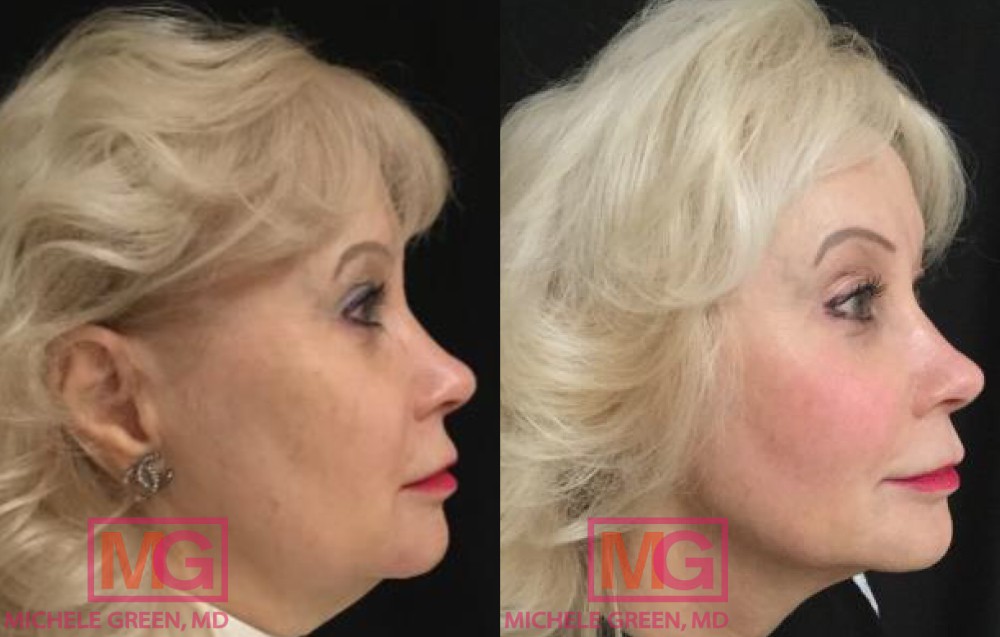
Which is more effective, HydraFacial or Microneedling?
In terms of overall effectiveness for transformative, lasting skin improvement, microneedling tends to be the more powerful treatment — particularly for patients with significant skin concerns such as deep acne scars, pronounced fine lines, or noticeable loss of elasticity. Because microneedling stimulates the body’s natural healing at a cellular level, it produces real, structural changes in the skin’s collagen and elastin framework, and these results continue to develop and improve over weeks and months following each session.
However, if the goal is a deep cleanse, an immediate glow, or a hydration boost before a special event, HydraFacial is far more effective at delivering those instant results. HydraFacial treatments are also exceptionally effective at providing gentle exfoliation and clearing away dead skin cells and impurities that can dull the complexion, something a single microneedling session won’t provide in the immediate post-treatment period. For patients with broad or complex skin needs, Dr. Michele Green often recommends incorporating both treatments strategically into a long-term treatment plan to maximize skin rejuvenation.
Is Microneedling or HydraFacial better for wrinkles?
When it comes to addressing wrinkles and fine lines, microneedling generally has the edge. Microneedling works by creating micro-injuries that stimulate the body’s natural healing response and trigger new collagen and elastin production deep within the skin, targeting the root cause of aging skin — the gradual breakdown of the structural proteins that keep skin firm and smooth. Over several microneedling sessions, patients typically see a meaningful reduction in the depth and visibility of fine lines, along with an overall improvement in skin texture and elasticity. The results are cumulative and can last for months to years with proper skin care and maintenance treatments. HydraFacial, while excellent for plumping and hydrating the skin — which can temporarily make fine lines appear less noticeable — does not stimulate the deeper collagen remodeling that produces lasting anti-aging results.
Is Microneedling or HydraFacial better for acne?
For patients with active acne, HydraFacial is often the safer and more appropriate choice — its gentle exfoliation, deep cleansing, and vortex-extraction process work together to clear clogged pores and impurities that contribute to breakouts, all without irritating or worsening active acne. HydraFacial treatments can also be customized with targeted boosters, such as the clarifying booster, which is formulated to reduce excess oil, calm inflammation, and keep acne-prone skin balanced and clear. Microneedling, on the other hand, is generally not recommended for patients with active acne, as the tiny needles can spread bacteria and aggravate existing breakouts. However, once active acne is under control, microneedling becomes an outstanding option for addressing what’s left behind — acne scars, post-inflammatory hyperpigmentation, uneven texture, and enlarged pores — by triggering collagen induction therapy deep within the skin to smooth and resurface the complexion over a series of treatments.
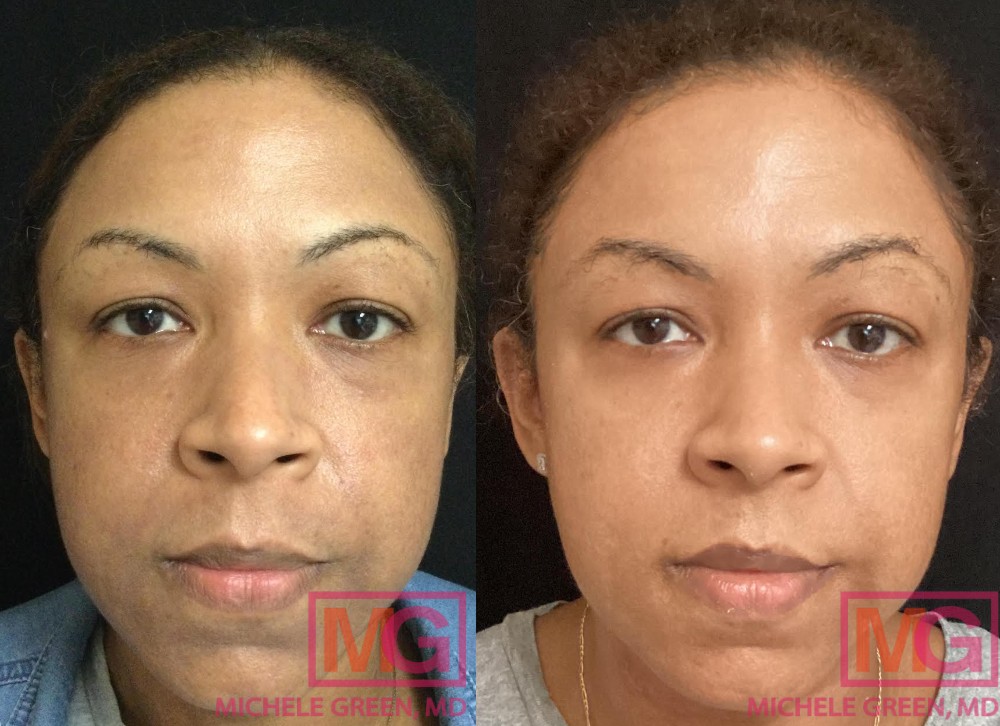
Can you do Microneedling and HydraFacial together?
It is generally not recommended to perform microneedling and a HydraFacial on the same day; this can overwhelm the skin and potentially cause irritation or compromise healing. Immediately after microneedling, the skin has thousands of open micro-channels that need time to heal, and introducing the suction, exfoliation, and product infusion of a HydraFacial during this vulnerable period could irritate the skin and increase the risk of sensitivity or adverse reactions. However, when properly spaced, microneedling and HydraFacial treatments can complement each other beautifully as part of a well-structured skincare regimen. Many patients choose to incorporate regular HydraFacial sessions between microneedling sessions to maintain hydration, glow, and surface-level cleanliness while the deeper collagen-building benefits of microneedling continue to develop. The key is timing and sequencing, which is exactly why consulting with an experienced provider is so important. Dr. Michele Green designs individualized treatment plans that strategically incorporate multiple skincare treatments to help her patients achieve their skin goals safely and effectively.
Do I need a HydraFacial before Microneedling?
A HydraFacial is not required before microneedling, but some providers recommend it as an optional preparatory step. Having a HydraFacial in the weeks before a microneedling session can be a great way to start with a clean, exfoliated canvas — by clearing clogged pores and removing dead skin cells, the HydraFacial can help optimize the skin’s condition for the more intensive microneedling treatment. A well-hydrated, thoroughly cleansed skin surface may also allow the fine needles used in microneedling to glide more smoothly and promote better absorption of any serums applied during or after the procedure. That said, this preparatory step is entirely optional and not medically necessary for most patients. Whether a pre-treatment HydraFacial makes sense for you depends on your current skin health and your overall treatment plan. Dr. Michele Green will advise you on the ideal preparation for your microneedling sessions during your consultation, based on your individual skin needs and conditions.
Can I get a HydraFacial after Microneedling?
Yes, you can absolutely get a HydraFacial after microneedling — just make sure enough time has passed for your skin to heal. Once the redness and sensitivity have resolved, a HydraFacial is a fantastic next step because its deep cleansing, gentle exfoliation, and hydration help nourish and maintain the healthier, more refined skin microneedling has created. Many patients also find their skin especially receptive to the medical-grade serums and boosters used in a HydraFacial after microneedling, making the combination a highly effective strategy for achieving and maintaining glowing skin when properly sequenced by a skilled provider like Dr. Michele Green.
How long after Microneedling can you get a HydraFacial?
Dr. Green recommends waiting at least two weeks after a microneedling session before scheduling a HydraFacial. This waiting period allows the skin’s healing process to complete fully — the micro-injuries created during microneedling need adequate time to close and for the skin barrier to restore itself before being exposed to the suction, exfoliation, and product infusion involved in a HydraFacial, and having a HydraFacial too soon after microneedling could irritate still-sensitive skin and potentially disrupt the collagen-induction process. Dr. Michele Green will provide specific post-treatment care instructions and advise on the appropriate timing of follow-up treatments based on your skin’s response.
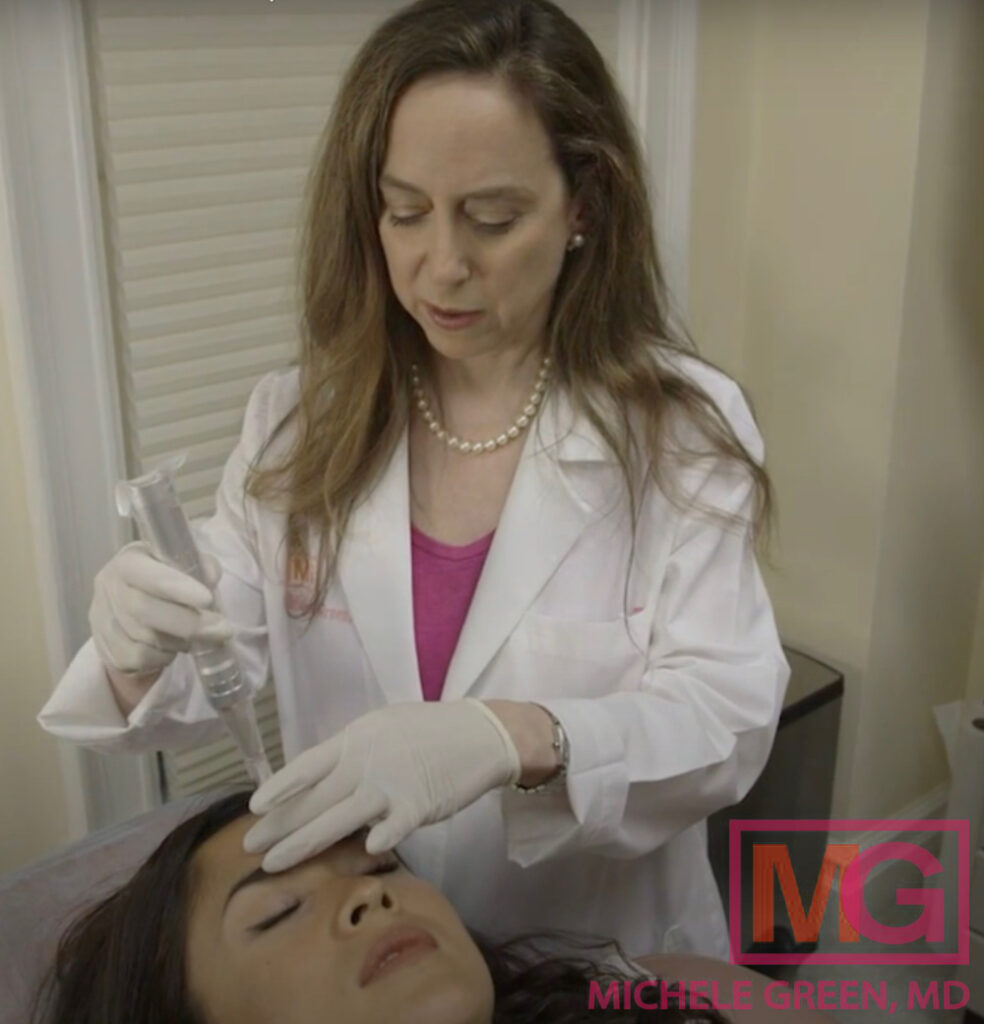
How do I get started with HydraFacials and Microneedling today?
Whether you’re battling stubborn acne scars, dealing with the early signs of aging, or simply craving that instant glow and deep hydration boost, both microneedling and HydraFacial offer remarkable options for elevating your skin health. Microneedling vs. HydraFacial is not a competition — each treatment has its own strengths, ideal candidates, and place within a thoughtful skincare regimen. Microneedling excels at long-term improvement of deeper skin concerns through collagen induction therapy and the body’s natural healing. At the same time, HydraFacial shines as a gentle, non-invasive facial treatment that delivers immediate results and keeps the skin’s surface clean, hydrated, and glowing. Both can be part of a comprehensive treatment plan tailored to your skin type and goals, and both can be safely combined when properly spaced by an experienced provider. Dr. Michele Green brings her expertise, precision, and decades of experience to every patient consultation, ensuring that each individual receives the most appropriate and effective treatment for their unique skin concerns.
Dr. Michele Green is a board-certified dermatologist in NYC and one of the country’s foremost experts in cosmetic dermatology. She is consistently recognized by Castle Connolly, New York Magazine, and Super Doctors as one of the top dermatologists in New York City, reflecting her longstanding commitment to excellence in patient care and cosmetic dermatology. Her private practice on the Upper East Side of Manhattan is dedicated to providing patients with the highest level of personalized care, using only the most advanced, medical-grade treatments and technologies. Whether you’re interested in a series of microneedling sessions, regular HydraFacial treatments, or a combination of both, Dr. Green will work with you to build a skincare routine that delivers lasting, visible results. If you’re ready to take the next step toward healthier, more radiant skin, please call Dr. Michele Green’s office at 212-535-3088 or contact us online to schedule your consultation today.
Related Topics
Summarize This Content: AI


