


Microneedling vs Chemical Peel
Microneedling and chemical peels are two of the most sought-after skin treatments in cosmetic dermatology, each with a strong track record of addressing a broad range of skin concerns — from acne scars and hyperpigmentation to fine lines and uneven skin tone. Both are professional-grade treatments that deliver real, visible results, but they work in fundamentally different ways and are better suited to different skin types, conditions, and goals. Though both can produce impressive outcomes, choosing the right one for your skin can make all the difference in your treatment results. If you’re weighing your options and unsure where to start, board-certified dermatologist Dr. Michele Green in NYC is here to help guide you toward the best treatment plan for your individual needs.
Microneedling and chemical peels are trusted tools in dermatology, each with strengths tailored to your skin type and concerns. Microneedling uses tiny needles to stimulate the skin’s natural healing response and can be paired with PRP (platelet-rich plasma) or a specialized depigmentation serum to address concerns such as fine lines, wrinkles, and hyperpigmentation. Chemical peels use a chemical solution to exfoliate and renew the skin’s outer layers. Multiple types of chemical peels exist — from superficial peels for general skin maintenance to medium and deep peels for more significant skin issues — each formulated to treat specific skin concerns and body areas. Whether you’re dealing with damaged skin, sun damage, discoloration, or deeper wrinkles, there’s a good chance that one — or even a combination approach — of these treatments could make a meaningful difference for you. To find the best treatment plan tailored to your skin, consulting with a board-certified dermatologist like Dr. Michele Green is always a smart first step.
What is microneedling?
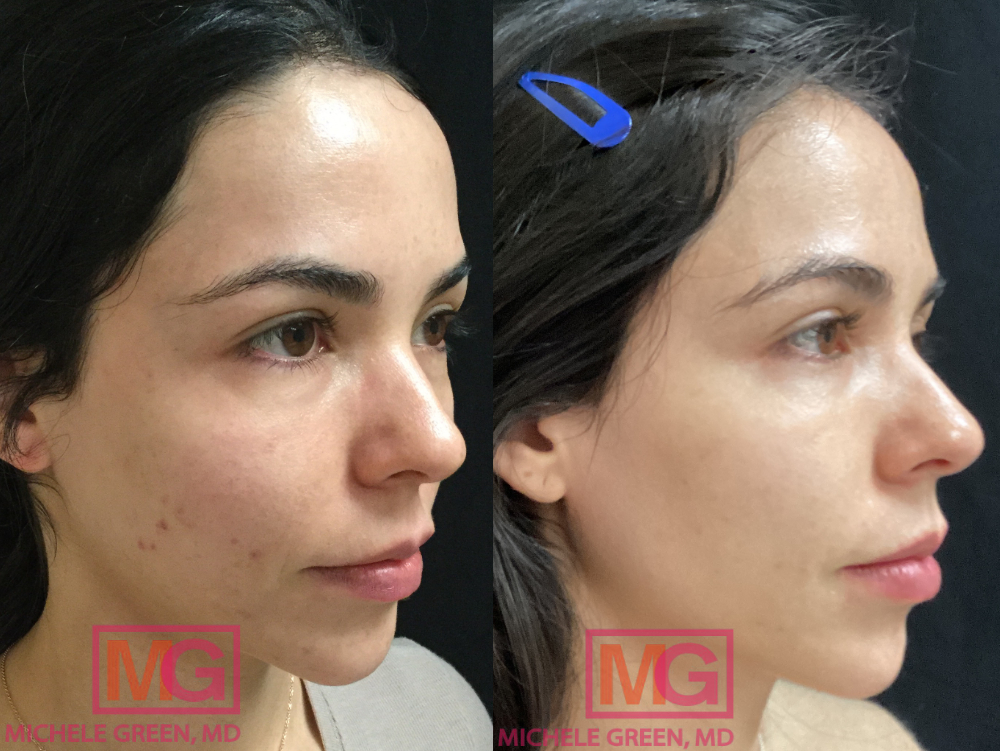
Microneedling is a minimally invasive skin treatment that uses a device with tiny needles to create controlled micro-injuries on the skin’s surface. These micro-channels trigger the skin’s natural healing response, stimulating collagen and elastin production deep within the dermis to improve skin texture, firmness, and overall tone. Microneedling is an incredibly versatile treatment, making it effective for a wide range of skin concerns, including acne scars, fine lines, deeper wrinkles, hyperpigmentation, enlarged pores, stretch marks, and sun damage. It is suitable for most skin types and is particularly popular among patients with sensitive skin who may not tolerate the exfoliating effects of chemical peel treatments. A numbing cream is also used before treatment to enhance patient comfort. Most patients achieve optimal results after a series of three to six microneedling sessions, spaced four to six weeks apart. To further enhance results, microneedling can be complemented with PRP (platelet-rich plasma), which harnesses the body’s own growth factors to accelerate the healing process and boost collagen production, or with a specialized depigmentation serum that is driven deeper into the skin through the micro-channels created during treatment, making it especially effective for combating hyperpigmentation and uneven skin tone.
What is a chemical peel?
A chemical peel is a professional skincare treatment that uses a chemical solution to exfoliate and remove the outer layers of damaged skin, revealing fresher, smoother, and more evenly toned skin underneath. Chemical peels work by causing the top layer — or deeper layers, depending on the peel’s strength — of skin cells to break down and shed, prompting the skin’s natural healing process and encouraging the growth of new, healthier skin. There are three main types of chemical peels: superficial peels, which use mild acids like glycolic or salicylic acid to exfoliate the top layer of skin and are great for general skin maintenance and mild discoloration; medium peels, which use trichloroacetic acid to penetrate the upper dermis and are effective for treating sun damage, age spots, fine lines, and moderate hyperpigmentation; and deep peels, which reach the deeper layers of the skin for more dramatic improvement of deeper wrinkles, significant discoloration, and severely damaged skin. Chemical peels are well-suited for patients looking to address surface-level concerns such as uneven skin tone, sun damage, age spots, and dull or congested skin. The number of sessions needed varies by peel depth. Superficial peels can be repeated monthly, while medium and deep peels are performed less frequently due to their greater intensity and associated downtime.
What is the difference between microneedling and a chemical peel?
Microneedling and chemical peels are both popular skin treatments in dermatology, but they take very different approaches to improving skin. Microneedling is a form of collagen induction therapy, whereas chemical peels are a form of controlled exfoliation. Microneedling works by creating controlled micro-injuries in the skin’s surface to trigger the skin’s natural healing process, stimulating collagen and elastin production to improve skin texture and firmness over time. Chemical peels, on the other hand, involve applying a chemical solution to the skin that causes the top layer — or even deeper layers — to exfoliate and eventually peel away, revealing new skin underneath. The type of peel used — whether light, medium, or deep — determines how many layers of skin are affected and how significant the results will be.
Are microneedling and chemical peels safe for all skin types?
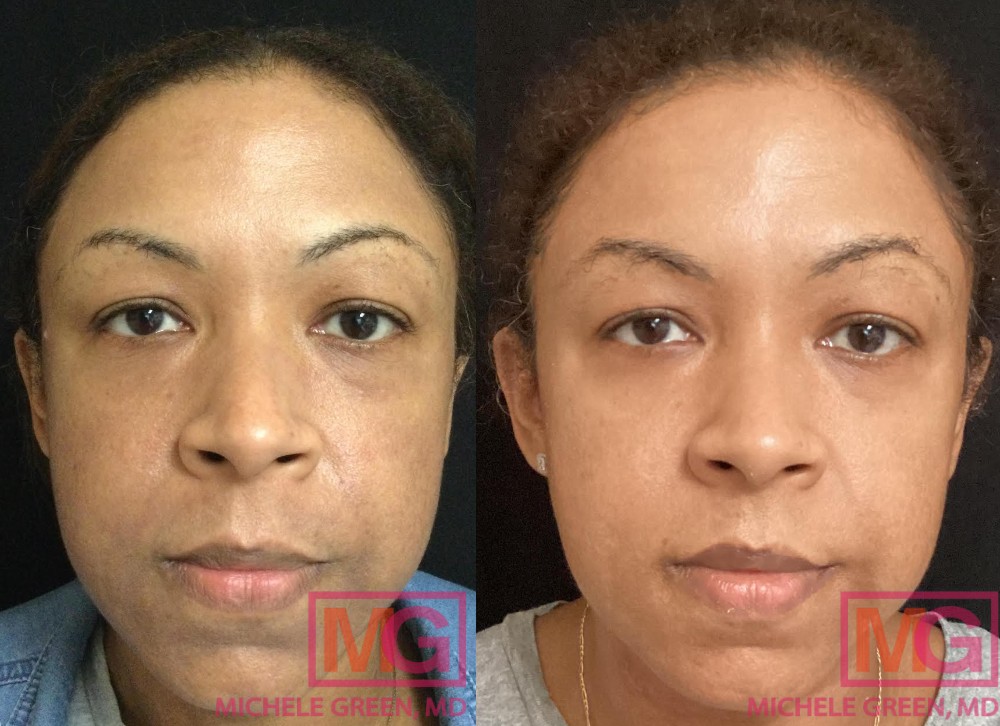
Both treatments can be adapted for a range of skin types, but there are important considerations — particularly with chemical peels. Stronger chemical peels, such as those containing trichloroacetic acid (TCA), can increase the risk of hyperpigmentation, hypopigmentation, or even scarring in patients with darker skin tones because deeper peels can trigger an inflammatory response that disrupts melanin production. However, certain chemical peels are well tolerated by patients with darker skin, including mesopeels, the Cosmelan peel, and the Dermamelan peel, all of which are specifically formulated to address pigmentation concerns safely and effectively across a range of skin tones. Microneedling, on the other hand, is generally safe for patients of all skin tones because it does not rely on a chemical solution and carries a much lower risk of pigmentation-related complications. Dr. Michele Green performs a thorough skin evaluation before recommending any treatment, ensuring it is the safest and most appropriate option for your specific skin type and tone.
How many sessions of microneedling or chemical peels will I need?
The number of sessions needed varies based on your skin concerns and the severity of the issue being treated. Microneedling typically requires a minimum of 3 treatments, spaced about 1 month apart, to achieve optimal results — though patients with more significant skin concerns may benefit from additional sessions beyond the initial series. Chemical peel treatments generally require four to six sessions, each spaced three to four weeks apart, to deliver the most thorough and lasting improvement. The exact number of treatments recommended for any given patient will depend on their specific skin type, skin condition, and goals. Dr. Michele Green will outline a personalized treatment schedule during your consultation to ensure the best possible outcome.
Is there downtime with microneedling and chemical peels?
Both treatments involve some downtime, though the extent varies by treatment type. Microneedling patients typically experience mild redness or swelling immediately following the procedure, which generally subsides by the end of the day. Some patients may notice dryness or flakiness in the days that follow as the skin completes its healing process. For chemical peel treatments, the downtime largely depends on the depth of the peel — patients undergoing superficial or light peels can expect mild redness that fades by the end of the day, making these peels a popular option for those with busy lifestyles who cannot afford significant recovery time. Patients undergoing medium or deep peels, however, should expect a more involved recovery, with more pronounced peeling, flaking, and redness that can last several days to a week or more as the deeper layers of skin shed and renew.
Which is better, microneedling or a chemical peel?
The answer depends largely on your specific skin concerns, skin type, and goals. Microneedling is often the preferred choice for improving skin texture, reducing acne scars, minimizing stretch marks, and boosting overall collagen production. It’s also a great option for sensitive skin types that may not tolerate the exfoliating effects of stronger chemical peels. Chemical peels, on the other hand, are particularly effective at addressing surface-level concerns such as discoloration, sun damage, age spots, and uneven skin tone, especially when used regularly. For deeper wrinkles or more significant skin issues, deeper peels can penetrate the dermis for more dramatic results. Dr. Michele Green evaluates each patient’s skin to determine which treatment — or combination of treatments — is best suited to their individual needs.
Which is more effective: microneedling or a chemical peel?
When it comes to overall effectiveness, the answer depends largely on what you’re looking to treat. Microneedling is typically more effective for atrophic acne scars, as the micro-injuries created by the tiny needles stimulate new collagen and elastin production deep within the dermis, helping to fill in and smooth out depressed scarring over a series of treatments. Microneedling also tends to be the stronger option for fine lines and wrinkles, as its ability to stimulate collagen production deep within the skin helps to firm and plump the skin over time — though chemical peels can also smooth out lines and wrinkles by exfoliating the outer layers of skin and encouraging the growth of fresher, more youthful skin cells. Chemical peels, on the other hand, tend to be more effective for hyperpigmentation and melasma — particularly specialized peels like mesopeels and Dermamelan, which are formulated to target stubborn pigmentation at a deeper level and deliver more significant, longer-lasting results. For hyperpigmentation in sensitive areas of the body, chemical peels such as Mesopeel or Dermamelan Intimate offer a targeted solution that safely and effectively treats delicate skin. That said, every patient’s skin is different, and Dr. Michele Green may recommend combining microneedling and chemical peels as part of a comprehensive treatment plan to achieve the most effective, well-rounded results for your specific skin concerns.
Should I do microneedling or a chemical peel first?
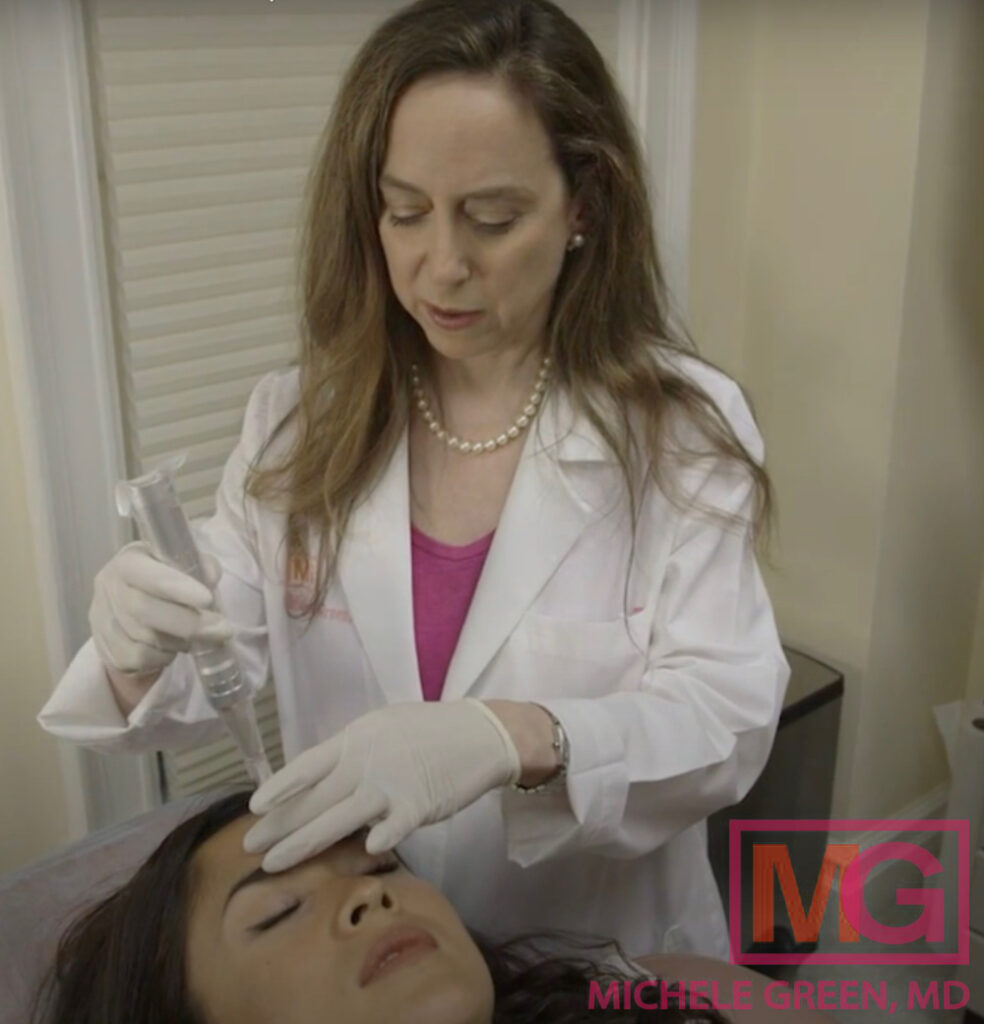
When it comes to sequencing microneedling and chemical peel treatments, the good news is that there is no strict rule about which comes first — either treatment can be performed before the other, depending on your skin concerns and your dermatologist’s recommendations. The most important thing is to allow adequate time between the two treatments; waiting roughly 2 weeks between sessions gives the skin enough time to heal and recover before the next treatment. Attempting to do both too close together can overwhelm the skin, interfere with the natural healing process, and increase the risk of irritation or sensitivity. Whether Dr. Michele Green recommends starting with microneedling or a chemical peel depends on your individual skin condition and goals, but rest assured that, with proper spacing, both treatments can be safely and effectively incorporated into your skincare plan.
Can microneedling and a chemical peel be done together?
While microneedling and chemical peels are both powerful treatments that can complement each other within a comprehensive skincare plan, they should not be performed on the same day or in the same session. Combining them at once would cause significant irritation and stress to the skin, as both treatments disrupt the skin’s surface and trigger a healing response — doing both simultaneously would overwhelm the skin and could lead to prolonged redness, sensitivity, or complications. However, the two treatments can be used together as part of the same treatment plan when spaced appropriately, with a window of 1 to 2 weeks between sessions to allow the skin adequate time to heal and recover. When properly coordinated, microneedling and chemical peels can work together to address both structural skin concerns and surface-level pigmentation issues. Dr. Michele Green will ensure that your treatment schedule is planned safely and strategically to get the most out of both.
What lasts longer, microneedling or a chemical peel?
Generally, microneedling tends to produce longer-lasting results because it stimulates the body’s collagen production deep within the skin. The new collagen and elastin that form during healing can continue to improve the skin’s appearance for months after a series of microneedling sessions. Most patients see optimal results after three to six microneedling treatments, with results that can last a year or more with proper maintenance. Chemical peel treatments, while effective, may require more frequent repeat treatments to maintain results — particularly lighter, superficial peels, which offer gradual improvement with regular use. Deep peels can offer more dramatic, longer-lasting results, but they also entail more significant downtime and are not suitable for all skin types.

Which is less expensive, a chemical peel or microneedling?
Costs can vary widely depending on the provider, location, and the specific type of treatment performed. In general, superficial chemical peels — including some at-home options — tend to be more affordable than professional microneedling sessions. However, light peels often need to be repeated more frequently to maintain results, which can add up over time. Professional microneedling treatments are typically priced higher per session, but the longer-lasting results may make them more cost-effective in the long run. Deep and medium peels tend to fall on the higher end of the cost spectrum, with the added consideration of greater downtime. During a consultation at Dr. Michele Green’s practice, patients receive a customized treatment plan with transparent pricing based on their specific skincare goals.
Is microneedling or a chemical peel better for acne scars?
The answer depends largely on the type of acne scarring you have. For depressed, or atrophic, acne scars — the kind that leave indentations or pitting in the skin — microneedling is generally the more effective option. The micro-injuries created by the tiny needles stimulate new collagen and elastin production deep within the dermis, gradually filling in and smoothing the skin’s surface over a series of microneedling sessions. For patients dealing with dark marks or post-inflammatory hyperpigmentation left by acne breakouts, chemical peels may be the better choice, as they can effectively target and reduce discoloration to achieve a more even skin tone. In many cases, however, patients present with both concerns simultaneously, and microneedling and chemical peels can work hand in hand as part of a coordinated treatment plan — with microneedling addressing the textural scarring while chemical peels tackle the pigmentation — allowing Dr. Michele Green to deliver the most comprehensive improvement possible.
Is microneedling or a chemical peel better for hyperpigmentation?
Chemical peels are sometimes the preferred treatment for hyperpigmentation, including sun damage, age spots, and uneven skin tone. They work by exfoliating the skin’s outer layers and shedding damaged skin cells that carry excess pigment, revealing fresher, more evenly toned skin underneath. Among the most effective options for hyperpigmentation are Mesopeels, which are professional-grade chemical peels formulated with a combination of active ingredients to target pigmentation at various depths of the skin; the Cosmelan peel, a globally recognized depigmentation treatment that works by inhibiting melanin production to reduce the appearance of stubborn discoloration; and the Dermamelan peel, an intensive depigmentation treatment that is particularly effective for melasma and deep-seated hyperpigmentation, delivering results that go beyond surface-level exfoliation.
Microneedling can also be an effective tool for treating hyperpigmentation — particularly when performed in conjunction with a specialized depigmentation serum, which is driven deeper into the skin through the micro-channels created during treatment, allowing the active brightening ingredients to work more effectively and deliver more targeted results. For patients with persistent or complex hyperpigmentation, Dr. Michele Green will often recommend a customized treatment plan that incorporates the most appropriate chemical peel, microneedling with a depigmentation serum, or a strategic combination of both to achieve the most thorough and lasting improvement. In addition, Dr. Green will incorporate special skin-lightening agents, retinols, and Vitamin C serum to help improve facial hyperpigmentation and skin tone.
Is microneedling or a chemical peel better for melasma?
Melasma is one of the more complex pigmentation conditions to treat because it tends to be deeply rooted in the epidermis and sometimes the dermis, and it can be triggered or worsened by heat and sun exposure. Chemical peels are often the first-line treatment for melasma, with the Cosmelan peel among the most popular and widely used options — it works by inhibiting melanin production and targeting pigmentation at a deeper level, making it particularly well-suited to the stubborn, recurring nature of melasma. After an initial Cosmelan treatment, patients often follow up with gentle mesopeels or microneedling, using a specialized depigmentation serum to address any lingering or stubborn hyperpigmentation and help maintain and further refine results over time. Microneedling is also considered a safer standalone option for melasma in patients with sensitive skin or deeper skin tones, as it does not rely on a chemical solution and carries a lower risk of triggering further pigmentation. Care must always be taken with any treatment approach for melasma, as overly aggressive treatments can worsen the condition — which is why Dr. Michele Green takes a careful, individualized approach, incorporating the most appropriate combination of modalities to achieve the best, most lasting outcomes for each patient.
Is microneedling or a chemical peel better for wrinkles?
For fine lines and deeper wrinkles, microneedling often has an edge because it directly stimulates collagen and elastin production in the skin’s deeper layers, helping to firm and plump the skin over time. A series of microneedling treatments can produce meaningful improvements in skin laxity and wrinkle depth, especially when combined with other anti-aging treatments. Chemical peels also help with fine lines — particularly superficial peels that accelerate skin cell turnover and smooth the skin’s texture. Still, deeper wrinkles may require deeper peels or complementary treatments to see significant improvement. For patients concerned about aging skin, Dr. Michele Green often recommends a multifaceted approach that includes both resurfacing and collagen-stimulating treatments.
Is microneedling or a chemical peel better for acne?
For patients with active acne, chemical peels are the more appropriate treatment option — microneedling should not be used to treat active acne, as needling over active breakouts can spread the infection to surrounding areas of the skin and potentially worsen the condition. Chemical peels, particularly those formulated with salicylic acid or glycolic acid, are well-established and effective for acne-prone skin because they exfoliate the skin’s surface, unclog pores, and reduce the buildup of dead skin cells that contribute to breakouts. Regular chemical peel treatments can also help manage oil production and improve overall skin clarity over time. Once active acne has been adequately controlled, microneedling can be introduced into the treatment plan to address any acne scarring or textural changes left behind — making the two treatments complementary when used in the right sequence.
Is microneedling or a chemical peel better for rosacea?
Rosacea is a chronic skin condition marked by persistent redness, visible blood vessels, and sometimes acne-like bumps, most commonly affecting the face. Neither microneedling nor chemical peels are typically used to treat rosacea because neither addresses redness, and both involve some degree of skin disruption that can aggravate this sensitive condition and trigger flare-ups. Rosacea-prone skin is inherently reactive, and introducing mechanical stimulation from microneedling or the exfoliating effects of a chemical solution can worsen redness, inflammation, and irritation in affected patients. For patients seeking effective treatment for rosacea, the VBeam laser is considered the gold standard — it uses pulsed dye laser technology to target the visible blood vessels and redness associated with rosacea without disrupting the skin’s surface, making it a much safer and more appropriate option for this condition. Dr. Michele Green is highly experienced in treating rosacea with the VBeam laser and will work with you to develop a treatment plan that addresses your rosacea safely and effectively.
Is microneedling or a chemical peel better for pores?
Both microneedling and chemical peels can help improve the appearance of enlarged pores, but each is better suited to a different underlying cause. Microneedling is the preferred option for patients whose enlarged pores are related to skin laxity — by stimulating collagen and elastin production deep within the dermis, microneedling helps tighten and firm the surrounding skin over time, reducing the appearance of pores that have become more prominent due to a loss of structural support. Chemical peels, on the other hand, are better suited for patients whose enlarged pores are driven by oily skin — by exfoliating the outer layers of skin and clearing the buildup of oil, debris, and dead skin cells that can stretch and clog pores, chemical peels help refine and minimize the appearance of pores at the surface. Dr. Michele Green will assess the root cause of your pore concerns to determine which treatment — or combination of both — is best suited to your skin.
Is microneedling better than a chemical peel?
Whether microneedling is better than a chemical peel ultimately depends on what your skin needs most. Microneedling offers distinct advantages for patients seeking to improve skin texture, treat atrophic acne scars, reduce fine lines and wrinkles, and address skin laxity. It stimulates the skin’s own collagen and elastin production deep within the dermis, resulting in lasting structural improvement. Chemical peels, on the other hand, have a clear edge for surface-level concerns such as hyperpigmentation, sun damage, uneven skin tone, and oily or congested skin — and with specialized options like Mesopeels, the Cosmelan peel, and the Dermamelan peel available, there is a chemical peel formulated to address virtually every type of pigmentation concern across all skin types. Both treatments are clinically proven and highly effective in their respective areas, and can be tailored to suit a wide range of skin types and concerns. Rather than one being universally better than the other, the right choice depends entirely on your individual skin condition and goals, which is why consulting with a board-certified dermatologist like Dr. Michele Green is the best way to determine which treatment, or combination of both, is right for you.
How do I get started with microneedling and chemical peels to rejuvenate my skin today?
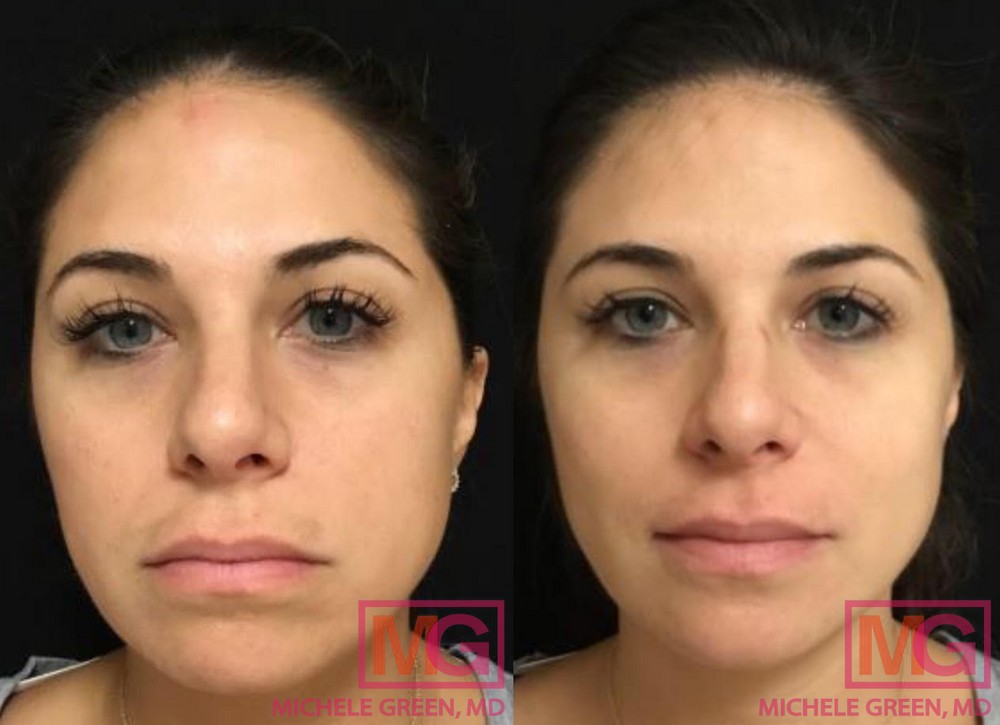
Whether you’re considering microneedling, chemical peels, or a combination approach, understanding how each treatment works and what it can realistically achieve is essential for setting the right expectations and achieving the best results. Microneedling creates controlled micro-injuries in the skin to stimulate the body’s natural collagen and elastin production. Chemical peels use a chemical solution to exfoliate and shed damaged outer layers of skin, revealing fresher, more even-toned skin underneath. Both treatments offer meaningful benefits for a wide range of skin concerns — from acne scars and hyperpigmentation to fine lines, sun damage, and uneven skin tone — and both have a well-established place in professional skincare. The most important thing is that your treatment plan is tailored to your specific skin type, condition, and goals, rather than a one-size-fits-all approach. Dr. Michele Green has spent over two decades helping patients in New York City navigate these decisions with confidence.
Dr. Michele Green is a board-certified dermatologist based in New York City with over 25 years of experience helping patients achieve their skincare goals through personalized, results-driven treatment plans. Consistently recognized by Castle Connolly, New York Magazine, Super Doctors, and The New York Times as one of New York’s best dermatologists, Dr. Green is an internationally renowned expert in cosmetic dermatology, known for her meticulous approach and exceptional patient care. Whether you are interested in microneedling, chemical peels, or a combination of both, Dr. Green and her team at her Upper East Side practice are dedicated to helping you find the safest and most effective solution for your unique skin concerns. To learn more about whether microneedling or a chemical peel is more effective for your specific skin concerns, call the office at 212-535-3088 or contact us online to book your appointment today.


