


Summer Skin Care
For many people, the warm weather of the summer months means a chance to relax, take trips to the beach or the pool, go on vacations, and enjoy other outdoor activities. As temperatures rise and humidity increases, many patients are unsure how best to adjust their skincare routine to account for the changing weather. While summertime for many involves fun in the sun, the heat can also lead to increased sweating and more debris on the skin’s surface from the combination of sunscreen and makeup, resulting in oily skin and breakouts. Whether dealing with excess oil production, dehydration, or sensitivity, a few targeted summer skincare tips can make a meaningful difference in keeping the skin clear, bright, and glowing all season long. Luckily, expert board-certified dermatologist Dr. Michele Green has recommendations for keeping your skin healthy this summer, no matter what your skin type.
Regardless of skin type, the single most important summer skincare step for everyone is to apply broad-spectrum sunscreen with at least SPF 50 whenever you go outside. With the sun at its peak between 10 am and 4 pm during the summer months, it is vital to reapply sunscreen every 2 hours to prevent sun damage. In addition to consistent sun protection, your summer skincare routine should include a lightweight moisturizer to maintain essential hydration, a gentle cleanser to keep skin free of debris and excess oil, weekly exfoliation to prevent clogged pores, and a vitamin C serum to prevent dark spots and boost collagen production. When deciding which summer skincare products are best for you, the first step is to visit a board-certified dermatologist, Dr. Michele Green, who will examine your skin and make personalized recommendations for products and a skincare regimen that work for you.
What happens to the skin in summer?
As the summer season begins with the summer solstice across the United States, temperatures rise, and conditions shift dramatically depending on your region. Patients living in hot, dry areas such as the Southwest may experience dry skin alongside sweating. In contrast, patients in high-humidity climates may find that their standard skincare routine feels heavy and occlusive on the face. Regardless of location, summertime generally means increased sun exposure, which translates into greater UVA and UVB exposure, accelerating the natural aging process and raising the risk of sun damage. While dry air, humidity, and prolonged sun exposure can all affect the skin, there are many ways to adjust your skincare regimen to keep it looking clear, bright, and healthy all season long.
Should you change your skincare routine in summer?
In the summer, your skincare routine should shift slightly to account for higher temperatures, humidity, and sun exposure. In general, it is important to “lighten up” your skincare products by choosing lightweight, gentle cleansers, moisturizers, and sunscreens to prevent the skin from feeling weighed down. Different products may be best for different skin types, such as sensitive, oily, or dry skin, but several essential steps apply universally. Switching to non-comedogenic formulas, incorporating antioxidants, and staying consistent with exfoliation will help keep pores clear and skin tone even throughout the warmer months. Scheduling a consultation with a board-certified dermatologist like Dr. Green is always the best first step toward building a customized summer routine tailored to your specific skin type and concerns.
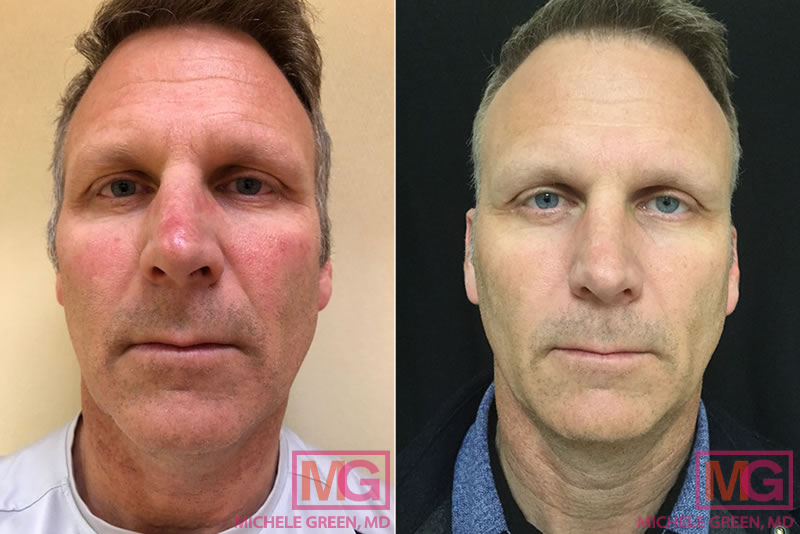
How to take care of your facial skin in the summer
The key to good summer skincare is to simplify and replace heavy products with lighter, skin-friendly alternatives. A gentle foaming cleanser used morning and night removes sweat, excess oil, and sunscreen residue without stripping the skin barrier. After cleansing, a lightweight moisturizer with hyaluronic acid replenishes hydration without clogging pores or contributing to shine. Broad-spectrum sunscreen with SPF 50 or higher is non-negotiable, and a vitamin C serum with peptides provides powerful antioxidant protection against UV-induced free radical damage while targeting fine lines and discoloration. Heavy makeup can feel uncomfortable in the heat and is more likely to sweat off, clog pores, and contribute to breakouts. Instead, opt for non-comedogenic, lightweight products that provide both skincare benefits and cosmetic coverage — such as a tinted moisturizer with broad-spectrum SPF protection, which doubles as a foundation substitute while keeping your skin protected. A broad-spectrum setting powder with SPF can also be layered over tinted moisturizer or foundation to increase sun protection throughout the day. After makeup application, a final layer of lightweight, oil-free sunscreen can be applied for maximum protection.
Incorporating weekly exfoliation with a gentle acid-based product clears away dead skin cells. It keeps the skin surface bright and even, while a hydrating aloe vera face mask soothes and restores the skin after time in the sun. Avoiding frequent face touching, changing pillowcases regularly, and wearing protective clothing, such as wide-brimmed hats, when outdoors are additional habits that can help prevent breakouts and sun damage throughout the summer.
What SPF should you use in summer?
When choosing a summer sunscreen, Dr. Green recommends a broad-spectrum formula with an SPF of 50 or higher to protect against both UVA and UVB rays. There is a meaningful difference in protection between SPF 10 and SPF 30, but beyond SPF 30, incremental gains are smaller. According to the Skin Cancer Foundation, applying sunscreen with at least SPF 50 daily can reduce your risk of developing skin cancer by up to 50%. Be sure to apply sunscreen to commonly forgotten areas, including the lips, ears, backs of the hands, and feet. Dr. Green recommends oil-free formulas, such as the MGSKINLABS Hydrating Sunscreen SPF 50, for patients concerned about oily skin or clogged pores, as these provide excellent broad-spectrum protection without contributing to breakouts. For those unsure which SPF is right for their skin type, a consultation with a board-certified dermatologist like Dr. Green is the best way to get a personalized recommendation.
How often should you reapply sunscreen in summer?
Consistent sunscreen reapplication is one of the most critical — yet most commonly overlooked — aspects of summer skin protection. Apply sunscreen generously to all exposed skin before going outdoors, and reapply every two hours while in the sun, especially during peak UV hours between 10 am and 4 pm. Reapplication is especially important after swimming, sweating, or toweling off, as these activities can remove sunscreen from the skin’s surface. For patients wearing makeup, mineral-based SPF setting powders offer a convenient way to reapply sun protection throughout the day without disturbing a full face of product. Dr. Green emphasizes that no sunscreen — regardless of SPF — provides all-day protection without reapplication, so making this a habit is essential for preventing sun damage and reducing the long-term risk of skin cancer.
How do you protect your skin in summer?
To prevent sun damage in summer, protecting the skin requires a multi-layered approach that combines topical sun protection with smart lifestyle habits. The foundation of any summer skin protection plan is a broad-spectrum SPF 50 sunscreen applied before going outside and reapplied every two hours during peak sun exposure. Wearing protective clothing — such as wide-brimmed hats, tightly woven fabrics, and lightweight long-sleeved shirts — provides an additional physical barrier against UV rays without relying on chemical sun protection. Seeking shade during peak UV hours (10 am to 4 pm), avoiding prolonged sun exposure, and wearing UV-blocking sunglasses further reduce cumulative sun damage, which contributes to premature aging and skin cancer. Incorporating antioxidants, such as a vitamin C serum, into your morning skincare routine provides an additional layer of protection by neutralizing free radicals generated by UV exposure before they can damage skin cells. Avoiding tanning beds entirely and opting for self-tanner if a bronzed look is desired eliminates additional UV risk. As a board-certified dermatologist in NYC, Dr. Green also recommends conducting regular skin checks and scheduling annual dermatology appointments to monitor any new or changing spots that may be signs of sun damage or early skin cancer.
How do you repair sun-damaged skin?
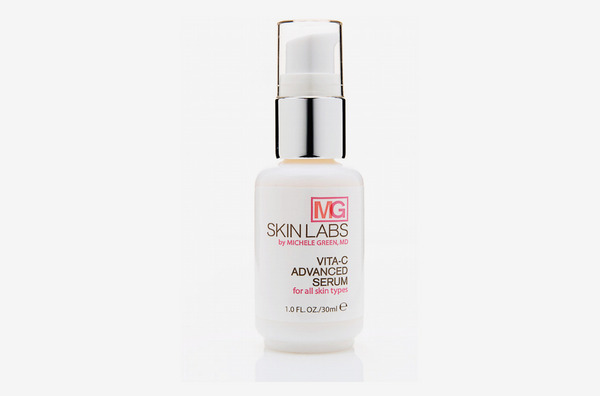
For patients who have experienced sun damage despite their best preventive efforts, there are many effective in-office and at-home options to help restore skin. At home, incorporating a vitamin C serum and a retinoid into your evening skincare routine can gradually fade dark spots, improve skin texture, and stimulate collagen production to address fine lines and photodamage. Professional treatments performed by board-certified dermatologist Dr. Green — including laser resurfacing, microneedling, and intense pulsed light (IPL) therapy — deliver more targeted, dramatic results for reversing the effects of sun damage. Laser treatments can target specific areas of hyperpigmentation, broken capillaries, and rough texture caused by prolonged UV exposure. Dr. Green will evaluate your skin, assess the degree of sun damage, and recommend the most appropriate combination of treatments to restore your skin’s health and appearance.
How do you keep skin hydrated in summer?
Maintaining proper hydration is one of the most important aspects of summer skincare, regardless of skin type. Even patients with oily skin can become dehydrated in the summer, as the sun, air conditioning, and other environmental factors draw moisture from the skin, triggering excess oil production as the body attempts to compensate. Drinking adequate water throughout the day supports skin hydration from within, while applying a lightweight, hyaluronic acid-based moisturizer helps lock in moisture at the skin’s surface. Avoiding long, hot showers — which strip the skin of its natural oils — and showering only once daily will also help prevent dryness. For patients with combination skin, applying a richer, hyaluronic acid-based moisturizer to dry areas such as the cheeks while using a lighter formula on the T-zone will help keep the skin balanced and hydrated throughout the season. When you consult with board-certified dermatologist Dr. Green at her office on Manhattan’s Upper East Side, she will evaluate your skin and create a hydration plan tailored to your specific needs.
How do you treat sunburn at home?
Despite the best preventive efforts, sunburn can still occur. Prompt home treatment can minimize discomfort and reduce the risk of long-term skin damage. The first step is to get out of the sun immediately and cool the skin with a cold (not ice-cold) compress or a cool shower with lukewarm water. Applying a generous layer of pure aloe vera gel or a moisturizer containing aloe vera helps soothe inflammation, reduce redness, and restore hydration to sun-stressed skin. Over-the-counter anti-inflammatory medications such as ibuprofen can help alleviate pain and reduce swelling. Patients should avoid exfoliating sunburned skin or applying retinoids, acids, or other active ingredients until the skin has fully healed, as these can exacerbate irritation. Staying well-hydrated by drinking plenty of water is also important, as sunburn draws moisture to the skin’s surface and can cause mild dehydration. If the sunburn is severe, covers a large area, or is accompanied by blistering, fever, or nausea, patients should seek medical attention promptly and contact Dr. Green’s office for professional guidance.
What skincare ingredients should you avoid in summer?
While many skincare ingredients are beneficial year-round, some require extra caution in the summer due to increased sun exposure and heat. Heavy occlusive ingredients, such as thick mineral oils and petrolatum, can trap heat and trigger breakouts on already oily or acne-prone skin. Alcohol-based toners and astringents can worsen dryness and sensitivity, especially when the skin is already stressed by UV exposure. Fragrances and parabens should also be avoided, particularly for those with sensitive skin, as heat and sweat can heighten reactivity. Some exfoliating acids — including AHAs such as glycolic acid — can increase photosensitivity, so they should be used at night and always paired with SPF 50 or higher the following morning. When in doubt about which ingredients are appropriate for your skin type and the season, consult a board-certified dermatologist like Dr. Green, who can guide you toward the safest and most effective formulations.
How to get glowing summer skin
Many people feel that the ideal summer look is a tan, glowing complexion; however, you should be careful about how you achieve it. Even if you are not prone to sunburn and your tan does not cause pain, any darkening of the skin is a sign of sun damage, so it is important to always wear broad-spectrum sunscreen when going outside. If you want a glowing, tanned look, consider using a self-tanner and applying it daily until you achieve your ideal skin tone — this way, you can enjoy the look without UV risk. In addition to self-tanner, keeping the skin well-exfoliated, moisturized, and hydrated will contribute to a natural, healthy glow without requiring sun exposure.
What are the best skincare tips for summer?
Dr. Green offers expert summer skincare tips to help you care for your skin during the warmer months. The following guidelines will help you keep your skin clear, protected, and glowing all summer long:
- Apply broad-spectrum sunscreen with SPF 50 or higher anytime you go outside, especially between the hours of 10 am and 4 pm when the sun is at its most intense, and reapply every two hours
- Switch to a gentle, lightweight cleanser and wash your face twice daily — once in the morning and once at night
- After washing the face, apply a gentle, lightweight moisturizer to maintain hydration and prevent excess oil production
- Wear protective clothing such as wide-brimmed hats, tightly woven fabrics, and dark, loose-fitting shirts
- Avoid hot showers; use lukewarm water instead, and limit showering to once daily
- Pare back your makeup routine to avoid heavy product buildup on the face — consider non-comedogenic, tinted moisturizers with SPF as a lighter alternative
- Exfoliate the face one to two times a week to unclog the pores and clear the skin of dead skin cells and debris, but do not over-exfoliate
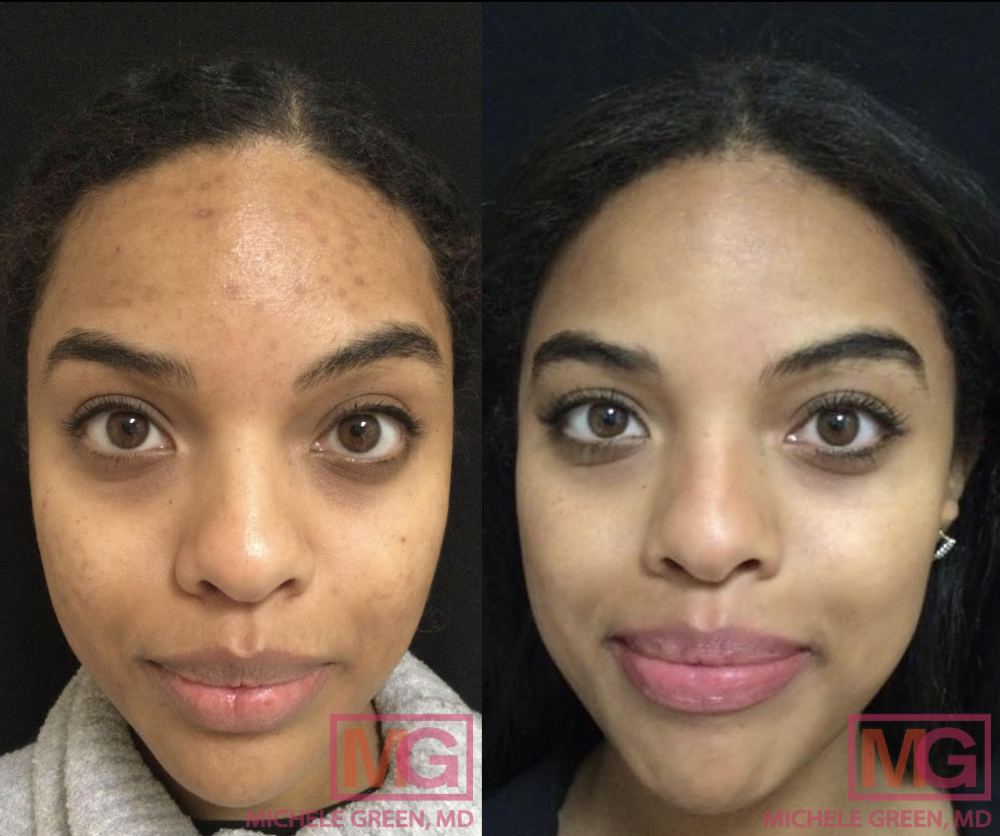
Frequently Asked Questions (FAQs about Summer Skincare Tips)
Why is my skin better in the summer?
Some patients find their skin clearer and more radiant in the summer than in the winter. In the winter, the air is typically much drier, which can dry out the skin, increase sebum production, clog pores, and potentially lead to more acne breakouts. In the summer, there is generally more moisture in the air, which helps keep the skin hydrated, and moderate exposure to sunlight can help boost vitamin D production, which plays a role in skin health. Additionally, many people feel less stressed during the summer — taking time off work, being outdoors, and going on vacation — and reduced stress levels are well known to positively impact skin clarity and overall complexion. That said, it is important to remember that excessive sun exposure comes with serious risks, including sun damage, premature aging, and skin cancer, so consistent sunscreen use remains essential even when skin appears at its best.
Does summer make skin dry?
While many associate summer with humidity and oily skin, some summer conditions can actually dry out the skin. Air conditioning — a staple of the summer months — removes moisture from indoor air, leaving the skin parched and prone to flaking. Prolonged sun exposure, chlorine from swimming pools, saltwater at the beach, and even some self-tanning products can strip the skin of its natural oils, leading to dryness. In dry climates such as the Southwest, patients may experience dry skin year-round, with summer heat exacerbating the issue. To combat summer dryness, Dr. Green recommends using a gentle cleanser, following up with a lightweight moisturizer containing hyaluronic acid, using a humidifier indoors, rinsing with lukewarm rather than hot water, and applying a hydrating aloe vera face mask at the end of the day to restore moisture and soothe the skin.
How to take care of dry skin in summer
Summer can exacerbate dry skin in many ways, whether due to your location or lifestyle choices, but there are ways to combat it even in the summer months. In some parts of the country, the air stays dry throughout the summer, and sun exposure can also dry the skin. For others, beach trips, pool chlorine, air conditioning, and self-tanning can contribute to dry skin. Dr. Green recommends using a gentle cleanser and a lightweight moisturizer to combat dry skin and refraining from over-showering or over-washing. Rinsing off with hot water can dry out the skin and strip away essential oils, contributing to rough, dry skin, so washing your face with lukewarm water is best. Air conditioning can also dry out the air and, consequently, your skin, so keeping your humidifier on at home will help prevent dry skin. At the end of the day, a hydrating face mask containing aloe vera can help retain moisture and brighten the skin. When you consult with Dr. Green at her private dermatology office in Manhattan’s Upper East Side, she will work with you to determine your skin type and create a customized skincare regimen that best suits you.
What is the best moisturizer for summer?
The best summer moisturizer provides adequate hydration without feeling heavy or contributing to oily skin, clogged pores, or breakouts. For most skin types, a lightweight, non-comedogenic formula with hyaluronic acid is an ideal choice because it attracts and retains moisture without adding excess oil to the skin’s surface. Dr. Green recommends the MGSKINLABS Ultimate Sheer Hydrating Lotion for oily and acne-prone skin because it controls sebum production and leaves the skin with a matte, shine-free finish. For patients with dry skin, a slightly richer formula that still uses hyaluronic acid as its base will provide greater moisture retention without the heaviness of a winter cream. Some patients may also benefit from a combination moisturizer-sunscreen product during the day, which reduces the number of layers applied to the face and decreases the risk of pore congestion. Board-certified dermatologist Dr. Green can help you identify the best moisturizer for your specific skin type and summer skincare goals.
How to take care of combination skin in summer
Combination skin is characterized by both oily and dry patches. The most common presentation of combination skin is oily skin along the T-zone — the forehead, nose, and chin — and dry spots on the cheeks. It can feel challenging to manage combination skin, especially in the summer, as sweat and sunscreen can make the T-zone look shinier, and the heat can dry out the cheeks. However, Dr. Green has several useful tips for maintaining skin balance. For combination skin, cleanse twice a day with a gentle cleanser, being careful not to over-wash the T-zone. Some people believe that washing the T-zone more vigorously will remove oil; however, the opposite is true. Overwashing can cause dryness and irritation, which may increase sebum production. After using a gentle cleanser on your face, you can apply two different moisturizers to different areas: a light, gentle moisturizer to the T-zone and a hyaluronic acid-based moisturizer to drier patches of skin. If you experience sweaty or shiny skin during the day, Dr. Green recommends using blotting paper, which helps lift away oil without drying out the skin the way repeatedly washing your face does.
What causes skin to break out more in summer?
Summer breakouts are a common concern for many patients, driven by a combination of heat, sweat, increased oil production, and heavy product use. As temperatures rise, the skin produces more sebum to regulate itself, and this excess oil — combined with sweat, sunscreen residue, and makeup — can accumulate on the skin’s surface, leading to clogged pores and breakouts. Wearing heavy, non-breathable fabrics and frequently touching the face in the heat can also transfer bacteria and debris to the skin, contributing to acne flares. For acne-prone patients, Dr. Green recommends switching to non-comedogenic sunscreens and moisturizers, cleansing the face twice daily with a salicylic acid or glycolic acid cleanser such as the MGSKINLABS Pore-Minimizing Cleanser, and exfoliating regularly to keep pores clear. If breakouts persist or worsen during the summer months, scheduling an appointment with board-certified dermatologist Dr. Green can help identify the root cause and develop a targeted treatment plan.
How to take care of acne-prone skin in summer
Acne breakouts can be a year-round issue, and acne-prevention skincare should shift in the summer to products designed for acne-prone skin. When looking for a cleanser, Dr. Green recommends the MGSKINLABS Pore-Minimizing Cleanser, which contains salicylic and glycolic acids to unclog pores and reduce sebum and facial debris. This cleanser is highly effective at helping patients achieve clear, blemish-free skin in the summer, but it can also dry out the skin, so it should be used only once a day to start. After cleansing, always apply a lightweight, non-comedogenic moisturizer for acne-prone skin, such as the MGSKINLABS Ultimate Sheer Hydrating Lotion, which helps control sebum production and leaves skin matte and shine-free. Lastly, applying a lightweight, highly protective sunscreen, such as the MGSKINLABS Hydrating Sunscreen SPF 50, is crucial to protect the skin from sun damage.
How to take care of oily skin in summer naturally
Many patients ask, “How do you control oily skin in the summer?” Heat, sweat, and frequent sunscreen application can make already oily skin feel even slicker in summer, but there are natural steps you can take to care for your skin. Even in summer, if your skin feels oily, never skip moisturizing after cleansing — the sun and dry environments can dehydrate the skin, prompting the body to increase oil production. Dr. Green recommends the MGSKINLABS Ultimate Sheer Hydrating Lotion as a lightweight moisturizer for acne-prone skin. After cleansing, Dr. Green also suggests applying a gentle toner, such as the MGSKINLABS Facial Toner, to unclog pores and reduce excess sebum. Oily skin in summer can also benefit from exfoliation once or twice a week with a gentle exfoliant containing salicylic or glycolic acid, such as the MGSKINLABS Retexturing At-Home Pads. When you consult with Dr. Green, she will work with you to determine your skin type and create a customized skincare regimen best suited to your needs.
How to care for sensitive skin in summer
For sensitive skin, summertime skincare may involve different products and simple lifestyle changes to keep the skin hydrated without triggering irritation. First, be sure you are not over-showering — even if you feel sweaty — as washing your face too frequently can irritate and dry out the skin. Further, do not use hot water when showering, as it can also dry out and irritate the skin; instead, shower with lukewarm water only once daily. When using a cleanser to wash your face, Dr. Green recommends the MGSKINLABS Gentle Cleanser for Sensitive Skin, which cleanses without stripping the natural oils that keep skin hydrated. After washing, gently pat the skin dry and allow it to air dry for several minutes before applying moisturizer. When looking for moisturizers, lotions, and eye creams, be sure to avoid common irritants such as alcohol, parabens, and fragrances. Of course, wearing broad-spectrum sunscreen whenever you go outside and reapplying it every 2 hours is essential; consider a lightweight, moisturizing option such as the MGSKINLABS Hydrating Sunscreen SPF 50, which is gentle even on the most reactive skin types.
What is the best sunscreen for sensitive skin?
For patients with sensitive skin, choosing the right sunscreen is essential to ensure adequate UV protection without triggering irritation, redness, or breakouts. Mineral sunscreens containing zinc oxide or titanium dioxide are generally the best option for sensitive skin because they sit on the skin’s surface rather than being absorbed, reducing the risk of a reactive response. Patients with sensitive skin should also look for sunscreens free of fragrances, parabens, and alcohol, as these are common irritants that can trigger flares in reactive skin types. Dr. Green recommends the MGSKINLABS Hydrating Sunscreen SPF 50 as a lightweight, broad-spectrum option that provides excellent UV protection while maintaining the skin’s natural moisture barrier, making it suitable for even the most sensitive skin types. Regardless of which sunscreen you choose, applying it generously every morning and reapplying every two hours during sun exposure is essential for preventing sun damage and reducing long-term skin cancer risk. A board-certified dermatologist in NYC, like Dr. Green, can help you find the ideal sunscreen formulation for your skin type and sensitivity level.
How to take care of skin in summer with home remedies
Patients often ask how to care for their skin in the summer, and there are a couple of lifestyle changes you can make at home to help. First, to keep your skin from drying out and getting irritated, do not over-shower — even if your skin feels sweaty and sticky, shower only once daily with lukewarm water rather than hot, as hot water can further irritate and dry out the skin. You can also naturally protect your skin by wearing protective clothing, such as wide-brimmed hats, tightly woven fabrics like denim, and loose, long-sleeved, dark-colored shirts that shield the skin from direct UV exposure. Applying aloe vera gel to sun-stressed or dry patches can provide instant soothing relief and help restore hydration naturally. One of the most important ways to take care of your skin at home is to wear broad-spectrum sunscreen with at least SPF 50 whenever you go outside to prevent sun damage, and reapply it every 2 hours during peak UV hours.
Can you use retinol in summer?
Retinol and other retinoids are powerful exfoliants that promote cell turnover, reduce fine lines, and improve overall skin texture, but they require important considerations for summer use. Because retinol increases photosensitivity, it should be applied only at night. Every morning, a broad-spectrum SPF 50 sunscreen should be applied to protect newly sensitized skin from UV rays. Patients who use retinol in the summer should also avoid over-exfoliation — combining retinol with AHA or BHA exfoliants can cause irritation, redness, and dryness. For patients with sensitive skin or those new to retinoids, Dr. Green may recommend reducing the frequency of retinol use in summer or transitioning to a lower-strength formula. With proper guidance and diligent sun protection, retinol can be safely incorporated into a summer skincare routine to maintain bright, clear, and youthful-looking skin.
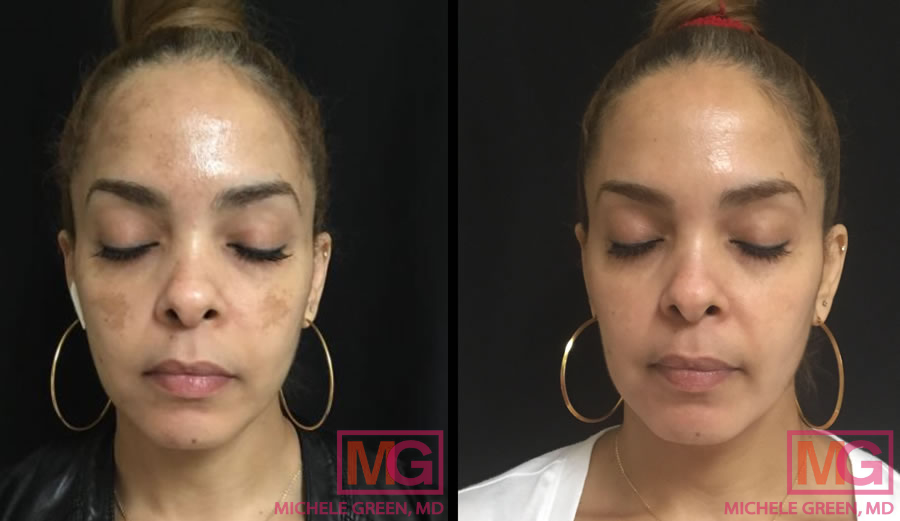
How To Get Started with Your Summer Skincare Routine Today with Dr. Michele Green in NYC
The summer months mean longer days and more time in the sun, necessitating a thoughtful adjustment to your regular skincare routine. To keep your skin clear, healthy, and glowing all season long, it is essential to use a gentle cleanser, a lightweight moisturizer, a weekly exfoliant, and an antioxidant-rich vitamin C serum as part of your daily regimen. Most importantly, apply a broad-spectrum sunscreen of at least SPF 50 whenever you are in the sun, and reapply every two hours to ensure continued protection against UV rays, sun damage, and the long-term risk of skin cancer. Whether you have oily, dry, combination, or sensitive skin, the right summer skincare routine will be tailored to your needs — and board-certified dermatologist Dr. Michele Green is here to help you build it.
Dr. Michele Green is an internationally renowned, board-certified cosmetic dermatologist based in New York City, with over 25 years of experience helping patients achieve healthy, glowing skin year-round. Castle Connolly, New York Magazine, Super Doctors, and the New York Times consistently identify Dr. Green as one of NYC’s best dermatologists for her dedication to her patients and expertise across all skin types and concerns. When you consult with Dr. Green at her private dermatology office on Manhattan’s Upper East Side, she will work with you to create a personalized plan that incorporates specially formulated skincare products and non-invasive treatments to keep your skin healthy and radiant throughout the summer. Please call us at 212-535-3088 or contact our New York City-based office today to schedule a consultation with Dr. Michele Green and improve your summer skincare journey.
Related Topics
Summarize This Content: AI


