


Microneedling for Rosacea: Benefits, Safety & What to Expect
Rosacea is a chronic inflammatory skin condition that affects millions of people worldwide, causing persistent facial redness, visible blood vessels, small bumps, and reactive skin that can be frustratingly difficult to manage. While the condition is most commonly associated with the cheeks, nose, forehead, and chin, its physical and emotional toll can be significant — especially for those who experience frequent flare-ups triggered by sun exposure, heat, spicy foods, or stress. For years, treatment options were largely limited to topical creams, oral antibiotics such as doxycycline, prescription medications like ivermectin or isotretinoin, and laser therapy. However, microneedling for rosacea has emerged as a compelling option for patients seeking to address not only redness but also the overall texture and resilience of their rosacea-prone skin. If you’re curious whether microneedling could be right for you, Dr. Michele Green can help you find the answer.
Microneedling, also known as collagen induction therapy, uses fine needles to create controlled micro-injuries in the skin, stimulating the body’s natural healing response and boosting collagen production and elastin synthesis. These microchannels in the epidermis trigger the release of growth factors that help remodel the skin from within. For patients with rosacea, this process can improve skin texture, strengthen the skin barrier, minimize enlarged pores, and, over time, reduce the appearance of redness and visible blood vessels — all without the heat-based damage that some laser treatments can cause on sensitive skin. As interest in the procedure grows, so do the questions: Is microneedling safe for rosacea? Does microneedling make rosacea worse? And how does it compare to other options, such as IPL or laser therapy? To determine whether microneedling is the right step for your skin, consulting with a board-certified dermatologist, such as Dr. Michele Green, is essential.
Dr. Michele Green is a board-certified dermatologist in NYC with over 25 years of experience treating a wide range of skin conditions, including rosacea, from her private dermatology practice on the Upper East Side of Manhattan. Internationally recognized for her expertise in cosmetic and medical dermatology, Dr. Green takes a personalized approach to each patient’s care, combining the latest technologies with evidence-based treatments to achieve the best possible outcomes. She has consistently been named among New York’s best dermatologists by Castle Connolly, New York Magazine, and Super Doctors. Whether you are dealing with mild flushing or chronic rosacea with visible blood vessels and small bumps, Dr. Green offers a full suite of treatments from microneedling and laser therapy to topical and oral medications, all tailored to your unique skin type and concerns.
What Is Rosacea?
Rosacea is a chronic, inflammatory skin condition that primarily affects the face. It typically presents as persistent redness or flushing across the nose and cheeks, visible blood vessels (telangiectasias), small bumps that may resemble acne, and reactive skin sensitivity that can worsen with heat, sun exposure, alcohol, or emotional stress. There are four main subtypes of rosacea: erythematotelangiectatic (flushing and redness), papulopustular (redness with acne-like breakouts), phymatous (skin thickening, often on the nose), and ocular (eye irritation). While rosacea is not curable, its symptoms can be effectively managed with the right combination of medical and aesthetic treatments. The exact cause of rosacea isn’t fully understood, but genetic predisposition, vascular dysregulation, immune responses, and environmental triggers are believed to play a role. Patients with rosacea-prone skin must be especially careful with their skincare routine and treatment choices, as the wrong approach can easily trigger a flare-up.
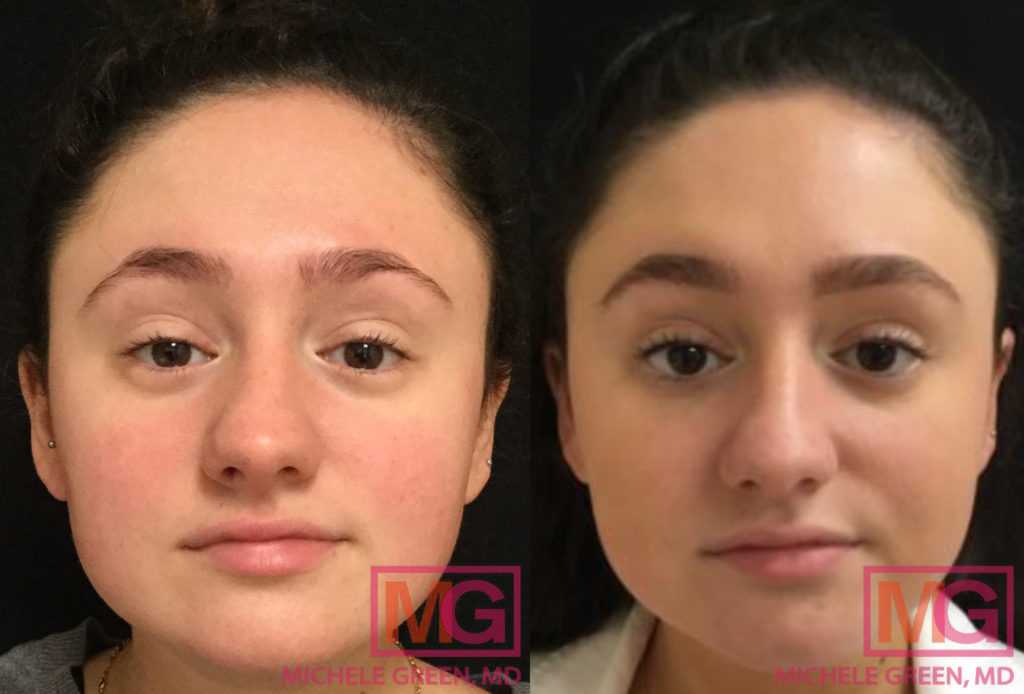
What does microneedling do for rosacea?
Microneedling uses fine needles (typically 0.5-2.5mm deep) to create thousands of tiny microchannels in the epidermis and dermis. These controlled micro-injuries trigger the skin’s natural wound-healing cascade, prompting the release of growth factors, boosting collagen production, and stimulating elastin synthesis. For patients with rosacea, this process helps thicken and reinforce the skin barrier, which is often compromised in rosacea-prone skin, making it less reactive to everyday triggers. Over time, increased collagen production improves skin texture, reduces the appearance of enlarged pores, and helps calm the chronic inflammation that underlies the redness. Through a process called angiogenesis — the formation and remodeling of blood vessels — microneedling may also help normalize the abnormal vasculature that causes the persistent flushing and visible blood vessels characteristic of rosacea. Importantly, microneedling achieves all of this without the thermal energy of laser therapy, making it a gentler option for those with sensitive skin.
Who Is a Good Candidate for Microneedling for Rosacea?
The ideal candidate for microneedling for rosacea is someone whose condition is currently stable and not flaring, and who is looking to improve skin texture, reduce chronic redness, and strengthen the skin barrier. Patients with rosacea — particularly those with persistent redness, enlarged pores, and rough or uneven skin texture — tend to respond especially well. Those with active pustular breakouts or highly inflamed skin may need to address these acute issues first with oral medications such as doxycycline or with topical treatments such as metronidazole, Finacea, or Vita-C Serum, before beginning microneedling. It is also important that candidates are not currently on isotretinoin, as this medication affects collagen metabolism and can interfere with proper healing. Good candidates are also those who are committed to appropriate post-treatment sun protection and skincare, as sun exposure is a major trigger for rosacea and can undermine results. Your dermatologist will conduct a thorough evaluation during your consultation to determine whether microneedling is appropriate for your specific skin profile.
What type of microneedling is best for rosacea?
For patients with rosacea, the most commonly recommended microneedling is traditional collagen induction therapy with a device like the SkinPen—the first FDA-cleared microneedling device on the market. The SkinPen uses fine needles to create precise, controlled micro-injuries at adjustable depths, allowing the dermatologist to tailor the treatment to the sensitivity of rosacea-prone skin. Because it doesn’t use heat or radiofrequency energy, the SkinPen is gentler on reactive skin than some other devices. The treatment can also be combined with calming serums or growth factors applied topically. These products are absorbed more readily through the microchannels created during the procedure, helping soothe and further repair the skin. Some medspas offer microneedling at significantly deeper depths or with add-ons that may not be appropriate for sensitive rosacea-prone skin, which is another reason why seeking treatment from a qualified dermatologist is so important.
What Is the Microneedling Procedure Like for Rosacea?
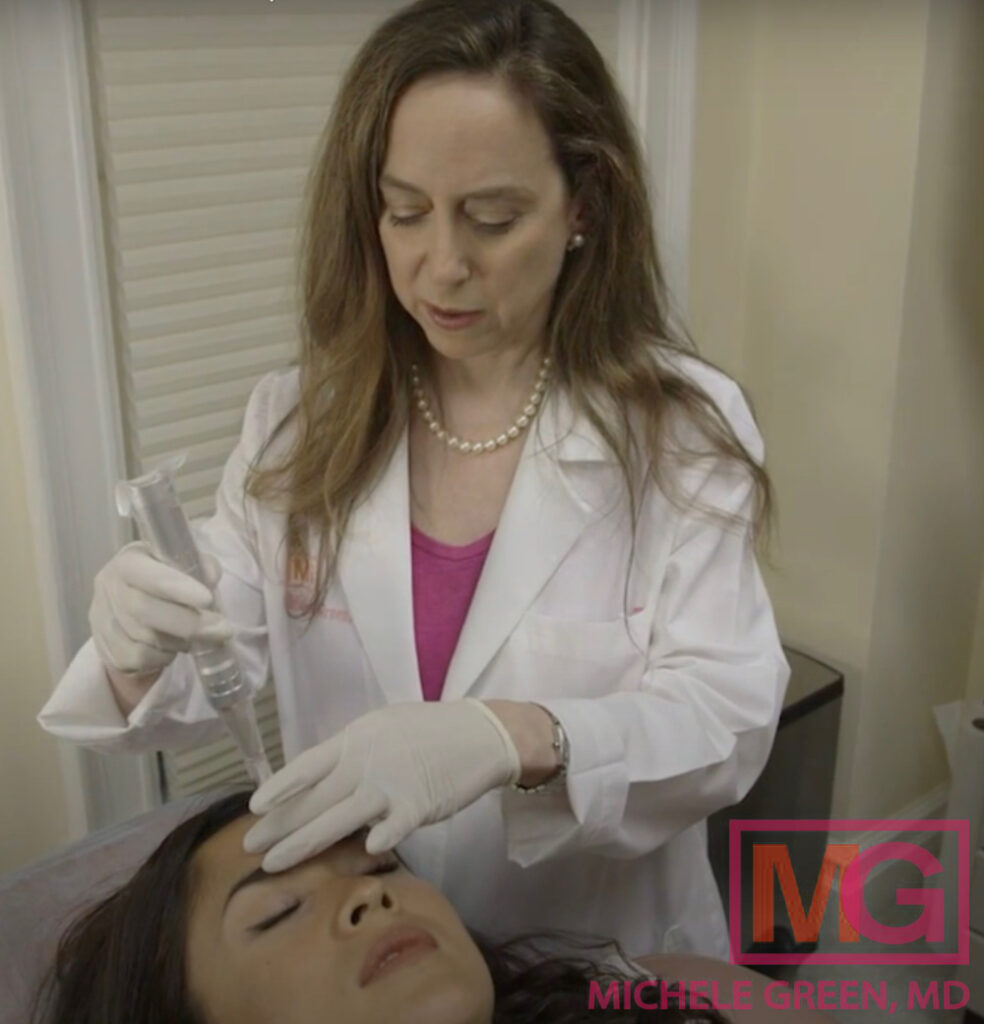
A typical microneedling session for rosacea at Dr. Michele Green’s practice begins with a thorough skin assessment and cleansing of the treatment area. A topical numbing cream is then applied for 30 minutes to minimize discomfort, allowing the skin to become fully numb before the procedure begins. The microneedling device, such as the SkinPen, is carefully moved across the treatment area, creating thousands of fine microchannels in the epidermis and upper dermis. For rosacea patients, needle depth and intensity are generally kept on the gentler end of the spectrum to avoid overstimulating reactive skin. The entire treatment typically takes between 10 and 15 minutes, depending on the size of the area being treated. Immediately afterward, a soothing serum or growth-factor product may be applied to take advantage of enhanced absorption through the newly formed microchannels. Most patients leave the office with mild pinkness or redness — similar to a mild sunburn — that typically subsides within 24 to 72 hours.
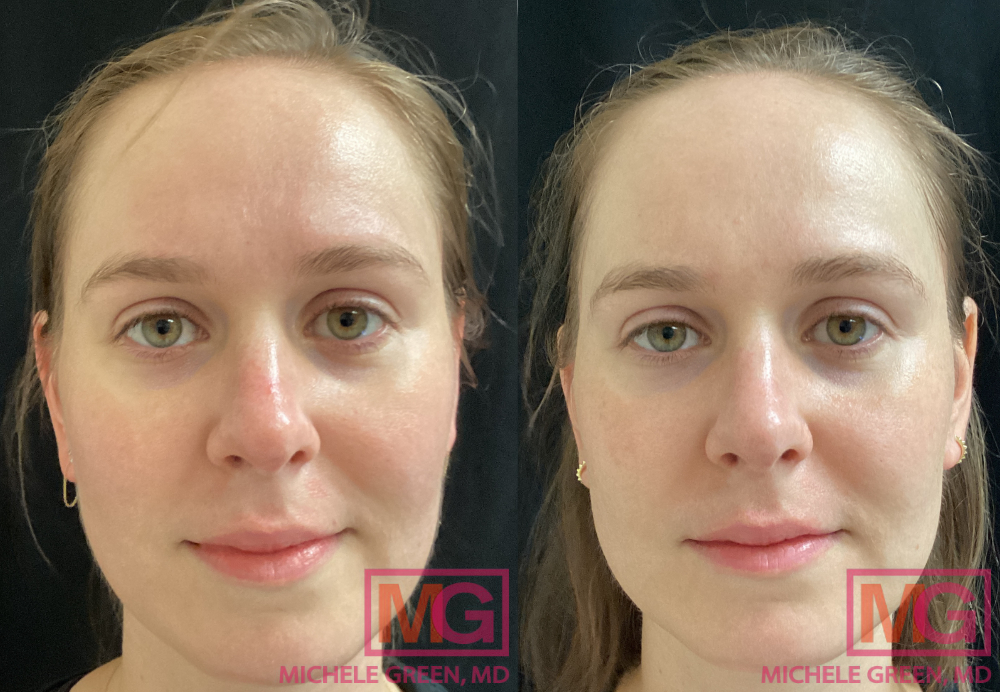
Side Effects and Downtime After Microneedling for Rosacea
The most common side effects of microneedling for rosacea are temporary redness and mild swelling, which typically resolve within one to three days. Some patients with more sensitive skin may experience a slightly longer flushing episode, but this generally resolves quickly with proper post-treatment care. Downtime is minimal, with most patients returning to work and normal activities within 24 to 48 hours, though they should avoid makeup, intense exercise, and sun exposure for the first 2 days after treatment. It is also important to avoid active skincare ingredients such as retinoids, exfoliating acids, or vitamin C serums in the days immediately after microneedling, as the skin is more permeable and sensitive. In rare cases, patients may develop minor bruising or temporary skin sensitivity, but serious complications are uncommon when the procedure is performed by a qualified provider. For rosacea patients in particular, it’s critical to follow all post-treatment instructions carefully to avoid inadvertently triggering a flare-up during the healing phase.
What should you avoid after microneedling if you have rosacea?
Post-treatment care is especially important for rosacea patients, given how reactive the skin can be. In the days after your microneedling session, avoid sun exposure as much as possible and always apply a broad-spectrum SPF when going outside; UV light is a common rosacea trigger and can also impair healing. Avoid heat-inducing activities such as saunas, steam rooms, hot yoga, and vigorous exercise for at least 48 hours, as elevated skin temperature can trigger flushing. Skip alcohol-based products, fragranced skincare, retinoids, and chemical exfoliants until your skin has fully healed — usually within five to seven days. Stick to gentle, hydrating cleansers and barrier-supporting moisturizers during the immediate post-treatment window, such as the MGSkinLabs Hydra Repair. Avoid picking or rubbing the skin, as the microchannels in the epidermis need to close cleanly to minimize the risk of irritation or infection. Your dermatologist will provide you with a full set of personalized aftercare instructions to help ensure your skin heals comfortably and your results are as impressive as possible.
How many microneedling sessions does it take to see improvement in rosacea?
Most patients notice improvements in skin texture and a subtle reduction in redness after two to three microneedling sessions, though a full course of four to six treatments is typically recommended to achieve optimal results for rosacea. Sessions are generally spaced four weeks apart to allow adequate healing time between treatments — a particularly important consideration for sensitive skin. Because rosacea patients require gentler treatment parameters, sessions may need to be spaced even further, depending on how the skin responds. After completing an initial series, many patients benefit from maintenance sessions every three to six months to sustain improvements in collagen production, skin barrier function, and overall skin quality. Results tend to be cumulative, meaning each session builds on the last. The skin continues to improve for several weeks after each treatment as new collagen and elastin are formed. Patience and consistency are key; while microneedling is not an overnight solution, the results it produces are natural, gradual, and long-lasting.
How Long Do Microneedling Results Last for Rosacea?
The longevity of microneedling results for rosacea varies by patient and depends on factors such as condition severity, lifestyle habits, sun protection practices, and whether maintenance treatments are pursued. In general, the collagen and elastin stimulated by microneedling continue to mature and improve skin for up to six months after the last session, so results build gradually even after your treatment series is complete. Many patients experience significant improvements for 1 to 2 years, especially when they maintain a rosacea-friendly skincare routine, avoid known triggers, and diligently protect their skin from sun exposure. Because rosacea is a chronic condition, it does not go away permanently with any treatment, including microneedling — but with a thoughtful maintenance plan, the benefits can be sustained, and flare-ups kept to a minimum. Most dermatologists recommend periodic touch-up sessions to maintain a strong skin barrier, optimal collagen levels, and well-controlled redness over the long term.
Frequently Asked Questions
Does microneedling help with rosacea?
Yes — microneedling can meaningfully help with rosacea when performed correctly by a qualified provider. It works by stimulating collagen production, strengthening the skin barrier, and promoting healthier vascular remodeling, all of which address the underlying factors that contribute to rosacea’s persistence and reactivity. Over a series of sessions, many patients experience less chronic redness, improved skin texture, fewer flare-ups, and greater overall tolerance to triggers. It is most effective when used as part of a comprehensive rosacea management plan, which may also include topical treatments, sun protection, and lifestyle adjustments.
Many patients will then ask, “Is microneedling recommended for rosacea?” Microneedling is increasingly recommended by dermatologists as a treatment option for rosacea, particularly for patients seeking to improve skin texture and barrier function who have not achieved satisfactory results with medications alone. It is most appropriate for patients whose rosacea is currently in a stable, non-flaring phase. It is not universally recommended as a first-line treatment for all rosacea patients — those with active pustular lesions, highly inflamed skin, or other contraindications may need to address those issues first. A consultation with a board-certified dermatologist is the best way to determine whether microneedling is appropriate for your particular case.
Is microneedling safe for rosacea?
The safety of microneedling for rosacea depends heavily on patient selection, treatment parameters, and the provider’s expertise. In the right hands, microneedling is considered safe for rosacea patients, but it requires a more cautious approach than for those with normal skin. Because rosacea involves sensitive skin prone to inflammation and reactivity, treatments should be performed at lower needle depths and with longer intervals between sessions to minimize the risk of overstimulation. A board-certified dermatologist will assess the current state of your rosacea before proceeding; ideally, microneedling should not be performed during an active flare-up when the skin is already inflamed and more vulnerable. When performed during a calm, stable phase and with appropriate post-care protocols, microneedling is well-tolerated by most rosacea patients. Microneedling is also generally considered a safer alternative to more aggressive resurfacing treatments for those with reactive skin, as it does not involve heat or ablative energy that could aggravate the condition.
Microneedling is good for rosacea when performed correctly by a skilled dermatologist. Its effectiveness stems from its biological mechanism. By prompting controlled healing from within, microneedling supports the skin barrier, reduces chronic inflammation, and remodels the vascular abnormalities that make rosacea visible. Patients often notice improvements in overall skin texture, reduced redness over a series of sessions, and fewer and less severe flare-ups. Additionally, the microchannels created during microneedling can enhance the absorption of topical serums, including growth factors and calming agents, that further support rosacea-prone skin. For those who haven’t found adequate relief from oral medications such as doxycycline or isotretinoin, or who are seeking a nonprescription option to complement their regimen, microneedling for rosacea offers a promising path forward.
Does microneedling make rosacea worse?
This is one of the most common concerns patients raise, and the answer is nuanced. Rosacea is not an absolute contraindication to microneedling, but it requires careful management. Microneedling on skin that is actively flaring, or with needle depth or treatment intensity too aggressive for rosacea-prone skin, can temporarily worsen redness and inflammation. However, this is typically avoidable with proper planning. A temporary increase in redness immediately after the procedure is normal and expected, even in patients without rosacea — the key is managing the post-treatment period appropriately with gentle skincare, sun protection, and avoidance of known triggers. In the hands of an experienced dermatologist, the risk of microneedling worsening rosacea permanently is low. In fact, many patients find that with each session, their skin becomes progressively less reactive and more resilient, as a strengthened skin barrier and improved collagen network provide better protection against triggers that previously caused flare-ups.
Can microneedling cause rosacea?
There is no strong evidence that microneedling causes rosacea. Rosacea is a chronic condition with a genetic and vascular basis and is not triggered simply by microneedling. That said, some patients may notice that microneedling temporarily reveals or intensifies facial flushing — particularly if the procedure is performed too aggressively or too soon after a previous session. This temporary redness results from increased blood flow to the treated area during the healing process and typically resolves within a day or two. If you have a pre-existing tendency toward rosacea but haven’t been formally diagnosed, the flushing response after microneedling may be more pronounced than expected. This is exactly why it’s so important to disclose your full skin history to your dermatologist before undergoing microneedling — so your provider can tailor the treatment to your skin’s unique needs and ensure it doesn’t aggravate any underlying conditions.
Can microneedling reduce redness from rosacea?
Yes, microneedling can help reduce rosacea-related redness over time, though it typically requires multiple sessions to achieve noticeable results. The mechanism involves promoting healthier vascular remodeling through angiogenesis, strengthening the skin barrier to reduce inflammatory triggers, and calming chronic background inflammation that contributes to persistent redness. That said, microneedling is not the fastest route to reducing redness compared with laser therapy; this treatment directly targets hemoglobin in blood vessels and can reduce visible redness more quickly. Microneedling’s contribution to redness reduction is gradual and often occurs alongside broader improvements in skin quality, texture, and resilience. For patients whose redness is primarily driven by the chronic inflammatory and barrier-compromise aspects of rosacea rather than by predominantly dilated blood vessels, microneedling can be particularly effective. As always, the best approach depends on your individual presentation, and Dr. Michele Green can help you design a comprehensive rosacea treatment plan that addresses all aspects of your condition.
Can microneedling treat the broken capillaries caused by rosacea?
Microneedling can support vascular remodeling through angiogenesis, which may help normalize abnormal blood vessel formation that leads to visible capillaries in rosacea. However, for already-established, clearly visible broken capillaries (telangiectasias), laser therapy — particularly pulsed dye laser (PDL) or the VBeam laser — is generally a more effective and direct option. These laser-based treatments target oxyhemoglobin in blood vessels, causing them to collapse without damaging the surrounding tissue. Microneedling can complement these treatments by improving overall skin health and reducing the inflammatory environment that promotes the proliferation of new blood vessels. For patients with both visible capillaries and broader rosacea concerns, such as skin texture and reactivity, a combination approach using laser therapy to address broken capillaries and microneedling to improve overall skin health is often the most comprehensive and effective strategy.
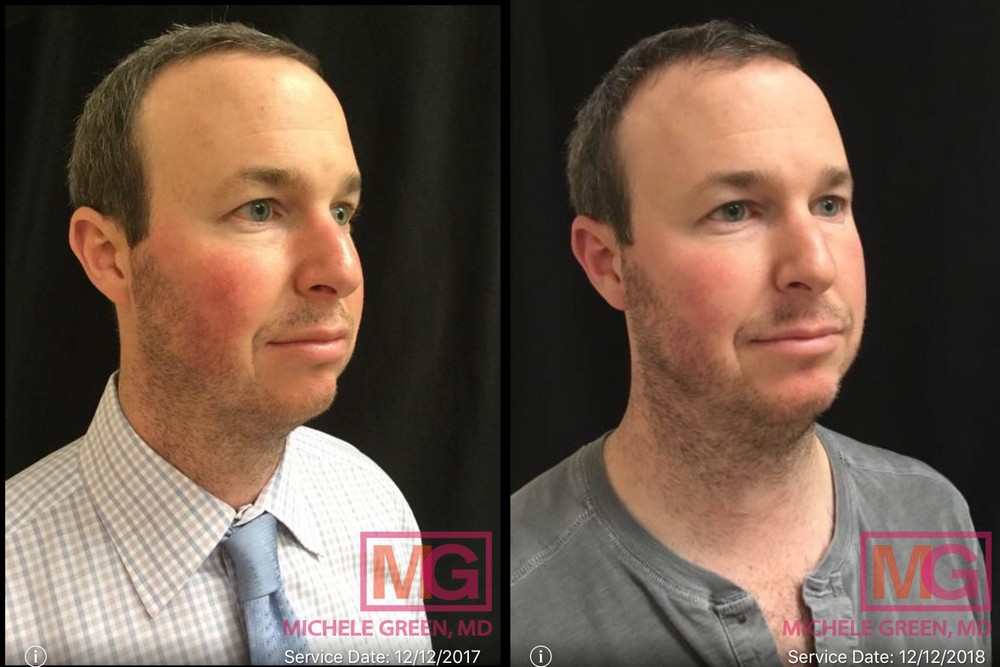
Are there other cosmetic treatments that complement microneedling for rosacea?
Yes — several treatments can work alongside microneedling for more comprehensive rosacea management. IPL and laser therapy (such as the VBeam pulsed dye laser) are excellent complements to microneedling when visible blood vessels and diffuse redness are prominent concerns. Botox has also been explored as an off-label treatment for rosacea, particularly for patients with flushing as a dominant symptom. Small intradermal injections of Botox can help reduce the vascular dilation that causes flushing and redness. Topical medications such as ivermectin or azelaic acid can be incorporated into the daily skincare routine alongside the microneedling series, and oral medications such as doxycycline can help manage inflammatory papulopustular rosacea in the background. The best approach is a personalized, multi-modal treatment plan crafted by your dermatologist.
What is better for rosacea: IPL or microneedling?
Both IPL (Intense Pulsed Light) and microneedling are valuable tools for managing rosacea, but they work differently and are better suited to different aspects of the condition. IPL is a form of laser therapy that targets pigment and blood vessels in the skin with broad-spectrum light, making it particularly effective at reducing visible blood vessels and diffuse redness. It is often considered the gold standard for the vascular component of rosacea. Microneedling, on the other hand, excels at improving overall skin texture, strengthening the skin barrier, and reducing the chronic inflammation that makes rosacea-prone skin so reactive. For some patients, a combination approach — using IPL to address visible blood vessels and microneedling to improve skin quality and resilience — may yield the best overall results. The choice between the two ultimately depends on your specific rosacea subtype, skin tone, and treatment goals, and should be made in consultation with a board-certified dermatologist. Dr. Michele Green offers a variety of treatments in her NYC practice and will help you determine the most effective strategy for your skin.
Is RF microneedling safe for rosacea?
Radiofrequency (RF) microneedling combines traditional microneedling with the delivery of radiofrequency energy deep into the dermis, making it a more powerful and intensive treatment than standard microneedling. For patients with rosacea, RF microneedling requires particular caution. The radiofrequency energy generates heat in the skin, which can trigger or worsen flushing and inflammation in reactive skin. That said, RF microneedling is not completely off-limits for rosacea patients — it depends on the severity of the rosacea, the specific device used, and the provider’s experience. When performed conservatively, with careful settings, by a board-certified dermatologist, some rosacea patients can successfully undergo RF microneedling, particularly for concerns such as skin laxity or enlarged pores that may coexist with their rosacea. The key is a thorough consultation and an honest discussion of risks and benefits before proceeding. For most rosacea patients, starting with traditional microneedling and gauging the skin’s response is the safest and most sensible first step.
Contact Dr. Michele Green to Start Your Microneedling for Rosacea Journey Today
Microneedling for rosacea is a safe, effective, and minimally invasive treatment that harnesses the skin’s natural healing to reduce redness, improve skin texture, strengthen the skin barrier, and diminish the reactivity that makes rosacea-prone skin so challenging to manage. By creating precise micro-injuries that stimulate collagen production, elastin synthesis, and healthy vascular remodeling, microneedling addresses rosacea at a foundational level — building more resilient, balanced skin from within. Whether used alone or in combination with laser therapy, topical medications such as ivermectin, or other complementary treatments, microneedling can be a transformative addition to a comprehensive rosacea management plan. Treatments like SkinPen-based collagen induction therapy, performed with the care and precision required for sensitive skin, offer patients a path to lasting improvement without the downtime or risks associated with more aggressive procedures. To find out whether microneedling is the right step for your skin, schedule a consultation with Dr. Michele Green.
Dr. Michele Green is a board-certified Dr. Michele Green is a board-certified dermatologist in NYC with over 25 years of experience helping patients achieve their best skin with the most advanced cosmetic and medical treatments. With a reputation for excellence built over decades of practice on Manhattan’s Upper East Side, Dr. Green offers a personalized, holistic approach to rosacea care — from microneedling and laser therapy to prescription medications and customized skincare regimens. She has consistently been recognized as one of New York City’s top dermatologists and is dedicated to providing her patients with the highest standard of care in a comfortable, private setting. If you are ready to take control of your rosacea and explore whether microneedling is right for you, don’t wait — contact us online or call 212-535-3088 to schedule your consultation with Dr. Green today.
Related Topics
Summarize This Content: AI


