


Is Hyperpigmentation Permanent? How Long Does It Take to Fade
Hyperpigmentation is one of the most common skin concerns, affecting millions of people worldwide and characterized by dark spots, patches, and areas of discoloration that appear darker than the surrounding skin. This skin condition occurs when excess melanin is produced in certain areas, leading to uneven skin tone and visible marks that can affect individuals of all skin types and tones. Whether you’re dealing with post-inflammatory hyperpigmentation (PIH) from acne scars, melasma triggered by hormonal changes, sunspots from sun damage, or age spots that develop over time, understanding the nature of hyperpigmentation and available treatment options is essential for achieving clearer, more even-toned skin. The good news is that while some types of hyperpigmentation can be stubborn and long-lasting, most cases are treatable with the right combination of topical treatments, in-office procedures, and a dedicated skincare routine under the guidance of an experienced dermatologist like Dr. Michele Green.
Determining whether hyperpigmentation is permanent depends on several factors, including the type of hyperpigmentation, the depth of melanin deposits in the skin cells, your skin type, and how quickly you seek treatment. Understanding the causes of hyperpigmentation—from sun exposure and ultraviolet (UV) rays to skin trauma, birth control pills, and various skin conditions like eczema—is crucial for developing an effective treatment plan. While some forms of discoloration may fade on their own over time with proper sun protection and skincare products, others require professional intervention through procedures such as chemical peels, laser therapy, laser treatments, or microneedling, combined with powerful skincare ingredients like hydroquinone, vitamin C, retinoids, azelaic acid, kojic acid, glycolic acid, tranexamic acid, niacinamide, and retinol. Board-certified dermatologist, Dr. Michele Green, in New York City, specializes in treating all forms of hyperpigmentation and has helped countless patients achieve remarkable results through customized treatment approaches.
Dr. Michele Green is a board-certified cosmetic dermatologist with over 25 years of experience treating patients at her private dermatology boutique in Manhattan’s Upper East Side. Dr. Green is internationally renowned for her expertise in treating hyperpigmentation, melasma, dark spots, and various other skin concerns using the latest, most innovative approaches and cutting-edge technology. She takes a holistic approach to skincare, combining advanced in-office treatments with medical-grade skincare products to address each patient’s unique needs and skin type. Her dedication to providing personalized care and achieving natural-looking, beautiful results has earned her recognition as one of New York’s best dermatologists by Castle Connolly, New York Magazine, and Super Doctors. Dr. Green’s patients travel from around the world to benefit from her expertise in treating hyperpigmentation and achieving radiant, even-toned skin.
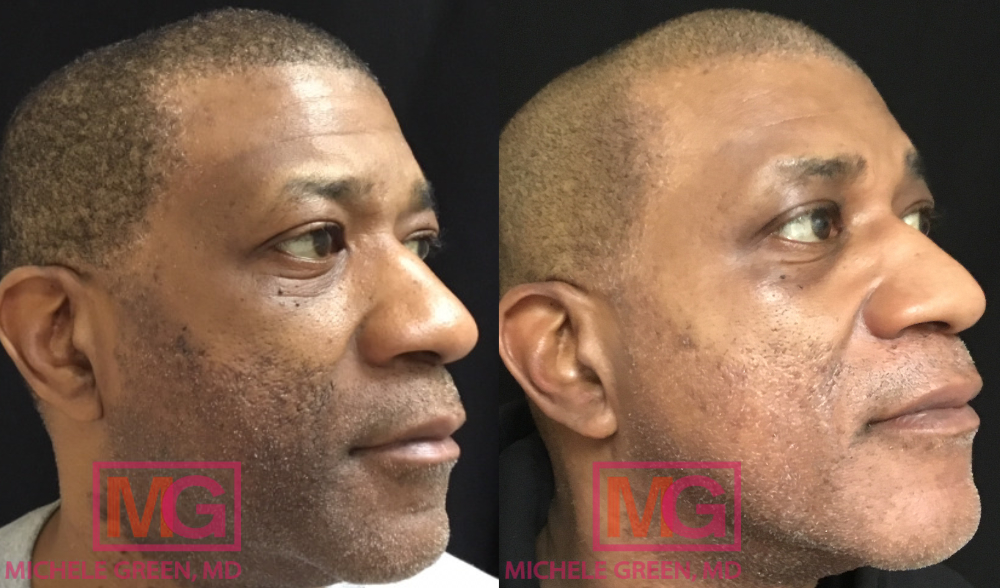
Understanding Hyperpigmentation and Melanin Production
Hyperpigmentation occurs when melanin, the pigment responsible for skin color, is produced in excess in certain areas of the skin. Melanocytes, the skin cells that produce melanin, can become overactive due to various triggers including sun exposure, hormonal changes, inflammation, skin trauma, and certain medications. When these cells produce too much melanin, it accumulates in specific areas, creating visible dark patches and uneven skin tone. This excess melanin can be deposited in different layers of the skin—the epidermis (outer layer) or the dermis (deeper layer)—which significantly impacts how long the hyperpigmentation takes to fade and which treatment options will be most effective. Understanding melanin production and what triggers it is essential for preventing future discoloration and developing an appropriate treatment plan with a dermatologist like Dr. Green.
The process of melanin production is complex and can be influenced by numerous internal and external factors. Sun exposure and UV rays are among the most common triggers, as ultraviolet radiation stimulates melanocytes to produce more melanin as a protective response. Hormonal changes, such as those experienced during pregnancy or from birth control pills, can also trigger increased melanin production, leading to conditions like melasma. Inflammatory responses from acne, eczema, or other skin conditions can result in post-inflammatory hyperpigmentation (PIH), where dark spots remain after the initial inflammation has healed. Dr. Green emphasizes that darker skin tones are particularly susceptible to PIH and other forms of hyperpigmentation because they naturally have more active melanocytes, making sun protection and gentle skincare especially important.
Types of Hyperpigmentation and Their Characteristics
Different types of hyperpigmentation have distinct characteristics, causes, and prognoses, which is why understanding the specific type you’re dealing with is crucial for determining the appropriate treatment approach. The most common forms include post-inflammatory hyperpigmentation (PIH), melasma, sunspots (also called solar lentigines), and age spots. PIH develops after skin trauma or inflammation from conditions like acne, eczema, cuts, burns, or aggressive skincare treatments, appearing as dark spots or patches where the injury occurred. Melasma typically presents as symmetrical dark patches on the face, particularly the cheeks, forehead, upper lip, and chin, and is primarily triggered by hormonal changes, sun exposure, and genetics. Sunspots and age spots are flat, brown spots that develop on sun-exposed areas like the face, hands, shoulders, and arms due to cumulative sun damage over time. Dr. Michele Green, a board-certified dermatologist in NYC, carefully evaluates each patient to identify their specific type of hyperpigmentation and create a customized treatment plan.
Each type of hyperpigmentation responds differently to treatment and has varying timelines for improvement. PIH can range from mild to severe and may affect anyone, but individuals with darker skin tones are particularly prone to this condition because their skin produces more melanin in response to inflammation. Melasma can be particularly stubborn and is often chronic, with symptoms that may improve and worsen depending on hormonal fluctuations, sun exposure, and treatment adherence. Sunspots and age spots are generally easier to treat than melasma but require consistent sun protection to prevent new spots from forming. Understanding these distinctions helps set realistic expectations for treatment outcomes and timelines. Dr. Green uses her extensive experience to determine which combination of topical treatments, chemical peels, laser therapy, or other procedures will be most effective for each individual patient’s type of hyperpigmentation.
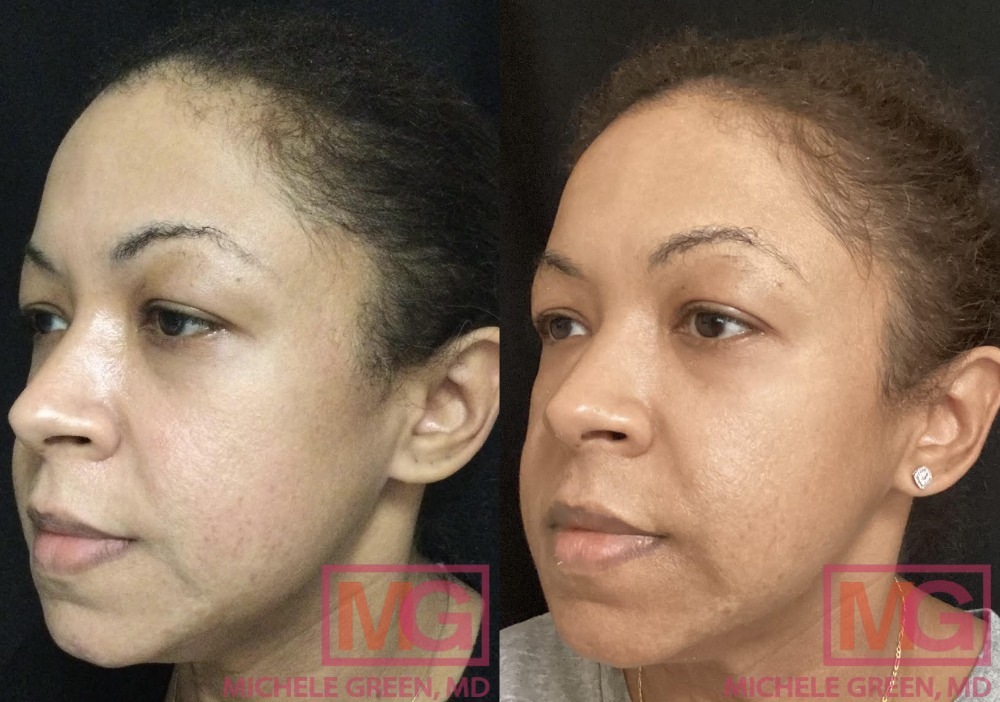
The Role of Sun Exposure and UV Protection
Sun exposure is both a primary cause of hyperpigmentation and a major obstacle to its successful treatment, making sun protection absolutely essential for anyone dealing with dark spots or uneven skin tone. UV rays from the sun stimulate melanin production as the skin’s natural defense mechanism, which can darken existing hyperpigmentation and trigger the formation of new dark patches. Even brief, incidental sun exposure—such as walking to your car or sitting near a window—can undo months of treatment progress if proper sun protection isn’t maintained. This is why dermatologists like Dr. Michele Green in NYC emphasize that daily sunscreen use is non-negotiable when treating hyperpigmentation. Broad-spectrum sunscreen with SPF 30 or higher should be applied every morning, regardless of the weather or season, and reapplied throughout the day for optimal protection.
Beyond just wearing sunscreen, comprehensive sun protection involves multiple strategies to minimize UV ray exposure and prevent further skin damage. This includes seeking shade during peak sun hours (10 AM to 4 PM), wearing protective clothing, wide-brimmed hats, and sunglasses, and avoiding tanning beds entirely. Broad-spectrum formulations are crucial because they protect against both UVA rays (which penetrate deeply and cause aging and pigmentation) and UVB rays (which cause burning). SPF products should be applied generously—most people don’t apply enough to achieve the labeled protection level. Dr. Green recommends mineral sunscreens containing zinc oxide or titanium dioxide for patients with sensitive skin or those undergoing active treatment for hyperpigmentation, as these physical blockers are less likely to cause irritation. Consistent sun protection not only prevents worsening of existing discoloration but also allows treatment products and procedures to work more effectively.
Where Does Hyperpigmentation Occur
Hyperpigmentation most commonly appears on sun-exposed areas, particularly the face—cheeks, forehead, upper lip, and chin. Beyond the face, it frequently develops on the hands, arms, shoulders, chest, and back. Melasma typically follows a symmetrical, mask-like facial pattern, while PIH appears wherever inflammation has occurred. Hyperpigmentation can also develop in non-sun-exposed areas due to other causes. PIH may appear on the legs, underarms, or intimate areas following skin trauma or irritation. Dr. Green evaluates the location and pattern of pigmentation to determine its underlying cause and develop the most appropriate treatment plan, noting that hyperpigmentation on all body areas is treatable.
Why Does My Hyperpigmentation Keep Coming Back
Recurring hyperpigmentation typically signals either unaddressed triggers or inadequate sun protection. Without daily broad-spectrum SPF, melanocytes remain activated, making lasting improvement nearly impossible—even incidental sun exposure during daily errands can reactivate faded dark spots. Other contributing factors include hormonal changes from birth control or pregnancy, ongoing skin conditions like acne or eczema, photosensitizing medications, and harsh skincare habits that perpetuate skin trauma. Dr. Green works with patients to identify these triggers and build comprehensive, long-term plans focused on both fading existing hyperpigmentation and preventing its return.
Will Hyperpigmentation Go Away on Its Own
Mild PIH may gradually fade through the skin’s natural cell turnover, particularly in lighter skin tones, but this can take anywhere from 6 months to 2 years or more. Diligent sun protection is essential throughout this period, as any UV exposure can prolong the process significantly. Certain types, like melasma and sunspots, rarely fade completely without professional treatment. Deeper dermal pigmentation and darker skin tones face additional challenges. While waiting is an option, proactive treatment can dramatically accelerate fading and deliver more complete results.
How Long Until Hyperpigmentation Fades
Fading timelines vary widely by type and severity. Mild PIH may show improvement within 6–12 weeks, with full resolution over 6–12 months. Melasma may require 3–6 months of treatment to show significant change, while sunspots can respond faster to targeted procedures like laser therapy or chemical peels, though multiple sessions are typically needed. Cell turnover speed plays a key role and naturally slows with age—from roughly every 28 days in your twenties to 45–60 days or more later in life. Ingredients that boost turnover, like retinoids and glycolic acid, can accelerate fading. Dr. Green emphasizes that patience and consistency are essential, as results are always gradual.
What Is the Permanent Solution for Hyperpigmentation
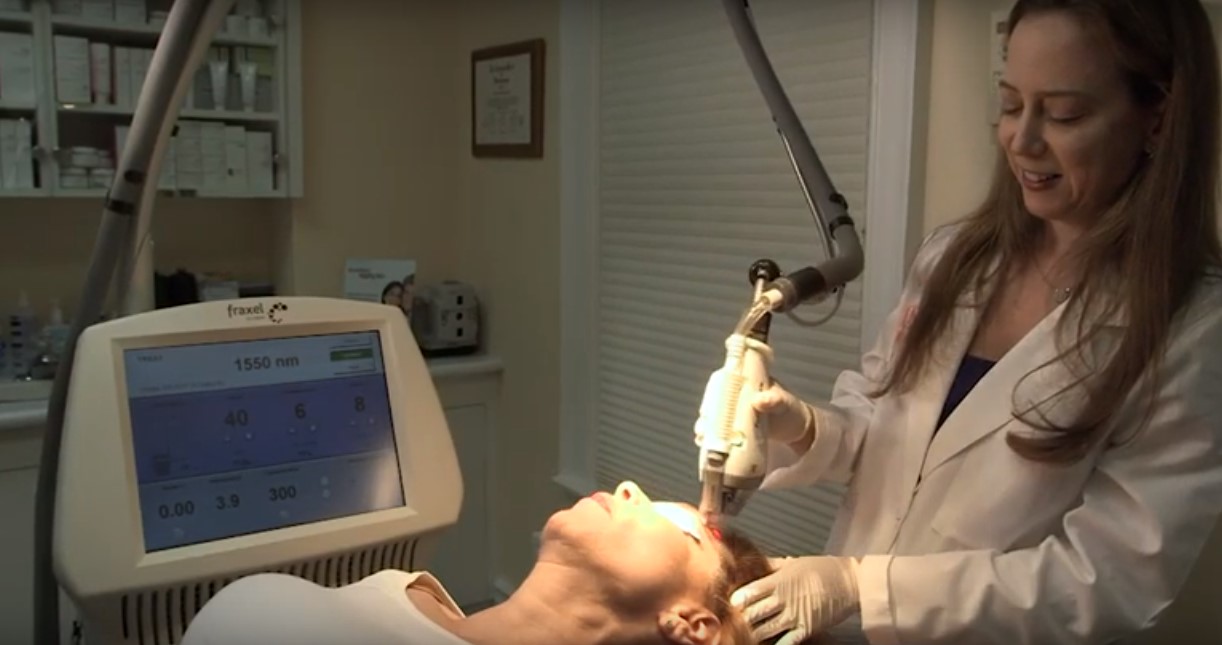
A truly “permanent” solution for hyperpigmentation doesn’t exist—it’s an ongoing concern requiring long-term management. The most effective strategy combines professional treatments with prescription skincare and lifestyle modifications, particularly strict sun protection, to prevent new pigmentation from forming. Success requires addressing underlying causes, not just fading current spots. Dr. Green offers a wide variety of non-invasive treatments to lighten and reduce hyperpigmentation. Common in-office procedures include Fraxel laser, AlexTriVantage laser, Clear + Brilliant laser, VBeam laser, Mesopeels, Cosmelan Peel, TCA peels, and microneedling. When you consult with Dr. Green, she will create an individualized treamtent plan to help you manage and eliminate your hyperpigmentation.
Fraxel Dual Laser
The Fraxel Dual targets a wide range of hyperpigmentation, including sunspots, age spots, and uneven skin tone caused by chronic sun damage. It uses two wavelengths — 1550 nm for skin texture and fine lines and 1927 nm for sun damage and pigmentation — to create thousands of microscopic treatment zones in the skin, stimulating the body to shed damaged, pigmented cells and replace them with fresh, healthy tissue. Downtime is moderate: expect 48 hours of redness and mild swelling, followed by an additional 3-5 days of mild peeling akin to a rough ‘sandpaper’ texture, with the skin taking on a “sunburned” then bronzed, flaky appearance before revealing clearer skin underneath. Most patients require 3–5 treatments each spaced 4 weeks apart for optimal results.
Alex TriVantage Laser
The Alex TriVantage is best suited for discrete pigmented lesions such as sunspots, age spots, café-au-lait macules, freckles, and certain benign pigmented birthmarks, and it is also a gold-standard treatment for tattoo removal. It uses Q-switched Alexandrite (755 nm) and Nd:YAG (532 nm and 1064 nm) wavelengths that deliver ultra-short, high-intensity pulses to shatter melanin and ink particles, which the body’s lymphatic system then clears away naturally. Downtime is relatively brief — treated spots typically darken, crust, and flake off over 7–14 days — though strict sun avoidance afterward is essential. For isolated pigmented spots, 1–3 treatments are often sufficient, each spaced one month apart.
Clear + Brilliant Laser
Clear + Brilliant is ideal for early or mild hyperpigmentation, including light sun damage, early age spots, and general dullness or uneven tone — it is often used as a preventive or maintenance treatment rather than a corrective one for more stubborn pigment. This gentler fractional laser creates millions of microscopic treatment zones in the superficial layers of the skin, accelerating cell turnover and improving tone and texture without the intensity of a full resurfacing procedure. No downtime is necessary after treatment, and patients can resume their daily activities afterward. A series of 4–6 monthly treatments is typical for noticeable improvement, with many patients choosing periodic maintenance sessions every few months to sustain results.
VBeam Laser
The VBeam (pulsed dye laser) is specifically designed to treat vascular and redness-related pigmentation concerns, including rosacea-associated redness, post-inflammatory erythema (the pink or red discoloration left after acne or injury), port wine stains, and broken capillaries — rather than melanin-based brown pigmentation. It emits a 595 nm wavelength that is selectively absorbed by oxyhemoglobin in blood vessels, causing targeted vessels to collapse and be reabsorbed by the body without damaging surrounding tissue. No downtime is required after treatment, and most patients see optimal improvement after 4-6 sessions.
Mesopeels
Mesopeels are professional-grade chemical exfoliation treatments formulated to address a range of hyperpigmentation types, including melasma, PIH, sunspots, and general discoloration — making them particularly popular for patients with medium to deeper skin tones who may not be candidates for more aggressive lasers. They work by delivering a blend of active ingredients — commonly including azelaic acid, kojic acid, phytic acid, resorcinol, or retinol — that inhibit melanin production at multiple steps in the pigmentation pathway while simultaneously exfoliating the surface layers of skin to remove existing pigment. Most patients can return to normal activities soon after treatment with good sun protection. A course of 4–6 treatments spaced 3–4 weeks apart is standard, with maintenance sessions recommended seasonally, especially for hormonally driven conditions like melasma.
Cosmelan Peels
Cosmelan is a highly targeted depigmentation system specifically designed for moderate to severe melasma and persistent hormonal hyperpigmentation, and it is considered one of the most effective in-office treatments for these notoriously difficult conditions. The system combines an in-office application of a potent mask containing azelaic acid, kojic acid, phytic acid, retinol, and ascorbic acid with a prescribed at-home maintenance regimen, working to block tyrosinase — the key enzyme in melanin synthesis — while also exfoliating accumulated pigment from the skin’s surface. Cosmelan is typically administered as a single intensive in-office treatment followed by months of at-home maintenance cream use; many patients require a booster or repeat application after 12 months, as melasma has a high recurrence rate without diligent maintenance and sun protection.
TCA Peels
Trichloroacetic acid (TCA) peels can address a broad spectrum of hyperpigmentation concerns, including sunspots, uneven skin tone, PIH, and superficial melasma, and are also used to improve fine lines and skin texture simultaneously. TCA works by penetrating the epidermis and upper dermis to cause controlled coagulation of skin proteins, prompting the body to shed the treated layers and regenerate new, more evenly pigmented skin in their place — the depth of treatment depends on the concentration used, typically ranging from 10% for superficial peels to 20% for medium-depth treatments. A series of 4–6 superficial peels spaced 4–6 weeks apart is common for hyperpigmentation treatment.
Microneedling with Depigmentation Serum
Microneedling paired with a depigmentation serum is an excellent option for PIH, melasma, and diffuse uneven skin tone, and it is particularly well-suited for patients with medium to dark skin tones who carry a greater risk of worsening pigmentation from heat-based laser treatments. The microneedling device creates thousands of fine, controlled micro-channels in the skin, which dramatically enhances the absorption of a customized depigmentation serum — typically containing a combination of tranexamic acid, kojic acid, vitamin C, niacinamide, or retinol — delivering these active brightening agents far deeper into the skin than topical application alone could achieve, while simultaneously stimulating collagen production and cell turnover. A minimum of 3 treatments spaced 4–6 weeks apart is typically recommended for best results, with touch-up treatments every few months to maintain evenness, particularly for chronic pigmentation conditions.
What Permanently Lightens Hyperpigmentation – Effective Topical Skincare
The most effective approach to treating hyperpigmentation combines professional in-office treatments with medical-grade skincare and consistent sun protection. Prescription hydroquinone remains the gold standard for suppressing melanin production, and is frequently paired with tretinoin and a corticosteroid in a triple-action combination that delivers powerful, targeted results. Other proven brightening ingredients in over-the-counter skincare products — including vitamin C, azelaic acid, kojic acid, tranexamic acid, niacinamide, and retinol — each play a valuable role in fading discoloration and preventing it from returning. Dr. Green takes a personalized approach to every patient’s skincare routine, drawing on her proprietary MGSKINLABs line to craft a customized regimen that strategically combines these ingredients for optimal, long-lasting results with minimal side effects.
The Essential Antioxidant Infusion from MGSKINLABs is an overnight treatment ideal for patients dealing with discoloration, uneven skin tone, and sun damage. Its concentrated blend of vitamins A (retinyl palmitate), C (ascorbic acid), and E (tocopheryl acetate) works while you sleep to accelerate cell turnover, inhibit melanin production, and provide antioxidant protection against the oxidative stress that worsens pigmentation. The silicone-based delivery system helps active ingredients absorb quickly and deeply without irritation, making it an excellent complement to in-office treatments.
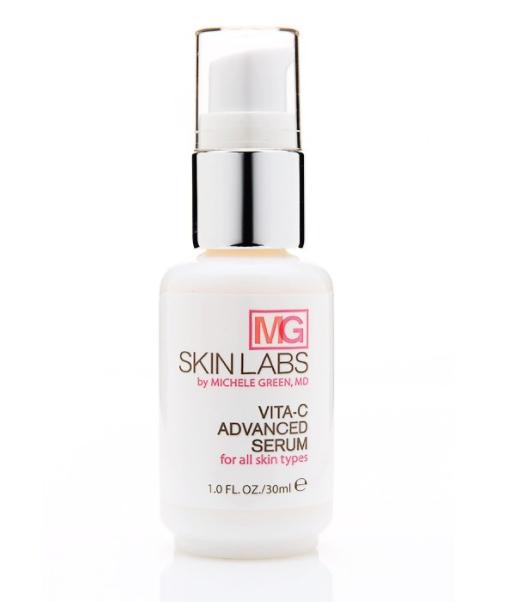
The Vita-C Serum from MGSKINLABs is designed for patients with brown or red spots, sun damage, post-inflammatory hyperpigmentation, or early age-related discoloration. Its key ingredient, methylsilanol ascorbate — a stable, bioavailable form of vitamin C — inhibits tyrosinase (the enzyme responsible for melanin production) while simultaneously stimulating collagen and neutralizing free radicals that worsen pigmentation. Used morning and evening, it both treats existing discoloration and helps prevent new pigmentation from forming in response to UV exposure and environmental stressors.
The MGSKINLABs Skinbright RX is a targeted brightening cream formulated for the face, neck, and chest, making it ideal for melasma, sunspots, hormonal discoloration, and post-inflammatory hyperpigmentation. It works through a multi-pronged approach: kojic dipalmitate and arbutin block the tyrosinase enzyme to reduce melanin at the source, magnesium ascorbyl phosphate (a stable vitamin C derivative) adds brightening activity, and a blend of alpha-hydroxy acids from fruit extracts — including pineapple, passionflower, and grape — gently exfoliate pigmented surface cells to improve overall radiance. Applied once or twice daily, it is an excellent at-home option to extend the results of in-office treatments.
Sunscreen is the single most important product in any hyperpigmentation plan, as UV exposure is the primary trigger that stimulates melanin production and perpetuates discoloration. This oil-free, broad-spectrum SPF 50 uses mineral-based zinc oxide and octinoxate to deflect the UV radiation responsible for worsening brown spots and melasma. Beyond sun protection, niacinamide gradually brightens existing discoloration and evens skin tone with daily use, lactic acid gently exfoliates pigmented cells, and hyaluronic acid keeps the skin barrier supported and hydrated — making this a true multitasking daily essential for any patient addressing hyperpigmentation.
What Can Permanently Remove Hyperpigmentation
Laser therapy—including Q-switched, picosecond, and IPL treatments—can break up melanin deposits for clearance by the immune system, making it highly effective for sunspots, age spots, and some PIH. Chemical peels exfoliate pigmented cells and promote turnover, while microneedling enhances topical product penetration. Dr. Green often combines these with prescription treatments like hydroquinone and tretinoin for comprehensive results. However, true removal requires ongoing prevention. Strict sun protection, avoiding peak UV hours, and managing triggers like hormonal changes or active acne are critical to maintaining results. For stubborn cases, periodic maintenance treatments every few months are recommended alongside a tailored at-home routine.
Is Laser Treatment for Hyperpigmentation Permanent
Laser treatment can provide long-lasting but not strictly permanent results. Q-switched, picosecond, and IPL lasers are particularly effective for sunspots, age spots, and some PIH, with results lasting months to years. Without ongoing sun protection and skincare, however, hyperpigmentation can return.
Dr. Green typically recommends a comprehensive approach pairing laser sessions with prescription topicals, medical-grade skincare, and strict SPF 30+ protection. Periodic maintenance treatments and addressing underlying triggers—hormonal, inflammatory, or behavioral—are key to maximizing the longevity of results.
Is Chemical Peel Permanent for Hyperpigmentation
Chemical peels are not a permanent solution but can provide significant, long-lasting improvement. Superficial peels with glycolic or salicylic acid fade mild pigmentation by exfoliating surface cells, while medium-depth TCA peels reach more stubborn pigmentation. Dr. Green selects peel type based on each patient’s skin tone and goals.
A typical plan involves 3–6 peels spaced several weeks apart, combined with brightening skincare products. For darker skin tones, Dr. Green recommends gentler, more frequent peels to minimize PIH risk. Maintaining results requires consistent SPF use, treating underlying causes, and scheduling periodic maintenance peels.
How Long Until Hyperpigmentation Goes Away
Mild PIH may begin improving within 6–8 weeks and fade substantially within 3–6 months, though full resolution often takes longer. Melasma and dermal pigmentation typically require 6–12 months of treatment, while sunspots can show visible improvement within weeks of targeted treatment with multiple sessions needed for optimal results.
Key factors affecting timeline include age, skin type, pigmentation depth, hyperpigmentation type, and treatment adherence. Dr. Green stresses that realistic expectations are crucial—some patients see dramatic improvement within months, while others need a year or more. Consistency with skincare, sun protection, and follow-up appointments is essential throughout.
What Permanent Hyperpigmentation Looks Like
Permanent hyperpigmentation typically presents as deep, unchanging dark patches that don’t respond to sun protection or topical treatments over years. These areas often appear blue-gray or brown-gray rather than typical brown, as deeper melanin is viewed through multiple skin layers. This is most common with long-standing melasma, severe dermal PIH, or pigmentation from certain medications.
Even apparently permanent hyperpigmentation may improve with aggressive interventions—advanced lasers, chemical peels, or microneedling combined with lightening agents. What distinguishes truly permanent pigmentation is its lack of response to standard or mild treatments, often showing only partial improvement even with intensive professional care. Dr. Green helps patients develop realistic expectations and maximize improvement through comprehensive plans.
Frequently Asked Questions (FAQs) about Hyperpigmentation
Are Dark Spots Hyperpigmentation
Yes—”dark spots” is one of the most common terms for hyperpigmentation, referring to areas where excess melanin has accumulated from sun damage, acne, hormonal changes, or aging. While “hyperpigmentation” is the broader medical term, “dark spots” describes the visible result. The same treatment principles apply to both: inhibit melanin production, promote cell turnover, and protect against UV exposure.
Do Hyperpigmentation Scars Go Away
“Hyperpigmentation scars” is often a misnomer—true scars involve textural changes, while most “dark scars” are actually PIH, which is flat discoloration with a much better prognosis. PIH can fade significantly or completely with appropriate treatment, typically within months to a year.
When both pigmentation and actual scarring coexist—such as with depressed acne scars—the pigmentation can be treated, but the texture may require additional interventions, such as microneedling, laser resurfacing, or fillers. Dr. Green addresses both components simultaneously for smoother, more even-toned results.
Does Hyperpigmentation Ever Go Away
Yes, hyperpigmentation goes away in most cases. Mild to moderate PIH, sunspots, and age spots typically respond well to treatment and can fade significantly within several months to a year. Even melasma, while chronic, can be substantially improved with dedicated treatment and ongoing maintenance.
Some forms—particularly deep dermal pigmentation that has persisted for many years—may only partially improve even with aggressive treatment. Without proper maintenance and sun protection, successfully treated hyperpigmentation can return. The goal is to maximize improvement and prevent recurrence through consistent, long-term skin care habits.
Can Hyperpigmentation Be Permanent
Yes, hyperpigmentation can become permanent, most often when melanin settles deep into the dermis from severe trauma, chronic inflammation, long-standing melasma, or repeated injury. Consistent sun exposure without protection can also entrench pigmentation deeper over time, making it increasingly resistant to treatment.
Even in long-standing cases, significant improvement is often achievable with the right combination of advanced laser treatments, chemical peels, and targeted skincare. Early intervention is key—treating hyperpigmentation when it first appears prevents it from becoming deeply embedded. Addressing underlying causes further reduces the risk of permanent pigmentation.
How to Tell If Hyperpigmentation Is Permanent
Pigmentation depth is the most important indicator of permanence. A dermatologist can assess this using a Wood’s lamp, which makes epidermal pigmentation more pronounced under UV light while dermal pigmentation remains unchanged—helping predict treatment outcomes. Superficial pigmentation is generally temporary; deep dermal pigmentation is far more stubborn.
Monitoring treatment response also provides clues. If dark spots show any improvement after 3–6 months of consistent topical treatment and sun protection, the pigmentation is likely not permanent. If there’s no change at all, deeper pigmentation or more aggressive intervention may be needed. PIH generally has a better prognosis than chronic melasma.
Is Post Inflammatory Hyperpigmentation Permanent
PIH is generally not permanent but can be very long-lasting without treatment, especially in darker skin tones. Because PIH primarily exists in the epidermis, it responds better to treatment than deeper forms of hyperpigmentation. With appropriate topical treatments and professional procedures, PIH can fade significantly or resolve completely.
Early intervention is key. Dr. Green recommends starting treatment as soon as possible after the inflammatory event, using ingredients like hydroquinone, retinoids, vitamin C, and azelaic acid alongside in-office options like chemical peels or laser therapy. Preventing recurrence requires addressing the root cause—whether that’s acne, eczema, or overly aggressive skincare.
Is Hyperpigmentation After Laser Permanent
Post-laser hyperpigmentation is generally not permanent and is one of the most common side effects, particularly for darker skin tones. It’s a form of PIH triggered by the laser’s heat and inflammatory response. Most cases fade within 6–12 months with proper post-treatment care, and true permanent hyperpigmentation from laser is uncommon when appropriate protocols are followed.
Treatment involves strict sun protection, gentle skincare, and topical brightening agents like vitamin C, retinoids, and azelaic acid. Working with an experienced dermatologist like Dr. Green, who can customize laser parameters for different skin types, is the best way to minimize this risk.
Is Hyperpigmentation After CO2 Laser Permanent
Post-CO2 laser hyperpigmentation is typically not permanent, though it can be persistent—especially in medium- to dark-skinned individuals. Most cases resolve within 3–6 months with proper care, though complete resolution may take up to a year. Prevention through careful candidate selection and pre-treatment with hydroquinone or retinoids is essential.
If PIH develops, treatment includes strict SPF 30+ protection, gentle skincare, and targeted lightening agents. Vitamin C and chemical peels may also be introduced once the skin has fully healed. Dr. Green emphasizes that preparation and careful post-procedure management dramatically reduce the risk of lasting discoloration.
Is Hyperpigmentation After a Chemical Peel Permanent
Post-peel hyperpigmentation is typically temporary, though it can be frustrating—particularly for darker skin tones at higher PIH risk. Chemical peels can paradoxically trigger PIH if too aggressive, aftercare is insufficient, or sun exposure occurs during healing. Most cases fade within several weeks to months with proper care.
Prevention involves selecting the right peel strength for each skin type—Dr. Green recommends gentler peels in a series for darker tones rather than one aggressive session. If PIH develops, strict sun protection and topical treatments with vitamin C, retinol, or niacinamide are introduced to fade discoloration, with most cases resolving within 3–6 months.
Is Hyperpigmentation Permanent After Microneedling
Post-microneedling hyperpigmentation is typically temporary and manageable with proper aftercare. PIH can occur as an inflammatory response, particularly in darker skin tones, but is rarely permanent when performed by an experienced professional. Most cases resolve within 3–6 months.
To prevent and treat PIH, Dr. Green recommends strict SPF 50+ protection, gentle, hydrating cleansers and moisturizers, and topical treatments with vitamin C, niacinamide, and azelaic acid. Notably, microneedling can itself be an effective treatment for existing hyperpigmentation when combined with lightening agents, as microchannels allow deeper ingredient penetration.
Are Hyperpigmentation Scars Permanent
The pigmentation associated with scars—PIH—is generally not permanent and responds well to topical treatments containing hydroquinone, tretinoin, vitamin C, and exfoliating acids. Professional options like chemical peels, pigment-targeting lasers, or microneedling can address both pigmentation and the underlying scar texture for more comprehensive improvement.
While the textural component of true scars may be permanent, the dark discoloration accompanying them is almost always treatable. Comprehensive plans that target both pigmentation and scar tissue can help patients achieve clearer, more even-toned skin with minimal visible evidence of prior scarring.
Is Dermal Hyperpigmentation Permanent
Dermal hyperpigmentation is more challenging to treat than surface pigmentation, as topical products struggle to reach deeper melanin deposits. Advanced laser treatments—fractional, picosecond, and Q-switched—can penetrate deeper to break up pigment, though results are less dramatic and multiple sessions are required.
Combining professional treatments with a targeted regimen of hydroquinone, tretinoin, and vitamin C improves outcomes, but strict and consistent sun protection is critical. Ongoing UV exposure can further entrench deep pigmentation, making prevention just as important as active treatment.
How to Permanently Get Rid of Hyperpigmentation
Permanently eliminating hyperpigmentation requires combining professional treatments—laser therapy, chemical peels, and microneedling—with a targeted at-home routine and diligent sun protection. Dr. Green creates customized plans that layer in-office procedures with prescription skincare for optimal, lasting results.
The most effective topical ingredients include hydroquinone, tretinoin, vitamin C, azelaic acid, kojic acid, tranexamic acid, niacinamide, and exfoliating acids. A gradual, layered approach works best as skin adjusts. Above all, daily broad-spectrum SPF 30+ is critical—UV rays can undo months of treatment progress within days.
Take Control of Your Hyperpigmentation: Your Path to Clearer, More Radiant Skin
Hyperpigmentation is a complex skin condition that requires a comprehensive, personalized approach to achieve optimal results. While no single treatment can guarantee permanent elimination of dark spots, significant improvement is possible with the right combination of professional interventions, medical-grade skincare, and diligent prevention strategies. Dr. Michele Green has successfully helped countless patients dramatically reduce hyperpigmentation and achieve more even, radiant skin through her customized treatment plans that address each patient’s unique skin concerns, skin type, and underlying pigmentation causes.
With over 25 years of experience treating hyperpigmentation in her private New York City dermatology practice, Dr. Michele Green offers unparalleled expertise in addressing complex pigmentation concerns. Her approach combines state-of-the-art technology with a deep understanding of skin biology, providing patients with comprehensive treatment plans that address both the visible symptoms and underlying causes of hyperpigmentation. Dr. Green has been recognized by numerous publications as one of New York’s top dermatologists and continues to be at the forefront of innovative skincare treatments. To begin your journey to clearer, more even-toned skin, contact Dr. Green’s office at 212-535-3088 or contact her via our website to schedule your personalized consultation and take the first step towards resolving your hyperpigmentation concerns.


