


PRP Hair Transplants
Can PRP Improve Hair Transplant Results?
Hair loss and thinning hair are common conditions that affect as many as 50 million men and 30 million women in their lifetime. Hair loss can occur for many reasons, including genetic conditions such as androgenetic alopecia (also known as androgenic alopecia, male pattern baldness, or female pattern baldness); autoimmune disorders such as alopecia areata; acute stressful events such as telogen effluvium; medications; and hormonal fluctuations. Regardless of the cause of hair loss, noticing a decrease in hair thickness and hair density on various areas of the scalp can be extremely distressing for patients, leading to low self-esteem and symptoms of depression. Many treatment options are available for hair loss, including combining surgical procedures, such as a hair transplant, with non-surgical procedures, such as platelet-rich plasma injections, to enhance healing, increase hair density, reduce inflammation, and improve the survival rate of transplanted hair follicles. The best first step in determining if PRP injections are the best course of action for your treatment plan is to schedule a consultation with an expert dermatologist, such as Dr. Michele Green.
Platelet-rich plasma therapy — also known as PRP therapy — uses the growth factors found in the patient’s own blood to heal hair follicles, improve hair density, and trigger new hair growth. Often used medically for wound healing, skin rejuvenation, and musculoskeletal injuries, platelet-rich plasma (PRP) treatment is now being used to address hair loss and thinning, including androgenetic alopecia and alopecia areata. Although not yet FDA-approved for hair loss treatment, platelet-rich plasma has been tested in clinical trials and has demonstrated promising results for hair regrowth. PRP can also be paired with other hair-loss treatments to improve overall results, including medications such as finasteride and minoxidil, as well as microneedling. With a low risk of side effects and demonstrably positive results, PRP injections have become an excellent treatment option for patients concerned with hair loss.
Experienced board-certified dermatologist Dr. Michele Green has been expertly treating patients in her Upper East Side, New York City dermatology office for more than 25 years. An expert in a wide range of medical and cosmetic procedures, Dr. Green has been praised by many patients for her proficiency in treatments such as Botox injections, dermal fillers, laser therapy, microneedling, and more. Known for her high patient satisfaction, Dr. Green has been voted one of the best dermatologists in New York City by such publications as Castle Connolly, New York Magazine, and Super Doctors.
What is platelet-rich plasma (PRP) treatment for hair restoration?
Platelet-rich plasma (PRP) therapy is a modern treatment that uses growth factors from the patient’s own blood to promote healing, stimulate cell growth, and support blood clotting. PRP treatment is commonly used for various medical needs, including aiding the healing of wounds and musculoskeletal injuries, rejuvenating the skin, and preventing hair loss. PRP treatment is now commonly used by dermatologists to address hair loss conditions such as male pattern baldness, female pattern baldness (also known as androgenetic alopecia), and alopecia areata. While the treatment is not currently FDA-approved for hair loss, the procedure helps prevent thinning and promotes new hair growth, with long-lasting results.
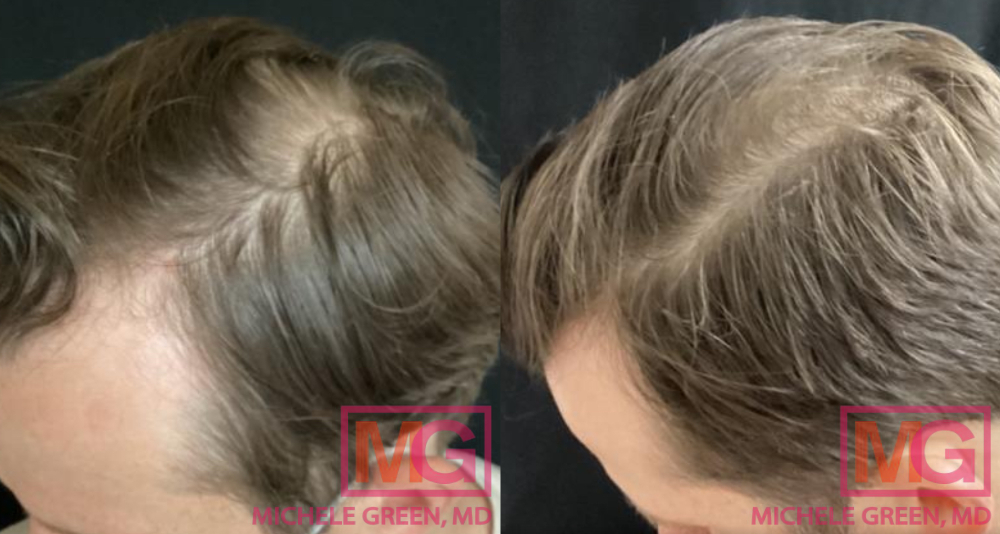
Can PRP improve hair transplant results?
PRP works to improve the results of hair transplant surgery both pre- and post-operative, thereby reducing the recovery time, improving circulation and blood supply to the scalp, and promoting denser, healthier new hair growth. Dr. Green recommends that patients begin PRP injection treatment in the months leading up to their hair transplant surgery to prepare the scalp and create a healthy environment for new hair growth. PRP can reactivate dormant follicles, strengthening existing hair and reducing the likelihood of side effects such as sudden hair shedding (shock loss) after the hair transplant. After surgery, PRP injections can help reduce scalp inflammation, strengthen implanted follicles, accelerate healing, and increase the survival rate of new follicles.
How does PRP help hair transplant recovery?
As PRP hair restoration involves injecting the patient’s own platelet-rich plasma into the scalp, the procedure begins with drawing blood from the patient’s arm. When you arrive at the office, Dr. Green will draw your blood and place it in a centrifuge, which separates it into three components: platelet-poor plasma, platelet-rich plasma, and red blood cells. The platelet-rich plasma, which is rich in stem cells, is then extracted for injection into the scalp. An hour before the injection, Dr. Green will apply a topical numbing cream to the treatment area to reduce potential discomfort. Then, PRP is injected into the scalp treatment areas using a small needle with an anticoagulant to increase the concentration of growth factors in those areas. The treatment is quick and simple, typically taking 30 minutes, with no downtime, so that patients can return to their regular activities immediately. After the first treatment, Dr. Green’s office will help to schedule your follow-up and maintenance treatments.
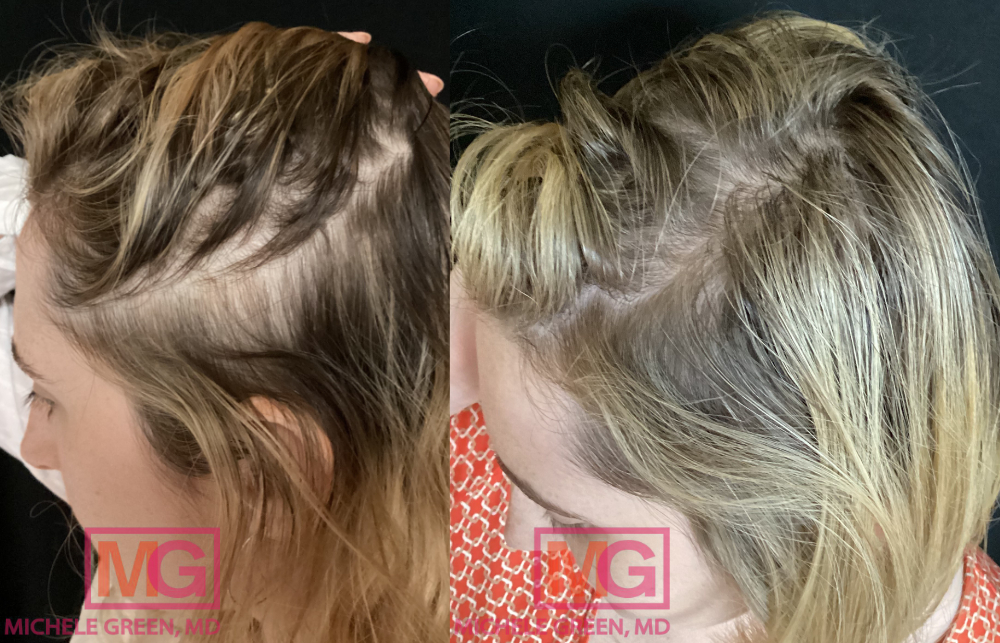
PRP Hair Transplant FAQs
When should you do PRP with a hair transplant?
For optimal results, it is best to begin PRP injection treatment in the months leading up to the hair transplant. Dr. Green recommends that patients begin with 3-4 treatment sessions spaced 4-6 weeks apart to prepare the scalp for the transplant. After hair transplant surgery, patients should wait 3-4 weeks to avoid irritating the treated area while it heals.
How many PRP sessions do you need after a hair transplant?
After a hair transplant, Dr. Green recommends 1-3 PRP treatment sessions spaced 4-6 weeks apart. While patients typically see results after a single session, Dr. Green recommends multiple treatment sessions for optimal results. Following the initial round of treatments, patients can schedule maintenance appointments every 6-12 months to sustain the treatment results over the long term.
How long does PRP last after a hair transplant?
PRP for hair loss provides long-lasting results but typically requires follow-up treatments to sustain the effects. The PRP therapy can have effects that last as long as 18 months after the initial round of injection treatments; however, Dr. Green recommends getting a touch-up treatment approximately once a year in order to maintain the full results of the treatment. At your follow-up appointment with Dr. Green, her office will help to schedule the regular maintenance treatments to keep your hair growth full and strong.
Side effects of PRP with a hair transplant
PRP treatment is very safe and highly effective for hair regrowth and hair loss prevention. Unlike other hair-loss prevention treatments, PRP therapy is associated with very few side effects, especially when performed by a board-certified dermatologist such as Dr. Green. Part of the reason for the lack of side effects is that PRP treatment uses the patient’s plasma, so there is no risk of an allergic reaction. PRP treatment is quick and easy to perform, with no downtime, so that patients can resume their regular activities immediately after their appointment.
However, if patients seek treatment from a less experienced injector, the potential side effects of the treatment are as follows:
- Damage to blood vessels in the scalp area.
- Injury to nerves
- Infection at the injection site
For that reason, it is essential to consult an expert dermatologist, such as board-certified dermatologist Dr. Michele Green, for optimal results.
Is PRP combined with a hair transplant safe for men/women?
PRP combined with hair transplant surgery is a safe and effective treatment option for both men and women post-operatively. PRP therapy uses the patient’s own blood, injected into the treatment area to boost the natural healing process, strengthen existing and newly transplanted follicles, and reduce inflammation for optimal results. Additionally, using the patient’s blood reduces the risk of allergic reactions or other serious side effects, as long as you seek treatment from an expert, board-certified dermatologist, such as Dr. Michele Green.
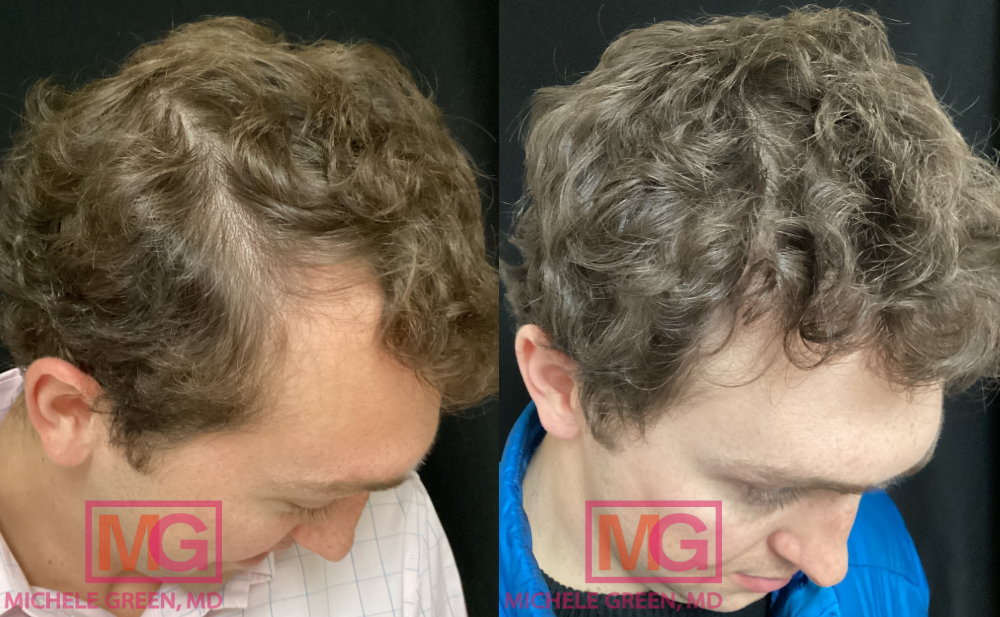
PRP vs. no PRP after a hair transplant – which is better?
While PRP Injections for hair loss or following a hair transplant have not yet been FDA-approved, studies have demonstrated that PRP injections post-surgery significantly improve the results of the procedure. Patients who receive PRP injections after hair transplant surgery are less likely to experience side effects like shock loss and are more likely to see increased graft survival rates. Patients who receive PRP therapy after a hair transplant also see regrowth at a faster rate, as soon as 3 months in some cases.
Can PRP regrow thinning areas without a transplant?
PRP treatment can help regrow hair and prevent further hair loss and thinning in patients with androgenetic alopecia. Hair growth occurs in three phases: the growth phase (anagen), the resting phase (telogen), and the shedding phase. Typically, hair growth lasts 2-6 years before entering the resting phase and eventually shedding, which is a very natural process. However, some hair-loss conditions, such as androgenetic alopecia, significantly shorten the hair growth phase, resulting in shorter, thinner new hair growth. PRP injections help regrow hair by lengthening the hair-growing phase and strengthening hair follicles, resulting in thicker hair shafts, higher hair density, and healthier hair follicles.
PRP has been shown in several key studies to prevent hair loss, strengthen existing hair follicles, and promote new hair growth, without requiring a hair transplant. A study published in the Journal of Cutaneous and Aesthetic Surgery in 2014 (doi: 10.4103/0974-2077.138352) demonstrated that when PRP was injected into the scalp every other week for three months, the number of hair follicles increased, promoting healthier hair growth. In 2019, a study published in the International Journal of Trichology (doi: 10.4103/ijt.ijt_64_18) compared the effects of PRP treatment with those of topical minoxidil (Rogaine). The study demonstrated that PRP was more effective than Rogaine at preventing hair loss and had fewer side effects.
Compared with other treatments, such as topical minoxidil and oral finasteride (Propecia), PRP is more effective and is not associated with the same side effects. For men, such medications can often lead to side effects, such as erectile dysfunction, and for women, side effects can include facial hair growth and low blood pressure. For that reason, PRP hair treatment is quite often the best option for preventing hair loss.
Does PRP reduce shock loss after a hair transplant?
Shock loss is a side effect of hair transplant surgery in which rapid hair shedding occurs in the months after treatment. The side effect results from the body’s shock response to the surgical procedure. In cases where patients receive PRP treatment after hair transplant surgery, dermatologists have observed that shock loss occurs at much lower rates, indicating that PRP injections can indeed reduce the risk of shock loss after a hair transplant.
Is PRP worth it after a hair transplant?
PRP is an excellent treatment option for patients experiencing hair loss or hair thinning, and is highly effective when used before and after hair transplant surgery. When administered to the scalp in the months leading up to surgery, PRP can improve scalp blood circulation, reduce the risk of post-surgical inflammation, and strengthen existing hair follicles, creating a healthier scalp environment. Post-surgery, PRP injections can accelerate and improve the natural healing process, reduce the risk of shock loss, and increase the likelihood of survival of newly grafted hair. To find out if PRP injections are right for you, schedule your initial consultation with expert dermatologist, Dr. Michele Green.
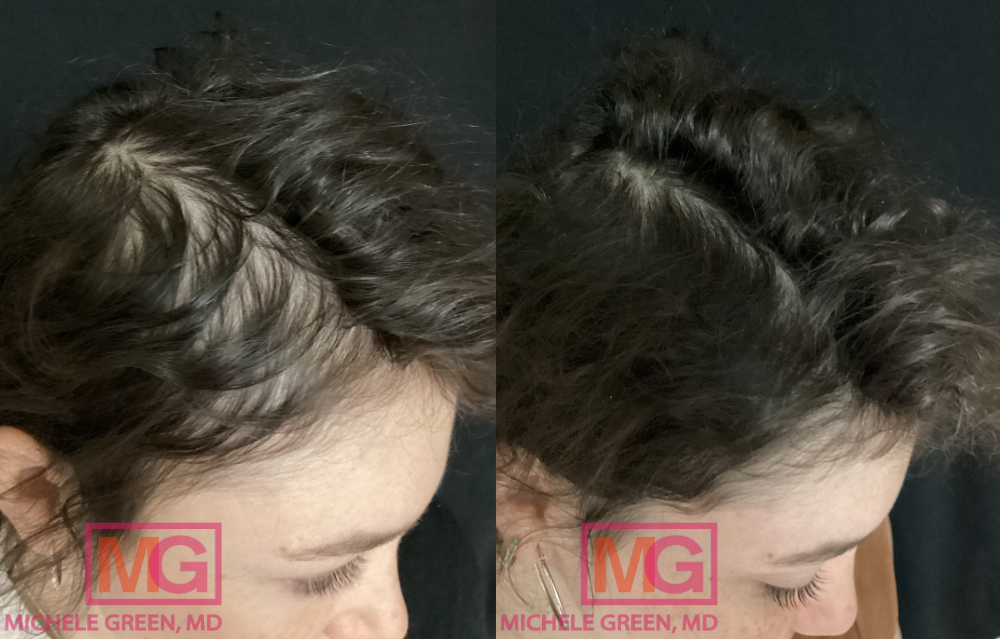
How to get started with PRP therapy today
Hair loss and hair thinning are common conditions that affect millions of men and women throughout their lives. As hair is often a major part of one’s identity, the loss of hair can be very distressing. While there are many hair loss treatment options available, it is difficult to tell which are effective and what to try. The best first step is to consult with an expert dermatologist, such as Dr. Michele Green, who will examine the treatment area to determine the root cause of the hair loss. Some patients, such as those with androgenic alopecia (male/female pattern baldness), may benefit from PRP injections for new hair growth. PRP injections are highly effective at thickening the hair shaft, healing damaged follicles, and lengthening the hair growth phase, resulting in denser, thicker hair. Schedule your appointment with Dr. Green to get started with long-lasting hair regrowth solutions.
Dr. Michele Green is an internationally renowned board-certified dermatologist with over 25 years of experience providing her patients with the best non-invasive treatment options. Dr. Green takes a holistic approach and embraces a less-is-more philosophy, creating customized skincare routines and treatment plans tailored to her patients’ unique concerns and aesthetic goals. She is consistently recognized by Castle Connolly, New York Magazine, and Super Doctors as one of New York’s best dermatologists for her dedication to her patients and expertise. Please call us at 212-535-3088 or email our New York City-based office today to schedule a consultation with Dr. Michele Green to determine whether PRP injections are right for you.


