


PRP vs. Hair Transplant
Hair loss impacts approximately 50 million men and 30 million women throughout their lives. There are numerous reasons for causes of hair loss, including genetic factors such as androgenetic alopecia (commonly referred to as male pattern or female pattern baldness); autoimmune diseases such as alopecia areata; sudden, stressful events that can trigger hair loss, observing a reduction in hair thickness and density across different areas of the scalp can be profoundly upsetting for individuals, resulting in diminished self-esteem and depressive symptoms. A variety of treatment options exist for hair loss, including surgical techniques such as hair transplants and non-surgical methods such as platelet-rich plasma injections, which can promote healing, boost hair density, reduce inflammation, and enhance the survival rate of transplanted hair follicles. A common question from patients experiencing hair loss is: “What is better: PRP or a hair transplant?”
While hair loss can be extremely frustrating, several treatments are available to help combat it. These treatments range from non-invasive options, such as a topical hair serum, to more invasive procedures, such as a hair transplant. Platelet-rich plasma therapy, commonly referred to as PRP therapy, is an advanced hair loss treatment that uses the growth factors present in a patient’s own blood to promote healing of hair follicles, enhance hair density, and stimulate new hair growth. While it has traditionally been used in medical settings for wound healing, skin rejuvenation, and musculoskeletal injuries, PRP treatment is now gaining traction for treating hair loss and thinning, including conditions such as androgenetic alopecia and alopecia areata. PRP can be combined with other hair-loss treatments to enhance overall effectiveness, including medications such as Finasteride and Minoxidil, as well as a hair transplant.
Experienced, board-certified dermatologist Dr. Michele Green has been treating patients at her Upper East Side, New York City dermatology office for more than 25 years. Well-versed in addressing a wide range of cosmetic concerns and medical conditions, Dr. Green is a master at identifying the root cause of hair loss and creating an individualized treatment plan to slow hair shedding and strengthen hair follicles for thicker hair regrowth. In addition to hair loss treatment, Dr. Green is an expert in cosmetic procedures, including Botox, dermal fillers, laser therapy, microneedling, chemical peels, platelet-rich plasma injections, and more. Known for high patient satisfaction, Dr. Green has been voted one of the best dermatologists in New York City by such publications as Castle Connolly, Super Doctors, and New York Magazine.
What causes hair loss?
The first crucial step in treating hair loss is accurately diagnosing the underlying causes. Factors such as genetics, stress, autoimmune diseases, thyroid problems, cancer therapies, hormonal imbalances, and certain medications can all lead to hair shedding and thinning. It is recommended to consult a board-certified dermatologist, such as Dr. Green, who will thoroughly examine your hair and order any necessary bloodwork to rule out autoimmune disease. Once the root cause is determined, a treatment plan can be catered to you.
Androgenetic Alopecia
Androgenetic alopecia, also known as male or female pattern baldness, is a form of hair loss associated with elevated levels of androgen hormones. These hormones bind to hair follicles, causing damage. In men, this type of hair loss typically begins with temple thinning, resulting in a receding hairline that takes on an “M” shape. The hair loss then spreads to the crown and may worsen over time. Women typically experience thinning at the top of the head, which can cause the area to widen. This condition can begin in the 20s or 30s and tends to become more noticeable with age. Although the exact risk factors are still unknown, researchers believe genetics plays a significant role.
Alopecia Areata
Alopecia areata is an autoimmune condition in which white blood cells attack hair follicles, reducing new hair growth and causing the follicles to shrink. It usually appears as bald patches, mainly on the scalp, but can develop anywhere on the body. The condition can occur suddenly and is believed to be genetic, though it is not related to stress. Some people experience complete hair regrowth after alopecia areata, while others may face permanent hair loss. Typically, small patches about a quarter of an inch across are affected, but in some cases, hair loss may be more widespread. It can affect anyone, regardless of age or gender, and often develops within a few days.
Telogen Effluvium
Telogen effluvium is a hair loss condition triggered by severe stress or shock, causing hair to enter the resting (telogen) phase prematurely. As a result, a large number of hairs—sometimes up to 70%—may shed at once, leading to noticeable thinning. Stressful events that can induce telogen effluvium include:
- Severe illness, such as chronic illness or high fever
- Childbirth
- Overactive thyroid
- Severe infections
- Severe psychological distress
- Major surgery or injury
- Losing weight quickly, such as with crash diets and weight loss medications
- Anorexia
- Some medications
Typically, hair begins to regrow within three to six months after the stressful event ends. However, consulting a dermatologist can accelerate regrowth and promote hair follicle health.
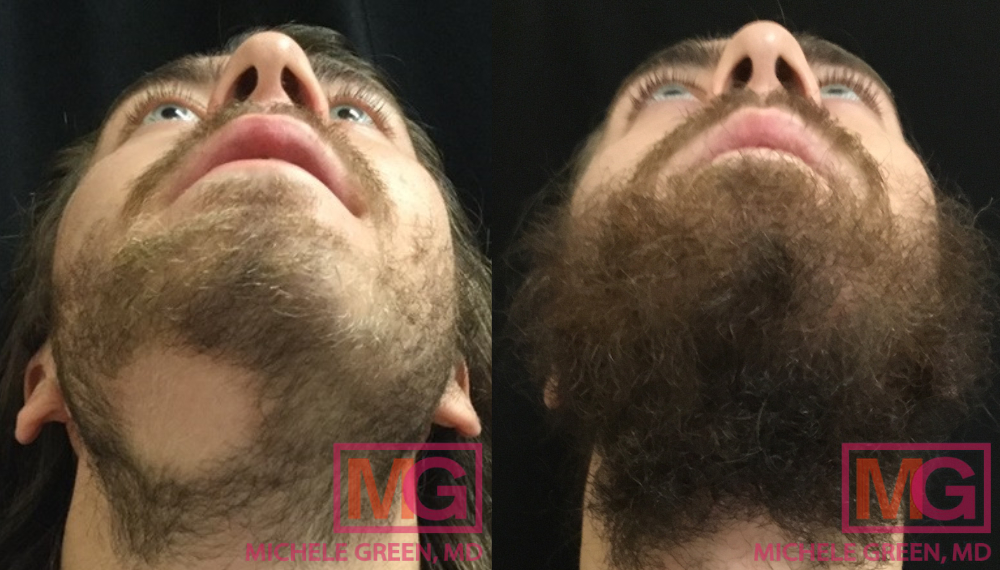
The Difference Between PRP Treatment and a Hair Transplant
PRP hair restoration is a non-invasive procedure that uses the patient’s own blood to combat hair loss and thinning. It is an effective solution. During treatment, a small amount of blood is drawn and centrifuged to separate the platelet-rich plasma, which contains seven key growth factors that stimulate hair growth and reduce shedding. These growth factors play a crucial role in revitalizing hair follicles, promoting healing and regeneration, and can lead to improved hair density and overall scalp health. Because it is a non-surgical treatment, it has minimal downtime. Patients can return to work and most normal activities; however, they are advised not to wash their hair or use any serums that same night and to avoid exercising, smoking, and alcohol consumption for 3 days.
In contrast, a hair transplant is a more invasive surgical procedure that typically requires local anesthesia. This method involves removing healthy hair follicles or a graft from a donor site—usually the back or sides of the scalp—and implanting them into areas where hair is thinning or has been lost. The transplanted follicles can produce hair, offering a more permanent solution for individuals with significant hair loss. While both treatments aim to enhance hair growth, they differ significantly in complexity, recovery time, and patient experience. PRP treatments generally require little to no downtime, whereas hair transplants involve a longer recovery period and more meticulous postoperative care.
How Do PRP and Hair Transplants Differ in Treating Hair Loss?
PRP hair treatment and hair transplants are two popular options for addressing hair loss, but they work through different mechanisms. PRP uses the patient’s blood, which is spun in a centrifuge to concentrate platelets and growth factors. This enriched plasma is then injected into the scalp, where it can stimulate existing hair follicles, enhance hair thickness, and promote new growth. This treatment is particularly effective for individuals with thinning hair or early-stage hair loss, as it revitalizes and nourishes hair follicles.
Hair transplant surgery involves harvesting healthy hair follicles from a donor area—usually the back or sides of the head—and transplanting them into bald or thinning areas. This method is effective for those with significant hair loss, as it provides new, living hair follicles that can grow hair in bald or thinning areas. The transplanted follicles must be healthy and “alive” to ensure successful growth.
While both treatments can be used independently, they are often combined to maximize natural-looking results. For instance, PRP can enhance the effectiveness of hair transplantation by improving scalp health and the health of existing hair follicles after surgery, potentially leading to better hair growth outcomes. Before deciding on a treatment plan, it’s essential to consult a board-certified dermatologist, such as Dr. Michele Green. During your consultation, Dr. Green will perform a thorough assessment of your hair loss, discuss your goals, and order any necessary bloodwork to rule out deficiencies or imbalances. Then Dr. Green will recommend the most suitable treatment or combination of treatments tailored to your specific needs.
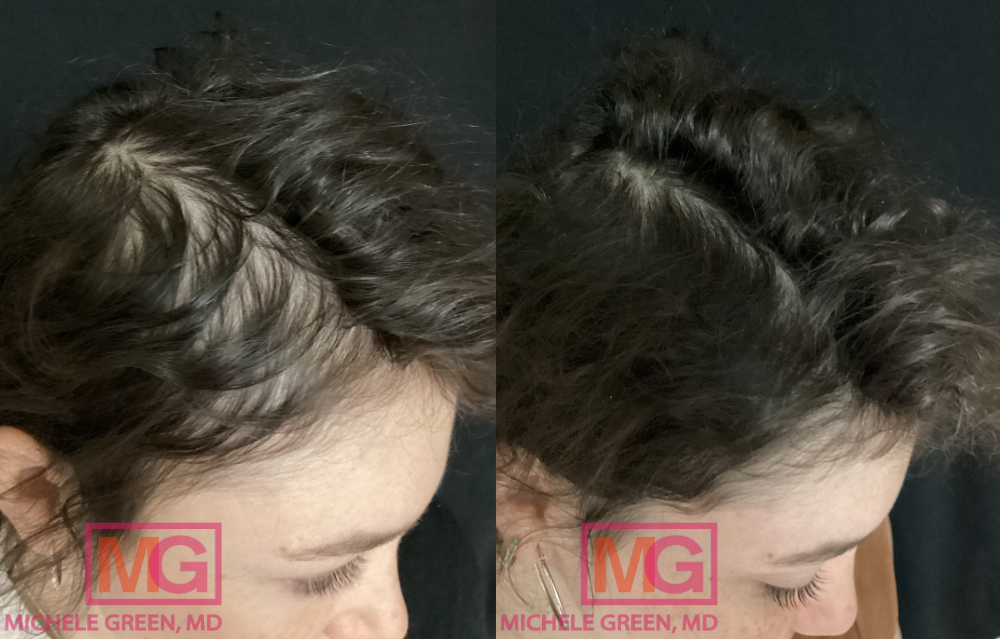
Who is a Good Candidate for PRP vs Hair Transplant?
A good candidate for Platelet-Rich Plasma (PRP) hair restoration is typically a patient experiencing scalp or hairline hair loss due to androgenetic alopecia, also known as male or female pattern baldness. This condition often leads to gradual hair thinning and can begin as early as the twenties or thirties. Patients who seek PRP treatment in the early stages of hair thinning tend to see the most significant results. This is largely because PRP therapy is designed to rejuvenate existing hair follicles rather than restore those that are completely dead. The plasma derived from the patient’s own blood contains growth factors that promote healing and regeneration, thereby strengthening existing hair follicles and enhancing blood circulation to the scalp. As a result, patients often experience denser, healthier hair growth and an overall improvement in hair quality.
On the other hand, individuals with more advanced or severe hair loss, particularly along the hairline, may benefit from cosmetic procedures such as hair transplants. Hair transplantation is particularly beneficial for those who have lost a considerable amount of hair and have areas of significant thinning or baldness. This surgical option involves relocating hair follicles from a dense area of the scalp to balding areas, providing a more permanent solution for those seeking a more dramatic hairline restoration. In summary, while PRP is effective for early-stage hair loss and aims to strengthen existing hair, hair transplant surgery may be more appropriate for individuals with severe hair loss who are seeking a more substantial restoration of hair density and hairline.
How Long Does It Take to See Results from PRP vs Hair Transplant?
When comparing the timelines for results from Platelet-Rich Plasma (PRP) therapy and hair transplantation, it’s important to note that both treatments have distinct protocols and expected outcomes. For PRP therapy, Dr. Green typically schedules patients for a series of 4 sessions, spaced 1 month apart. This structured approach gradually stimulates hair follicles, leading to improved hair health over time. Patients can generally expect to see noticeable results about six months after the initial PRP session. In the early stages of hair loss, particularly during the first six months, patients may notice reduced hair shedding, a positive sign that the treatment is working. However, visible new hair growth can take significantly longer to appear, often requiring patience as the hair follicles continue to revitalize.
In contrast, hair transplant results vary from person to person, but initial growth is often noticeable within a few months after the procedure. It’s important to note that a hair transplant may not resolve hair loss on its own. Dr. Green advises patients considering a hair transplant also to incorporate other hair restoration treatments, such as oral hair loss medications (Minoxidil, dutasteride, or Finasteride) or cosmetic treatments like PRP. It’s best to consult a board-certified dermatologist to determine whether you are a candidate for either treatment.
Can PRP Be Combined with a Hair Transplant?
Absolutely! Combining Platelet-Rich Plasma (PRP) therapy with hair transplant surgery is not only possible but also highly recommended by many experts in the field, including Dr. Green. PRP therapy enhances hair transplant outcomes before and after the procedure, making it an important component of the treatment plan. Before the hair transplant, initiating PRP injections helps prepare the scalp. The growth factors in PRP can stimulate blood circulation and improve blood supply to the hair follicles, creating a conducive environment for new hair growth. This preemptive treatment helps reactivate dormant hair follicles, which can lead to stronger existing hair and significantly decrease the risk of shock loss—a temporary shedding of hair that sometimes occurs after a transplant. Post-operatively, PRP continues to play a crucial role. After surgery, PRP injections can help minimize scalp inflammation, a common postoperative issue. By strengthening the newly implanted follicles, PRP not only accelerates healing but also increases the survival rate of the transplanted hair. This helps patients achieve optimal results from their hair transplant. In addition to PRP therapy, Dr. Green typically advises patients who have had a hair transplant to consider complementary oral medications such as Finasteride, dutasteride, and Minoxidil. These medications work synergistically with PRP to further enhance hair growth and overall hair health. In summary, combining PRP therapy with hair transplant surgery not only prepares the scalp for optimal results but also supports recovery and promotes the longevity of new hair growth, making it a valuable component of a comprehensive hair restoration strategy.
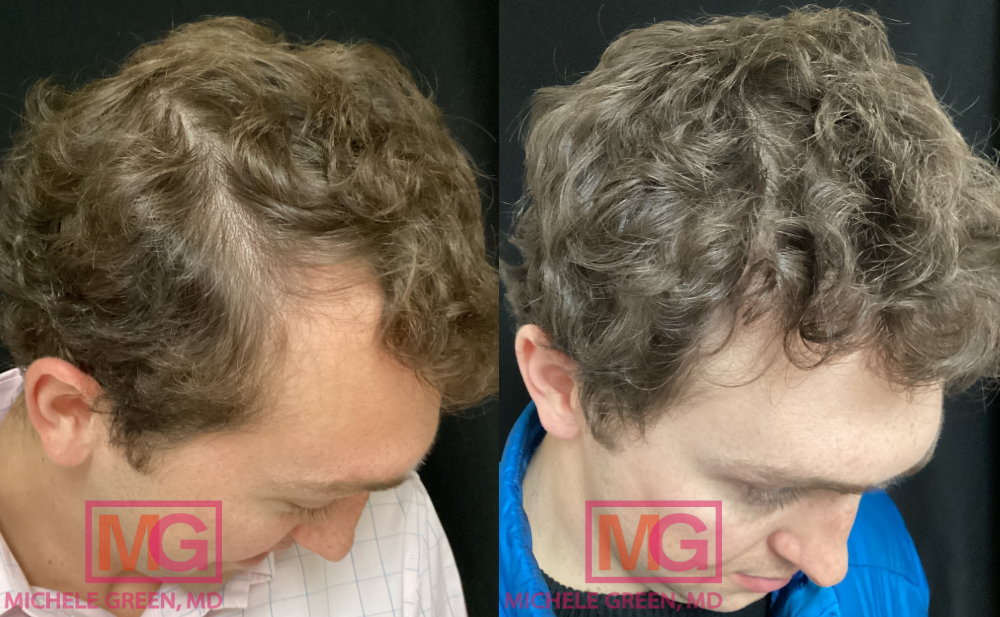
Other hair loss treatments
Dr. Green offers a range of hair loss treatments, including oral and topical options, to enhance the outcomes of PRP or hair transplant procedures. The initial step is for Dr. Green to examine the treatment area and perform necessary tests to identify the root cause of your hair loss. Following this, a personalized treatment plan will be devised to help restore hair or strengthen existing follicles. Depending on the diagnosis, Dr. Green may recommend oral medications such as Minoxidil or Finasteride, or topical agents such as Minoxidil. Additionally, he may recommend at-home hair growth products, such as shampoos and conditioners, to support regrowth.
Finasteride for hair restoration
Finasteride is a medication that blocks DHT (dihydrotestosterone) and is used to prevent and treat hair loss. Known by the brand name Propecia, it works by inhibiting the enzyme 5-alpha-reductase, thereby preventing the conversion of free testosterone into DHT. Because DHT can cause male-pattern baldness by binding to hair follicles, damaging them, and hindering healthy growth, Finasteride helps protect the hair. Patients typically take this medication as a daily pill.
Minoxidil for hair regrowth
Oral Minoxidil was originally used to treat high blood pressure, but one of its side effects—stimulating new hair growth—was found to be useful for treating hair loss. Since then, a low dose of oral Minoxidil has been shown to be a safe and effective option for hair loss. It works by strengthening hair follicles, improving hair retention, and encouraging regrowth. In clinical studies, nearly 80% of patients reported that their hair became thicker and longer while using oral Minoxidil. For many users, the oral form offers a convenient alternative to topical treatments because it leaves no residue on the scalp, is easier to apply than a twice-daily solution, and can be safely combined with other hair loss therapies.
Dutasteride for hair loss
Dutasteride is an oral medication prescribed to treat hair loss by lowering dihydrotestosterone, a hormone that causes follicle shrinkage in androgenetic alopecia. It works by inhibiting the enzymes that convert testosterone to dihydrotestosterone, thereby slowing hair thinning and helping to preserve existing hair follicles. When hair loss persists despite other treatments, dutasteride may be considered. Because it reduces dihydrotestosterone more extensively, it can promote stronger, more stable hair growth over time. The decision to use this medication is personalized, based on a careful assessment of each patient’s hair loss pattern and treatment objectives.
Topical minoxidil hair serums
Rogaine, the brand name for 5% topical Minoxidil, is a popular treatment that promotes hair growth and reduces ongoing hair loss. When applied directly to the scalp, it increases blood flow around hair follicles, delivering vital oxygen and nutrients for healthier hair. Regular use helps keep hair in the growth phase longer, resulting in thicker, more durable strands over time. Commonly used for androgenetic hair loss, Rogaine can be part of a comprehensive non-surgical treatment plan. Consistency is key, as benefits appear gradually and require ongoing use to maintain.
Which Treatment is Best for Thinning Hair, Bald Spots, or Receding Hairlines?
When addressing issues such as thinning hair, bald spots, or receding hairlines, it’s essential to recognize that there is no single best treatment. Hair loss can stem from various factors, including genetics, hormonal changes, and environmental influences, making a comprehensive, individualized approach crucial. Combining several treatment modalities often yields the most effective results. Typically, this includes oral medications such as Finasteride or Minoxidil, which can help slow hair loss and promote regrowth. Topical serums and solutions, applied directly to the scalp, can also enhance hair density and stimulate follicle activity.
Additionally, many individuals explore cosmetic treatments. Whether through FUT (follicular unit transplantation) or FUE hair transplant (follicular unit extraction), these procedures can provide a more permanent solution for restoring hair in balding areas. These procedures may be further enhanced by Platelet-Rich Plasma (PRP) therapy, which involves injecting concentrated platelets into the scalp to promote healing and hair growth. In summary, the most effective strategy for treating hair loss typically involves a holistic approach that combines these methods to address the underlying causes and deliver visible results. Consulting a healthcare provider or a hair restoration specialist can help determine the most appropriate treatment plan based on individual needs and goals.
How Should I Decide Between PRP and a Hair Transplant?
When weighing the options between Platelet-Rich Plasma (PRP) therapy and a hair transplant, it’s essential to have a detailed discussion with a board-certified dermatologist. Both treatments have distinct characteristics and suitability criteria that vary from patient to patient. PRP therapy involves drawing a small amount of your blood, processing it to concentrate platelets, and then injecting the concentrated platelets into the scalp to stimulate hair growth. This method is generally less invasive and can benefit individuals experiencing early-stage hair loss or thinning. By contrast, a hair transplant is a surgical procedure in which hair follicles are transplanted from a donor site to areas of thinning or baldness. This option is typically more suitable for patients with significant hair loss or those seeking a long-term hair restoration solution. Determining whether you are a candidate for either treatment requires the expertise of a board-certified dermatologist. They will assess your medical history, the extent of your hair loss, and your overall health to provide tailored recommendations. Importantly, this professional guidance will help you understand the expected outcomes, potential risks, and benefits of each option, enabling you to make an informed decision aligned with your hair restoration goals.
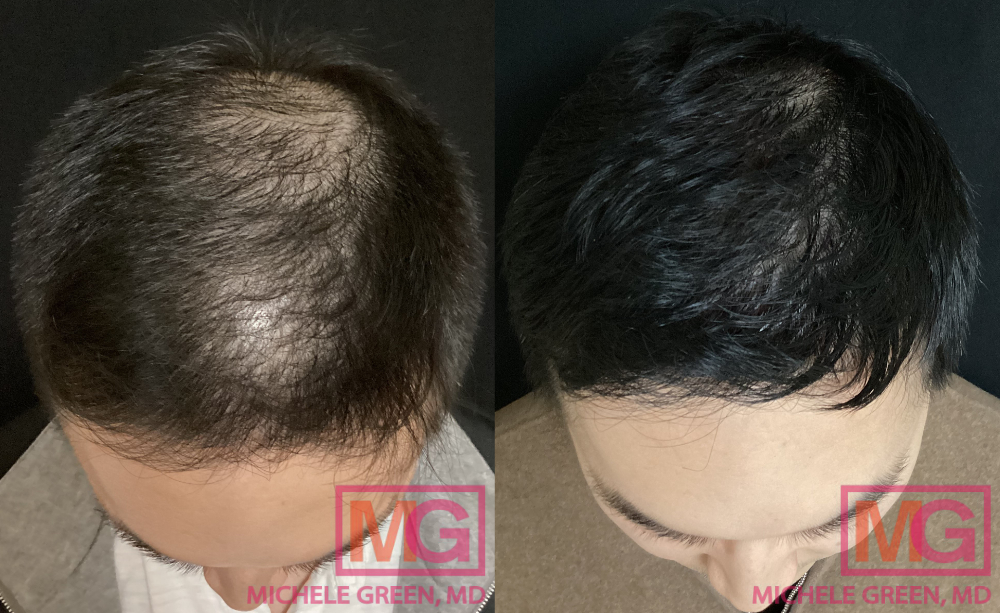
Are PRP Results Permanent Like a Hair Transplant?
Both PRP treatments and hair transplants can significantly improve hair appearance, but neither provides permanent results without maintenance sessions. While hair transplants relocate hair follicles to create a fuller appearance, the longevity of the results can be influenced by factors such as genetics, age, and overall health. On the other hand, PRP works by drawing a small amount of blood, processing it to concentrate platelets, and then injecting the concentrated plasma into the scalp. The growth factors in PRP stimulate hair growth and can enhance hair density, but the effects typically require maintenance treatments. Dr. Green advises patients to begin PRP treatments monthly for four months. After the first 4 months, Dr. Green typically invites patients back every 3 months to review progress. Depending on the improvement, patients return every 6 or 12 months for maintenance sessions.
What Are the Costs of PRP Compared to a Hair Transplant?
The cost of Platelet-Rich Plasma (PRP) injections can vary widely based on several key factors. These include the treatment area size, your geographic location, the facility providing the treatment, and whether PRP therapy is used alongside other hair restoration strategies. Generally, the cost of PRP therapy is influenced by the size of the area being treated; for instance, treating a larger bald area may cost more than treating a small patch. Additionally, geographic disparities can lead to different pricing models, with urban centers often commanding higher rates than rural locations. Furthermore, the type of institution offering the treatment plays a crucial role in determining costs. While medical spas may offer promotional pricing or bundled deals that seem appealing, one must be cautious. These facilities may not meet the same high standards of care or level of expertise as specialized clinics run by accredited professionals. The risk of serious side effects from less-experienced practitioners administering the treatment in such settings can be considerably higher. It is advisable to seek treatment from a board-certified dermatologist who specializes in hair restoration, such as Dr. Green. During your initial consultation, Dr. Green will thoroughly examine your scalp and assess the underlying causes of hair loss. After this evaluation, her office will develop a personalized treatment plan and provide you with a comprehensive estimate of the total cost, ensuring transparency and clarity about your financial investment in hair restoration. This careful approach not only enhances the likelihood of successful outcomes but also prioritizes your health and safety throughout the process.
How to get started with your hair loss treatment today
Experiencing hair loss can be distressing and disheartening, but fortunately, a variety of effective treatments are available. Hair loss treatment options are broadly categorized as non-invasive or surgical. Non-invasive treatments include oral medications, topical products, and innovative cosmetic procedures such as Platelet-Rich Plasma (PRP) therapy. Surgical options, such as hair transplantation, involve relocating hair from donor areas to thinning or balding regions for a more permanent solution. Dr. Michele Green, a renowned expert in medical and cosmetic dermatology based in New York City, offers tailored non-surgical hair loss treatment plans designed to address each patient’s specific thinning patterns and long-term hair restoration goals. Her comprehensive approach often includes a thorough examination of the patient’s hair and scalp, lifestyle factors, and medical history to develop a customized strategy that delivers optimal hair health. With professional guidance and a commitment to treatment, individuals facing hair loss can regain their confidence and enjoy healthier, more vibrant hair.
Dr. Michele Green is a globally recognized, board-certified dermatologist with over 25 years of experience delivering advanced, non-invasive treatments. She takes a holistic, minimalist approach, designing personalized skincare routines and treatment plans that address her patients’ specific concerns and aesthetic goals. Frequently named among New York’s top dermatologists by Castle Connolly, New York Magazine, and Super Doctors, she is known for her dedication and expertise. Contact us at 212-535-3088 or email our NYC office today to schedule a consultation with Dr. Green and begin your journey to address hair loss.


