


Best Types of Facial Fillers
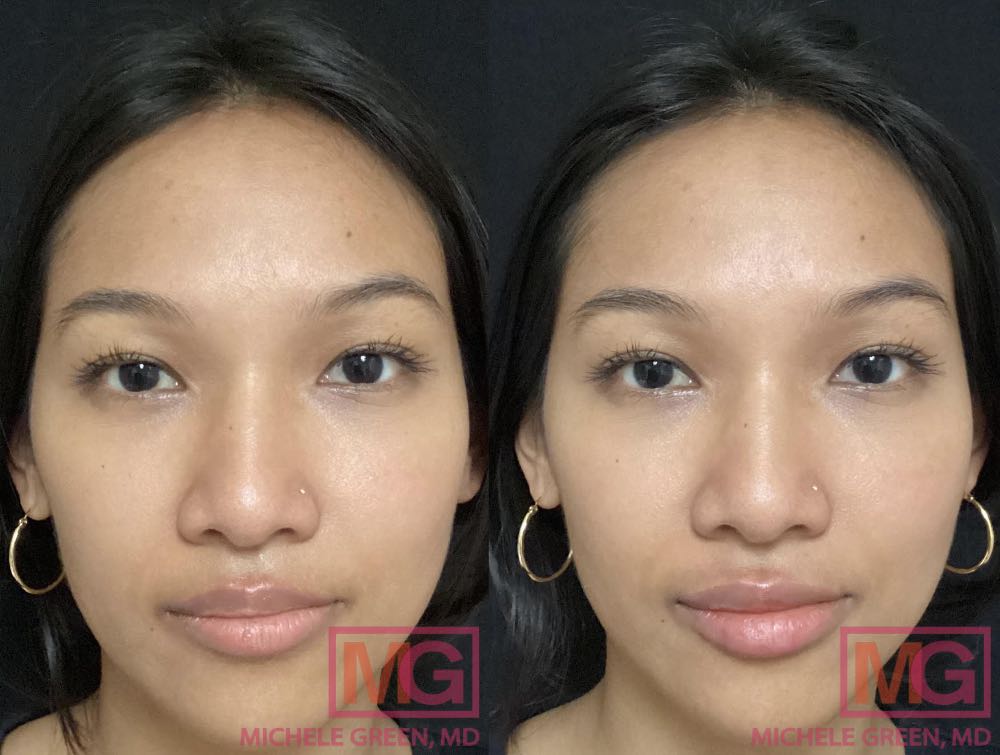
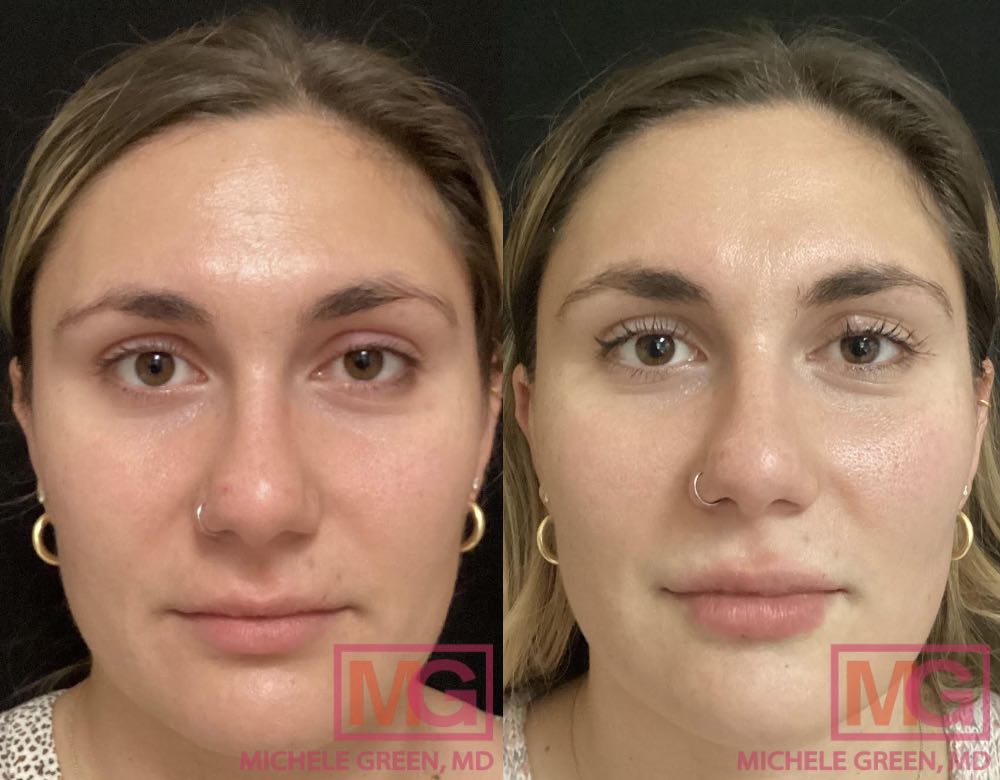
Dermal fillers are advanced injectable treatments designed to improve facial contours, restore lost volume, and create a more youthful and vibrant appearance. As the demand for non-surgical solutions grows, many patients choose these treatments to address age-related changes and various skin concerns, such as decreased facial volume, fine lines and wrinkles, under-eye hollows, and the lingering effects of acne scars. These innovative fillers enable individuals to achieve a smoother, more rejuvenated look without invasive surgery. Their increasing popularity as a non-invasive cosmetic option comes from their effectiveness in facial rejuvenation, minimal downtime, and the straightforward injection process. When administered by a skilled injector, such as the renowned Dr. Michele Green in New York City, the results appear natural, aesthetically pleasing, and long-lasting, giving patients a refreshed, youthful glow.
Dermal fillers come in various compounds, technologies, and formulas, allowing each to target specific skin issues or areas effectively. Fillers containing hyaluronic acid, such as Juvederm, Restylane, and Belotero, provide immediate volume restoration in the targeted area. Meanwhile, poly-L-lactic acid fillers like Sculptra and calcium hydroxylapatite microsphere fillers, such as Radiesse, work by gradually stimulating collagen production to restore volume and smooth the skin. Many people choose dermal fillers for areas like the cheeks, lips, jawline, chin, and nasolabial folds. Additionally, these treatments can be used beyond facial rejuvenation; for example, Restylane fillers are often employed in the hands to reduce crepey skin, and Sculptra can be used for body contouring in the hips or buttocks. Given the wide variety of injectables and the expertise required for proper application, it’s essential to seek treatment from an experienced, board-certified dermatologist, such as Dr. Green, to achieve optimal results and determine the most suitable dermal filler for your specific needs.
Dr. Michele Green is a highly esteemed, board-certified cosmetic dermatologist with over 25 years of experience performing non-invasive cosmetic procedures, including facial fillers, for an upscale clientele. Dr. Green adopts a holistic approach and follows a “less-is-more” philosophy for facial rejuvenation, tailoring each patient’s treatment plan to address their individual concerns and help them reach their aesthetic goals. She is regularly recognized by Castle Connolly, New York Magazine, Super Doctors, and The New York Times as one of New York City’s top dermatologists for her commitment to her patients and her expertise. When you consult with Dr. Green about facial filler treatment, she will work with you to develop a personalized plan to achieve and sustain optimal rejuvenation results.
What are facial fillers?
Dermal fillers are liquid or gel-like substances approved by the Food and Drug Administration (FDA) that are injected into soft tissue to address age-related volume loss, enhance specific facial features, and reduce fine lines and wrinkles. These injections can also improve the appearance of skin issues such as acne scars and stretch marks. One benefit of facial filler injections is that they involve minimal downtime and discomfort, making it easy for patients to schedule outpatient procedures. There are different types of dermal fillers made from various substances. The most common facial fillers are hyaluronic acid, poly-L-lactic acid, and calcium hydroxylapatite. An experienced, board-certified dermatologist and skilled injector like Dr. Michele Green in New York City may combine different dermal fillers to achieve the desired results for patients. The cosmetic effects of dermal filler treatments last for a while, and many patients choose regular maintenance treatments to preserve their ideal outcomes.
FDA-approved uses of dermal fillers
Dermal fillers have become a popular cosmetic treatment for addressing various facial concerns, with FDA-approved uses covering different areas of the face including:
- Marionette Lines: These vertical lines that run from the corners of the mouth down to the chin can make you look tired or sad. Dermal fillers can help add volume to this area, smoothing lines and giving a more youthful appearance.
- Under-Eye Hollows (Tear Troughs): As we age, the area under the eyes can become hollow, creating dark circles and a tired look. Fillers can be carefully injected into the tear troughs to minimize shadows and give a more refreshed appearance.
- Nasolabial Folds (Smile Lines): These lines run from the corners of the nose to the edges of the mouth and can become more pronounced over time. Adding volume to this area with fillers can soften these folds, resulting in a more pleasant smile.
- Jawline Enhancement: For those looking to define or enhance their jawline, dermal fillers can provide a sharper, more toned appearance. This treatment helps improve facial symmetry and contours.
- Chin Augmentation: Whether for better balance or a more defined profile, fillers can enhance the chin. This improves facial proportions and can significantly alter the overall look.
- Lip Augmentation: Fillers can increase lip volume, improve shape, and create a more youthful, fuller look. This treatment can also enhance lip symmetry and definition.
- Deep Wrinkles and Facial Creases: Fillers can effectively reduce the look of deep wrinkles and creases by restoring lost volume in the skin, resulting in smoother, younger-looking skin.
- Acne Scars: Dermal fillers help reduce the appearance of acne scars by filling out uneven skin areas, leading to a smoother texture and a better overall skin appearance.
These FDA-approved applications showcase the versatility of dermal fillers in aesthetic treatments, offering a range of solutions for concerns related to aging, volume loss, and skin imperfections. Consulting with a board-certified dermatologist is crucial to determine the best treatment plan for each individual.
How can Dermal Fillers enhance my appearance?
Dermal fillers have gained popularity as effective cosmetic treatments because they enhance various aspects of facial appearance. One of their most attractive features is the wide selection of products available, each designed to target specific concerns, whether it’s adding volume, contouring, or smoothing fine lines. When considering dermal fillers, consulting a board-certified dermatologist, such as Dr. Michele Green, is essential, as they can customize your treatment to meet your goals. She will carefully determine the right amount of filler to inject, ensuring that the results look subtle and natural. This precise approach helps prevent an overfilled appearance, a common concern for those seeking enhancement. Dr. Green’s “less-is-more” philosophy emphasizes enhancing natural features rather than changing them. Following this approach, patients can achieve a more refreshed, youthful look without appearing artificial. Dermal fillers effectively restore lost volume due to aging, creating a lifting effect on the face. Areas such as the cheeks, lips, and under the eyes can benefit greatly, improving symmetry and supporting a healthier overall appearance. With the guidance of a skilled dermatologist, you can attain the ideal balance of volume and subtlety to meet your aesthetic goals and boost your confidence.
Hyaluronic Acid Dermal Fillers
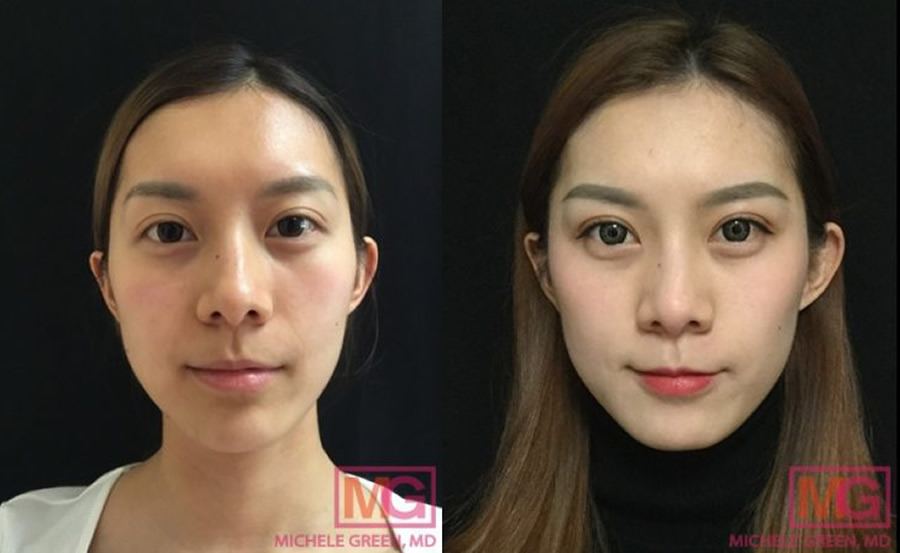
There are many types of dermal fillers available on the market, each designed to effectively smooth fine lines and wrinkles, enhance facial contours, and restore lost volume. To achieve the best results, it is essential to consult with an experienced, board-certified dermatologist for facial filler injections. Dr. Michele Green, based in New York City, is an internationally recognized, board-certified cosmetic dermatologist and expert injector with over 25 years of experience. Her extensive background ensures that patients receive top-quality care and results that prioritize both safety and aesthetics. Here are popular dermal fillers commonly used in Dr. Green’s practice, known for providing natural-looking, long-lasting rejuvenation.
Juvederm: This term encompasses a range of hyaluronic acid fillers, including Voluma, Ultra XC, Ultra Plus XC, Vollure, and Volux, each designed to address fine lines and wrinkles at different depths. Their different viscosities enable their use in various facial areas, including nasolabial folds (smile lines), cheeks, the oral commissure, and the chin. Juvederm fillers are known for delivering smooth, natural-looking results and can be tailored to individual facial structures and aesthetic goals.
Restylane: Another popular hyaluronic acid filler, Restylane is especially effective for smoothing moderate facial wrinkles, including those around the mouth (marionette lines and laugh lines) and the tear trough area under the eyes. Variants of Restylane, such as Restylane-L, Restylane Lyft, and Restylane Kysse, provide tailored treatment options that allow patients to target specific concerns while maintaining a balanced look.
Belotero: This thin hyaluronic acid filler is designed to address fine lines and delicate wrinkles. Belotero replenishes lost hyaluronic acid due to aging, providing subtle yet uniform corrections in sensitive areas like lip lines and the tear trough under the eyes. A key benefit of Belotero is its low risk of causing the Tyndall effect (a bluish discoloration), making it a great choice for patients who care about the subtlety of their treatment results.
Dermal Fillers to stimulate Collagen Production
Sculptra: Unique among fillers, Sculptra is made of poly-L-lactic acid, which works by stimulating your body’s own collagen production in the treated area. By restoring collagen—a vital protein that supports and tightens the skin—Sculptra helps replace lost volume and creates a more youthful look. This filler provides long-lasting results, with effects visible for up to two years after completing an initial series of injections. Sculptra is especially effective for overall facial rejuvenation and can also be used in other areas of the body, including the neck, décolletage, and buttocks.
Polymethyl Methacrylate (PMMA) Fillers (Bellafill): Unlike other fillers that offer temporary correction, PMMA fillers are semi-permanent, FDA-approved injectables designed for long-lasting results. They are ideal for treating moderate to deep wrinkles, nasolabial folds, and acne scars. The lasting nature of Bellafill makes it a preferred choice for individuals seeking a more permanent solution for volume loss and skin imperfections.
When you schedule a consultation with Dr. Green at her private dermatology practice in Manhattan’s Upper East Side, she takes the time to understand your unique aesthetic goals and individual needs. With a thorough assessment of your skin type and facial structure, she develops a personalized treatment plan with you. This plan may include advanced techniques and products to achieve the best results while prioritizing your safety and comfort. Dr. Green’s expertise, combined with her dedication to delivering naturally beautiful results, helps her patients leave her office feeling more confident and refreshed.
How do injectable facial fillers work?
Facial fillers, also called dermal fillers, are cosmetic injections used to restore volume, smooth wrinkles, and define facial contours. The procedure involves carefully injecting the filler into targeted areas such as the cheeks, nasolabial folds (the lines from the nose to the mouth corners), marionette lines (the lines from the mouth corners downward), lips, and even the neckline. A common type of facial filler is hyaluronic acid, with popular brands like Juvederm, Restylane, and Belotero.
Hyaluronic acid is a naturally occurring substance in the body that helps retain moisture and gives skin elasticity. When injected, these fillers provide immediate results, making the skin look plumper and more youthful while hydrating nearby tissues. The effects typically last several months and can be easily adjusted or reversed, which is why they are popular among those seeking non-permanent enhancements. Another type of dermal filler is Sculptra, containing poly-L-lactic acid (PLLA). Unlike hyaluronic acid fillers, which deliver instant results, Sculptra gradually stimulates the body’s collagen production. This results in a subtle, lasting improvement in skin texture and volume, often requiring multiple sessions to reach the desired outcome. Overall, face fillers offer a versatile way to rejuvenate the face, allowing individuals to address various signs of aging and enhance their natural beauty with minimal downtime. As with any cosmetic procedure, it’s important to consult a qualified practitioner to discuss your goals, expectations, and potential risks.
What is the process of having dermal filler injections?
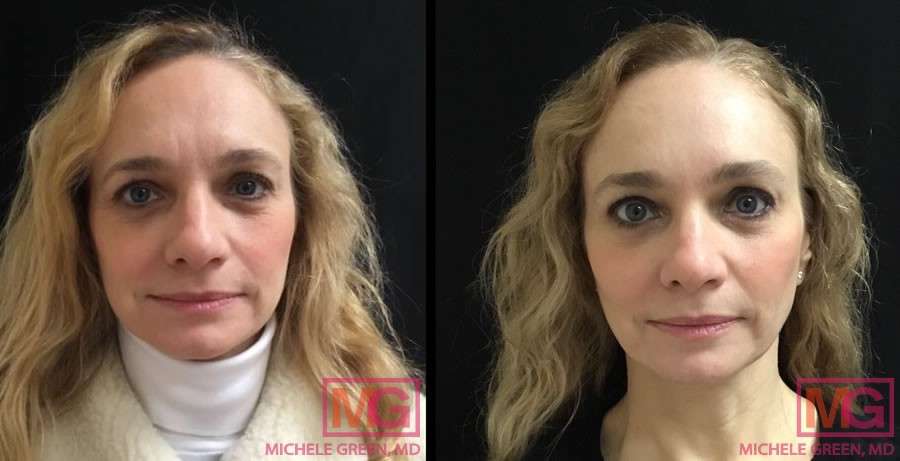
The first step is to schedule a consultation with board-certified cosmetic dermatologist Dr. Michele Green. During your initial appointment at her private dermatology office on Manhattan’s Upper East Side, you will have the opportunity to discuss your specific concerns and ideal aesthetic goals in detail. Dr. Green will gather a thorough medical history, review any previous cosmetic procedures, and physically examine the treatment area. If you are considered a good candidate for dermal filler injections, your treatment may be performed on the same day as your consultation or scheduled for a later date, depending on availability and your preference. One hour before your dermal filler injections, a topical lidocaine cream will be applied to the entire treatment area. Lidocaine is a local anesthetic that helps numb the area and reduce discomfort during the procedure. Upon your arrival at Dr. Green’s office for treatment, the numbing cream will be removed, and the skin will be sterilized. Dr. Green will then skillfully administer the facial filler injections in accordance with your personalized rejuvenation plan. After the injections, ice packs will be applied to the treated area to minimize initial swelling. Depending on the type of dermal filler used, cosmetic results may be visible immediately or take several weeks to develop fully. Since the effects of dermal filler injections are temporary, most patients schedule regular follow-up sessions to maintain their results. With Dr. Green, you will collaborate to create a personalized treatment plan and timeline that aligns with your specific concerns and goals.
Are facial fillers safe?
Yes! Facial fillers, also known as dermal fillers, are generally considered safe when administered properly. Popular brands such as Juvederm, Restylane, Belotero, and Sculptra have received FDA approval for injections into specific facial areas, showing they have undergone thorough testing and clinical trials to evaluate their safety and effectiveness. Nonetheless, the safety of these fillers mainly depends on the injector’s skill. It is crucial to seek treatment from an experienced, licensed, and board-certified dermatologist, like Dr. Michele Green. Her training and expertise help ensure correct injection techniques, which are vital for achieving desired results while reducing potential risks. Getting dermal fillers at MedSpas can sometimes increase the chance of side effects, such as bruising, infection, and filler displacement.
What are the side effects of facial fillers?
When considering facial filler injections, it’s crucial to consult an experienced, board-certified cosmetic dermatologist to ensure a safe and effective rejuvenation. The procedure usually involves minimal risks and results in only mild side effects. Common after-effects might include slight swelling, bruising, or tenderness at the injection sites. Dr. Green stresses the importance of proper preparation before your appointment. To minimize the risk of bruising and swelling, patients should avoid blood-thinning medications and supplements, such as aspirin, ibuprofen, Aleve, fish oil, and multivitamins, for 2 weeks before their injections. For those with a history of easy bruising, Dr. Green recommends an herbal supplement called Arnika Forte, which, when taken several days before and after the procedure, can help reduce inflammation and promote healing, thus decreasing bruising. Although allergic reactions to injectable fillers are very rare, they can happen. Symptoms may include nodules, uneven fullness, or prolonged tenderness and swelling at the injection site. If any signs of an allergic reaction appear, it’s important to inform your injector promptly for proper treatment.
Can facial fillers lift sagging skin?
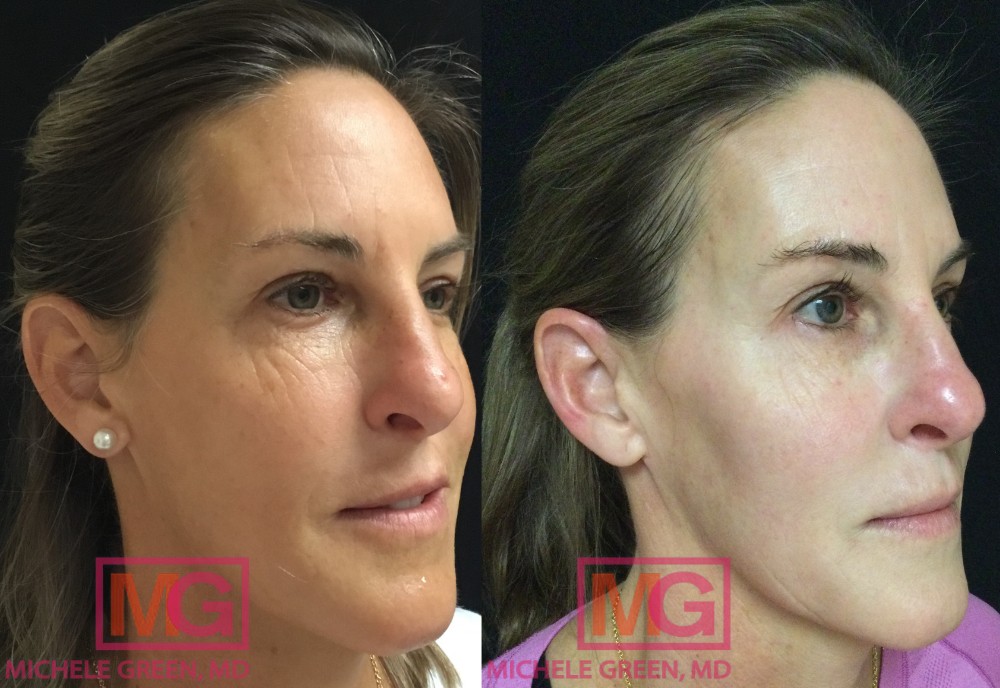
Facial fillers can effectively treat skin laxity in the lower face. However, patients who are especially concerned about laxity may get better results with Thermage. Thermage is a non-invasive skin-tightening treatment that uses radiofrequency to stimulate collagen production in targeted areas. During the procedure, radiofrequency energy is applied to the dermal layers of the skin, stimulating collagen growth. This protein provides structural support and helps maintain the skin’s firmness and youthfulness. By increasing collagen, Thermage yields smoother, firmer, and tighter skin, resulting in a natural-looking, long-lasting, youthful appearance. One benefit of Thermage is that there is no downtime afterward. It can treat various regions, including the face, chest, neck, décolletage, hands, knees, upper arms, legs, buttocks, and abdomen. The effects of Thermage can last up to two years, making annual maintenance sessions recommended.
Which non-surgical procedures can I pair with facial fillers?
Thermage FLX skin tightening laser
Thermage and facial fillers create a powerful combination in non-invasive cosmetic treatments, especially for those wanting to boost their youthful look with minimal downtime. A major advantage of facial filler injections is that they require almost no recovery time, making it easy for people to add other rejuvenating procedures to their overall aesthetic routine. Many of Dr. Green’s patients find that combining Thermage—a popular skin-tightening treatment that uses radiofrequency to stimulate collagen—with facial fillers yields beautifully balanced, natural-looking results. This combination not only addresses volume loss but also enhances skin texture and firmness, leading to a more vibrant, youthful complexion.
Botox Injections
Botox, also known as botulinum toxin, is a popular injectable neurotoxin used in cosmetic dermatology, famous for its ability to reduce dynamic fine lines and wrinkles. These wrinkles often form from repeated facial expressions. They are commonly seen on the forehead, the glabella (or frown lines), and around the eyes (often called crow’s feet). As a neuromodulator, Botox temporarily prevents the release of acetylcholine, a neurotransmitter that causes muscle contractions. When injected into targeted facial muscles, Botox effectively ‘freezes’ the muscles, stopping contractions. This not only smooths existing wrinkles but also helps prevent new ones from forming, resulting in a more youthful, refreshed look. The effects of Botox usually appear a few days after the procedure and can last from three to six months, depending on individual factors and the treated area. The procedure is minimally invasive, often requiring just a short appointment, and provides a significant enhancement with minimal downtime. This has made Botox one of the most popular cosmetic treatments for those seeking to maintain a youthful appearance.
Microneedling
While fillers can refresh the face, it’s important to combine this treatment with procedures that improve skin texture and tone. Microneedling is an excellent option for addressing these concerns. It uses fine needles to create tiny injuries in the skin, which trigger the body’s natural healing process. As a result, microneedling can effectively diminish the appearance of fine lines, wrinkles, and scars while stimulating collagen production. For better results, combining microneedling with Platelet-Rich Plasma (PRP) or advanced devices like Vivace RF microneedling can enhance outcomes, as both methods work together to improve skin tone and texture. To achieve optimal results while minimizing risk, it’s best to schedule treatments at appropriate intervals. Planning microneedling and filler sessions at least two weeks apart allows fillers to settle and heal properly. This helps prevent displacement and ensures each treatment works at its best.
Laser Resurfacing
Laser resurfacing is a highly effective cosmetic treatment that uses advanced laser technology, such as the Fraxel Dual and Clear + Brilliant lasers, to improve the overall appearance of the skin. This procedure addresses various skin concerns, including uneven texture, discoloration, and signs of sun damage, promoting a more youthful and radiant complexion. The Fraxel Dual laser creates microscopic wounds in the skin, stimulating the body’s natural healing processes and boosting collagen production. Over time, this results in smoother and firmer skin. Conversely, the Clear + Brilliant laser offers a gentler approach, making it ideal for those seeking to maintain youthful skin by preventing early signs of aging and enhancing skin tone. Laser resurfacing treatments are popular because of their minimal downtime and impressive results. They are often combined with other cosmetic procedures, such as dermal fillers, to improve the overall aesthetic outcome further. However, it is recommended to schedule these treatments at least two weeks apart. This gives your skin enough time to heal and recover from resurfacing before adding fillers, ensuring optimal results and reducing the risk of complications.
Frequently Asked Questions (FAQs) about Facial Fillers
What are the best fillers for the face?
There are many types of dermal fillers available to address various signs of aging or to improve someone’s appearance. Since there is no universal solution, it is important to consult an experienced, board-certified dermatologist, like Dr. Michele Green in NYC, to find the most appropriate facial fillers for each person.
Can face fillers restore lost volume in the cheeks?
Face fillers are an effective option for restoring lost volume in the cheeks, helping to achieve a youthful, rejuvenated look. One of the most popular options for this purpose is Juvederm Voluma. This filler has a thicker consistency, providing excellent lift and volume to make the cheeks appear fuller and more contoured. As we age, we naturally lose fat and collagen in the face, leading to sagging skin and a less-defined facial structure. Juvederm Voluma addresses this by replenishing lost volume, enhancing the natural shape of the cheeks, and improving overall facial symmetry. The results of this treatment can last up to 2 years, and the procedure itself is relatively quick with minimal downtime. Additionally, a skilled injector like Dr. Green can customize the amount and placement of the filler to achieve natural-looking results that match each person’s aesthetic goals.
Can face fillers improve nasolabial folds?
Yes, dermal fillers can greatly improve the look of nasolabial folds. Two common options are Juvederm Ultra XC and Juvederm Ultra Plus XC. Juvederm Ultra XC is designed to treat mild to moderate nasolabial folds, offering a subtle, natural enhancement. Its smooth texture allows for easy injection and smooth integration into the skin, giving a refreshed appearance without looking overdone. Conversely, Juvederm Ultra Plus XC is suited for individuals with deeper nasolabial folds, due to its thicker formulation. This provides greater volume restoration in areas that need extra support, resulting in a more noticeable improvement in mid-face contours. It’s important to remember that individual needs vary, and factors such as skin type, age, and fold severity will affect the best filler choice. Therefore, consulting a board-certified dermatologist, such as Dr. Michele Green, is highly recommended. She can perform a thorough assessment and develop a personalized treatment plan that aligns with your aesthetic goals, ensuring the best results and safety.
Can facial fillers enhance jawline definition?
Yes! Dermal fillers can greatly improve jawline definition, offering a non-surgical option for those seeking a more sculpted, contoured face. As we age, our skin loses volume and elasticity, which can cause mild sagging and a less distinct jawline. By injecting hyaluronic acid or other volumizing agents into targeted areas along the jawline, fillers can lift and support sagging skin, helping restore a youthful shape. This innovative procedure not only enhances jaw definition but also promotes an overall rejuvenated appearance by improving facial symmetry and balance. Results are immediate, with minimal downtime, enabling individuals to resume their daily activities quickly.
Additionally, the effects of fillers can last anywhere from 6 months to 2 years, depending on the type used and individual factors. Overall, dermal fillers are a flexible option for those looking to refine their jawline and enhance their facial appearance without surgery. They can also be combined with cosmetic laser treatments like Thermage FLX, which uses radiofrequency energy to stimulate collagen production and acts as a “mini face-lift.” These treatments can be done together, but should be spaced at least 2 weeks apart.
Can facial fillers improve under-eye hollows?
Dermal fillers can effectively improve the look of under-eye hollows, also known as tear troughs. This treatment can decrease shadows and imperfections that make you look tired or older. However, it is crucial to consult a board-certified dermatologist before undergoing this procedure, as not everyone is a good candidate for fillers. During the consultation, the dermatologist will assess your skin type, anatomy, and medical history to decide the best approach for you. Common dermal fillers for this area include Restylane-L, Restylane Eyelight, and Belotero. These fillers are known for their smooth texture and ability to blend naturally with the skin, resulting in a natural appearance. While the procedure is minimally invasive, side effects such as swelling, bruising, or tenderness may occur. Therefore, having realistic expectations and discussing these risks with your board-certified dermatologist is important. Overall, when done by an experienced injector like Dr. Green, facial fillers can be a great way to rejuvenate the under-eye area and restore a youthful look.
How much do face fillers cost?
The cost of facial fillers can vary widely depending on several factors, including the type of filler used and the number of syringes needed to achieve your desired results. Different fillers, such as hyaluronic acid-based options and calcium hydroxylapatite, may have different price points and effects. To get an accurate estimate for your treatment, it is best to schedule a personalized consultation with a board-certified dermatologist, such as Dr. Michele Green. During this initial visit, Dr. Green will perform a thorough assessment, including a detailed review of your medical and cosmetic history. She will also discuss your aesthetic goals and concerns, allowing her to create a customized treatment plan tailored to your needs. This approach ensures you get the best possible care and results from your facial filler treatments.
How long do face fillers last?
The longevity of facial fillers varies significantly as the body metabolizes them. Most fillers last between 8 and 12 months after the initial treatment. However, individual factors such as a person’s metabolism, skin type, and lifestyle can influence how long the effects last. Some patients may experience faster breakdown of the fillers, while others may enjoy longer-lasting results. For optimal results and to maintain a youthful appearance, it is generally recommended to wait about six months between filler touch-up appointments. This interval allows the body to fully metabolize the previous filler, enabling the practitioner to accurately assess how much additional product is needed to achieve the desired effect without overfilling.
Do facial fillers hurt?
No! At Dr. Green’s reputable private dermatology office on the Upper East Side, patients receive a thorough approach to comfort during their facial filler treatments. Before the appointment, Dr. Green recommends applying a topical anesthetic to the treatment area for about an hour. This step is crucial for ensuring comfort during the injections. When the appointment begins, the topical anesthetic is carefully wiped off, and the skin is thoroughly sterilized to maintain a safe, clean environment. The facial fillers include lidocaine, a local anesthetic that helps increase comfort during the procedure. The entire process is quick, causing minimal disruption to the patient’s day. Immediately after the injections, a cold pack is applied to the treated area to reduce initial swelling and bruising and to provide extra relief, enhancing overall comfort. By following these steps, Dr. Green ensures her patients stay as comfortable as possible throughout their visit.
How long is the recovery after face fillers?
Facial fillers usually require little downtime. It is advised to avoid vigorous exercise for 24 hours after the procedure and to stay away from alcohol and smoking for 48 to 72 hours to minimize bruising. Although some bruising may occur, it is generally temporary. Dr. Green often recommends using Arnika Forte gel or supplements to accelerate bruise healing. Any side effects from face fillers should resolve within a week.
How often should face fillers be done?
The frequency of facial filler treatments varies widely from person to person, largely due to differences in metabolism, skin condition, and personal aesthetic goals. It’s generally recommended that patients receive facial fillers at least once a year to maintain a youthful appearance. However, natural aging, lifestyle choices, and skin type can influence how quickly the fillers break down. If you notice volume loss in areas like the cheeks, lips, or under-eye, or if fine lines and wrinkles become more noticeable, it might be time to see a board-certified dermatologist. Dr. Green can assess your unique needs and recommend an appropriate schedule for touch-ups or additional treatments to maintain and enhance your
Can dermal fillers be reversed?
Hyaluronic Acid fillers can be reversed if needed using an enzyme called hyaluronidase. Patients may choose to dissolve Hyaluronic Acid fillers if they experience issues such as asymmetry, nodules, or dissatisfaction with the results. Consulting a board-certified cosmetic dermatologist, such as Dr. Michele Green, who has extensive experience with dermal fillers, is crucial. Working with Dr. Green helps reduce risks, such as potential damage to blood vessels, and ensures the best possible cosmetic outcome.facial appearance.
Can dermal fillers smooth fine lines and wrinkles?
Face fillers effectively reduce the appearance of fine lines and wrinkles. As we age, our skin naturally loses volume and elasticity, which leads to these signs of aging. Fillers, often made from substances such as hyaluronic acid, help restore lost volume beneath the skin’s surface. This added volume lifts the skin, smooths out fine lines, and creates a more youthful look. Additionally, fillers can improve facial contours and overall skin texture, resulting in a refreshed appearance. It’s essential to consult a board-certified dermatologist to discuss your concerns and goals so you can choose the most appropriate filler for your needs and desired outcome.
Can facial fillers look natural?
Certainly! Achieving a natural look with cosmetic fillers mainly depends on the practitioner’s skill and experience. It’s essential to consult a board-certified dermatologist, like Dr. Michele Green, who has over 25 years of experience in cosmetic injections. A qualified expert understands the complexities of facial anatomy and can evaluate your unique features to recommend the most appropriate types and amounts of fillers. This personalized approach ensures the results enhance your natural beauty rather than produce an exaggerated appearance. The best facial fillers should seamlessly blend with your features, providing subtle volume and smoothness while preserving your expression and movement.
Are dermal fillers suitable for men?
Yes, face fillers are suitable for men. In recent years, the popularity of skincare and cosmetic treatments among men has grown significantly, as many seek subtle yet noticeable enhancements to their appearance. Face fillers can add volume and smoothness to the skin, helping to rejuvenate facial features without appearing overly pronounced or artificial. Men often choose fillers to address issues like deep lines, sagging skin, and areas that have lost volume with age. The aim is to achieve a refreshed look while maintaining a natural and masculine appearance. With skilled practitioners, men can receive personalized treatment plans tailored to their specific needs, ensuring results that are both effective and complementary to their facial structure. This increasing acceptance of cosmetic procedures aligns with a broader trend toward self-care and wellness among men, emphasizing the importance of feeling confident in one’s appearance.
What is the difference between facial fillers and fat transfer?
Facial fillers and fat transfer are both popular cosmetic procedures that enhance facial volume and contours, but they differ significantly in composition, longevity, application, and recovery. Face fillers are non-surgical injectables made from various substances, such as hyaluronic acid or calcium hydroxylapatite. These products deliver immediate results by effectively filling in areas of volume loss, smoothing wrinkles, and contouring the face. One of the main advantages of facial fillers is their temporary nature; they usually last between 6 and 18 months, depending on the type of filler used and individual metabolic factors. This provides flexibility in aesthetic outcomes, allowing patients to refresh their look periodically without committing to permanent changes. However, because fillers are synthetic and temporary, they often require repeat treatments to maintain results.
In contrast, fat transfer, also called autologous fat grafting, is a more invasive surgical procedure. It involves removing fat from one area of the body—usually through liposuction—and injecting it into parts of the face that need extra volume. This technique offers a natural result that feels and behaves like the body’s own tissue and can produce longer-lasting results compared to fillers, often providing permanent volume restoration. However, fat transfer after liposuction requires a recovery period, which can cause swelling and bruising. Ultimately, choosing between face fillers and fat transfer depends on personal goals, desired outcomes, and willingness to undergo surgery.
Are injectable fillers suitable for women?
Women often use facial fillers to enhance facial volume and diminish wrinkles. These injectable treatments have gained popularity over time, helping to achieve a more youthful look by adding fullness to the cheeks, lips, and under-eye area. However, it is important to be cautious with fillers if you are pregnant or breastfeeding. Current medical guidelines advise avoiding these procedures during this time because there is insufficient scientific research on the potential risks and effects they could have on an unborn baby or nursing infant. Women considering facial fillers should consult their board-certified OB-GYN to discuss their individual situation and ensure the treatment is safe and suitable.
Do facial fillers cause swelling or bruising?
Swelling is a common reaction to injections, as the skin and underlying tissues may temporarily become inflamed. Similarly, bruising can result from minor trauma to blood vessels caused by the needle. The severity of these side effects can vary based on individual sensitivity, the type of filler used, and the injector’s technique. Dr. Green recommends that patients stop taking blood thinners, NSAIDs, and multivitamins for two weeks before injections. She also suggests starting Arnika Forte a few days prior to the injections and continuing for several days afterward to help reduce bruising and promote healing. Typically, any swelling or bruising will resolve within a few days.
How to get started with dermal fillers for facial rejuvenation?
Many people considering cosmetic or plastic surgery often hesitate because of its invasive nature, high costs, potential side effects, and long recovery times. Fortunately, there is a highly effective non-invasive option: dermal fillers. These modern treatments help achieve a natural, youthful appearance with little to no downtime and minimal discomfort. Dermal fillers target age-related volume loss, skillfully enhancing facial features like the cheeks, lips, and jawline. They also effectively soften fine lines and wrinkles, resulting in a smoother, more vibrant look. In addition to these aesthetic improvements, dermal fillers can address various skin issues, including acne scars and stretch marks, providing a comprehensive solution for your skin concerns. If you’re seeking a safe and effective non-invasive way to restore your youthful glow, consider a facial filler treatment with Dr. Green. With her expertise and personalized care, you can attain the rejuvenated look you want without the drawbacks of more invasive procedures.
Dr. Michele Green is a globally recognized expert in cosmetic dermatology with over 25 years of experience providing some of the world’s most discerning clients with top non-invasive cosmetic treatments, including dermal fillers and Botox injections. Dr. Green adopts a holistic approach and follows a less-is-more philosophy for facial rejuvenation and body enhancement, tailoring each patient’s treatment plan to their specific skin concerns and aesthetic goals. She is consistently listed among New York’s top dermatologists by New York Magazine, Super Doctors, Castle Connolly, and the New York Times for her dedication and expertise. Dr. Green’s artistry makes her one of New York’s most sought-after cosmetic injectors. To schedule a consultation with Dr. Green at her private dermatology practice in Manhattan’s Upper East Side and learn more about dermal fillers, please contact us online or call 212-535-3088.


