


How to Remove Seborrheic Keratoses
Seborrheic keratoses are benign yet often bothersome skin growths that resemble warts. These lesions typically present as crusty, scaly patches, with a color spectrum ranging from light tan to deep brown or even black. They are remarkably common, with an estimated three million new cases emerging each year in the United States alone. Although harmless, seborrheic keratoses can have a rough texture that may catch on clothing, leading to discomfort, irritation, itching, and, in some cases, minor bleeding. Due to their sometimes disruptive nature and the potential for aesthetic concerns, many individuals seek options for removal. Even those who experience no symptoms might prefer to have these spots eliminated for cosmetic reasons, as they can be perceived as unsightly. Fortunately, there are several effective removal techniques available, tailored to individual needs, at the office of board-certified dermatologist Dr. Michele Green, located on the Upper East Side. Dr. Green specializes in these procedures, ensuring that patients receive the highest level of care and attention when addressing their seborrheic keratoses.
When patients discover new growths or changes on their skin, it is crucial to seek expert advice from a board-certified dermatologist, such as Dr. Michele Green. Early assessment is vital, as some lesions may potentially indicate skin cancer, including serious conditions like melanoma, squamous cell carcinoma, or basal cell carcinoma. If the diagnosis reveals seborrheic keratoses, which are generally benign but can be cosmetically concerning, Dr. Green offers various effective treatments at her clinic. These options include gentle laser therapy, which targets and removes the growths with precision, and prescription hydrogen peroxide treatments that can help diminish their appearance. Additionally, she may suggest curettage, in which the growth is scraped away, or electrocautery, which uses a specialized device to burn and remove the lesion. Determining the most suitable treatment plan—whether for raised or flat seborrheic keratoses—often requires a tailored approach that may use one or more of these methods to achieve optimal results. To explore the best options for your specific skin concerns and to ensure a personalized treatment plan, it’s essential to schedule an initial consultation with Dr. Michele Green.
Dr. Green is a highly respected, board-certified cosmetic Dr. Green is a highly esteemed, board-certified cosmetic dermatologist with over 25 years of international experience. She offers a wide range of non-invasive treatments, including chemical peels, laser therapies, and prescription topical medications, attracting clients worldwide who appreciate her expertise. Recognized for her dedication and skill, she frequently ranks among NYC’s top dermatologists by Castle Connolly, the New York Times, Super Doctors, and New York Magazine. During a facial rejuvenation consultation, Dr. Green works closely with patients to develop a personalized plan that combines in-office procedures with tailored topical treatments, all aimed at helping them achieve their individual beauty goals.
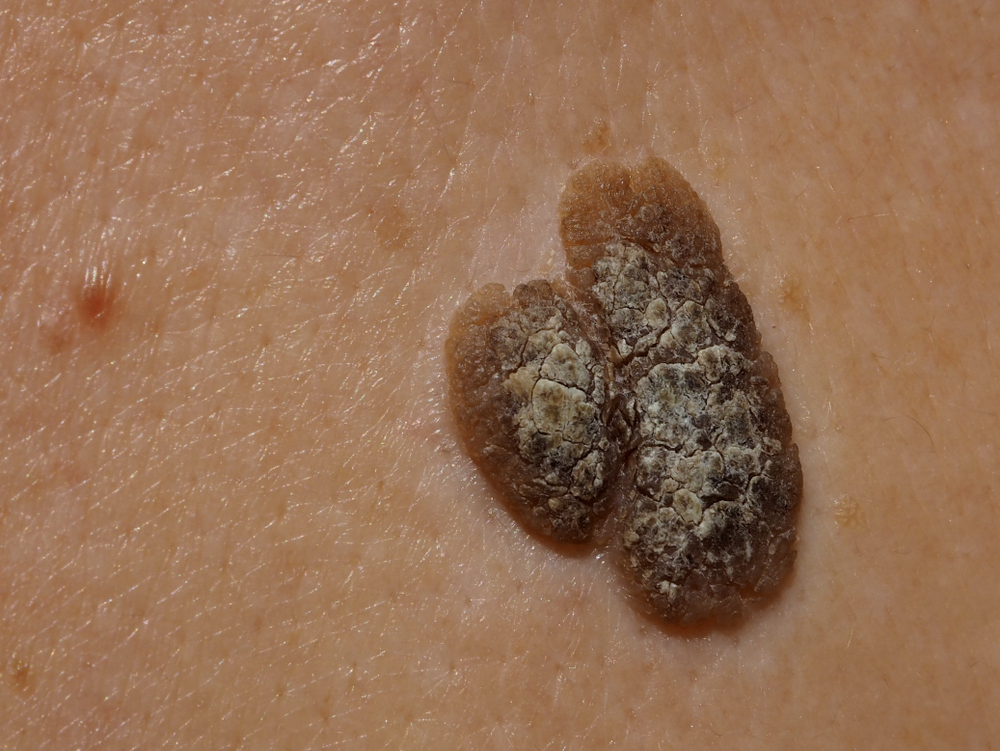
What is a seborrheic keratosis?
Seborrheic keratosis is a prevalent skin condition characterized by the gradual development of oval, waxy lesions. These harmless growths typically appear on various parts of the body, including the face, neck, chest, and back, and can range in color from light tan to brown or even black. The condition generally affects adults over 50, with prevalence increasing significantly with age. Research indicates that approximately 30% of middle-aged people will have developed at least one seborrheic keratosis by the time they reach 40, and this figure rises to around 75% by the age of 70. While the precise cause of seborrheic keratosis remains uncertain, several factors appear to contribute to its formation, including genetics, the natural aging process, and prolonged exposure to sunlight. Interestingly, seborrheic keratosis is less frequently observed in individuals with darker skin tones; however, a specific subtype, “dermatosis papulosa nigra,” is notably more common among darker-skinned individuals. This subtype is characterized by small, brown-to-black papules that typically increase in number with age and are primarily located on the face and neck. Although these tumors are classified as benign, individuals should consult a dermatologist if they notice any new or changing skin lesions. This precaution is vital to rule out the possibility of skin cancer or other skin conditions.
What do seborrheic keratoses look like?
Seborrheic keratoses are benign growths that can manifest as flat or slightly elevated lesions, varying in color from light tan to dark brown or even black. These growths possess a distinctive rough or scaly surface, and some may exhibit an uneven, bumpy texture that can make them resemble warts. The size of seborrheic keratoses can vary significantly, ranging from a few millimeters to over an inch in diameter, and they typically develop gradually over several years. According to the American Academy of Dermatology, seborrheic keratoses are commonly found on the face, neck, chest, and back. They may appear as solitary spots or in small clusters, though they can develop in any area of the body except for the palms of the hands and the soles of the feet. Despite being harmless, seborrheic keratoses can sometimes mimic other skin conditions, such as actinic keratoses (which can be precursors to skin cancer), epidermal nevi, solar lentigo (freckles caused by sun exposure), and squamous cell carcinoma. Because of these similarities and the potential for misdiagnosis, individuals with new or changing skin growths on normal skin should seek evaluation by a board-certified dermatologist, such as Dr. Green.
How does seborrheic keratosis start?
Seborrheic keratoses typically begin as small, flat patches that may nearly blend in with the individual’s natural skin tone or appear only slightly darker. Initially, these growths can go unnoticed due to their subtle appearance. As time passes, however, these patches thicken due to the accumulation of skin cells in the epidermis, the outermost layer of the skin. This buildup leads to a rough and raised texture, distinguishing them from the surrounding skin. The lesions may present a varied course of development; some may remain small and inconspicuous for several years, while others may gradually expand and evolve into the characteristic appearance of seborrheic keratosis, often characterized by a waxy or scaly surface. Their growth can be uneven, resulting in a bumpy texture that is sometimes mistaken for other skin conditions.
How to treat seborrheic keratoses?
If you notice any new skin lesions, it is highly advisable to schedule an appointment with a board-certified dermatologist, such as Dr. Green, to receive a thorough evaluation and accurate diagnosis. Early detection is crucial, as it helps assess potential risks associated with new skin growths. For patients diagnosed with seborrheic keratosis—a common, usually benign skin condition—removal of the lesions may be considered for various reasons. These can include cosmetic results, especially if the lesions are prominent or bothersome, or to alleviate symptoms such as persistent itching, irritation, or occasional bleeding that can accompany these growths. During the consultation, Dr. Green will carefully examine each lesion’s shape, size, and texture. This detailed assessment will enable him to recommend the most appropriate treatment methods tailored to the individual’s specific condition and aesthetic goals.

How to remove seborrheic keratoses
Dermatologists have several procedures for the treatment of seborrheic keratosis lesions, including:
Laser Treatment: Laser therapy for seborrheic keratosis lesions can be either ablative, removing part of the outer skin layer, or non-ablative, using an energy source such as light to destroy the lesion. These treatments are highly effective, particularly ablative lasers. However, ablative procedures may necessitate some recovery time.
Prescription Hydrogen Peroxide: The FDA recently approved the use of prescription-strength 40% hydrogen peroxide for treating seborrheic keratosis lesions. Patients will be provided with an applicator pen to administer the medication at home. A common side effect in some patients is skin irritation around the treated area.
Curettage: A scalpel blade is used to remove the growth. Depending on the size and shape of the seborrheic keratosis, Dr. Green might use a curette in combination with electrocautery or cryosurgery for excision.
Electrocautery: Also known as electrosurgery or electrodessication, this method uses an electric current to cauterize and eliminate the lesion. For thicker, rougher seborrheic keratoses, electrocautery is often combined with a curette for improved outcomes.
Cryotherapy: A treatment involving Dr. Green typically avoids liquid nitrogen, as it can cause hypopigmentation in patients with darker skin tones. Furthermore, cryotherapy might not produce optimal results. Instead, it involves freezing seborrheic keratoses with liquid nitrogen.
Can you remove a seborrheic keratosis at home?
It is generally not advisable to remove seborrheic keratosis at home due to the risk of complications and misdiagnosis. Seborrheic keratosis presents as non-cancerous skin growths, but it’s essential to differentiate them from other skin conditions. Over-the-counter treatment options that may enhance the appearance of these growths include alpha-hydroxy acids, such as glycolic acid and salicylic acid, as well as 1% hydrogen peroxide and 0.1% tazarotene cream. While these alternatives may offer some improvement in texture and appearance, they are typically less effective than professional treatments performed by a board-certified dermatologist. For an accurate diagnosis and appropriate management, it is strongly recommended to consult a healthcare provider, particularly a board-certified dermatologist like Dr. Michele Green. Such a consultation can help rule out more serious issues, including skin cancer, and determine the most effective course of action for treatment. Engaging with a specialist helps minimize and manage potential risks—such as hyperpigmentation, hypopigmentation, changes in skin color, or scarring. This proactive approach to skincare not only enhances safety but also promotes better overall aesthetic outcomes.
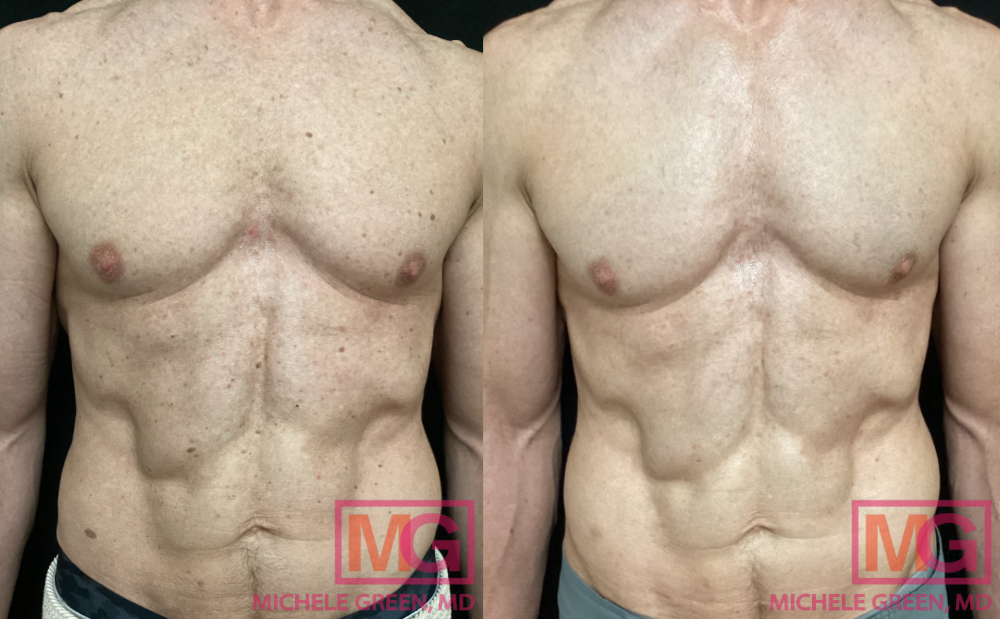
Does seborrheic keratosis grow?
Seborrheic keratoses are non-cancerous skin growths that typically emerge gradually, often beginning around age 40. These growths result from a slow, excessive proliferation of epidermal cells, leading to lesions that may enlarge over time and range in diameter from just a few millimeters to approximately an inch. While some individuals may develop only a single seborrheic keratosis, others might experience a cluster of these lesions, which is sometimes referred to as the Leser-Trélat sign. This sign indicates the sudden appearance of multiple keratoses and can be associated with certain medical conditions. The precise cause of seborrheic keratoses remains unclear. Still, there is evidence to suggest that genetics plays a significant role—individuals with a family history of these skin growths are more likely to develop them. Risk factors may include increased sun exposure and aging, as these lesions are more common in older adults. Although seborrheic keratoses are benign and pose no health risks, they may be of cosmetic concern for some individuals, leading them to seek treatment for removal if desired.
Does seborrheic keratosis grow back?
Once a seborrheic keratosis is fully excised, it typically does not recur at the same site. This characteristic is largely due to the growth’s benign, non-cancerous nature. However, new seborrheic keratosis patches can still develop in different areas over time. This is largely influenced by factors such as aging, genetic predisposition, and environmental exposures, making some individuals more susceptible to the development of new lesions. When the lesion is incompletely removed, a small remnant of the keratosis can persist. This residual tissue can gradually thicken and potentially grow back to its original size or even supersede it, emphasizing the importance of thorough removal techniques during treatment. Moreover, even after successful complete removal, many patients may develop additional seborrheic keratosis spots over the years. This pattern is quite common and is attributed to ongoing risk factors associated with the condition. Regular dermatological check-ups are advisable for monitoring skin health, as early detection of new lesions can facilitate timely intervention and treatment when necessary.
Is seborrheic keratosis dangerous?
No, seborrheic keratosis is a benign, non-cancerous skin growth, so it is generally harmless. These lesions typically present as rough, scaly patches on the skin and can vary in color from light tan to dark brown. They often develop in areas of the body that are frequently exposed to the sun, such as the face, chest, and back. While they are not dangerous, seborrheic keratoses can cause discomfort if they become irritated due to friction from clothing or skin-to-skin contact. This irritation can lead to symptoms such as itching, redness, and even bleeding if the lesions are scratched or rubbed too vigorously. When these symptoms occur, Dr. Green recommends considering removing the lesion for both comfort and cosmetic reasons.
Additionally, seborrheic keratosis can sometimes mimic more serious skin conditions, such as actinic keratosis, which can potentially progress to skin cancer. For this reason, it is crucial to have any new or changing growths evaluated by a qualified dermatologist. A professional evaluation can ensure an accurate diagnosis and provide peace of mind regarding any necessary treatment options.
Can a seborrheic keratosis become cancerous?
Seborrheic keratoses are non-cancerous skin growths that are quite common, particularly in older adults. A rough, scaly texture generally characterizes these benign lesions and can range from tan to black. Importantly, they are not precursors to skin cancer and do not have the potential to develop into malignant growths. During a professional evaluation, board-certified dermatologists use a differential diagnosis process to distinguish seborrheic keratoses from other skin conditions that may appear similar, such as melanoma, actinic keratosis, and basal cell carcinoma. Each of these conditions has distinct features that can aid in diagnosis. Melanoma, a type of skin cancer, often presents as a single dark lesion and is typically characterized by asymmetry, irregular borders, and color variations.
In contrast, seborrheic keratoses frequently appear in multiple numbers—often resembling “stuck-on” patches—and are well-defined, with a dull, somewhat elevated surface. While seborrheic keratoses grow slowly and tend to remain static in appearance, melanoma lesions can proliferate rapidly and exhibit significant changes in size and shape over a short period. Moreover, seborrheic keratoses should be distinguished from actinic keratosis, another skin condition induced by sun damage. Actinic keratosis lesions are usually rough and scaly, but they are typically more crusty and pigmented and may signal a risk of developing into squamous cell carcinoma if left untreated. Given the potential for overlapping clinical features among these skin conditions, individuals must consult a dermatologist whenever they notice new skin growths or changes in existing lesions. A dermatologist can perform thorough assessments, including a biopsy, to ensure an accurate diagnosis and appropriate management. Regular skin examinations are also recommended, especially for those at higher risk of skin cancer, to catch any concerning changes early.
Can you prevent seborrheic keratosis?
Seborrheic keratoses are non-cancerous skin growths that are predominantly influenced by genetic factors and the natural aging process. These growths can occur in individuals regardless of how diligent they are with their skincare routines. Despite maintaining a consistent skincare regimen and protecting the skin from sun exposure—both crucial for overall skin health—there is currently no established method to completely prevent the development of seborrheic keratoses. To ensure skin wellness, it is important to monitor your skin regularly for any new or changing spots, as early detection can be beneficial. Regular check-ups with a board-certified dermatologist are highly recommended for accurate diagnosis and management. Dermatologists can assess skin changes, provide guidance on treatment options when necessary, and offer advice on maintaining skin health across different life stages.
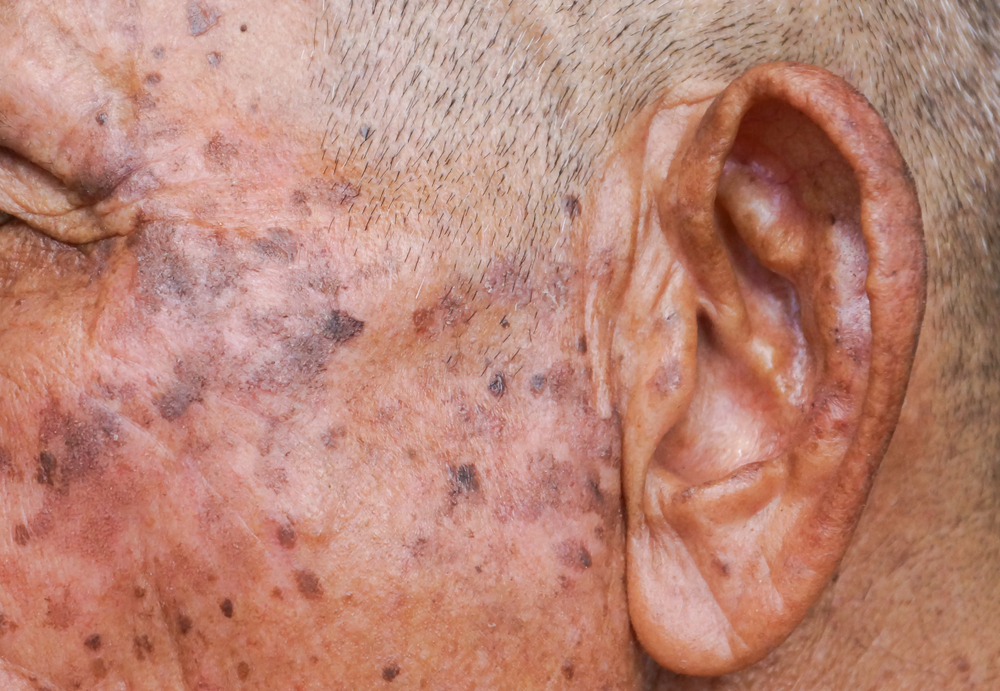
Frequently Asked Questions (FAQs)about Seborrheic Keratosis
Can a seborrheic keratosis be flat?
Yes, seborrheic keratosis is a common skin condition characterized by lesions that can vary in appearance, typically appearing as flat or slightly raised patches on the skin’s surface. These lesions often have a rough, scaly texture and can appear to be “stuck on” the skin, giving them a distinctive, wart-like appearance. They may range in color from light tan to dark brown, and their size can vary from small, pinpoint spots to larger, coin-sized growths. If you notice any new skin lesions, changes in existing growths, or concerns about your skin’s appearance, it is important to consult a dermatologist. They can perform a thorough examination, provide an accurate diagnosis, and discuss any necessary treatment options. Early detection and professional evaluation are key to maintaining skin health and addressing any potential concerns.
Does seborrheic keratosis itch?
Seborrheic keratosis lesions can itch due to their rough, scaly texture and slightly elevated surface, which often resemble warts or moles. These features can make them vulnerable to snagging on clothing or jewelry, leading to discomfort or itchiness from constant friction. As a result of this irritation, affected areas may become red, crusty, and sensitive, leading to increased discomfort. Although seborrheic keratosis is generally considered benign and poses no significant health risks, those who experience persistent itching, irritation, or cosmetic concerns may choose to have it removed. Various treatment options are available, including cryotherapy, curettage, and laser therapy, which can effectively address the lesions and alleviate associated symptoms.
Will seborrheic keratosis go away?
Seborrheic keratosis will not go away on its own and typically persists unless actively treated, as it rarely resolves or disappears spontaneously. These lesions are generally harmless and do not indicate any underlying health issues, which is why medical removal is not usually necessary for most people. However, while they are not a cause for concern, some individuals may find the texture of seborrheic keratoses uncomfortable, especially when in contact with clothing. This discomfort can lead to symptoms such as itching, irritation, or even occasional bleeding if the lesions are scratched or rubbed. For these individuals, removing the lesions can provide significant relief from these symptoms, improving overall comfort and skin appearance. Various treatment options are available, including cryotherapy, laser treatment, and curettage, which should be discussed with a board-certified dermatologist to determine the most suitable approach.
Does a seborrheic keratosis fall off?
Seborrheic keratoses are benign skin growths that are typically firmly anchored to the underlying skin unless intentionally removed. Although their surface may become flaky or scaly, they rarely detach completely without intervention. In some instances, however, irritation may occur from scratching or friction from clothing, hats, or grooming tools. This irritation can cause a portion of the growth to peel off, resembling a scab, which can exacerbate redness and discomfort in the area. For individuals experiencing such irritation, it is advisable to consult a board-certified dermatologist. A professional evaluation can ensure safe and appropriate removal options are considered, minimizing the risk of further irritation or complications. Regular monitoring of these lesions is also essential, as any changes in appearance or texture should be evaluated to rule out any potential issues.
How to get rid of seborrheic keratosis on the face
Treating seborrheic keratosis on the face requires a gentle yet effective approach, as facial skin is thinner and more sensitive than that of other body areas. It is crucial to carefully select treatment options, taking into account the individual’s skin type and tone to minimize the risk of damaging surrounding skin and reduce the potential for scarring or pigmentation changes. Several common methods are available for treatment, including prescription hydrogen peroxide, which helps break down the raised lesions; curettage, a procedure that scrapes off the growth with a specialized instrument; and electrocautery, which uses heat to destroy the keratosis. The most suitable option typically depends on specific factors, such as the lesion’s size, texture, and location on the face. Post-treatment care is essential for optimal healing. Patients should maintain cleanliness in the treated area by gently washing it with a mild cleanser. Keeping the skin moisturized with a non-irritating moisturizer is also important to support the healing process. Additionally, protecting the area from sun exposure using a broad-spectrum sunscreen is vital, as UV rays can exacerbate pigmentation issues and hinder recovery. By adhering to these guidelines, patients can promote proper healing and achieve the best possible cosmetic outcome.
How big can a seborrheic keratosis get
Seborrheic keratoses range in size from a few millimeters to over an inch across. These growths typically begin as small, raised areas on the skin and gradually enlarge over time. Additionally, it is common for new spots to appear in different areas of the body as one ages. Although seborrheic keratoses are generally considered benign and pose no health risks, it is crucial to monitor them for any changes. If a lesion rapidly increases in size, changes in color, or changes in shape, it is essential to seek medical evaluation. Such changes could indicate the presence of other skin conditions that may require further investigation or treatment. Regular skin examinations are advisable to ensure any concerning developments are addressed promptly.
Where does seborrheic dermatitis come from?
Healthcare professionals continue to grapple with the exact etiology of seborrheic dermatitis, a common skin condition that affects many individuals. Research suggests that several factors may contribute to its development, including an overproduction of sebum, the presence of Malassezia yeast (a type of fungus that thrives on oily skin), and an individual’s immune system response, which may be compromised for various reasons. Additionally, several external and internal triggers can exacerbate the symptoms of seborrheic dermatitis. These triggers may include psychological stress, which can lead to increased oil production and inflammation, as well as changes in weather—particularly cold, dry conditions or hot, humid environments that can irritate the skin. Other contributing factors may encompass fatigue, which can weaken the immune system; depression, which can impact overall skin health; immune disorders, which can disrupt the body’s ability to manage infections and inflammation; or even sudden medical events that may shock the system.
Where is seborrheic dermatitis commonly seen?
Patients frequently ask, “Where does seborrheic dermatitis typically appear?” This condition commonly affects oily areas of the face and body, including the scalp, beard, eyebrows, mustache, armpits, ears, eyelids, sides of the nose, and chest. The visibility of these affected regions can contribute to feelings of self-consciousness and distress among many individuals. Seborrheic dermatitis is characterized by red, flaky, and sometimes itchy skin, which can exacerbate these feelings. It is particularly common in areas that produce more oil, as the condition thrives in these environments. Fortunately, Dr. Green’s dermatology clinic offers a range of effective treatment options tailored to each patient’s specific needs. These include prescription topical creams that help reduce inflammation and scale, as well as medicated shampoos designed to alleviate scalp symptoms. By addressing the condition comprehensively, Dr. Green aims to improve both his patients’ skin health and overall well-being, helping them feel more comfortable in their own skin.

Get started with your seborrheic keratosis removal today.
Seborrheic keratosis is a common skin condition that affects approximately 3 million Americans each year, particularly those over 50. These benign lesions manifest as oval, flat, or raised spots ranging in color from light tan to brown and even black. While seborrheic keratosis is harmless, its appearance can be a source of cosmetic concern for many people. The lesions often develop on sun-exposed areas of the body, including the face, back, chest, and neck, and may have a scaly, wart-like texture that can irritate the skin when it rubs against clothing. Although these growths pose no health risks, some individuals choose to seek treatment for aesthetic reasons or to alleviate discomfort. Dr. Green’s dermatology clinic in New York City provides a comprehensive range of treatment options tailored to achieve optimal cosmetic outcomes. These treatments include advanced methods such as laser therapy, which uses focused light to remove lesions with minimal discomfort; topical prescriptions that target the growths directly; curettage, a gentle scraping technique; and electrocautery, which uses heat to remove keratoses effectively. To find the most suitable treatment option for your seborrheic keratosis, it’s essential to consult with a qualified professional. Scheduling a consultation with Dr. Green will allow for a personalized assessment of your condition. During the visit, you will discuss your concerns, explore treatment options, and develop a plan tailored to your specific needs, ensuring a positive experience and the best possible results.
Dr. Michele Green is a highly respected, board-certified dermatologist with over 25 years of experience providing leading non-invasive treatments. She follows a holistic, less-is-more approach, creating tailored skincare routines and treatment plans that address each patient’s specific concerns and aesthetic goals. Frequently recognized by Castle Connolly, New York Magazine, and Super Doctors, she is considered one of New York’s top dermatologists due to her dedication and expertise. Call us at 212-535-3088 or email our New York City office today to book a consultation with Dr. Green and explore the best options for seborrheic keratoses.


