


How to Prevent Hyperpigmentation
Hyperpigmentation is a common skin condition affecting millions worldwide. It typically appears as dark spots or patches on the skin, especially on the face and chest, which get a lot of sun exposure. This condition can develop in people of all ages and skin types. Although hyperpigmentation is not dangerous, it can impact a person’s self-esteem, prompting many to seek cosmetic treatments. Fortunately, several noninvasive options are available, including chemical peels, Cosmelan, Mesopeels, laser skin resurfacing, and various topical skincare products. If you’re dealing with hyperpigmentation, post-inflammatory hyperpigmentation, melasma, sun spots, solar lentigines, or dark spots, Dr. Michele Green, a board-certified cosmetic dermatologist in NYC, can assist you.
Hyperpigmentation refers to various skin conditions that cause discoloration for different reasons. It happens when melanocytes, the cells that produce melanin, create excess pigment. Despite regular sunscreen use, conditions like sunspots, age spots, hyperpigmentation, and melasma can sometimes still seem unavoidable. The causes and treatments depend on the specific type of hyperpigmentation. Common factors include sun exposure, inflammatory acne, and hormonal changes. Additionally, depending on the hyperpigmentation type, laser treatments may make it worse. Therefore, consulting a specialist in facial hyperpigmentation, such as Dr. Michele Green in New York, is crucial to finding the most effective ways to reduce or eliminate your hyperpigmentation.
Dr. Green has over 25 years of experience treating facial hyperpigmentation with top noninvasive cosmetic procedures and skincare products. At her private dermatology practice on the Upper East Side, she has helped thousands of patients with hyperpigmentation across a wide range of skin tones and types. By combining noninvasive in-office cosmetic treatments with high-quality, specially formulated skincare products from her MGSKINLABS line, Dr. Green creates personalized treatment plans that target both body and facial hyperpigmentation. She takes pride in understanding each patient’s unique needs and goals, helping them look and feel their best. It’s no surprise that she consistently ranks among the top dermatologists in NYC, as recognized by the New York Times, New York Magazine, and Castle Connolly. During your consultation with Dr. Green at her private office in Manhattan’s Upper East Side, she will work closely with you to develop a treatment plan suited to your skin type, tone, and specific needs. This approach ensures you achieve a healthy, clear, and radiant complexion that lasts.
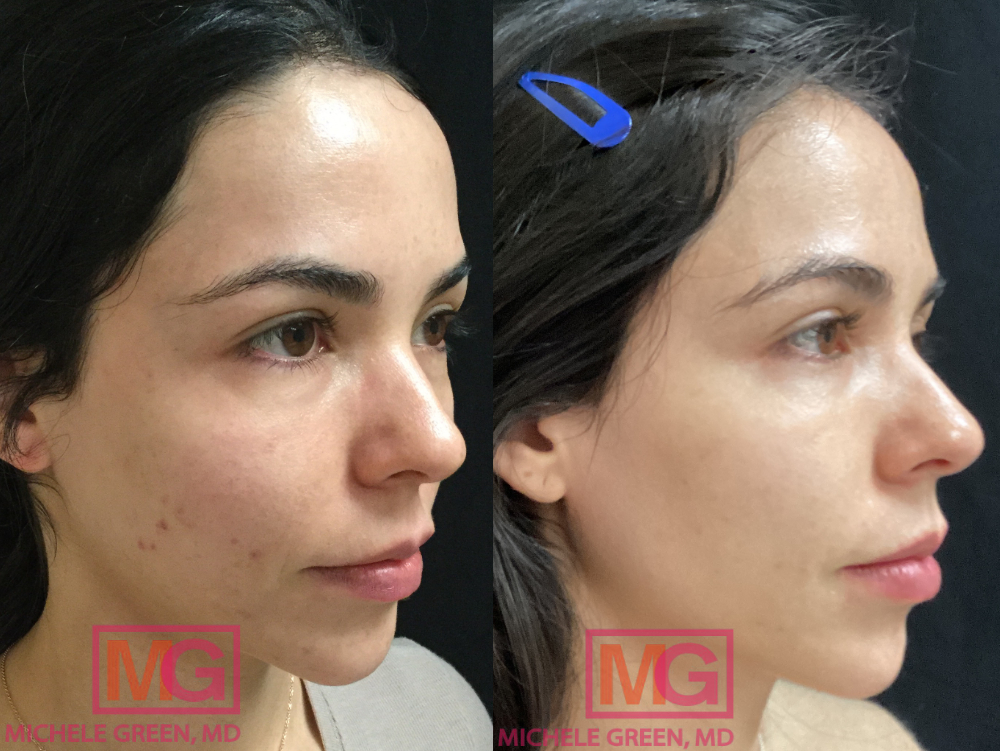
What is Hyperpigmentation?
Hyperpigmentation refers to areas of the skin that are darker than a person’s natural skin tone. This condition occurs when melanocytes — the cells that produce melanin, the pigment responsible for our skin, hair, and eye color — become overactive and produce excess melanin. Hyperpigmentation can affect people of all skin types and tones, but it is more noticeable in individuals with darker skin because they produce more melanin. Although it is not a harmful condition, it can cause emotional distress or concerns about appearance. Treatment options include topical creams, chemical peels, and laser therapies, all designed to reduce excess pigmentation and even out skin tone. When managing hyperpigmentation, it is important to consult a board-certified dermatologist, such as Dr. Michele Green, who can identify the specific type of hyperpigmentation and help manage and prevent it.
What are the 3 types of hyperpigmentation?
There are three main types of hyperpigmentation, each with different causes and characteristics: melasma, sunspots (also called age spots or liver spots), and post-inflammatory hyperpigmentation (PIH).
- Melasma appears as brown or bluish-gray patches, most commonly on the face but also on the forearms and neck. This condition is often triggered by hormonal changes, making it especially common among women; about 90% of those affected are female. Key factors contributing to melasma include sun exposure, which is significant, as well as hormonal fluctuations from pregnancy, oral contraceptives, and hormone replacement therapy. Family history also plays a role, with around 50% of people with melasma reporting a history of hyperpigmentation in relatives. People with darker skin tones may face a higher risk, and conditions like thyroid disease can increase susceptibility. Melasma often darkens during sunny summer months due to increased UV exposure and may lighten somewhat in winter when sunlight is less intense.
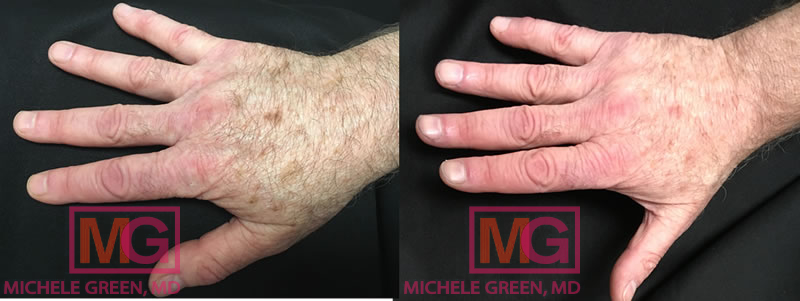
- Sunspots, also called age spots or liver spots, are a common cosmetic issue as people age. These spots develop due to cumulative exposure to ultraviolet (UV) rays from the sun, which damage the skin over time. In response, the body produces more melanin in sun-exposed areas, leading to the appearance of these spots. Sunspots usually appear as flat, brown, or black patches on areas of the skin that receive sun, such as the face, chest, hands, and arms. They are more noticeable in people with lighter skin, who are more vulnerable to sun damage because they have less natural protection against UV rays.
- Post-Inflammatory Hyperpigmentation (PIH) occurs after skin injury or inflammation, often following conditions such as acne, eczema, or other skin rashes. When the skin is damaged, the healing process can produce excess melanin, leading to dark spots ranging from pink to black. These spots usually last until the damaged skin fully heals, which can take 6 to 12 months, especially if proper sun protection isn’t used during this time. Various treatments, such as chemical peels, laser therapy, and topical products like hydroquinone, retinoids, or vitamin C serums, can help speed up fading.
Understanding the different types of hyperpigmentation, their causes, and features is crucial for effective management and treatment. People experiencing any kind of hyperpigmentation should see a board-certified dermatologist for personalized advice. During your consultation with Dr. Green, she will be able to rule out the possibility of skin cancer, which can appear as dark spots, and customize treatment options to your skin type and concerns.
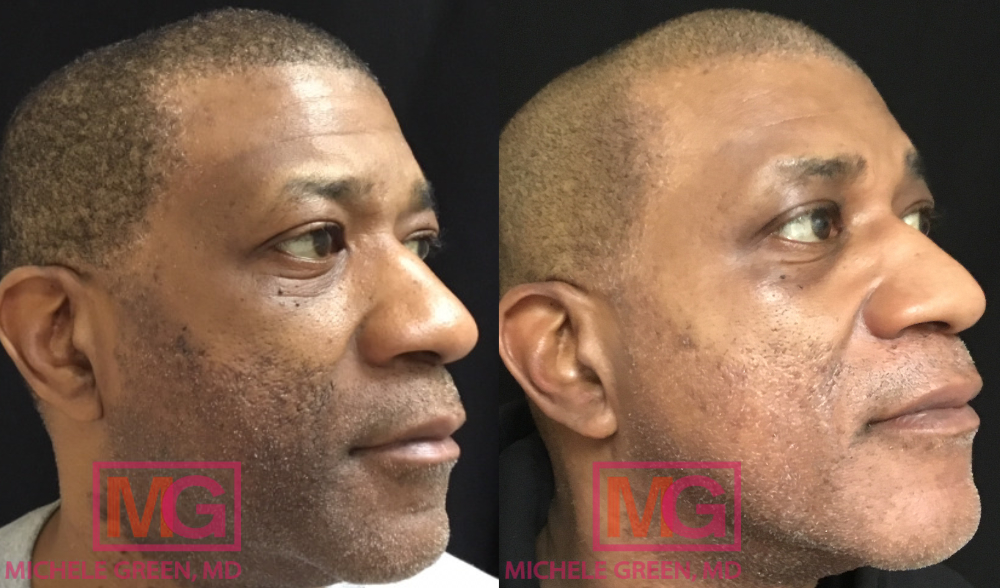
What causes hyperpigmentation?
The most common cause of hyperpigmentation is long-term exposure to ultraviolet (UV) rays from the sun. UV rays stimulate melanocytes, the skin cells that produce melanin, leading to increased melanin production and darker skin. People who spend a lot of time outdoors without proper sun protection are especially vulnerable to this type of hyperpigmentation, often developing age spots or sunspots. Additionally, medical conditions like Addison’s disease can also be linked to hyperpigmentation.
Besides sun exposure, other factors can also cause hyperpigmentation. Hormonal changes, especially during pregnancy, hormone replacement therapy, or with oral contraceptives like birth control pills, can lead to a type of hyperpigmentation called melasma. This condition appears as symmetrical dark patches, usually on the face, particularly on the cheeks, forehead, and upper lip. Genetic factors also play a significant role; some individuals are more prone to developing hyperpigmentation due to their family history.
Additionally, acne-related skin damage can lead to post-inflammatory hyperpigmentation, resulting in dark spots after acne lesions heal. This is more common in people with darker skin tones because they tend to produce more melanin in response to inflammation. While laser treatments can be effective for various skin concerns, they may sometimes worsen hyperpigmentation if the skin isn’t properly cared for afterward. This is especially true for individuals with darker skin, who may be more vulnerable to post-inflammatory changes following cosmetic procedures.
Hyperpigmentation can affect individuals of all skin tones and types and can occur at any age. The appearance and severity of the condition depend mainly on the underlying causes and on how the skin responds individually. Understanding these factors is vital for effective prevention and treatment, highlighting the importance of sun protection and appropriate skincare routines. When managing hyperpigmentation, it is important to consult a board-certified dermatologist to determine the specific type you are experiencing.
Who is prone to hyperpigmentation?
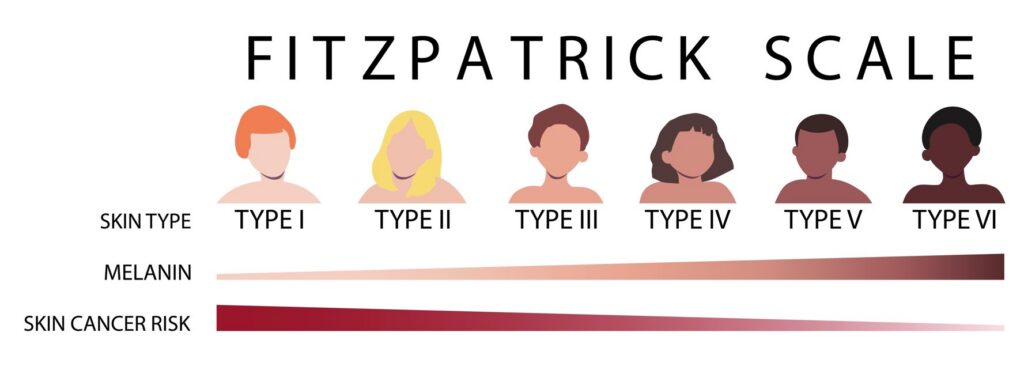
People with darker skin tones, especially those classified as Fitzpatrick skin types IV-VI, are more prone to developing hyperpigmentation. Several factors can increase this risk. Excessive sun exposure causes the skin to produce more melanin to protect against UV damage. Women are also more susceptible to hyperpigmentation during hormonal changes, such as pregnancy or while using hormonal contraceptives, because these shifts can boost melanin production. Additionally, individuals with a history of inflammatory skin conditions like acne or eczema are at higher risk, as these conditions can lead to post-inflammatory hyperpigmentation during healing. Overall, understanding these risk factors helps people take steps to prevent hyperpigmentation.
Treatments for Hyperpigmentation
Topical Treatments
The first line of defense against hyperpigmentation is usually topical treatments. Many ingredients in a skincare routine can help brighten the overall complexion while also fighting hyperpigmentation.
- Kojic Acid is a naturally occurring compound that inhibits the enzyme tyrosinase, which plays a vital role in melanin production—the pigment responsible for skin color. By decreasing melanin production, Kojic Acid helps reduce the appearance of stubborn dark spots, age spots, and uneven skin tone overall.
- Azelaic acid mainly targets tyrosinase, an essential enzyme involved in the early stages of melanin production in the skin. By blocking tyrosinase activity, azelaic acid helps reduce overall melanin formation. It also has anti-inflammatory properties, which further support its ability to improve skin texture and tone, making it a versatile choice for various skin types.
- Vitamin C is a powerful antioxidant that improves skin texture and reduces the appearance of hyperpigmentation, like dark spots and uneven skin tone. It acts as a shield against free radicals caused by harmful UV rays and environmental pollutants. Using Dr. Green’s Vita C serum daily can greatly enhance your skincare results, helping to achieve a radiant, even-toned complexion.
- Tranexamic acid (TXA), a synthetic lysine derivative, inhibits plasmin, an enzyme involved in breaking down fibrin, and is activated by UV exposure. By blocking this process, tranexamic acid effectively reduces melanin production in melanocytes, the cells responsible for skin pigmentation.
- Retinol, or its stronger forms called retinoids, are vitamin A derivatives valued in dermatology for their ability to speed up cell turnover. This process encourages the skin to shed its outer layer of dead cells, which can lead to conditions like hyperpigmentation and uneven skin tone. Regular use of retinol or retinoids, such as Dr. Green’s Essential Antioxidant Infusion, can lead to visible improvements over time, including smoother skin texture and a noticeable reduction in pigmentation irregularities.
- Hydroquinone is a potent ingredient often found in prescription-strength products that works by blocking the enzyme tyrosinase, which is key in melanin production. This helps to even skin tone and lighten areas of discoloration. It’s important to follow Dr. Green’s instructions carefully to achieve the best results and reduce the risk of side effects, such as skin irritation or contact dermatitis.
- Dr. Green has created a hydroquinone-free Skinbright Cream with Arbutin, a natural compound that effectively inhibits the enzyme tyrosinase, which is essential for melanin production, helping to brighten skin tone without side effects. The cream also contains Kojic Dipalmitate, another effective ingredient known for its ability to lighten skin by reducing melanin synthesis. Supporting these brightening agents is Glycolic Acid, an alpha-hydroxy acid (AHA) that gently removes dead skin cells from the surface, promoting cell turnover and revealing a fresher, smoother complexion.
- Use a broad-spectrum sunscreen with at least SPF 50 daily, such as Dr. Green’s Hydrating SPF 50, to help prevent hyperpigmentation. For optimal sun protection, Dr. Green recommends layering both chemical and physical sunscreens. Chemical sunscreens absorb UV rays, while physical sunscreens form a barrier on the skin. Reapplying every 90 minutes during sun exposure ensures continuous protection and reduces the risk of further pigmentation.
Laser Therapy
Laser therapy is a very popular option for removing sunspots by targeting and destroying the pigment. Dr. Green warns against using laser therapy for melasma because the heat can drive the pigment deeper into the skin, worsening hyperpigmentation. Before undergoing laser treatment for your hyperpigmentation, consult a board-certified dermatologist to determine whether lasers are suitable for you.
- The Candela AlexTriVantage laser emits light at wavelengths absorbed by dark spots or sunspots. This light is converted into heat, targeting and destroying melanin, a natural pigment produced by melanocytes. The treatment involves minimal downtime, as a small scab may form at the sunspot sites, allowing healthy, lighter skin cells to regenerate. Typically, the scab heals within a week, resulting in a noticeable reduction in hyperpigmentation. Patients usually need 1 to 2 sessions, with initial results visible within 1 to 2 weeks after the procedure.
- The Fraxel Dual laser is a non-ablative fractional skin resurfacing treatment designed to address sun damage, brown spots, fine lines, and acne scars. It offers two wavelength options, 1927nm and 1550nm, targeting different skin concerns. The 1927nm setting is most effective for hyperpigmentation and sun damage, while the 1550nm setting improves fine lines, wrinkles, and acne scars. The Thulium 1927 nm laser works at a superficial level, precisely targeting specific chromophores—colored elements within skin cells—to create a controlled thermal reaction that reduces pigmented spots and discoloration. There is minimal downtime, with most patients experiencing mild redness and peeling for a few days after treatment. It’s important to avoid sun exposure during this period to protect the new skin. Depending on the size of the treated area and the severity of hyperpigmentation, three sessions are usually recommended, spaced one month apart, to achieve optimal results. The Fraxel laser is safest for patients with Fitzpatrick skin types I-III; those with darker skin tones might opt for the Clear + Brilliant laser for similar improvements.
- The Clear + Brilliant laser is another resurfacing treatment that targets sun damage and sunspots to brighten overall skin tone. This fractionated laser creates thousands of tiny, controlled wounds in the skin, increasing its permeability to skincare products. It is safe for all skin types and can improve skin tone and texture while reducing signs of aging, such as fine lines. Dr. Green recommends applying a Vitamin C serum in the morning and at night, as it is a powerful antioxidant that helps the skin fight free-radical damage and environmental toxins, speeds up skin cell turnover, and further lessens hyperpigmentation. Dr. Green suggests that five treatments spaced a month apart are ideal for overall improvement.
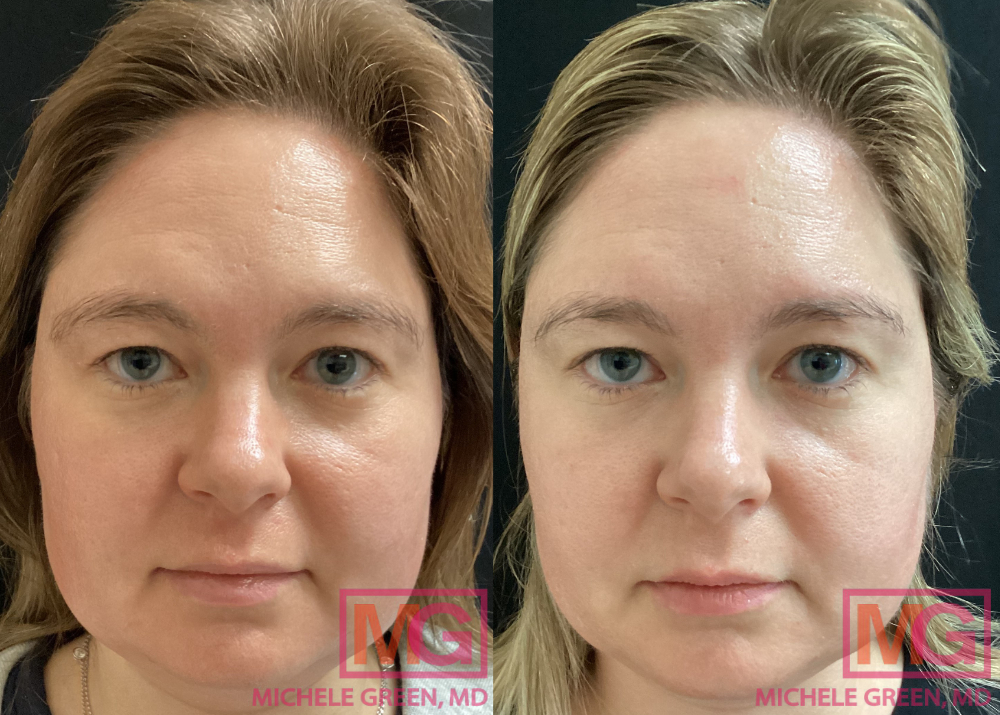
Intense Pulsed Light (IPL)
Intense Pulsed Light (IPL) therapy emits multiple wavelengths of light absorbed by melanin-rich cells, generating heat. This process helps reduce hyperpigmentation and brown spots, improve skin texture and redness, and diminish fine lines. Besides sunspots, IPL is effective for freckles, age spots, and facial redness. However, laser treatments should be avoided in patients with melasma because the heat can push pigment deeper into the skin, making treatments more difficult. For sunspots, this procedure has no downtime and works best for those with Fitzpatrick skin types I through III. While IPL benefits some patients, Dr. Green often prefers the AlexTriVantage or Fraxel Dual laser because they deliver focused laser energy rather than broad-spectrum light, allowing for deeper penetration and precise targeting to reduce sunspot appearance. It’s best to consult with Dr. Michele Green to determine which treatment is right for you.
Chemical peels
A chemical peel is a skin resurfacing treatment that increases skin cell turnover to minimize sun damage and improve skin tone and texture. The acid in the chemical solution reacts with the outer layer of the skin to remove dead cells and impurities, revealing healthy, new skin. Chemical peels are categorized by their depth—light, medium, or deep—and Dr. Green chooses the strength of your peel based on your specific skin concerns and the type of hyperpigmentation present. Light or medium peels are usually used for sunspots, while deep peels are suggested for acne scars, deep wrinkles, and improving skin texture.
- A trichloroacetic acid, or TCA, peel removes the outer layers of the epidermis, stimulating increased skin cell turnover to reveal a healthier, brighter, and smoother complexion. The TCA peel also helps keep pores clear of sebum, dead skin cells, and debris to prevent breakouts and acne.
- Mesopeels, a type of chemical peel, are often used for hyperpigmentation and sunspots because their formulation is gentle enough for sensitive areas, including around the eyes.
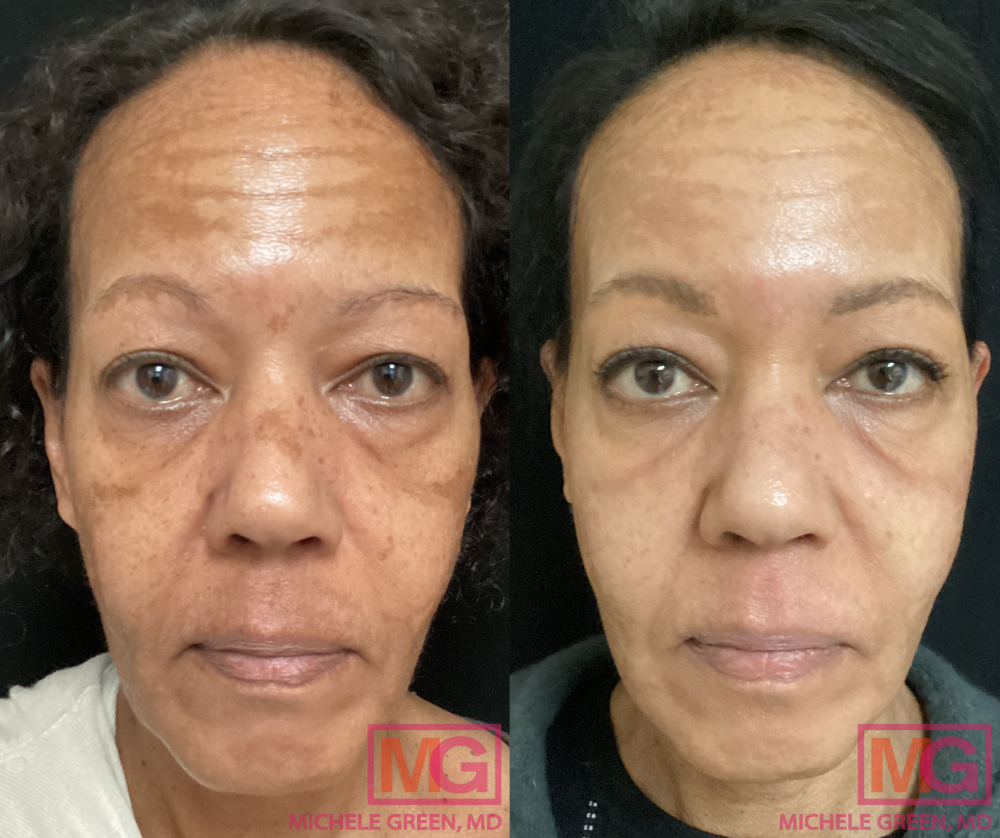
- The Cosmelan peel is a professional-grade chemical peel mask and one of the most popular treatments for melasma. It helps treat melasma by inhibiting the tyrosinase enzyme, which lowers melanin production, and by speeding up cell turnover to lift existing dark pigment. It functions as both a corrective and a preventative measure, removing up to 90% of pigment and preventing future buildup on the skin’s surface.
Microneedling with depigmentation serum
Microneedling, also known as collagen induction therapy, is a highly effective cosmetic treatment that enhances overall skin tone and texture. Microneedling sessions can be combined with a specialized depigmentation serum to reduce the appearance of hyperpigmentation further and improve the skin’s clarity and radiance. The procedure involves using tiny, surgical-grade needles on the skin’s surface to create micro-wounds, activate the body’s natural healing process, stimulate collagen production, and promote the growth of healthy skin cells. The microchannels created by the microneedling device increase the absorption of the depigmentation serum, which often contains vitamin C, tranexamic acid, or Kojic acid, boosting its effectiveness. As the microneedling pen moves across the skin, the serum is infused into the treated areas to target pigmented cells and lessen hyperpigmentation.
Microdermabrasion
Microdermabrasion is a noninvasive cosmetic treatment that gently exfoliates the skin with a specialized handpiece. This procedure removes dead skin cells, excess oil, and impurities, encouraging the growth of new healthy skin cells and boosting collagen production. It is an effective choice for those wanting to improve uneven skin texture and tone, reduce acne scars, lessen fine lines and wrinkles, minimize enlarged pores, and address pigmentation concerns.
What is the most effective treatment for hyperpigmentation?
The most effective treatment for hyperpigmentation depends on its underlying cause and the specific type of pigmentation a person has. While no treatment is inherently better than others and a comprehensive approach is often needed, topical creams are usually the first choice. Ingredients like hydroquinone, kojic acid, retinoids, and vitamin C are commonly used to lighten dark spots and even out skin tone. It’s important to apply these products consistently and as directed for the best results. Chemical peels involve applying a chemical solution to the skin to remove the top layers. They can help reduce the appearance of hyperpigmented areas over time. Different types of peels—superficial, medium, or deep—can be chosen based on skin type and the severity of the pigmentation. Laser therapy targets specific hyperpigmented spots with focused light energy to break down the pigment. This method is effective for deep-set pigmentation and can produce significant results, though multiple sessions may be necessary for optimal outcomes. However, Dr. Green advises against using laser therapy for melasma because it can often push the pigment deeper into the skin, worsening melasma and making it harder to treat. The best treatment depends on factors such as skin type, the extent of hyperpigmentation, and how individuals respond to previous treatments. It’s always best to consult a dermatologist to determine the most suitable and effective treatment plan for your skin.
How to avoid hyperpigmentation?
Hyperpigmentation can be effectively prevented by following a dedicated daily skincare routine that emphasizes sun protection and the use of specific brightening ingredients. The key to preventing hyperpigmentation is consistent sun protection. Use a broad-spectrum sunscreen with an SPF of 50, applying it generously to all exposed skin, even on cloudy days. Remember to reapply every two hours, or more often if you’re sweating or swimming. Incorporate products containing brightening agents, such as Vitamin C, niacinamide, or licorice extract, into your skincare routine. Vitamin C is an antioxidant that helps inhibit melanin production, while niacinamide can help even out skin tone. Use these products regularly—typically in the morning for Vitamin C and both morning and night for niacinamide. Minimize actions that may irritate your skin, such as picking at acne or blemishes, as this can lead to post-inflammatory hyperpigmentation. Instead, opt for gentle cleansing and exfoliation methods. Always pat your skin dry and apply treatments with clean hands to avoid introducing bacteria.
Enhance your sun protection with accessories like wide-brimmed hats and UV-blocking sunglasses when outdoors. These items provide extra coverage and shield your skin from direct sunlight. Tinted sunscreens not only block UV rays but also provide additional protection against blue light from screens, which can contribute to pigmentation. Look for mineral-based formulas that reflect light and give better protection. Avoid being outside during peak sun hours, usually between 10 a.m. and 4 p.m., when UV radiation is strongest. If you need to be outdoors, find shade whenever possible or wear protective clothing. Incorporating these strategies into your daily routine can significantly lower the risk of hyperpigmentation and help you achieve a more even, radiant complexion.
What reduces hyperpigmentation?
Effectively reducing hyperpigmentation requires a comprehensive approach that includes daily sun protection, targeted brightening ingredients, and consistent exfoliation to promote cell turnover. One of the most crucial steps in managing and preventing hyperpigmentation is regularly applying broad-spectrum sunscreen with an SPF of 50. Sun exposure can darken existing spots and lead to new ones. Therefore, using sunscreen daily, even on cloudy days or when indoors, is essential for protecting your skin. Incorporating specific ingredients into your skincare routine can help brighten the skin and significantly reduce discoloration.
Vitamin C is a powerful antioxidant that inhibits melanin production and promotes a brighter, more even skin tone. Look for serums containing stable forms of Vitamin C, such as ascorbic acid. Kojic acid is a natural compound that lightens pigmentation by blocking the enzyme responsible for melanin synthesis. Retinoids, like tretinoin, a vitamin A derivative, accelerate cell turnover, helping shed pigmented skin cells and encouraging the growth of new, healthier skin. Regular use can lead to noticeable improvements in hyperpigmentation over time. Exfoliation is vital for enhancing the skin’s natural renewal process. Chemical exfoliants like alpha hydroxy acids (glycolic acid) or beta hydroxy acids (salicylic acid) can remove dead skin cells, revealing brighter, smoother skin. For more severe hyperpigmentation, professional treatments can provide faster and more effective results. Options include chemical peels, which use stronger acids for deep exfoliation, and laser treatments that target pigmentation more precisely. Consulting with a dermatologist can help determine the best approach based on your skin type and the severity of your hyperpigmentation. Combining these strategies can enhance the effectiveness of hyperpigmentation treatments, leading to a clearer, more radiant complexion over time.
Why do I get hyperpigmentation so easily?
Hyperpigmentation occurs when the skin produces excess melanin, the pigment that gives our skin, hair, and eyes their color. This excess production can be caused by several factors, including long-term exposure to ultraviolet (UV) rays from the sun, inflammation from conditions like acne or injuries, hormonal changes—especially during pregnancy or when taking certain medications—and genetic factors that influence melanin production. People with darker skin tones, classified as Fitzpatrick types III to VI, often experience hyperpigmentation more frequently because they have higher baseline melanin levels. Additionally, those with sensitive skin are usually more prone to damage, which can lead to post-inflammatory hyperpigmentation after acne or other skin irritations. Understanding these factors is important for managing and, if possible, preventing hyperpigmentation. Adopting proper sun protection and skincare routines suited to their specific skin type.
Does sunscreen prevent hyperpigmentation?
Absolutely. Using a broad-spectrum sunscreen with SPF 50 every day is essential for preventing and managing hyperpigmentation. Sunscreen creates a protective barrier that shields the skin from harmful ultraviolet (UV) rays. These rays significantly contribute to increased melanin production, which can cause dark spots and uneven skin tone. Regular application helps prevent new hyperpigmentation from developing and slows the worsening of existing marks. This includes different types of hyperpigmentation, such as sunspots from prolonged sun exposure; melasma, which appears as brown patches on the face and is often linked to hormonal changes; and post-inflammatory hyperpigmentation that occurs after skin injuries like acne. Incorporating a high-quality sunscreen into your daily skincare routine is key to maintaining an even skin tone and overall skin health.
Hyperpigmentation Prevention FAQs
How to prevent hyperpigmentation naturally?
Regardless of the type of hyperpigmentation, it is crucial to apply a broad-spectrum sunscreen with SPF 50 every day, no matter the weather. This step is essential for shielding the skin from harmful UVA and UVB rays, which can worsen dark spots and lead to pigmentation problems. In addition to sun protection, adding active ingredients to your skincare routine can help fade existing spots and prevent new ones from forming. Vitamin C works as a powerful antioxidant that brightens the skin and promotes an even tone by reducing melanin production. Retinol, a derivative of vitamin A, boosts cell turnover, helping to remove pigmented cells and grow healthy skin. Kojic acid has skin-lightening effects, while azelaic acid decreases melanin production and offers anti-inflammatory benefits, making it suitable for sensitive skin. Addressing any underlying skin inflammation is also important, as this can worsen hyperpigmentation. Along with topical treatments, consulting a dermatologist about professional procedures can further improve results. Procedures like chemical peels and laser therapies can effectively target pigmentation issues, revealing a clearer, brighter complexion; however, it is best to consult a board-certified dermatologist like Dr. Michele Green to identify the most suitable treatment for you.
How to prevent hyperpigmentation after a chemical peel?
Dr. Green often suggests chemical peels for hyperpigmentation to help achieve a more even skin tone and smoother texture. After the treatment, it is crucial to protect your skin from increased sun sensitivity. Always apply a broad-spectrum sunscreen with SPF 50 generously and reapply every two hours, especially when outdoors. Wear protective clothing such as wide-brimmed hats and UV-blocking sunglasses, and avoid direct sunlight between 10 a.m. and 4 p.m. Use gentle skincare products suitable for sensitive skin that are free of harsh ingredients, and keep your skin well-hydrated with moisturizing serums and creams to aid healing.
How to prevent hyperpigmentation after microneedling?
Microneedling is a safe and effective treatment for skin concerns such as fine lines, wrinkles, and enlarged pores, and can help reduce hyperpigmentation. However, there is a low risk of hyperpigmentation, especially if performed by someone inexperienced. To reduce this risk, make sure a board-certified dermatologist performs the treatment, follow pre-treatment instructions, and stick to post-care guidelines, such as avoiding sun exposure, using gentle products, and applying broad-spectrum sunscreen. If you notice any unusual changes after the procedure, consult your board-certified dermatologist.
How to prevent hyperpigmentation from scars?
Preventing scar hyperpigmentation involves effective sun protection, keeping wounds clean and moisturized, and using silicone sheets or gels to improve scar appearance. Avoid picking at healing areas to reduce the risk of inflammation and pigmentation. Incorporating topical ingredients such as Vitamin C and niacinamide can also help brighten the skin and promote an even tone. It is best to consult a board-certified dermatologist to determine whether you are a candidate for cosmetic treatments such as Fraxel laser, which can improve scar texture and pigmentation.
How to prevent rebound hyperpigmentation from hydroquinone?
Due to its potency, hydroquinone should be used for a short period and only on specific hyperpigmented areas to reduce the risk of hypopigmentation in surrounding skin. After achieving the desired results, carefully adjust your skincare routine to prevent rebound hyperpigmentation by adding retinols to increase skin cell turnover, kojic acid to inhibit tyrosinase activity, and vitamin C to protect the skin. Always apply broad-spectrum sunscreen (SPF 50) daily to shield the treated skin, and keep it moisturized with a gentle, non-comedogenic moisturizer. Hydroquinone, when used as a topical cream, can also be combined with chemical peels and laser treatments to accelerate results, depending on your type of hyperpigmentation. It is best to consult a board-certified dermatologist, such as Dr. Michele Green, to determine the most suitable treatment plan.
How to prevent hyperpigmentation from shaving?
Reduce skin friction by using a clean, sharp razor and shaving in the direction of hair growth to decrease irritation. Prepare the skin with warm water and a moisturizing cream or shaving gel. After shaving, avoid alcohol-based products; choose alcohol-free aftershaves or soothing balms to hydrate and calm the skin.
How to prevent hyperpigmentation from waxing?
To prevent hyperpigmentation from waxing, it’s important to visit a reputable waxer who uses wax that isn’t too hot to avoid burning the skin. It is also vital to keep the area gently cleansed and moisturized so any irritation can be eased. If needed, use soothing ingredients like aloe vera or chamomile to help reduce irritation.
How to prevent hyperpigmentation from laser hair removal?
To prevent post-inflammatory hyperpigmentation, avoid heat and irritants for at least 48 hours after treatment. Use gentle, fragrance-free skincare and avoid scrubs or strong active ingredients. As with other types of hyperpigmentation, it is important to avoid the sun and UV rays from tanning beds to prevent the pigment from worsening.
How to prevent hyperpigmentation from mosquito bites?
Preventing hyperpigmentation (dark spots) from mosquito bites involves managing inflammation and protecting the skin. Apply ice packs for 10-15 minutes to reduce swelling and discomfort, using a cloth barrier to prevent frostbite. Over-the-counter options like hydrocortisone cream can decrease inflammation and itching, while calamine lotion provides soothing relief. If itching is severe, oral antihistamines such as cetirizine (Zyrtec) can help. Resist the urge to scratch, as it can lead to skin damage and post-inflammatory hyperpigmentation. As always, it is essential to use sunscreen (SPF 50) on the affected area to prevent darkening from UV exposure.
How to prevent hyperpigmentation from popping a pimple?
It’s best to avoid popping pimples at home because it can cause post-inflammatory hyperpigmentation and indented scars from improper technique. However, if a pimple has popped, gently clean the area and consider using a hydrocolloid patch to protect it and keep it moisturized. Keep the area clean and hydrated, and always apply sunscreen daily to prevent dark spots. If you’re dealing with acne, it’s advisable to consult a board-certified dermatologist, Dr. Michele Green, for treatment, since hyperpigmentation and pitted scars are more difficult to treat than the acne itself.
How to prevent hyperpigmentation in the bikini area?
For the bikini area, opt for breathable cotton underwear and avoid tight clothing to reduce friction. Consider gentler hair-removal methods, like waxing or laser treatments, to minimize irritation. Use mild exfoliating products made for sensitive skin to prevent worsening hyperpigmentation. When treating hyperpigmentation in the intimate area, Dr. Green offers cosmetic options at her private NYC dermatology clinic, including the Dermamelan Intimate treatment, which encourages skin cell renewal and collagen production for a brightening effect that gradually improves over time.
How to prevent hyperpigmentation during pregnancy?
During pregnancy, hormone levels undergo significant changes as your body adapts. Due to these fluctuations, melasma is commonly observed. To prevent melasma from worsening, it is important to apply a broad-spectrum sunscreen (SPF 30+) daily to protect against increased hyperpigmentation. Reapply frequently, stay in the shade, and wear protective accessories like hats and sunglasses. It is also recommended to consult with a board-certified dermatologist, such as Dr. Green, who will work with your board-certified OB-GYN to ensure that treatment options and ingredients are safe for both you and your baby.
How do I get started with treatments for hyperpigmentation today?
Hyperpigmentation and skin discoloration can result from numerous factors, including prolonged sun exposure, aging, inflammatory acne, and fluctuating hormone levels. This condition can affect people of all ages and skin types, often impacting self-esteem and confidence. The good news is that a wide range of effective, noninvasive cosmetic treatments and topical skincare products are available to improve hyperpigmentation. These options not only address existing discoloration but also help prevent future issues, promoting healthier skin over time. Common treatments include skin resurfacing lasers, chemical peels, and microneedling, all of which encourage skin renewal and improve texture. In New York City, Dr. Michele Green specializes in creating personalized plans to reduce facial hyperpigmentation. By assessing your skin and understanding your goals, she can recommend a tailored approach to help you achieve clear, radiant skin that boosts your confidence and enhances your overall appearance.
Dr. Michele Green is a highly respected expert in cosmetic dermatology, with over 25 years of experience treating various types of facial hyperpigmentation for some of the most discerning clients. She has been consistently recognized by trusted sources such as Castle Connolly, The New York Times, New York Magazine, and Super Doctors as one of the top cosmetic dermatologists in NYC for her skill and dedication to her patients. As an authority in both cosmetic and medical treatments, including dermal fillers and skin biopsies, Dr. Green customizes each patient’s treatment plan to meet their specific needs and goals. If you are dealing with melasma, post-inflammatory hyperpigmentation, sun spots, sun damage, or other forms of hyperpigmentation, Dr. Green is ready to help. To schedule a consultation about your facial hyperpigmentation, please contact us online or call our New York City office at 212-535-3088.
Related Topics
Summarize This Content: AI


