


Why Does Acne Scarring Occur?
Acne is one of the most common skin conditions, affecting millions of individuals each year. While many breakouts eventually heal, they can sometimes leave behind lasting marks on the skin in the form of acne scars. Acne scars develop when inflammation from pimples, cysts, or nodules damages the skin tissue and disrupts the natural healing process. When the skin attempts to repair itself, it produces collagen, a structural protein that helps maintain smooth, healthy skin. However, if too little collagen is produced, depressed scars such as ice pick scars, boxcar scars, or rolling scars may form, while excess collagen production can lead to raised hypertrophic or keloid scars. In some cases, patients may also notice lingering dark marks known as post-inflammatory hyperpigmentation (PIH), which occur when inflamed skin produces excess melanin during the healing process. Factors such as severe acne, picking or popping pimples, prolonged inflammation, and genetic predisposition can increase the likelihood of scarring. Because acne scars are often permanent and vary widely in appearance and severity, consulting an experienced board-certified dermatologist is essential for determining the most effective treatment strategy to restore a smoother, more even complexion.
Many of the most effective acne scar treatments work by stimulating new collagen production, improving skin texture, and addressing discoloration left behind by previous breakouts. A variety of non-invasive cosmetic procedures are available to reduce the appearance of acne scars, including laser resurfacing treatments such as Fraxel Dual and eMatrix, microneedling, chemical peels, and subcision with dermal fillers to release tethered scar tissue beneath the skin. These procedures are designed to stimulate collagen remodeling, smooth uneven skin texture, and improve pigmentation with minimal downtime and few side effects. Because most patients develop a combination of different scar types, the most successful results are typically achieved through a customized treatment plan that incorporates several complementary procedures. An individualized approach ensures that both textural irregularities and discoloration are effectively addressed, allowing patients to achieve clearer, healthier-looking skin.
Dr. Michele Green is an internationally renowned, board-certified dermatologist with over 25 years of experience providing some of the world’s most discerning individuals with the best non-invasive cosmetic treatment options, including acne scar treatment. Dr. Green is extensively trained in both cosmetic procedures and medical dermatology, including the diagnosis and treatment of skin cancer, ensuring that all laser and cosmetic procedures are performed safely for all skin types. By combining in-office procedures with customized topical treatments and specially selected skincare products, Dr. Green helps patients reduce the appearance of acne scars and restore a smoother, more radiant complexion. Consistently recognized by New York Magazine, Super Doctors, The New York Times, and Castle Connolly as one of New York’s top dermatologists, Dr. Green is dedicated to delivering natural-looking results and exceptional patient care. During your consultation in her Upper East Side, Manhattan dermatology office, she will work with you to develop a comprehensive acne scar treatment plan to help you achieve clear, healthy, beautiful skin that lasts.
Why does acne scarring occur?
Many patients often wonder, “Why does acne scars occur?” Acne scarring happens when severe inflammation from deep pimples, cysts, or nodules damages the skin’s collagen and underlying tissue. As the body attempts to repair this damage, it may not produce enough collagen, resulting in depressed or pitted scars. Deep lesions that rupture beneath the skin cause more tissue destruction than surface-level pimples, leading to more prominent scarring. Other factors that cause acne scars include picking or popping pimples, delayed acne treatment, and a genetic predisposition that affects collagen production and healing. In addition, different types of acne, such as inflammatory cysts or nodules, are more likely to cause skin damage and permanent scarring.
Where do acne scars come from?
Acne scars develop from severe inflammation, particularly from deep cysts or nodules that rupture the pore wall and damage the dermis (the skin’s underlying layer). During its natural healing process, the body may produce too little collagen, resulting in depressed or pitted scars known as atrophic scars. Conversely, excess collagen production can create raised, thickened scars called hypertrophic scars. In addition to these texture changes, post-inflammatory hyperpigmentation (PIH) may occur, leaving flat red or brown marks. While PIH is not technically a scar, it is a visible reminder of prior inflammation.
Why does acne cause scars?
Acne causes scars when inflammation from blemishes damages the skin’s collagen and underlying tissue. When a pore swells and ruptures, its contents can spill into the surrounding layers of the skin, triggering a repair response. The body initiates a wound-healing response, producing collagen to repair damaged tissue. However, this healing response is not always perfectly balanced. This results in hypertrophic or atrophic scars.
Several factors can increase the risk of scarring. Picking or squeezing pimples can push bacteria and debris deeper into the skin, worsening tissue damage. Leaving acne untreated for prolonged periods allows inflammation to persist, increasing the likelihood of scarring. Genetics can also play a role, as some individuals are more prone to scarring due to differences in collagen response.
Acne scars come in different forms. Atrophic scars, such as ice pick scars, boxcar scars, and rolling scars, are visible indentations caused by tissue loss. Hypertrophic scars, such as keloid scars, are raised and result from excess collagen production. Post-inflammatory hyperpigmentation (PHI), appearing as red or brown marks, can also occur. Treating acne early, avoiding picking, and protecting the skin from sun damage are key to reducing the risk of permanent scarring.
Will acne scars eventually go away?
Mild acne discoloration, such as red or brown marks from post-inflammatory erythema or hyperpigmentation, often fades on its own within 6-12 months. Some patients may try over-the-counter skincare products containing retinoids, alpha hydroxy acids, or vitamin C to help improve mild discoloration, though deeper scars typically require professional dermatologic treatment. Permanent acne scars, such as pitted (atrophic) or raised scars (hypertrophic), typically do not go away without professional acne scar treatment. Effective treatment options for these types of acne scars include chemical peels, laser resurfacing, non-ablative lasers, microneedling, radiofrequency, dermabrasion, and dermal fillers to lift and smooth indented scars. At Dr. Michele Green’s dermatology practice, Dr. Green helps patients address discoloration, improve skin texture, and stimulate collagen production by creating customized acne scar treatment plans to achieve smoother, more even-toned skin. To determine which acne scars will go away, consulting with a board-certified dermatologist, such as Dr. Green, ensures the most effective combination of treatments is selected based on scar type, severity, and your individual skin goals.
Why are acne scars permanent?
Acne scars are permanent because they represent structural damage to the deeper layers of the skin (dermis) rather than temporary surface-level discoloration (epidermis). When severe acne lesions such as cysts or nodules cause intense inflammation, the skin’s natural healing process is disrupted. This affects how collagen, the protein responsible for maintaining firm, smooth skin, is produced. Because hypertrophic and atrophic scars involve changes to the skin’s underlying structure rather than just the epidermis, they do not typically fade on their own over time. Though these true acne scars do not disappear naturally, a variety of dermatologic treatments can help stimulate new collagen production and significantly reduce their appearance, improving overall skin texture and tone. Dr. Michele Green offers many treatments to address acne scars, including laser resurfacing, subcision, microneedling, chemical peels, and dermal fillers. Scheduling a consultation with Dr. Green will help determine whether these treatments are right for you.
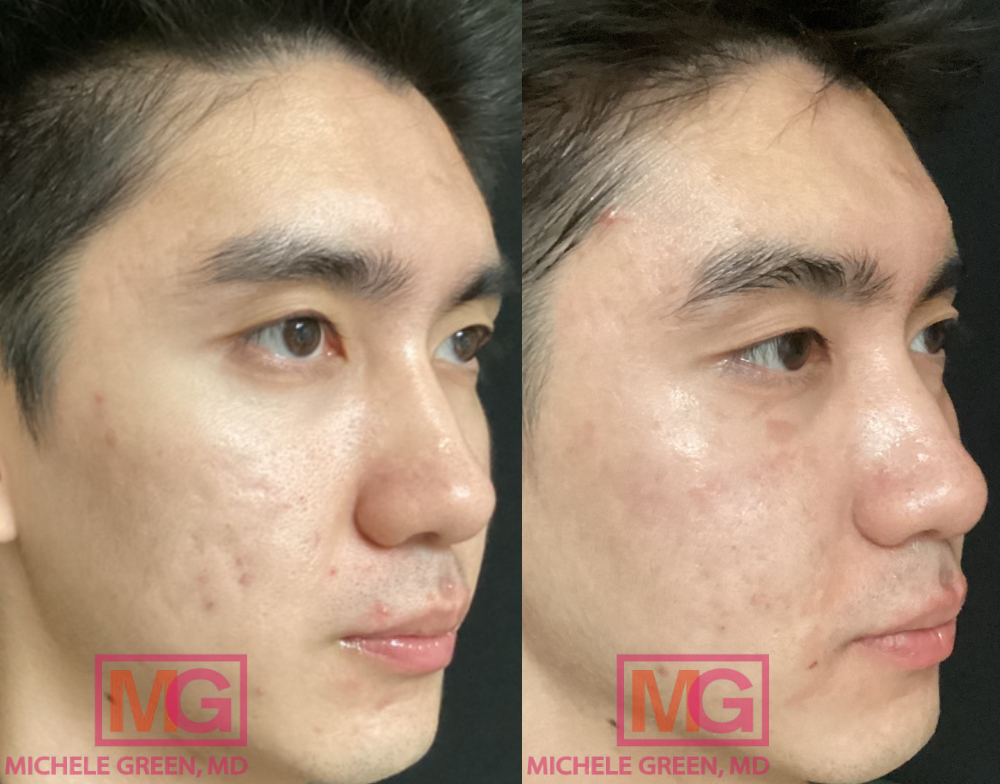
What are some acne scar treatments?
Dr. Michele Green offers a comprehensive range of acne scar treatments to help patients achieve smoother, more even-toned skin. During an initial consultation, Dr. Green evaluates your skin type, acne history, and scar severity to create a personalized treatment plan. Depending on your individual needs, she may combine procedures to address active acne, pigmentation, and existing scars while stimulating new collagen production for long-term improvement, including advanced laser treatments and other non-invasive procedures.
- HydraFacials – It is important to address any active acne before treating acne scars. HydraFacial is a multi-step treatment that cleanses, exfoliates, and hydrates the skin while removing dead skin cells, oil, and debris that contribute to whiteheads, blackheads, and acne breakouts. This treatment can be combined with LED red or blue light therapy and targeted serums to improve pigmentation and treat mild acne, with no downtime.
- Chemical Peels – Trichloroacetic acid (TCA) or glycolic/salicylic acid peels exfoliate the top layer of skin, unclog pores, and stimulate new collagen production. It is effective for smoothing skin texture, treating pigmentation, and reducing post-inflammatory marks from previous acne.
- Microneedling – Uses fine needles to create micro-injuries in the skin, triggering collagen production and helping smooth pitted or uneven areas from acne scars. Best used when active acne is under control.
- RF Microneedling (Vivace) – Combines radiofrequency energy with microneedling to tighten skin, stimulate new collagen, and improve acne scars, pigmentation, and overall skin texture.
- Fraxel Dual Laser – Fractional laser resurfacing that stimulates collagen and improves the appearance of atrophic scars, pigmentation, and uneven texture. Requires multiple sessions spaced a month apart.
- Clear + Brilliant Laser – A gentle, fractional non-ablative laser that helps prevent early signs of aging, improve skin tone, smooth mild acne scarring, and reduce pigmentation with minimal downtime.
- eMatrix Sublative Laser – Uses bipolar radiofrequency to stimulate collagen, improve acne scars, and enhance skin texture. Safe for all skin tones, especially helpful for deeper scars and post-inflammatory hyperpigmentation.
- VBeam Laser – Pulsed dye laser that treats red acne scars, post-inflammatory erythema, broken capillaries, and rosacea. Non-invasive, with no downtime.
- Acne Surgery / Extraction – In-office procedure to remove active acne lesions, including blackheads, whiteheads, cysts, and nodules. May include punch excision for certain scars and intralesional cortisone injections to reduce inflammation.
- Topical Treatments – Prescription options like retinoids (tretinoin, adapalene), dapsone (Aczone), Winlevi, clindamycin, or erythromycin help prevent new acne lesions, reduce inflammation, and improve skin texture. Retinoids also help stimulate collagen over time, minimizing future scar formation.
- Oral Medications – For severe acne or cystic acne, options include isotretinoin (Accutane), oral antibiotics, birth control pills, or spironolactone (for hormonal acne). Treating active acne is crucial to prevent future scarring.
- Dermal Fillers – Often formulated with hyaluronic acid, dermal fillers are used to lift and smooth deep, pitted atrophic scars by restoring volume beneath the skin and creating a more even surface.
- Laser Resurfacing / Skin Resurfacing Treatments – Combines lasers, microneedling, or chemical peels to stimulate new collagen, reduce pigmentation, and improve severe acne scarring.
Why do acne scars turn dark?
Acne scars can appear dark due to post-inflammatory hyperpigmentation (PIH), which occurs when the skin produces excess melanin during the healing process after acne inflammation. When a pimple forms, the surrounding skin becomes inflamed, triggering melanocytes. These cells are responsible for pigment production, which increases melanin production. This excess pigment can leave behind flat brown, red, or purple marks after the blemish has healed. Sun exposure can make these spots appear darker because Ultraviolet (UV) radiation further stimulates melanin production in the skin. Other factors that can worsen dark spots include picking or popping pimples, prolonged inflammation from untreated acne, and genetic predisposition. Individuals with darker skin tones are also more prone to PIH. Thankfully, these dark marks are not considered true acne scars and often fade over time. Protecting the skin with daily sunscreen and treating acne early can help prevent it from becoming darker or more persistent.
Why are acne scars hard to remove?
Acne scars are difficult to remove because they involve permanent structural changes to the deeper layers of the skin rather than simple surface discoloration. Severe inflammation from acne can disrupt the skin’s natural healing process, causing the body to produce too little collagen (ice pick scars, boxcar scars, rolling scars) or too much collagen (keloid scars). Some scars are tethered to deeper tissue by tight bands of collagen fibers beneath the skin, pulling the epidermis downward and creating visible indentations. Because these scars extend deep into the skin and alter its underlying structure, they cannot be corrected with a single treatment or quick solution. Instead, effective acne scar treatment focuses on gradually remodeling the skin and stimulating new collagen production over time. For this reason, dermatologic procedures such as laser resurfacing with Fraxel or eMatrix, microneedling and RF microneedling with Vivace, chemical peels, and subcision with dermal fillers are typically performed in a series of sessions to progressively improve skin texture and tone. Additional treatments, including VBeam laser for redness, HydraFacials to manage active acne, and topical or oral medications to prevent future breakouts, may also be incorporated into a comprehensive treatment plan. Because many patients have a combination of different scar types and skin concerns, a multi-modal approach is often necessary to significantly reduce the appearance of acne scars and achieve smoother, healthier-looking skin. Scheduling a consultation with board-certified dermatologist Dr. Michele Green can help you determine which treatment plan is most effective for your skin concerns.
Why do acne scars get worse with age?
Acne scars can appear more noticeable with age due to the skin’s natural loss of collagen, elastin, and underlying facial volume over time. Collagen provides structural support to the skin, helping maintain a smooth, firm surface, but its production gradually declines as we age. As the skin becomes thinner and less elastic, it is less able to maintain an even texture, causing depressed scars such as ice pick, boxcar, and rolling scars to appear deeper and more pronounced. In addition, the gradual loss of facial fat and bone density reduces the natural support beneath the skin, making existing indentations more visible. Aging skin also experiences slower cellular turnover and a reduced ability to repair itself, which can further accentuate irregularities in the skin’s surface. While acne scars may seem less noticeable early in life, these natural aging changes can make them more prominent over time. Fortunately, a variety of dermatologic treatments such as laser resurfacing, microneedling, chemical peels, and dermal fillers can help stimulate collagen production, restore volume, and improve the overall appearance of acne scars.
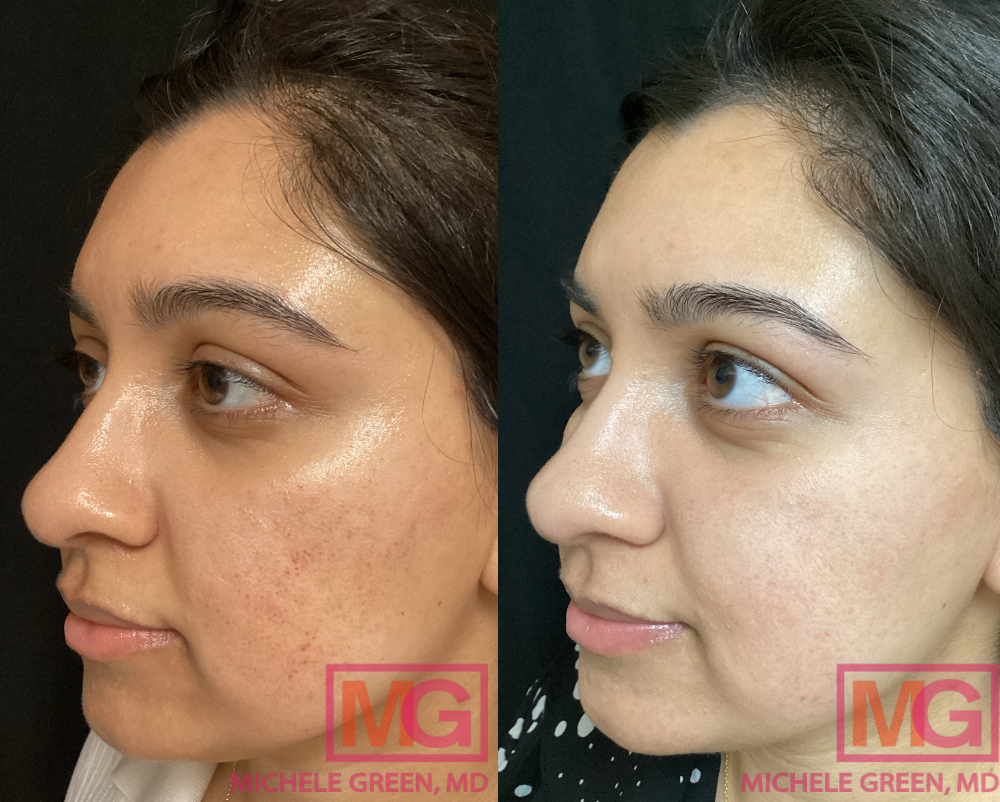
Frequently Asked Questions (FAQs) about Acne and Pimple Scarring
Why is my acne scarring all of a sudden?
Acne scarring can sometimes seem to appear suddenly after a breakout heals, especially if the acne was more severe or inflamed than usual. When deep pimples, cysts, or nodules develop beneath the skin, they can rupture the pore wall and damage surrounding tissue. During the body’s natural wound healing process, collagen is produced to repair the injured area. However, this healing response is not always perfectly balanced. If the body produces too little collagen, depressed scars such as ice pick, boxcar, or rolling scars may form. If too much collagen develops, raised scars such as hypertrophic or keloid scars can occur. Scarring may also become more noticeable once redness and swelling from the breakout fade, revealing changes in the skin’s texture that were previously hidden by inflammation.
Why do acne scars take long to heal?
Acne scars often take a long time to heal because they involve deeper layers of the skin rather than just the surface. While ordinary blemishes may heal within days or weeks, scars form when the skin undergoes a more complex wound-healing response that alters the structure of dermal collagen. Once scar tissue forms, the body must gradually remodel collagen fibers to restore a smoother skin surface. This process occurs slowly and may take months. For this reason, dermatologic treatments such as microneedling, laser treatment, or chemical peels are often recommended to stimulate new collagen production and accelerate the skin’s natural repair process.
Why does some acne leave scars?
Not every acne breakout results in permanent scarring. Scars are more likely to develop when acne is severe, deeply inflamed, or left untreated for an extended period. Breakouts such as cystic acne and nodules extend deeper into the skin than common whiteheads or blackheads, increasing the likelihood of tissue damage. When the pore wall ruptures beneath the skin, bacteria, oil, and debris can spread into surrounding tissue, triggering a strong inflammatory response. As the skin heals, the body produces collagen to repair the damaged area, but uneven collagen production can result in depressed or raised scars. Early treatment of acne can significantly reduce the risk of long-term scarring.
Why am I so prone to acne scars?
Some individuals are naturally more prone to developing acne scars due to genetic factors that influence the skin’s healing process and collagen production. People who experience severe inflammatory acne, particularly cysts or nodules, are more likely to scar because these breakouts cause greater skin damage. Picking or squeezing pimples can also worsen inflammation and increase tissue injury, raising the risk of permanent scars. In addition, delaying acne treatment allows inflammation to persist longer, which may further disrupt the skin’s ability to heal evenly. Consulting a board-certified dermatologist can help reduce the likelihood of scarring by treating active acne early and recommending preventive skincare strategies.
Why acne scars appear on face
Acne scars most frequently appear on the face because this area contains a high concentration of sebaceous glands that produce oil. Excess oil production, combined with clogged pores and bacteria, makes the face the most common location for acne breakouts. When inflammatory acne develops on the cheeks, forehead, chin, or jawline, it can damage deeper layers of the skin. As the body repairs the damaged skin, the healing process may alter collagen production, leading to visible scars or an uneven texture. Because facial skin is highly visible and constantly exposed to environmental factors such as sunlight, these scars may become more noticeable over time.
Where do acne scars come from?
Acne scars develop as a result of the skin’s attempt to repair damage caused by inflamed blemishes. When a pore becomes clogged with oil, bacteria, and dead skin cells, it can swell and rupture, injuring the surrounding dermal tissue. During the healing process, the body produces collagen to rebuild the damaged skin. If too little collagen is produced, depressed scars may form due to tissue loss. Conversely, if excess collagen is produced, thickened, hypertrophic, or keloid scars may develop. These structural changes in the skin create the uneven texture associated with acne scarring.
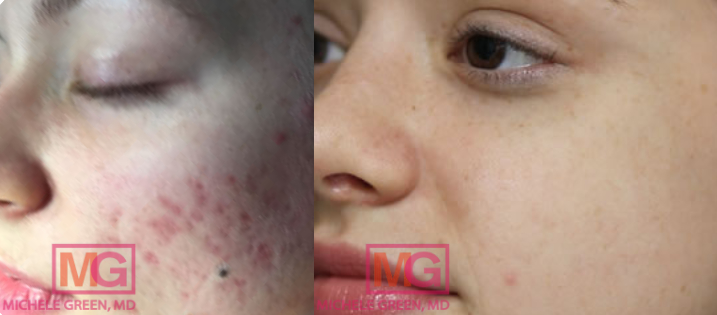
Why does acne scarring happen?
Acne scarring occurs when the skin’s healing process is disrupted by inflammation from active breakouts. Deep lesions, particularly cysts and nodules, can damage the dermis and surrounding tissue. When the body begins repairing the injured area, collagen production may not occur evenly, leading to permanent changes in the skin’s texture. As inflammation subsides, the damaged tissue becomes more visible, which is why scars may appear more prominent after the acne itself has healed. Preventing severe acne and avoiding picking or squeezing blemishes can help reduce the likelihood of scarring.
Why does acne scars take long to heal?
Acne scars take longer to improve because they involve more significant structural changes within the skin. While surface discoloration may fade naturally over time, true scars require collagen remodeling to restore a smoother skin surface. This remodeling process occurs gradually as the skin regenerates new tissue and reorganizes collagen fibers within the dermis. Dermatologic procedures such as microneedling, chemical peels, and laser resurfacing are often used to stimulate this process and encourage new collagen production, helping improve the appearance of acne scars over time.
Why acne scars won’t heal
True acne scars often do not disappear completely without professional treatment because they represent permanent changes in the skin’s structure. When collagen is lost or overproduced during the healing process, the resulting scar tissue remains within the dermis. While mild discoloration may fade naturally, depressed or raised scars typically require dermatologic treatments to improve their appearance. Procedures such as laser resurfacing, microneedling, subcision, and dermal fillers can help remodel scar tissue, stimulate collagen production, and restore a smoother skin texture.
When does acne scars go away?
Some marks left behind after acne, such as post-inflammatory hyperpigmentation or redness, may fade gradually over several months as the skin naturally renews itself. However, true acne scars, such as atrophic or hypertrophic scars, often persist without treatment because they involve bigger structural changes within the skin. With dermatologic treatments, many patients can significantly improve the appearance of acne scars. Procedures that stimulate collagen production and resurface the skin can gradually smooth uneven texture and restore a more even complexion.
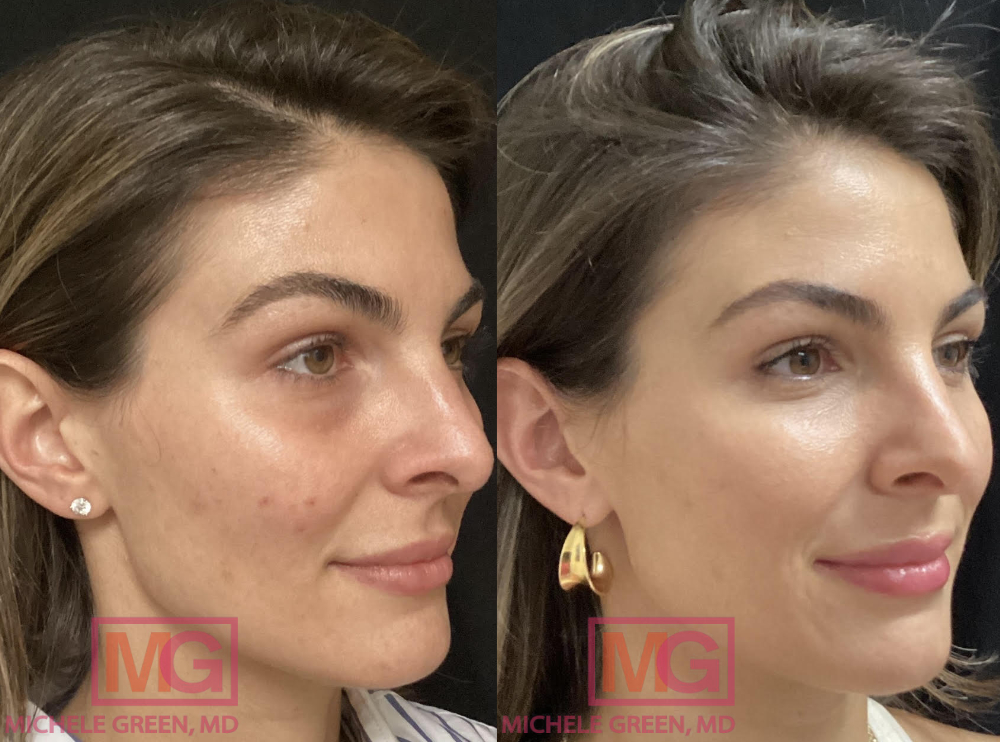
How do I get started with acne scar treatment today?
Acne scars can serve as a lasting reminder of previous breakouts and may affect both the texture and overall appearance of the skin. These scars develop when inflammation disrupts the skin’s natural healing process, altering collagen production within the deeper layers of the skin. While acne scars can be permanent, a wide range of advanced dermatologic treatments can significantly reduce their appearance and restore smoother, healthier-looking skin. At her private dermatology office in Manhattan’s Upper East Side, Dr. Michele Green offers a variety of non-invasive acne scar treatments designed to stimulate collagen production, improve skin tone, and smooth uneven texture. Treatment options may include laser treatments and resurfacing procedures such as Fraxel Dual or eMatrix, microneedling, chemical peels, subcision with hyaluronic acid-containing dermal fillers, and other customized therapies that work together to gradually remodel scar tissue. By combining several treatment approaches, patients can achieve noticeable improvements in the appearance of acne scars with minimal downtime.
Dr. Michele Green is an internationally recognized, board-certified dermatologist with over 25 years of experience providing some of the world’s most discerning individuals with innovative non-invasive cosmetic treatments and specially curated skincare regimens. Dr. Green takes a holistic approach to skin rejuvenation and embraces a less-is-more philosophy, carefully tailoring each treatment plan to the patient’s unique skin type, acne history, and aesthetic goals. She is consistently recognized by New York Magazine, Super Doctors, The New York Times, and Castle Connolly as one of New York City’s top dermatologists for her expertise and dedication to patient care. If you are struggling with acne scars and want to achieve clearer, smoother, more radiant skin, scheduling a consultation with Dr. Green is the first step toward developing a personalized treatment plan tailored to you. To learn more about acne scar treatment, contact Dr. Green’s office today at 212-535-3088 or schedule your consultation online.


