


Does Melasma Come Back? Melasma Relapse Prevention
Melasma is a common dermatological condition characterized by brown or gray-brown patches that are often more pronounced than the surrounding skin. This condition typically manifests in areas of the face such as the forehead, cheeks, upper lip, nose, and chin, which are more susceptible to UV exposure. While melasma is not considered harmful, the visible dark patches can cause significant emotional distress and self-consciousness for those affected. The precise cause of melasma is multifaceted, often linked to hormonal changes—such as those occurring during pregnancy or with the use of hormonal contraceptives—and excessive sun exposure. It may also be influenced by genetic predisposition and certain skin types, particularly those with a higher melanin content. Fortunately, there are effective strategies for treating and managing melasma. Prescription creams containing ingredients such as hydroquinone, tretinoin, corticosteroids, or kojic acid can also help lighten dark patches. To navigate the complexities of melasma effectively, it is crucial to consult with a board-certified dermatologist, such as Dr. Michele Green in New York City. An expert can tailor a treatment plan to individual needs, ensuring both safety and efficacy while helping patients achieve a clearer, more radiant complexion.
Melasma is a common skin condition characterized by the overproduction of melanin, the pigment responsible for skin color, by melanocytes—specialized cells located in the skin. Despite diligent daily sunscreen use, which is vital for preventing further pigmentation, managing melasma can be challenging, and some individuals may struggle to prevent its occurrence. While a complete cure for melasma is not currently available, several effective treatment options can help manage its appearance. If melasma or other forms of hyperpigmentation are causing you frustration, seeking guidance from a qualified professional is essential. Board-certified cosmetic dermatologist Dr. Michele Green offers expertise in treating melasma and can create a personalized treatment plan tailored to your specific skin type and concerns.
Dr. Michele Green, based in New York City, is an internationally renowned, board-certified cosmetic dermatologist with over 25 years of experience providing some of the world’s most discerning individuals with the best non-invasive treatments, including treatments to reduce melasma and hyperpigmentation. She adopts a holistic approach and embraces a less-is-more philosophy in facial rejuvenation, customizing each patient’s treatment plan to their unique skin concerns and overall aesthetic goals. Dr. Green is consistently recognized by Castle Connolly, New York Magazine, the New York Times, and Super Doctors as one of NYC’s top dermatologists for her dedication and expertise. When you consult with Dr. Green at her private dermatology practice in Manhattan’s Upper East Side, she will work with you to develop a personalized melasma treatment plan and provide specific aftercare instructions to keep your complexion clear, bright, and radiant.
What is melasma?
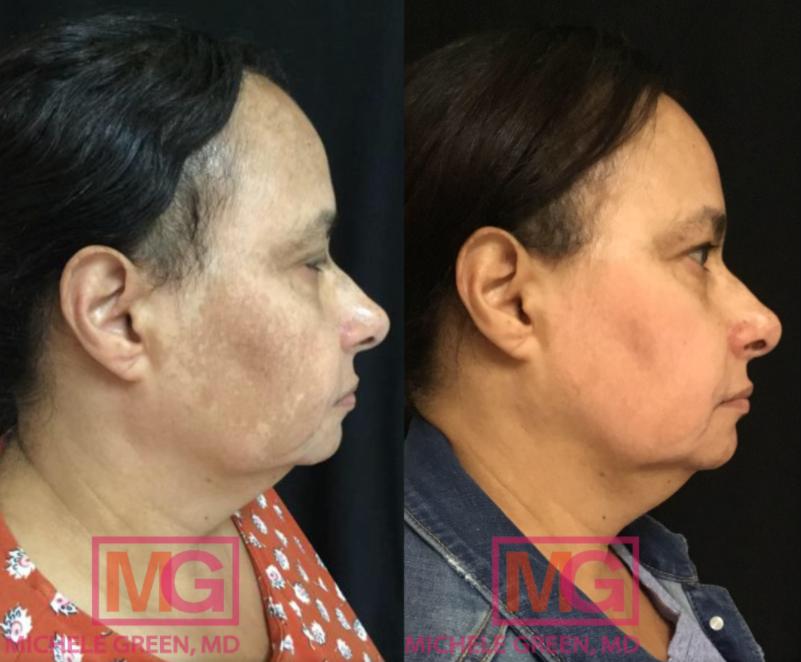
Melasma is a common dermatological condition characterized by blotchy patches of darker skin that range in color from brown to dark brown or gray-brown. These patches are often more pronounced than the surrounding skin tones and are most commonly found on the face, particularly on the cheeks, nose, chin, upper lip, and forehead. Although its primary manifestation is facial, melasma can also surface on other regions of the body, including the chest, neck, arms, and back. Melasma can be categorized into three distinct types based on the location of the excess pigment within the skin layers: epidermal, dermal, and mixed. In epidermal melasma, the pigment is concentrated in the epidermis, which is the outermost skin layer. Dermal melasma, on the other hand, features pigmentation in the deeper dermis layer of the skin. The mixed type, which is the most frequently observed, involves a combination of pigment deposits in both the epidermal and dermal layers. Treatment options may encompass specialized skincare products, topical prescription medications, and various in-office procedures tailored to individual needs. Post-treatment care is crucial; patients are advised to minimize sun exposure, as ultraviolet (UV) rays can exacerbate melasma and trigger its recurrence. If you notice patches of hyperpigmentation that resemble melasma, consulting a specialist such as Dr. Green is highly recommended. Together, you can devise a tailored treatment plan to reduce the visibility of these patches and work towards clear, bright skin.
How to prevent melasma from recurring?
To prevent melasma from recurring, it is crucial to protect the skin from sun exposure, which can trigger the condition. It is important to wear sunscreen daily with an SPF of 50 or higher to ensure adequate protection against both UVA and UVB rays. In addition to sunscreen, wearing a wide-brimmed hat can significantly minimize direct sunlight exposure to the face, further guarding against the development of new pigmentation. While various treatments for melasma, such as chemical peels and topical medications, have been shown to be highly effective in reducing existing pigmentation, it is important to recognize that the melanocytes—cells responsible for producing skin pigment—can be reactivated by sun exposure or hormonal changes, leading to the return of discoloration. Therefore, a comprehensive approach combining sun protection with ongoing skincare and monitoring can be vital in managing and preventing melasma from recurring.
Why does melasma keep coming back?
Melasma is a complex skin condition often triggered by sun exposure, which stimulates melanocytes—cells that produce melanin. This overactivity results in excess pigment production, leading to the characteristic dark patches associated with melasma. Effective treatment of this condition requires a multifaceted approach, with sun protection as a critical component. It is essential to diligently reapply a broad-spectrum sunscreen with an SPF of 50 or higher throughout the day, as UV rays can exacerbate melasma and hinder treatment. Additionally, wearing a wide-brimmed hat can provide additional physical protection for the face, shielding it from direct sunlight and reducing the risk of further pigmentation issues. Together, these practices not only help in managing existing melasma but also play a vital role in preventing its recurrence. Often, laser therapy helps reduce the appearance of freckles or sunspots. Still, it is best not to use laser treatments for melasma, as a side effect can push the pigment deeper into the skin, making it more difficult to remove in the future. To find the best treatment for your melasma, consult a board-certified dermatologist, such as Dr. Green.
What is a melasma flare-up?
A melasma flare-up is characterized by dark, patchy skin discoloration primarily on the face, with the cheeks, forehead, and upper lip most affected. These patches can vary in size and shape, often becoming notably darker and more prominent over time. Melasma is primarily triggered by several factors, including sun exposure, elevated heat, stress, and hormonal changes, particularly those related to pregnancy or the use of birth control methods. During these periods, the body may produce more melanin, the pigment responsible for skin color, leading to dark spots and an uneven skin tone. The condition is particularly relevant in warmer months or in tropical climates, where sun exposure is more intense, and individuals may notice melasma becoming more pronounced. Additionally, while commonly associated with pregnancy, melasma can affect individuals outside this demographic, underscoring the need for protective measures, such as sunscreen and clothing, to mitigate flare-ups. Understanding these triggers is essential for managing and preventing melasma recurrence or worsening melasma.
How do you treat recurrent melasma?
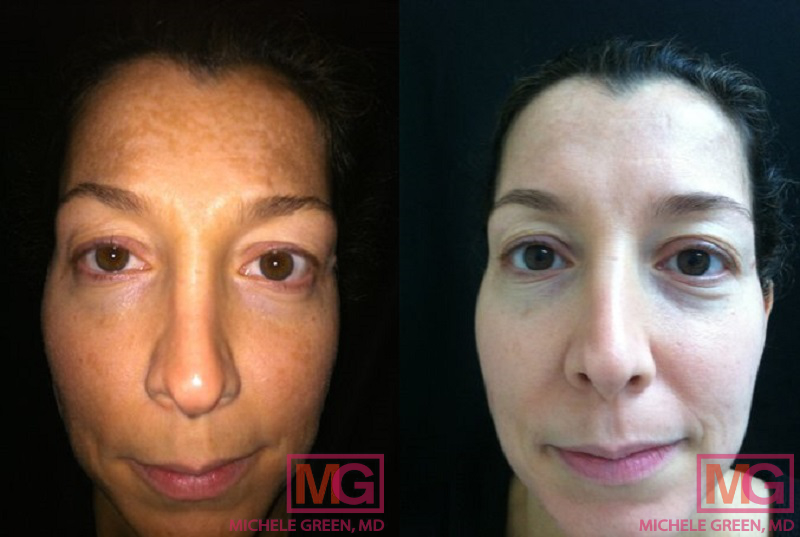
To effectively manage recurrent melasma, it is crucial to adopt a comprehensive skincare routine that includes specific active ingredients proven to be effective. Consider incorporating vitamin C, which not only brightens the skin but also offers antioxidant protection; retinoids, which promote cell turnover and help fade hyperpigmentation; hydroquinone, a powerful skin-lightening agent that can reduce the appearance of dark patches; and tranexamic acid, which inhibits melanin production. Consistency is key to cosmetic treatments; following a regular regimen will maximize results and improve skin health over time. Moreover, sun exposure is a leading cause of recurrent melasma, underscoring the importance of sun protection in any treatment strategy. To protect your skin effectively, use a broad-spectrum sunscreen with an SPF of 50 or higher and reapply every 2 hours, especially if you’re sweating or swimming, to protect against visible light and decrease the risk of recurrent melasma and skin cancer. Taking these precautions not only helps prevent further darkening of existing melasma but also shields your skin from other forms of sun damage, promoting overall skin health.
Does melasma ever fully go away?
Fortunately, various approaches can effectively enhance the appearance of melasma. These include a combination of cosmetic treatments, such as chemical peels, alongside topical and oral medications like hydroquinone, tretinoin, and other prescription treatments that help lighten pigmentation. Additionally, maintaining a consistent skincare routine that includes daily application of a broad-spectrum sunscreen with at least SPF 30 is crucial, as sun exposure can exacerbate melasma and deepen darkening of the skin. For individuals whose melasma is triggered by hormonal changes, particularly during pregnancy, it often resolves naturally within a few months once hormone levels stabilize. However, in cases with a genetic predisposition to melasma, even effective treatments can significantly reduce the visibility of dark patches, but complete removal may be challenging. Patients are encouraged to consult with a dermatologist to create a personalized treatment plan that addresses their specific needs and to manage their expectations regarding the outcomes. This multifaceted approach not only helps treat melasma but also promotes overall skin health.
What hormone imbalance causes melasma?
Hormonal changes, especially those associated with the female sex hormones estrogen and progesterone, play a significant role in the development of melasma, a common skin condition characterized by dark, discolored patches, primarily on the face. Comprehensive research indicates that various factors, such as the use of oral contraceptives or birth control pills, the physiological changes during pregnancy, and hormone replacement therapy, can all serve as triggers for melasma flare-ups. Estrogen, in particular, is known to enhance the sensitivity of melanin receptors within skin cells, increasing their responsiveness to both UV light exposure and inflammatory processes. Since estrogen and progesterone are key components in numerous birth control formulations and hormone therapies, their elevated levels during pregnancy notably contribute to the occurrence of melasma in expectant mothers. This phenomenon is often referred to as chloasma or the “mask of pregnancy,” reflecting the heightened melanin production and hyperpigmentation that many women experience during this time. In addition to hormonal changes due to pregnancy, recent studies have also suggested a potential link between thyroid disease and the development of melasma. Hypothyroidism, characterized by an underactive thyroid, can disrupt thyroid hormone balance, leading to hormonal imbalances that contribute to melasma. Similarly, hyperthyroidism, defined by an overactive thyroid, has also been observed to influence the manifestation of melasma. The exact mechanisms through which thyroid hormones affect melasma remain somewhat elusive. To determine the root cause of your melasma, it is best to consult a board-certified dermatologist, such as Dr. Green.
How to treat melasma during pregnancy?
In many cases, hormone-induced melasma may fade as hormone levels stabilize, typically after childbirth or after ceasing hormone therapy. However, if melasma persists for more than three to six months after delivery or after stopping birth control, it may become necessary to explore cosmetic treatments such as topical agents and chemical peels to reduce its appearance. During pregnancy, it is crucial to prioritize skin health by using a broad-spectrum sunscreen with an SPF of 50. This helps protect against harmful UV rays and minimizes the risk of pigmentation changes, such as melasma, which is often exacerbated by sun exposure. It is recommended to reapply sunscreen every 2 hours, especially when spending time outdoors, to maintain continuous protection. Many topical treatments and cosmetic procedures are not considered safe for use by pregnant women. Therefore, consulting a board-certified dermatologist is essential for personalized advice. It is advisable to pair this consultation with discussions with an obstetrician-gynecologist (OB-GYN) to ensure any recommended treatments are safe for both the mother and the developing fetus. Dr. Michele Green, a skilled dermatologist, emphasizes a collaborative approach with your OB-GYN to design a treatment plan tailored to the unique aspects of your pregnancy. This partnership helps ensure that any interventions chosen are effective yet safe, allowing you to care for your skin while prioritizing your well-being and your baby’s.
Why does melasma keep coming back?
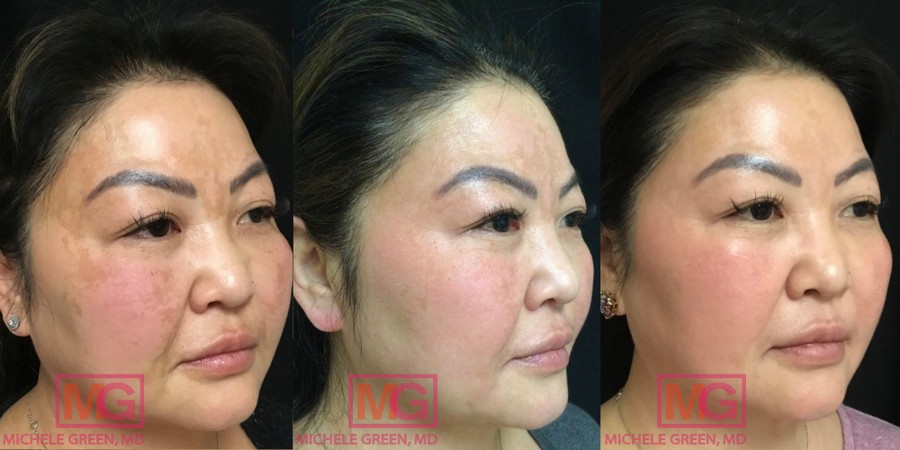
Melasma can be triggered by a variety of underlying factors, including hormonal changes, sun exposure, certain medications, and genetic predisposition. In some cases, patients may find that the dark patches fade naturally once the underlying cause is addressed. However, for most affected individuals, melasma requires targeted intervention to effectively resolve hyperpigmentation. Treatment options typically involve a combination of specialized topical treatments, such as hydroquinone, tretinoin, or azelaic acid, and non-invasive cosmetic procedures, such as the Cosmelan peel. To minimize the risk of recurrence, patients must take precautions during and after their treatment. This entails rigorous sun safety practices, including wearing sunscreen with a minimum sun protection factor (SPF) of 50 to shield the skin from both UVA and UVB rays. Dr. Green recommends a comprehensive approach to sun protection, advising her patients to layer a chemical sunscreen underneath a physical (mineral) sunscreen. This dual strategy enhances defense against harmful rays and helps maintain the skin’s clarity.
What vitamin deficiency causes melasma?
While there is no consensus that specific nutritional deficiencies are direct causes of melasma, emerging scientific evidence suggests that low levels of certain vitamins, including iron, vitamin D, and vitamin B12, may be associated with its onset. Consequently, healthcare providers may inquire about your dietary habits and overall nutrition to assess whether any deficiencies may contribute to pigmentation. The condition is often rooted in genetic predispositions or can result from hormonal fluctuations, especially during significant life events such as menopause or pregnancy, when hormonal levels undergo dramatic changes. By addressing any potential deficiencies and following a tailored treatment plan, individuals may enhance their skin’s health and appearance. To accurately identify the cause of melasma in an individual, it is advisable to consult a board-certified dermatologist such as Dr. Green.
What foods trigger melasma to come back?
While no specific foods directly cause melasma, certain dietary factors can aggravate it by provoking inflammation or triggering hormonal fluctuations. High-glycemic index foods, such as sugary snacks, white bread, and pastries, can spike insulin levels, disrupt hormonal balance, and worsen melasma symptoms. Similarly, the consumption of dairy—particularly skim milk—has been linked to changes in estrogen and progesterone levels, potentially exacerbating the condition in those who are hormone-sensitive. Additionally, alcohol and heavily processed foods can contribute to overall inflammation and dehydration, both of which may intensify the appearance of melasma. Conversely, adopting a diet rich in antioxidants may promote better skin health and potentially alleviate the visibility of melasma. Foods high in antioxidants include colorful berries, leafy greens, and citrus fruits, which help combat oxidative stress. Incorporating foods rich in vitamins C and E—such as nuts, seeds, and fish—along with sources of omega-3 fatty acids, like salmon or flaxseeds, supports skin integrity. Minerals such as zinc and selenium, found in foods like whole grains and legumes, also play a vital role in maintaining skin health. Before making significant lifestyle changes, it is important to consult a board-certified dermatologist, such as Dr. Michele Green, who will work with your internist to devise a plan to treat your melasma and identify the root cause.
Which vitamin removes melasma?
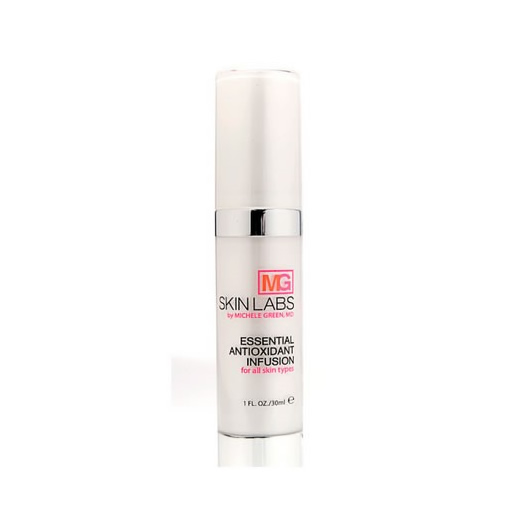
Retinoids, a derivative of vitamin A, play a crucial role in skin care by enhancing collagen production and promoting skin cell turnover. These compounds are widely used to address a variety of skin concerns, including melasma, age spots, fine lines and wrinkles, and acne. Among the available options, retinoids like tretinoin require a prescription due to their potency, while retinol can be purchased over the counter, making it more accessible for consumers. One noteworthy product is the Essential Antioxidant Infusion from MGSKINLABs, which is enriched with retinol, essential vitamins, and beneficial nutrients. This infusion not only exfoliates dead skin cells but also nourishes the skin, resulting in a brighter, smoother complexion. However, like hydroquinones, retinoids can increase the skin’s sensitivity to sunlight. Therefore, it is essential to use them in conjunction with appropriate sun protection measures to safeguard the skin against potential UV damage. It is also important to use a rich moisturizer at home to counteract any dryness that may occur with retinoid use. In addition to retinoids, vitamin C is a powerful antioxidant essential for maintaining skin health. It not only boosts skin cell turnover but also helps reduce discoloration, resulting in a more radiant, even skin tone. The antioxidant properties of vitamin C help protect the skin from oxidative stress and free radical damage, which can accelerate the aging process. Dr. Green’s MGSKINLABs has developed the Vita-C Serum, a specialized vitamin C formulation designed to enhance cell renewal and promote collagen synthesis. This serum effectively minimizes the appearance of brown spots while improving overall skin texture, making it an excellent addition to any skincare routine aiming for a luminous complexion.
How to get started with melasma treatment today
Melasma is a common yet benign skin condition characterized by patchy skin discoloration and dark spots, often leading to self-consciousness about one’s appearance. This condition can affect individuals of all skin types and tones, and its presence may significantly impact confidence. The development of melasma patches is influenced by a variety of factors, including hormonal changes—such as those during pregnancy or with oral contraceptives—exposure to ultraviolet (UV) light, and genetic predisposition. Dr. Green recognizes the importance of a personalized approach, factoring in each patient’s unique skin type, tone, lifestyle, and condition severity. This tailored strategy ensures that patients receive the most appropriate and effective treatment options. Treating melasma can be particularly challenging due to its multifaceted nature; however, the most successful treatment plans often combine non-invasive cosmetic procedures—such as chemical peels—with specially formulated topical treatments that may contain ingredients like hydroquinone, tretinoin, or azelaic acid. These approaches work together to lighten discolored patches while promoting overall skin health. For anyone struggling with the emotional and physical aspects of melasma, Dr. Green offers compassionate support and expert care to help manage and reduce these dark patches effectively. With his guidance, patients can regain their confidence and achieve a more even skin tone.
Dr. Michele Green is an internationally renowned, board-certified cosmetic dermatologist with over 25 years of experience providing some of the world’s most discerning clients with the finest non-invasive treatment of melasma, including Cosmelan peels, Mesopeels, and microneedling. Dr. Green adopts a holistic approach and adheres to a less-is-more philosophy regarding facial rejuvenation, tailoring each patient’s treatment plan to address their unique concerns and aesthetic goals. She is consistently recognized by Castle Connolly, New York Magazine, Super Doctors, and The New York Times as one of New York City’s top dermatologists for her dedication to patient care and expertise. If you are seeking the best melasma treatment in New York, please call our office at 212-535-3088 or contact us online to schedule a consultation and get started developing your customized treatment plan with Dr. Green today.


