


PRP Hair Treatment Pain: What Patients Can Expect
PRP hair treatment is a non-surgical procedure that addresses hair thinning and hair loss by supporting the health of existing hair follicles. As more patients consider PRP, one of the most common questions is whether the procedure is painful. Because PRP involves injections into the scalp, concerns about discomfort are understandable. PRP is often chosen by patients seeking a minimally invasive option that does not require surgery or downtime. Many patients want to know what the treatment feels like, how uncomfortable it may be, and what to expect afterward before deciding whether PRP is right for them. Understanding the treatment experience and knowing what is normal can help patients feel more informed and confident when considering PRP for hair restoration. PRP has been used in medical settings for many years, and Dr. Michele Green was among the first physicians to offer PRP hair treatments to patients in her private NYC dermatology office who were experiencing hair loss.
PRP hair treatment is often recommended for patients experiencing gradual thinning, increased shedding, or early-stage hair loss. The treatment is designed to strengthen weakened hair follicles and improve overall hair quality over time without surgery or downtime. Because the scalp contains more nerve endings, it can be more sensitive than other parts of the body. Additionally, the PRP experience varies from person to person, which is why questions about pain and recovery are common. Understanding what sensations are normal during treatment and how the scalp typically feels afterward can help patients feel more prepared. During a consultation, Dr. Michele Green carefully reviews these concerns and determines whether PRP is an appropriate option based on each patient’s hair loss pattern and goals.
Dr. Michele Green is an internationally recognized, board-certified dermatologist with over 25 years of experience treating hair loss and scalp concerns. She offers a range of cosmetic procedures, including PRP hair treatment, dermal fillers, and microneedling. She takes a personalized approach to PRP hair treatment, evaluating each patient’s scalp health, degree of thinning, and overall comfort before treatment. Dr. Green is consistently recognized by Castle Connolly, New York Magazine, and Super Doctors for her expertise and commitment to patient care. When you consult with Dr. Green at her Upper East Side dermatology office, she works closely with you to develop a treatment plan that addresses hair loss concerns while prioritizing comfort and natural-looking results.
What causes hair loss?
Hair loss can develop for many reasons and often results from a combination of factors rather than a single cause. Genetics plays a major role, particularly in androgenetic alopecia, also known as pattern hair loss or pattern baldness, which affects both men and women and leads to gradual thinning over time. Hormonal changes related to pregnancy, menopause, thyroid conditions, or polycystic ovary syndrome can also disrupt the normal hair growth cycle and trigger increased shedding. Physical or emotional stress may cause temporary hair loss by pushing hair follicles into a resting phase, leading to noticeable shedding several months later. Medical conditions, nutritional deficiencies, and certain medications can interfere with healthy hair growth, especially when the body is not receiving enough iron, protein, or essential vitamins. Hair loss may also be linked to scalp inflammation, autoimmune conditions, or damage from tight hairstyles and harsh hair care products. Identifying the underlying cause is important, since effective treatment depends on understanding what is contributing to the hair loss in each individual.
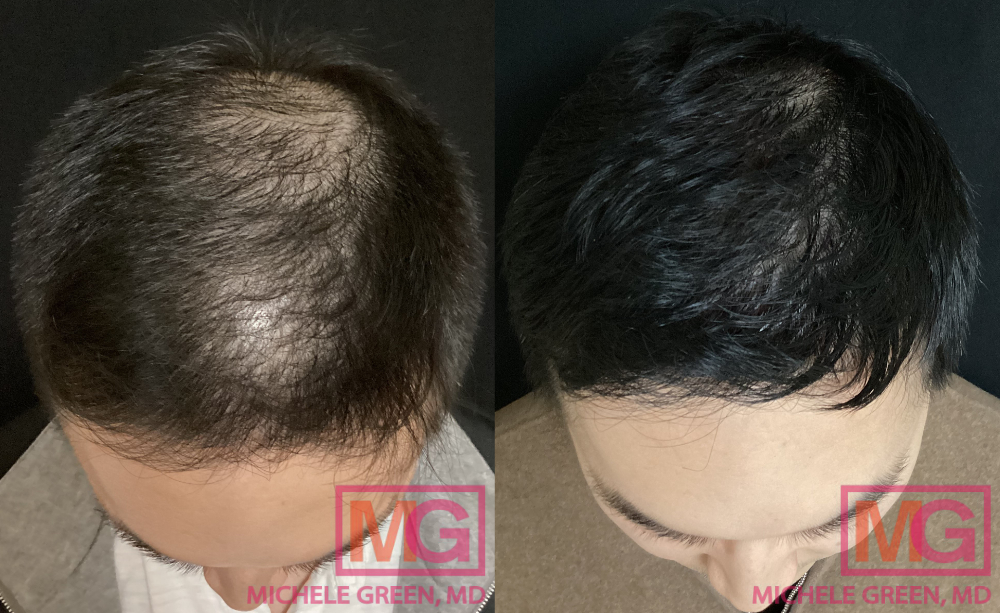
What is PRP Hair Treatment?
PRP hair treatment, also known as platelet-rich plasma therapy for hair loss, is a non-surgical option for managing thinning hair by supporting the health of existing hair follicles. Many people consider PRP when they notice increased shedding, gradual thinning, or a visible loss of fullness, especially along the hairline or part. PRP is commonly used to help strengthen weakened hair, improve hair texture, and support a thicker-looking appearance over time. The treatment works best when hair follicles are still present but producing thinner or weaker strands. PRP cannot restore hair in areas where follicles are no longer active or where the scalp has been bald for a long period. For patients in the early to moderate stages of hair thinning, PRP can help slow further hair loss and improve the appearance of existing hair, with changes developing gradually. PRP hair treatment does not involve stem cells; instead, it relies on growth factors from the patient’s own blood to support hair follicles.
How does PRP help hair growth?
PRP helps support hair growth by improving the condition of weakened hair follicles that have lost their ability to produce strong, healthy hair. As hair loss progresses, follicles often shrink, leading to thinner strands, slower growth, and increased shedding. PRP supports these follicles, helping them function more effectively and produce thicker hair. The growth factors in PRP support wound healing and improve the health of scalp blood vessels, which nourish hair follicles. With improved follicle activity, hair strands can grow thicker, remain anchored in the scalp longer, and shed less frequently during everyday brushing or washing. This support can slow the progression of hair thinning and improve overall hair density, especially in areas where hair is still present but sparse. PRP does not create new hair follicles or restore hair in areas where follicles are no longer active, but it can improve the quality, strength, and appearance of existing hair. Over time, patients often notice that their hair looks fuller and healthier, with improvements developing gradually.
When does PRP for hair start working?
PRP for hair typically works gradually rather than producing immediate visible changes, as it supports the natural hair growth cycle. In the first few weeks after treatment, many patients notice reduced shedding, often the earliest sign that hair follicles are responding. New hair growth usually becomes noticeable after about three to four months, as previously weakened follicles begin producing stronger strands during the active growth phase. Continued improvement in hair thickness, density, and overall quality often develops over the following months, with more noticeable results around six months. Because hair grows slowly, PRP results continue to improve with a series of treatments and proper maintenance. However, timing can vary depending on the cause of hair loss, the severity of thinning, and the individual’s response to treatment. A series of treatments and proper maintenance are often recommended to achieve the best results.
Is PRP hair treatment painful?
Some patients describe PRP hair treatment as painful and report temporary discomfort during the session. Because the scalp contains many nerve endings, it is more sensitive than other areas of the body, so patients may notice pressure, stinging, or a pinching sensation in certain spots. In some cases, a topical anesthetic may be used to improve comfort during treatment, and ice is applied afterward to help with pain relief. The level of discomfort varies from person to person and can also depend on the area of the scalp being treated, as some regions are naturally more sensitive. For most patients, the sensation is brief and does not build or worsen over time. After the session, the scalp may feel tender or slightly sore, but this usually fades quickly and does not interfere with normal daily activities.
Can PRP hurt hair follicles?
PRP does not harm hair follicles and is used to support follicle health rather than damage them. Hair follicles lie beneath the scalp’s surface and are surrounded by supportive tissue that protects them during treatment. PRP works within the scalp around the follicles, improving the conditions that support normal follicle function rather than harming the follicles. While some patients may notice temporary tenderness, sensitivity, or mild scalp soreness after treatment, this response is due to scalp healing after the injection. It does not mean the follicles have been damaged. In medical practice, PRP has been used for many years in different areas of regenerative medicine due to its safety profile and its ability to support tissue repair. When used for hair loss, PRP helps strengthen follicles that are still present but producing thinner or weaker hair.
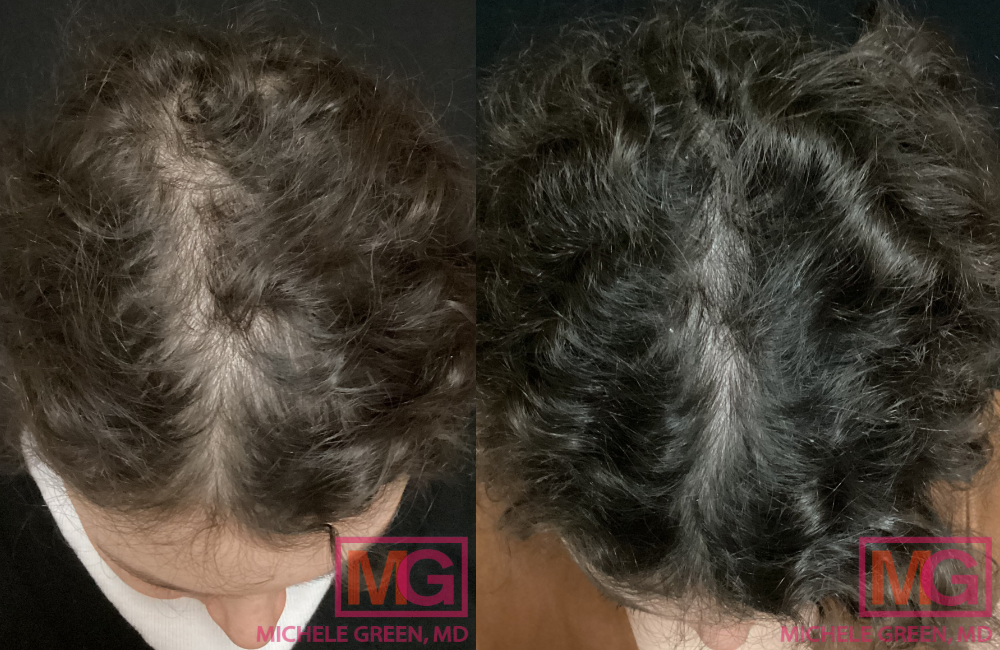
What is the process of getting PRP hair treatments?
Before PRP treatment, patients are often advised to avoid NSAIDs for a short period, as these medications can affect how the body responds to treatment. PRP hair treatment involves several steps and uses only the patient’s own blood. At the start of the appointment, a small blood sample is drawn, similar to routine medical testing. The sample is then placed in a centrifuge, which spins the blood to separate its components. During this process, red blood cells are separated from the portion of the blood that contains platelets and concentrated growth factors. These growth factors are naturally present in the blood and are known to support healing and hair follicle activity. Once the platelet-rich portion has been prepared, platelet-rich plasma injections are administered directly into the scalp treatment area where thinning or hair loss is present. After the injections are complete, ice is typically applied to the treated areas to help soothe the scalp and reduce any temporary discomfort. Each PRP session is completed during a single office visit, and most patients can return to their normal routine shortly afterwards.
Aftercare for PRP treatments
Aftercare for PRP treatment is simple and focuses on supporting the scalp during healing. Immediately after treatment, patients are advised to avoid washing their hair on the day of treatment to reduce irritation in treated areas and allow healing. Some redness, tenderness, or sensitivity is normal and part of the post-treatment response. These effects typically improve on their own. Patients are often advised to avoid intense exercise, heavy sweating, or heat exposure for the rest of the day, as these can irritate the scalp while it is recovering. It is also best to avoid hair styling products, chemical treatments, and scalp skincare until the scalp fully heals. Following post-treatment guidance helps keep the scalp calm and supports a smooth healing process. At Dr. Michele Green’s dermatology office, patients receive personalized aftercare instructions to ensure proper healing and the best possible treatment experience.
What are the side effects of PRP injections?
Side effects of PRP injections are typically mild and temporary, especially because the treatment uses the patient’s own blood. Most side effects are limited to the injection site and may include redness, tenderness, swelling, or sensitivity in the treated area shortly after the procedure. Some patients may also experience mild scalp soreness or a tight feeling. These effects are part of the body’s natural response to treatment and usually resolve on their own without medical intervention. Bruising can occasionally occur at the injection site, especially in patients with more sensitive skin, but it is generally minimal. At Dr. Green’s NYC dermatology office, ice is applied to the treated area after injection to minimize the risk of these side effects. Additionally, when PRP is administered properly in a medical setting, significant or long-lasting side effects are uncommon, and most patients can resume their usual routine soon after treatment.

Does PRP hair treatment hurt?
PRP hair treatments can feel uncomfortable at times, but the sensation does not persist or worsen. Some areas of the scalp may feel more noticeable than others during the treatment, which is normal. The sensation stops once the treatment is finished and does not develop into ongoing pain afterward. No lingering soreness affects daily activities or requires rest. In the days that follow, the scalp typically feels the same as it did before treatment, without persistent discomfort. For many patients, the experience turns out to be far more manageable than they initially anticipated.
Who is not a good candidate for PRP therapy?
PRP therapy is not appropriate for everyone, and certain medical factors can make someone a poor candidate for treatment. Individuals with blood or platelet disorders may not respond well to PRP, since the treatment relies on healthy platelets to be effective. Individuals who take blood-thinning medications or have conditions that affect blood clotting may be advised against PRP, as these factors can increase bruising and reduce platelet function during treatment. Active scalp infections, inflammation, or open wounds in the treated area should be treated first, as PRP should only be performed on unbroken skin. Patients with certain chronic illnesses may also not be ideal candidates, depending on their overall health. A medical evaluation is important to determine whether PRP therapy is both safe and likely to provide meaningful results for each individual. During a consultation, factors such as overall health, medications, and supplements may be reviewed to determine whether PRP is appropriate.
Other types of hair loss treatments
PRP is one of several medical treatments available for hair loss, and treatment options may include topical medications, oral prescriptions, and surgical approaches, depending on the cause and severity of hair loss.
Topical Minoxidil: Topical minoxidil is an over-the-counter medication applied directly to the scalp to slow hair loss and support hair regrowth. It works by increasing blood flow to hair follicles and extending the hair growth phase. Both men and women commonly use it, and it is most effective for early to moderate thinning. Results develop gradually with consistent use, and continued application is needed to maintain improvement.
Oral Minoxidil: Oral minoxidil is a prescription medication sometimes recommended for patients who do not respond well to topical treatments or prefer not to apply medication to the scalp. At low doses, it can help reduce shedding and improve hair density by supporting blood flow to hair follicles. It is used off-label for hair loss and should be prescribed and monitored by a medical provider to ensure appropriate dosing and safety.
Finasteride: Finasteride is a prescription oral medication most commonly used to treat androgenetic hair loss, particularly in men. It works by lowering dihydrotestosterone levels, a hormone that contributes to progressive hair thinning and follicle shrinkage. By reducing this hormone, finasteride can help slow hair loss and preserve existing hair.
Dutasteride: Dutasteride is an oral prescription medication that targets hormonal pathways involved in hair loss. It works similarly to finasteride by reducing hormones that contribute to follicle shrinkage and progressive thinning. In some patients, it may be considered if hair loss persists despite other treatments.
Spironolactone: An oral medication often prescribed for women with hormonally related hair loss. It helps reduce the effects of hormones that contribute to hair thinning. Spironolactone is commonly used when hair loss is associated with hormonal imbalance or conditions such as polycystic ovary syndrome (PCOS).
Hair Transplant: A hair transplant is a surgical option for patients with advanced or permanent hair loss. The procedure relocates healthy hair follicles from one area of the scalp to areas with thinning or no hair growth. Surgeons with advanced training in hair restoration and plastic surgery perform hair transplant procedures. While a hair transplant can provide long-lasting results, it requires recovery time and is not appropriate for every patient. A consultation is required to determine candidacy, and for those who undergo a hair transplant, PRP hair treatments are recommended to increase graft survival and enhance results.
How painful is PRP for hair growth?
The discomfort associated with PRP for hair growth is usually mild to moderate and resolves after treatment. Many patients describe the sensation as brief pressure or a quick pinch rather than sharp or lasting pain, and it often fades as the treatment continues. Sensitivity can vary across the scalp, so certain areas may feel more painful depending on the location being treated and individual tolerance. The sensation does not typically worsen during the session, and most patients find it more manageable than expected. After treatment, most patients do not experience ongoing pain, though the scalp may feel slightly tender for a short time. This temporary sensitivity usually resolves on its own within a day or two and does not interfere with normal daily routines.
Why does the top of my scalp hurt when I move my hair?
If scalp tenderness occurs after PRP hair treatment, it is usually due to the injections’ healing. PRP involves multiple injections across the scalp, which can temporarily irritate the skin and underlying tissue in the treated area. This can make the scalp feel sore or sensitive when the hair is moved, parted, or touched, especially in the area where the injection was performed. This tenderness is part of the normal healing process and typically improves over the next few days. At Dr. Green’s office, an ice pack is applied directly to the scalp after injection to prevent side effects. As the scalp recovers, sensitivity gradually fades and usually does not require any intervention beyond standard post-treatment care.
Can you get an allergic reaction from PRP treatments?
Allergic reactions to PRP treatments are extremely rare because the treatment is made from the patient’s own blood rather than external or synthetic substances. Because the body already recognizes these components as its own, PRP does not usually trigger an immune response the way certain medications or injected products can. This is one reason PRP is often considered a safe option for patients concerned about sensitivity or reactions. After treatment, some patients may notice temporary redness, swelling, or tenderness in the treated area. Still, these are normal responses to the injections and part of the body’s natural healing process, not signs of an allergic reaction. These effects typically improve on their own within a short period of time. When PRP is properly prepared and administered in a medical setting, the risk of a true allergic reaction remains very low, making it a safe choice for most individuals seeking hair restoration treatment.
Do PRP injections in the head hurt?
PRP injections in the scalp are a fast treatment, which can be reassuring for patients who are nervous about going in. The appointment is brief, and the treatment itself is finished sooner than many people expect. If someone does feel discomfort during the session, it lasts only while the injections are being done. Once the treatment is over, most patients do not have ongoing pain and are able to leave right away. There is no recovery period, so many patients can fit the appointment into their day without taking time off or rearranging plans. Knowing that the treatment is short often helps patients feel less anxious and more comfortable going into the visit.
Where can I get prp injections for hair loss?
You can receive PRP injections for hair loss from a qualified healthcare provider experienced in hair restoration. Dermatology offices and medical practices that specialize in hair loss are common places to receive PRP, since dermatologists are trained to evaluate hair thinning and design a treatment plan tailored to each patient’s needs. Some cosmetic surgery or aesthetic medicine practices also offer PRP as part of their hair restoration services, provided a licensed medical professional performs the treatments. It is important to choose a provider who understands the underlying causes of your hair loss and has experience performing PRP, so you receive safe, effective care. Before scheduling treatment, consult with a medical professional, such as Dr. Michele Green, to review your medical history, assess the condition of your scalp, and determine whether PRP is an appropriate option for you.
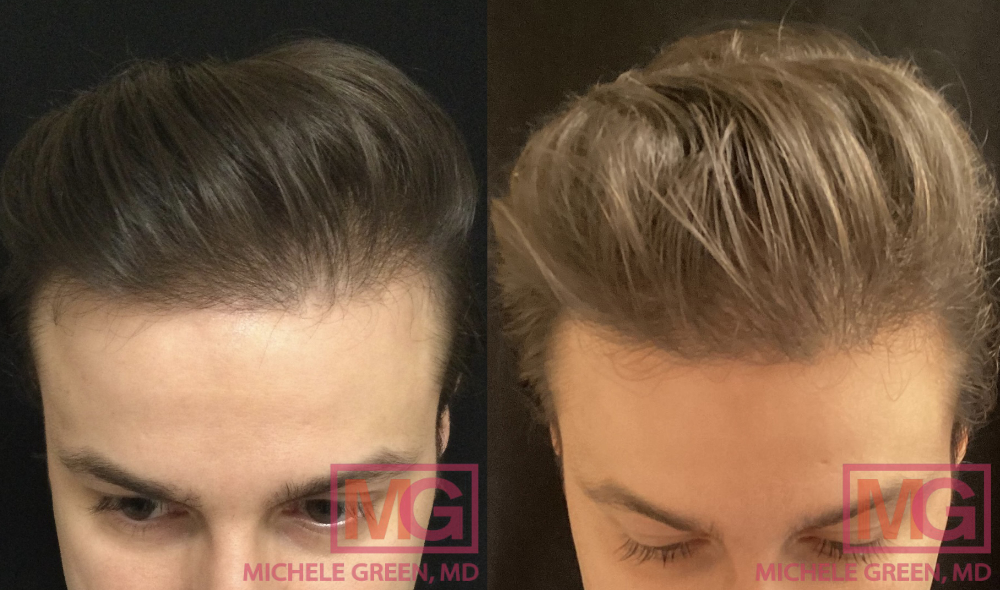
How do I get started with PRP hair treatments today?
PRP hair treatment is a minimally invasive option for addressing hair thinning and hair loss by supporting the health and function of existing hair follicles. The treatment uses platelet-rich plasma derived from the patient’s own blood to strengthen weakened follicles, reduce shedding, and improve overall hair quality over time. Although PRP involves scalp injections, discomfort is generally temporary and manageable for most patients, with no significant downtime. Because PRP works gradually and supports the natural hair growth cycle, it can be combined with other hair restoration treatments as part of a comprehensive approach. A knowledgeable and experienced provider can help patients understand what to expect and determine whether PRP is the right option based on their individual concerns and comfort level. At her Upper East Side dermatology office, Dr. Michele Green works closely with patients to explain the treatment experience and ensure they feel comfortable and informed throughout the process.
Dr. Michele Green is an internationally acclaimed, board-certified dermatologist with over 25 years of experience treating hair loss and scalp conditions using advanced, non-surgical techniques, including PRP hair treatment. She takes a personalized, conservative approach to hair restoration, tailoring each treatment plan to the patient’s hair loss pattern, scalp health, and aesthetic goals. Frequently recognized as one of New York City’s leading dermatologists by Super Doctors, Castle Connolly, and New York Magazine, Dr. Green is known for her expertise and patient-focused care. When you schedule a consultation at her private dermatology office on Manhattan’s Upper East Side, Dr. Green will work closely with you to develop a customized hair restoration plan that improves hair health while prioritizing comfort and natural-looking results. To schedule a consultation, please call Dr. Michele Green’s NYC office at 212-535-3088 or contact us online today.
Related Topics
Summarize This Content: AI


