


Best Topical Ingredients to Treat Hyperpigmentation
Topical treatments are often the first choice for patients seeking to improve hyperpigmentation and restore a more even complexion. Sun exposure, melasma, acne, post-acne marks, ingrown hairs, and hormonal changes can leave dark spots and visible blemishes on the skin, affecting confidence over time. Many patients want a solution that fits easily into their daily routine and allows for gradual improvement without downtime. When used consistently and selected appropriately, topical products can visibly reduce discoloration and help prevent new dark spots from forming. At her private dermatology office, Dr. Green specializes in treating hyperpigmentation with customized topical treatments and in-office procedures that address the underlying cause of discoloration and promote clearer, brighter skin.
Topical products work by targeting excess pigment production, promoting a more even skin tone, and improving the appearance of fine lines. Ingredients such as vitamin C, tranexamic acid, azelaic acid, retinoids, and exfoliating acids help fade existing dark spots over time while protecting the skin from environmental factors that can worsen pigmentation. Daily sunscreen plays a critical role in preventing ultraviolet exposure from reactivating pigment-producing cells and undoing treatment progress. For stubborn or deeper discoloration, topical treatments can be combined with in-office procedures, such as chemical peels, microneedling, or laser treatments, to enhance results. Dr. Green carefully selects and layers topical ingredients to ensure treatments remain effective without irritating the skin or causing additional pigmentation.
Dr. Michele Green is an internationally recognized, board-certified dermatologist with over 25 years of experience treating hyperpigmentation and other cosmetic skin concerns. Known for her holistic, less-is-more approach, Dr. Green customizes each patient’s treatment plan based on skin type, skin tone, and aesthetic goals. She has consistently been recognized by Castle Connolly, New York Magazine, and Super Doctors as one of New York City’s top dermatologists. When you consult with Dr. Green at her Upper East Side dermatology practice, she will create a personalized topical skincare routine and treatment plan to help you achieve clearer, more even-looking skin with long-lasting results.
What is hyperpigmentation?
Hyperpigmentation is a broad term for any skin discoloration darker than the natural skin tone. Common types include freckles, sunspots, melasma, and post-inflammatory hyperpigmentation. Freckles are small, tan or brown spots that appear on areas frequently exposed to the sun, such as the face. Sunspots, also known as age spots, liver spots, and solar lentigines, are flat brown marks that vary in size and shape. They typically develop in sun-exposed areas, such as the face, shoulders, hands, and arms. Melasma is a chronic skin condition characterized by brown or gray-brown patches on the face, especially on the upper lip, forehead, bridge of the nose, and cheeks. Although the exact cause of melasma is unknown, various factors can trigger its development, including sun exposure, hormonal fluctuations, genetics, and some medications (e.g., birth control pills, certain oral antibiotics). Post-inflammatory hyperpigmentation (PIH) refers to dark spots and discoloration that appear after inflammatory acne, injury, scarring, ingrown hairs, razor bumps, or other skin inflammation. PIH can also occur after improper laser treatments, particularly when the wrong lasers or settings are used for specific skin types, tones, or conditions.
How do you fade stubborn hyperpigmentation?
Stubborn hyperpigmentation fades most effectively with a treatment plan tailored to the type of discoloration and the depth of pigment in the skin. Some dark spots respond to consistent topical care and sun protection, while others, such as melasma or long-standing post-inflammatory pigmentation, may require in-office treatments. Identifying the cause of pigmentation allows a dermatologist to recommend the most effective combination of at-home care and in-office options for clearer, more even-looking skin over time.
- Mesopeel: Mesopeels are professional chemical peels designed to improve hyperpigmentation, sun damage, and uneven skin tone by gently exfoliating the skin’s outer layers and encouraging healthy skin cell turnover. As pigmented skin cells shed, new skin with a more even tone gradually replaces them. Mesopeels come in different formulations and strengths, allowing Dr. Green to tailor the treatment to the patient’s skin type, tone, and the cause of discoloration. This level of customization is especially important for patients prone to post-inflammatory hyperpigmentation. Mesopeels are typically performed in a series, since gradual improvement yields safer, more consistent results than aggressive single treatments.
- Cosmelan peel: The Cosmelan peel is a medical-grade depigmentation treatment designed to address melasma and persistent hyperpigmentation that does not respond well to standard topical products. It works by reducing excess pigment production and promoting controlled exfoliation of pigmented skin cells. Treatment begins with an in-office application of the Cosmelan mask, which is left on the skin for a duration determined by Dr. Green based on skin tone and pigmentation severity. Patients then follow an at-home maintenance regimen to promote continued fading and help prevent pigment from returning. Cosmelan is often selected for patients with hormonally influenced pigmentation or diffuse discoloration, and close dermatologic supervision is essential to ensure safe and effective results.
- Microneedling with depigmentation serum: Microneedling reduces hyperpigmentation by stimulating the skin’s natural healing response and increasing skin cell turnover through controlled micro-injuries in the superficial layers. This process helps break up uneven pigment and promotes healthier skin regeneration over time. When combined with a depigmentation serum, brightening ingredients can penetrate more effectively through the microchannels created during treatment. This improves their ability to suppress excess pigment activity and improve overall skin tone. This combination is often used for post-inflammatory hyperpigmentation related to acne, ingrown hairs, or mild discoloration, providing gradual improvement without relying on heat or harsh exfoliation.
- Fraxel Dual laser: A fractional resurfacing device that treats sun-induced hyperpigmentation, uneven skin tone, and textural irregularities by stimulating the growth of healthier new skin. At the correct wavelength, Fraxel targets pigmented skin cells while encouraging collagen renewal and smoother skin texture. The 1927 wavelength is often chosen for pigmentation issues because it focuses on superficial discoloration caused by sun damage. Fraxel treatments are carefully tailored to skin tone and pigment pattern to minimize the risk of irritation or rebound pigmentation. This laser is commonly used to treat sunspots on the face and body, and is performed under expert supervision to ensure safety.
- Alex Trivantage laser: The Alex Trivantage laser targets well-defined sunspots and age spots by emitting a precise wavelength of light that is absorbed by skin pigment. This energy breaks down the pigment into smaller particles, which the body gradually eliminates. The laser is typically used for isolated areas of discoloration rather than extensive pigmentation. It allows for targeted treatment while protecting surrounding skin, making it a beneficial option for patients with distinct dark spots caused by sun exposure. Results vary depending on the depth and intensity of the pigmentation, and some patients may need more than one session for the best results.
- Clear and Brilliant laser: Clear +Brilliant is a gentle fractional laser that improves early sun damage, mild discoloration, and uneven skin tone by stimulating superficial skin renewal. The treatment creates tiny zones that promote the replacement of damaged skin with healthier tissue, while minimizing downtime. It is often preferred by patients seeking gradual brightening and overall skin clarity rather than aggressive pigment-removal treatments. It can be used alone for mild hyperpigmentation or as part of a long-term maintenance plan after other pigment-focused treatments. Carefully selecting treatment settings is crucial, especially for patients with melasma or darker skin tones.
- Prescription topical treatments: These are often recommended for stubborn hyperpigmentation that does not respond to over-the-counter products alone. Medications such as hydroquinone may be used for limited periods to reduce excess pigment production, while prescription retinoids promote skin cell turnover and improve uneven tone. These treatments are administered under medical supervision to minimize irritation, as inflammation can worsen pigmentation. Consistent daily sun protection is crucial when using prescription topicals because UV exposure can negate treatment benefits and cause new discoloration.
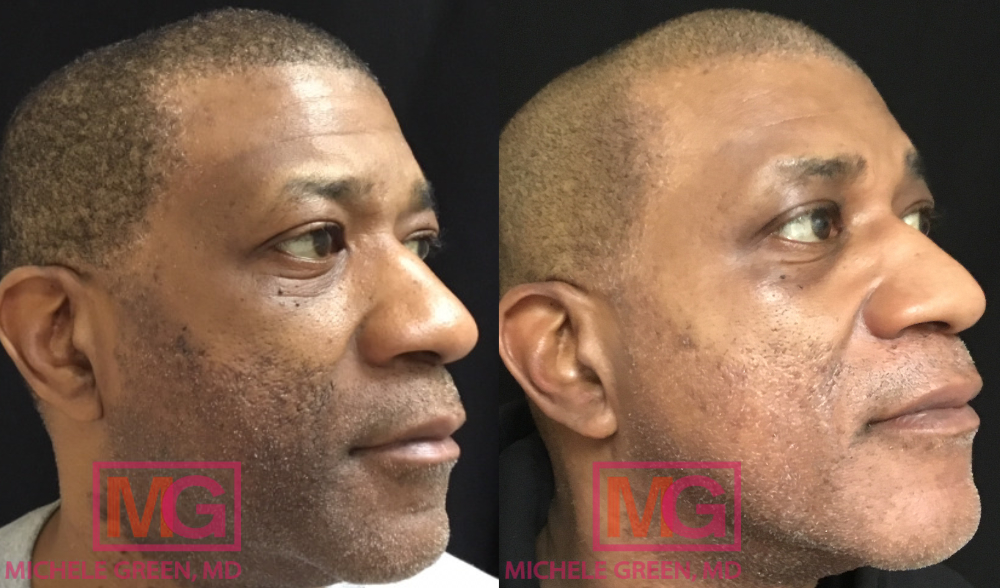
Which topical skincare lightens hyperpigmentation?
Topical skincare can significantly help lighten hyperpigmentation by targeting excess melanin production, promoting healthy skin cell turnover, and shielding the skin from further damage. Different ingredients work through various mechanisms, which is why combining them often yields better, more consistent results. A dermatologist, such as Dr. Michele Green, can help identify which ingredients are most suitable for a given skin type, skin tone, and the underlying cause of discoloration.
- Vitamin C: Vitamin C is a potent antioxidant that helps protect the skin from free-radical damage caused by UV rays and environmental stressors. It also promotes healthy skin cell renewal, helping to achieve brighter, more evenly toned skin. Regular use of vitamin C can reduce the appearance of dark spots and boost overall skin radiance and clarity.
- Tranexamic acid: Tranexamic acid is a skin brightening ingredient that helps reduce hyperpigmentation by blocking pathways involved in excess melanin production. It is commonly used for melasma and sun-related discoloration and is valued for its ability to improve uneven skin tone without aggressive exfoliation. Tranexamic acid is often included in formulations designed for sensitive or pigment-prone skin.
- Azelaic acid: Helps lighten hyperpigmentation by inhibiting the enzyme responsible for melanin production and reducing skin inflammation. This dual action makes it particularly effective for post-inflammatory hyperpigmentation caused by acne or irritation. It is generally well tolerated across various skin types and tones when used as directed.
- Kojic acid: Kojic acid is a naturally derived ingredient that inhibits melanin production and helps fade dark spots over time. It is commonly used in skin-brightening creams and serums and is often combined with other lightening agents to enhance effectiveness. Regular use gradually improves skin tone and clarity.
- Hydroquinone: Hydroquinone is a prescription skin-lightening agent that reduces melanin production in pigment-producing cells. It is considered one of the most effective topical treatments for stubborn hyperpigmentation when used under the supervision of a board-certified dermatologist. Hydroquinone is typically prescribed for short durations, and strict sun protection is essential during treatment because of increased photosensitivity.
- Retinol and retinoids: Retinol and prescription retinoids are vitamin A derivatives that boost skin cell turnover and support collagen production. By helping pigmented skin cells shed more efficiently, these ingredients gradually improve uneven tone and texture. Retinoids also enhance the effectiveness of other brightening ingredients. Daily sun protection is essential because these products can increase sensitivity to UV rays.
- Alpha hydroxy acids: Alpha hydroxy acids help reduce hyperpigmentation by exfoliating dead, pigmented skin cells from the surface and promoting new skin growth. Ingredients such as glycolic acid, lactic acid, and mandelic acid enhance skin brightness and smooth texture. Regular use helps dark spots fade more evenly as healthier skin replaces damaged layers.
- Beta hydroxy acids: Beta hydroxy acids, such as salicylic acid, are oil-soluble exfoliants that penetrate pores, remove dead skin cells, and reduce inflammation. This makes them especially useful for acne- and ingrown-hair-related hyperpigmentation. By encouraging consistent skin renewal, BHAs support a clearer, more even complexion.
- Niacinamide: Niacinamide is a form of vitamin B3 that helps improve hyperpigmentation by reducing excess pigment visible in the skin over time. It helps regulate uneven pigmentation and supports the skin barrier, which is important for preventing irritation that can lead to new dark spots. Most skin types tolerate niacinamide well and can be safely combined with other brightening ingredients to promote a clearer, more even complexion.
- Licorice root extract: Licorice root extract contains antioxidant compounds that protect the skin from oxidative stress and help reduce excess pigment activity. It also helps calm inflammation, which is important for preventing new discoloration. This ingredient is often included in formulations designed for sensitive or reactive skin.
- Melatonin: An antioxidant that shows promise for supporting skin repair and reducing hyperpigmentation by regulating pigment activity. In topical products, it may boost the skin’s natural defenses against environmental damage while contributing to a brighter, more even skin tone over time.
What is the most effective topical treatment for hyperpigmentation?
The most effective topical treatment for hyperpigmentation typically combines serums and creams with various active ingredients. Some patients respond well to potent actives such as hydroquinone, retinol, or retinoids. Others achieve better results with gentler ingredients such as vitamin C or tranexamic acid. The best topical treatment depends on your specific skin type and tone, as well as the severity of your hyperpigmentation. During your initial consultation with Dr. Green about hyperpigmentation, she will examine your skin to determine which combination of skin-lightening products aligns best with your needs and goals.
How long does hyperpigmentation take to fade?
Hyperpigmentation fades gradually, with the timeline depending on the type of discoloration, its duration, and the consistency of treatment. Superficial dark spots, such as recent sunspots or mild post-inflammatory hyperpigmentation, may begin to lighten within a few weeks to a few months when patients follow a consistent routine that includes daily sun protection and appropriate topical treatments, improving the appearance of hyperpigmentation over time. Deeper pigmentation, including melasma or post-inflammatory hyperpigmentation that has been present for a long time, often takes several months to improve and may require a combination of topical care and in-office treatments to see visible change. Progress can also slow if the skin is repeatedly exposed to the sun or irritated, which is why patience and consistency are essential. With the right treatment plan and proper protection, most patients notice gradual fading over time rather than sudden clearing.
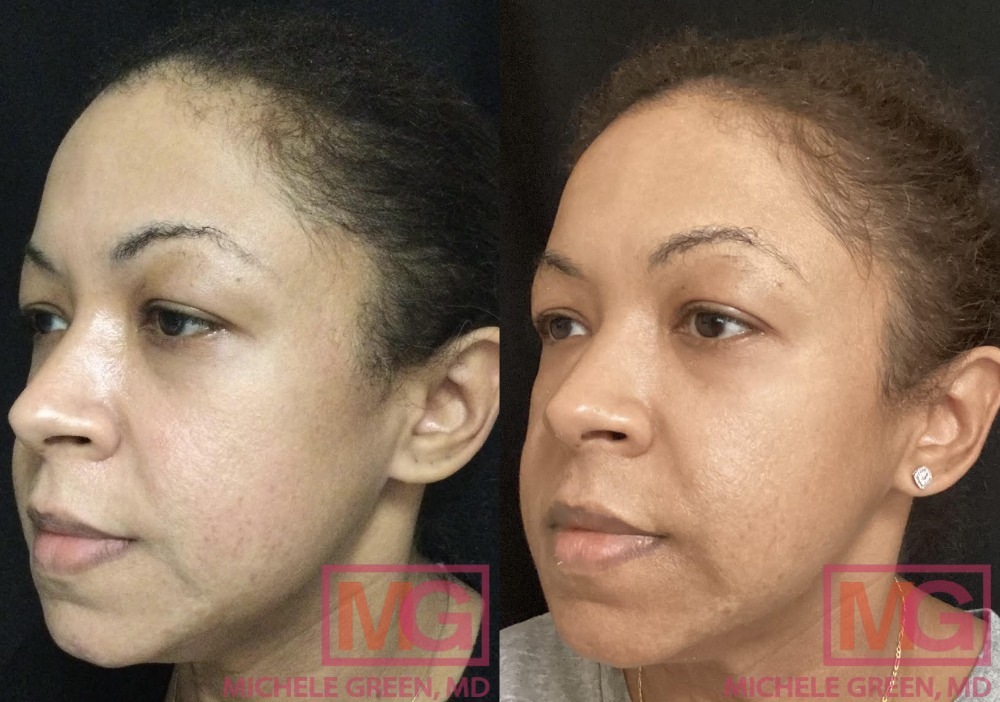
What is the best product for hyperpigmentation?
When treating hyperpigmentation, the most essential product is sunscreen. While sunscreen is essential for preventing hyperpigmentation from worsening, it does not actively remove existing dark spots on its own. It protects treated skin from UV exposure, which can stimulate pigment production and undo the results of topical treatments or in-office procedures. For this reason, sunscreen is considered a foundational step rather than a standalone solution for fading hyperpigmentation. Protecting the skin from sun exposure is vital because UV rays can stimulate melanocytes to produce more melanin, even after pigmentation has diminished. Patients should apply a broad-spectrum sunscreen with an SPF of 50 or higher daily to defend against harmful UV rays. Sunscreen should be reapplied every two hours or after any water activities. For optimal protection, patients can layer both a physical and chemical sunscreen — physical sunscreens sit on the skin and form a protective barrier against UV rays. In contrast, chemical sunscreens absorb UV rays, convert them into heat, and release them from the body. MGSKINLABS’ Hydrating SPF 50 is a physical sunscreen with zinc oxide to provide sun protection, along with hyaluronic acid and lactic acid to hydrate and soften the skin.
Why isn’t my hyperpigmentation clearing?
Patients should allow several months for topical treatments to work, as they gradually reduce hyperpigmentation with consistent use. If pigmentation does not improve, there may be several reasons it remains resistant to treatment. Hyperpigmentation often improves slowly, and many topical treatments require several months of regular application before visible fading occurs. Patients sometimes expect quicker results and may stop or switch products too early, interrupting progress and making discoloration seem resistant. Long-standing dark spots, melasma, and post-inflammatory hyperpigmentation generally take longer to improve, especially when pigment has been present for years, repeatedly exposed to the sun, or inflamed. Sun exposure is one of the most common reasons hyperpigmentation fails to fade, even when patients are using high-quality brightening products. Daily ultraviolet light exposure can stimulate pigment-producing cells and darken existing spots or create new discoloration. Without consistent use of broad-spectrum sunscreen, topical treatments are much less effective. Even short or incidental sun exposure can reverse progress, which is why strict sun protection is crucial throughout the entire treatment period.
Another reason hyperpigmentation may persist is that the pigment lies deeper in the skin and doesn’t respond fully to topical products alone. Conditions such as melasma or post-inflammatory hyperpigmentation from acne, ingrown hairs, or improper laser treatments often require in-office procedures for meaningful improvement. In these cases, creams and serums can support treatment but are not always sufficient on their own to address deeper discoloration. Skin irritation can also hinder improvement. Overusing strong exfoliants, layering multiple active ingredients, or using overly harsh products can cause inflammation, which may lead to further darkening. Gentle, well-structured skincare routines are often more effective than aggressive methods, especially for patients prone to pigmentation issues. Finally, hyperpigmentation may persist if the underlying cause isn’t addressed. Hormonal fluctuations, ongoing acne, repeated friction from shaving, or recurring ingrown hairs can create new dark spots even as older ones fade. Identifying these triggers is key to achieving lasting results. Dr. Michele Green, a board-certified dermatologist with over 25 years of experience treating stubborn hyperpigmentation, can evaluate each patient’s skin and develop a personalized treatment plan. With the right combination of topical care, sun protection, and in-office treatments, clearer, more even-toned skin can be achieved over time.
Can the wrong topical products make hyperpigmentation worse?
Yes, using the wrong topical products can worsen hyperpigmentation, especially when the skin is irritated or overtreated. Products that are too strong, used too frequently, or layered improperly can disrupt the skin barrier and trigger inflammation, which often leads to increased pigment production in people prone to dark spots. Overusing exfoliating acids, combining multiple active ingredients without guidance, or using products not suited to your skin type can all contribute to lingering or worsening discoloration rather than improvement. Certain brightening ingredients can also increase sun sensitivity, so using them without proper daily sun protection may cause existing pigmentation to darken or new spots to form. This is why hyperpigmentation responds best to a well-balanced topical routine that addresses discoloration without irritating the skin, under a dermatologist’s supervision.
Other Frequently Asked Questions (FAQs)
Do topicals help with hyperpigmentation?
Yes! While hyperpigmentation is harmless, it can cause self-consciousness and make skin look prematurely aged. Some types of hyperpigmentation may fade naturally, but it can take a long time to achieve a more even skin tone. Targeted topical skincare products can help reduce hyperpigmentation and promote clear, radiant skin. Dr. Michele Green in NYC is a board-certified dermatologist with over 25 years of experience treating patients worldwide with targeted skincare products and non-invasive treatments for hyperpigmentation. When you consult with her, she will assess your discoloration and develop a personalized skincare regimen to safely and effectively lighten your dark spots.
What to use for stubborn hyperpigmentation?
Patients treating stubborn hyperpigmentation often need a combination of in-office and topical treatments to address it. Dr. Green’s proprietary skincare line, MGSKINLABs, offers a wide range of products to treat various skin concerns, including hyperpigmentation. When you consult with Dr. Green, she will develop a personalized treatment plan tailored to your skin type and tone to help you achieve clear, radiant skin.
The best products from MGSKINLABs for hyperpigmentation include:
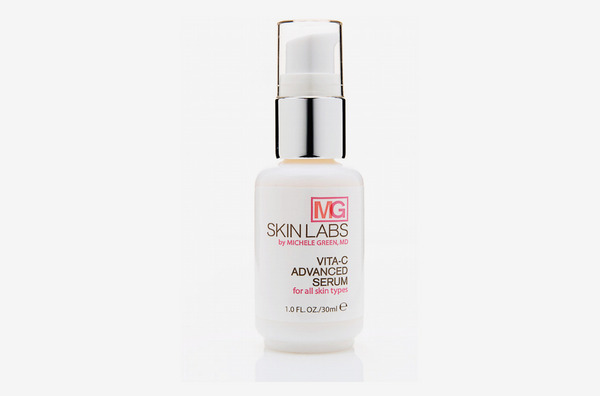
- Vita-C Serum: This high-potency 1fl oz vitamin C serum is formulated to promote skin cell renewal, support collagen production, and enhance skin brightness and radiance.
- Skin Brightening Cream: This cream combines kojic acid, glycolic acid, lactic acid, and fruit extracts to help rejuvenate the skin and reduce pigmentation.
- Essential Antioxidant Infusion: A retinol serum rich in essential vitamins and nutrients, formulated to promote skin cell renewal, remove dead pigmented skin cells, and achieve a more even skin tone. Patients with sensitive skin can start using this product once nightly and increase the frequency to daily use if no irritation occurs.
What is best to fade hyperpigmentation from ingrown hairs?
Ingrown hairs develop when hair curls back into the skin instead of growing out of the hair follicle, causing inflammation and irritation around the follicle. Patients with ingrown hairs often experience recurring breakouts due to hair-removal techniques or the natural hair-growth patterns in the affected area. Many patients also develop post-inflammatory hyperpigmentation (PIH) afterward, driven by increased melanin production during wound healing. While PIH can fade naturally over time, it may take considerable time to achieve more even-toned skin. Additionally, ingrown hairs may recur, leaving new dark marks. Targeted topical treatments can help patients reduce the risk of ingrown hairs and eliminate pigmentation.
Exfoliation is essential for patients with ingrown hairs because it removes dead skin cells that trap hairs in the follicle, allowing them to grow out normally. Gentle exfoliation methods, such as topical products containing AHAs and BHAs, are best. The Pore Minimizing Cleanser from MGSKINLABS combines glycolic and salicylic acids to remove oil and sebum from deep within the skin, releasing trapped hairs and leaving skin clearer. Patients needing extra exfoliation can also use MGSKINLABS’ Retexturizing Pads, which contain glycolic and salicylic acids to help prevent acne, ingrown hairs, and razor bumps, resulting in clearer skin.
After exfoliating, it is important to apply a moisturizer to maintain hydration and prevent dryness. The Absolutely Recovery Anti-Wrinkle Cream from MGSKINLABS contains essential fatty acids, rose extracts, and ginkgo biloba to prevent moisture loss and help firm and restore dry skin. Patients with acne-prone skin can use the Ultimately Sheer Lotion from MGSKINLABS, which hydrates the skin while controlling excess sebum production. Patients may also benefit from moisturizers containing centella asiatica, which has anti-inflammatory properties that soothe and heal inflamed skin.
How to prevent ingrown hair from causing post-inflammatory hyperpigmentation?
While laser hair removal does not necessarily reduce hyperpigmentation, it is an excellent treatment option for patients with post-inflammatory hyperpigmentation (PIH) from ingrown hairs and razor bumps. Even after pigmentation clears, ingrown hairs and razor bumps can persist, and PIH can continue to develop. Hair removal methods, such as shaving, plucking, and tweezing, can contribute to the formation of ingrown hairs. Dr. Green frequently recommends laser hair removal to prevent uncomfortable ingrown hair breakouts and the development of post-inflammatory hyperpigmentation. Laser hair removal is considered the most effective option for ingrown hairs because it destroys the hair follicle and prevents new hair growth in the treated area, thereby reducing the likelihood of ingrowns. Dr. Michele Green utilizes the Candela GentleLase® laser for light skin tones and the Candela GentleYAG® laser for dark skin tones.
Does anything really work for hyperpigmentation?
Yes, treatments can significantly improve hyperpigmentation, but results depend on consistency, patience, and the right approach for the type of discoloration. Many patients see visible fading with well-formulated topical ingredients that gradually reduce excess pigment and encourage skin renewal, especially when used correctly and paired with a daily sunscreen. In cases where dark spots have been present for years, recur frequently, or are triggered by factors such as hormones or inflammation, topical products alone may not be enough to achieve lasting change. Patients should seek professional guidance, as combining medical-grade skincare with in-office treatments can address pigmentation more effectively than any single product. With the right plan and realistic expectations, hyperpigmentation can improve significantly over time.
Does salicylic acid help with hyperpigmentation?
Yes, salicylic acid effectively reduces skin hyperpigmentation. As a beta-hydroxy acid (BHA), it exfoliates dead skin cells, unclogs pores, and reduces inflammation, revealing fresher, clearer skin. It is especially helpful for those with acne-prone skin and post-inflammatory hyperpigmentation from acne scars, ingrown hairs, or razor marks. Dr. Green’s proprietary skincare line, MGSKINLABS, offers a Pore Minimizing Cleanser and Retexturizing Pads that contain salicylic acid to remove dead, pigmented skin cells and reveal healthy new skin cells.
Is azelaic acid better than vitamin C for hyperpigmentation?
Neither azelaic acid nor vitamin C is better than the other, as they work differently to improve pigmented skin. Azelaic acid inhibits the enzyme tyrosinase, which produces melanin, helping to fade existing dark spots and prevent new ones from forming. Vitamin C accelerates skin cell turnover, bringing healthy, bright cells to the surface, and protects the skin from free radical damage and oxidative stress. Both azelaic acid and vitamin C have been shown to be effective skin-lightening ingredients for hyperpigmented skin.
Is niacinamide or glycolic acid better for hyperpigmentation?
Niacinamide and glycolic acid are both excellent ingredients that work in different ways to treat hyperpigmentation. Niacinamide prevents melanosomes (pigment packages) from moving from melanocytes to keratinocytes in the skin’s outer layer, thereby reducing visible pigmentation. Glycolic acid exfoliates dead, pigmented skin cells from the surface, revealing brighter skin and promoting new cell growth. Patients can incorporate both niacinamide and glycolic acid into their skincare routines to achieve clear, even-toned skin. To determine which ingredient is best for your skin, consult with a board-certified dermatologist, such as Dr. Michele Green, who has extensive experience treating hyperpigmentation.
What is the best topical cream for hyperpigmentation?
When choosing a topical cream for hyperpigmentation, there is no single “best” option that works for everyone. The most effective products contain ingredients shown to help lighten dark spots and even out skin tone. Still, the best choice depends on your specific type of pigmentation, skin sensitivity, and how your skin responds to treatment. Commonly used over-the-counter ingredients include tranexamic acid, azelaic acid, kojic acid, niacinamide, vitamin C, and glycolic acid, which gently reduce excess melanin and encourage smoother, brighter skin. For more stubborn or deeper pigmentation, prescription-strength options such as hydroquinone or prescription retinoids can be more powerful and accelerate results under medical supervision. A dermatologist can assess your skin, determine the most effective combination of ingredients, and tailor a prescription or medical-grade topical cream to your needs, helping you achieve clearer, more even skin over time.
Which brand is best for hyperpigmentation?
Many brands, from drugstore to luxury, offer products with key ingredients to treat hyperpigmentation. Some patients prefer to stick with one brand for all their skincare, while others like to mix and match brands. Popular brands and products on social media include Musely’s Dark Spot Cream, Topicals Faded Serum, and Caudalie’s Brightening Dark Spot Serum. Regardless of which brand you choose, it is vital to select products formulated for your specific skin type and tone. Dr. Green created a proprietary skincare line, MGSKINLABs, designed to address skin concerns, including melasma and hyperpigmentation, across all skin types and tones. When you see Dr. Green, she will tailor a unique skincare routine with the best topical treatments to gradually diminish your hyperpigmentation and help you achieve clear, radiant skin.
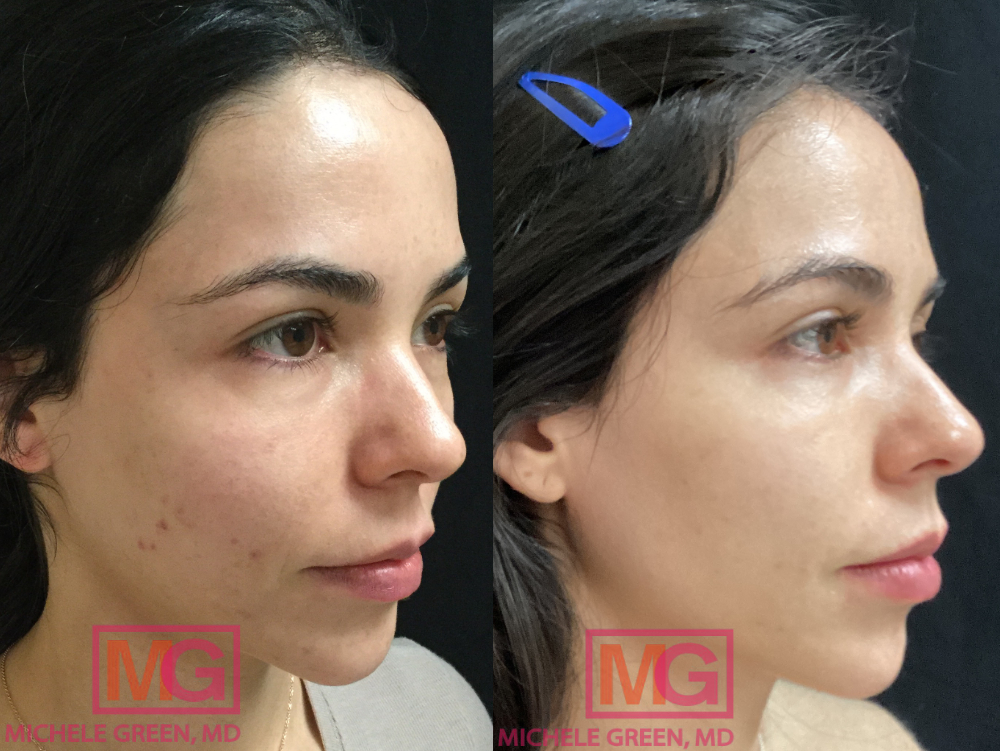
How to get started with hyperpigmentation treatment today?
Hyperpigmentation refers to dark spots and patches that are darker than the surrounding skin and your natural skin tone. While harmless, it can make people feel self-conscious. Fortunately, many topical creams and treatments can be applied to the affected area to reduce pigmentation, improve skin tone, and create a more even texture. However, with so many options, it can be hard to know which will work best for you. That’s why the best first step is to schedule a consultation with an experienced dermatologist, such as Dr. Michele Green, who will examine the area and develop a skincare plan tailored to your needs. If stubborn hyperpigmentation doesn’t respond to topical treatments, Dr. Green can recommend in-office procedures suited to your specific skin type, tone, and pigmentation severity to help you achieve clear, radiant, and lasting results.
Dr. Michele Green is a board-certified dermatologist with over 25 years of experience treating facial hyperpigmentation in some of the world’s most discerning men and women. She has consistently been recognized as one of the top cosmetic dermatologists in NYC by Castle Connolly, The New York Times, New York Magazine, and Super Doctors, thanks to her expertise and dedication to her patients. By combining non-invasive in-office cosmetic treatments with high-quality, specially formulated skincare from her MGSKINLABs line, Dr. Green offers a personalized treatment plan that targets both facial and body hyperpigmentation. If you are dealing with melasma, post-inflammatory hyperpigmentation, sun spots, sun damage, or other forms of hyperpigmentation, Dr. Green is ready to help you. To schedule a consultation for your facial hyperpigmentation, please contact us online today or call our New York City office at 212-535-3088.


