


Platelet-Rich Plasma PRP vs. FUE Hair Transplant
Hair loss and thinning affect both men and women and can develop gradually or become noticeable over time, often affecting confidence and overall appearance. Some patients experience increased shedding or thinning along the part or crown, while others notice more defined changes to the hairline or patches of visible hair loss. These concerns often prompt patients to explore hair restoration treatments, such as platelet-rich plasma (PRP) therapy or follicular unit extraction (FUE) hair transplant procedures. Each approach addresses hair loss differently, and the right option depends on the condition of the hair follicles and individual goals. At her private dermatology office in New York City, Dr. Michele Green works closely with patients to evaluate hair loss concerns and determine which treatment approach best aligns with their needs and expectations.
PRP and FUE work through different mechanisms and are typically recommended at different stages of hair loss. PRP is a non-surgical treatment that improves hair growth and density in areas where hair is thinning, but follicles are still present. In contrast, FUE is a surgical option that restores hair in areas where growth has stopped by relocating healthy hair follicles. Understanding how these treatments work and the results they can deliver helps patients make informed decisions about their care. Dr. Michele Green carefully reviews each patient’s hair pattern, scalp health, and long-term goals to guide them toward the most appropriate hair restoration strategy.
Dr. Michele Green is an internationally recognized, board-certified dermatologist with more than 25 years of experience treating hair loss and thinning with advanced non-surgical and cosmetic dermatology treatments. She is known for her individualized approach, emphasizing natural-looking results and personalized care. Dr. Green has consistently been recognized by Castle Connolly, New York Magazine, and Super Doctors as one of New York City’s top dermatologists. During a consultation at her Upper East Side dermatology practice, Dr. Green develops a customized treatment plan to help patients address hair thinning and loss safely and confidently.
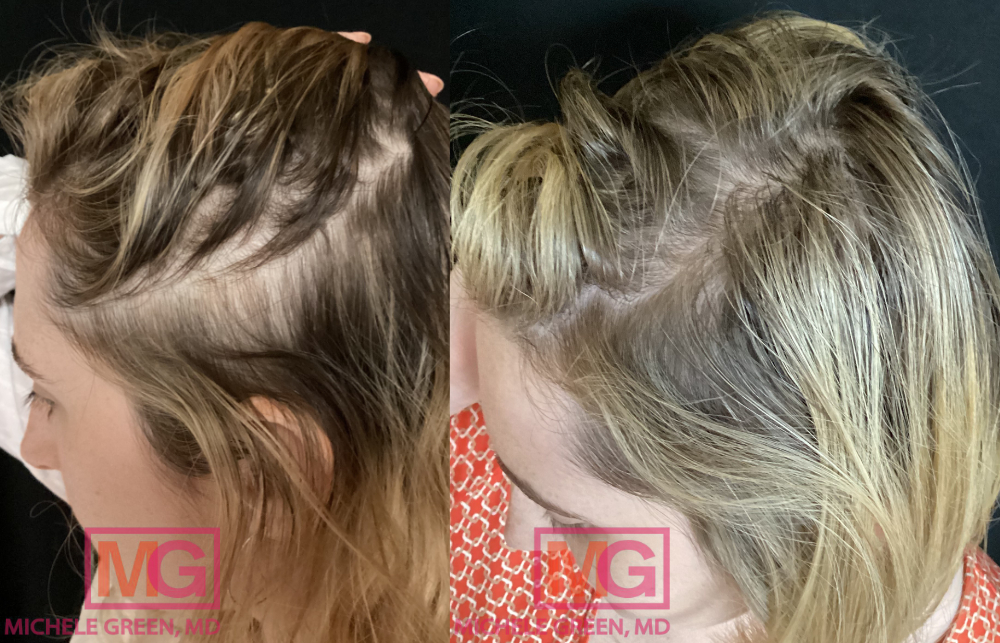
What causes hair loss?
Hair loss, thinning, and increased shedding can result from many factors, and the cause is often a combination of genetics, hormonal changes, and lifestyle factors. Androgenetic alopecia is one of the most common causes and leads to gradual thinning over time as hair follicles become more sensitive to hormones, producing finer, weaker strands. Hormonal shifts related to stress, pregnancy, menopause, thyroid conditions, or other medical changes can also disrupt the hair growth cycle, leading to shedding or noticeable thinning. Physical or emotional stress can push more hairs into the resting phase, which may result in increased shedding several months later. Nutritional deficiencies, illness, certain medications, and scalp inflammation can further affect hair health and growth. In many cases, hair follicles are still present but functioning less effectively, which can make hair look thinner even before visible hair loss occurs. Understanding the underlying cause is important, since different forms of hair loss and thinning respond best to different treatment approaches. Therefore, it is best to consult a board-certified dermatologist, such as Dr. Michele Green, to create a personalized treatment plan.
What is PRP?
Platelet-rich plasma (PRP) is a non-invasive hair restoration treatment that supports thinning hair and improves overall hair density. It is most often recommended for individuals noticing gradual thinning or increased shedding, rather than areas of complete hair loss. PRP uses concentrated growth factors to stimulate hair follicles and encourage thicker, healthier hair growth over time. As hair follicles weaken, strands can become finer, and growth can slow, making hair appear less dense even when follicles are still present. PRP helps support these follicles, enabling them to produce healthier hair and maintain more consistent growth. While PRP does not create new hair follicles or restore hair in fully bald areas, it can improve the appearance of fullness and slow ongoing thinning, making it a popular option for patients looking to preserve their natural hair without surgery.
What is a FUE hair transplant?
A follicular unit extraction (FUE) hair transplant is a surgical procedure that restores hair in areas where thinning has progressed to noticeable hair loss or baldness. The procedure moves healthy hair follicles from parts of the scalp where hair naturally grows well to areas where hair no longer grows on its own. Once these follicles are placed in thinning or balding areas, they continue to grow hair just as they did in the donor area, providing long-lasting improvement in density and coverage. FUE is often chosen by people who want a more permanent solution to hair loss rather than treatments that require ongoing maintenance. The results can look very natural when performed correctly, as the transplanted hair grows and blends in with the surrounding hair over time. While FUE does not prevent future hair loss in untreated areas, it can significantly improve the appearance of fullness in targeted areas when there is enough healthy donor hair.
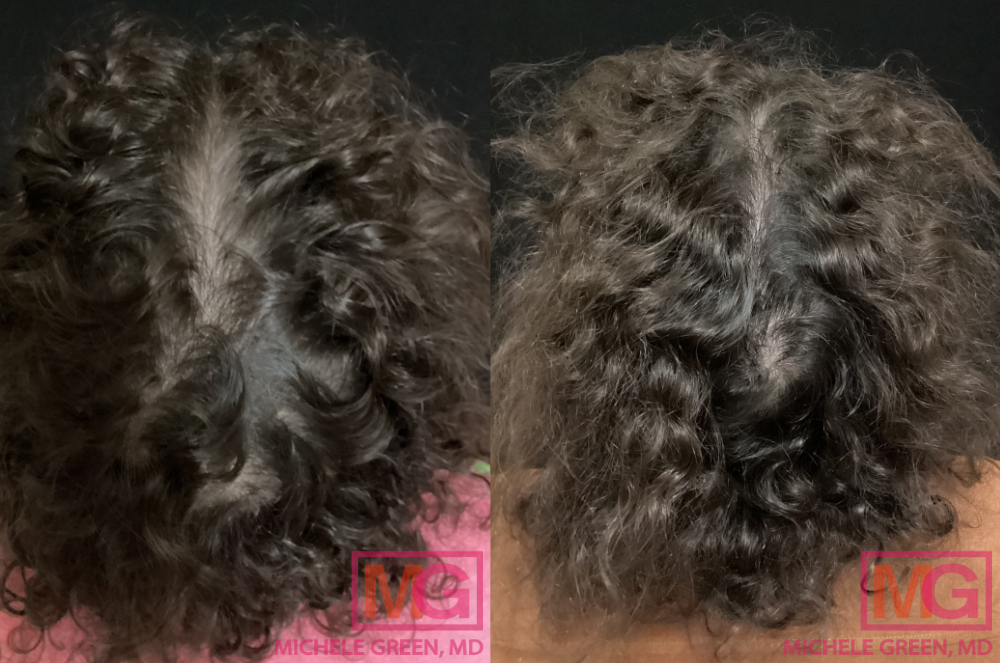
What is the difference between PRP and FUE?
The difference between PRP and FUE lies in how each treatment addresses hair loss and the condition of the hair follicles. PRP is a non-surgical treatment that supports thinning hair by improving the function of existing follicles, making it most appropriate for ideal candidates who still have active follicles but are noticing reduced density or increased shedding. It helps maintain and strengthen hair rather than replace what has already been lost. FUE is a surgical hair restoration procedure that can restore hair in areas where follicles are no longer present or are no longer producing hair. It works by transferring healthy follicles from a donor site on the scalp to areas of more advanced hair loss, allowing hair to grow in locations where regrowth would not occur on its own. The transplanted follicles are generally long-lasting because they are taken from scalp areas resistant to hair loss, though results can vary. Natural hair loss may continue in untreated areas. Unlike PRP, which requires ongoing treatments to maintain results, FUE is intended to provide lasting improvement in treated areas rather than short-term changes. Many hair transplant specialists recommend PRP after an FUE hair transplant to enhance graft survival and support overall results.
What is the process of getting a PRP treatment?
PRP treatment for hair restoration begins with a simple blood draw using the patient’s own blood. The blood is then placed in a centrifuge and spun at high speed to separate the platelet-rich plasma from other blood components. This step concentrates the platelets, which are then used for the treatment. Once prepared, the platelet-rich plasma is injected into areas of the scalp affected by hair thinning or increased shedding to support existing hair follicles and overall scalp health. The treatment is performed in a medical setting and is typically well-tolerated, with minimal downtime. Most patients resume normal routines shortly after their appointment. Because hair growth is gradual and follows a natural cycle, PRP is usually recommended as a series of treatments spaced over several months, with follow-up sessions to help maintain results and support ongoing hair health.
What is the process of getting an FUE hair transplant?
The process of getting an FUE hair transplant begins with a consultation to evaluate hair loss patterns, donor hair availability, and treatment goals. Once a plan is established, individual hair follicles are carefully removed from scalp areas with more consistent hair growth. These follicles are then placed into areas where hair has thinned significantly or where hair no longer grows on its own. The procedure is performed under local anesthesia and can take several hours, depending on the number of follicles required. After the procedure, the scalp needs time to heal as the treated areas recover and the transplanted follicles settle into place. It is normal for the scalp to experience temporary redness or sensitivity during this period. Over the next several months, the transplanted follicles begin to grow new hair, with gradual improvement in density and coverage as the hair grows in and blends naturally with surrounding hair.
Is FUE or PRP better?
Whether FUE transplant or PRP therapy is better depends largely on the pattern of hair loss and the condition of the hair follicles, rather than one option being better for everyone. PRP therapy is typically recommended for individuals with active or dormant hair follicles who are noticing thinning, increased shedding, or early hair loss. It works by stimulating follicle activity and improving hair regrowth in areas where hair has become finer, weaker, or slower to grow. This can lead to thicker hair strands, reduced shedding, and improved overall density over time. FUE is generally better suited for individuals with more advanced hair loss or areas where follicles are no longer present, since it restores hair by relocating healthy follicles to areas of permanent loss. In some cases, PRP may be used after an FUE hair transplant as part of a broader treatment plan to support healing and improve the overall success of the procedure. PRP therapy focuses on improving hair growth where follicles still exist, while FUE is used to replace hair in areas where regrowth is no longer occurring. This is why a professional evaluation is important when deciding between the two options.
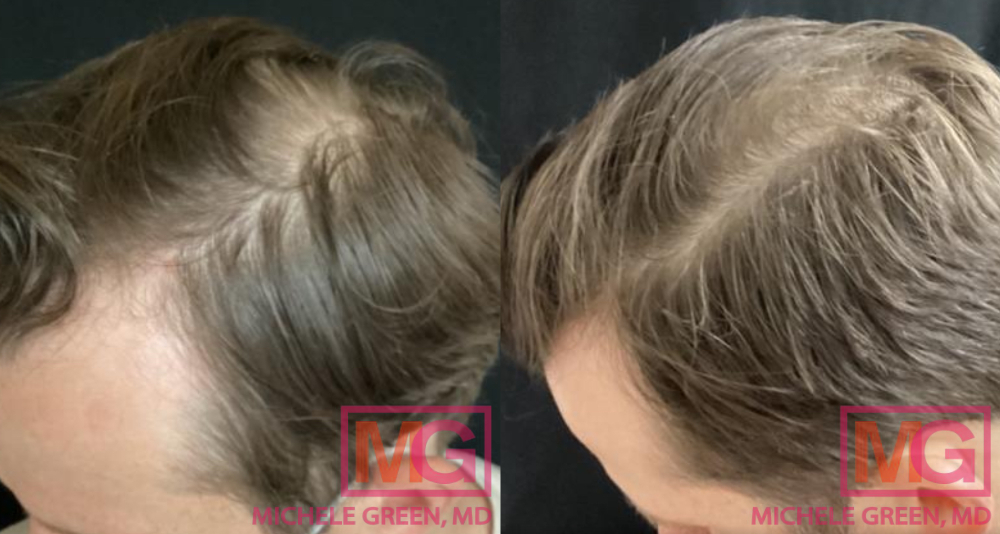
What is the difference between FUE and FUT hair transplant?
The difference between follicular unit extraction (FUE) and follicular unit transplantation (FUT) lies in how hair follicles are harvested from the scalp donor area and in the recovery afterward. With FUE, individual hair follicles are taken one at a time from areas of the scalp where hair is naturally fuller and then transplanted into areas where hair has thinned or is no longer growing. This method usually heals with tiny marks that are less noticeable once the scalp has healed. FUT uses a different approach by removing a narrow strip of scalp from the donor area, which is then carefully separated into individual follicular units so each graft can be placed into the areas being treated. The FUT method involves stitches, which leave a linear scar that is typically hidden by surrounding hair but may be more visible if the surrounding hair is very short. Both FUE and FUT can produce natural-looking results when performed correctly, and the choice between them often depends on the extent of hair loss, donor hair availability, and scarring concerns.
Does PRP for hair hurt more than FUE and FUT?
PRP for hair is generally considered less painful than both FUE and FUT hair transplant procedures. PRP involves a series of scalp injections that can cause brief stinging or pressure during treatment, but the session is relatively short and does not involve surgery. Any discomfort typically resolves quickly, and most patients can return to normal activities shortly afterward. FUE and FUT are surgical procedures performed under local anesthesia, which prevents discomfort during the procedure. Once the anesthesia wears off, however, patients may experience scalp soreness, tenderness, or tightness during recovery. FUT is often associated with more post-operative discomfort because it involves an incision and sutures at the donor site, whereas FUE may cause soreness across multiple small extraction areas. Overall, PRP is usually less painful and has a faster recovery time than either FUE or FUT hair transplant procedures.
Which is cheaper, FUE or FUT?
In general, FUT is often less expensive than FUE, though costs can vary widely from patient to patient. FUT is sometimes considered a more cost-effective solution because it allows more hair follicles to be transplanted in a single session, thereby lowering the overall cost per graft. FUE tends to be more expensive because it involves removing individual follicles one at a time, making it more time- and labor-intensive. The total cost of either procedure depends on several factors, including the extent of hair loss, the number of hair follicles required, the complexity of the procedure, and the provider’s experience. Geographic location can also influence pricing, which is why a consultation is necessary to determine the most appropriate approach and expected cost for each individual.
Which is better: FUE, FUT, or PRP hair restoration?
There is no single best option for everyone, as FUE, FUT, and PRP hair treatments are used for different types and stages of hair loss. PRP is often the preferred treatment for individuals experiencing thinning or increased shedding, provided they still have hair follicles capable of producing hair. It focuses on improving hair quality and slowing further loss rather than replacing hair that has already been lost. FUE and FUT are more appropriate for individuals with more advanced hair loss or bald areas where hair is no longer growing. Both transplant methods restore hair by moving follicles from donor areas to areas of loss, with the main difference being how those follicles are collected. FUE avoids linear scarring and is often preferred by those who prefer shorter hairstyles, while FUT may be recommended when a larger number of follicles are needed in a single session. Even after an FUE or FUT hair transplant, PRP is often recommended that patients follow up with PRP treatments to enhance results. The best treatment option depends on the pattern of hair loss, the condition of the scalp and donor hair, and long-term goals, which is why a professional evaluation is important before choosing any approach.
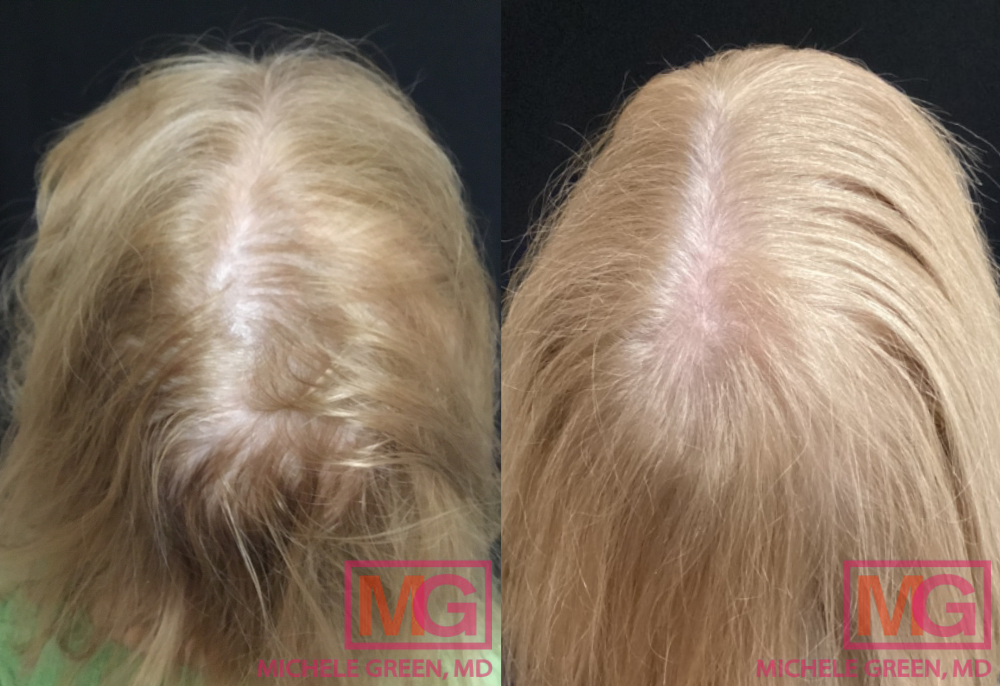
Why do people do hair transplants instead of PRP?
People often choose hair transplant surgery over PRP when they want a more noticeable change in areas where hair loss is already visible. When thinning has progressed to the point that PRP is unlikely to make a meaningful difference, especially in areas with few or dormant hair follicles, a transplant can be a more immediate way to restore the appearance of fullness. Hair transplants allow hair to be placed precisely in areas where density has been lost, which can be especially appealing for people concerned about a receding hairline, thinning at the crown, or patchy areas. Some individuals also feel more comfortable choosing an option that does not require ongoing treatment sessions and prefer a single procedure that addresses specific cosmetic concerns. In these cases, hair transplant surgery may feel like a more practical choice for achieving visible coverage and reshaping the hairline, rather than waiting for gradual changes that the condition of the existing hair follicles may limit.
Is FUE or PRP faster?
PRP hair treatment is easy to fit into a busy schedule, with short sessions that allow most people to return to their normal routine right away. Any improvement from PRP develops slowly, as changes in hair thickness and shedding occur over several months. FUE takes much longer to perform because it is a surgical procedure that places individual hair grafts into areas of hair loss and requires a healing period afterward. Although the process takes more time overall, FUE can produce visible hair in areas where regrowth would not occur on its own once new growth begins. For most people, PRP feels faster in terms of procedure length and recovery, while FUE feels faster in terms of creating noticeable changes in areas of hair loss.
Does FUE or PRP have a better success rate?
FUE and PRP measure success differently, making direct comparison difficult. PRP hair restoration is often considered successful when it leads to thicker hair, reduced shedding, and improved overall hair quality in thinning areas. Many people notice increased hair thickness over time, especially when treatment is started early, and follicles are still active. FUE is considered successful when transplanted hair grows in and blends naturally with the surrounding hair, filling in areas where hair was no longer growing. In that case, success is about restoring coverage rather than improving existing hair. Both treatments can work well when used for the right type of hair loss, so results are usually best when the treatment matches the stage and pattern of thinning.
Should I get a PRP or an FUE hair transplant?
Deciding between PRP and an FUE hair transplant depends on your pattern of hair loss, the strength of your existing hair, your goals, and how advanced your thinning has become. PRP is best suited for individuals in the early stages of hair thinning or experiencing increased shedding who still have active hair follicles. It can improve the health and quality of existing hair and slow further thinning without surgery or recovery time. An FUE hair transplant is typically recommended for those with more significant hair loss or bald areas where follicles are no longer producing hair. FUE can restore hair in those areas by moving healthy follicles to thinning or balding zones, leading to new growth over time. A consultation with a board-certified dermatologist or plastic surgeon is important because it allows for an assessment of hair and scalp health, a review of medical history, and guidance that helps patients make an informed decision based on their goals and expectations. In some cases, a combination of treatments may be suggested to address both thinning and restoration, helping achieve optimal results for a specific situation.
Where to get PRP injections for hair loss?
PRP injections for hair loss are commonly performed by board-certified dermatologists, who are specially trained to diagnose and treat conditions of the skin and scalp. Dermatologists have extensive experience evaluating different types of hair loss and determining whether PRP is appropriate based on hair follicle health and overall scalp condition. They are also trained in injection techniques and treatment planning, which helps ensure PRP is delivered safely and in areas where it is most likely to be effective. Seeing a board-certified dermatologist, such as Dr. Michele Green in NYC, allows patients to receive a thorough evaluation and a personalized hair restoration approach rather than a one-size-fits-all treatment.
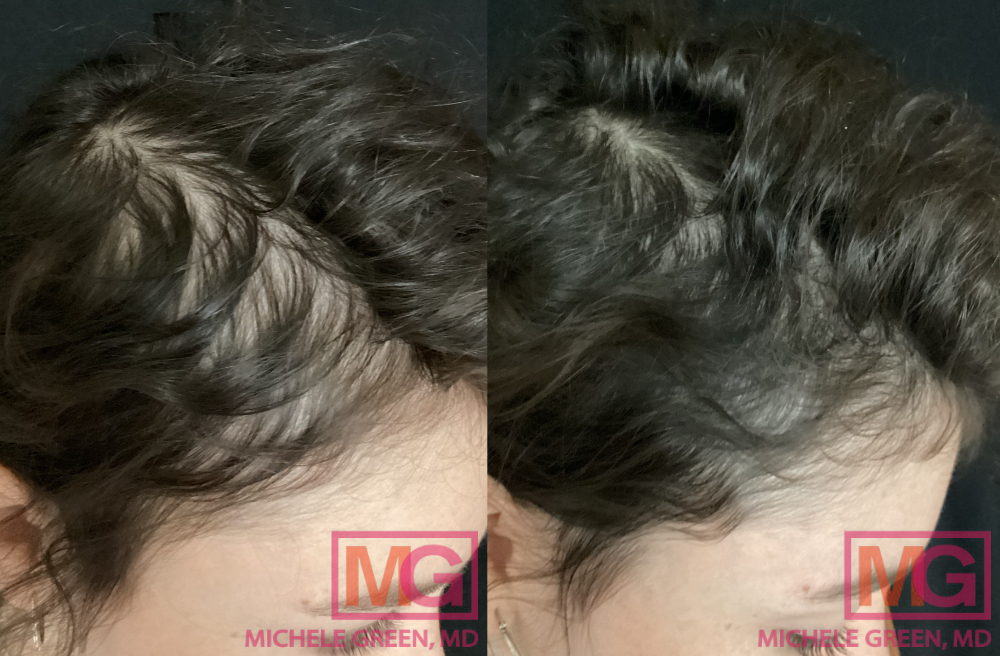
How to determine the right hair restoration approach for your needs?
PRP and FUE hair transplant treatments address hair loss in different ways, making it important to choose the approach that best matches the hair’s condition and individual goals throughout the hair restoration journey. Platelet-rich plasma therapy is often used to improve hair quality, thickness, and growth in areas of thinning where follicles are still present, while follicular unit extraction (FUE) is designed to restore hair in areas of more advanced loss where regrowth is unlikely. Understanding the differences between these options can help determine whether the focus should be on improving existing hair, restoring density in specific areas, or maintaining long-term hair health. For patients undergoing hair transplant surgery, PRP is often incorporated afterward to complement the procedure and support long-term outcomes. A consultation with Dr. Michele Green in NYC is essential, as factors such as the extent of hair loss and scalp health help determine the most appropriate approach.
At her private dermatology office in New York City, Dr. Michele Green takes an individualized approach to hair restoration, helping patients understand their hair loss pattern and available non-surgical treatment options. With extensive experience treating hair thinning and shedding, Dr. Green works closely with each patient to develop a customized plan that aligns with their goals and lifestyle. For patients interested in non-surgical hair restoration, platelet-rich plasma therapy may be recommended as part of a comprehensive treatment strategy. To schedule a consultation and learn more about personalized hair restoration options, please call the office at (212) 535-3088 or contact the office online.
Related Topics
Summarize This Content: AI


