


What is Ozempic Face?
Ozempic, the brand name for the semaglutide GLP-1 diabetes drug, has been gaining popularity over recent years, alongside similar medications like Mounjaro and Zepbound (tirzepatide), due to its off-label use as a rapid weight-loss drug. Approved by the US Food and Drug Administration (FDA) for the treatment of type 2 diabetes, Ozempic helps regulate blood sugar levels, slow digestion, and make patients feel fuller for longer. These effects of Ozempic treatment can lead to significant reductions in overall body weight, prompting Ozempic’s parent company, Novo Nordisk, to release Wegovy, another semaglutide drug specifically approved by the FDA as a weight-loss medication for obesity. While Wegovy and Ozempic were highly effective at helping patients lose a large amount of weight in a relatively short period, the weight-loss drugs can also lead to unwanted side effects, such as loss of facial fat, sagging skin, and decreased skin elasticity, which can increase signs of facial aging in a condition that has been dubbed “Ozempic face.” If you are unhappy with the side effects of Ozempic, such as Ozempic face, the best first step is to consult a board-certified dermatologist, such as Dr. Michele Green, and read on to learn more.
Ozempic face affects many patients taking a GLP-1 medication and is caused by the rapid weight loss associated with the treatment. When weight loss occurs very quickly over a short period, skin elasticity cannot keep pace with the rate of fat loss, leading to loose skin and facial changes. Ozempic face is characterized by sagging skin and a gaunt appearance that accentuates signs of aging, such as fine lines, wrinkles, jowls, facial volume loss, and facial hollows, altering how your face looks. For patients taking Ozempic or Wegovy who experience Ozempic face, there are many treatment options to reduce skin laxity and restore lost volume. Some patients believe that the only options to address sagging skin are invasive plastic surgery treatments, such as a facelift or neck lift. However, many non-invasive treatment options are available at Dr. Green’s dermatology office, including dermal fillers, microneedling with PRP, and laser skin-tightening treatments such as Thermage. To find out more about which treatment options will be most effective for you, schedule an appointment with Dr. Green.
Experienced board-certified dermatologist Dr. Michele Green has been treating patients in her Upper East Side, New York City, office for more than 25 years. Dr. Green is a master at generating individualized treatment plans, promoting wellness, and helping each patient achieve their aesthetic goals. With her proprietary line of skincare products, MGSKINLABs, and a wide range of cosmetic and medical treatment options available, including dermal fillers, microneedling, laser treatment, Botox, chemical peels, and more, Dr. Green can address a wide range of skin conditions and cosmetic concerns. Well-known for high patient satisfaction, Dr. Green has been voted one of New York City’s best healthcare providers by such publications as Castle Connolly, Super Doctors, and New York Magazine.
What is Ozempic?
Ozempic, which contains the active ingredient semaglutide, is a prescription medication for adults with type 2 diabetes. It is given as a once-weekly injectable and has full FDA approval. The main goal of Ozempic is to help control blood sugar levels in adults with this chronic disease. Besides its effectiveness in managing blood glucose, Ozempic is also linked to reductions in cardiovascular risk factors, making it a helpful choice for those at higher risk of heart disease. The medication works as a GLP-1 (glucagon-like peptide-1) receptor agonist, similar to other GLP-1 drugs. This means it mimics a naturally occurring hormone that helps regulate blood sugar by slowing digestion and increasing feelings of fullness (satiety). As a result, Ozempic not only helps control blood sugar but can also support weight loss, which is often a major concern for people with type 2 diabetes.
What does Ozempic do?
Ozempic, a prescription medication developed and marketed by Novo Nordisk, is mainly used to treat type 2 diabetes. The drug has received FDA approval to reduce symptoms of type 2 diabetes by regulating the pancreas’s function and changing the rate of digestion, helping the body produce insulin. It also affects gastric emptying, slowing the release of sugars into the bloodstream. This process helps relieve the main symptoms of type 2 diabetes, including high blood sugar levels.
Recently, Ozempic has gained significant attention on social media platforms like TikTok and Instagram, not only for its role in managing diabetes but also for an unexpected side effect: rapid weight loss. Many users have reported losing significant weight after starting weekly Ozempic injections. This weight loss is linked to the medication’s effects on appetite control. However, using Ozempic for weight loss is an off-label use. This means that while it can help with weight loss, the FDA has not officially approved it for this purpose. For those looking specifically for weight-loss options, Novo Nordisk offers another semaglutide-based product, Wegovy, which the FDA has approved for weight management. Wegovy works similarly to Ozempic but is specifically designed for weight loss rather than diabetes treatment.
What are the side effects of Ozempic?
Ozempic has many possible side effects that mostly affect the gastrointestinal tract and can include:
- Vomiting
- Diarrhea
- Nausea
- Constipation
- Stomach aches and abdominal pain
- Flatulence
- Fatigue
Another side effect of the rapid weight loss associated with Ozempic and Wegovy is “Ozempic face,” a condition caused by fat loss in the face. Rapid weight loss leads to decreased skin elasticity, loose skin, hollowing under the eyes and in the midface, sagging skin along the jawline, increased appearance of fine lines and wrinkles, and an overall hollow or gaunt appearance.
In rare cases, Ozempic can be associated with more serious side effects, including cardiovascular issues,
- Changes in vision
- Low blood sugar (hypoglycemia)
- Pancreatitis
- Gall bladder problems
- Kidney problems
- Severe allergic reaction
If you are experiencing a serious adverse event due to Ozempic, contact your healthcare provider immediately.
What is Ozempic Face?
“Ozempic face” is the term used to describe the noticeable change in facial appearance caused by rapid loss of subcutaneous fat, a common side effect of the weight loss medications Ozempic and Wegovy. Coined by New York dermatologist Dr. Paul Jarrod Frank, the term “Ozempic face” refers to excess skin and a gaunt look that can alter the face during quick weight loss. When fat loss occurs rapidly, the production of structural proteins like collagen and elastin drops, reducing skin elasticity and making it harder for the skin to bounce back. As a result, the skin appears loose and saggy, highlighting natural aging signs such as fine lines, wrinkles, and volume loss. Sagging skin is especially noticeable on the face, at the temples, around the eyes, and along the jawline, where it can create the appearance of jowls. Fat loss can also cause a hollow midface and a sunken look under the eyes, making people appear older and more fatigued. If you are unhappy with the Ozempic face, the best first step is to book a consultation with a board-certified dermatologist, such as Dr. Michele Green.
Is Ozempic Face real?
Ozempic face is a real term used to describe the facial changes some patients may experience while using Ozempic, especially after significant weight loss. This occurs due to the rapid weight loss that can happen with the medication, which is mainly prescribed for Type 2 diabetes management and weight reduction. These changes can be especially noticeable in individuals who have lost significant weight, leading to concerns about their appearance and self-confidence.
What causes Ozempic Face?
Ozempic face occurs due to rapid weight loss while taking Ozempic. Researchers say Ozempic face is not a direct side effect of the medication itself; rather, it is a side effect of the weight loss it causes. When weight loss occurs over a short period, the production of structural proteins such as collagen and elastin decreases. These proteins are vital for maintaining skin’s firmness, elasticity, and youthfulness. Sometimes, even muscle mass is lost, leading to reduced skin elasticity. As the body loses weight, especially fat, the skin may struggle to maintain its shape and firmness due to reduced elasticity. This is because fat cells support and structure the skin; when they diminish, the skin may not retract or adjust as quickly as the underlying fat layer decreases. The result is often loose, sagging skin that can detract from a person’s overall appearance.
Additionally, this loosening of the skin can make signs of aging, such as fine lines and wrinkles, become more noticeable. When the skin’s natural support system is weakened, these features may stand out more, giving a less smooth and youthful appearance. To offset some of the negative effects of rapid weight loss on skin elasticity, it’s recommended to include a good sunscreen in your daily skincare routine. Sunscreen protects against sun damage, which can accelerate skin aging and collagen breakdown. Therefore, a proactive skincare routine, combined with healthy weight management, can help preserve a more youthful appearance even after significant weight loss.
Treatments for Ozempic Face
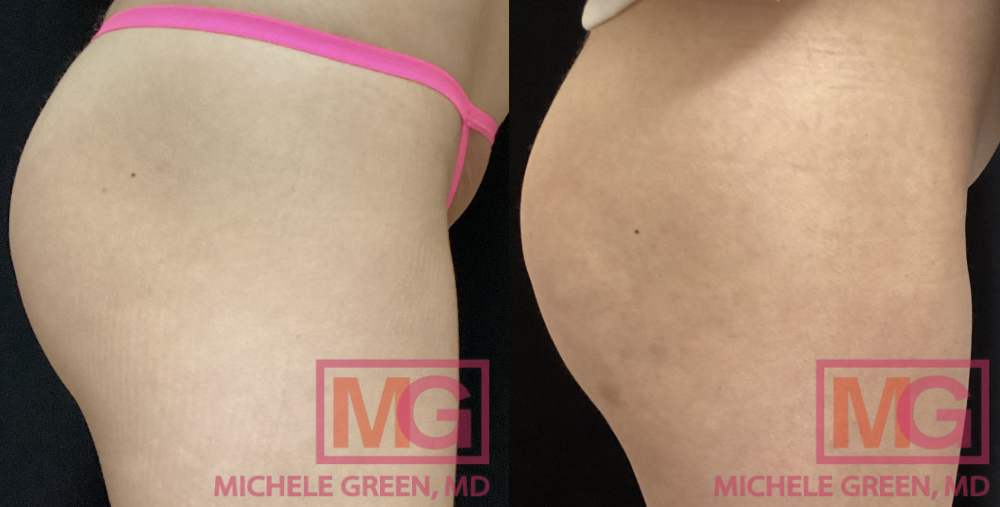
Many patients ask, “How do I fix the Ozempic face naturally?” For those seeking to reduce the appearance of Ozempic face, Dr. Green’s New York City dermatology office offers several non-invasive treatments, including injectable dermal fillers, microneedling with PRP, and Thermage laser therapy. These options are tailored to individual needs and can effectively diminish the signs of Ozempic face. Consulting with Dr. Green is essential to determine the best treatments for your skin type and goals.
Dermal Fillers
When fat loss occurs in the face, dermal fillers are a great treatment option to restore midface volume and under-eye hollows, fill fine lines and wrinkles around the nose and mouth, and contour the jawline to reduce jowls. Dr. Green’s office offers a wide range of dermal fillers, making it easy for patients to find the right solution for their individual needs. The selection includes popular options like Restylane and Juvederm, both primarily made from hyaluronic acid—a natural substance in the body known for its hydrating properties. Other fillers, such as Sculptra and Belotero, complement these, offering different textures and lasting effects, and can be used across all facial areas for a complete liquid facelift. Results from dermal fillers tend to last a long time, with some options exceeding two years, but gradually fading. Therefore, Dr. Green recommends scheduling touch-up appointments about once a year to preserve the results.
Microneedling with PRP
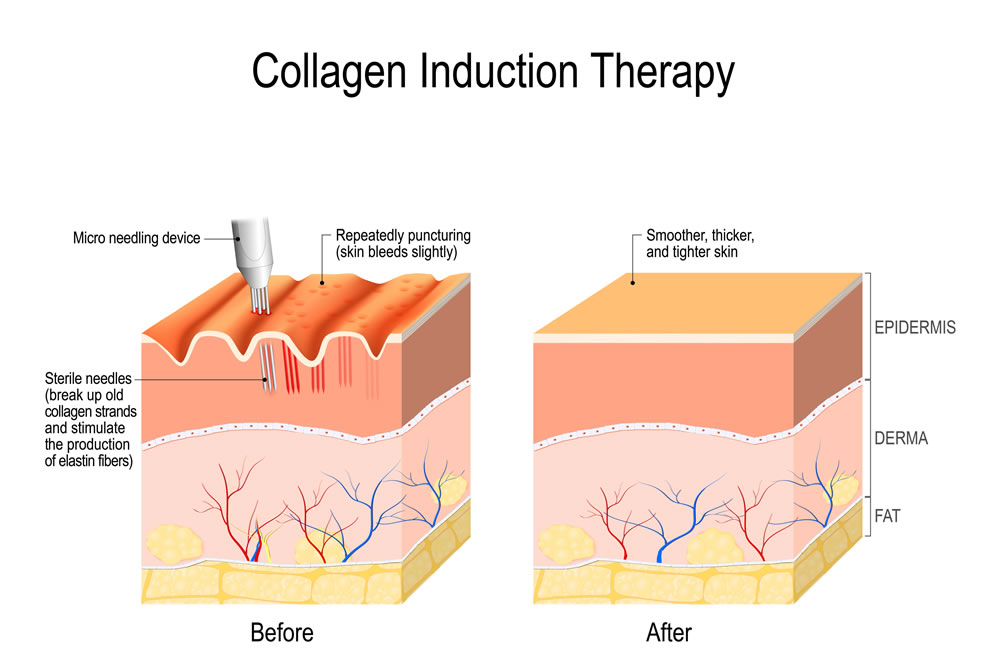
Microneedling with PRP is often called “collagen-induction therapy” because it helps to boost the body’s natural collagen production to improve skin tone and texture. The treatment uses tiny surgical-grade needles that pierce the skin, creating numerous micro-wounds that trigger the body’s natural healing response, increasing collagen production and overall skin health. Incorporating platelet-rich plasma (PRP) into the microneedling process further enhances the revitalization effects. PRP is derived from the patient’s own blood, which is processed to concentrate the platelets—cell fragments rich in growth factors and essential nutrients. After microneedling, PRP is injected into the treated areas or applied topically, ensuring its healing properties penetrate deep into the skin. With PRP microneedling, patients experience higher skin elasticity and improved skin texture. Patients can expect noticeable improvements in skin elasticity, texture, and overall health following the treatment. The combination of microneedling and PRP not only speeds up healing but also increases skin hydration, reduces fine lines and wrinkles, and minimizes scars and imperfections. Overall, this powerful duo results in a more youthful, radiant complexion, making it a popular option for individuals seeking to boost their skin’s vitality.
Thermage RF Treatment
Patients experiencing loose skin from Ozempic may also consider Thermage, a radiofrequency laser skin-tightening treatment. Thermage is widely recognized as the gold standard for non-surgical skin tightening, offering patients firmer, smoother skin without downtime or the need for a plastic surgeon. When applied to the treatment area, the Thermage device emits radiofrequency energy that converts into heat, causing controlled tissue damage and stimulating collagen and elastin production. This device delivers radiofrequency energy into the skin. The heat stimulates controlled collagen production by triggering the body’s natural healing response, which maintains skin firmness and elasticity. After treatment, patients often experience immediate tightening, with results that continue to improve over time. A key benefit of Thermage is that many patients notice immediate skin tightening right after the procedure. However, the results gradually improve in the following months as collagen production accelerates and the skin rejuvenates. This ongoing improvement often results in firmer, smoother skin, greatly boosting confidence and overall appearance without invasive surgery.
Is Ozempic face reversible?
Ozempic face is a term for the facial changes some people may experience as a side effect of using Ozempic, especially with significant weight loss. This phenomenon primarily involves changes in skin elasticity and volume, leading to a gaunt or hollow appearance. To help reduce the risk of Ozempic face, it’s helpful to introduce the medication gradually into your routine. This slow approach allows your body to adapt more effectively to the medication and its effects, supporting a steadier, more sustainable weight-loss rate. When weight loss occurs more slowly, the skin has more time to adjust to the changes, which may lower the chances of skin laxity and other facial changes. If skin laxity occurs after significant weight loss, various cosmetic treatments can help tighten and rejuvenate the skin. These treatments range from minimally invasive options like laser therapy, ultrasound, and radiofrequency skin tightening, to more extensive surgical procedures such as facelifts and skin-tightening surgeries. The choice of treatment depends on the severity of skin laxity, the patient’s preferences, and their overall skin condition. It’s highly recommended to consult a qualified dermatologist or a board-certified cosmetic surgeon for personalized advice. These professionals can evaluate your specific situation, discuss the potential effects of Ozempic on your skin, and create a tailored plan that aligns with your aesthetic goals and health needs.
How to avoid Ozempic Face
Patients wonder, “How can I prevent Ozempic face?” To effectively avoid developing Ozempic face, it’s important to approach treatment carefully and gradually. Starting with a low dose of Ozempic is highly advisable, as this allows your body to adjust to the medication without causing rapid weight loss. According to the Centers for Disease Control and Prevention (CDC), aiming for a gradual weight loss of about 1 to 2 pounds per week is optimal. This slower rate of weight loss gives the skin enough time to adapt and tighten as your body changes, helping reduce the risk of loose or sagging skin. It’s best to begin taking Ozempic or Wegovy under a healthcare provider’s supervision to ensure weight loss occurs in a controlled, steady way, especially at the start of treatment. Healthcare providers also recommend making significant lifestyle changes, such as eating well and staying hydrated, to support weight management after stopping Ozempic.
Do all Ozempic users get Ozempic face?
Not every Ozempic user experiences what is commonly called “Ozempic face.” This term usually describes facial changes some people notice, especially a loss of volume and elasticity, which can happen quickly with significant weight loss. The main cause of this effect is rapid weight loss, leading to visible changes in facial appearance. To lower the risk of Ozempic face, users should begin with a smaller dosage. Starting at a lower dose allows the body to gradually adjust to the medication’s effects and the weight changes. This slower approach can help reduce sudden, noticeable changes in the skin and facial structure, giving the body more time to adapt to the new weight. In addition, a proper skincare routine and staying hydrated can support skin health during weight loss.
How can you tell if someone has Ozempic face?
Determining whether someone has what is commonly called “Ozempic face” involves observing specific physical signs, especially those related to skin elasticity and facial volume. The term “Ozempic face” describes excess skin laxity and reduced volume that can occur after significant weight loss associated with Ozempic (semaglutide), a medication often prescribed for weight management and type 2 diabetes control. The main signs of Ozempic face include visible skin sagging, particularly in the cheeks, jawline, and around the mouth. Individuals may also show a decrease in facial volume, leading to features that appear hollow or sunken, especially in the temples and cheekbones. These changes can give an impression of aging, as facial contours lose their youthful fullness and definition.
It’s important to understand that the features linked to Ozempic face are not exclusive to people taking this medication. Skin laxity and volume loss can occur for various reasons, including rapid weight loss, hormonal shifts, and normal aging. People who lose a lot of weight—whether they use Ozempic or other weight management methods—are at risk of similar changes in skin firmness and facial fullness. As they age, the skin naturally changes its structure and appearance. Over time, the body produces less collagen and elastin, essential proteins that help keep skin firm and elastic, leading to sagging and loss of skin fullness.
Additionally, many people who use Ozempic may pursue cosmetic procedures to address these changes. Treatments like dermal fillers or skin-tightening techniques can restore a more youthful look and address issues such as hollowness and sagging skin. However, it’s important to be cautious when making assumptions about someone’s medication use or health based solely on visible signs of skin laxity and volume loss. These physical changes can result from various causes, and jumping to conclusions can be misleading. Recognizing these differences is key to making an informed judgment, as context plays a vital role in understanding such appearance changes.
Does Ozempic make you age faster?
Ozempic is a GLP-1 medication mainly prescribed for managing type 2 diabetes and aiding weight loss. It contains the active ingredient semaglutide, which mimics a hormone that regulates blood sugar levels and appetite. While Ozempic effectively accomplishes its goals, concerns have been raised about its potential effects on skin appearance and aging. It’s important to clarify that Ozempic itself does not directly cause aging. However, the significant weight loss often associated with its use can lead to noticeable changes in skin appearance. When someone loses a large amount of weight, especially rapidly, their body can undergo changes affecting skin elasticity. As body fat diminishes, the skin—previously stretched to accommodate extra weight—may not fully regain its original tightness. This is mainly due to the loss of underlying fat and the natural decline in collagen production with age. Collagen is crucial for maintaining skin structure and firmness. When collagen levels decrease, the skin can become loose and less resilient. This laxity can appear in various areas of the body, including the face, abdomen, arms, and neck. As the skin sags or wrinkles form, it can produce an aging appearance that may not reflect a person’s true age. Fine lines and wrinkles might become more prominent, giving an overall impression of premature aging. In conclusion, while Ozempic does not inherently accelerate aging, the rapid weight loss it may cause can impact skin elasticity and texture. These changes can make a person look older, underscoring the importance of weighing both the health benefits and the aesthetic effects of significant weight loss when using medications like Ozempic.
What are the potential health implications of Ozempic face?
Ozempic face refers to facial changes some people may experience as a side effect of the medication, which is mainly prescribed to manage type 2 diabetes and support weight loss. While the term highlights cosmetic issues—such as sagging skin or loss of facial volume—there are no major health risks directly linked to Ozempic face, especially considering the broader health benefits of weight loss. However, it’s important to consider Ozempic’s overall effects and possible side effects. Ozempic, which contains the active ingredient semaglutide, can cause various side effects that might affect patients. Common issues include gastrointestinal problems such as nausea, vomiting, and diarrhea, which can affect overall well-being.
Additionally, some people may experience changes in appetite, leading to rapid weight loss that could make facial volume loss more noticeable over time. While the cosmetic effects of Ozempic are mainly visual, it’s important to monitor any changes in your health while using this medication. Consulting a healthcare provider can help assess both cosmetic and health effects, ensuring a balanced approach to treatment.
Does Ozempic Face ever go away?
Patients often wonder whether the Ozempic face will go away on its own, and the answer is: it depends. One way to reduce the effects of Ozempic face is to stop taking the medication altogether. Many patients, however, find that when they stop taking Ozempic, they regain the weight they previously lost. Patients who choose to continue the medication may find that skin elasticity improves over time, allowing the skin to tighten and revealing a slimmer face. This is most common in younger patients because, as we age, skin elasticity naturally diminishes, meaning many older patients will continue to experience loose, sagging skin. To effectively address concerns about Ozempic face, many patients seek advice from a qualified, board-certified dermatologist, such as Dr. Green. A dermatologist can provide a thorough assessment and develop a personalized treatment plan that might include skin tightening, rejuvenation therapies, or other cosmetic procedures to improve skin elasticity and restore a more youthful look. With professional guidance, patients can explore various strategies to reduce the effects of Ozempic on the face and enhance their skin’s overall texture and firmness.

How to start treatment for Ozempic Face today
Ozempic is a diabetes medication approved by the FDA to regulate insulin release and help manage symptoms of type 2 diabetes. In addition to controlling blood sugar levels, Ozempic’s active ingredient, GLP-1, slows gastric emptying, making patients feel full for longer and eat fewer calories. This leads to rapid weight loss, which can cause side effects such as gastrointestinal pain, discomfort, and Ozempic face. Loose skin can accentuate fine lines, wrinkles, jowls, and hollows in the midface and under the eyes. If you are concerned about the appearance of Ozempic face, board-certified dermatologist Dr. Michele Green is available to help.
Dermatologist Dr. Michele Green has been treating patients in her Upper East Side, New York City, office for over 25 years. With many treatment options available to improve sagging skin, improve skin elasticity, and diminish wrinkles—such as dermal fillers, PRP microneedling, and Thermage RF laser—Dr. Green can design a personalized treatment plan to meet your aesthetic goals. Consistently recognized as one of the top cosmetic dermatologists by Super Doctors, Castle Connolly, and New York Magazine, Dr. Green excels in patient satisfaction. Contact us online today or call our NYC-based office at 212-535-3088 to learn how Dr. Green can help address Ozempic face and more.


